

Station Eleven (2014)
Select Sections to Print
×Book Details
Station Eleven (2014)
Jump to Section
⚠️ Trigger Warnings
●Global Pandemic / Mass Death
●Suicide (on-page, referenced, and implied)
●Violence and Physical Harm
●Cult / Religious Extremism
●Child Endangerment
●Parental Abandonment
●Ableism (verbal references and attitudes)
●Emotional Distress and Trauma
●Gun Violence
●Fatal Illness
●Grief and Loss
●Societal Collapse / Disaster Imagery
⏱️ 2-Minute Spoiler Summary
Famous actor Arthur Leander dies of a heart attack onstage during King Lear just hours before the deadly Georgia Flu destroys civilization. Jeevan Chaudhary, who tries unsuccessfully to save Arthur, survives the pandemic with his brother Frank, who eventually dies by suicide so Jeevan can continue alone. Jeevan later builds a new life as a healer in Virginia.
Arthur’s first wife, Miranda Carroll, dies of the flu in Malaysia, leaving behind her obscure graphic novel Station Eleven. Arthur had given copies to young actress Kirsten Raymonde and his son, Tyler.
Twenty years later, Kirsten performs Shakespeare with the nomadic Traveling Symphony. They encounter a violent religious leader called the Prophet, whose followers kidnap members of the troupe after the Symphony helps a young girl escape him. Kirsten eventually discovers that the Prophet knows Station Eleven too. During their confrontation, one of his own followers shoots and kills him.
At Severn City Airport, Kirsten reunites with her friends and meets Arthur’s old friend Clark Thompson, who has spent twenty years running a Museum of Civilization. Clark realizes that the Prophet was actually Tyler Leander, Arthur’s son.
Finally, Clark shows Kirsten a distant town where electricity has been restored. After several weeks at the airport, the Traveling Symphony heads south toward the lights and the possibility of a world beginning to rebuild.
📖 Full Spoiler Summary
Arthur Leander’s Final Performance
Station Eleven moves back and forth across several decades, but nearly every part of the story connects in some way to famous actor Arthur Leander.
The novel begins at Toronto’s Elgin Theatre, where Arthur is performing as King Lear. In the middle of the mad scene, he suddenly collapses from a heart attack. Jeevan Chaudhary, a former paparazzo who is training to become a paramedic, happens to be in the audience and rushes onto the stage to perform CPR. He cannot save Arthur.
Among the people watching is eight-year-old Kirsten Raymonde, one of the child actors in the production. Arthur’s death becomes one of Kirsten’s last clear memories of the world before civilization collapses. Afterward, Tanya Gerard, the wrangler responsible for the child actors—and a woman secretly having an affair with Arthur—tries to comfort Kirsten by giving her a glass paperweight.
Arthur’s death seems enormous that night, but within hours it is eclipsed by something much worse.
As Jeevan walks home, his friend Hua, a doctor at Toronto General Hospital, calls with a terrifying warning. A deadly strain of influenza known as the Georgia Flu has arrived in Toronto aboard a flight from Moscow. Hua has seen how quickly patients are dying and tells Jeevan that this is far beyond an ordinary outbreak.
Jeevan believes him. He races through a grocery store buying as much food, water, and other supplies as possible before retreating to the apartment of his brother, Frank Chaudhary, a paraplegic journalist.
By the next morning, the world is already beginning to disappear.
The World Ends
Jeevan and Frank remain inside the apartment while the Georgia Flu tears through the population. From the windows, they watch Toronto become increasingly silent. Television and the internet eventually stop functioning. Electricity disappears. No emergency services arrive. The systems people once assumed would always exist simply cease to operate.
For two months, the brothers survive on Jeevan’s supplies. Eventually, however, they have to leave or starve.
Frank knows traveling will be extraordinarily difficult because of his disability and that Jeevan will have a much better chance of surviving alone. Rather than become a burden on his brother, Frank dies by suicide. Jeevan is devastated but eventually leaves Toronto on foot.
His story continues largely outside the main action of the novel. Years later, Jeevan has settled in a community in Virginia, where his limited medical training has made him valuable as a healer. He marries Daria, and they have children, including a son named Frank after the brother Jeevan lost.
Elsewhere, almost everyone connected to Arthur is being swept into the same catastrophe.
Arthur’s first wife, Miranda Carroll, is on a business trip in Malaysia when Clark Thompson, Arthur’s oldest friend, calls to tell her that Arthur has died. Miranda has long since moved beyond their failed marriage and built a successful career in shipping, but Arthur remains part of her history.
Her true passion is a project almost no one has seen: an elaborate graphic novel called Station Eleven, which she has worked on privately for years. Its story follows Dr. Eleven, who lives aboard a damaged space station after Earth has been taken over by aliens. Miranda produced only a few copies, including ones Arthur later gave to Kirsten and to his son, Tyler.
Miranda contracts the Georgia Flu in Malaysia. Knowing she is dying, she walks to a beach and watches the lights of cargo ships stranded offshore. She dies there as the pandemic destroys the world around her.
Arthur’s Family Becomes Stranded
Arthur’s second wife, Elizabeth Colton, and their young son, Tyler Leander, are traveling with Clark to Toronto for Arthur’s funeral when their flight is diverted to Severn City Airport in Michigan.
They never leave.
Flights are grounded as the pandemic spreads, and it quickly becomes obvious that no rescue is coming. The passengers and airport employees who survive begin transforming the terminal into a permanent settlement.
Clark eventually creates the Museum of Civilization in the former Skymiles Lounge. He collects objects that once seemed completely ordinary—cell phones, laptops, credit cards, passports, high heels—and displays them as artifacts from a vanished civilization. As the years pass, children are born who have never seen an airplane fly or used electricity, making Clark one of the people responsible for preserving memories of what existed before.
Elizabeth reacts very differently to the catastrophe. She becomes convinced that everything happens for a reason and increasingly interprets the pandemic in religious terms. Tyler absorbs these beliefs while repeatedly reading Miranda’s Station Eleven comics.
By Year Two, Elizabeth and Tyler leave Severn City with a group of religious wanderers.
Clark will not see them again.
Kirsten and the Traveling Symphony
Twenty years after the Georgia Flu, Kirsten Raymonde is now in her late twenties and has become an actress with the Traveling Symphony, a nomadic group of musicians and performers who move between settlements around the Great Lakes.
The Symphony performs Shakespeare and classical music because its members believe merely staying alive is not enough. Their caravan carries the words “Because survival is insufficient,” reflecting their determination to preserve art in a world where nearly everything else has been lost.
Kirsten remembers very little about the first years after the pandemic. She knows she survived terrible things, and she carries knives tattooed on her wrist representing people she has killed, but large portions of those early years are missing from her memory.
One thing she has preserved is Miranda’s Station Eleven comics, which Arthur gave her shortly before he died. Kirsten has read them so many times that their strange post-apocalyptic imagery has become deeply familiar to her.
Her closest companions in the Symphony include August, a violinist who quietly writes poetry and searches abandoned houses for old electronics, actor Dieter, and her former boyfriend Sayid.
Their travels eventually bring them back to St. Deborah by the Water, where two former Symphony members, Charlie Harrison and Jeremy Leung, had remained behind when Charlie became pregnant.
Instead of finding their friends, the Symphony discovers that the town has changed dramatically.
The Prophet Takes Control
St. Deborah by the Water is now dominated by a charismatic religious leader known as the Prophet. He has multiple young wives and teaches that the pandemic was divine judgment, with those who survived chosen for a special purpose.
The Prophet takes an immediate interest in the Symphony’s youngest actress, Alexandra, and expects her to remain behind and become one of his wives.
The Symphony refuses.
They leave St. Deborah quickly, but a twelve-year-old girl named Eleanor secretly joins them. Eleanor had been promised to the Prophet and is desperate to escape him.
Taking her makes the Symphony a target.
The Prophet’s followers pursue them, and members of the troupe begin disappearing. Dieter and Sayid are abducted, while the clarinetist Sidney also vanishes. Sidney eventually escapes and manages to warn the others, but Dieter dies after being drugged with the chemicals his captors used during the kidnapping.
As the Symphony tries to escape the Prophet’s territory, Kirsten and August become separated from the main group. Their priority becomes reaching Severn City Airport, where they hope the others will eventually gather.
The Prophet’s Identity
Kirsten and August eventually reconnect with an injured Sayid, but before they can reach safety, they encounter the Prophet and his followers.
During the confrontation, Kirsten realizes something extraordinary: the Prophet knows Station Eleven.
The same obscure comic that Kirsten has carried since childhood has also shaped his life. He quotes from it and interprets its story through his own religious worldview. Neither of them initially understands the full reason for their connection.
The confrontation nearly ends with Kirsten’s death. The Prophet prepares to shoot her, but one of the young boys traveling with him has finally had enough of the violence. The boy shoots the Prophet in the head before turning the gun on himself.
Only later does the final connection become clear.
The Prophet was Tyler Leander.
Arthur’s son had spent his childhood after the pandemic reading the same comics Arthur had given Kirsten. Combined with Elizabeth’s belief that the survivors had been divinely selected, Miranda’s story helped shape the worldview Tyler carried into adulthood. The child Clark watched leave Severn City years earlier had grown into the violent religious leader terrorizing settlements around the Great Lakes.
The Lights in the Distance
Kirsten, August, and Sayid finally reach Severn City Airport, where they reunite with members of the Traveling Symphony. They also discover that Charlie and Jeremy are alive and living there with their children.
Clark is now an old man, having spent two decades preserving remnants of the vanished world. When he meets Kirsten, he eventually recognizes her as the little girl who had been onstage during Arthur’s final performance.
Once they piece together what happened, Clark realizes that the Prophet Kirsten encountered was Tyler.
Arthur has been dead for twenty years, yet the lives surrounding him have continued crossing in unexpected ways: Miranda created the comics that reached both Kirsten and Tyler; Arthur gave those comics to them; Kirsten became an actress preserving Shakespeare; and Tyler transformed into the Prophet.
Before Kirsten leaves, Clark takes her to the airport’s control tower and shows her something astonishing in the distance.
Far to the south, a town is glowing with electric lights.
For Kirsten, who has spent almost her entire remembered life in a world without electricity, the sight is almost unbelievable. Somewhere beyond the settlements she knows, people have apparently managed to restore part of the technology that disappeared during the pandemic.
The Traveling Symphony remains at Severn City for several weeks before preparing to move on. Their next destination is south, toward the mysterious town with electricity.
As the Symphony leaves the airport, the world is no longer simply surviving the catastrophe that destroyed civilization twenty years earlier. Communities are growing, knowledge is being preserved, and somewhere in the distance, the lights have begun to come back on.
🔚 Ending Explained
The ending of Station Eleven brings the novel’s scattered timelines and character arcs together in a moment of clarity, closure, and quiet hope. After years of chaos, violence, and survival, the final chapters suggest that the world is not only stabilizing — it’s beginning to reawaken.
🔥 The Prophet’s Death — The End of a Threat
The story’s central conflict resolves near the Severn City Airport when Kirsten, August, and the injured Sayid finally confront the Prophet (Tyler Leander) and his followers.
- Kirsten and Tyler speak using lines from the Station Eleven comics, revealing how deeply he has interpreted them as scripture.
- Their exchange draws a symbolic contrast:
- Tyler identifies with Dr. Eleven’s fatalistic, chosen-ones worldview.
- Kirsten quotes the Undersea, the characters who long for the past and reject Tyler’s ideology.
- Before Tyler can kill Kirsten, one of his own young followers shoots him, then kills himself.
This moment delivers the novel’s version of poetic justice:
Tyler’s deterministic belief system — that everything is preordained — is destroyed by the free will of a child he manipulated. It proves that people can break from indoctrination and choose their own actions, even in the new world.
With the Prophet gone, the Symphony’s path forward becomes clear.
🏛️ The Museum of Civilization — Memory as Survival
Kirsten, August, and Sayid reach the Severn City Airport, now a thriving settlement curated by Clark Thompson. His Museum of Civilization is more than a collection of relics — it is a preservation of:
- memory
- history
- identity
- the emotional weight of the world that was lost
Inside the museum:
- Kirsten donates one of her cherished Station Eleven
- Clark recognizes scenes within the comic that mirror Arthur and Miranda’s life, highlighting how interconnected these characters always were.
- The narrative briefly returns to Arthur’s final moments, showing his regrets, his promises, and the lingering sense that he never fully lived the life he wanted.
The museum becomes a reminder that civilization is not technology — it is memory, art, and connection.
🌅 Reawakening — Signs of a New World
Up in the air traffic control tower, Clark shows Kirsten something impossible:
➡️ A town to the south with electricity.
It is the first working electrical grid they have seen in twenty years.
This moment shifts the tone of the entire novel. After decades of stasis, isolation, and survival, there is now evidence that humans are beginning to rebuild the world rather than simply endure it.
Clark imagines:
- streetlights
- symphonies
- newspapers
- progress on the horizon
The Symphony pauses at the airport for five weeks, then chooses to continue their journey south toward the lights — toward rebirth, toward possibility, toward a future that feels larger than survival.
Their motto, “Because survival is insufficient,” finally takes physical shape.
🫶 Jeevan’s Peaceful New Life
The ending also confirms the fate of Jeevan Chaudhary, who has long been separated from the other characters:
- He now lives in a peaceful settlement in former Virginia.
- He is married to Daria.
- They have a son named Frank, honoring Jeevan’s brother.
- He serves as the settlement’s medic — the role he had always been searching for.
Jeevan rarely thinks about his old life.
The world ended, and he found purpose within what came after.
✨ What It All Means
The ending of Station Eleven suggests that although the old world died — symbolized by Arthur’s onstage collapse — the essential parts of humanity didn’t:
- Art survived (the Symphony, the comics).
- Memory survived (the Museum).
- Connection survived (Kirsten, Clark, Jeevan, the Symphony).
- Choice survived (the boy who defied Tyler).
And now, finally:
Civilization may be returning.
The electric lights in the distance are a promise — that humanity is moving again, slowly and quietly, toward something like a future.
👤 Characters & Fates
🔶 Main Characters
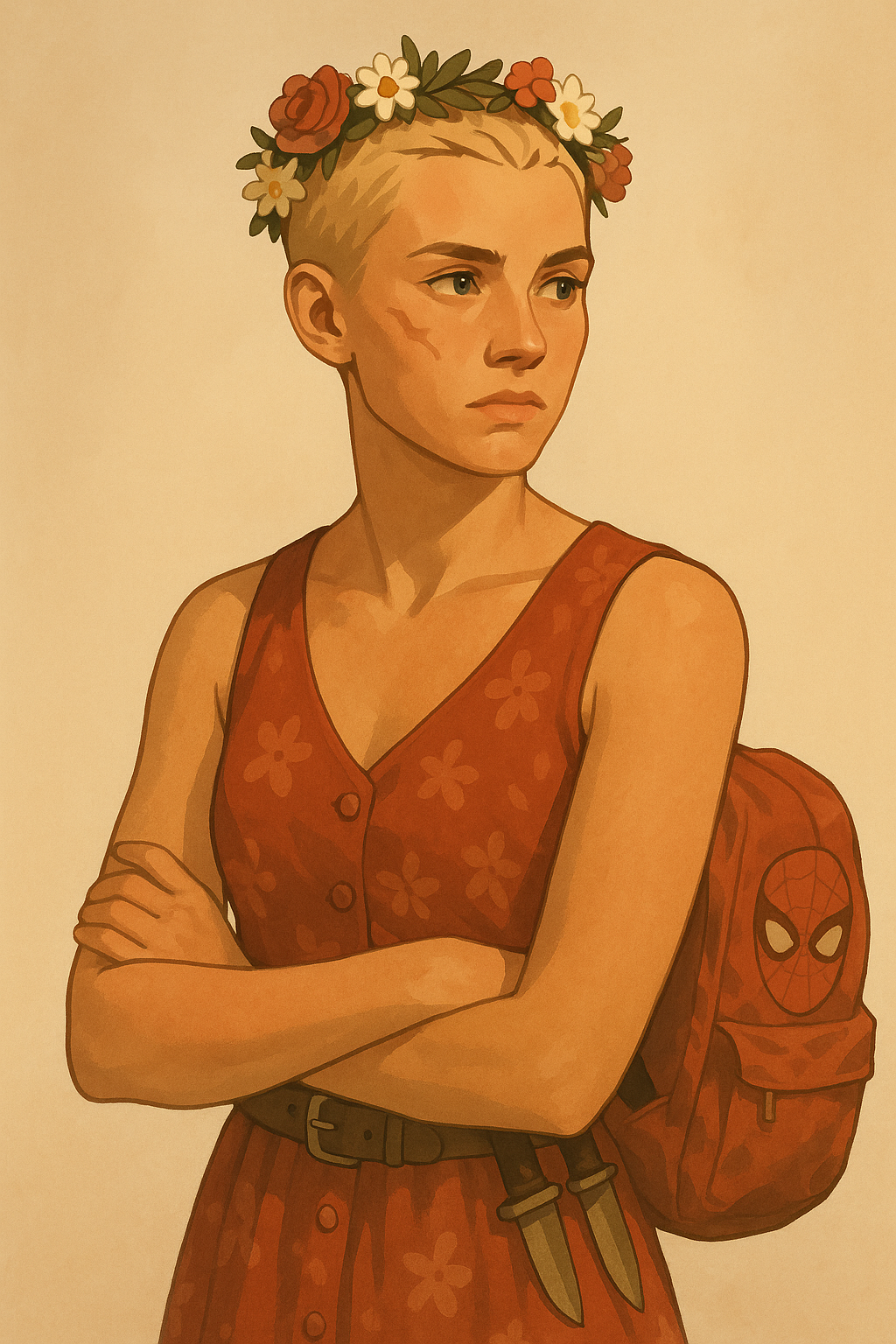
Survives the Prophet, reunites with the Symphony, and travels toward the distant electrified town
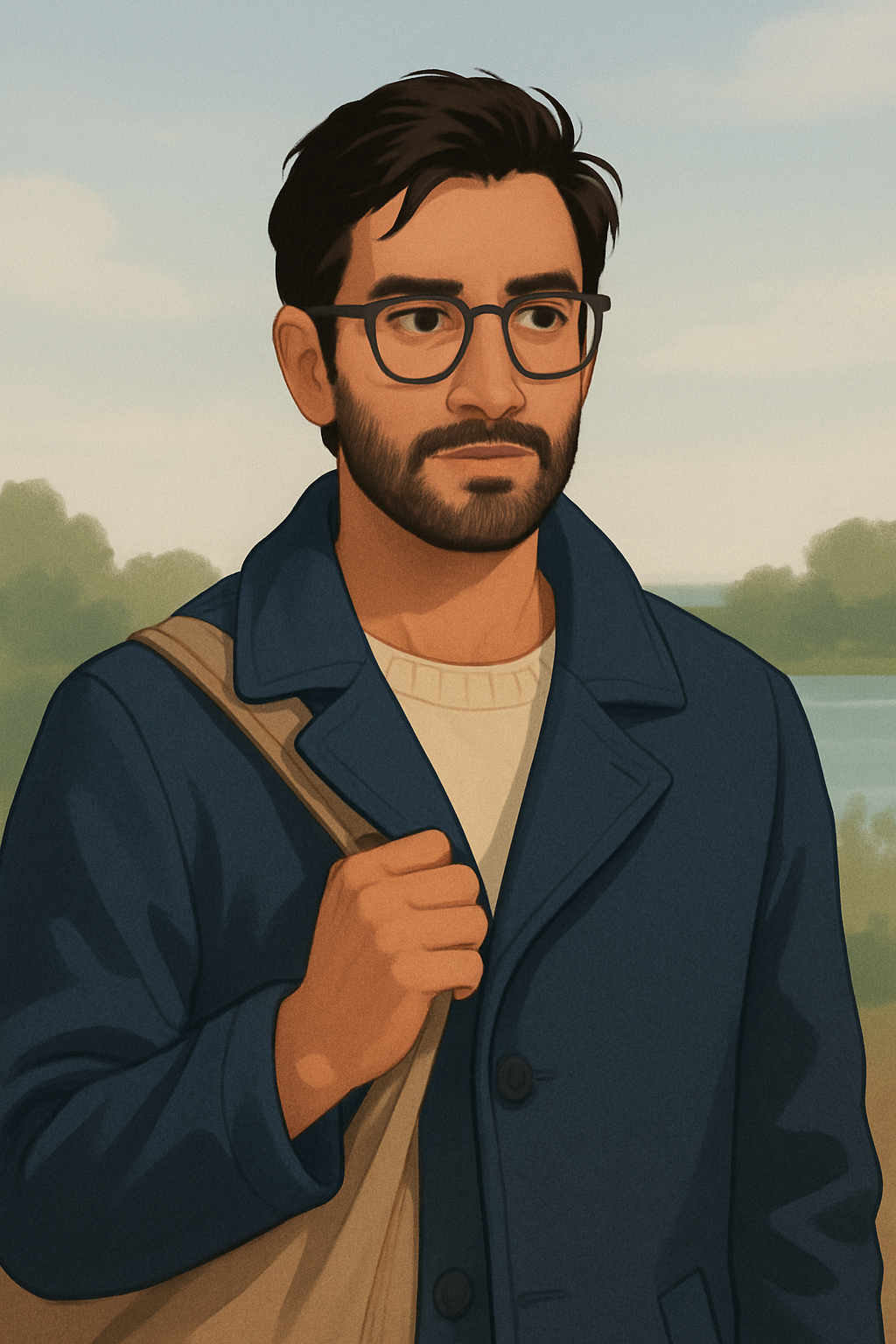
Survives, becomes McKinley’s healer, marries Daria, and raises a son named Frank
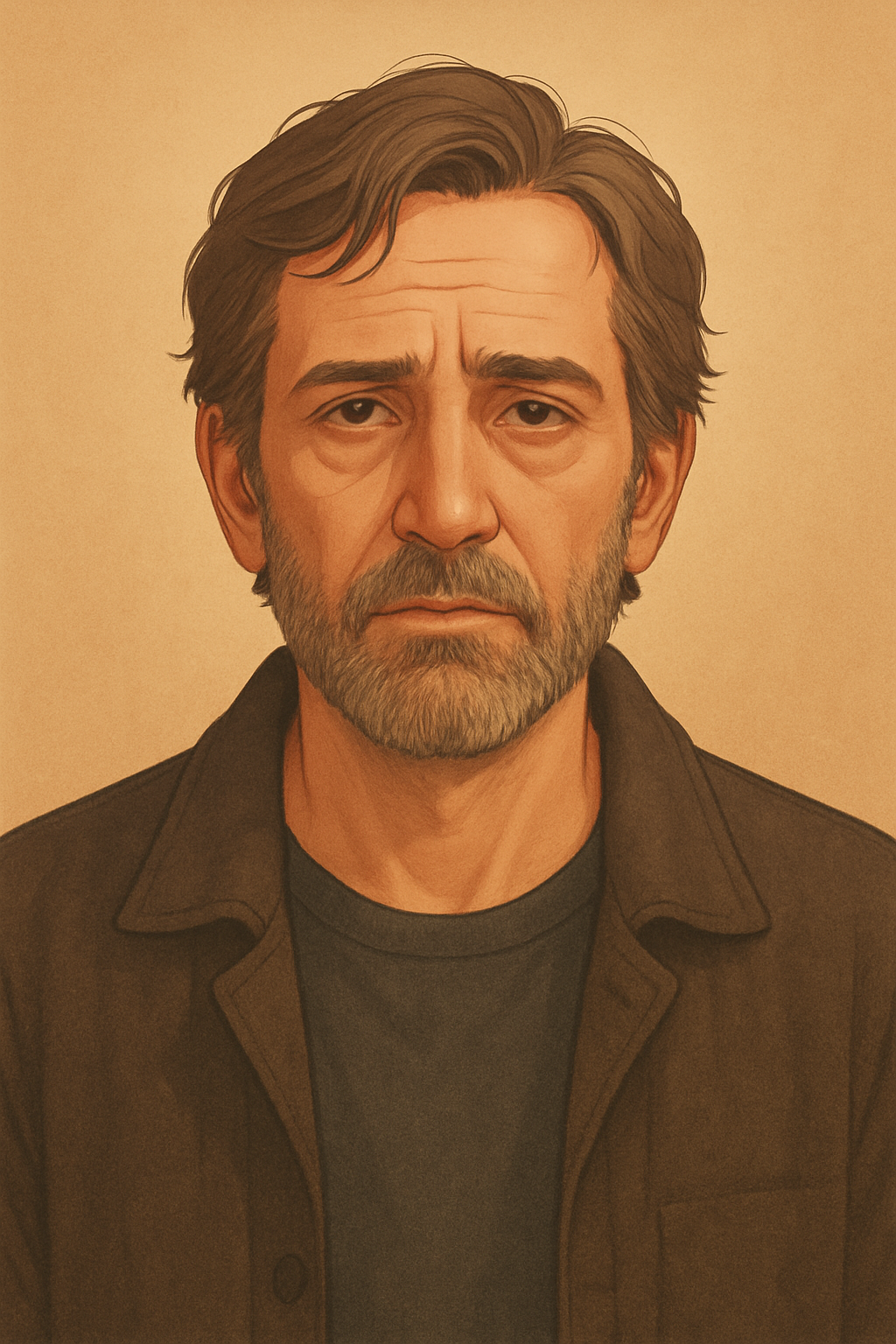
Dies of a heart attack onstage the same night the Georgia Flu hits Toronto
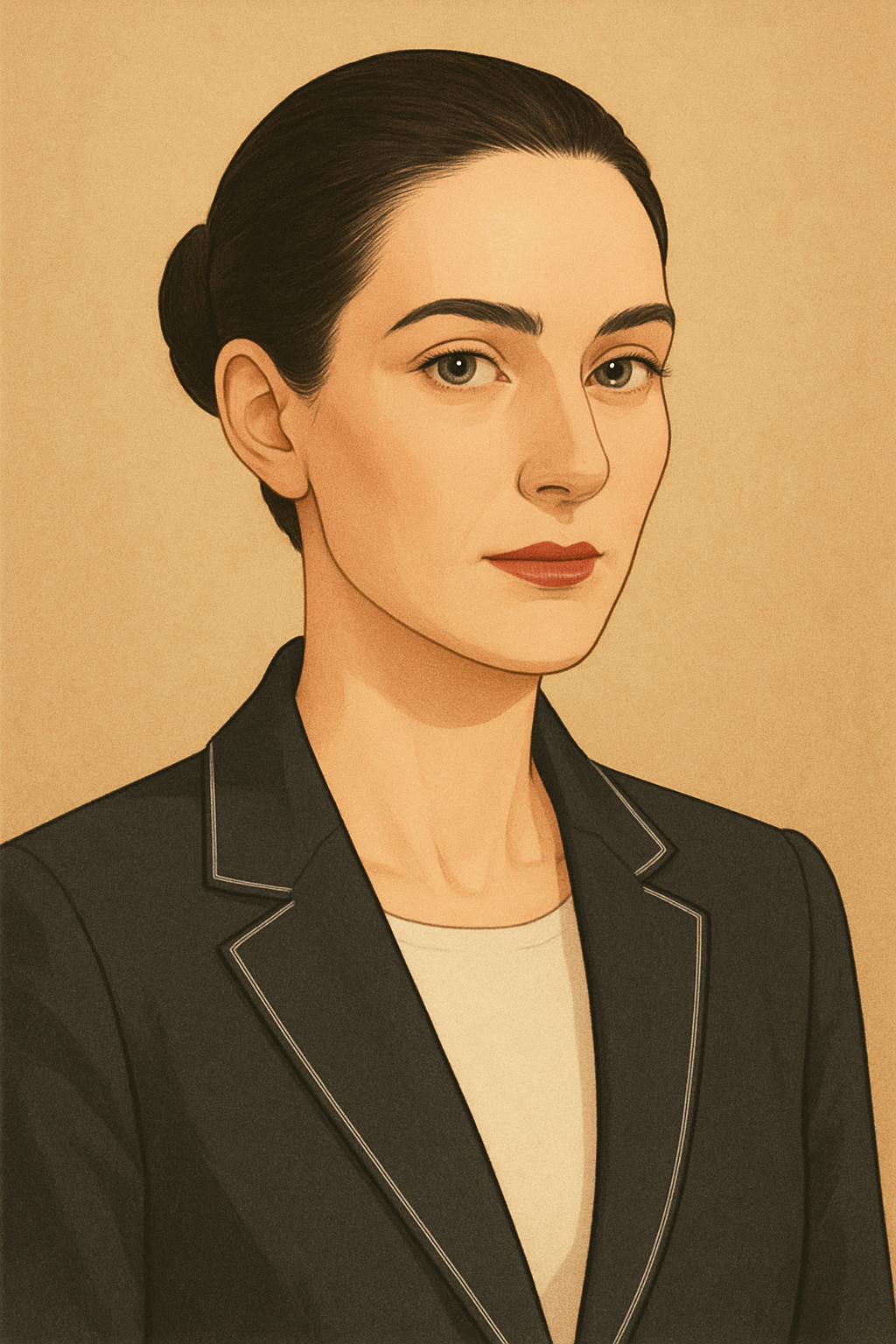
Contracts the Georgia Flu in Malaysia and dies peacefully on a beach
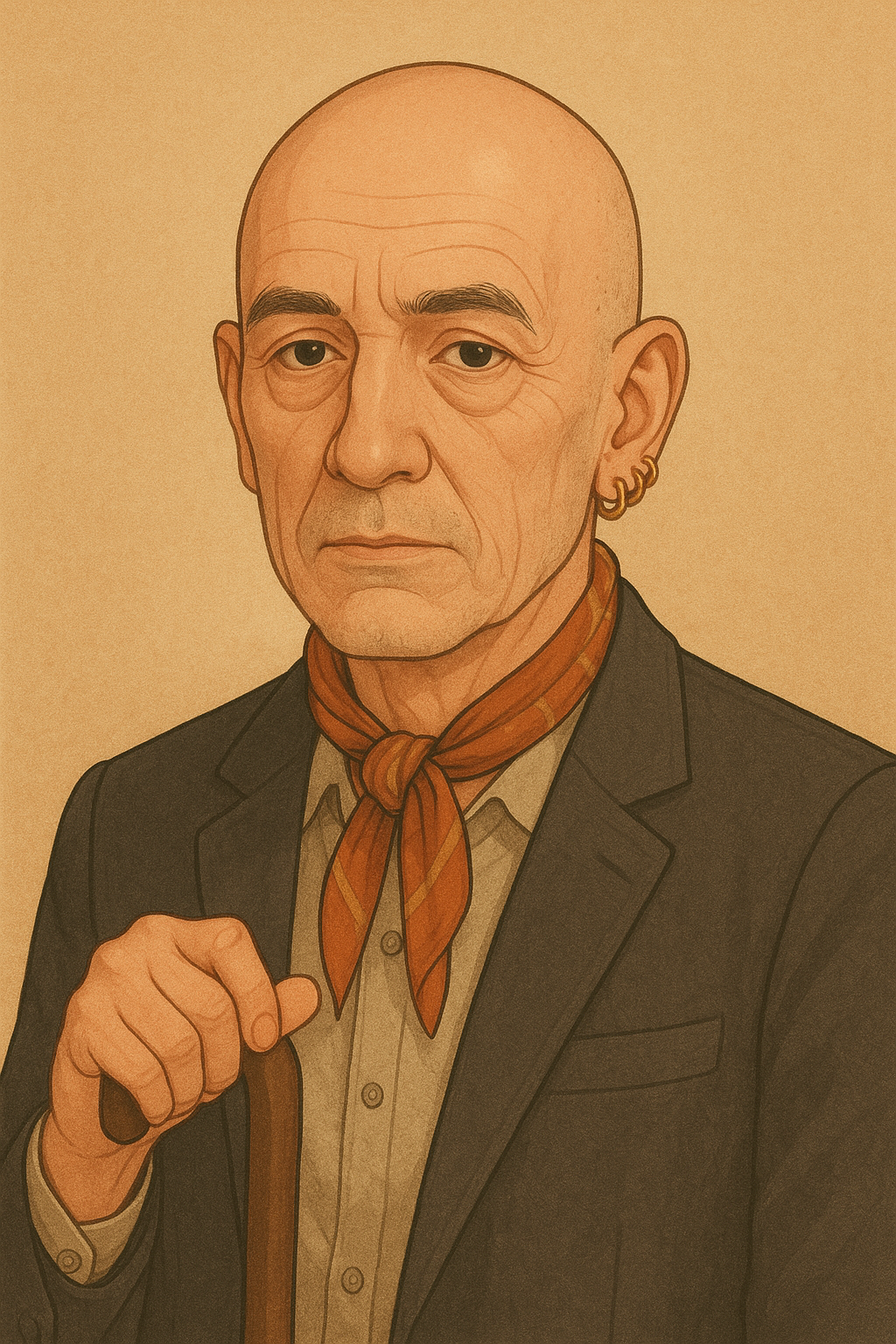
Survives and witnesses the first return of electricity in a distant town
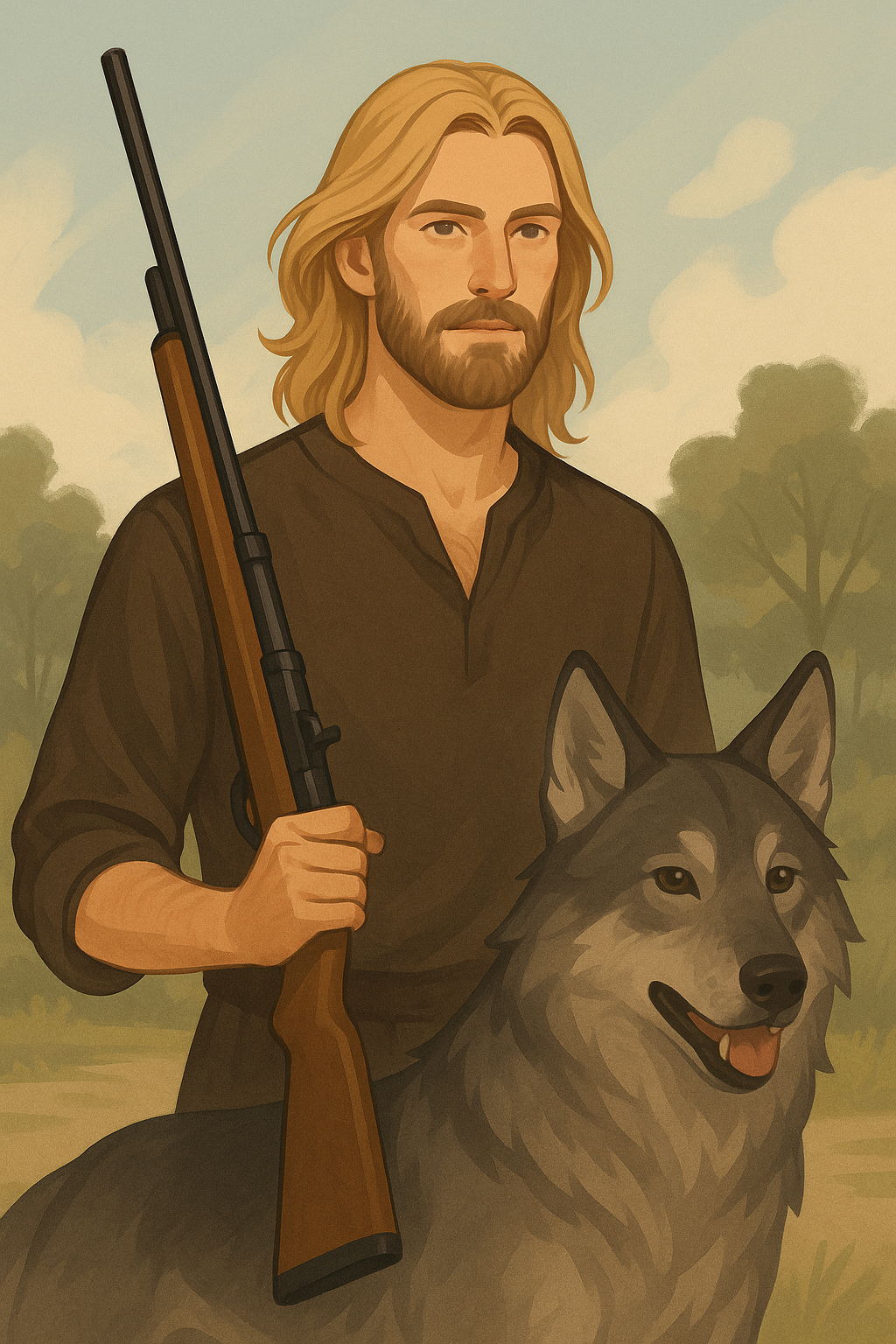
Shot by one of his own followers, who then kills himself
🔷 Supporting Characters
Dies by suicide on Day 58
Leaves the airport with Tyler; final fate unknown
Dies after being abducted by the Prophet’s men
Rescued by Kirsten and August; recovers at the airport
Survives the Prophet and reaches the airport with Kirsten
Survives and settles at the Severn City Airport
Survives at the Severn City Airport
Shoots Tyler, then immediately dies by suicide
🕳️ Potential Plot Holes
A key plot point involves the Prophet’s men using a chloroform-like substance to incapacitate Symphony members—twenty years after the collapse.
●The Issue: Most medical-grade chemicals degrade significantly over time. Earlier in the novel, we’re told that pharmaceuticals disappeared almost immediately after the pandemic. So where is this still-potent substance coming from two decades later?
●What the Book Suggests: The narrative quietly hedges. Sayid questions whether it’s actually chloroform, noting it may be “something much more toxic”—especially since Dieter never wakes up.
👉 Translation: This might not be a plot hole so much as a vague workaround… but it definitely raises an eyebrow.
The Georgia Flu kills incredibly fast—symptoms within hours, death within 24–48 hours.
●The Issue: In real-world epidemiology, viruses that kill this quickly usually burn out before spreading globally. Hosts die before they can infect enough people.
●What the Book Suggests: The novel explains this through international air travel, with planes full of infected passengers leaving Moscow before anyone understood what was happening.
👉 It’s framed as a near-perfect extinction event—but scientifically, it’s right on the edge of plausibility.
There’s a moment where a pilot attempts a flight roughly two weeks after the collapse.
●The Issue: Even if aviation fuel lasts longer than regular gasoline, a successful takeoff in winter conditions—without ground crews, de-icing equipment, or maintenance—is… ambitious.
●What the Book Suggests: The pilot openly admits it’s a gamble, relying on briefly improved weather conditions.
👉 This one isn’t impossible—but it leans heavily on luck and timing.
Kirsten and Charlie find a child’s tea set arranged with unnatural precision in an otherwise destroyed house.
●The Issue: No dust. No footprints. No logical explanation.
●What the Book Suggests: Nothing definitive. The characters themselves question whether it’s supernatural—and then move on.
👉 This isn’t a plot hole so much as an intentional eerie moment… but it does feel like the book briefly steps outside its grounded tone.
Nearly every major character—Kirsten, Jeevan, Miranda, Clark, Tyler—traces back to Arthur Leander.
●The Issue: The odds of multiple key survivors, all tied to the same man, ending up in overlapping regions (and connected through the same rare comic) feel incredibly slim.
●What the Book Suggests: This is entirely intentional. Arthur functions as the narrative anchor, not a realistic coincidence.
👉 Less a plot hole, more a “this is how the story works”—but it can feel a little too neat.
Electricity, the internet, and infrastructure collapse within about a week.
●The Issue: In reality, some systems—especially power grids—might last longer with automated processes and minimal staffing.
●What the Book Suggests: Jeevan reflects that modern life only seems automated—it actually depends on a vast, fragile network of people. Once they stop showing up, everything unravels quickly.
👉 This is one of the more convincing explanations—but still something readers question.
📚 Book Club Q&A's
⭐ Final Rating & Thoughts
Station Eleven delivers a quiet, melancholy apocalypse that’s more about memory, art, and emotional aftershocks than the actual collapse of civilization. The storylines eventually connect — Arthur’s death onstage, Kirsten’s survival, Jeevan’s transformation, and Tyler growing into the Prophet — but the reveals land softly rather than dramatically.
The Prophet twist (Arthur’s son Tyler), the Museum of Civilization, and the Traveling Symphony are the strongest elements, yet the novel maintains a low, reflective heartbeat instead of escalating tension. The ending — with the Symphony seeing electric lights on the horizon — offers a hopeful spark, but not a thrilling one.
Beautifully written, thematically rich, but emotionally muted. A thoughtful, atmospheric read rather than a gripping one.
✨ Adaptation description
The 2021 HBO Max limited series adaptation of Station Eleven, created by Patrick Somerville, stays true to the novel’s emotional core but shifts major plotlines, relationships, and character arcs. The result is a re-imagining rather than a direct translation — softer in tone, more interconnected, and significantly more character-driven.
Major Changes From the Novel
A Deeper Kirsten & Jeevan Relationship
The most notable departure: the show turns Kirsten and Jeevan into a central emotional duo.
- In the book, they meet briefly the night Arthur dies.
- In the show, Jeevan becomes Kirsten’s caretaker.
- Their bond spans months and becomes the heart of the narrative.
This adds emotional warmth that’s not present in the book’s more detached structure.
A Softer, Redeemed Tyler (The Prophet)
The novel’s Prophet is a dangerous, violent cult leader.
The show reframes him with far more empathy:
- Tyler is traumatized rather than purely extremist.
- He receives a redemptive arc, which significantly alters the story’s tone.
- His actions and worldview are portrayed as the product of childhood trauma rather than malevolent ideology.
This shift makes the adaptation more hopeful and less threatening.
Setting Change: Canada → The United States
Mandel’s novel is rooted in Toronto and the surrounding Canadian landscape.
Somerville moves the setting to Chicago and the American Midwest — aligning it with his own background.
Ironically, due to COVID production shutdowns, filming moved to Mississauga, Ontario, right outside Toronto.
So the Canadian setting disappears in the script… only to reappear behind the camera.
A More Linear, Relationship-Focused Narrative
The show streamlines the book’s nonlinear structure:
- Characters’ timelines are woven together more tightly.
- Emotional connections are emphasized over thematic ones.
- Several side characters receive expanded arcs.
The adaptation feels more like an ensemble drama than a fragmented literary mosaic.
Expanded Roles for Key Characters
Jeevan, Kirsten, Tyler, and Frank all receive deeper backstories, additional scenes, and more emotional development.
Minor book characters are reimagined or elevated to major roles.
Overall Tone of the Series
The HBO version is:
Warmer • Lusher • More Emotional • More Hopeful • Visually Rich • Relationship-Centered
Where the novel is quiet and melancholy, the series leans into:
- found family
- forgiveness
- connection
- the healing power of art
Both versions honor the famous line “Survival is insufficient,” but the adaptation interprets it through a more optimistic lens.
✨ Books Like Station Eleven (2014)
See an error on this page?