
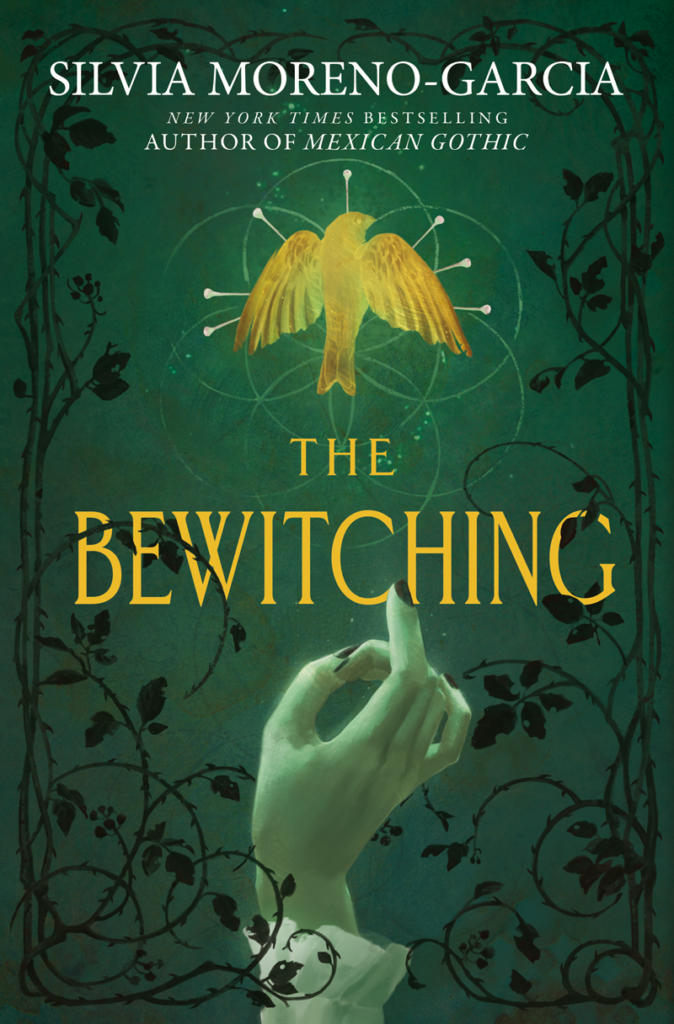
The Bewitching (2025)
Select Sections to Print
×Book Details
The Bewitching (2025)
Jump to Section
⚠️ Trigger Warnings
- Animal death & cruelty
- Blood & gore
- Decapitation
- Death & murder
- Sexual content
- Blood drinking
- Depression & anxiety
- Mental illness
- Institutionalization / sanatoriums
- Substance use & alcohol abuse
- Occult themes & witchcraft
- Grief & loss
- Racism & xenophobia
- Sexual harassment
- Terminal illness
- Pandemic / illness
- Suffocation
- Body horror
⏱️ 2-Minute Spoiler Summary
The Bewitching follows three generations of women connected by witchcraft and murder. In 1908 Mexico, Alba Quiroga discovers that her uncle Arturo is a teyolloquani, or heart-eater, who transforms her brother Tadeo into a monster. After Tadeo kills Alba’s lover, Valentín, Alba is forced to kill her brother. She then poisons her own blood so Arturo will ingest it and beheads him once the poison weakens him.
In 1934, Stoneridge student Ginny Somerset becomes convinced someone is hunting her. She researches black magic, draws protective witch marks, and eventually disappears. Everyone assumes she ran away with handyman Santiago Ferreira, although Santiago actually vanished several days before her.
In 1998, Alba’s great-granddaughter Minerva Contreras investigates Ginny’s disappearance while researching writer Betty Tremblay. She discovers that elderly Carolyn Yates, formerly Carolyn Wingrave, belongs to a family of witches who sacrifice “witchborn” people to prolong their lives. Carolyn murdered Santiago, Ginny, and the recently missing Thomas Murphy, and now intends to sacrifice Minerva.
Remembering Alba’s story, Minerva turns her own blood poisonous and tricks Carolyn into drinking it. With help from Santiago’s ghost, she reaches an axe and beheads Carolyn, whose body crumbles into dust. Carolyn’s grandson Noah moves to Boston after being freed from her control, while Minerva continues her research—and begins using protective witch marks herself.
📖 Full Spoiler Summary
1908: Alba and the Heart-Eater
The story begins in Mexico in 1908 with Alba Quiroga, whose family is struggling to keep their farm, Piedras Quebradas, running after the death of her father. Alba lives there with her mother, Luisa, her older brother Tadeo, and their younger siblings. Their situation changes when Luisa’s brother, Arturo Velarde, arrives and offers to help manage the property.
Arturo is educated, sophisticated, and charming, but Tadeo dislikes him immediately. He sees his uncle as a useless outsider who has attached himself to the family now that Alba’s father is dead. His suspicions become much more frightening when strange things begin happening around the farm. Animals die, and then Tadeo himself disappears, leaving behind a bloodstained room.
Desperate to find her brother, Alba turns to Valentín Pimentel, a local farmhand with whom she is falling in love. Her search also brings her into contact with the women of Los Pinos whom others dismiss as witches, particularly Jovita and Perpetua.
Perpetua understands what Alba is dealing with because she has encountered Arturo before. Years earlier, he killed Perpetua’s daughter, Elena. Arturo is a teyolloquani, a heart-eater who uses dark magic and feeds upon others. Tadeo has not simply disappeared: Arturo has transformed him into a monstrous creature.
The creature attacks and kills Valentín, and Alba is forced to shoot it. Only afterward does she realize she has killed her own brother.
Arturo finally drops the pretense of being the helpful uncle. He wants control of the family’s wealth, but his obsession extends to Alba herself. He believes that she possesses the same supernatural potential he does and tells her they are “made of the same substance.”
Rather than surrender to him, Alba follows Perpetua’s instructions for creating a poison capable of killing a witch. She burns a family portrait and combines its ashes with salt and a moth’s wing, then consumes the mixture so that her own blood becomes poisonous to Arturo.
She allows him to feed from her.
The poison weakens him, giving Alba the chance she needs. She takes an axe and beheads Arturo, finally ending the threat he poses to her family.
Alba survives, but she carries the knowledge of what happened with her for the rest of her life. Decades later, the story of the heart-eater becomes one of the frightening tales she passes down through her family—including to the great-granddaughter who will eventually need it.
1934: Ginny Somerset Vanishes
More than twenty-five years later, something equally disturbing is happening at Stoneridge College.
In 1934, Beatrice “Betty” Tremblay arrives at Stoneridge as a working-class scholarship student and becomes roommates with Virginia “Ginny” Somerset. Ginny is eccentric, deeply interested in Spiritualism, astrology, ghosts, and the occult. She claims she can communicate with spirits and draws natal charts, making her stand out among the college’s more conventional students.
One of those students is Carolyn Wingrave, a wealthy young woman who initially has little affection for either roommate. Tensions are especially high because Carolyn is interested in Edgar Yates, a wealthy law student. When Edgar instead becomes engaged to Ginny, Carolyn’s attitude shifts, and she begins spending more time around Betty and Ginny.
Soon, Ginny becomes frightened.
She believes a mysterious man wearing a blue coat is following her. A dead rat appears in her bed. She begins obsessively researching black magic and drawing strange symbols she calls “witch marks,” apparently believing they can protect her from whatever is pursuing her.
Then, on December 19, 1934, Ginny disappears.
The convenient explanation is that she ran away with Santiago Ferreira, a Portuguese handyman who worked around the college. With both of them gone, people assume the two left together.
But the story does not hold up.
Journalist Benjamin Hoffman investigates and discovers that Santiago actually disappeared five days before Ginny did. He therefore could not have simply whisked her away on December 19 as everyone assumed.
No definitive explanation for Ginny’s disappearance is ever found, and Betty never gets over losing her friend. The mystery follows her for decades and influences the horror fiction she eventually writes. She and Edgar—who later marries Carolyn—also compile a “Black List” documenting strange disappearances that appear to have something uncanny connecting them.
Ginny’s fate remains unresolved for more than sixty years.
1998: Minerva Begins Digging Into the Past
In 1998, Minerva Contreras arrives at Stoneridge as a graduate student studying Betty Tremblay’s horror fiction. What begins as academic research gradually turns into an investigation of the real events that inspired Betty’s work.
Minerva is also Alba Quiroga’s great-granddaughter. Growing up, she heard Nana Alba’s frightening stories, including the tale of the teyolloquani. They seemed like family folklore when Minerva was younger, but Stoneridge is about to make those stories much harder to dismiss.
With help from her friend Hideo Ogawa, Minerva begins investigating Ginny’s disappearance and trying to gain access to Betty’s private papers. That brings her into the orbit of the elderly Carolyn Yates, formerly Carolyn Wingrave, who is still alive more than six decades after Ginny vanished.
Minerva also meets Carolyn’s grandson, Noah Yates, an aimless young man whose life remains heavily controlled by his grandmother.
As Minerva digs deeper, she learns about another disappearance. A Stoneridge student named Thomas Murphy, who had been tutoring Noah, recently vanished under mysterious circumstances.
Thomas left behind notebooks filled with disturbing material. Most importantly, Minerva discovers drawings that match the witch marks Ginny was making shortly before her disappearance in 1934.
The similarities are too specific to ignore.
What happened to Ginny was not an isolated tragedy. The same supernatural forces operating at Stoneridge decades ago are still there.
The Truth About Carolyn Wingrave
Minerva eventually discovers that the Wingrave family has its own history of witchcraft. Members of the family preserve their lives and power by sacrificing people who are “witchborn”—individuals possessing supernatural potential.
And Carolyn is one of them.
The elegant elderly woman Minerva knows is partly an illusion. Beneath a magical glamour, Carolyn is physically decrepit and nearly bald, her unnaturally prolonged life dependent on the magic she has been practicing for decades.
She is also responsible for the disappearances Minerva has been investigating.
Carolyn killed Santiago Ferreira in 1934 and then murdered Ginny Somerset, who had begun to understand what was happening and tried to protect herself with the witch marks. Decades later, Carolyn killed Thomas Murphy for the same reason: he was another potential sacrifice.
Now she wants Minerva.
Minerva has inherited the same supernatural potential that once made Arturo interested in Alba, making her exactly the kind of victim Carolyn needs.
Carolyn kidnaps Minerva and brings her to the abandoned ruins of the old Wingrave factory. She intends to sacrifice her there and makes it clear that resisting will endanger both Hideo and Noah.
But Carolyn does not know that Minerva has something her previous victims did not: Alba’s story.
Minerva Turns Alba’s Weapon Against Carolyn
Trapped inside the factory, Minerva remembers how her great-grandmother defeated Arturo almost ninety years earlier. Alba did not overpower the heart-eater directly. She made herself poisonous to him.
Minerva realizes she can do the same thing.
Using a photograph of Alba as part of the preparation, Minerva drinks a potion designed to turn her blood into poison. She then uses a box cutter to slash her own wrist, deliberately giving Carolyn what she thinks she wants.
Carolyn drinks Minerva’s blood.
Almost immediately, she begins choking.
The same trick that killed Arturo has worked again.
As Carolyn weakens, Minerva receives unexpected help from Santiago’s ghost, which has remained trapped around the factory since his murder in 1934. His presence helps Minerva reach an axe.
She uses it to behead Carolyn.
Afterward, Carolyn’s unnaturally preserved body crumbles into dust, finally ending the life she maintained through decades of murder and sacrifice.
Her death also breaks the control she maintained over Noah. Free from his grandmother’s influence, Noah leaves Stoneridge and moves to Boston, finally able to begin a life of his own.
Minerva survives and continues her academic work, but she no longer treats her family’s stories as superstition. She understands that Alba’s tales were warnings and instructions passed down through generations.
And she takes precautions.
Minerva begins surrounding herself with the same kind of elaborate witch marks that Ginny once desperately drew for protection. This time, however, the woman drawing them knows exactly what she is protecting herself from.
🔚 Ending Explained
The ending of The Bewitching brings its two main timelines together, revealing that Minerva and Alba are fighting essentially the same battle ninety years apart.
Minerva and Carolyn — 1998
Minerva finally realizes that Carolyn Yates is a teyolloquani—a heart-eater who has been sustaining herself by feeding on others. Carolyn is responsible for the deaths of Ginny Somerset, Santiago Ferreira, and Thomas Murphy, and Minerva understands that she may be next.
But Ginny and Minerva’s great-grandmother, Alba, have effectively left her a survival manual.
Using the clues hidden in Alba’s stories and Ginny’s notes, Minerva deliberately turns herself into a trap. She drinks a poison intended for witches, then cuts her wrist with a box cutter, knowing Carolyn will be unable to resist her blood.
Carolyn takes the bait.
She drinks from Minerva, but the poisoned blood quickly begins to affect her. Carolyn chokes and weakens, giving Minerva a chance to fight back. Even then, Minerva nearly loses—until the ghost of Santiago intervenes, throwing a can of nails and distracting Carolyn long enough for Minerva to reach an axe.
Minerva beheads Carolyn.
Carolyn’s death is strangely complete: her body, along with the supernatural objects she has accumulated, crumbles into dust. The woman who prolonged her existence by consuming other people is finally erased herself.
Alba and Arturo — 1908
At the same time, the novel reveals the full ending of Alba’s story.
Alba has discovered that her uncle, Arturo, is also a heart-eater and that he is responsible for the deaths of both her brother Tadeo and Valentín. Like Minerva decades later, Alba realizes she cannot overpower him conventionally. She has to make herself irresistible to him.
She poisons her own blood using ashes from her mother’s portrait and a crushed moth wing. Arturo drinks from her and becomes incapacitated.
Alba then kills him with an axe.
The parallel is deliberate: two women from the same bloodline, separated by generations, defeat predatory witches in almost exactly the same way. Alba’s story isn’t simply something Minerva has been researching. It becomes the knowledge that allows Minerva to survive.
But Alba’s victory comes with one final disturbing revelation: she is pregnant with Arturo’s child.
She plans to name the baby Tadea, after her murdered brother, and vows to teach her daughter the stories of witches so that she will recognize the danger if it ever returns. Those stories eventually travel through the generations to Minerva.
In other words, Alba saves Minerva before Minerva is even born.
The Epilogue
Minerva returns to Stoneridge College, where Carolyn’s disappearance remains officially unexplained. Minerva has cleaned the abandoned factory and removed the evidence of what really happened there.
Noah Yates drops out of Stoneridge and moves to Boston, leaving the Willows behind. Minerva, meanwhile, continues working toward her doctorate.
But she doesn’t return to being the skeptical academic she was before.
Her home is now covered with protective witch marks, and she is accompanied by the ghostly presence of her dead cat, Karnstein, who has effectively become her familiar.
Minerva has accepted that the supernatural world she once studied from a safe intellectual distance is real—and that she belongs to it.
What the Ending Means
At its heart, the ending is about inheritance.
Throughout the novel, inheritance seems threatening. Evil passes through families. Magical abilities run through bloodlines. Trauma repeats itself. Arturo’s violence reaches into future generations, just as Carolyn’s predation continues for decades.
But Moreno-Garcia turns that idea around at the end.
Knowledge can be inherited too.
Alba cannot prevent future generations from encountering evil, but she can leave them stories. Those stories preserve the information Minerva needs almost a century later. What initially looks like folklore becomes a form of intergenerational protection.
That makes the parallel deaths of Arturo and Carolyn especially important. Both Alba and Minerva transform themselves from prey into traps. The heart-eaters believe blood is something they can consume for power. Instead, the women’s blood becomes poisonous to them.
The symbolism is wonderfully vicious: the predator is destroyed by the very thing it hungers for.
The axe undergoes a similar transformation. For Alba, it is associated with unpleasant domestic labor and slaughter. By the climax, it becomes an instrument of liberation. Minerva repeating Alba’s method makes the axe almost ceremonial—a weapon passed symbolically from one witchborn woman to another.
The recurring circles and the mysterious Black List reinforce the idea of history repeating itself. People disappear. Stories are buried. New victims take the places of old ones. Minerva finally gives the story the ending that Ginny and the others never received.
She breaks the circle—or at least this particular circle.
Why Minerva Keeps Noah Outside
Minerva’s final interaction with Noah is also significant.
She doesn’t invite him into her protected home.
Earlier, Minerva is fascinated by the Yates family and the privileged world surrounding them. By the end, that fascination has been replaced by caution. Carolyn may be dead, but Noah still belongs to her bloodline.
The novel never establishes that Noah will become another Carolyn. That’s precisely what makes the moment unsettling. Minerva doesn’t know.
And now she understands that not knowing is reason enough to be careful.
Karnstein and Minerva’s Transformation
Karnstein’s ghost provides one of the ending’s gentler images.
Minerva began the novel as someone studying witchcraft academically—collecting stories, examining texts, trying to impose rational explanations on supernatural traditions. By the end, she lives inside one of those stories.
She has witch marks on her walls.
She has a familiar.
She has killed a heart-eater.
And she accepts all of it.
Karnstein therefore represents more than Minerva’s continuing connection to something she loved. His presence confirms that magic has become part of her ordinary reality.
The Final Message
The ending doesn’t suggest that Minerva has permanently defeated evil. Arturo and Carolyn are dead, but the forces that produced them haven’t disappeared. Bloodlines continue. Old hungers survive. Magic persists despite modernity.
What changes is Minerva.
The novel begins with people haunted by things they don’t understand and ends with a woman who understands enough to protect herself.
That gives The Bewitching its cautiously hopeful conclusion. Minerva hasn’t escaped her inheritance; she has learned how to use it. Alba’s trauma becomes a story, the story becomes knowledge, and the knowledge becomes Minerva’s weapon.
The witches survive because they remember.
👤 Characters & Fates
🔶 Main Characters

Kidnapped by Carolyn, she poisons her with her own blood and beheads her with an axe. Minerva survives, continues her research, and is watched over by the ghost of her dead cat, Karnstein.
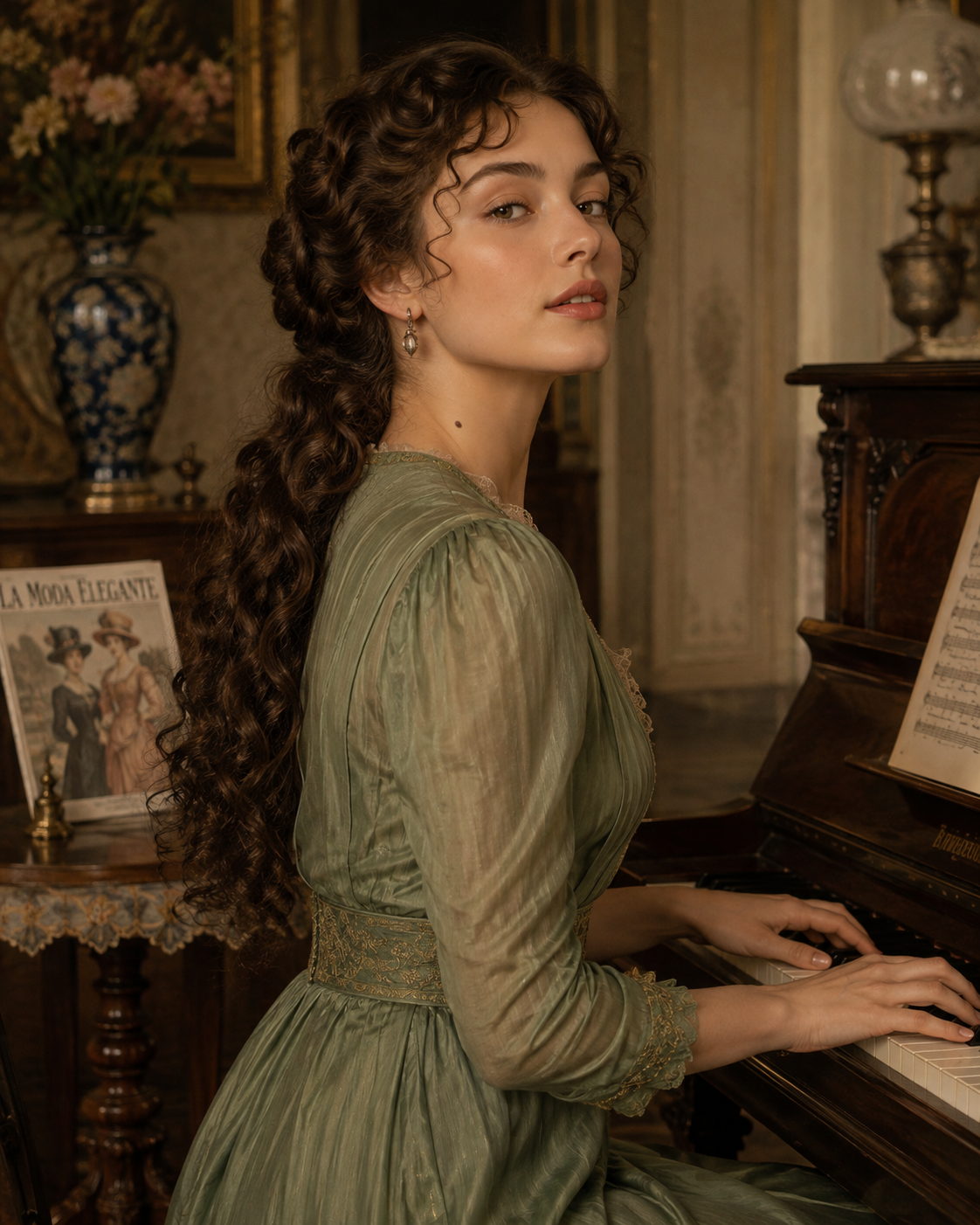
She tricks Arturo into drinking her poisoned blood and beheads him with an axe. Afterward, she discovers she is pregnant with Arturo’s child, names the daughter Tadea, and vows to teach her about magic.
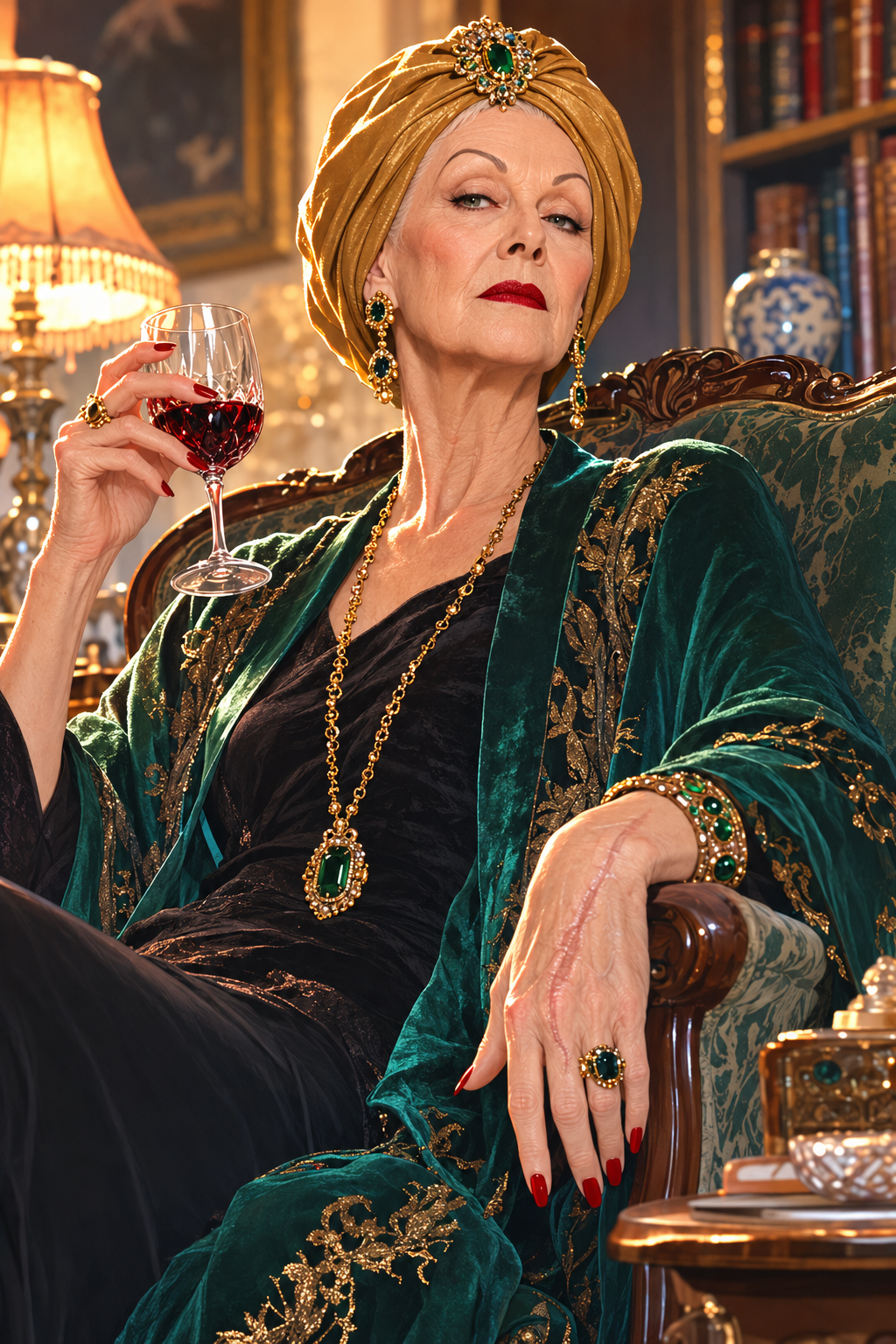
She kidnaps Minerva intending to sacrifice her for another twenty years of life, but Minerva poisons and beheads her. Carolyn and her magical possessions then dissolve into dust.
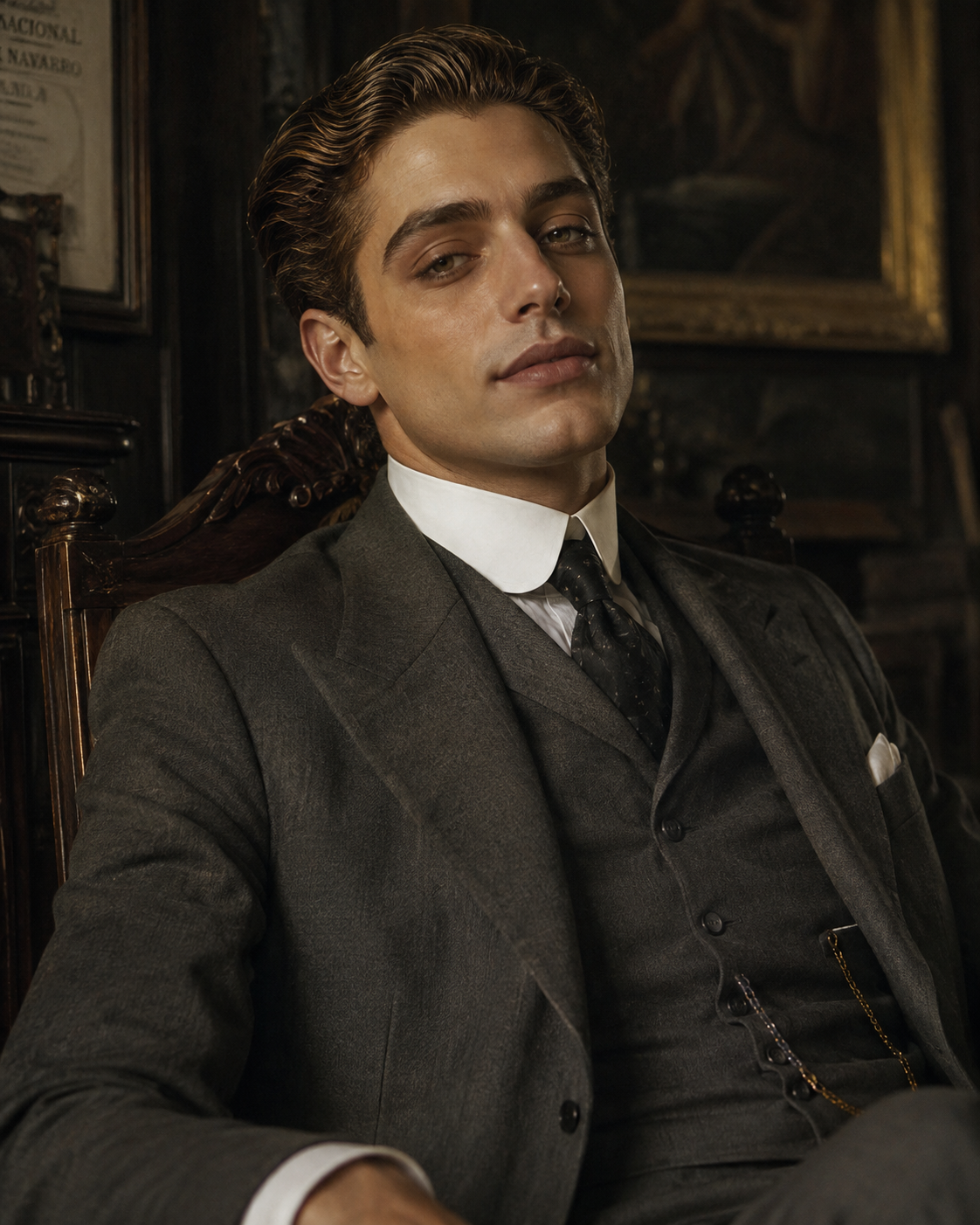
Alba lets him drink her poisoned blood and then decapitates him. The ground where he dies remains permanently barren, but Alba later discovers she is carrying his child.
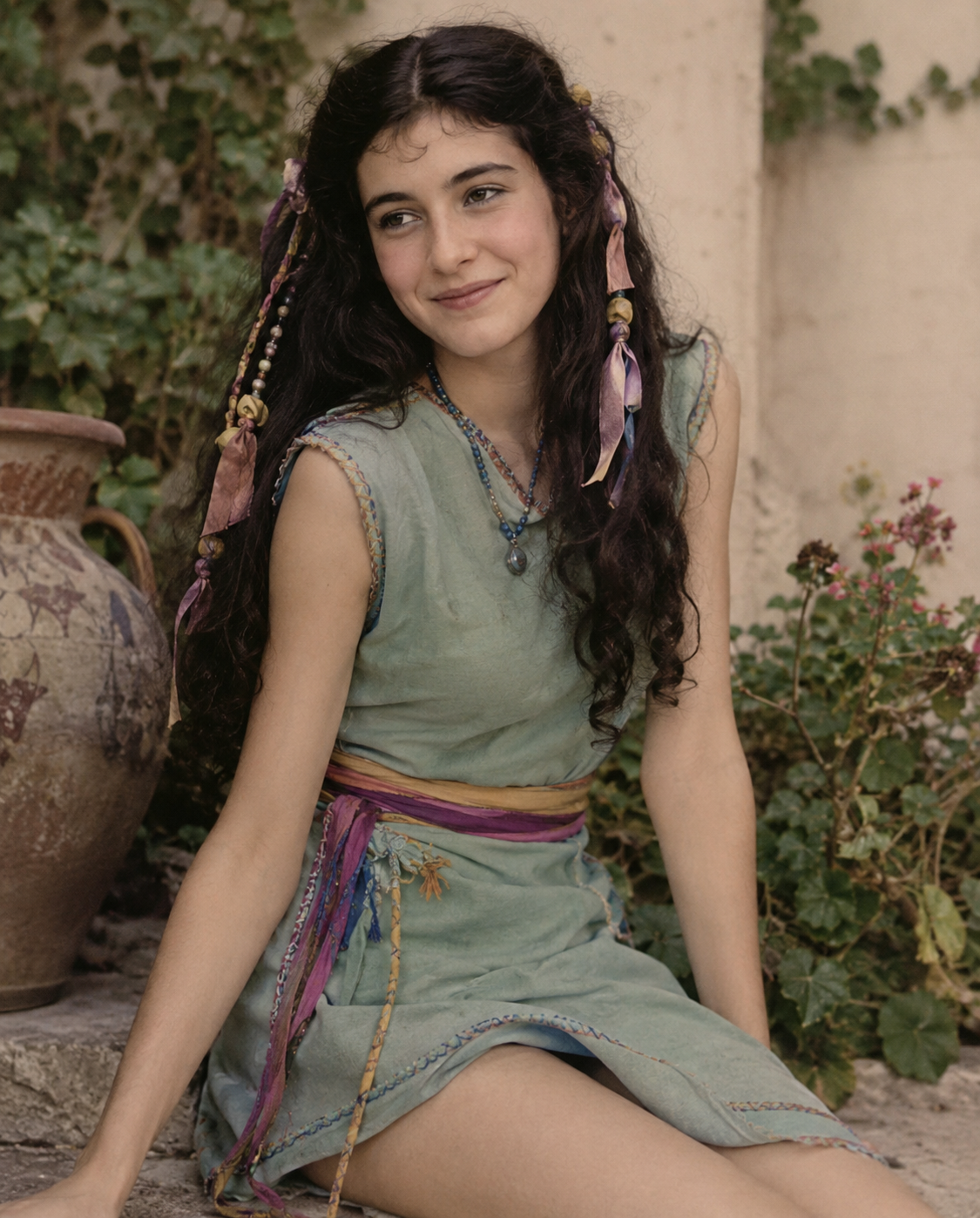
She was murdered by Carolyn and Wesley Wingrave. Her ghost remains at Joyce House until Minerva finally kills Carolyn.
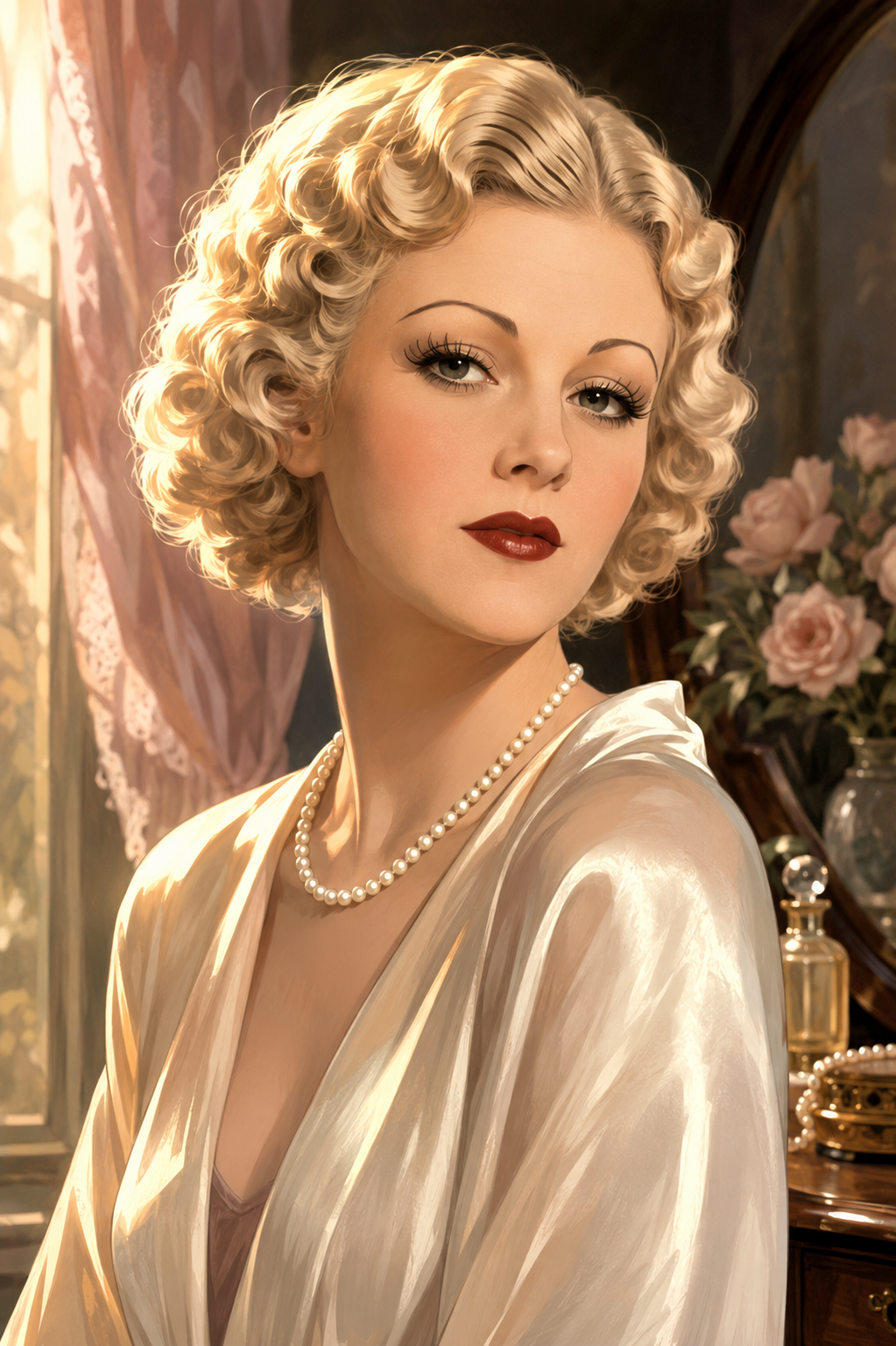
She survives Stoneridge but remains haunted by Ginny’s disappearance, becomes a writer, moves to New York, and eventually dies of cancer in 1989.
🔷 Supporting Characters

Arturo transforms him into a monstrous animal creature and forces him to attack Valentín; Alba unknowingly mortally wounds him, and Tadeo dies in her arms.
He is savaged and killed by the transformed Tadeo while Tadeo is under Arturo’s control.
He never truly recovers from Ginny’s loss, becomes an alcoholic, and dies shortly after Betty.
Carolyn and her father murder him for a ritual, but his ghost later helps Minerva defeat Carolyn by intervening during their final confrontation.
After Carolyn’s death, he finally escapes her control and moves to Boston.
He survives and later helps Minerva decorate for Halloween.
Carolyn murders him to prevent him from exposing what he discovered.
He survives into old age and helps care for Betty near the end of her life.
She survives Arturo’s schemes and avoids selling the farm after his true intentions are exposed.
She survives and gets indirect vengeance when Alba uses her knowledge to kill Arturo.
He eventually dies, while Carolyn continues their murderous magical legacy for decades.
He survives and is ultimately unrelated to the murders.
She survives and helps Alba recognize that the supernatural warnings she experiences are real.
Arturo murders her and eats her heart raw, motivating Perpetua to help Alba destroy him.
She survives Arturo’s attack on the family.
She survives the events surrounding Arturo.
🕳️ Potential Plot Holes
Carolyn admits that she murdered Thomas in December, yet the college registrar and Thomas’s sister both received an email from him in January saying he was dropping out. The book never explains who sent the email after Thomas was already dead or how they accessed his account.
Santiago’s housemates say they had not seen him since December 14, 1934, but Mary Ann Mason sees him outside the dorm on December 17, two days before Ginny disappears. Carolyn later confirms that she was the woman seen with Santiago, meaning the sighting actually occurred. The book never reconciles how Santiago could have already been considered missing for three days.
📚 Book Club Q&A's
⭐ Final Rating & Thoughts
My biggest issue was the pacing. This book felt far too long for how little actually happens. I don’t mind multiple timelines when each one adds momentum, but here all three moved so slowly that I repeatedly considered DNFing. Instead of building suspense, the constant switching made the story feel repetitive and emotionally distant.
There were definitely things I appreciated. The folklore surrounding the teyolloquani was fascinating, the gothic atmosphere was strong, and I genuinely wanted answers to the central mystery. The audiobook narrator was also fantastic and probably deserves credit for getting me to the end. 😂
But ultimately, the payoff wasn’t enough to justify the journey. I wanted more tension, more horror, and significantly more plot.
✨ Adaptation description
As of August 2026, there is currently no screen adaptation in development.
✨ Books Like The Bewitching (2025)
See an error on this page?