
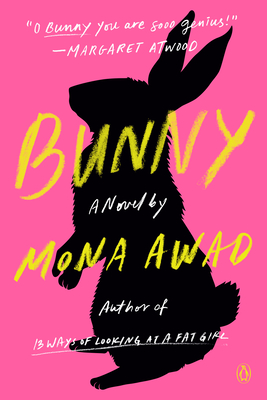
Bunny (2019)
Series
Select Sections to Print
×Book Details
Bunny (2019)
Series
Jump to Section
⚠️ Trigger Warnings
- Graphic violence and gore
- Decapitation
- Explosive head trauma
- Body horror
- Animal cruelty and animal death
- Ritual animal sacrifice
- Weapons and ax violence
- Self-harm
- Drug and alcohol use
- Drugging and impaired consent
- Hallucinations and dissociation
- Cult-like behavior
- Psychological manipulation
- Kidnapping and restraint
- Sexual assault and rape (mentioned)
- Sexual content
- Human-animal sexual themes
- Suicide (mentioned)
- Death of a parent
- Grief
- Bullying and social exclusion
- Toxic friendships
- Academic pressure and competition
⏱️ 2-Minute Spoiler Summary
Samantha Mackey, a lonely MFA (Master of Fine Arts) student at Warren University, is invited into the bizarre inner circle of four classmates she calls the Bunnies. She discovers that their secret writing Workshops involve literally transforming rabbits into human men and killing the failed creations with an ax.
After being drugged and absorbed into the group, Samantha participates in their disastrous attempt to create her high school crush, Rob, before eventually breaking away. She later meets the mysterious Max, an unusually intelligent and independent creation whom she realizes she made herself.
Max seduces and manipulates all four Bunnies, destroying their supposedly perfect friendship. Samantha then uncovers an even bigger truth: her beloved best friend Ava was never human either. Samantha had transformed a swan into Ava during her lonely first year at Warren.
When the Bunnies finally fight over Max, their collective identity degenerates into a grotesque mass of bodies. Max urges Samantha to destroy him because he was created from her conflicting emotions. She strikes him with an ax, but instead of dying, he transforms into a stag and runs into the woods.
At graduation, Samantha reconnects with Jonah, someone she used to know, and leaves Warren behind. Samantha is prepared to form real relationships instead of conjuring companions to survive her loneliness.
📖 Full Spoiler Summary
Samantha Gets Invited Into the Bunny Hive
Samantha Heather Mackey is a scholarship student in the elite Narrative Arts MFA program at Warren University, and she could not feel more out of place. Her four classmates—Eleanor, Caroline, Kira, and Victoria—are wealthy, hyper-feminine, and so relentlessly affectionate that they call one another “Bunny” instead of using their actual names. Samantha privately gives them nicknames like the Duchess, Cupcake, Creepy Doll, and Vignette and keeps as much distance from them as possible.
Her closest friend is Ava, a sharp-tongued outsider who shares Samantha’s contempt for Warren and especially for the Bunnies. Ava is Samantha’s refuge from a program where she feels isolated, creatively blocked, and increasingly unsure of herself. Samantha also has unresolved feelings about her thesis advisor, Alan Reid, whom the Bunnies call the Lion. The previous year, Samantha and Alan shared an intimate, confusing encounter that never developed into anything more.
Then, unexpectedly, the Bunnies invite Samantha to one of their private gatherings: the Smut Salon.
Ava immediately thinks this is a terrible idea. Samantha goes anyway.
At first, the evening seems like an exaggerated version of everything Samantha already hates about the Bunnies. There are strange cocktails, performative intimacy, and a game called “Absolute Truth.” Samantha participates by telling an eroticized story about Rob Valencia, a boy she had a crush on in high school.
Instead of laughing it off, the Bunnies decide Samantha has given them something they can work with.
They invite her to an Emergency Workshop.
The Bunnies Literally Create Their Own Men
At Kira’s house, Samantha finally discovers what the Bunnies have really been doing during their secret Workshops.
They are not merely writing fiction.
Using a live rabbit, ritualistic magic, and their combined creative desire, they transform the animal into a human man they call a Draft or Darling. The results are never quite right. The boys are physically imperfect, mentally limited, and incapable of becoming the ideal creations the Bunnies imagine.
When a Draft fails, they kill him with an ax.
Samantha is horrified, but instead of running from the group, she becomes increasingly absorbed into it. The Bunnies give her pills they call Tic Tacs, keeping her in a strange, compliant haze while drawing her deeper into their rituals and their intense group dynamic. Her friendship with Ava deteriorates as Samantha spends more and more time with the women she once mocked.
The Bunnies decide to create Samantha’s fantasy version of Rob Valencia. Predictably, manufacturing the perfect high school crush out of a rabbit does not go according to plan. Their Rob becomes violent and monstrous, and the experiment ends with his head exploding.
Afterward, Samantha’s already unstable sense of reality begins to deteriorate even further. Ava confronts her at a diner, furious over what Samantha has become, and tells her that she is leaving town.
For Samantha, losing Ava means losing the one person who made Warren bearable.
Samantha Creates Max
Now isolated from both Ava and the Bunnies, Samantha attempts to conduct a Workshop herself. It fails, leaving her more desperate and alone than before.
Then she meets Max at a bus stop.
Max is unlike any of the Bunnies’ Darlings. He is handsome and slightly wolfish, but more importantly, he has an actual personality. He can think for himself. He speaks naturally, understands Samantha, and possesses a dangerous charisma that none of the hollow bunny boys ever had.
Samantha gradually realizes that Max is hers.
She created him.
But she has no idea exactly how she managed to make something so much more complete than anything the Bunnies have produced.
The situation becomes stranger when Samantha discovers that Max has moved in with Ava. Rather than forcing Samantha to choose between them, the three fall into an oddly comfortable domestic arrangement. For a while, Samantha feels as though she has somehow assembled the perfect little world: Ava, the friend who understands her, and Max, the creation who seems capable of filling every other emotional void.
Unfortunately, Max is not content to belong to Samantha.
She discovers that all four Bunnies are secretly obsessed with him. Max has been texting them, sending them gifts, and having private encounters with them behind Samantha’s back. The supposedly inseparable Bunny hive begins to crack as each woman wants Max for herself.
Max Tears the Bunnies Apart
The rivalry over Max exposes just how fragile the Bunnies’ unity really is.
During another Emergency Workshop, overseen by their professor Ursula Fosco, their carefully cultivated sweetness collapses. They insult one another’s writing, turn vicious, and reveal physical injuries connected to their encounters with Max. The women who once seemed to share a single personality are suddenly jealous, competitive, and furious.
Samantha becomes increasingly convinced that something much larger is wrong.
At a disturbing committee meeting, she is drugged and confronted by bizarre Bunny-like versions of Alan and Ursula. She manages to escape and returns to the house where she had lived with Ava.
There, she finds a giant swan lying dead with an ax buried in its body.
And Samantha finally remembers the truth about Ava.
Ava was never human.
During Samantha’s first year at Warren, she had been desperately lonely. Walking near a pond, she encountered a swan and somehow transformed it into the person she needed most: Ava.
The rebellious best friend who seemed to understand Samantha better than anyone else was Samantha’s creation all along.
The revelation also explains Max. Samantha possesses the same strange creative power the Bunnies have been desperately trying to perfect, but her creations are different because they emerge from her own intense emotions rather than the Bunnies’ collective Workshop rituals. Ava came from Samantha’s loneliness and her need for companionship. Max comes from something far more conflicted.
Samantha Ends the Workshop
By this point, the Bunnies have completely turned on one another over Max.
Their obsession culminates on Eleanor’s lawn, where all four attempt to claim him. Their fight becomes grotesque as they collapse together into a writhing, screaming mass of bodies—a bizarre human “squid monster” born from the same collective identity that once made them seem inseparable.
Max understands what Samantha is only beginning to accept: he exists because she created him from conflicting emotions, including desire, anger, love, and hatred.
And he cannot remain.
Rather than allowing the cycle of creation, obsession, and destruction to continue, Max urges Samantha to end it.
Samantha takes the ax and strikes him.
But Max does not die like the Bunnies’ failed Darlings. Instead, he transforms into a magnificent stag and disappears into the woods.
The Bunnies are left sprawled and injured on the lawn, their hive finally broken.
Samantha Leaves Warren Behind
By graduation, Samantha has survived Warren, the Bunnies, the Workshops, and the strange creations she used to cope with her loneliness.
Ava is gone. Max is gone. The Bunnies no longer have the same hold over her.
Samantha reconnects with Jonah, a poet and fellow outsider whom she had known before becoming consumed by the Bunny world. Their reconciliation offers her the possibility of a real human connection—one she does not have to manufacture out of an animal or conjure into existence because she cannot bear to be alone.
As Samantha prepares to leave Warren, she is finally stepping outside the strange fantasy world she built around herself. She does not know exactly what comes next, but for the first time, she is willing to face it without creating someone else to face it with her.
🔚 Ending Explained
How Does Bunny End?
The ending of Bunny finally reveals that Samantha has been doing something very similar to the Bunnies all along: she has the ability to create living beings from animals through the force of her imagination. And the biggest creation she has been hiding from herself is Ava.
What Happens at the End
After Ava’s death, Samantha returns to the house they shared and discovers a giant dead swan with an ax buried in its back. The sight unlocks a memory Samantha has buried since her first year at Warren.
Ava was never an ordinary human friend.
During Samantha’s painfully lonely first year, she encountered a swan at the pond and somehow transformed it into Ava—the sharp, glamorous, fiercely loyal best friend who seemed perfectly designed to understand Samantha. In other words, Ava was Samantha’s own version of one of the Bunnies’ “Darlings.” Samantha had simply forgotten—or psychologically buried—the truth of what she had done.
Realizing what happened, Samantha takes the ax and goes to Eleanor’s house, where she finds the Bunnies dressed in Ava’s clothes, drinking champagne and wearing veils. They taunt Samantha about Ava and insist that Samantha herself is responsible for her death.
Then Max appears.
Max is the extraordinarily successful bunny-boy Samantha created during Workshop, and the Bunnies immediately descend on him, desperate to possess him. Their attack becomes a grotesque tangle of bodies—essentially the Bunnies’ obsessive group identity made horrifyingly literal.
Max understands what Samantha still needs to do. He tells her to use the ax on him.
Samantha strikes him.
But instead of dying, Max transforms into a magnificent stag and escapes into the woods. The Bunnies are left battered and broken on the lawn, their strange collective power effectively shattered.
Graduation
By graduation, Samantha has separated herself from the Bunnies completely. They appear at the ceremony visibly injured, wearing casts, braces, and slings while explaining the whole thing away as a ridiculous “book arts accident.”
Samantha no longer needs their approval.
Even more importantly, her thesis advisor, Alan Reid, recognizes that something has changed in her writing. Her thesis is finally different. It feels authentic because Samantha has stopped trying to create according to someone else’s idea of what her work—or she herself—should be.
The Bunnies attempt one last acknowledgment of Samantha, but she leaves them behind.
The novel closes where so much of Samantha’s story began: at the pond.
There she encounters Jonah, another outsider from Warren. Samantha could retreat into herself again or, potentially, create another perfect imaginary companion to replace Ava.
Instead, she chooses Jonah.
She invites him back to her roof to celebrate with the “raccoon priests,” and he goes with her.
It’s a wonderfully strange little ending because Samantha hasn’t suddenly become conventional or stopped seeing the world through her bizarre imagination. She has simply chosen to share that world with an actual person.
What the Ending of Bunny Means
The revelation about Ava completely reframes Samantha’s relationship with the Bunnies. For most of the novel, Samantha sees herself as fundamentally different from them. They manufacture fantasy; she sees through it. They turn rabbits into idealized men; she is the cynical observer horrified by their artificial world.
Except Samantha created Ava.
And in some ways, Ava may be Samantha’s greatest Darling.
Ava is almost suspiciously perfect for her: funny, abrasive, glamorous, fiercely protective, contemptuous of Warren, and completely devoted to Samantha. She validates virtually everything Samantha believes. When Samantha feels rejected by the world, Ava tells her the world isn’t worth joining anyway.
That makes the swan particularly fitting. Swans traditionally evoke beauty and transformation, but Ava represents a kind of beautiful emotional stasis. She protects Samantha from loneliness while simultaneously allowing her to remain isolated.
Losing Ava is therefore devastating, but necessary.
Max and the Stag
Max represents a different kind of creation.
The Bunnies continually produce Darlings that fail because they’re obsessed with controlling the finished product. They want their creations to embody their fantasies perfectly.
Max refuses to remain Samantha’s fantasy.
When Samantha brings down the ax, she performs the novel’s recurring creative-writing command in the most literal way possible: kill your darlings.
But Max doesn’t simply die. He becomes a stag and runs free.
That’s crucial. Samantha’s successful act of creation isn’t something beautiful that she possesses forever. It becomes something capable of existing beyond her.
The stag therefore represents release—of Max, of Samantha’s imagination, and ultimately of Samantha herself.
Why the Bunnies End Up Physically Broken
The Bunnies’ battered bodies are the grotesque punchline to everything the novel has been saying about their group identity.
Throughout Bunny, they behave almost like a single organism. They speak alike, dress alike, adore alike, create alike, and constantly reinforce one another’s identities. Their intimacy looks like friendship but gradually becomes suffocating.
During their attack on Max, that metaphor becomes physical: they effectively collapse into one monstrous mass.
Their injuries afterward suggest the destruction of that collective fantasy. Samantha escapes the hive; the hive itself is left broken.
Why Jonah Matters
Jonah’s appearance in the final scene is arguably more important than whether every supernatural event in Bunny should be interpreted literally.
Samantha began the story desperately lonely while insisting she didn’t need anyone except Ava. Then she exchanged Ava’s exclusive companionship for the Bunnies’ equally unhealthy version of belonging.
Both relationships offered the same temptation: connection without genuine vulnerability.
Ava was made for Samantha. The Bunnies demanded that Samantha become like them.
Jonah offers neither certainty.
He’s simply another person.
Inviting him home therefore represents Samantha taking a small but meaningful emotional risk. She isn’t abandoning her weirdness—the “raccoon priests” make that abundantly clear. She’s allowing someone real into it.
The Ending Explained
At its core, Bunny ends with Samantha learning to distinguish imagination from escape.
The novel never condemns fantasy or creation. Quite the opposite: Samantha’s imagination is enormously powerful. What becomes dangerous is using creation to avoid the uncertainty, rejection, and vulnerability involved in living among other people.
Ava protected Samantha from loneliness. The Bunnies offered instant belonging. Max embodied artistic perfection. Samantha ultimately has to release all three.
That’s why the ending is unexpectedly hopeful beneath all the exploding rabbits, dead swans, axes, and horrifying MFA students.
Samantha doesn’t finish the novel cured of her strangeness. She doesn’t become popular. She doesn’t even become entirely reliable.
She simply stops needing fantasy to replace reality.
Ava was the friend Samantha created because she couldn’t bear being alone. Jonah is the friend Samantha chooses despite the possibility that she might be.
And that small distinction is Samantha’s real graduation.
👤 Characters & Fates
🔶 Main Characters
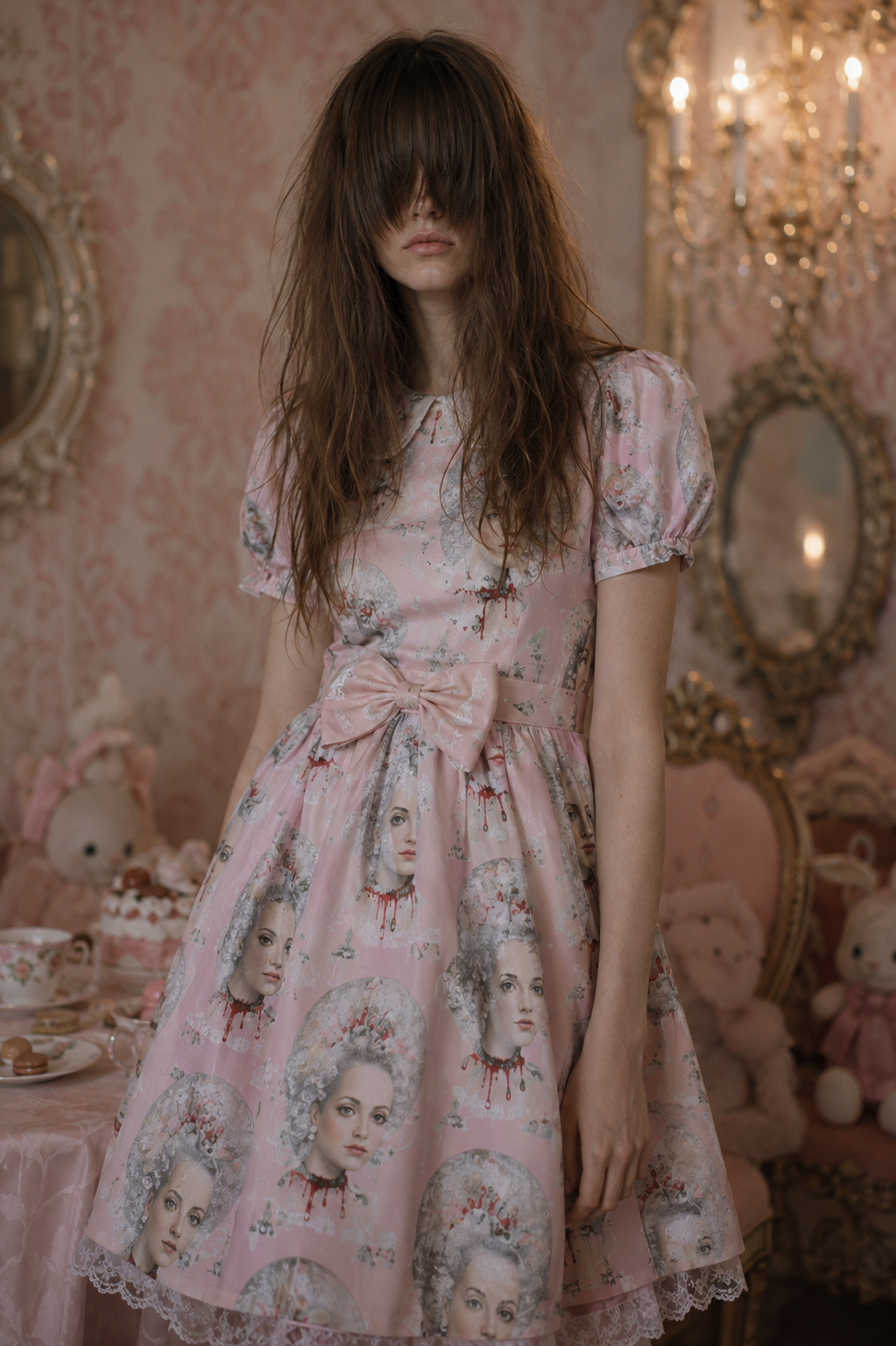
She discovers Ava was a swan she magically transformed into a friend, confronts the Bunnies, and strikes Max with an ax at his request, freeing him into his true stag form. She rejects the Bunnies, finishes her thesis, and forms a genuine friendship with Jonah.
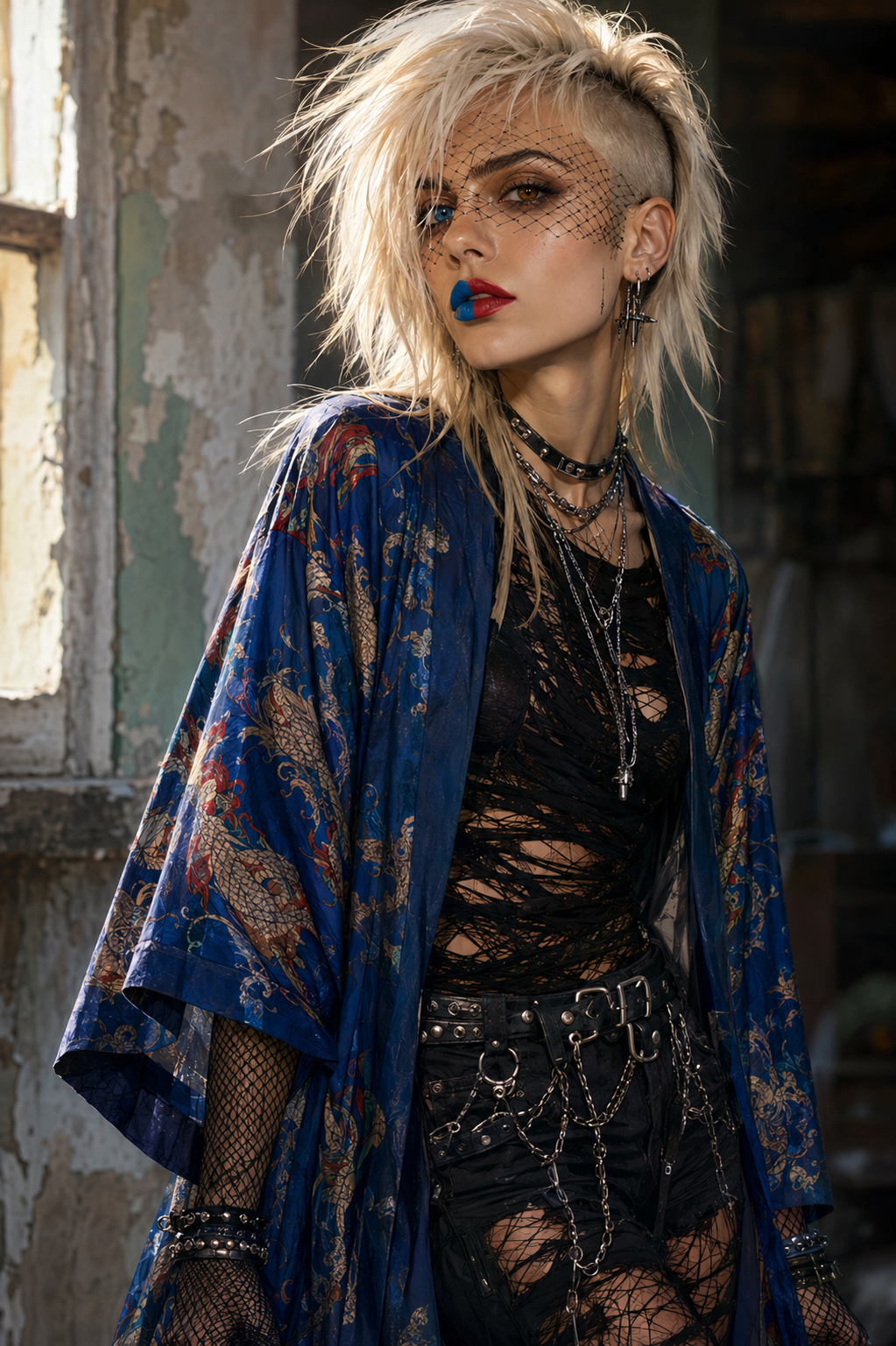
She is revealed to have never been human at all: Samantha magically transformed a swan into Ava during her lonely first year. The Bunnies kill the swan with an ax, and Ava disappears permanently once Samantha accepts the truth.
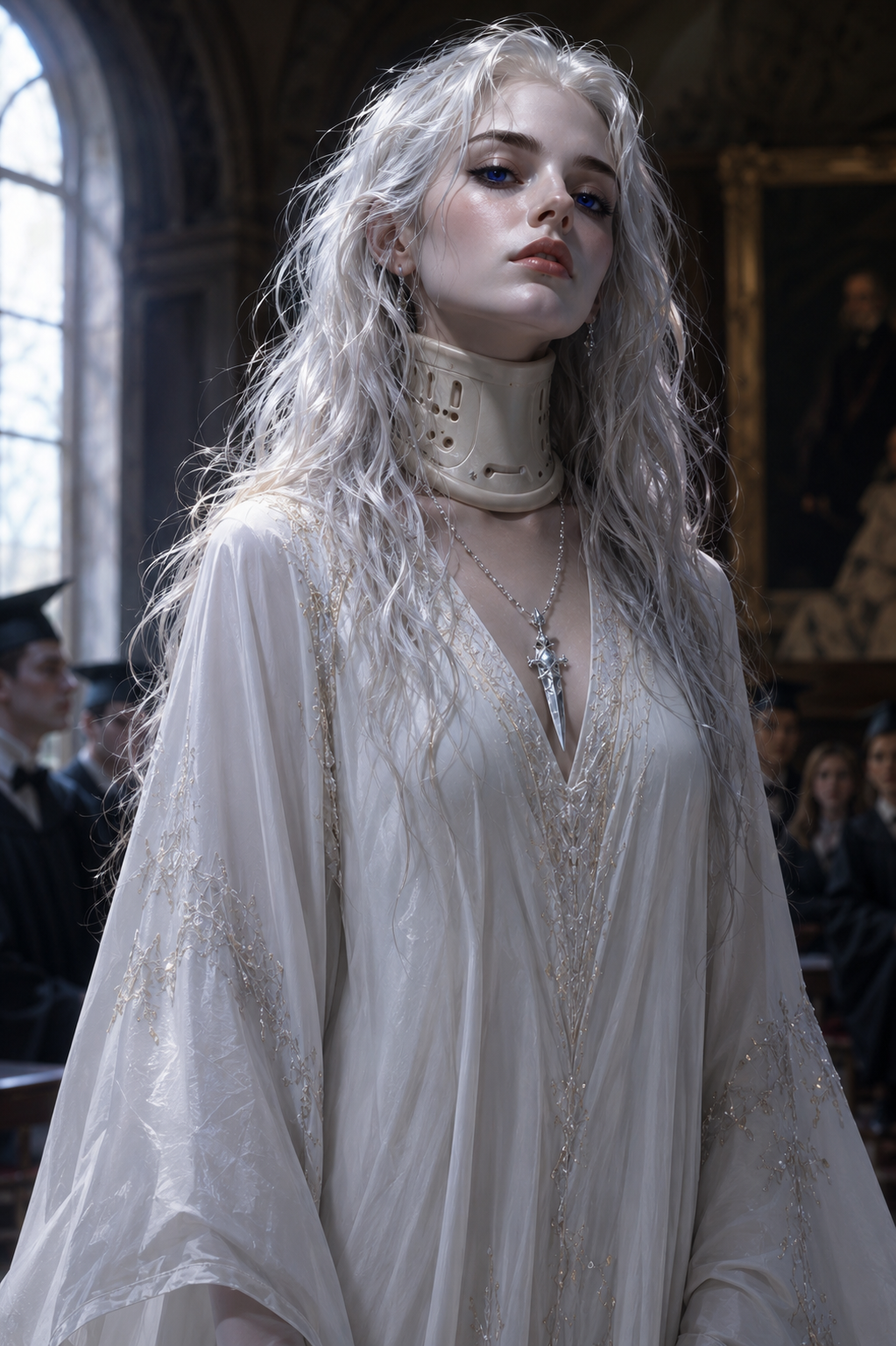
She kills Ava in her swan form, but Max later attacks the Bunnies during the final confrontation. Eleanor survives and appears at graduation badly injured and wearing a neck brace, while Samantha refuses to acknowledge her.
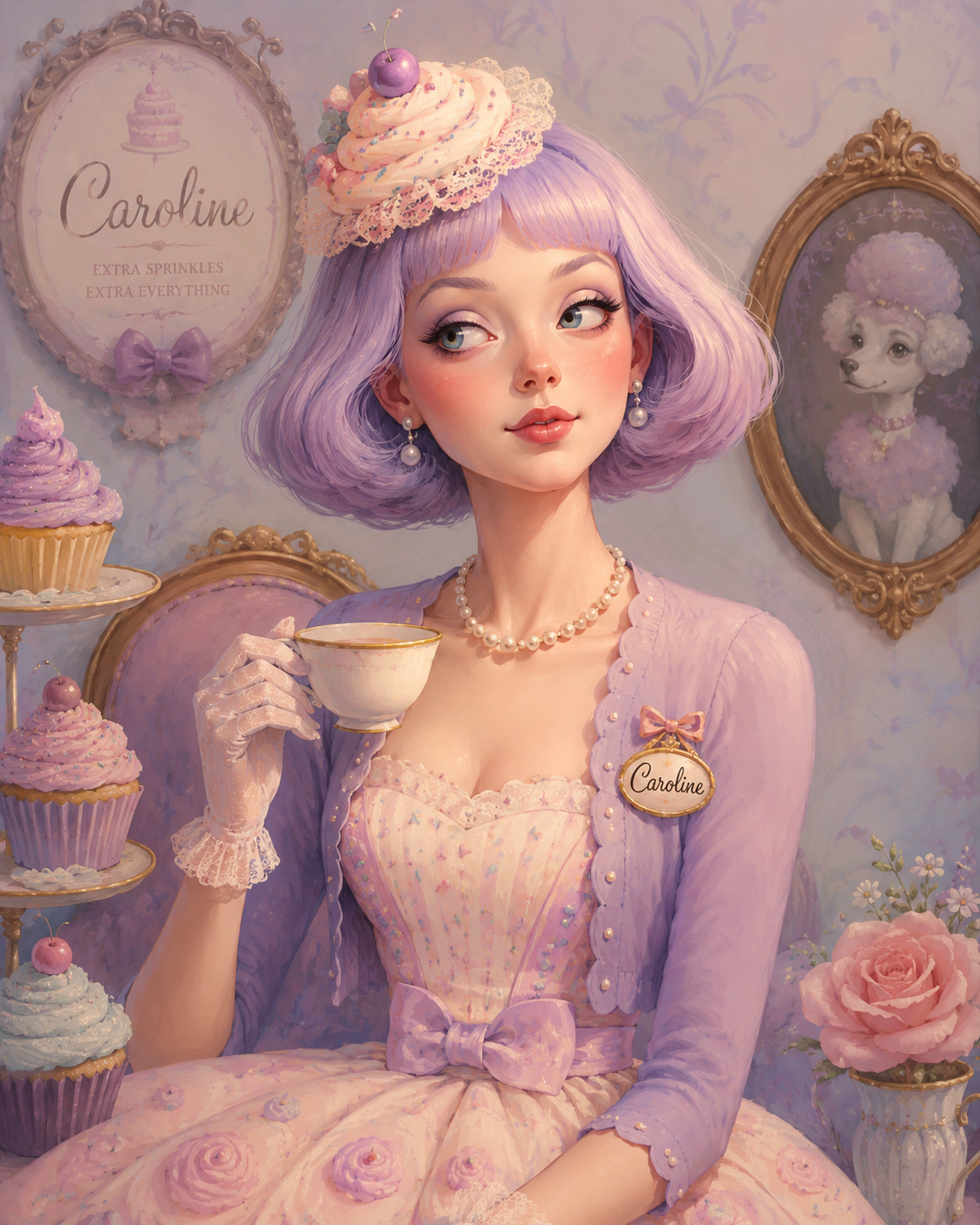
She carves “EAT ME” into herself for an art piece and is later badly injured by Max in his stag form. She survives and graduates visibly battered and scarred.
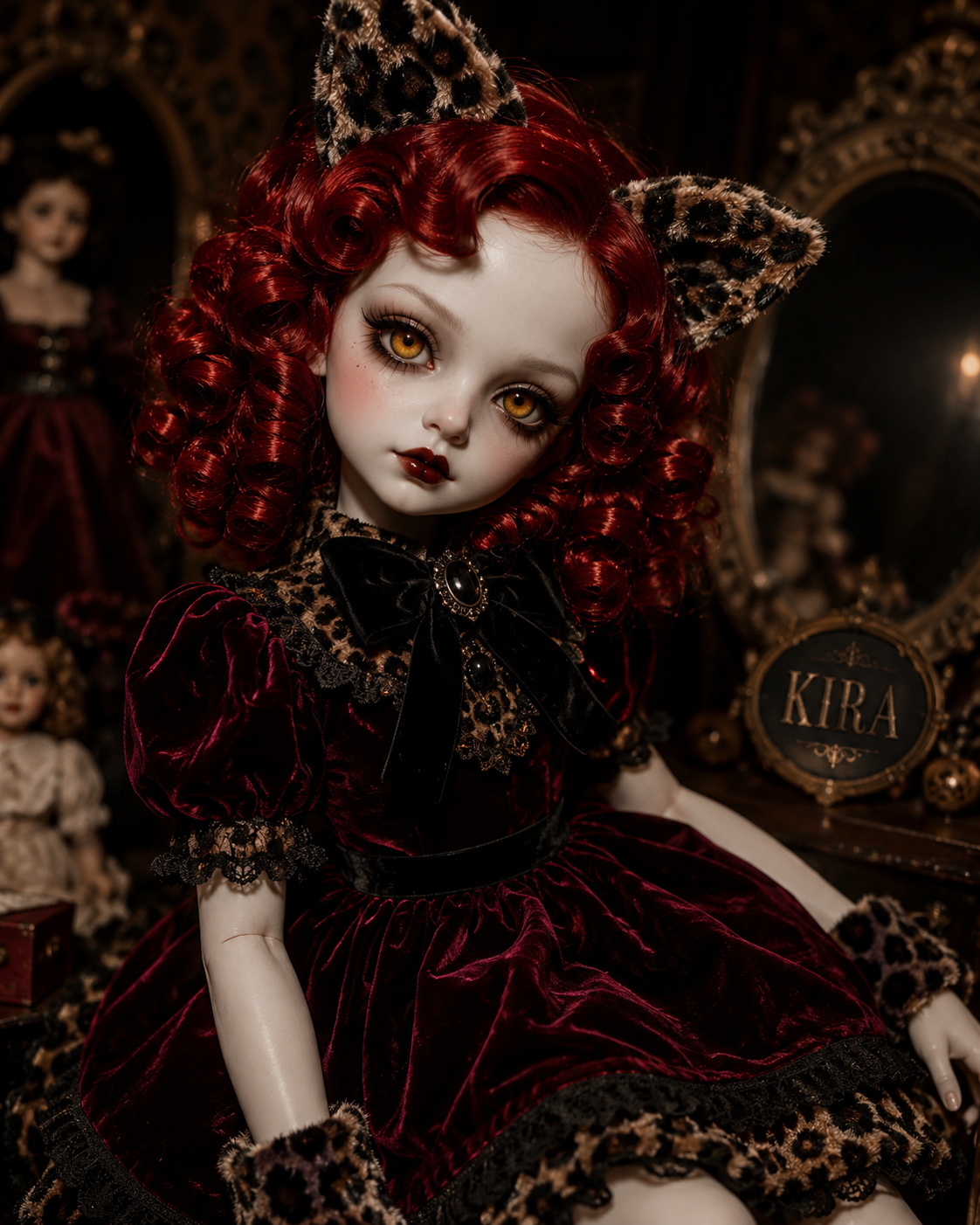
Max attacks her along with the other Bunnies during the finale, leaving her with serious injuries, but she survives to graduate.
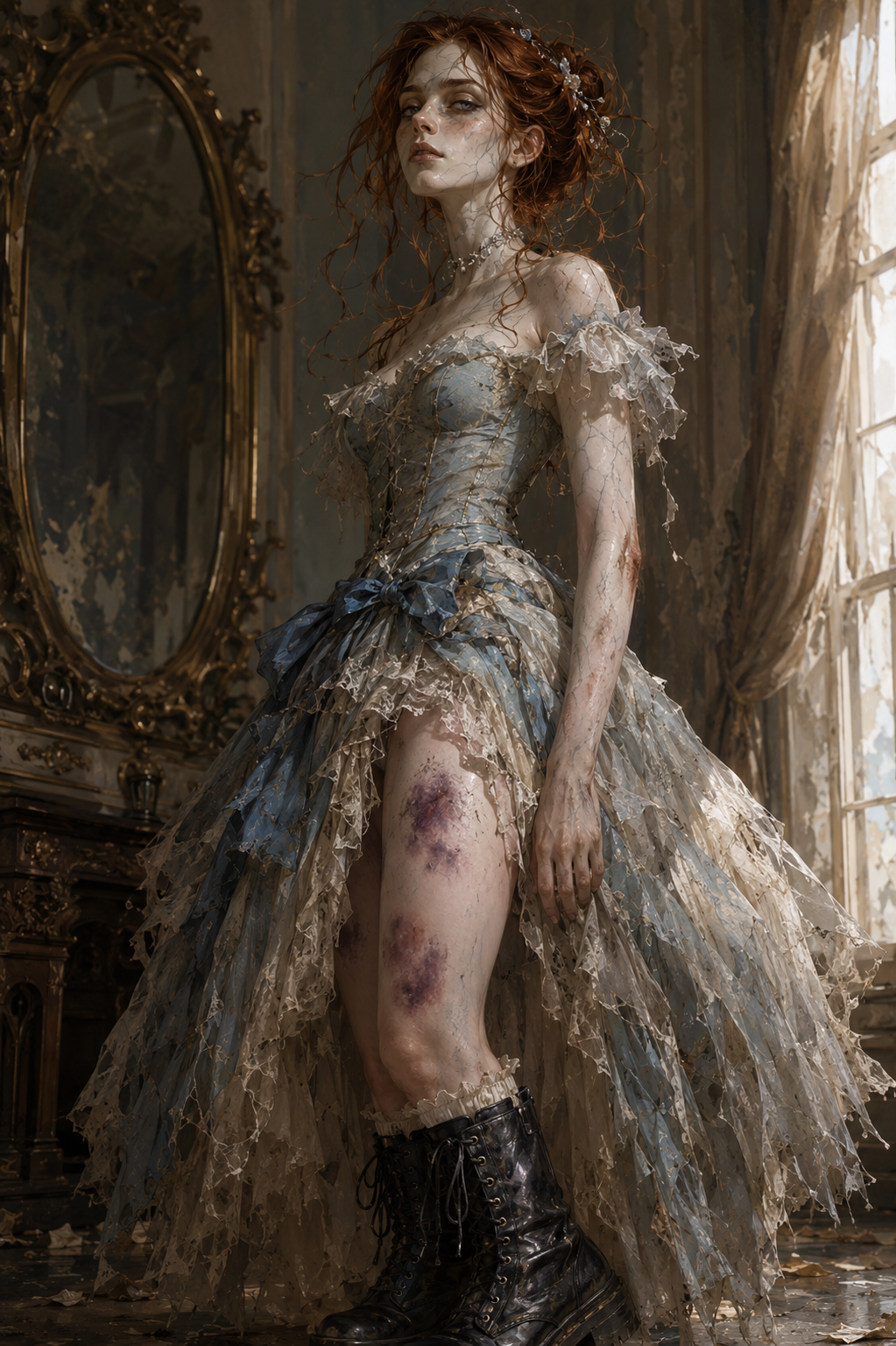
She is stomped and badly injured by Max during his final rampage but survives and appears battered at graduation.
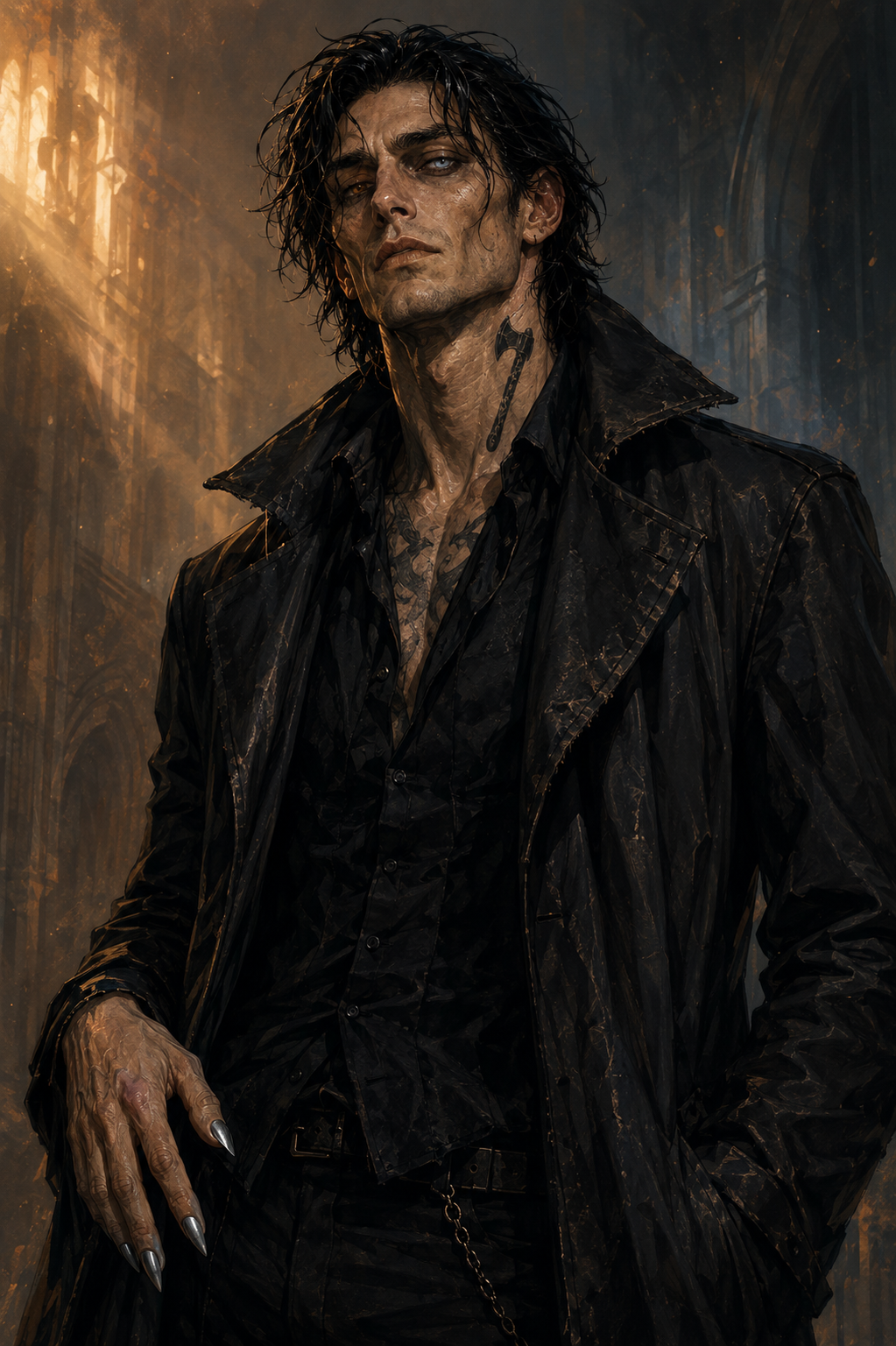
After brutally attacking the Bunnies, Max asks Samantha to strike him with the ax. Instead of dying, he transforms into a magnificent stag and escapes into the woods, finally liberated from Samantha.
🔷 Supporting Characters

He survives the events and attends graduation, where he praises Samantha’s completed thesis for finally sounding authentic.
She remains obliviously embedded in Warren’s academic world and presides over graduation despite the Bunnies arriving visibly wrecked.
He graduates alongside Samantha and joins her afterward on Ava’s old roof, suggesting that Samantha is finally ready for an authentic friendship and possibly something more.
The recreated Rob attacks Samantha during Prom Night before his head explodes, showering the room with blood and gore.
The unsuccessful Drafts are treated as disposable experiments and are generally killed with an ax once the Bunnies decide they have failed.
She died in a car accident when Samantha was thirteen and exists only through Samantha’s memories.
He remains somewhere in Mexico hiding from creditors, sporadically contacting Samantha through unreliable phone calls.
He remains at Warren and appears at graduation, where his relationship with Samantha is still politely awkward.
He survives as a miserable servant-like figure at the Duchess’s house and is last seen ushering Samantha inside for the final Workshop.
It is shoved into Samantha’s hands during her solo Workshop as a physical stand-in for her supposed creative failure.
🕳️ Potential Plot Holes
Ava is ultimately revealed to be a swan Samantha transformed into a human, yet she appears to maintain an entire independent adult life. She has a job at a nature lab, lives in her own rented house, and is seen and acknowledged by people other than Samantha. The novel never explains how a magically created person obtained a lease, employment, money, or the other practical necessities required to exist independently in the real world.
At graduation, the Bunnies appear with multiple serious injuries, including broken arms, broken legs, and a neck brace, after being violently attacked by the Stag. Their injuries are casually attributed to a “book arts accident,” and apparently no investigation follows. It is difficult to believe that several students suffering severe injuries in the same incident could offer such an implausible explanation without the university, medical personnel, or authorities questioning what actually happened.
📚 Book Club Q&A's
⭐ Final Rating & Thoughts
Bunny is one of those books where I finished the last page and thought, what did I just read? 😂
There’s no denying that Mona Awad can write. The prose is gorgeous, sharp, eerie, and incredibly imaginative, and there were moments when I was completely fascinated by the bizarre world she created. The dark academia setting, strange humor, and increasingly surreal atmosphere made this unlike almost anything else I’ve read.
Unfortunately, “unlike anything else I’ve read” didn’t always mean I was enjoying myself.
The story became so disjointed and surreal that I eventually stopped trying to figure out what was actually happening. I don’t mind a little ambiguity, but I prefer a narrative that gives me something solid to hold onto. Here, I often felt like I was searching for meaning in randomness.
Still, I can absolutely see why Bunny has such devoted fans. It’s strange, creative, beautifully written, and completely unforgettable. Three stars for an entertaining literary fever dream that is well worth the read.
✨ Adaptation description
Bunny — Film Adaptation
Mona Awad’s Bunny is being developed as a feature film by Bad Robot Productions, J.J. Abrams’ production company. Bad Robot acquired the screen rights in 2023 after a competitive bidding situation; the novel had previously been optioned by AMC for television, but that version never moved forward.
In a September 2025 interview, Awad confirmed that the film now has a completed script, a director attached, and an actor attached, although she was not permitted to reveal their identities. She also said she is quite involved creatively and has had numerous conversations with the production team. (Vanity Fair)
As of August 2026, however, Bad Robot has not publicly announced the director, attached actor, additional cast, filming dates, or release date. So this is still a project in development rather than one in active production.
Adaptation Overview
- Title: Bunny
- Based on: Bunny by Mona Awad (2019)
- Format: Feature film
- Production company: Bad Robot Productions
- Rights acquired: 2023
- Producer/company connection: J.J. Abrams / Bad Robot
- Director: Attached, but not publicly revealed
- Screenwriter: Script exists; writer has not been publicly revealed
- Cast: At least one actor attached, but identity has not been announced
- Author involvement: Mona Awad is actively involved in creative discussions
- Current status: In development
- Release date: Not announced (Vanity Fair)
✨ Books Like Bunny (2019)
See an error on this page?