
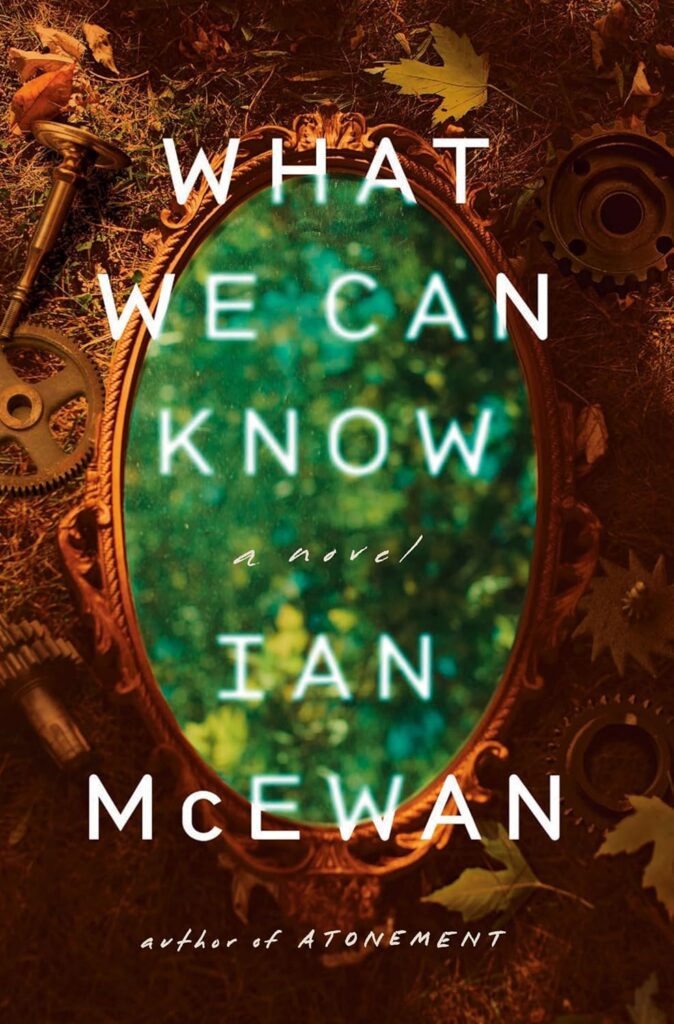
What We Can Know (2025)
Select Sections to Print
×Book Details
What We Can Know (2025)
Jump to Section
⚠️ Trigger Warnings
- Murder
- Graphic violence
- Dementia / Alzheimer’s disease
- Cognitive decline
- Incontinence
- Infant death
- Child neglect
- Attempted child abduction
- Child sexual abuse mentions
- Rape mentions
- Necrophilia mentions
- Animal injury
- Animal surgery / medical procedures
- Nuclear war
- Mass death
- Natural disasters
- Famine
- Disease / pandemics
- Alcohol abuse
- Drug use
- Drug-induced psychosis
- Infidelity
- Suicide ideation / discussion
- Cancer
- Terminal illness
- Death and grief
⏱️ 2-Minute Spoiler Summary
In 2120, historian Tom Metcalfe searches for A Corona for Vivien, a legendary lost poem written by Francis Blundy for his wife, Vivien. His research eventually reveals that Vivien’s first husband, Percy Greene, suffered from early-onset Alzheimer’s and was murdered by Francis, who wanted to free Vivien from caring for him so they could be together.
Years later, Francis transformed Percy’s murder into A Corona for Vivien and read it at the Second Immortal Dinner in 2014. Vivien recognized the crime hidden inside the poem and was horrified that Francis had turned Percy’s death and her memories into art. She burned the only manuscript that night.
Before dying, Vivien wrote a prose confession revealing everything and buried it with Percy’s violin near her old study. More than eighty years later, Tom and his wife Rose decipher a clue to its location and recover the box from the now-flooded Cotswolds. Instead of the lost poem, Tom finds Vivien’s confession and the violin. Rose also reveals that she is pregnant. In 2125, Tom and Rose publish The Confessions of Vivien Blundy, exposing Percy’s murder and permanently changing the historical record surrounding Francis and his supposedly lost masterpiece.
📖 Full Spoiler Summary
Tom Metcalfe Searches for a Lost Masterpiece
In 2120, a century after the environmental catastrophes known as the Inundation and the Derangement transformed the planet, historian Tom Metcalfe has devoted much of his career to studying the vanished world of the late twentieth and early twenty-first centuries. A professor at the University of the South Downs, Tom is particularly obsessed with the poet Francis Blundy and a legendary work that no one has seen in more than a hundred years: A Corona for Vivien.
According to literary history, Francis wrote the fifteen-sonnet sequence for his wife, Vivien Blundy, and read it aloud at the so-called Second Immortal Dinner in 2014. The original manuscript subsequently disappeared. To Tom, the lost poem has become almost mythical—a surviving glimpse of a world overflowing with plants, animals, and landscapes that have since been destroyed.
His search brings him to the Bodleian Snowdonia Library, where he studies Vivien’s surviving journals. He hopes they will reveal what happened to the Corona, but instead they gradually lead him toward a much darker secret about Vivien, Francis, and Vivien’s first husband, Percy Greene.
Vivien, Percy, and Francis
Decades earlier, Vivien was a successful biographer married to Percy, a large, warmhearted luthier. Their marriage was complicated long before Francis entered their lives. Vivien had been conducting an affair with Francis’s editor, Harry Kitchener, a relationship based largely on sex and intellectual companionship rather than any expectation that either would leave their spouse.
Then Percy’s health began to deteriorate.
He developed early-onset Alzheimer’s disease, and Vivien watched the man she loved gradually disappear. His decline eventually reached what she considered a terrible plateau: he was still physically present but increasingly vacant, unpredictable, and completely dependent upon her. At one point, he even struck their beloved young nephew, Peter, during an episode of confusion.
Caring for Percy consumed Vivien’s life, leaving her exhausted and increasingly desperate.
During this period, she met Francis at a poetry reading. Brilliant, charismatic, arrogant, and intensely attracted to her, Francis quickly became more important to Vivien than Harry ever had. Their affair grew serious, and Francis came to see Percy as the obstacle preventing them from having a life together.
Eventually, he decided that waiting for Percy to die naturally was no longer enough.
Francis told Vivien that they needed to “act.” What that meant became horrifyingly clear when he entered her home one night. With Vivien present but unable to stop him, Francis attacked Percy, pushing him down the stairs and then striking him in the forehead with a metal mallet.
Percy was dead.
Vivien had wanted freedom from the relentless burden of caring for him, but Francis had turned that desire into murder.
The Second Immortal Dinner
After Percy’s death, Vivien and Francis concealed the truth. They eventually married and settled at a Gloucestershire property known as the Barn, where Francis continued building his reputation as one of the great poets of his generation.
Years later, he began working on what was supposed to be an extraordinary gift for Vivien’s fifty-fourth birthday: A Corona for Vivien. He spent years constructing the elaborate fifteen-sonnet sequence, eventually having it preserved on a vellum scroll.
On October 14, 2014, Francis and Vivien hosted the Second Immortal Dinner.
Among the guests were Harry and his increasingly resentful wife, Jane Kitchener; novelists Mary and Graham Sheldrake, whose marriage was suffering after infidelities on both sides; botanist Tony Spufford; veterinarian John Bale; and the younger Harriet and Chris Gage.
The evening brings together artists, scientists, and intellectuals from a world that Tom’s generation can barely imagine. Their conversation turns toward the environment and climate change, with Francis adopting his usual position as a “nuanced denier.” The argument is especially significant in retrospect because the ecological destruction the guests debate will eventually become the catastrophic reality of Tom’s world.
Then Francis unveils his masterpiece.
He reads A Corona for Vivien aloud to the assembled guests. Some are overwhelmed by it. Mary Sheldrake feels almost transformed by what she hears, while others respond more practically; Chris Gage, for instance, finds himself considering how the work might function theatrically.
Vivien hears something entirely different.
As Francis reads, she realizes that the poem is not simply a magnificent declaration of love. Buried inside its imagery is a recreation of Percy’s murder.
Vivien Destroys the Corona
The realization horrifies Vivien.
Francis has turned the worst night of her life into art. Through the poem’s Green Man imagery, he has transformed himself into the figure who replaces Percy—the large, bearded husband whose death made Francis’s marriage to Vivien possible. Details that belong to Vivien’s memories of Percy have been absorbed into Francis’s supposedly brilliant creation.
What the guests hear as genius, Vivien experiences as violation.
The Corona is beautiful, but to her it is also a “beautiful fake.” Francis has taken Percy’s life, Percy’s death, and even Vivien’s memories of him and reshaped them into a monument to himself.
After the dinner, Vivien takes the vellum manuscript into her study, known as the Dairy.
There, she burns it.
The legendary masterpiece is deliberately destroyed on the very night of its first performance. Francis’s guests become the only people ever to hear the complete work, although none of them understands why Vivien ensured it would never be read again.
Vivien Buries the Real Story
The secret survives long after the people involved begin to die.
Francis eventually develops cancer and becomes shockingly thin before his death. Harry Kitchener later dies of a heart attack. After both men are gone, Vivien and Jane—two women whose lives were profoundly shaped by them—move together to a remote cottage in Scotland.
They begin destroying what remains of the past.
Vivien and Jane go through Harry’s papers, removing material that could expose the secrets surrounding their relationships and the people they knew. Eventually, they burn his archive.
But Vivien does not intend for the truth to disappear completely.
Instead of poetry, she writes a prose account of what actually happened. Her Confessions preserve the story Francis tried to transform into art: Percy’s illness, Vivien’s desperation, her affairs, Francis’s murder of Percy, and the true meaning of the Corona.
With the help of Peter, now an adult physicist, Vivien places the confession inside a steel box. Alongside it she puts Percy’s replica Guarneri violin, preserving something that belonged to the man himself rather than to the poet who killed him.
They bury the box near the Dairy.
Vivien dies in 2038, leaving the location hidden inside a clue that will remain misunderstood for decades.
Tom Finds Vivien’s Clue
More than eighty years later, Tom continues chasing the Corona while his own marriage begins falling apart.
His wife and fellow academic, Rose Church, has had a brief affair with a student named Kevin Howard. The betrayal creates a painful distance between them, even as Tom remains consumed by his historical investigation.
The breakthrough in his research comes from an unexpected source. Assistant archivist Donald Drummond passes along an observation from his mathematically gifted niece, Dolly. She has looked at a mysterious sequence in Vivien’s journal that everyone else assumed was a telephone number.
It isn’t.
Dolly recognizes it as a map reference.
Suddenly, Tom has a physical location connected to Vivien’s secret.
He and Rose begin repairing their relationship and decide to follow the clue together. They hire Jo Mideksa, an experienced boat captain, to take them into the Cotswold Islands, the remnants of a landscape that has been transformed by rising water since Vivien’s lifetime.
The journey makes painfully tangible how much of the world Tom studies has disappeared. Places that were ordinary land in Vivien’s lifetime are now islands surrounded by water and overgrown wilderness.
After reaching the area, Tom and Rose trek through the forest until they locate what remains of the Dairy.
Then they start digging.
The Truth Inside the Steel Box
Tom finally uncovers the steel container Vivien and Peter buried decades earlier.
For a historian who has spent years dreaming of recovering A Corona for Vivien, this should be the moment when the legendary lost poem returns to the world.
But the Corona isn’t there.
Vivien truly destroyed it in 2014.
Instead, Tom and Rose find Percy’s replica Guarneri violin and Vivien’s prose Confessions. The discovery is ultimately far more important than the poem Tom hoped to recover. Rather than finding Francis Blundy’s supposedly immortal masterpiece, he finds Vivien’s account of the murder that inspired it.
At the same time, Tom’s future changes personally as well. Rose reveals that she is pregnant, giving the couple the possibility of rebuilding their marriage and creating a family together.
The narrative then gives way to Vivien’s own confession, finally allowing her version of events to replace the mythology that has surrounded Francis for more than a century. Her testimony exposes how Percy really died and reveals that the famous Corona was rooted in Francis’s decision to turn his own crime into poetry.
Five years later, in 2125, Tom and Rose publish the recovered manuscript as The Confessions of Vivien Blundy.
The discovery permanently rewrites the history of Francis Blundy and the Second Immortal Dinner. The masterpiece Tom spent years trying to recover remains lost because Vivien deliberately burned it. What survives instead is the story Francis could not control: Vivien’s account of Percy Greene’s murder and the truth she chose to preserve for the future.
🔚 Ending Explained
The novel ends with two discoveries separated by more than a century: one buried beneath the earth, the other buried inside Vivien Blundy’s version of the past.
In 2120, historians Tom Metcalfe and Rose Church finally locate the archive hidden at the site of the Blundys’ former home in the Cotswold Islands. Tom has spent years searching for Francis Blundy’s legendary lost masterpiece, “A Corona for Vivien,” convinced that recovering it would be one of the great literary discoveries of his age. Instead, the steel case contains something very different: Percy Greene’s replica Guarneri violin and a substantial manuscript titled The Confessions of Vivien Blundy.
The poem itself is gone.
The discovery initially seems like a disappointment, but it ultimately gives Tom something far more valuable than the artifact he wanted: the truth behind the mythology he has spent his career studying.
At almost the same moment, Rose reveals that she is pregnant. The announcement quietly redirects the novel’s attention away from everything Tom has lost or tried to recover. After living almost entirely among the dead, he suddenly has a future.
The novel then gives us Vivien’s hidden confession.
In October 2014, Vivien possesses the vellum manuscript of Francis’s “Corona,” the supposedly magnificent poem that would later become the object of Tom’s obsession. But she understands what later scholars cannot: the poem is built upon a horrifying reality.
Francis murdered Percy Greene, Vivien’s first husband, and then transformed elements of Percy’s life, personality, memories, and relationship with the natural world into material for his own art. The “Corona” is therefore not simply a masterpiece. To Vivien, it is a “beautiful fake”—an artistic reconstruction of something monstrous, allowing Francis to turn murder into mythology and effectively appropriate the identity of the man he killed.
Vivien refuses to let him have the final word.
She places the vellum scroll into the stove and burns “A Corona for Vivien.”
Rather than preserve Francis’s poetic version of events, she writes her own account in prose. She chooses direct testimony over metaphor, preserving Percy’s story while destroying the work that would have immortalized his murderer.
More than a century later, Tom and Rose uncover that testimony. A concluding scholarly note reveals that they eventually publish The Confessions of Vivien Blundy in 2125, permanently changing the historical understanding of Francis Blundy and the legendary Second Immortal Dinner.
What the Ending Means
The central irony of the ending is that Tom spends the novel searching for a masterpiece and ends up discovering a confession.
For most of his life, he has been captivated by the idea that art can preserve what history has lost. Living in a devastated future after the Inundation and the Derangement, he longs for the vanished natural world described by earlier writers. Francis Blundy’s lost poem seems almost sacred because Tom imagines it as a surviving fragment of that richer past.
But the novel gradually dismantles that romantic idea.
Francis’s art may be beautiful, but beauty does not guarantee truth. His poetry transforms ugly realities into elegant ones, absorbing other people’s experiences and disguising violence beneath symbolism. The supposedly great lost work is therefore valuable artistically while being morally corrupted at its foundation.
Vivien recognizes what future scholars cannot: the poem preserves Francis’s version of history, not Percy’s.
That is why destroying it becomes one of her most important acts of agency.
The Violin
Percy’s violin is the perfect object for Tom to find instead of the poem.
Francis leaves behind words, reputation, mythology, and literary prestige. Percy leaves behind something tangible that he actually made.
The violin represents the “truth of things”: craftsmanship, physical reality, and the quiet decency of a man whose identity was partially consumed by someone more famous and charismatic.
Tom goes looking for Francis and, symbolically, digs up Percy instead.
That reversal restores Percy to the story.
The Burning of the Poem
The fire is both destruction and purification.
Vivien understands that preserving the “Corona” would allow Francis to continue controlling the narrative after his death. His murder would survive as beautiful imagery rather than as an actual crime committed against an actual person.
So she denies him that immortality.
Her choice of prose over poetry matters for the same reason. Poetry can obscure, transform, and mythologize. Vivien decides that what happened requires clarity.
She does not want Percy converted into symbolism.
She wants the truth recorded.
Rose’s Pregnancy
Rose’s pregnancy provides the ending with its most hopeful counterweight.
Tom belongs to a civilization suffering from what amounts to a collective nostalgia for extinction. His academic world is obsessed with reconstructing what existed before environmental catastrophe, and Tom has allowed that obsession to shape his personal life as well.
Then Rose tells him they are going to have a child.
Suddenly, the future becomes more than an abstract historical period.
The juxtaposition is deliberate: Tom discovers something buried from the past at precisely the moment Rose reveals something growing toward the future.
The novel does not suggest that humanity can recover everything it has destroyed. The “Corona” remains lost. Species remain extinct. Landscapes have disappeared. History remains incomplete.
But life continues anyway.
Tom’s Final Transformation
Tom’s real discovery is ultimately not literary.
His obsession with the “Corona” has allowed him to live at a safe distance from his own life, retreating into scholarship and yearning for a world that no longer exists. Finding Vivien’s confession forces him to confront the limitations of that approach.
He began by chasing the shadow of a poem.
He ends with a woman’s testimony, Percy’s violin, Rose beside him, and a child on the way.
That progression moves him from imagination toward reality, isolation toward intimacy, and nostalgia toward possibility.
The Larger Theme
The ending ultimately complicates the novel’s question of what we can truly know about the past.
History is constructed from whatever survives, and what survives is often determined by power, reputation, accident, and deliberate concealment. Had Tom found only Francis’s poem, Francis might have remained the great nature poet whose lost masterpiece confirmed his legend.
Instead, Tom finds Vivien.
The historical record changes because the voice that was buried finally becomes the voice that survives.
That makes the destruction of the “Corona” less tragic than it initially appears. The world loses a masterpiece, but it gains something arguably more important: the truth about the human beings behind it.
And that is the final reversal at the heart of the novel. Tom believes he is excavating the past in order to recover something beautiful. What he actually excavates is something true.
The ending suggests that imagination may temporarily “lord it over the actual,” turning messy lives into elegant stories and inconvenient people into symbols. But reality has a stubborn way of surviving beneath those stories—like a violin and a confession sealed underground for a century, waiting for someone to dig them up.
👤 Characters & Fates
🔶 Main Characters
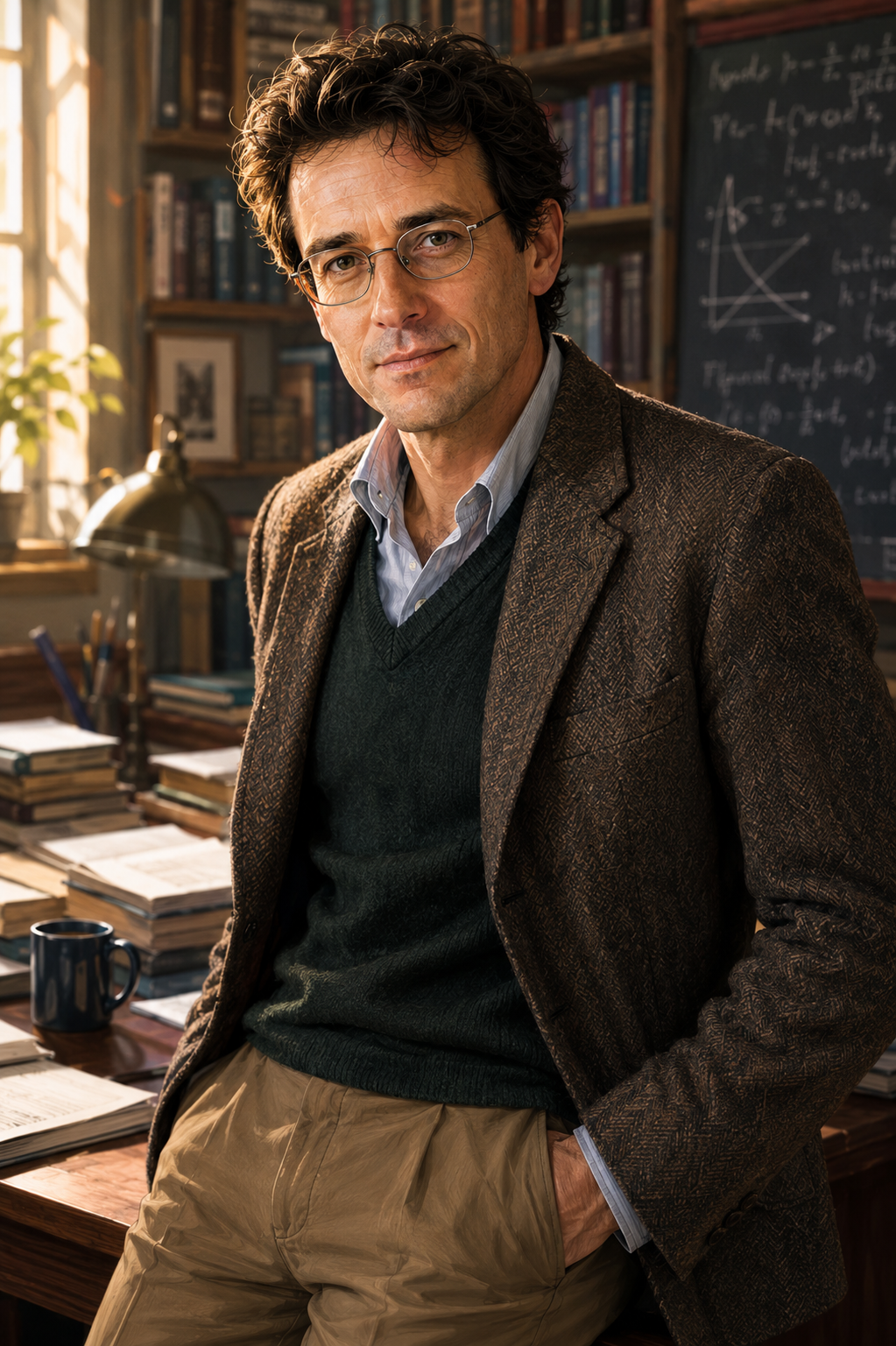
He finds Vivien’s confessions and Percy’s violin—but learns Vivien deliberately burned the poem. He reconciles with the pregnant Rose and publishes The Confessions of Vivien Blundy in 2125.
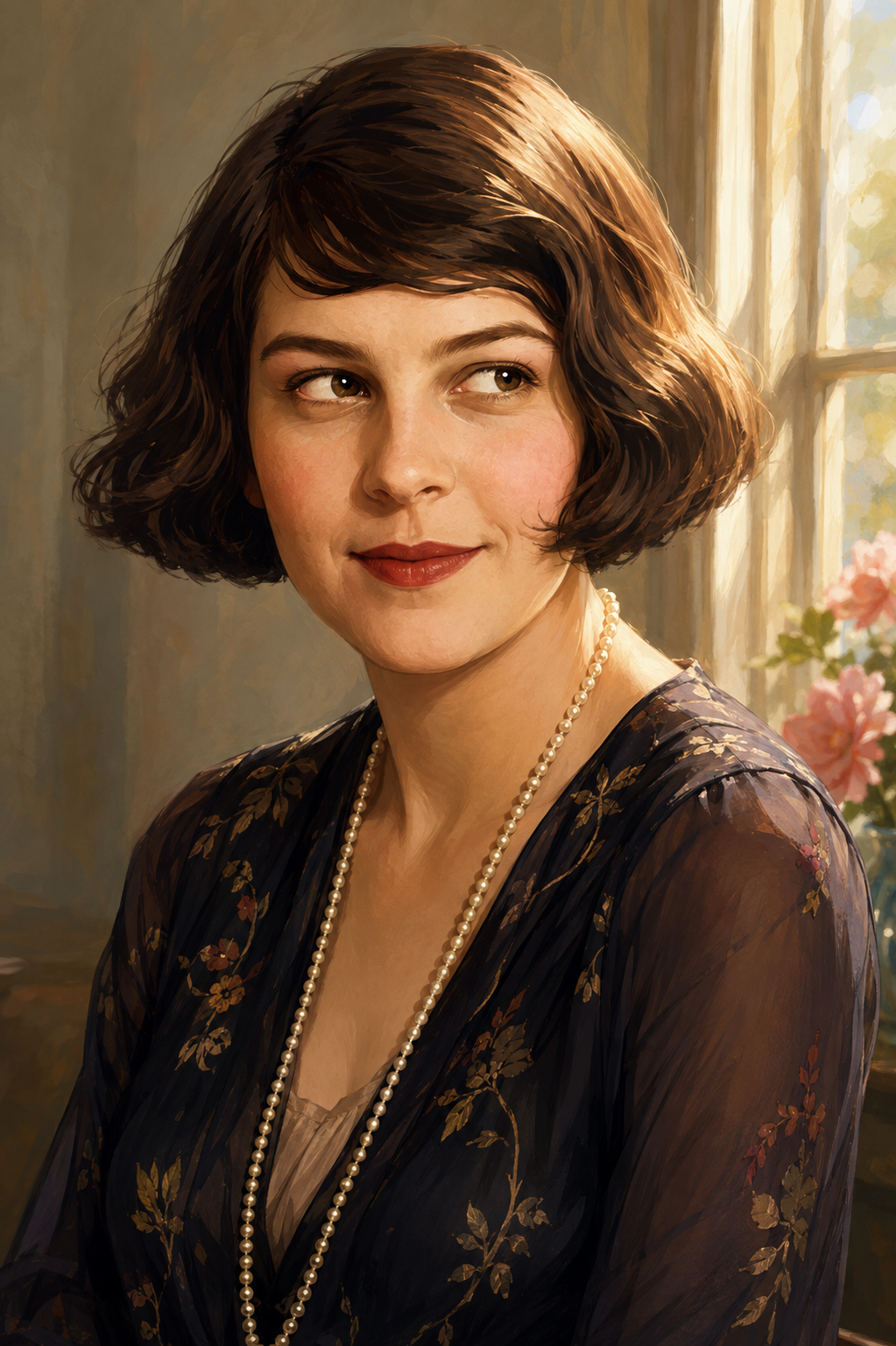
She discovers Francis murdered Percy, then burns the “Corona” because it transforms Percy’s murder and memories into Francis’s art. She lives in Scotland with Jane Kitchener and dies in 2038, leaving her confessions to be discovered a century later.
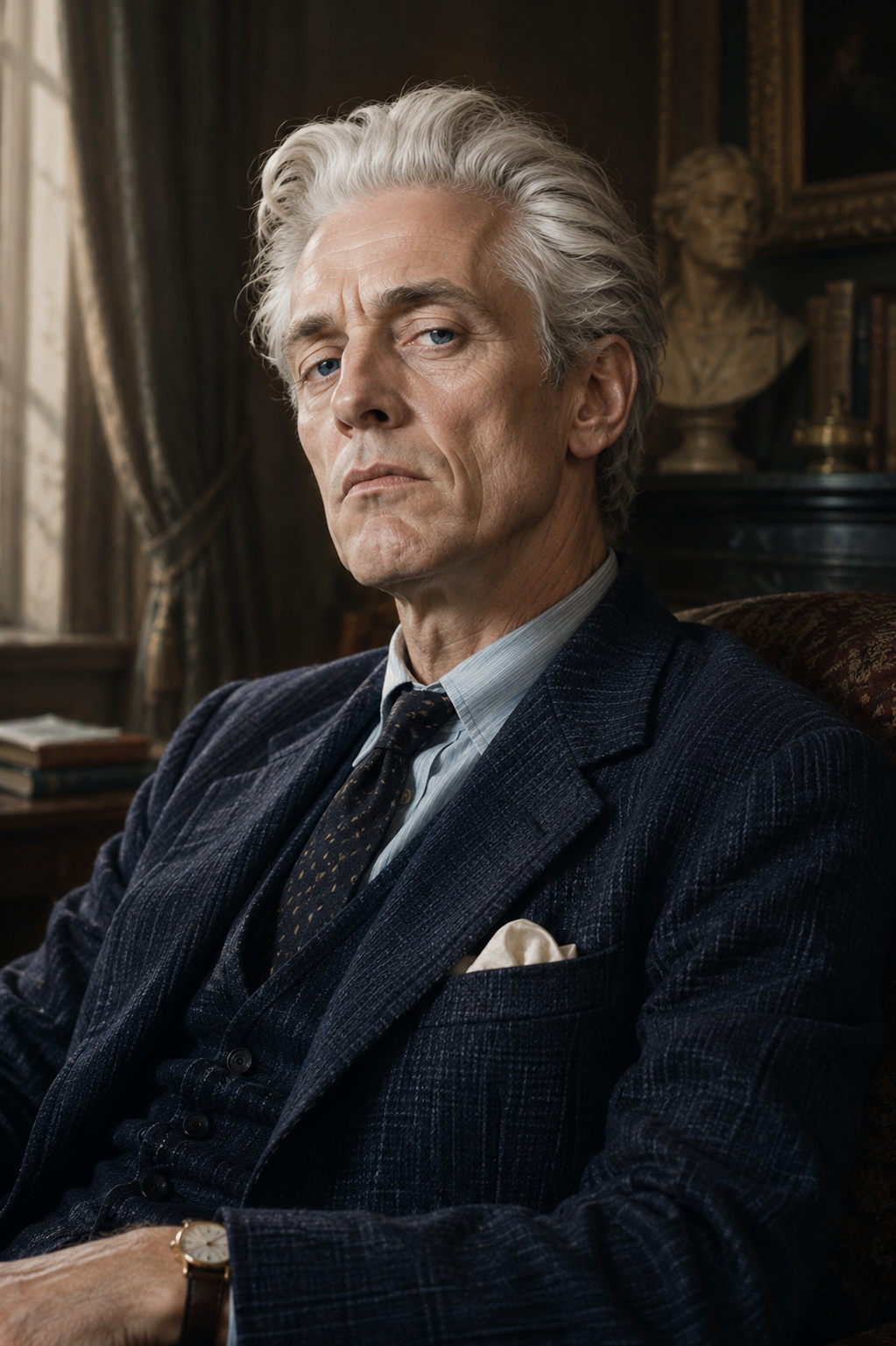
He murdered Percy by pushing him down the stairs and finishing him with a mallet so he could have Vivien. He dies of pancreatic cancer in 2017, never knowing Vivien will destroy the “Corona.”
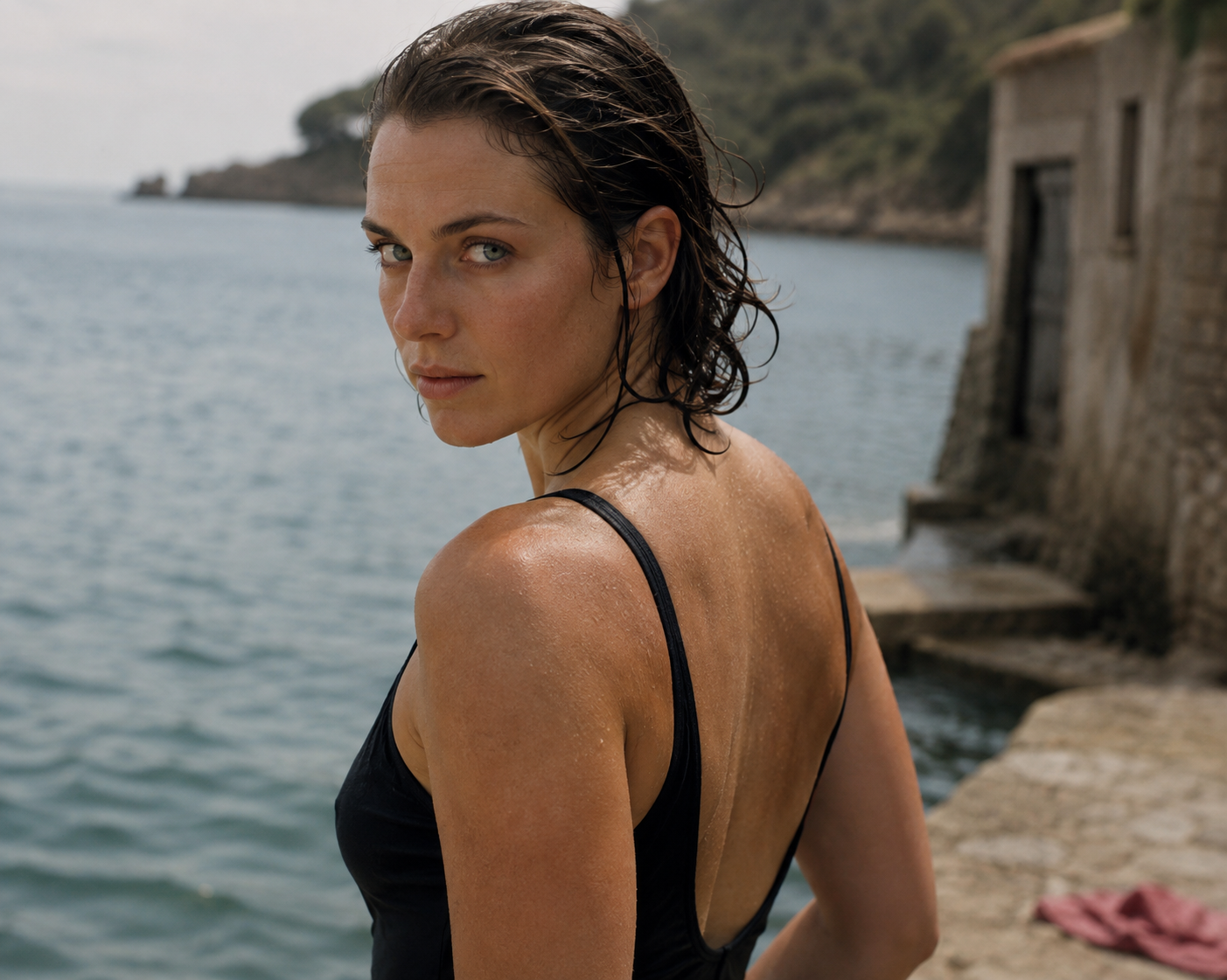
After a brief affair with Kevin Howard, she reconciles with Tom and reveals she is pregnant. She later becomes the Gibbon Professor of History and writes the introduction to Vivien’s published confessions.
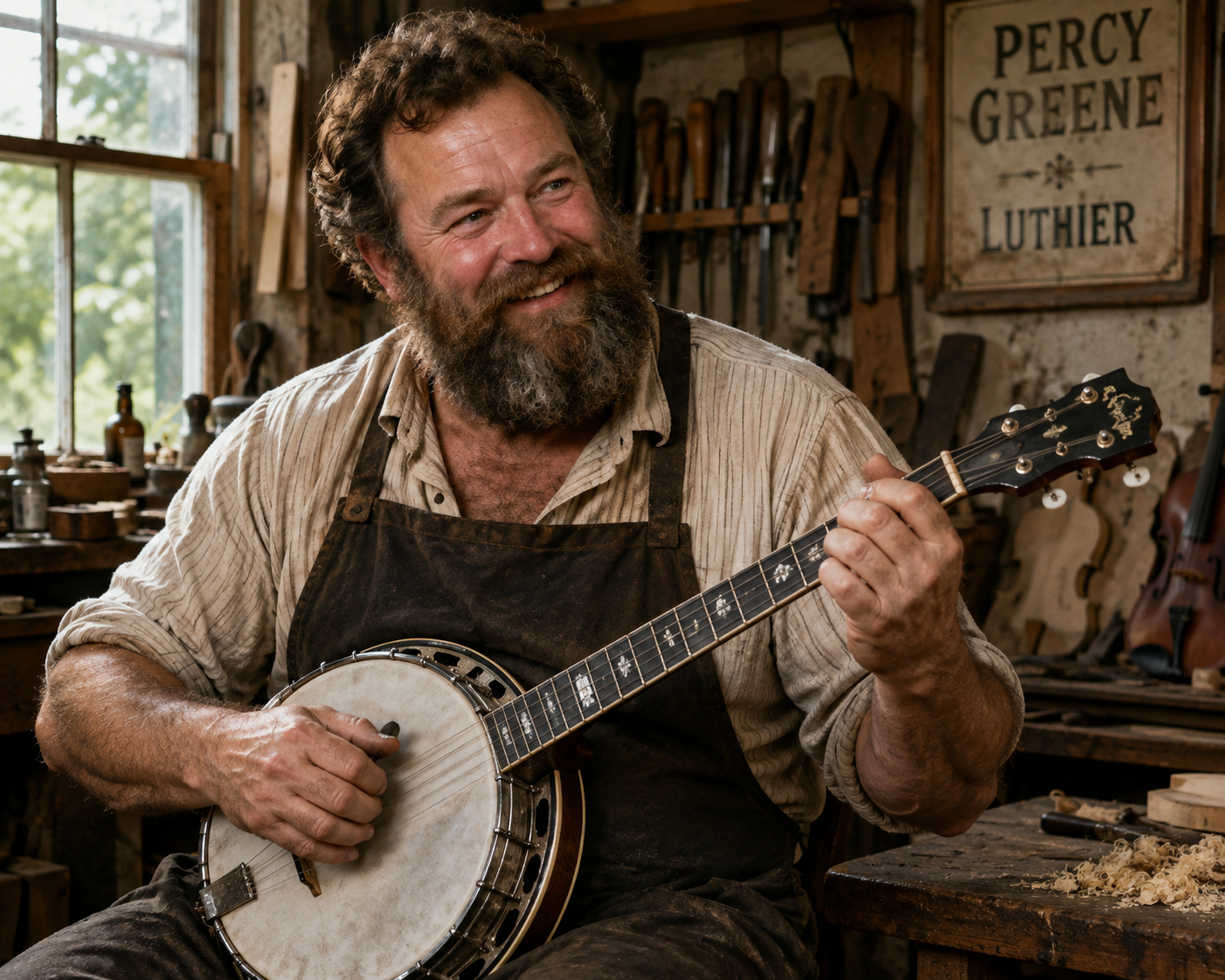
Francis murders him in 2003 by pushing him down the stairs and striking him with a mallet. Vivien later buries his replica Guarneri violin, which Tom recovers in 2120.
🔷 Supporting Characters

He dies of a heart attack in 2016, after which Jane and Vivien destroy or replace much of his private archive to conceal their secrets.
After Harry dies, she burns his papers on a “funeral pyre.” She lives with Vivien in Scotland until her own death in 2035.
Her attempt at a new realism fails with critics, and within twenty years of her death she is largely forgotten outside academia.
He and Mary reconcile after discovering that both of them have been having affairs.
She becomes a mother of three and drifts away from the Blundys, later feeling guilty that her article intensified the pressure on the dying Francis.
The affair ends cleanly, and he remains Harriet’s husband and a devoted father to their children.
He helps bury the steel box containing Vivien’s confessions and Percy’s violin and survives into the post-Inundation era.
He refuses to participate in the media frenzy surrounding the “Corona” in 2017.
He stays silent alongside Tony when journalists descend on the surviving dinner guests in 2017.
His assistance helps lead Tom to the buried archive, and he later contributes a preface to the 2125 publication of Vivien’s confessions.
Her insight leads directly to the buried archive, and Tom rewards her with ten precious bars of real chocolate.
Rose throws him out after he abruptly demands marriage and three immediate pregnancies, and she ultimately reconciles with Tom.
She becomes the first outside witness to Tom and Rose’s discovery of the century-old steel case.
She survives breast cancer and radical surgery and continues visiting Vivien and Jane during their later years in Scotland.
A stranger nearly abducts him, but Vivien intervenes and he is eventually reunited with his mother, who has a history of depression.
At six months old, she dies after Vivien becomes intoxicated and drugged at a party and fails to check on her overnight; whether classified as SIDS or neglect, Vivien believes herself responsible.
He returns from the Bodleian shortly after Tom, having challenged Tom for his “political innocence.”
She dies of a rare blood cancer after continuing her academic work almost until the end.
After roughly a decade of heavy drinking and drug use, he comes out as gay, becomes much happier, and settles down with a loving partner.
He remains in his faculty-building “monkish cell,” obsessively tending their shared bathroom.
Her conservation work succeeds spectacularly: the manuscript remains readable when Tom and Rose recover it in 2120.
They survive into later life and are mentioned among the first-generation survivors’ “Last Wishes.”
🕳️ Potential Plot Holes
Part One says Mary Sheldrake accidentally dropped and shattered Jane Kitchener’s azure salad bowl while helping in the kitchen. But in Vivien’s later account, Jane says that “the caterer or his waitress” dropped the bowl. Since these accounts identify completely different people as responsible for the same memorable incident, at least one version must be factually wrong. This may be intentional—the novel repeatedly emphasizes how unreliable memory and historical reconstruction can be—but it is still a genuine continuity discrepancy.
Tom spends considerable time hoping that Harry Kitchener’s archive might contain a draft of Francis Blundy’s lost “Corona.” Yet Tom has already read Francis’s private notebook in which Francis explicitly vows to destroy all notes and drafts so that the finished poem will remain unique. Tom can reasonably hope Francis failed to follow through, but assigning meaningful odds to finding a surviving draft in someone else’s papers seems strangely optimistic for a scholar who possesses direct evidence that Francis deliberately destroyed them.
Vivien disguises the burial coordinates 51°44'14"N, 2°4'18"W as the phone-number-like sequence 05144 142418, while another clue, “4m out from a long seedge,” must be interpreted as four meters from a long southeastern edge. The solution works once the characters know what they are looking for, but the notation is so compressed and ambiguous that it could be divided or interpreted in numerous ways. Vivien and Peter appear to expect that a future researcher could reconstruct their intended coordinates from clues that offer very little indication of how the numbers should actually be parsed.
Vivien obtains advice from the Bodleian in 2020 about preserving documents underground using an airtight stainless-steel container and archival paper. A century later, Tom and the others initially regard the recovered container as though it might be mysterious advanced technology. Given that their society still possesses substantial technological and historical knowledge, it is difficult to reconcile their reaction with the fact that the container uses preservation techniques already available—and apparently known to librarians—in their own historical period.
📚 Book Club Q&A's
⭐ Final Rating & Thoughts
What We Can Know ultimately became a much better book than I thought it was going to be—but unfortunately, it took far too long to get there. The first half was a struggle for me. Thomas’s obsessive search for a lost poem, combined with lengthy discussions of literature, archives, and scholarship, made the story feel incredibly slow. Even the fascinating dystopian setting seemed strangely pushed into the background, and I kept wishing McEwan would do more with the world he had created.
Then the second half arrived, and suddenly I understood what the book was trying to do. Vivien’s story brought the emotional depth, moral complexity, and intrigue I had been missing. I became far more invested in the questions of memory, truth, art, and how history gets constructed—and the ending genuinely surprised me.
I can appreciate how cleverly McEwan ultimately brings everything together, but a brilliant payoff couldn't completely make up for how difficult I found the journey there. 2.5 stars for an ambitious, thought-provoking novel with an excellent ending buried beneath a very slow beginning.
✨ Adaptation description
As of August 2026, there is no official announcement of any screen adaptations of What We Can Know.
✨ Books Like What We Can Know (2025)
See an error on this page?