
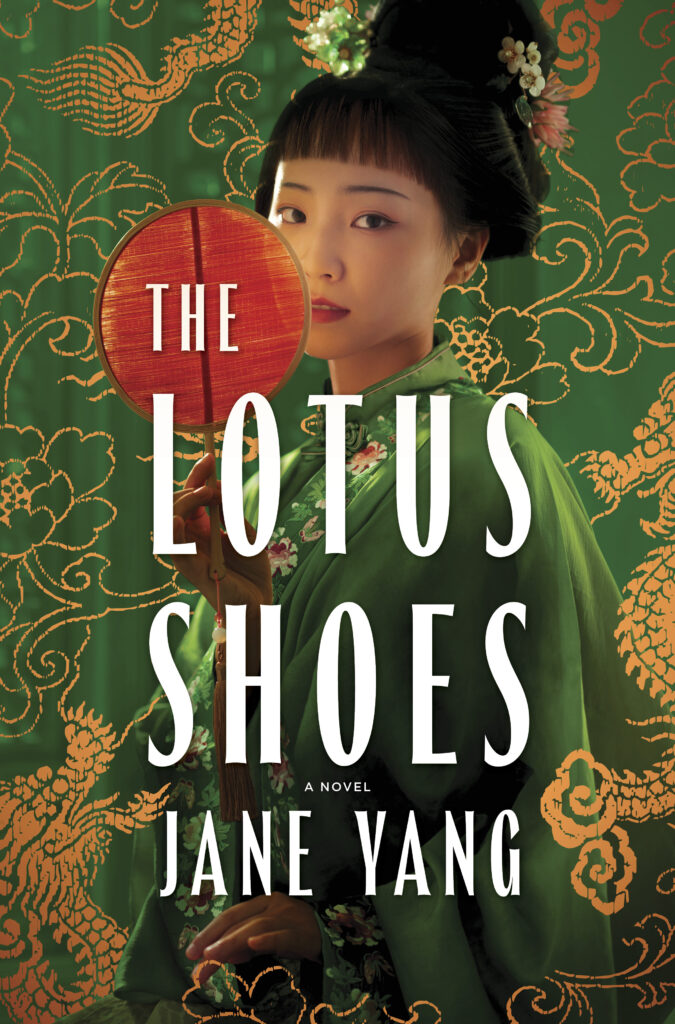
The Lotus Shoes (2025)
Select Sections to Print
×Book Details
The Lotus Shoes (2025)
Jump to Section
⚠️ Trigger Warnings
- Child slavery
- Physical abuse & punishment
- Mutilation
- Graphic foot-binding
- Suicide
- Attempted suicide
- Self-harm
- Forced sexual encounters
- Sexual coercion
- Misogyny
- Non-consensual physical examination
- Death of a parent
- Stillbirth & pregnancy loss
- Capital punishment
- Mob violence
- Attempted execution by drowning
- Opium addiction
- Animal death
- Religious & spiritual abuse
- Persecution & accusations of witchcraft/spirit possession
⏱️ 2-Minute Spoiler Summary
Six-year-old Little Flower is sold by her impoverished mother to become a muizai, or child slave, for wealthy Linjing Fong. Because Linjing’s progressive father refuses to bind his daughter’s feet, Little Flower is forced to unbind her own. As she grows up in the brutal Fong household, she becomes a gifted embroiderer and creates a technique called “needle painting.” After her friend Spring Rain loses an eye as punishment for escaping, Little Flower attempts to run away too. She is caught, and Dowager Lady Fong has the fingers of her right hand crushed, though Little Flower eventually teaches herself to embroider again.
The Fong family later collapses when Peony reveals that Linjing is the product of Lady Phoenix’s adultery. Linjing is disowned, and Lady Phoenix dies by suicide to prevent her daughter from being sent to a harsh nunnery. Linjing and Little Flower instead move to a women’s Celibate Sisterhood run by Aunt Sapphire, where Little Flower finally rejects her status as a slave and destroys her ownership papers.
Little Flower falls in love with Noble Chan, the heir to a silk factory who recognizes her artistic talent, despite Noble already being betrothed to Prudence. A jealous Linjing exposes their affair, and Little Flower is sentenced to death for violating the sisterhood’s vow of celibacy. Noble rescues her from drowning and declares that he will give up his inheritance to marry her. Linjing, regretting her betrayal, then threatens to kill herself unless the villagers allow the couple to escape.
Linjing eventually moves to Shanghai and teaches at an orphanage with Miss Hart. Little Flower and Noble marry and settle in Hong Kong, where they live as equals, rebuild their lives, and begin planning China’s first department store while Little Flower continues her work as an artist.
📖 Full Spoiler Summary
Little Flower Is Sold to the Fong Family
In late nineteenth-century China, six-year-old Little Flower lives with her impoverished farming family near Canton. After her father dies, the family is left with almost no way to survive. Her mother, Aa Noeng, makes the devastating decision to sell Little Flower as a muizai, a child servant whose position is essentially slavery. The money will keep the rest of the family from starving and help pay for Little Flower’s brother’s education, but it means giving up her daughter.
Little Flower is purchased by the wealthy Fong family to serve their young daughter, Linjing. She enters a household where her future depends entirely on the whims of the people who own her.
Before the sale, Aa Noeng had begun binding Little Flower’s feet, shaping them toward the tiny “golden lilies” associated with beauty and high social status. Ironically, those feet immediately become a problem in her new home. Linjing’s father, Master Fong, considers himself a modern thinker and wants his daughter to keep her natural, unbound feet. He hopes Linjing will eventually marry into a progressive family connected to China’s changing political world.
But if Linjing has large, natural feet, her personal maid cannot possess the tiny bound feet associated with a more desirable woman. Little Flower is therefore ordered to unbind hers. The process is physically agonizing, but it is also humiliating because Little Flower has been taught that bound feet are essential to a woman’s beauty and future. Something her mother painfully gave her in the hope of improving her life is taken away because her new owners decide it does not suit Linjing.
As Little Flower adjusts to life as a muizai, she becomes close to Spring Rain, an older slave girl who understands how dangerous the household can be. Spring Rain teaches her to survive by wearing a “blank mask”: never allow the Fongs to see anger, resentment, fear, or anything else that might provoke them.
Little Flower Finds Her Talent as the Household Grows Crueler
A decade passes, and the Fongs relocate to Shanxi Province. Little Flower and Linjing grow up together, but their positions remain completely unequal. Linjing is preparing for a prestigious marriage, while Little Flower remains her property.
Linjing’s unbound feet, once part of her father’s progressive ambitions, now threaten her future. Her prospective mother-in-law, Lady Li, is deeply traditional and looks down on Linjing’s large feet. Linjing becomes increasingly anxious about whether she will ever be accepted by the powerful family she is supposed to marry into.
Little Flower, meanwhile, discovers an extraordinary artistic gift. She becomes a remarkably talented embroiderer and develops her own technique, which she calls “needle painting.” By combining stitches in innovative ways, she can create realistic depth, shading, and detail that make embroidered images resemble Western oil paintings. It gives Little Flower something that belongs to her alone: an identity beyond being Linjing’s servant.
But talent cannot protect her from the Fong household’s brutality.
Spring Rain eventually attempts to escape. She is caught and returned to the family, where Dowager Lady Fong, known as Maa Maa, decides to make an example of her. Spring Rain’s punishment is horrifying: her right eye is removed.
Seeing what happens to Spring Rain only makes Little Flower more desperate to escape. An American woman, Miss Hart, is involved in a secret network intended to help girls like her flee servitude. Little Flower takes the enormous risk of running away and reaches people she believes will hide her.
Instead, they betray her for the reward offered for her return.
Little Flower is dragged back to the Fongs, where Maa Maa orders a punishment designed specifically to destroy the thing that gives her hope. A servant crushes the fingers of Little Flower’s right hand with a mallet, permanently disfiguring it and seemingly ending her ability to embroider.
Little Flower refuses to surrender her art. Through painful practice, she teaches herself to embroider again using the fingers she can still control, eventually learning to work with only her thumb and little finger.
A Family Secret Destroys Linjing’s Future
The Fongs eventually return to Canton for Linjing’s wedding festivities, but instead of restoring the family’s fortunes, the homecoming exposes a secret that destroys Linjing’s position entirely.
Master Fong’s second wife, Peony, wants her own son to inherit the family’s wealth and sees Linjing as an obstacle. She reveals that Linjing is not actually Master Fong’s biological daughter.
Years earlier, Linjing’s mother, Lady Phoenix Fong, had been unable to produce a child. Facing the possibility of divorce because she was considered barren, she committed adultery and became pregnant with Linjing. The deception allowed her to remain Master Fong’s wife, but once Peony exposes the truth, Linjing’s entire identity collapses.
Master Fong immediately disowns her.
Linjing, who has spent her life expecting to marry well and maintain her position as a wealthy lady, suddenly has neither a father nor a respectable future. The family plans to send her to a harsh nunnery.
Lady Phoenix knows what that would mean for her daughter and makes one final attempt to protect her. She drinks poison and dies by suicide, leaving behind a letter that forces the family to honor her request that Linjing instead be sent to live with her aunt.
Little Flower goes with her.
Their destination is a Celibate Sisterhood in Chan Village run by Linjing’s Aunt Sapphire. The women there reject traditional marriage and support themselves through work in the silk industry. Members vow never to marry, giving them an unusual degree of independence in a society where women’s lives are normally controlled by fathers, husbands, and sons.
For Little Flower, the move creates an opportunity she has never had before.
She declares that she will no longer be Linjing’s slave and tears up the papers establishing Linjing’s ownership of her. After years of being bought, punished, and controlled, Little Flower finally claims her life as her own.
Little Flower and Noble Fall in Love
Freedom also allows Little Flower’s artistic talent to become more than a private means of survival.
She meets Noble Chan, the handsome heir to the local silk factory. Noble is fascinated by her needle-painting technique and recognizes both her artistic talent and her potential as a designer. He hires her to create an affordable line of shawls intended for ordinary working women rather than wealthy customers.
Their professional partnership gradually becomes romantic.
Noble and Little Flower fall deeply in love, but there are two enormous obstacles between them. Little Flower has joined a community whose members are forbidden to marry, and Noble is already betrothed to a wealthy, high-born woman named Prudence.
Their relationship is therefore dangerous for both of them, but especially for Little Flower.
Linjing also develops feelings for Noble. After losing her family name, her planned marriage, and the privileged future she had always assumed would be hers, she desperately wants to regain the status of a respectable lady. Noble represents both romantic desire and a possible path back to the kind of life she has lost.
When Linjing discovers that Noble loves Little Flower instead, jealousy overwhelms her. The old mistress-servant hierarchy may officially be gone, but Linjing still cannot accept that the former slave who once existed to serve her has found the love and future she wants for herself.
She reports Little Flower’s forbidden relationship to Aunt Sapphire.
The sisterhood’s punishment for violating its vow of celibacy is death. Little Flower is sentenced to be drowned in a pig cage.
Noble Saves Little Flower
Little Flower is taken to the river and locked inside a bamboo cage. The cage is lowered into the water, and she begins to drown.
Noble arrives in time to pull her from the river. He gets her onto the bank and resuscitates her, refusing to allow the sisterhood’s rules to take her life.
His rescue does not end the danger. Noble’s parents oppose the relationship, and the surrounding villagers turn against the couple. Noble makes it clear that he will choose Little Flower regardless of the consequences. If marrying her means being disinherited, losing his family name, and surrendering the privileged future prepared for him, he is willing to do it.
The person who finally helps them escape is the same person who betrayed them.
Faced with the possibility that Little Flower may still be killed, Linjing recognizes what her jealousy has caused. She holds a knife to her own throat and threatens to kill herself and place a curse on the village unless everyone allows Little Flower and Noble to leave safely.
Her threat works.
Little Flower and Noble are finally allowed to go.
Little Flower Finally Builds a Life of Her Own
Linjing eventually leaves Chan Village and moves to Shanghai, where she embraces the kind of modern life her father once claimed to value. She reunites with Miss Hart and works as a teacher at an orphanage, supporting herself rather than relying on marriage to restore her social standing.
Little Flower and Noble marry and move to Hong Kong. Noble has sacrificed his wealthy family’s support to be with her, so their married life begins modestly. What matters to Little Flower, however, is that their marriage is fundamentally different from the relationships she grew up watching: Noble treats her as his equal.
Their circumstances gradually improve. Noble earns a promotion, and the couple begin planning an ambitious business venture together—the creation of China’s first department store.
Little Flower also returns fully to her art. After being sold as a child, forced to alter her body for someone else’s benefit, denied her freedom, and deliberately maimed to prevent her from using her talent, she ends the story with both her work and her future belonging to her.
🔚 Ending Explained
The ending of The Lotus Shoes brings Little Flower and Linjing’s intertwined stories full circle. After a brutal final confrontation rooted in the same traditions that have controlled both women since childhood, each ultimately escapes—but freedom looks very different for them.
How Does The Lotus Shoes End?
The climax begins with Little Flower sentenced to death by drowning for breaking her vow of celibacy. She is locked inside a pig cage and lowered into the river, where she eventually loses consciousness.
Before she dies, however, Noble Chan arrives and pulls the cage from the water. He revives Little Flower with mouth-to-mouth resuscitation and, more importantly, makes a choice that completely overturns the arrangement he previously offered her. Noble no longer asks Little Flower to live as his hidden mistress. Instead, he publicly declares that she is his equal and that he intends to marry her.
The decision costs him almost everything.
His father, Master Chan, disinherits him and dramatically cuts off Noble’s queue, symbolically severing his place within the family and the traditional world it represents. But the confrontation becomes even more dangerous when Madam Chan and the villagers turn on Little Flower, convinced that she is a fox spirit who has bewitched Noble. They demand that she be burned.
This is when Linjing makes the decisive choice of the ending.
She grabs Noble’s discarded knife, presses it against her own throat, and threatens to kill herself—and curse the village—if Little Flower and Noble are not allowed to leave. Faced with Linjing’s willingness to die, the villagers finally back down.
Little Flower and Noble escape together, while Linjing survives with a permanent scar across her throat.
What Happens to Linjing?
The first epilogue takes place in Shanghai in March 1895.
Linjing is living in the International Settlement with her former tutor, Miss Hart, and has built an independent life for herself. She teaches girls at a Methodist orphanage and has even rejected a marriage proposal from a hotel proprietor.
For perhaps the first time in her life, Linjing is not defining herself through marriage, wealth, beauty, family status, or her superiority over another woman.
The scar on her throat remains visible. Rather than being something she hides, it becomes evidence of the moment she finally defeated the ugliest part of herself. Linjing began the novel as Little Flower’s privileged mistress and tormentor; she ends it as someone willing to sacrifice her own life to save hers.
Her redemption does not erase what she did to Little Flower. Instead, the novel allows her to live with that history and become someone different because of it.
What Happens to Little Flower and Noble?
The second epilogue moves to Hong Kong in October 1896.
Little Flower and Noble are now married. Their circumstances are modest—they live in cramped shared housing and no longer possess the wealth and status Noble once enjoyed—but their marriage is fundamentally different from the relationships that dominated Little Flower’s childhood.
They are partners.
Noble has risen to become an associate comprador, improving their financial prospects enough that they expect to move into a home of their own. That home will give Little Flower something especially meaningful: space to return to her art.
The couple also dreams much bigger. They intend to build a business together, eventually envisioning their own department store. Little Flower therefore ends the story not as someone’s slave, servant, concubine, or possession, but as a wife, artist, and potential businesswoman whose husband recognizes her as his equal.
What Does the Ending Mean?
At its heart, the ending argues that security and freedom are not the same thing.
Little Flower has repeatedly been offered versions of security throughout her life, but nearly all of them require submission. She can survive if she accepts being owned. She can be protected if she accepts being subordinate. Even Noble initially offers her a comfortable future as his secret mistress.
She refuses.
That makes Noble’s final decision especially important. His great romantic gesture isn’t simply rescuing Little Flower from the river. It is finally understanding what she has been demanding all along: respect.
He chooses her knowing that doing so means surrendering his inheritance and privileged position.
The Pig Cage and the River
Little Flower’s drowning functions almost like a symbolic death.
The woman placed into the river is still being punished according to a system that has controlled her body since she was six years old. She was sold, enslaved, mutilated, disciplined, and eventually condemned because other people believed they possessed the authority to decide what kind of woman she was allowed to become.
When she emerges from the river alive, that identity effectively dies.
Her rescue becomes a rebirth. The Little Flower who leaves Chan Village is no longer anyone’s muizai or obedient novice. She finally gets to determine the terms of her own life.
Noble’s Severed Queue
Master Chan cutting Noble’s queue is both punishment and liberation.
His father intends the act to signify rejection: Noble is being cut off from his family, inheritance, and social position. Symbolically, however, the severing also frees Noble from the patriarchal system that made his original proposal to Little Flower seem acceptable.
He loses the status of Young Master, but gains the ability to build an identity based on his own values.
That is precisely the exchange Little Flower has been fighting for throughout the novel: status is worthless if maintaining it requires surrendering yourself.
Linjing’s Scar
Linjing’s scar carries an entirely different meaning.
For much of the story, Linjing has power Little Flower does not, yet she is also trapped inside the same patriarchal hierarchy. She responds by directing much of her anger downward, toward someone even more powerless than herself.
At the riverbank, she finally reverses that pattern.
Instead of sacrificing another woman to preserve herself, Linjing puts herself in danger to save Little Flower.
The scar becomes permanent proof of that transformation. Linjing cannot undo the cruelty of her past, but she can choose what kind of woman she becomes afterward.
That makes her ending less about forgiveness than redemption through action.
Why Linjing and Little Flower Have Different Endings
One of the most satisfying aspects of the finale is that the novel doesn’t give both women the same definition of happiness.
Little Flower chooses love and partnership. Linjing chooses independence and meaningful work.
Neither path is presented as superior.
What matters is that, for the first time, they are choosing for themselves.
Their childhood relationship was created by hierarchy: mistress and slave, privileged girl and disposable girl. Their final relationship is instead based on solidarity. They may live in different cities, but neither needs the other woman beneath her in order to feel powerful.
Why Shanghai and Hong Kong Matter
The two epilogues deliberately move the women away from the rural world that nearly destroyed them.
Shanghai and Hong Kong represent modernity, commerce, education, and possibility. They are hardly portrayed as perfect societies—class inequality, colonialism, and sexism remain—but they provide cracks in the old social order through which women like Linjing and Little Flower can begin constructing different lives.
The view from Victoria Peak reinforces this idea. The enormous disparities below have not disappeared, but Little Flower can now imagine climbing rather than simply accepting the place into which she was born.
Her dream of building a department store with Noble extends that symbolism into the future. The former slave girl who once had virtually no control over her own body may someday become a successful entrepreneur.
The Larger Meaning of the Ending
Ultimately, The Lotus Shoes begins with women being assigned value according to class, obedience, marriageability, and the shape of their feet. It ends with two women beginning to decide their own value.
Little Flower’s victory is not that she marries a wealthy man. In fact, Noble must give up much of his wealth before their relationship can truly work. Her victory is that she refuses to accept love without equality.
Linjing’s victory is different. She stops measuring herself through the hierarchy that poisoned her relationship with Little Flower and dedicates herself to educating other girls.
That is why the ending feels hopeful without pretending the larger system has disappeared. Neither woman overturns centuries of patriarchy. They simply stop allowing that system to determine who they are.
Little Flower leaves the river with the chance to create something of her own. Linjing carries a scar proving that she finally chose solidarity over superiority. And both move toward a new century in which the possibilities available to women are beginning—slowly, imperfectly—to expand.
The lotus shoes that once determined a woman’s worth ultimately give way to something much more radical: women deciding for themselves where their feet will take them.
👤 Characters & Fates
🔶 Main Characters
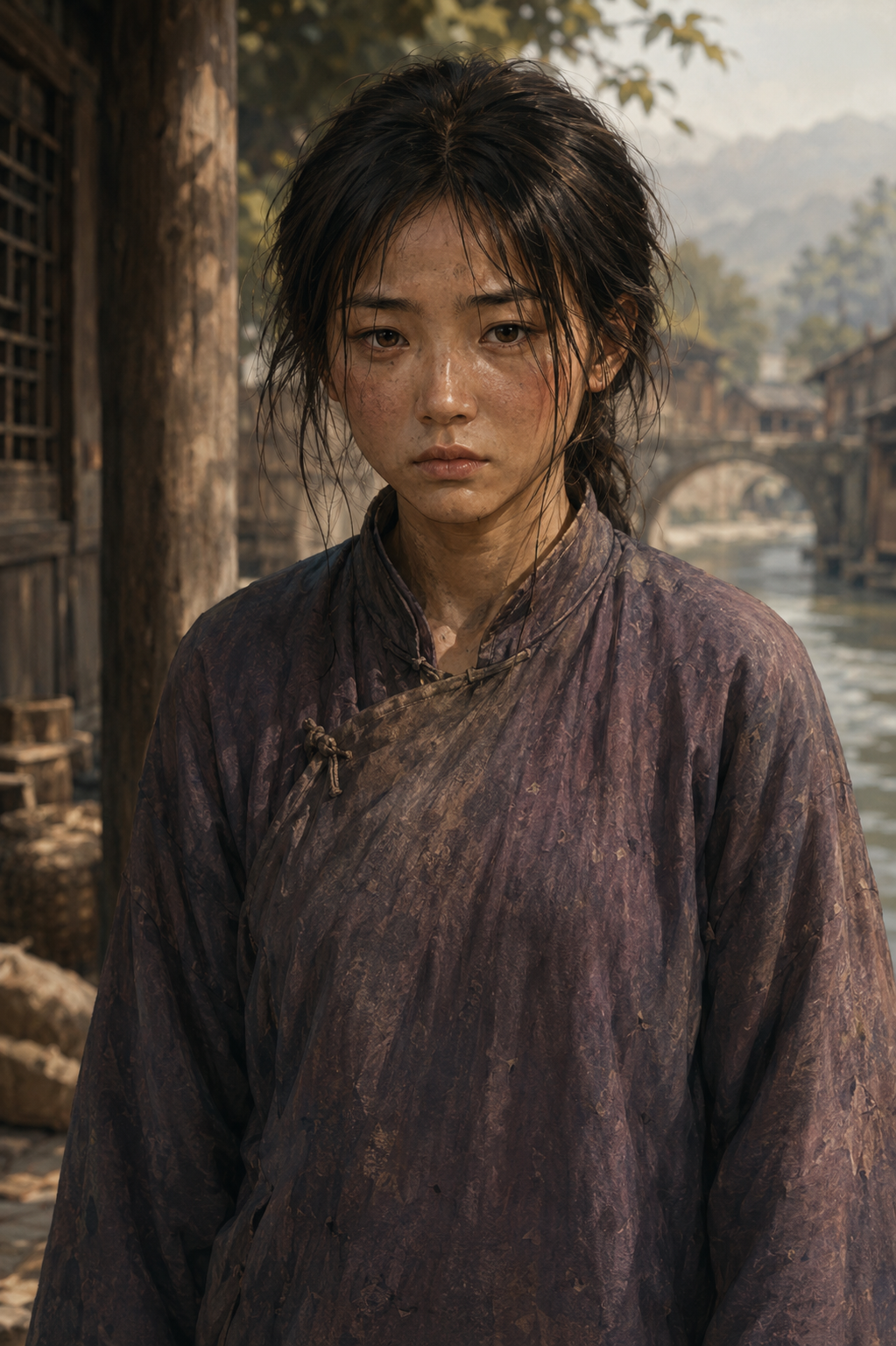
Rescued by Noble from drowning in a pig cage, she marries him and moves to Hong Kong. After years of poverty, she returns to art as his true business partner as they build a new life together.
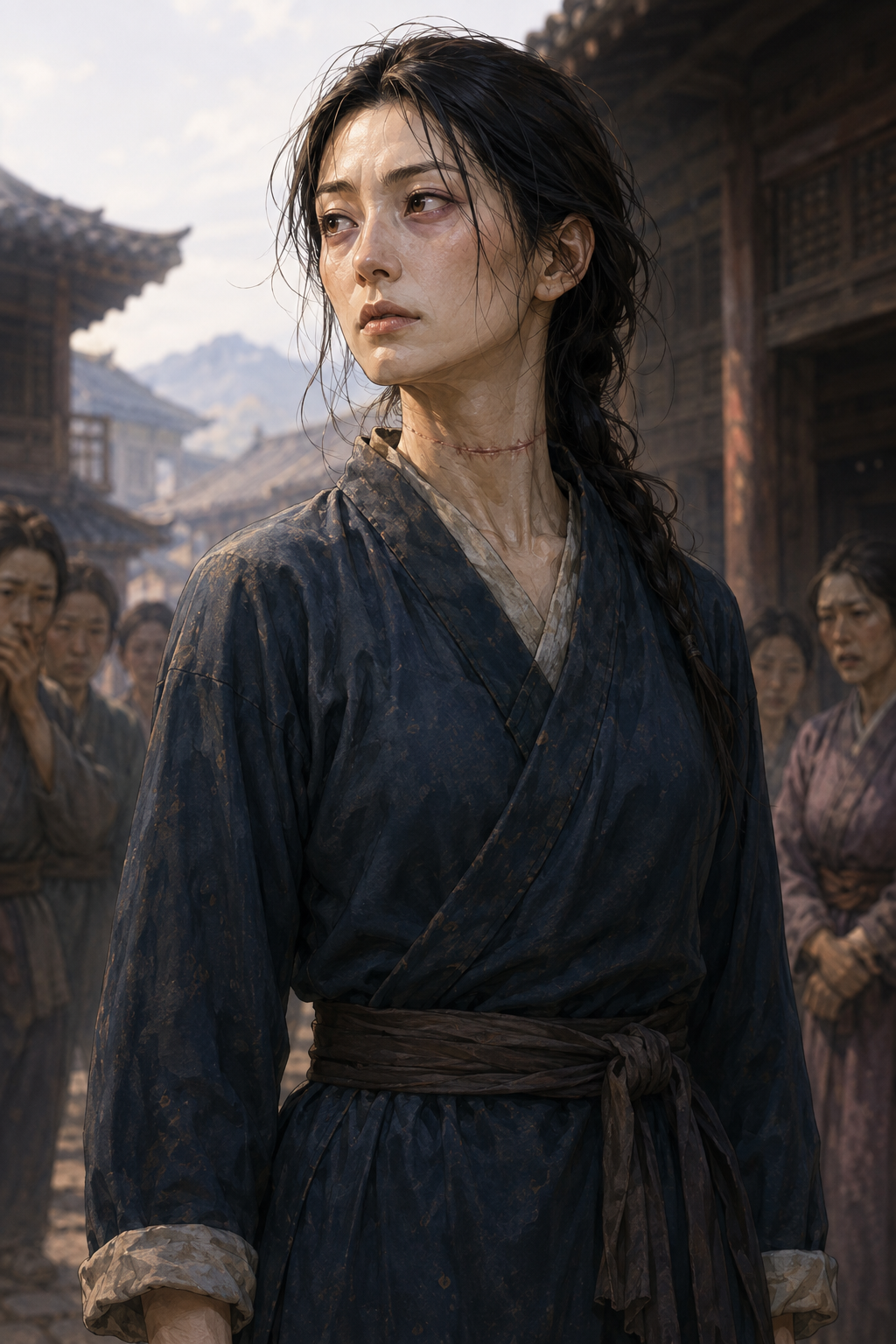
She threatens to slit her own throat to save Little Flower and Noble from the mob, leaving a permanent scar. She escapes to Shanghai with Miss Hart and lives independently as a modern woman and teacher.
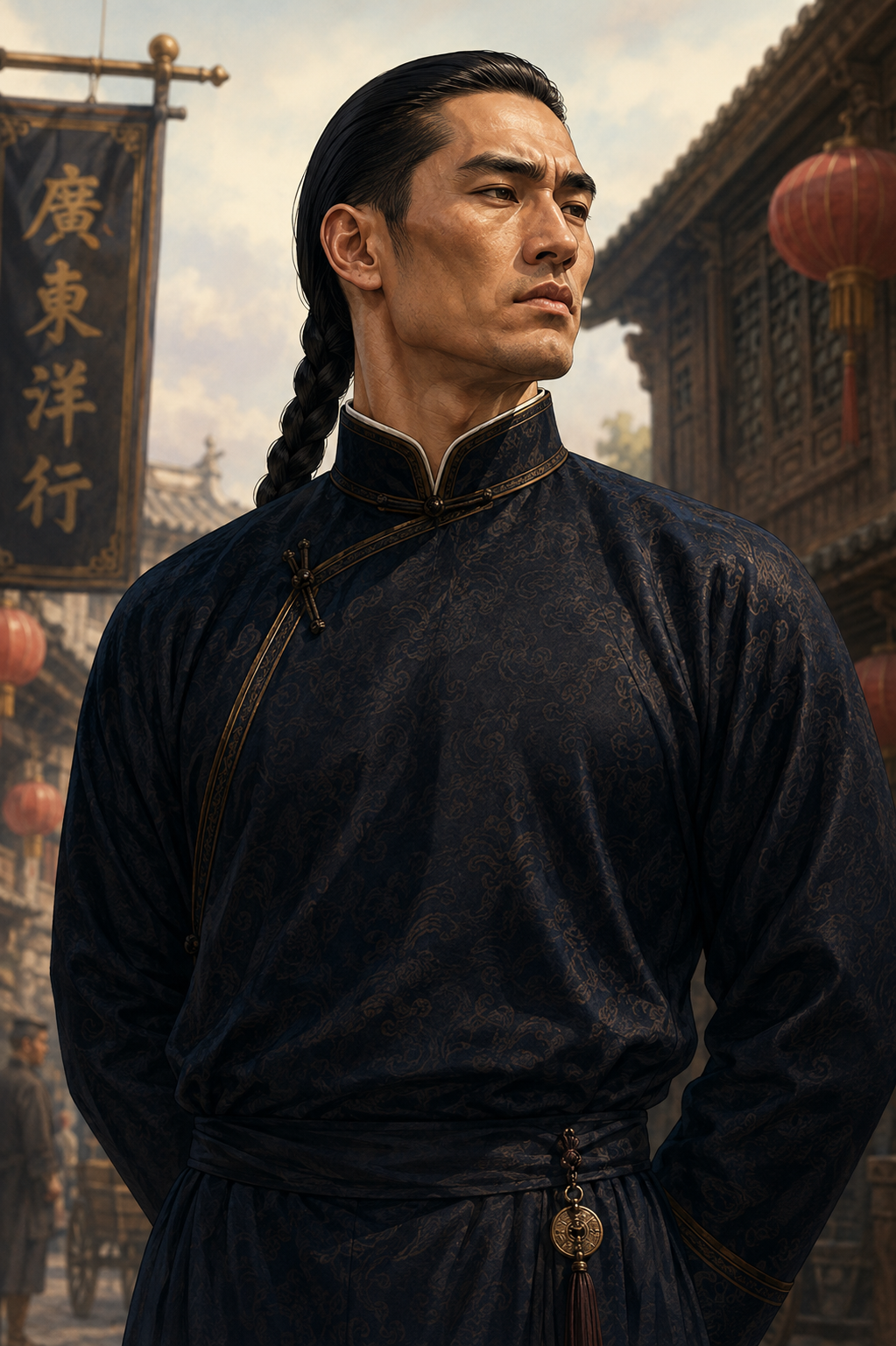
He rescues Little Flower from the river and chooses her over his family and fiancée. His father cuts off his queue and disinherits him, but Noble succeeds in Hong Kong and dreams of opening China’s first department store with Little Flower.
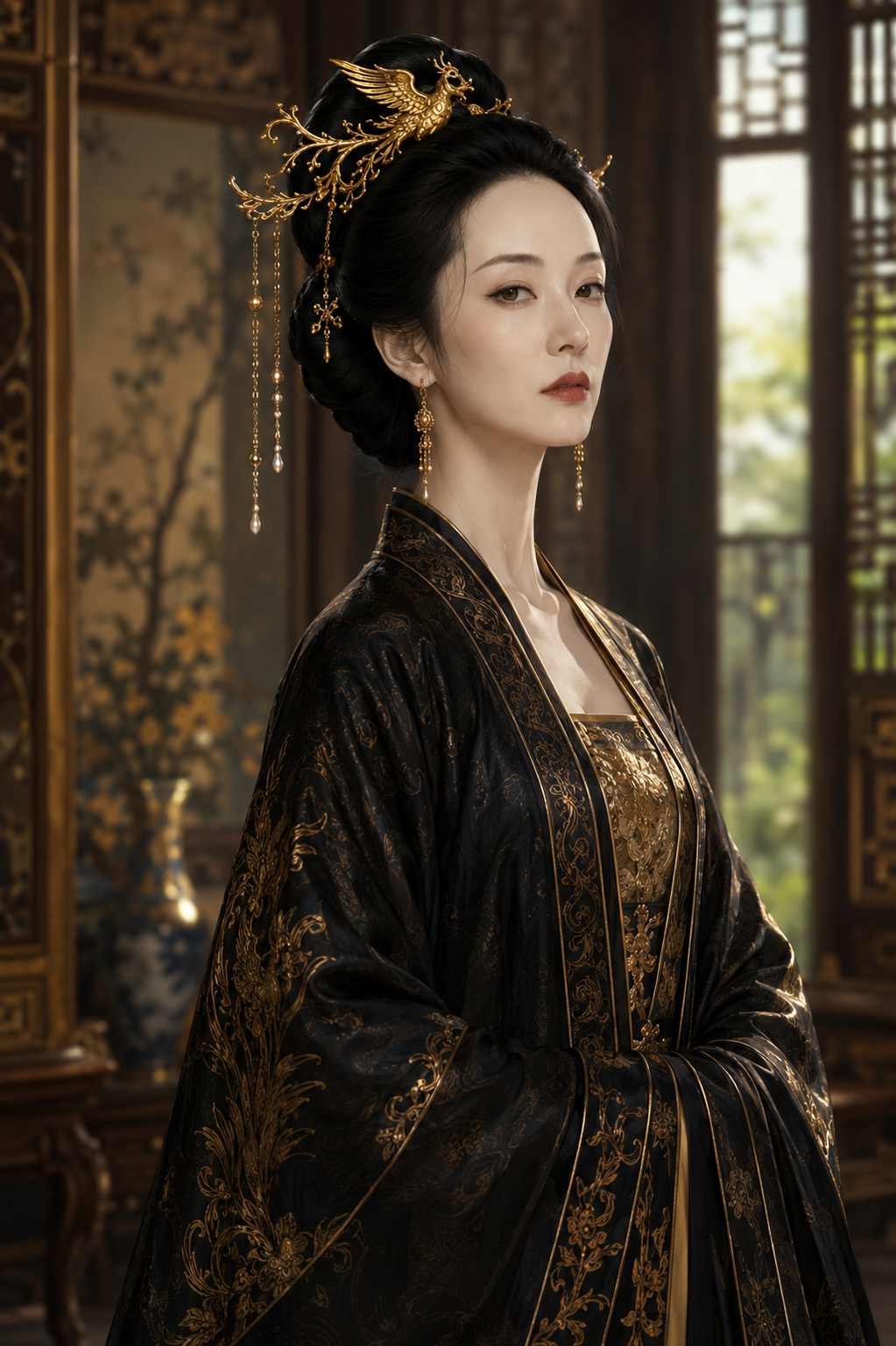
After Linjing is exposed as another man’s biological daughter, Phoenix drinks hemlock and dies by suicide, using her death to ensure Linjing is sent to the Celibate Sisterhood rather than a nunnery.
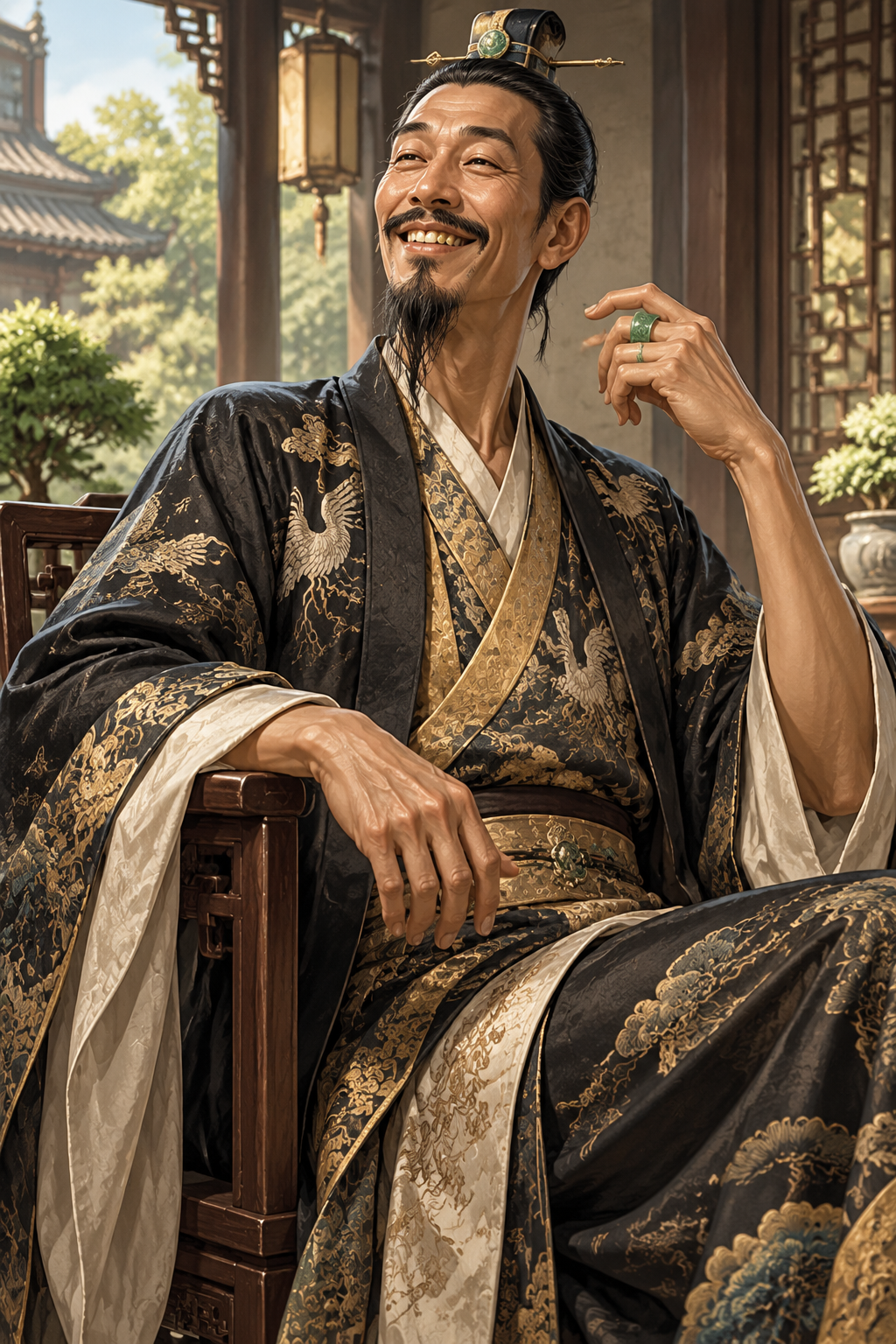
A blood ritual reveals Linjing is not his biological daughter, and he immediately disowns her. He erases her from his family so completely that he tells the Li family she died of smallpox.
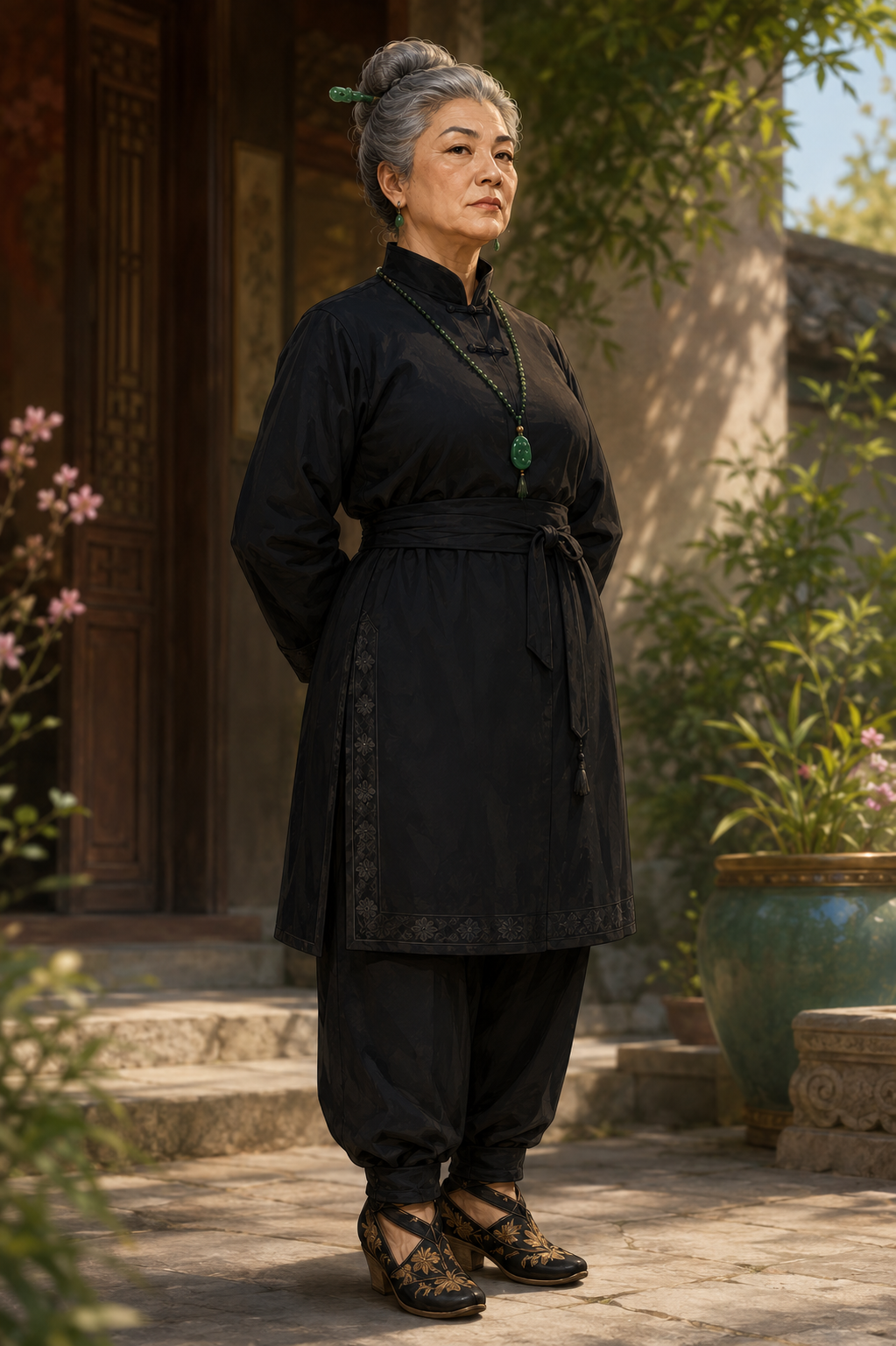
She condemns Little Flower to death by drowning for breaking her celibacy vow. Little Flower survives after Noble rescues her, and Sapphire ultimately allows the others to leave.
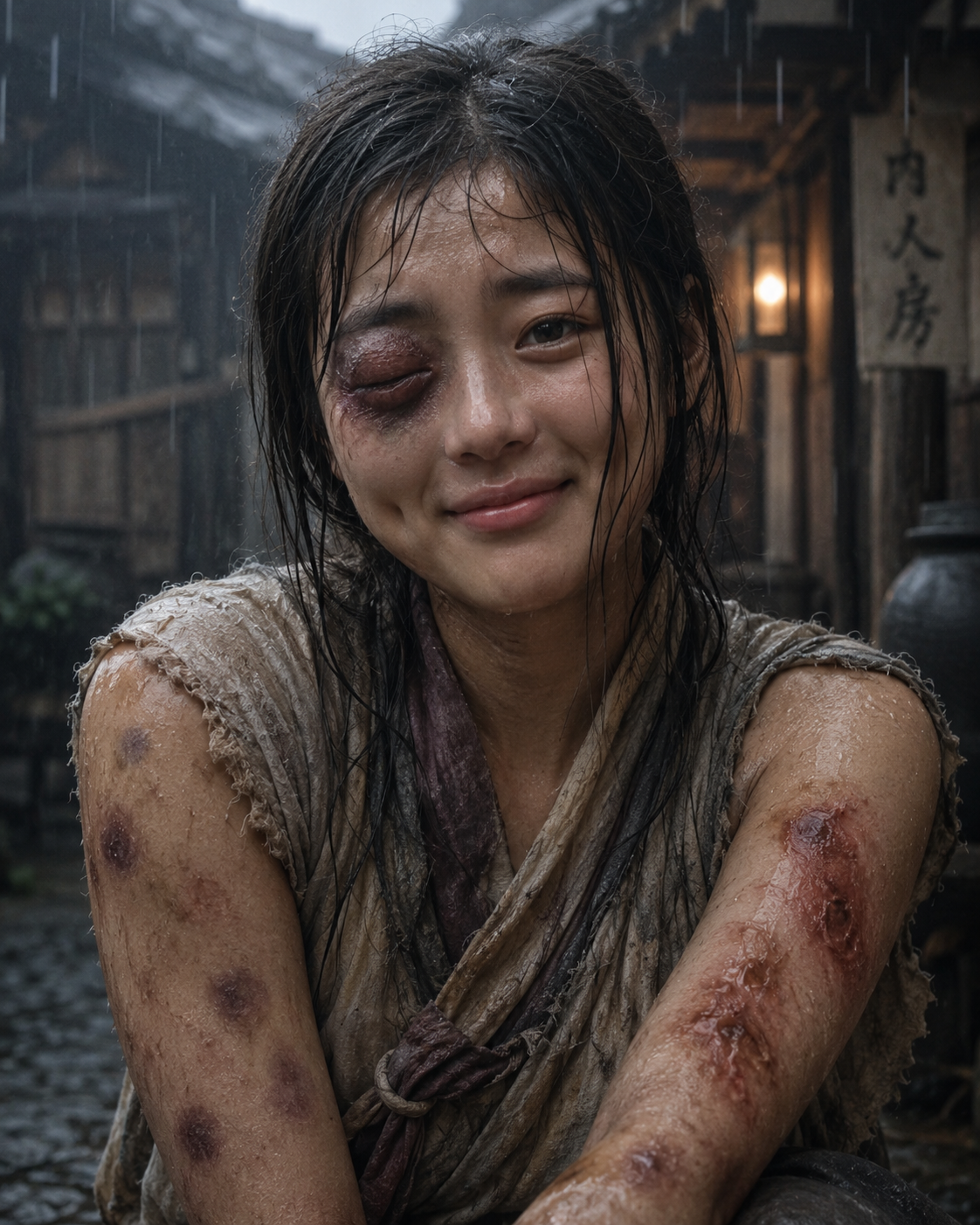
After running away, she is captured and has her right eye removed as punishment. She remains behind in Taiyuan, and Little Flower later intends to find and free her.
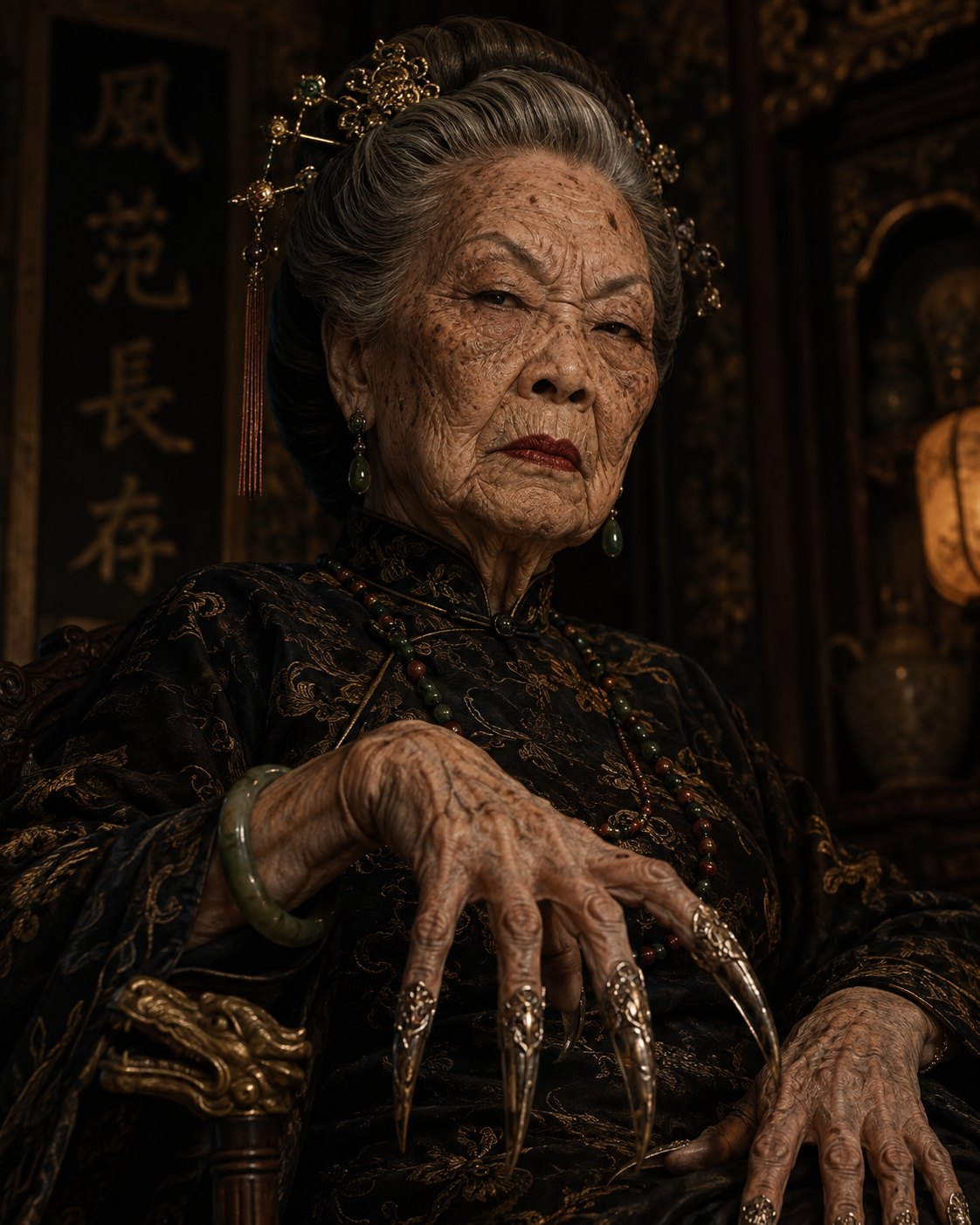
She survives and remains the family’s ruthless matriarch, ultimately helping Peony assume control after Lady Phoenix’s death.
🔷 Supporting Characters

She disappears from Little Flower’s life after selling her and is never seen again. Little Flower can only hope her mother eventually found security through her son.
Phoenix’s suicide devastates her; Cerise cuts off her own hair until she bleeds and enters a nunnery to atone for the scheme she believes caused the tragedy.
She helps Linjing escape to Shanghai, where they live together and teach at an orphanage.
Her scheme exposes Lady Phoenix’s adultery and Linjing’s illegitimacy. After Phoenix kills herself, Peony takes the first wife’s chatelaine and effectively seizes control of the household.
She secures Little Flower a wealthy banking-family match, but Master Fong destroys the arrangement by revoking Little Flower’s right to marry.
Noble openly rejects her authority and chooses Little Flower instead. Madam Chan is left humiliated when her son abandons his family and traditional future.
She offers Little Flower gold and rubies to give Noble back to her, but Noble ultimately abandons their marriage plans and chooses Little Flower.
He never marries Linjing because her illegitimacy is exposed. Master Fong covers up the scandal by falsely telling the Li family that Linjing died of smallpox.
She sends Linjing eight pairs of tiny shoes as a deliberate insult, but never becomes her mother-in-law because Linjing’s engagement collapses after the paternity scandal.
Little Flower makes Noble promise that they will eventually help Joy escape the sisterhood so she can become Little Flower’s companion.
He remains loyal to Noble and continues serving as his right-hand man through Noble’s business transition.
Furious that Noble chooses Little Flower, he publicly cuts off his son’s queue, symbolically disowning him and severing him from the Chan family.
He remains in the Fong household as Master Fong’s legitimate male heir, with Peony firmly established in power.
🕳️ Potential Plot Holes
The Celibate Sisterhood is presented as a sanctuary where women can escape male control and live independently, yet it enforces a brutal death sentence for any member who loses her virginity. Little Flower is sentenced to drowning in a pig cage—the same kind of patriarchal violence the Sisterhood supposedly protects women from. Madam Sapphire claims such harsh rules are necessary to maintain society’s respect and support, but this creates a major contradiction: the women can only remain “free” from patriarchal control by enforcing patriarchal standards of female purity on one another, even to the point of execution.
📚 Book Club Q&A's
⭐ Final Rating & Thoughts
The Lotus Shoes was one of those historical novels that made me angry, horrified, and completely invested all at once. I flew through it, and the pacing was easily one of its biggest strengths. Jane Yang brings 19th-century China to life while exploring some incredibly difficult subjects, particularly the treatment of women, class inequality, and the limited choices available to those born without power.
Little Flower was the heart of the book for me. Her resilience and determination made her incredibly easy to root for, especially when so much of her life was controlled by other people. Linjing, on the other hand, drove me absolutely crazy. I understood that her behavior came from her own insecurities and the society that shaped her, but there were times when her cruelty made it very difficult for me to sympathize with her.
My other issue was the amount of Romanized Cantonese, which occasionally pulled me out of the story as I tried to figure out what was being said.
Still, this was a gripping, well-researched debut that kept me turning pages and gave me plenty to think about afterward.
✨ Adaptation description
As of August 2026, there is no official announcement of a screen adaptation of The Lotus Shoes.
✨ Books Like The Lotus Shoes (2025)
See an error on this page?