
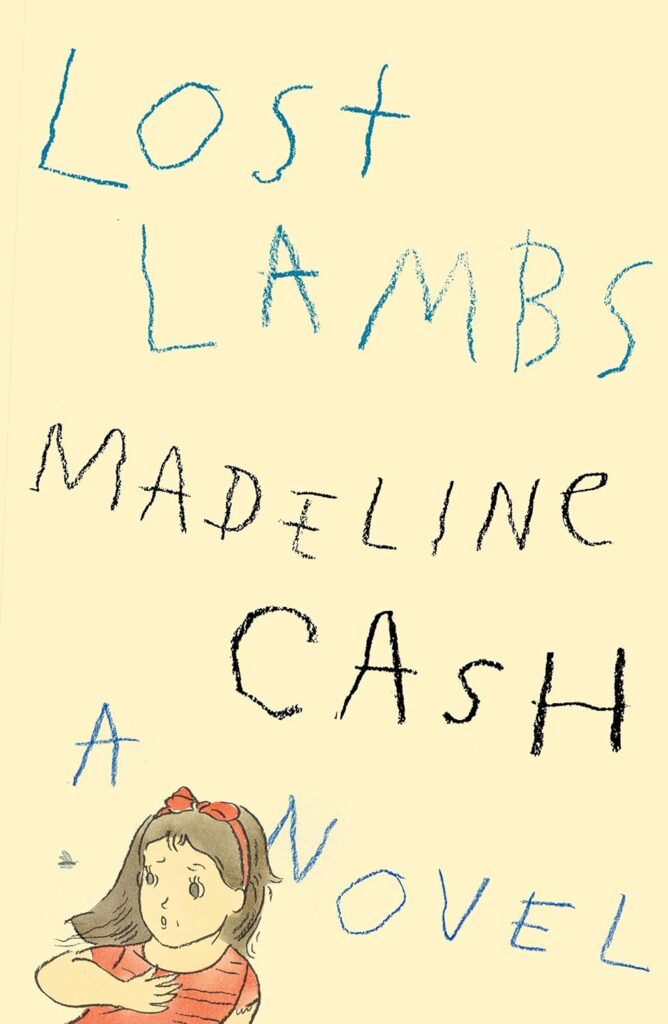
Lost Lambs (2026)
Select Sections to Print
×Book Details
Lost Lambs (2026)
Jump to Section
⚠️ Trigger Warnings
- Suicide & suicidal ideation
- Human trafficking & kidnapping
- Forced blood extraction & non-consensual medical procedures
- Substance use & prescription drug abuse
- Child sexual abuse references
- Attempted bombing & domestic terrorism
- Fatal hit-and-run
- Self-harm
- Loss of consciousness from intentional oxygen deprivation
- Ableist language & the r-slur
- Homophobic language
- Sexist & misogynistic language
- Racist & xenophobic language
⏱️ 2-Minute Spoiler Summary
The wildly dysfunctional Flynn family is falling apart: Bud is suicidal and miserable over his wife Catherine’s affair with their neighbor Jim, Catherine feels trapped by motherhood, brilliant twelve-year-old Harper investigates suspicious activity at Bud’s workplace, invisible middle daughter Louise is radicalized online into building a bomb, and seventeen-year-old Abigail becomes involved with older former mercenary Wes.
Harper discovers that mysterious “REDACTED” shipping containers are moving through Alabaster Harbor, and Bud eventually realizes she’s uncovered a massive secret connected to billionaire Paul Alabaster. Wes independently discovers that Alabaster is trafficking young Albanian girls through the harbor, with Dolt and blackmailed Father Andrew involved in his operation.
The danger becomes personal when Abigail visits Alabaster Manor and is drugged and paralyzed. Alabaster and Dolt intend to drain her blood for a bizarre youth ritual. After Tibet raises the alarm, Harper and Louise enlist Wes and Marshall to rescue her. They break into the manor, discover dozens of masked men drinking blood, free Abigail, and uncover about twenty trafficked Albanian girls imprisoned there.
Alabaster, Dolt, and Father Andrew ultimately escape the country, but their victims are rescued. The Flynns don’t repair their family by returning to the way things were. Instead, they accept that their old life is over. Catherine builds a relationship with Remy, Bud remains connected to Priscilla, Abigail finds genuine intimacy with Wes, and Louise begins recovering from her radicalization and starts dating Caleb. The novel ends at Harper’s birthday dinner, where the newly expanded Flynn family is finally laughing together—and invites Jim’s lonely son Myles to join them.
📖 Full Spoiler Summary
The Flynn Family Starts Coming Apart
The Flynn family is already barely holding together when twelve-year-old Harper Flynn walks into confession at Our Lady of Suffering Church and tells Father Andrew that her father may be planning to kill himself. Harper, an exceptionally intelligent and chronically bored child, mixes the warning in with admissions about stealing prescription pills, setting small fires, and slashing a church van tire, then claims she made everything up. But Father Andrew soon discovers the damaged tire and realizes Harper was telling at least some of the truth.
Her father, Bud Flynn, really is suicidal. An accounts and systems manager at Alabaster Harbor, Bud feels trapped in a life that has become financially precarious, emotionally empty, and humiliatingly ordinary. Sitting alone in the family minivan while high on stolen Trizoletin, he considers driving straight into the sea. His fifteen-year-old daughter Louise interrupts him to retrieve the car keys for her mother, inadvertently stopping him.
Much of Bud’s despair centers on his marriage to Catherine Flynn. They were once young bohemians who fell passionately in love after Catherine saw Bud playing in a band, but seventeen years of marriage and raising three daughters have left them deeply disconnected. Catherine abandoned her photography career and increasingly feels suffocated by domestic life. She eventually announced that she wanted an open marriage, an “arrangement” Bud never truly wanted but felt powerless to refuse.
Catherine is now sleeping with their wealthy neighbor Jim Doherty, a potter and pub owner whose money and expensive lifestyle make Bud feel even more inadequate. Their eldest daughter, seventeen-year-old Abigail, knows enough about the arrangement to resent her mother’s hypocrisy. When Catherine objects to Abigail dating an older man named Weston “Wes” Wyley, a former mercenary nicknamed “War Crimes Wes,” Abigail points out that Catherine is hardly in a position to lecture anyone about relationships.
Three Daughters Looking for Escape
While their parents’ marriage deteriorates, each Flynn daughter finds her own increasingly dangerous way of dealing with the family’s dysfunction.
Harper turns her attention to Bud’s workplace. While studying Alabaster Harbor’s records, she notices shipping containers repeatedly marked “REDACTED” despite physically arriving at the harbor. The discrepancies stretch back years. When she shows Bud, he dismisses her concerns and asks whether she would rather be right or happy. Harper backs off only after noticing a wilderness-camp brochure on his desk and realizing he might send her away.
Abigail seeks excitement with her friend Tibet. The girls sneak into a party at Alabaster Manor, the bizarre estate of tech billionaire Paul Alabaster, whose family dominates the harbor. There Abigail encounters Dr. Orson Lancaster III, known as Dolt, who attempts to slip something into her champagne. Wes, who works security at the manor, quietly warns her not to drink it. His intervention makes Abigail trust him and deepens her attraction to him.
Louise, the middle child, meanwhile, feels almost completely invisible within the family. Hoping to distinguish herself, she enters the church’s Spring Inner Beauty Pageant and chooses breath-holding as her talent. She remains underwater-deprived of air for more than three minutes before collapsing unconscious, yet still fails to make the finals.
Her humiliation drives her further toward an online confidant called “yourstruly,” whom she met in a chat room for middle children. Using religious and prophetic language, he convinces Louise that both her family and her faith have abandoned her. Eventually, he instructs her to gather materials for a homemade pressure-cooker bomb intended for the pageant.
Bud Finds Religion—and Another Affair
Bud’s increasingly erratic behavior at work alarms his boss, Allen, who orders him to attend Lost Lambs Christian Guidance so the harbor cannot be blamed if he commits suicide. The group is run by Priscilla Winkle, a deeply religious parishioner whose eleven-year-old daughter, Perry, has neurological damage and wears protective earmuffs during church services.
During one Lost Lambs meeting, Bud publicly admits that Catherine is sleeping with Jim. After another terrible fight at home, he drunkenly visits Priscilla. Lonely after twelve years without her husband, Priscilla comforts him, and their relationship quickly becomes physical. Bud sees the affair as something miraculous rather than recognizing that he is now doing essentially what he resents Catherine for doing.
Harper accidentally discovers the secret through Perry. During one of Harper’s eccentric protests in Termite Square, Perry casually reveals that Bud visits her mother at night. Soon afterward, Bud follows through on his threat and sends Harper to Saint Peter’s Nature and Wilderness Retreat. Exhausting labor, sleep deprivation, and getting her first period while away temporarily crush Harper’s rebellious streak.
When she returns, however, Bud finally investigates the harbor records himself. He finds the same decade-long pattern of redacted cargo Harper discovered. Allen tells him to forget about it, reminding Bud that his generous union compensation is partly dependent on knowing when not to ask questions. But Bud’s recent religious awakening has made him unusually determined to do the right thing.
That determination attracts the attention of Paul Alabaster.
The Secrets Behind Alabaster Harbor
Bud is taken by private car to Alabaster Manor, where Paul Alabaster makes it clear just how powerful he is. Alabaster openly discusses using his technology to manipulate people’s thinking, offers Bud an enormous check for his silence, and casually mentions Bud’s daughters by name. He even knows about Harper’s investigation. Bud understands that the money is both a bribe and a threat.
At the same time, Catherine’s fantasy about Jim collapses spectacularly. Before a planned romantic weekend, Jim proudly shows her a basement filled with dozens of crude ceramic vaginas representing his former lovers and wives. Horrified, Catherine leaves. While shopping afterward, she overhears church gossip revealing that Bud is sleeping with Priscilla.
Rather than returning home, Catherine checks into the luxurious LuxWing hotel, dyes her hair brassy blond, and charges the entire rebellion to Jim’s account.
When Bud and Catherine finally confront each other, their anger explodes. Bud punches a wall, and Catherine cools his injured hand with a frozen martini glass. Their confrontation turns into a desperate physical encounter that does nothing to repair their marriage. Afterward, Catherine simply tells him they should call the arrangement—and effectively their old relationship—off.
Elsewhere, Wes is uncovering something much worse. After being fired from Alabaster Manor, he works with a private investigator who obtains an old photograph showing Alabaster, Dolt, and a masked third man surrounding an unconscious girl tied to a chair. The third man is Father Andrew. Years earlier, Andrew committed a fatal hit-and-run, giving Alabaster the leverage to blackmail him into cooperation.
Wes and the investigator also locate a hidden shipping container at the harbor. Finger scratches gouged into its interior prove that human beings have been imprisoned inside.
Harper’s redacted containers were never a bookkeeping error. Alabaster has been trafficking girls.
Louise’s Bomb and Abigail’s Disappearance
Bud briefly tries to escape the family’s chaos by taking his daughters on a trip to visit his father, Mr. Flynn, a retired police officer. They never make it.
Airport security stops Louise because “yourstruly” has reported her activities to authorities, placing her on the federal no-fly list. Back home, Bud discovers the bomb-making materials hidden in the treehouse. Louise finally breaks down and admits she never truly wanted to kill anyone. She wanted someone to notice her.
As Louise faces house arrest and the bomb squad dismantles her materials, Catherine begins rebuilding her own life. She hires an attractive contractor named Remy to renovate the downstairs bathroom, and the two become romantically involved. Remy helps Catherine reconsider her belief that abandoning art made her life meaningless, suggesting that raising her daughters may itself have been her most important creation.
Meanwhile, Tibet becomes alarmed when Abigail receives a formal, hand-addressed invitation to a party at Alabaster Manor. The invitation is written in rare Leviathan calligraphy, and Tibet’s investigation only makes the situation more suspicious: she discovers that Abigail is the only female guest on the list and uncovers disturbing online claims about Paul Alabaster’s obsession with parabiosis—the experimental sharing of blood between young and old organisms. She begs Abigail not to go.
Abigail goes anyway, partly because she believes Wes will be working security at the party. Ever since she confessed that she loves him, Wes has become distant and strangely quiet, and Abigail is desperate to provoke some kind of reaction from him. She buys a striking new dress and imagines that showing up and misbehaving at the estate will finally force Wes to pay attention to her. What she doesn’t know is that Wes has already been fired from Alabaster’s security detail and has kept it from her.
The invitation also appeals to something deeper in Abigail. She looks at Catherine, whose youthful ambitions disappeared into marriage, children, and suburban life, and is terrified of ending up the same way. Abigail imagines adulthood as something glamorous and expansive, filled with travel, romance, mystery, and invitations to places like Alabaster Manor. To her, attending the party feels like stepping toward that future rather than repeating her mother’s life. Convinced Tibet is overreacting, she nevertheless slips a Taser into her pocket and takes her bicycle onto the bus for the trip up the canyon to the manor.
Once there, however, Abigail asks for Wes and learns that he was fired the previous week. Suddenly alone in a house filled almost entirely with men, she realizes the invitation was never the glamorous opportunity she imagined. She tries to leave, but Alabaster draws her into conversation and gives her a cocktail containing an ice cube with a preserved crocodile embryo. The substance gradually paralyzes her, leaving Abigail conscious but unable to move as Alabaster and Dolt prepare to harvest her blood for their grotesque youth ritual.
The Girls Inside Alabaster Manor
When Tibet realizes Abigail is in serious danger, she contacts Harper and Louise. The sisters break into Abigail’s diary and trace her connection to Wes. They find him living with his one-armed roommate Marshall, and the group heads for Alabaster Manor armed for a rescue.
Inside, Harper and Louise encounter a masked Father Andrew, who warns them to leave. They then discover the true scale of Alabaster’s operation. Around fifty masked men are gathered in the manor’s atrium, chanting in Latin and drinking blood from ceremonial chalices.
Marshall shoots open the locked doors to Alabaster’s study, setting off an alarm. The group forces open the closet and finds Abigail alive but paralyzed.
She isn’t alone.
Hidden inside the manor are approximately twenty kidnapped and severely dehydrated Albanian girls—the human cargo transported through Alabaster Harbor’s redacted containers. Wes, Marshall, Harper, and Louise get Abigail and the trafficking victims out of the manor and back to the Flynn house.
Bud comes home to the surreal sight of his house filled with rescued girls eating pizza, along with Wes, Marshall, and his drugged eldest daughter. He also realizes with disgust that the money he accepted from Alabaster paid for things around the house, including new possessions for his children. What looked like salvation was literally blood money.
Catherine immediately takes control of the emergency and calls the police.
The Flynns Build a Different Family
Bud drives to Alabaster Manor, but Alabaster and his associates are already gone. A ringing rotary phone connects him to Alabaster, who mocks Bud’s threats and confidently insists that his family’s power over the harbor will protect him. Bud can do little except steal a Boy Crying painting from the foyer before the police arrive.
Paul Alabaster, Dolt, and Father Andrew ultimately flee the country and disappear. The kidnapped Albanian girls are either reunited with their families or temporarily taken in by members of the community.
The Flynn family does not return to its old form, but each member begins constructing something healthier from the wreckage. Catherine remains committed to parenting her daughters while continuing her relationship with Remy. Abigail comes to understand that Catherine’s decision to stay present for her children has value even if it isn’t the artistic life Catherine once imagined.
Abigail’s relationship with Wes also survives. At the Sisters of Sorrow Summer Dance, she slow-dances with him as he wears his first suit, finally experiencing the kind of genuine intimacy she had been trying to find through dangerous adult relationships.
Louise struggles with the collapse of everything “yourstruly” convinced her to believe. During mandated community service at a Jewish home for the aging, she begins reading the Torah and meets Caleb, a boy from the neighboring brother school. With some encouragement from Caleb’s grandmother, Bubbe, the two begin dating.
Bud also confronts Jim, dryly informing him that he knows about the basement full of ceramic vaginas. His relationship with Priscilla continues to place her within the Flynns’ strange new orbit rather than restoring his marriage to Catherine.
The novel ends at Lucky Penne, where everyone gathers for Harper’s birthday. The table now includes Catherine and Remy, Bud and Priscilla, Louise and Caleb, and the Flynn daughters. Nearby, Jim eats with his son Myles while complaining about the Flynns and their supposed moral failings.
Myles, however, cannot stop watching them.
For all their dysfunction, the Flynns are laughing together. Their family has fractured, expanded, and rearranged itself, but the people at the table genuinely seem to enjoy one another. When they notice the lonely Myles watching, they invite him to join them.
The story closes with the enlarged, unconventional Flynn family sharing food and laughter as the setting sun pours through the restaurant’s stained glass.
🔚 Ending Explained
How the Book Ends
The final stretch of Lost Lambs begins in the aftermath of the raid on Alabaster Manor. Wes Wyley, Marshall, Harper, and Louise have managed to rescue Abigail along with twenty kidnapped Albanian girls who were being held as part of Paul Alabaster’s grotesque parabiosis operation. They pile everyone into Wes’s truck and retreat to the Flynn house on Side Street.
Bud arrives home to a surreal scene: twenty starving girls have taken over his TV room and are tearing through six large pizzas while an armed Marshall keeps watch. Harper explains what Alabaster has been doing—kidnapping vulnerable girls and harvesting their blood for wealthy people obsessed with preserving their youth. Bud is horrified to realize that the mysterious money that recently transformed his family’s finances came directly from Alabaster. Everything they bought with it was, quite literally, paid for with blood.
Catherine returns from her date with Remy and immediately takes control of the situation. She calls the police and, despite everything that has happened between them, embraces Bud. But Bud wants his own confrontation with Alabaster, so he drives back to the manor alone.
The house is deserted. Inside, a rotary phone begins ringing.
Bud answers and finds Paul Alabaster on the other end. Calling from an undisclosed location, Alabaster shows absolutely no remorse. He dismisses what he has done as merely “borrowing” and boasts that he will escape “unscathed” because his family essentially built Alabaster Harbor. Bud threatens to kill him, but Alabaster only laughs, makes one final offensive joke, and hangs up.
With police sirens approaching, Bud ashes his cigarette on Alabaster’s floor, takes the Boy Crying painting from the wall, and walks outside to face the authorities.
In the weeks that follow, Alabaster Harbor settles into a strange new normal. Paul Alabaster, Dolt, and Father Andrew flee the country and disappear. The kidnapped girls are reunited with their families, although some choose to remain in town and attend school. Tibet turns over her guest list to the authorities and, in an almost absurdly neat reward, gets accepted into every college she applied to. Kimble, meanwhile, receives vindication when investigators confirm that Alabaster really had been poisoning his tap water.
Our Lady of Suffering changes as well. Father Hayworth becomes head pastor and marries his Unitarian boyfriend inside the church. An enormous anonymous donation pays for the long-broken church bells to finally be repaired. Their renewed ringing bothers Perry Winkle, so Bud uses what remains of his money to buy her expensive noise-canceling earmuffs.
The Flynn marriage does not magically repair itself. Instead, Bud takes Priscilla Winkle to the local theme park, Italy World, while Catherine continues her relationship with Remy. Yet the bitterness that once defined the household has begun to loosen. Catherine and Remy volunteer to care for Perry, and watching her mother patiently tend to her gives Abigail a new understanding of Catherine.
For years, Abigail had seen her mother as someone who failed to become the artist she wanted to be. Now she realizes Catherine gave up much of that life because she stayed and raised her daughters. Abigail no longer sees that sacrifice as evidence of failure. To her, it becomes something more meaningful than the artistic career Catherine once imagined for herself.
Abigail also gets a hopeful ending with Wes. At the Sisters of Sorrow Summer Dance, Wes arrives wearing his first suit, and the two slow-dance beneath the gymnasium’s artificial sky. Their closeness is described as a “merging of systems,” with each taking something good and healthy from the other. Wes tells Abigail that he loves her.
Louise begins moving in an unexpected direction of her own. Still grieving the loss of her online radicalizer, “yourstruly,” she performs court-ordered community service at a Jewish home for the elderly. There she discovers the Torah and meets Caleb and his grandmother, Bubbe. Her curiosity gradually turns into a genuine interest in Judaism, and Bud enthusiastically buys her a mezuzah.
The novel’s final scene brings nearly everyone together at Lucky Penne, a cheap fast-casual restaurant. The Flynn family crowds into an enormous booth alongside Priscilla, Remy, Caleb, and Perry. They eat, laugh, steal bites from one another’s plates, share silverware, and draw on the paper tablecloth with crayons.
At a nearby table sits Jim Doherty with his son, Myles. Jim watches the Flynns with contempt, complaining that they are “flaunting their perversions in public.”
Myles sees something completely different.
He cannot stop staring at the crowded booth and the easy affection passing between everyone in it. The sight produces an emotion that, the narrator tells us, his future therapist will eventually describe as being “homesick for somewhere he’d never been.”
The Flynns notice him watching.
And instead of turning away, they wave him over.
Myles leaves his father and squeezes into the already overcrowded booth. As he joins them, he feels surrounded by an almost “tropical” warmth. Outside, the setting sun shines through the restaurant’s stained-glass windows, scattering patches of light across the wall that resemble angels.
That image—this bizarre, imperfect collection of people sharing food beneath accidental angels—is where Lost Lambs ends.
What the Ending Means
The ending is deliberately strange, funny, sentimental, and a little unsettling. Lost Lambs does not resolve its chaos by restoring the Flynn family to some conventional idea of normal. Bud and Catherine do not reconcile. The villains are not all punished. Alabaster Harbor is not cleansed of corruption.
Instead, the book arrives at a much messier idea of salvation: people survive by making room for one another.
That is why the final scene at Lucky Penne matters so much.
The “Lost Lambs” Finally Find Each Other
The title ultimately applies to far more people than the Flynn children. Nearly everyone in the novel is wandering around looking for somewhere to belong—Bud in his minivan, Catherine in her affairs and art, Abigail in Wes, Louise online, and Myles inside a household where he feels emotionally stranded.
By the ending, the Flynn family has stopped trying to look normal.
Their final table includes lovers, ex-lovers, children, outsiders, people carrying trauma, people experimenting with new identities and beliefs, and people who simply need somewhere to sit. From Jim Doherty’s perspective, the table represents everything wrong with the world. From Myles’s perspective, it looks like home.
His feeling of being “homesick for somewhere he’d never been” may be the clearest expression of the novel’s central idea. You can long for a kind of family or belonging that you have never personally experienced.
And sometimes finding it begins with someone simply waving you over.
The Stained Glass and the Church Bells
Religious imagery runs throughout the ending, but the novel relocates holiness away from traditional religious authority.
Father Andrew, supposedly a spiritual leader, escapes after participating in the town’s corruption. Meanwhile, the church itself becomes more open under Father Hayworth. Its long-silent bells finally ring again.
But the novel’s final sacred image does not occur inside Our Lady of Suffering.
It happens at Lucky Penne.
Sunlight passes through stained glass and creates what look like angels on the restaurant wall while this chaotic extended family shares a meal. The location is important: grace appears not in a pristine sanctuary but in an ordinary restaurant filled with noise, crayons, food, and people who would never fit neatly into Father Andrew’s moral universe.
The book’s version of holiness is therefore profoundly communal. The sacred exists wherever people make room for one another.
Abigail and Wes Reverse the Horror of Parabiosis
There is also a striking parallel between Abigail’s relationship with Wes and what happened to her at Alabaster Manor.
Alabaster believes another person can rejuvenate you by literally surrendering part of themselves. His parabiosis operation turns human connection into exploitation: one body becomes stronger by draining another.
Abigail and Wes experience the opposite.
Their dance is described as a “merging of systems” in which they take what is good and healthy from one another and become stronger together. Alabaster’s version of connection requires domination and consumption; theirs requires vulnerability and reciprocity.
Both promise transformation through another person.
Only one allows both people to survive intact.
Catherine’s “Failure” Is Reconsidered
Abigail’s realization about Catherine also quietly resolves one of the novel’s biggest emotional conflicts.
Catherine has spent much of the book believing she wasted her potential. She could have been an artist, but instead she became a suburban mother trapped in domestic routines and resentment.
Abigail finally sees the story differently.
Watching Catherine care for Perry makes her understand that her mother did not simply fail to pursue her dreams. Catherine chose to stay. Whatever mistakes she made afterward, raising her children required years of sacrifice that Abigail had never fully appreciated.
The novel does not pretend Catherine secretly loved every minute of motherhood or that abandoning artistic ambition was inherently noble. The realization is more complicated than that. Abigail simply stops measuring her mother’s life according to what Catherine failed to become.
For perhaps the first time, she sees value in what Catherine actually did.
The Villains Escaping Matters
One of the darkest details of the ending is easy to overlook: Paul Alabaster gets away.
So do Dolt and Father Andrew.
That prevents the ending from becoming a comforting fantasy in which exposing corruption automatically destroys it. Alabaster believes his wealth and family name make him untouchable, and the novel largely proves him right.
The girls are rescued, but the system that allowed their exploitation does not disappear.
Bud’s blood-money realization reinforces the same point. His family benefited from Alabaster’s crimes without understanding where the money came from. Their bicycles, electronics, renovations, and other comforts suddenly become physical reminders of suffering they never saw.
Lost Lambs is deeply interested in that uncomfortable distance between benefiting from a system and understanding what that system costs someone else.
There is no clean escape from complicity.
There can only be a decision about what you do once you recognize it.
Why the Ending Feels So Warm
The book begins with characters trapped in different forms of misery—marital resentment, loneliness, religious guilt, suburban boredom, suicidal despair, online radicalization, and the humiliating sense that everyone else somehow figured out how to live correctly.
The final scene replaces that isolation with almost excessive warmth.
Importantly, the Flynns have not solved their lives. They have simply stopped demanding that their lives resemble the ones they thought they were supposed to have.
Their family has become bigger, stranger, and less socially respectable.
And they are happier.
The “tropical” warmth Myles feels therefore represents belonging, but there is still something slightly desperate about it. The outside world remains cold. Alabaster escaped. Jim still judges them. Nothing guarantees that any of these relationships will last.
The warmth matters precisely because the cold still exists.
The Ending in One Sentence
Lost Lambs ends by arguing that there may be no perfect family, pure morality, or guaranteed justice—but broken people can still save one another by creating small, imperfect communities where anyone who needs a place at the table is invited to sit down.
👤 Characters & Fates
🔶 Main Characters
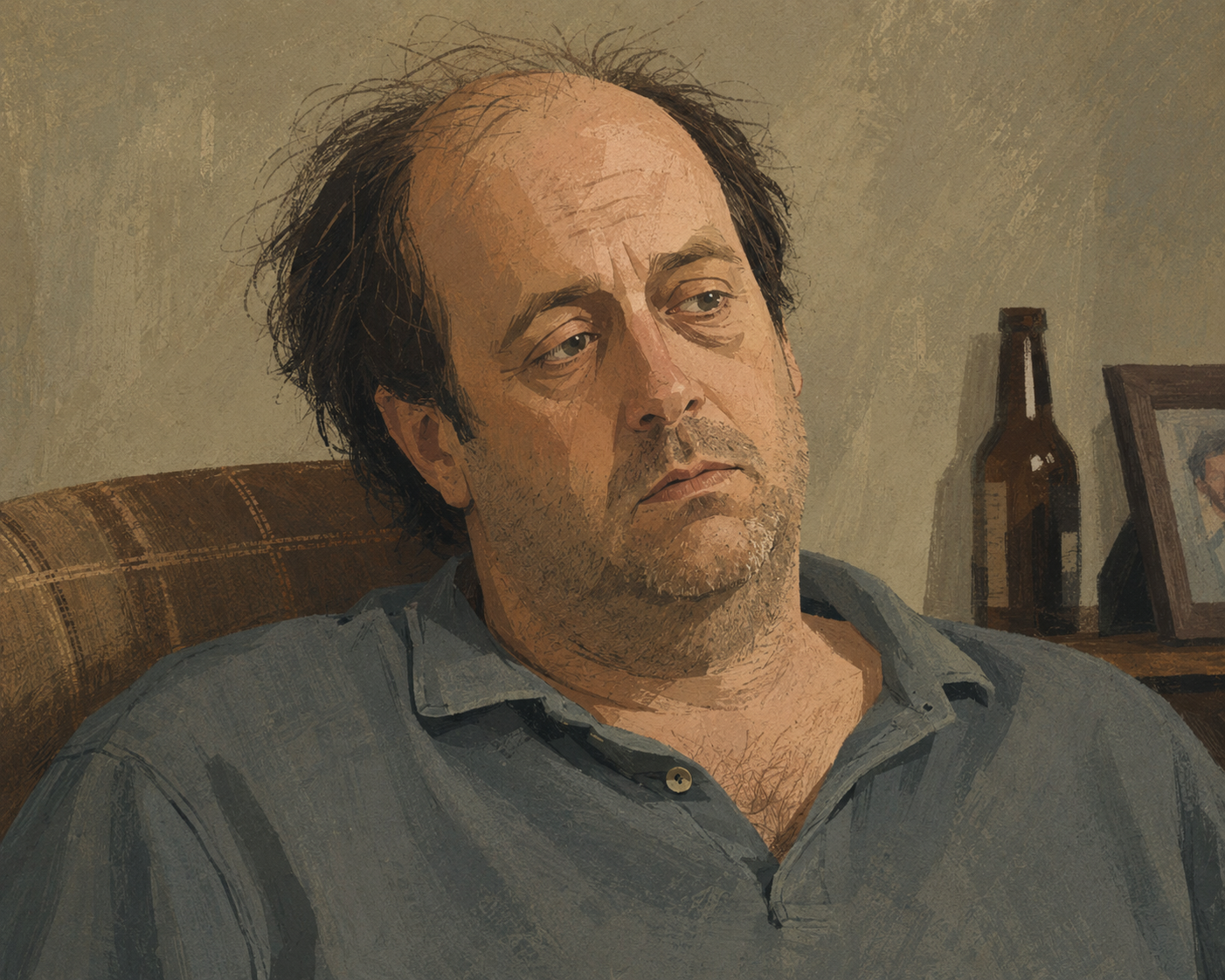
He avoids prosecution by cooperating with police, leaves Catherine behind romantically, and builds a happy relationship with Priscilla Winkle, taking her to Italy World and welcoming her into the reconstructed Flynn family.

She dumps Jim after discovering his grotesque clay-vagina collection, begins a relationship with contractor Remy, and ultimately finds meaning in caregiving, with Abigail recognizing her mothering as her true artistic “masterpiece.”

She is drugged, has 650 milliliters of blood forcibly extracted, and is imprisoned with trafficked Albanian girls before Wes and her sisters rescue her; she later reunites with Wes and exchanges declarations of love at the school dance.

Her plot lands her on the federal no-fly list and under house arrest, but she later rejects her radicalization, converts to Judaism after meeting Caleb, and ends the novel happily dating him.

After surviving wilderness camp and helping free the trafficked girls, she translates for the Albanian survivors and celebrates her thirteenth birthday surrounded by her newly reconstructed family at Lucky Penne.
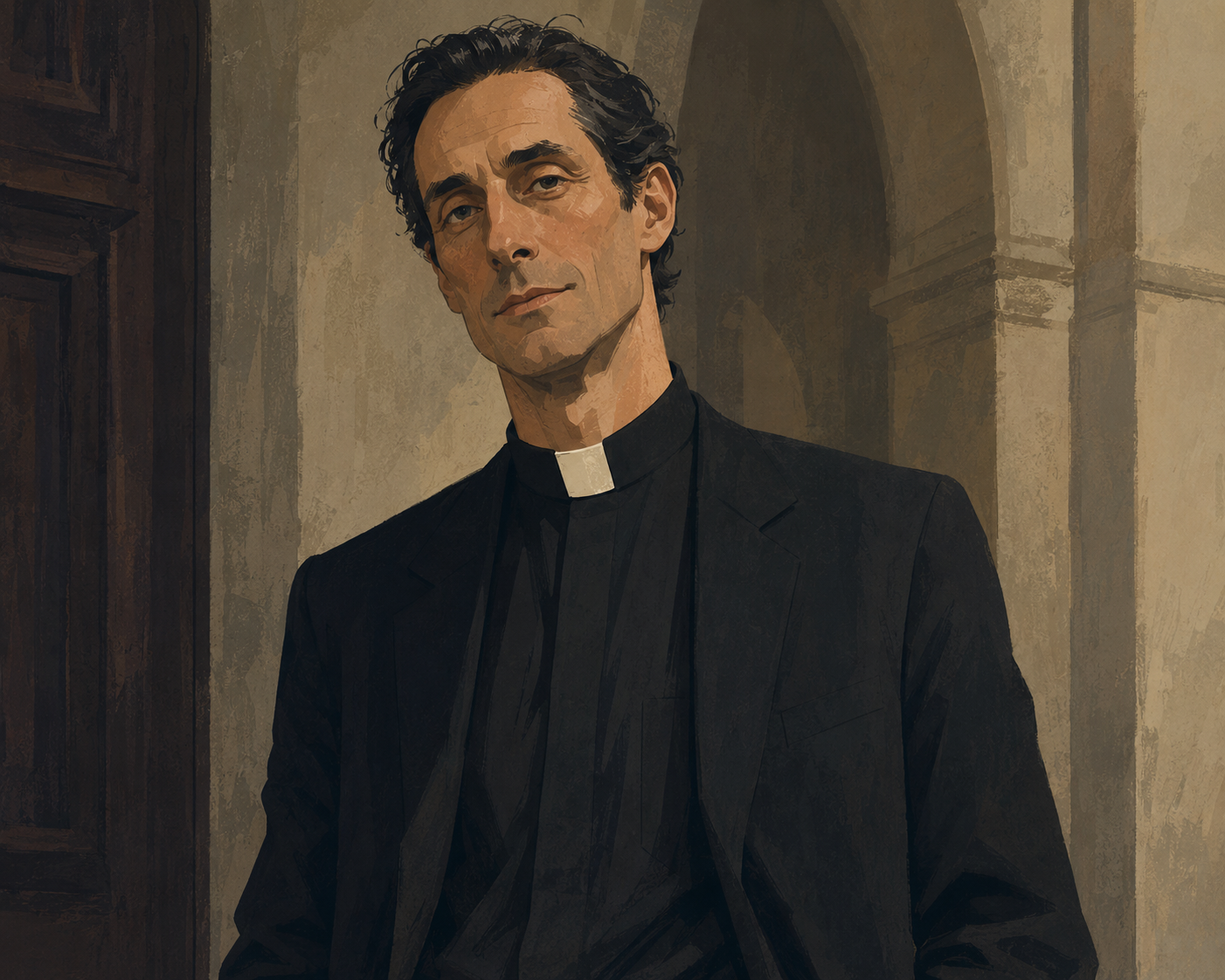
He helps Harper and Louise during the manor raid but ultimately flees the country with Alabaster and Dolt, permanently disappearing rather than facing justice.

After being fired, he and Marshall storm Alabaster Manor and rescue Abigail and the trafficked girls; he later attends Abigail’s school dance in his first suit and tells her he loves her.

He escapes the manor raid and flees to a private island, later taunting Bud by telephone and suffering no meaningful legal consequences for his crimes.
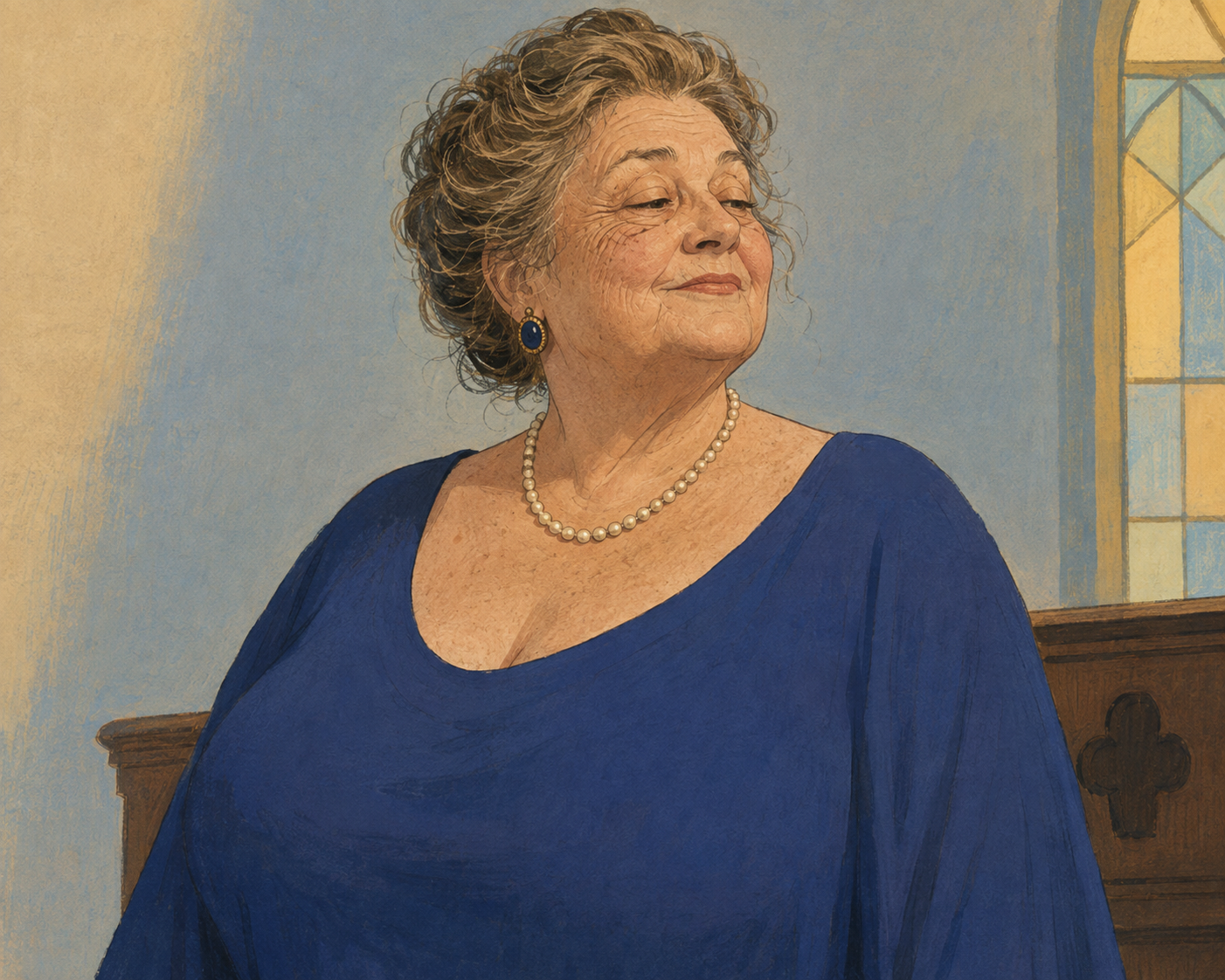
She and Bud become a committed couple, travel together to Italy World, and end the novel embraced as part of the reconstructed Flynn family.
🔷 Supporting Characters

Catherine dumps him after discovering his basement collection of clay models of former lovers’ vaginas, sticks him with a huge LuxWing bill, and he ends the novel bitterly watching Myles abandon his table for the Flynns’.
She wins the Inner Beauty Pageant, receives expensive noise-canceling earmuffs from Bud, is cared for by Catherine and Remy, and happily joins the final Lucky Penne dinner.
His medical license is revoked after the operation is exposed, and he flees the country with Alabaster and Father Andrew to escape prosecution.
Because of his criminal record, he flees town in Wes’s truck before police arrive and escapes safely, leaving a particularly strong impression on Harper.
She gives authorities her list of Alabaster’s elite associates, gets accepted into every prestigious college she applies to, and spikes the punch at the final school dance.
Authorities catch him, and he immediately betrays Louise to save himself, giving investigators her identity and helping land her on the no-fly list.
She completes the bathroom, agrees to renovate the kitchen, begins a relationship with Catherine, helps care for Perry, and joins the Flynn family’s final dinner.
In the final scene, he leaves his bitter father’s table and joins the Flynns at Lucky Penne, finally finding the sense of belonging he craves.
He becomes Louise’s boyfriend and attends Harper’s final birthday dinner holding her hand under the table.
She remains happily at the Jewish Home after helping foster Louise and Caleb’s relationship.
He remains at Alabaster Harbor after Alabaster flees, continuing as a passive cog in the corrupt corporate system.
She returns the offending flowers and continues working at the harbor.
He remains living around Termite Square through the end of the novel.
He completes the investigation, collects his substantial fee, and safely returns home to his wife and children before bath time.
He is spectacularly vindicated when Alabaster is revealed to have actually pumped chemicals into his water as a personal experiment.
She remains with Lost Lambs seeking spiritual and emotional healing.
Abigail punches her in the face, leaving her with a nasal bolster and two black eyes for a month, though she recovers enough to attend the final dance.
She emerges unharmed and attends the Sisters of Sorrow Summer Dance alongside Millie.
After Andrew disappears, Hayworth becomes head pastor and marries his Unitarian boyfriend inside the church.
She loses the Inner Beauty crown to Perry Winkle.
She remains part of the town’s gossip-heavy social ecosystem.
He remains inland in his Co-Z-Man recliner mourning his retired police horses.
She loses the crown to Perry Winkle.
She competes unsuccessfully, losing to Perry Winkle.
Despite the family money, she loses the pageant.
She ultimately fails to win the crown.
She completes the pageant but loses to Perry Winkle.
She competes unsuccessfully and loses the crown to Perry.
Despite her tragic backstory, she loses the crown to Perry Winkle.
She presumably returns from vacation and resumes cleaning Jim’s home.
Catherine passes him over, and he is never hired by the Flynns.
🕳️ Potential Plot Holes
Tibet tracks down the European calligrapher who created the invitations to Alabaster Manor and learns that the calligrapher’s guest list contains only male names. However, Abigail receives an invitation written in the same distinctive Leviathan calligraphy, and Wes later finds “Abigail Flynn” among the invitations at the manor. If the calligrapher was only given male names, the book never explains how Abigail’s personalized invitation was created by that same calligrapher.
📚 Book Club Q&A's
⭐ Final Rating & Thoughts
I don’t even know how to properly explain Lost Lambs except to say: what the hell did I just read, and why did I love it so much?
This book is completely unhinged. It’s dark, absurd, wildly funny, and somehow still manages to have a surprising amount of heart. I laughed out loud constantly—not just at the big ridiculous moments, but at the tiny throwaway lines and bizarre details Madeline Cash slips onto practically every page. Her writing is intoxicating, and I never knew what was coming next.
There are multiple characters and storylines bouncing around, yet I cared about every member of this deeply dysfunctional family. Beneath the satire, there are also some genuinely disturbing subjects and surprisingly thoughtful ideas about family, marriage, adolescence, misogyny, and belonging.
By the end, I felt oddly warm and fuzzy about this entire collection of weirdos. Absurd, hilarious, dark, clever, heartfelt—and easily one of my favorite reads of the year.
✨ Adaptation description
As of September 2026, there is no official announcement of a screen adaptation of Lost Lambs.
✨ Books Like Lost Lambs (2026)
See an error on this page?