
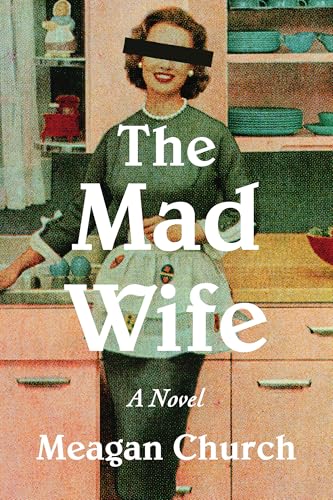
The Mad Wife (2025)
Select Sections to Print
×Book Details
The Mad Wife (2025)
Jump to Section
⚠️ Trigger Warnings
- Infant loss and stillbirth
- Grief and psychological trauma
- Delusions and hallucinations
- Chronic illness and severe physical pain
- Medical misdiagnosis and dismissal of women’s health concerns
- Mental illness and psychiatric distress
- Involuntary psychiatric institutionalization
- Forced medication and heavy tranquilizer use
- Electroconvulsive therapy (ECT)
- Lobotomy and invasive psychiatric procedures
- Suicide
- Gas inhalation death
- Psychological abuse and gaslighting
- Domestic coercion and controlling spouses
- Loss of bodily and medical autonomy
- Childhood illness (polio)
- Physical disability and paralysis
- Death of a parent
- Survivor’s guilt and sibling guilt
⏱️ 2-Minute Spoiler Summary
Lulu Mayfield, a 1950s suburban housewife living in Greenwood Estates with her architect husband Henry and young son Wesley, appears to have recently given birth to a daughter named Esther. But while caring for the baby, Lulu begins suffering from debilitating fatigue, joint pain, headaches, a strange red rash, memory gaps, hallucinations, and periods in which she cannot account for her own actions. Her doctor dismisses her symptoms as “hysteria” and prescribes tranquilizers.
At the same time, Lulu becomes increasingly suspicious of the new family across the street. Gary Betser is controlling and threatening, while his wife, Bitsy, behaves strangely and tightly guards five-year-old Katherine. Lulu investigates and discovers that Katherine is actually the daughter of Bitsy’s sister, Ellen Craske, who died by suicide. Even more disturbing, Lulu finds paperwork indicating that Gary authorized a lobotomy for Bitsy. When Gary realizes Lulu knows too much, he subtly threatens her and encourages Henry to seek psychiatric help for his increasingly “fragile” wife.
Lulu then discovers that Henry has the name of psychiatrist Dr. Ruthledge in his pocket and becomes convinced he intends to have her institutionalized. But when Henry finds Lulu rocking what she believes is Esther beneath a blanket, the story’s central truth is finally revealed: Esther was stillborn after an umbilical cord complication. Lulu has spent months hallucinating that her daughter survived.
Lulu publicly accuses Gary of having Bitsy lobotomized, but when Bitsy appears to have no scars, Lulu is taken to a sanatorium under Dr. Ruthledge’s care. There, however, a nurse explains that modern lobotomies can be performed through the eye socket without visible forehead scars. Lulu was delusional about Esther, but she was right about Bitsy. Her neighbor and friend Nora Gray later confirms that Bitsy was indeed lobotomized after Ellen’s suicide and warns Lulu that she must fight for herself before the doctors destroy her mind as well.
After undergoing one terrifying session of electroconvulsive therapy and learning that doctors want to perform several more, Lulu escapes the sanatorium and drives to her childhood farm. Her mother immediately recognizes Lulu’s distinctive facial rash and reveals the real medical explanation for much of what has been happening: Lulu has systemic lupus, the same disease that killed her father. The illness helps explain her pain, exhaustion, sun sensitivity, rash, hallucinations, sensory distortions, and memory problems.
Henry follows Lulu to the farm and apologizes. Rather than continuing to deny what happened, the couple finally mourns their stillborn daughter together. Lulu eventually returns home, stops taking the tranquilizers that left her mentally dulled, and manages her lupus with cortisone shots. She buys a new camera and develops a final photograph of Esther’s nursery showing only a rocking chair and an empty blanket. Lulu can finally remember her daughter without pretending that Esther survived, allowing her to live fully in reality while still holding onto the child she lost.
📖 Full Spoiler Summary
Lulu’s Perfect Suburban Life Begins to Crack
In late 1954, Lulu Mayfield, whose legal name is Lucy, appears to have achieved the life expected of a respectable suburban wife. She lives on Twyckenham Court in Greenwood Estates with her ambitious architect husband, Henry Mayfield, and their four-year-old son, Wesley, who charmingly pronounces his L sounds as Ys.
Yet Lulu’s picture-perfect home has never felt entirely like her own. Her controlling mother-in-law, Marian Mayfield, helped finance the house and then selected much of its furniture, so Lulu secretly collects S&H Green Stamps to replace Marian’s choices piece by piece. Even these small decorating decisions give her a sense of independence.
Her closest friend is next-door neighbor Nora Gray, a sharp, loyal woman devoted to Good Housekeeping and its cleaning schedules. The neighborhood also includes cheerful Hatti Brooks and her husband Eddie, competitive Mr. and Mrs. Reilly, and Nora’s wandering-eyed husband Dennis. Across the street sits an empty ranch house formerly occupied by Lulu’s friend Emily Donahue.
Lulu is also keeping a much bigger secret: she is pregnant. She has not even told Henry because she wants the knowledge to belong solely to her for a little while. That choice is taken away from her at their New Year’s Eve party, when a drunken Henry publicly announces that their family is growing.
As the pregnancy progresses, Lulu’s mother and younger brother, Georgie Oscuro, visit for Wesley’s fifth birthday. Georgie walks with crutches because he contracted polio as a child after Lulu disobeyed their mother and took him to a crowded swimming hole. Lulu has carried enormous guilt ever since, believing what happened to him was her fault.
During the birthday party, potential buyers tour the vacant house across the street. Soon, Lulu will have new neighbors—and another mystery to occupy her increasingly troubled mind.
The Betsers Arrive as Lulu Begins to Unravel
On the summer solstice, Lulu endures an agonizing, complicated labor and gives birth to a daughter, Esther Mayfield.
Not long afterward, the empty house across the street is purchased by Gary and Bitsy Betser. Gary is an ambitious commercial project manager, while Bitsy, whose full name is Elizabeth, is tiny, reserved, and unsettlingly rigid. Her smile seems permanently fixed on her face without ever reaching her eyes.
Living with them is five-year-old Katherine, whom Bitsy constantly grips by the wrist and refuses to allow to run freely. The Betsers also have two teenage sons, Jake and Larry, who are away at a disciplinary academy.
When Lulu brings Bitsy a homemade peach pie as a welcome gift, she notices the house’s gold-butterfly wallpaper—and watches one of the butterfly wings seemingly flutter on the wall.
It is only one of several disturbing experiences. Lulu is exhausted beyond anything she considers normal. Her joints ache, headaches plague her, and a lacy red rash appears on her skin. She begins slipping into “dormiveglia,” a strange state between sleeping and waking. A smoky-gray stray cat, whom she names Luna, begins appearing on her patio, while a disembodied voice whispers that something was her fault.
Even more frightening are the gaps in Lulu’s memory. On one occasion, she suddenly finds herself inside Mr. Perry’s camera shop with no recollection of driving there.
When Wesley catches a cold from Katherine, family doctor Dr. Collins visits. Lulu tries to explain everything that has been happening to her, but he dismisses her symptoms as “hysteria” or “housewife syndrome.” His solution is Miltown, a tranquilizer nicknamed “emotional aspirin.”
Henry is little help. Increasingly preoccupied with his job and his new secretary, Alice, he assumes Lulu is simply overwhelmed by housework. He buys her a Mobile Maid dishwasher, believing a modern appliance will solve her exhaustion. Instead, the bulky machine becomes another obstacle sitting in the middle of the kitchen.
Lulu Discovers What Happened to Bitsy
Lulu’s suspicions about the Betsers deepen when Nora invites Bitsy to their weekly card game. During one gathering, the women discuss lobotomies and the disturbing story of Ellen Craske, a woman from Knollwood who died by suicide after sealing herself inside her kitchen and turning on the gas.
Lulu eventually searches the Betser house. In Bitsy’s bathroom, she finds phenobarbital prescribed in Bitsy’s name. In another room, she discovers newspaper clippings about Ellen’s death.
The articles reveal that Ellen’s surviving relatives included her sister, Elizabeth Betser—Bitsy—and her young daughter, Katherine. Katherine is not Bitsy’s daughter at all. She is Ellen’s daughter, whom Bitsy and Gary took in after Ellen died.
Then Lulu finds something even worse: hospital paperwork showing that Bitsy underwent a lobotomy with Gary’s consent.
Another small mystery falls into place during a card game when Bitsy finds a gray animal hair in her Jell-O salad. Everyone else assumes it is human hair, but Lulu and Bitsy understand immediately. Luna is Bitsy’s missing cat.
Gary soon comes to the Mayfield house with Henry, supposedly looking for the animal. Lulu overhears him telling Henry that if his wife is becoming “fragile” or “out of sorts,” he knows someone who can help.
The warning becomes more frightening after Henry’s boss, Jack Ellis, comes for dinner with Gary. Lulu, completely exhausted, serves reheated frozen TV dinners and a failed gelatin dessert. When Gary makes a smug comment about home cooking, Lulu openly challenges him.
Afterward, Gary corners her alone in the kitchen. He warns her that stray cats do not last long and tells her he will do almost anything to keep his family, neighborhood, and life “calm.”
Henry dismisses Lulu’s fears as more dramatics. But after he falls asleep, Lulu searches his jacket and finds a piece of paper bearing a name and telephone number: Dr. Ruthledge. Knowing Gary has already encouraged Henry to seek psychiatric help for her, Lulu becomes convinced her husband is preparing to have her silenced just as Gary silenced Bitsy.
The Truth About Esther
Terrified, Lulu decides her best defense is to become the perfect wife. If she behaves normally enough, perhaps Henry will have no reason to send her away.
But the illusion she has been living inside is about to collapse.
Henry enters Esther’s nursery and finds Lulu sitting in the rocking chair with Luna tucked beneath a pink crib blanket. He removes the cat, lets the empty blanket fall, and asks Lulu whether she truly does not remember.
Esther is dead. She was never brought home from the hospital.
The baby was stillborn after an umbilical cord complication during Lulu’s traumatic labor. For months, Lulu has been living inside a profound grief delusion in which Esther survived. She has imagined nursing her, holding her, rocking her, and caring for her.
Desperate to prove that Esther was real and alive, Lulu orders Wesley to bring her camera. Instead, the frightened child accidentally exposes the film to light and drops the camera, smashing its lens and destroying what Lulu believes is her evidence.
Lulu breaks completely. Barefoot and wearing only a sheer nightgown, she runs into the street carrying Esther’s empty pink blanket. Henry and Gary chase after her as neighbors emerge from their houses.
Lulu publicly accuses Gary of having Bitsy lobotomized. Then the wind blows Bitsy’s bangs away from her forehead, revealing perfectly smooth skin without a scar.
Convinced she has been wrong about everything, Lulu finally stops resisting. Henry carries her to the car.
Lulu Is Committed—but She Was Right About Bitsy
Henry takes Lulu to a stone sanatorium, the same facility where Georgie once received treatment for polio. There she comes under the care of psychiatrist Dr. Ruthledge, who subjects her to psychoanalysis and heavy medication.
Eventually, Lulu is able to say aloud what she has refused to accept: her baby is dead.
Yet another discovery complicates Lulu’s belief that everything she saw was imagined. A nurse explains that modern transorbital lobotomies are performed through the eye socket. They do not necessarily leave visible scars on the forehead.
Lulu’s delusion about Esther was real, but that does not mean she was wrong about Bitsy.
When Lulu fails to improve quickly enough, Dr. Ruthledge and Henry approve electroconvulsive therapy. Lulu pleads with Henry to stop them, but he releases her hand and allows the procedure to continue. The first treatment leaves her confused and terrified that the doctors will erase the memories she still possesses.
Then Nora visits.
As she calmly repairs the satin binding Lulu tore from Esther’s blanket, Nora confirms the truth. Bitsy really was lobotomized after Ellen’s suicide, and Katherine really is Ellen’s daughter. Lulu’s investigation had been correct all along.
Nora refuses to let Lulu surrender. She tells her that she is not Bitsy—and if she does not want to become like her, she has to save herself.
Lulu Escapes and Finally Learns What Is Wrong With Her
The next morning, Lulu makes herself look as composed as possible. She fixes her hair, puts on a dress, and hides her medication so she can remain alert.
Then Dr. Ruthledge announces that Lulu needs another five to ten ECT treatments.
Lulu realizes she has to leave.
Pretending she needs the restroom, she slips out of the building, finds the keys hidden behind the sun visor of Henry’s frost-blue sedan, takes Esther’s blanket and Wesley’s drawing, and drives across the state to the farm where she grew up.
She barely makes it to the porch before collapsing into Mama’s arms.
Mama looks closely at the distinctive lacy red rash spreading across Lulu’s cheeks and nose and immediately understands what the doctors missed.
“The wolf’s got you, too,” she tells her.
Lulu has lupus.
Her father suffered from systemic lupus as well, and the disease eventually killed him. Lulu’s illness helps explain the physical symptoms doctors repeatedly dismissed: her severe fatigue, aching joints, sun sensitivity, headaches, and butterfly-shaped facial rash. It also gives an explanation to the neurological and psychiatric symptoms that helped convince everyone she was simply losing her mind, including hallucinations, memory lapses, time-slips, and strange sensory experiences in which she smells colors and tastes sounds.
Lulu and Henry Finally Mourn Esther
Henry arrives at the farm the next morning looking disheveled and apologetic. He explains that he did not receive Dr. Ruthledge’s name from Gary after all. His mother Marian gave him the referral because one of her women’s club friends is married to the psychiatrist.
He also tells Lulu that Gary and Bitsy are leaving Greenwood Estates to make a fresh start. Henry himself has finally received the promotion he wanted.
But the most important thing that happens at the farm has nothing to do with the Betsers or Henry’s career.
Sitting together beneath a tree, Henry holds Lulu, and for the first time they truly grieve together for Esther. Rather than pretending their daughter survived or burying the reality of her death, they allow themselves to mourn the baby they lost.
Lulu eventually returns to Twyckenham Court. She stops taking the tranquilizers that kept her mentally dulled and instead manages her lupus with cortisone injections. Henry begins his new job, Wesley continues growing up, and another family eventually moves into the Betsers’ former home.
Lulu also buys herself a new camera.
When she develops the last photograph she took of Esther’s nursery, there is no baby in the picture. There is only a rocking chair and an empty blanket.
Lulu can finally see that emptiness for what it is. She no longer needs to imagine Esther alive in order to keep her daughter with her. In the quiet space between waking and sleeping, Lulu can remember Esther while remaining fully aware that she died.
She has not forgotten her daughter. She has simply stopped running from the truth of losing her.
🔚 Ending Explained
How the Book Ends
The ending begins with Lulu still trapped inside the sanatorium after undergoing her first session of electroconvulsive therapy. When she meets with Henry and Dr. Ruthledge afterward, the doctor declares the treatment a “success” and announces his intention to put Lulu through another five to ten ECT sessions before even considering releasing her.
For Lulu, that becomes the breaking point. She understands that if she stays, the doctors will continue treating her by suppressing her mind rather than discovering what is actually wrong with her. Afraid of losing more of her memory and autonomy, she pretends that she needs to use the restroom, slips away from the office, and escapes the facility. She finds the keys hidden behind the sun visor of Henry’s frost-blue sedan, retrieves the pink crib blanket from her room, and drives across the state to the farm where she grew up.
When Lulu reaches the farm, she collapses into her mother’s arms. Her mother immediately notices something the doctors have overlooked: the distinctive red “butterfly rash” spreading across Lulu’s cheeks and the bridge of her nose. She then reveals a crucial piece of family history. Lulu’s father did not die from the vague nervous illness Lulu had been led to believe he suffered from. He had systemic lupus.
Suddenly, Lulu’s seemingly disconnected symptoms make sense. Her exhaustion, joint and muscle pain, sensitivity to sunlight, facial rash, hallucinations, time-slips, synesthesia, and even her increased risk of stillbirth can all be connected to an underlying physical illness. The revelation radically reframes everything that has happened to her. Lulu has been labeled hysterical and mentally unstable when her body has been signaling that she is physically ill.
Henry arrives at the farm the following morning looking disheveled and deeply remorseful. He is stunned that Lulu’s doctors could have been so wrong. He also clears up one important detail about her institutionalization: Dr. Ruthledge was recommended by Henry’s mother, Marian, whose women’s club friend is married to him, rather than by Gary Betser. Henry tells Lulu that Gary and Bitsy are leaving Greenwood Estates for a “fresh start” closer to their sons, while Henry himself has finally received the promotion he wanted.
But the most important reconciliation happens beneath a tree on the farm. Instead of deciding what Lulu needs, Henry finally asks her.
“What do you want?”
Lulu’s answer is simple: “I want her.”
She means Esther, their stillborn daughter.
Henry holds Lulu, and for the first time, they truly mourn Esther together. Rather than burying the loss beneath medication, domestic routine, work, and forced normalcy, husband and wife finally acknowledge what happened to them. Their reconciliation does not erase Esther or Lulu’s suffering. It begins because they finally allow themselves to grieve.
Lulu ultimately chooses to return with Henry to their home on Twyckenham Court. But she returns differently. The tranquilizers that kept her foggy and disconnected are replaced with cortisone injections to treat her lupus, allowing her to remain mentally present. Ordinary life resumes around her: Wesley’s lost tooth grows back, Henry begins his new job, and another family moves into the Betsers’ former home.
The novel closes with Lulu buying herself a new camera instead of using her customer loyalty stamps. Before the family’s annual New Year’s Eve party, she enters the guest room and carefully places Esther’s pink crib blanket over the rocking chair. She photographs it.
When the developed pictures arrive, Lulu studies that first photograph and understands what she has created. It is not a portrait of someone arriving.
It is a portrait of departure.
Lulu now fully accepts that Esther died. She no longer needs to imagine her daughter as physically present in order to keep her. Instead, she allows Esther to exist within memory, particularly during dormiveglia—the quiet space between waking and sleeping. Lulu can remember her daughter without surrendering herself to the memory.
What the Ending Means
The ending is ultimately about Lulu reclaiming the authority to define what is real. For most of the novel, other people interpret her experience for her. Doctors label her symptoms hysteria. Medication dulls her awareness. Institutional treatment threatens to erase her memories. Suburban expectations demand that she behave like a happy wife and mother. Even her grief over Esther becomes something she is expected to suppress rather than experience.
The lupus diagnosis therefore provides more than a medical explanation. It vindicates Lulu’s knowledge that something has genuinely been wrong with her. The red butterfly rash is especially significant because it echoes the gold butterfly wallpaper associated with Bitsy. The wallpaper represents suffering concealed beneath domestic beauty; Lulu’s rash does the opposite. It puts the truth directly onto her body, where it can no longer be disguised as feminine instability.
That contrast also makes Lulu and Bitsy narrative foils. Bitsy’s unhappiness is answered through control and irreversible medical intervention. Lulu comes dangerously close to suffering a similar fate through repeated ECT, but she escapes before the institution can further strip away her memory and agency. Henry’s crucial decision is therefore not simply apologizing. It is abandoning the assumption that he knows what Lulu needs. His question—“What do you want?”—marks the reversal of the power dynamic that has governed much of her life.
And Lulu’s answer reveals that medical treatment alone cannot resolve everything.
She wants Esther.
There is no treatment for that loss. What Lulu needs is permission to grieve it.
That is why the scene beneath the tree matters so much. Henry cannot give their daughter back to Lulu, but he can finally acknowledge that Esther existed, that her death devastated them, and that Lulu should never have been expected to carry that grief alone. Their shared mourning becomes the emotional resolution that tranquilizers, doctors, suburban routines, and denial could never provide.
The Final Photograph
The camera provides the clearest symbol of Lulu’s recovery. Earlier, photography helped Lulu establish what was real, but even that means of anchoring herself was eventually shattered. By purchasing a new camera herself, she symbolically takes control of the lens again.
More importantly, she chooses what to photograph.
The empty rocking chair covered with Esther’s pink blanket acknowledges both presence and absence. Esther mattered. Esther belonged to Lulu. But Esther is also gone.
Calling the photograph a “portrait of departure” captures the emotional maturity Lulu reaches by the final pages. She no longer has to choose between forgetting Esther and pretending Esther never died. She discovers a third possibility: remembering someone while accepting their absence.
That is also why dormiveglia changes meaning. Earlier, Lulu’s unstable perception leaves her vulnerable to frightening slippages between reality, memory, and hallucination. By the end, the liminal state between waking and sleeping becomes something gentler. Lulu can encounter Esther there as memory without mistaking memory for physical reality.
The novel therefore does not end with Lulu “letting go” of her daughter. It ends with her learning how to hold on without disappearing into the loss herself.
The Window and the Mirror
The novel’s two-part structure reinforces that transformation. “The Window” is Lulu looking outward—at Bitsy, the neighbors, Greenwood Estates, and the model of womanhood she believes she is supposed to inhabit. Her attention is directed toward appearances and toward measuring herself against the lives she sees around her.
“The Mirror” turns that gaze inward.
Lulu must finally confront her own body, illness, grief, marriage, memories, and desires. The answer to what is happening to her cannot ultimately be found by watching another woman through a window. Lulu has to recognize herself.
That makes the ending hopeful without making it artificially happy. Lulu still has lupus. Esther is still dead. Her marriage has been damaged. The medical establishment that nearly destroyed her has not suddenly become just or enlightened. None of those realities are undone.
What changes is Lulu’s relationship to them.
She leaves the story clear-headed, properly treated, capable of naming her grief, and able to decide for herself what she wants to remember. Henry’s willingness to grieve beside her suggests that their marriage can now be rebuilt around communication rather than the performance of suburban normalcy.
Most importantly, the ending transforms memory from a symptom into an act of agency. Lulu does not have to erase Esther in order to become well. She can remember deliberately rather than compulsively.
The final image of the empty chair therefore carries both sorrow and peace. Esther remains absent, but the emptiness no longer needs to be filled with a delusion.
Lulu can see the empty chair.
She can photograph it.
She can remember who should have been sitting there.
And she can still walk back into the rest of her life.
👤 Characters & Fates
🔶 Main Characters

After being institutionalized and subjected to ECT, she escapes the sanatorium and returns to her childhood farm, where Mama recognizes her butterfly rash and reveals that Lulu has systemic lupus, the disease that killed her father. Lulu reconciles with Henry, finally mourns Esther with him, receives proper treatment with cortisone, and returns home healthier and at peace with her daughter's death.

He earns his coveted promotion but realizes how badly he failed Lulu; after she escapes, he follows her to the farm, apologizes, reveals that Marian recommended Dr. Ruthledge, and finally grieves Esther openly with Lulu before bringing her home.
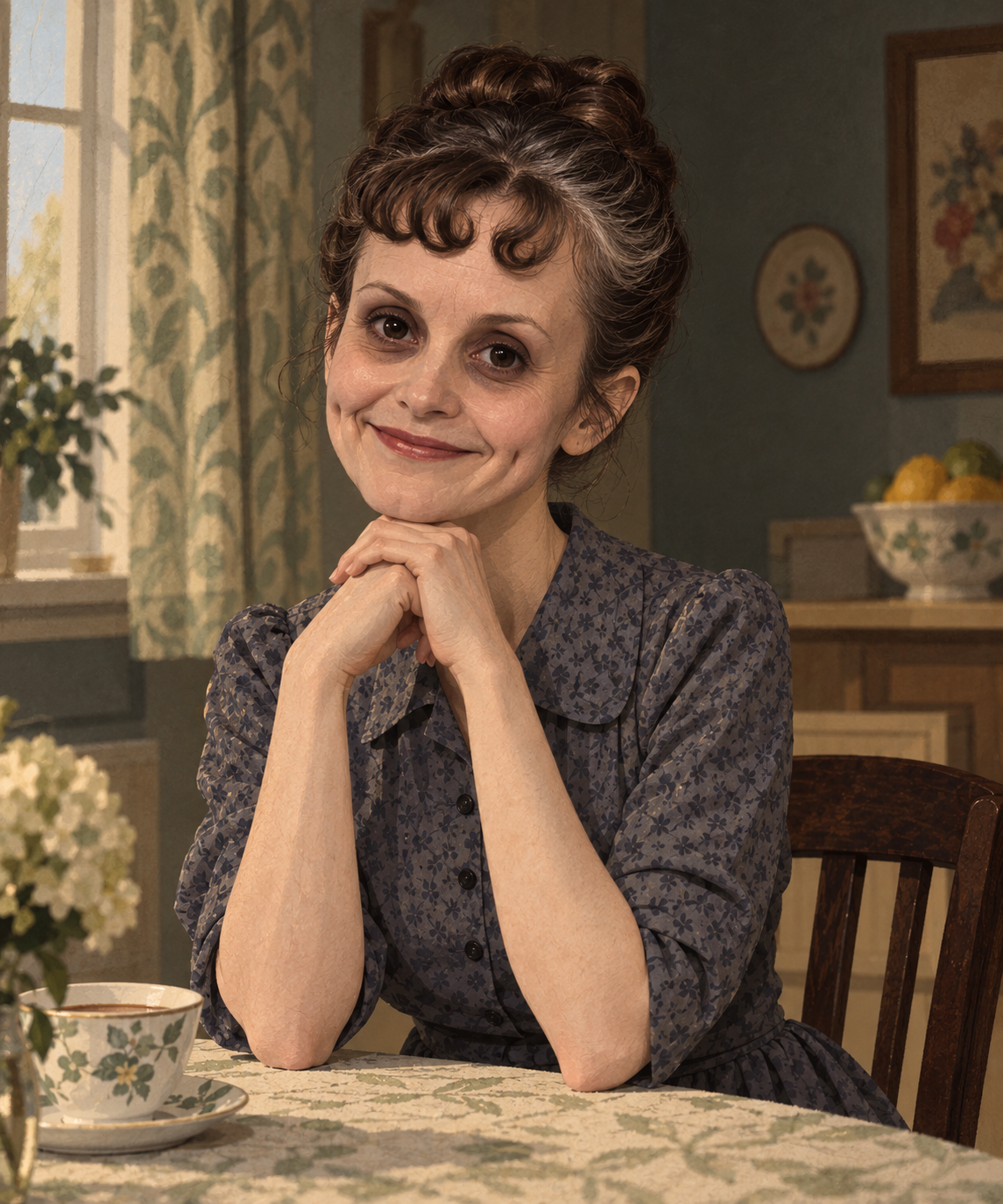
Lulu discovers Bitsy’s lobotomy records and realizes that her apparent domestic serenity was surgically imposed. Bitsy remains with Gary and moves away with him, Katherine, and Luna when the family leaves Greenwood Estates.
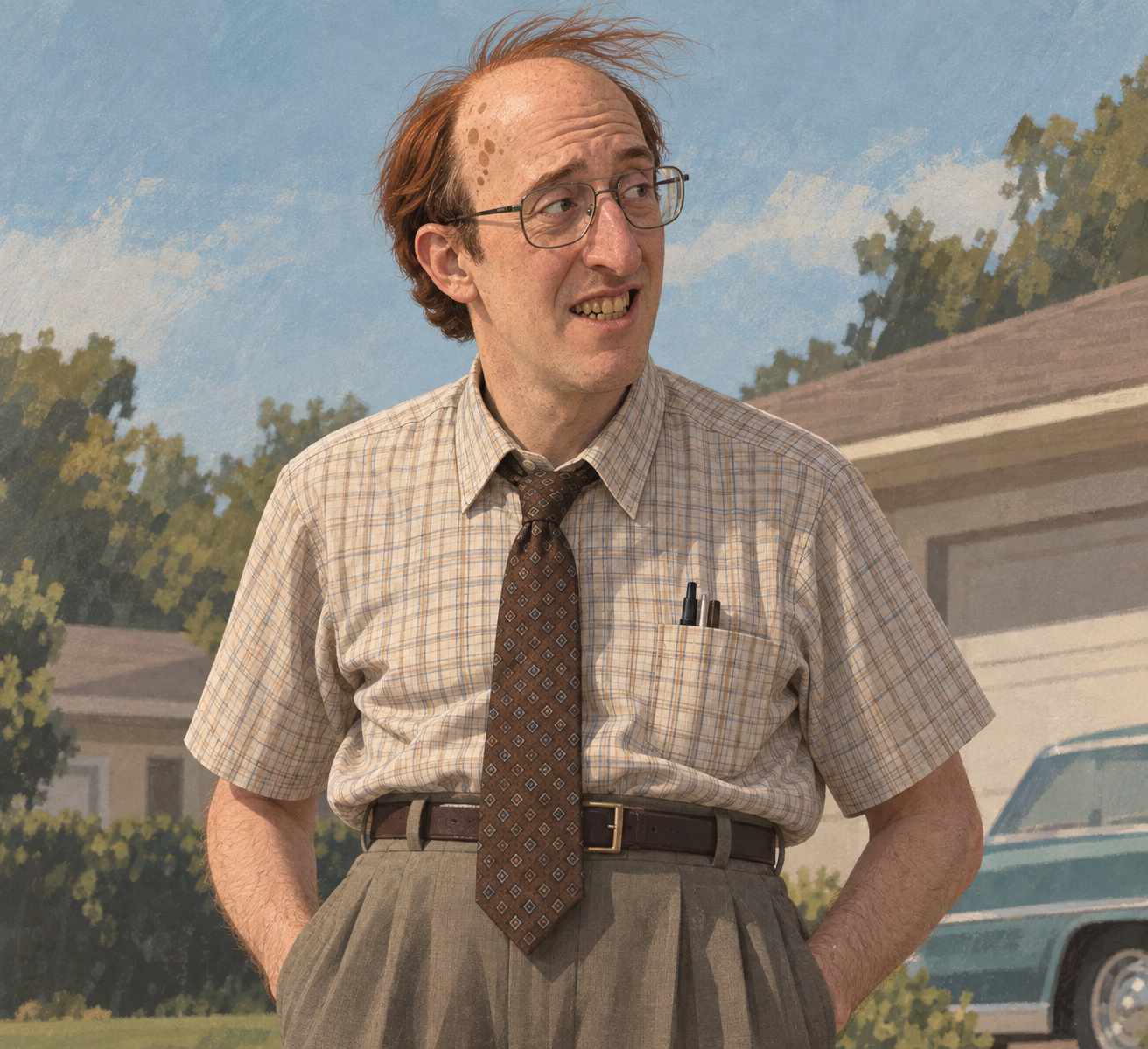
He threatens Lulu and tries to steer Henry toward the same kind of solution he chose for Bitsy, but ultimately fails to control Lulu or Henry. He relocates his family away from Twyckenham Court for a supposed fresh start closer to his sons.

She visits Lulu in the sanatorium, repairs Esther’s pink crib blanket, confirms Bitsy was lobotomized, and warns Lulu what could happen to her. After Lulu returns home, Nora remains her friend and helps with the celebratory New Year’s Eve party.
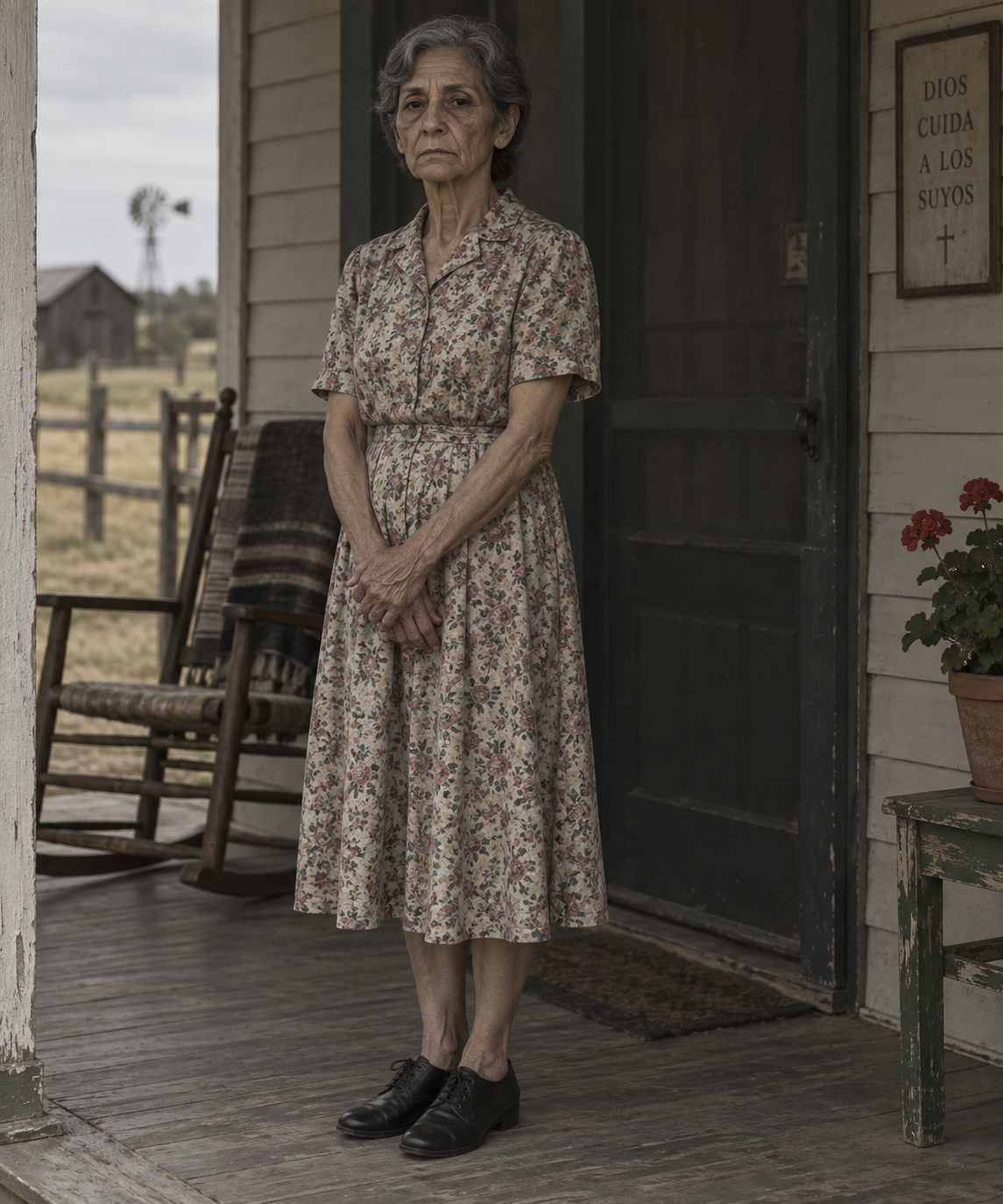
When Lulu escapes the sanatorium, Mama immediately recognizes her butterfly rash and reveals that Lulu’s father died from systemic lupus. Her recognition leads Lulu toward proper medical treatment instead of further psychiatric institutionalization.
🔷 Supporting Characters
He stays with Marian during Lulu’s institutionalization, loses his first baby tooth while she is away, and happily reunites with his healthier mother after she returns home.
Esther died at birth from an umbilical-cord complication. Lulu and Henry finally mourn her together at the farm, and Lulu later preserves her memory through the photograph of the empty nursery rocking chair.
He survives polio but remains on crutches, lives at the family farm, receives hot-spring treatments, and is there when Lulu returns after escaping the sanatorium.
He died years earlier from what Lulu had understood only as a vague sickness involving his “nerves”; Mama eventually reveals that he actually had systemic lupus, establishing Lulu’s family history of the disease.
She remains with the Betsers and moves away from Greenwood Estates with them at the end.
She dies by suicide after sealing herself inside her kitchen and using gas while Katherine is elsewhere in the house.
After Lulu’s first ECT treatment, he plans another five to ten sessions; realizing what continued treatment could do to her, Lulu tricks him by asking to use the restroom and escapes the sanatorium.
He fails to diagnose Lulu’s lupus, leaving the correct diagnosis to Mama after Lulu escapes the sanatorium.
She cares for Wesley while Lulu is institutionalized and remains part of the family’s life after Lulu returns.
He remains with Marian and continues supporting Henry from the sidelines.
She gives birth to a daughter with severe colic and later contributes food to Lulu’s New Year’s Eve party.
He remains on Twyckenham Court with Hatti and their four children.
She remains at the firm, while Lulu eventually realizes that Henry was never having an affair with her.
He attends the Mayfields’ improvised dinner, unknowingly eats TV dinners presented as home cooking, and eventually gives Henry his long-awaited promotion.
She remains off-page, reportedly staying with relatives while trying to recover.
She and her family move away after her husband loses his job, before the Betsers arrive.
They remain at school, while Gary and Bitsy move closer to them at the end.
Katherine remains with the Betsers rather than returning to him.
He remains married to Nora and living on Twyckenham Court.
They remain next door and continue growing up alongside Wesley.
They remain in the neighborhood with their secrets intact.
He later sells Lulu a new camera after she returns home.
Bitsy reclaims her during Lulu’s breakdown, and Luna later leaves Greenwood Estates with the Betser family.
They leave the enormous dishwasher sitting in Lulu’s kitchen and disappear from the story.
She remains a minor member of the neighborhood social circle.
She appears only through Lulu’s memories.
She appears only in flashbacks.
She contracts polio and otherwise disappears from the narrative.
He contracts polio and is confined to bed.
🕳️ Potential Plot Holes
When Lulu publicly reveals that Gary had Bitsy lobotomized, Nora reacts as though Lulu is making a shocking, delusional accusation. Later, however, Nora admits that Bitsy had personally told her about the lobotomy. Unless Bitsy told Nora sometime after Lulu’s breakdown, Nora’s earlier reaction does not fit what she already knew and appears to be a genuine continuity problem.
Despite being involuntarily committed after a severe psychological breakdown and undergoing ECT, Lulu is able to leave with almost no resistance. She excuses herself to use the restroom, walks outside, retrieves Henry’s car keys, goes back inside to collect Esther’s blanket, and then leaves again while a nurse casually tells her to “enjoy your walk.” A 1950s psychiatric hospital would not necessarily have had modern locked-ward security, but Lulu’s recent condition and involuntary treatment make the complete lack of supervision difficult to believe.
Wesley pulls the undeveloped film out of Lulu’s camera in daylight, which should severely fog the exposed film. Yet Henry later manages to have a recognizable photograph developed from the “broken film.” This is not strictly impossible: depending on how the film was wound, some frames could have remained partially protected inside tightly wound layers or the cartridge. However, recovering a clean, usable photograph after the roll was pulled out in daylight would be unlikely, making this more of a photographic improbability than a definite plot hole.
Lulu’s belief that her stillborn daughter Esther is alive is explained by traumatic grief, her unreliable perception, and her illness, so the delusion itself is not a plot hole. The harder issue is how it functions within the household. Lulu believes she spends weeks nursing, carrying, and caring for Esther while living closely with Henry and Wesley. Henry would therefore repeatedly witness Lulu feeding and comforting an empty blanket. The novel can explain Lulu’s perception, but it is less convincing about how the rest of the family accommodates such an extensive delusion for so long without forcing the reality into the open much earlier.
📚 Book Club Q&A's
⭐ Final Rating & Thoughts
The Mad Wife had a lot going for it, especially its exploration of the impossible standards placed on wives and mothers and the pressure to make domestic life look effortless. I found that part incredibly relatable, and the historical treatment of women by the medical establishment was both fascinating and disturbing. The book does an excellent job showing how easily a woman's very real concerns could be dismissed once she was labeled emotional or hysterical.
Unfortunately, the middle dragged for me. There were stretches where I felt like the book was reinforcing the same ideas without moving the story forward, and I definitely started wishing it would pick up the pace.
I did love the direction the story eventually took. It added another dimension to everything that came before and made me reconsider some of my assumptions. I just wish the book had spent more time developing that aspect rather than introducing it so late.
Overall, this was an interesting and thought-provoking read with themes I really appreciated, but the pacing kept me from loving it.
✨ Adaptation description
As of September 2026, there is no official screen adaptation announced for The Mad Wife.
✨ Books Like The Mad Wife (2025)
See an error on this page?