
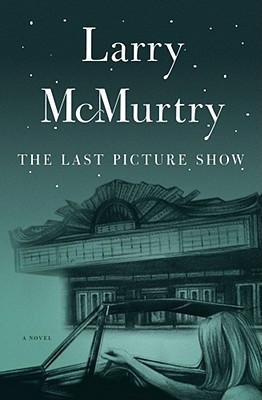
The Last Picture Show (1966)
Series
Select Sections to Print
×Book Details
The Last Picture Show (1966)
Series
Jump to Section
⚠️ Trigger Warnings
- Exploitation and sexual assault of a mentally disabled individual
- Sexual harassment and inappropriate sexual contact by an authority figure
- Child sexual abuse / molestation
- Age-discrepant sexual relationships involving teenagers and adults
- Bestiality and animal sexual abuse
- Animal abuse
- Graphic physical violence and assault
- Severe eye injury
- Death and fatal accidents
- Death of a child
- Stroke
- Mental breakdown following traumatic loss
- Alcohol abuse and alcoholism
- Prescription drug addiction
- Underage drinking
- Sex work and prostitution
- Sexual content involving a pregnant sex worker
- Pornographic sexual content
- Homophobia and anti-gay discrimination
⏱️ 2-Minute Spoiler Summary
Sonny Crawford is a high school senior growing up in Thalia, an isolated North Texas town in the early 1950s. He spends most of his time with his best friend, Duane Moore, and Billy, a mentally disabled orphan cared for by Sam the Lion, the beloved elderly owner of Thalia’s poolhall, café, and movie theater. Duane dates Jacy Farrow, the beautiful daughter of wealthy oilman Gene Farrow and his cynical wife, Lois, while Sonny breaks up with his shallow girlfriend Charlene Duggs.
Sonny soon becomes involved with Ruth Popper, the lonely 40-year-old wife of his high school coach, Herman Popper. Ruth is neglected by her husband and frightened by a breast tumor, and her relationship with Sonny becomes both a passionate affair and her main source of emotional happiness. Around the same time, Jacy becomes obsessed with gaining access to a wealthier, more sophisticated social circle. She attends nude swimming parties in Wichita Falls and decides she needs to lose her virginity to Duane so that the wealthy Bobby Sheen will become interested in her.
Sonny, Duane, and several other boys badly betray Sam’s trust when they take Billy to the stockpens for a cruel sexual initiation involving Jimmie Sue Jones, a local carhop and prostitute. Sam temporarily bans them from his businesses, although he eventually forgives Sonny. Not long afterward, Sam takes Sonny and Billy on a fishing trip and reminisces about a woman he loved years earlier. Sonny later learns that woman was Lois Farrow.
Jacy finally sleeps with Duane during their senior trip, but the experience disappoints her and she dumps him. Duane leaves Thalia for oilfield work. Jacy then sleeps with Abilene, an older oil driller she has admired, only to discover that the encounter means nothing to him. She soon turns her attention to Sonny.
Before any of that can fully play out, Sam suddenly dies of a stroke. He leaves the poolhall to Sonny and Billy, the movie theater to its longtime employees, and the café to night waitress Genevieve Morgan. His death removes one of the few stabilizing forces in Sonny’s life and in Thalia itself.
Sonny eventually abandons Ruth for Jacy. When Duane returns and discovers that Sonny has been seeing his former girlfriend, he smashes Sonny in the face with a beer bottle, badly injuring his eye. While Sonny recovers in the hospital, Jacy proposes that they elope. They drive to Oklahoma and get married, but Jacy’s parents have the highway patrol intercept them. Gene takes Jacy home and has the marriage invalidated.
Lois drives Sonny back to Thalia and reveals that she was Sam the Lion’s great lost love. She also sleeps with Sonny at a motel and tries to help him understand his own worth. Jacy soon leaves for Dallas and college, leaving Sonny behind just as she had Duane.
By autumn, Thalia itself seems to be changing. Television has made the town’s movie theater unprofitable, and the picture show closes permanently. Duane returns briefly before being sent to the Korean War, and he and Sonny reconcile. They watch the theater’s final movie together, take one last trip to Fort Worth, and then say goodbye as Duane leaves for Korea.
The theater’s closure devastates Billy because watching the movies and sweeping the building had given structure to his life. One cold November morning, Billy puts Sonny’s two black eye patches over his eyes and walks into the highway while carrying his broom. A cattle truck hits and kills him. Sonny is furious when the townspeople casually dismiss Billy as merely a mentally disabled kid and screams that Billy had been sweeping.
Completely overwhelmed by Billy’s death and his own loneliness, Sonny finally returns to Ruth. She initially explodes at him for abandoning her and leaving her alone while he chased Jacy. Sonny cannot defend himself; he simply reaches across the kitchen table and takes her hand. Seeing how injured and lonely he has become, Ruth’s anger softens. She pulls his hand against her face, straightens his collar, and comforts him, bringing the story full circle one year after it began.
📖 Full Spoiler Summary
Life in Thalia
In late November in the early 1950s, Sonny Crawford is finishing his senior football season in Thalia, a tiny, wind-scoured North Texas town where there isn’t much for teenagers to do besides play sports, shoot pool, watch movies, drink, and think about sex. Sonny lives in a rooming house with his best friend, Duane Moore, an All-Conference football player who also works exhausting shifts in the oil fields. Sonny’s mother died in a car accident, while his injured, drug-dependent father, Frank, has become largely absent from his life.
The closest thing Sonny has to a father figure is Sam the Lion, an elderly and deeply respected local man who owns Thalia’s poolhall, all-night café, and movie theater. Sam also looks after Billy, a mentally disabled orphan who lives at the poolhall and spends much of his life sweeping sidewalks and the theater.
Sonny begins the novel dating Charlene Duggs, but he is bored with their repetitive make-out sessions and her obsession with movie stars. After taking her to the picture show one night, he breaks up with her and takes back his football jacket.
Duane has the girlfriend almost every boy in town wants: Jacy Farrow, the beautiful daughter of newly wealthy oilman Gene Farrow and his glamorous, heavy-drinking wife, Lois Farrow. Jacy enjoys Duane but is already looking toward a richer, more exciting social world beyond Thalia.
Sonny and Ruth Begin Their Affair
Sonny’s life changes when his basketball coach, Herman Popper, asks him to drive Popper’s 40-year-old wife, Ruth, to a medical appointment. Ruth learns that she has a breast tumor requiring surgery. Frightened and emotionally starved by her neglectful marriage, she breaks down in front of Sonny and reaches out to him for affection.
Their attraction develops during the winter. After Thalia’s Christmas dance, Sonny helps Ruth clean up and kisses her outside by the trash barrels. They soon begin secretly meeting at Ruth’s house. Their first sexual encounters are awkward, but eventually they make love on a quilt beside the gas stove, and the affair becomes enormously important to Ruth. After years of loneliness, she feels emotionally and sexually alive again. Sonny begins skipping track practice to spend afternoons with her.
At the same time, Duane becomes increasingly jealous as Jacy explores the social world of wealthy teenagers in Wichita Falls. Lester Marlow, a rich teenager, introduces her to nude swimming parties at the home of Bobby Sheen, whose wealth and sophistication fascinate her. Bobby is initially interested in Jacy until he learns that she is still a virgin. Jacy consequently decides that she needs to lose her virginity, and Duane is the obvious candidate.
The boys’ own sexual experimentation becomes much uglier one night when Sonny, Duane, Leroy Malone, and others take Billy to the stockpens. After some of the boys attempt to molest a blind heifer, they hire local carhop and prostitute Jimmie Sue Jones to have sex with Billy in the pickup. Billy is terrified and ends up bleeding from the nose. When Sam discovers what they have done, he is furious and bans the boys from his poolhall, café, and movie theater.
Sam the Lion Dies
By spring, Sonny regrets what happened. Genevieve Morgan, the warmhearted night waitress at Sam’s café, helps him make peace with Sam, who eventually forgives him.
Sam later takes Sonny and Billy on their traditional fishing trip, although they go to a dry stock tank. There, Sam reminisces about a young woman he loved 20 years earlier and remembers how she once bet him a silver dollar that he couldn’t urinate into the water from the dam. Sonny doesn’t yet realize who the woman was.
Duane’s jealousy over Jacy’s Wichita Falls trips eventually leads him to beat up Lester Marlow. Lester retaliates by bringing boxer brothers Mickey and Jack Bunne to Thalia, where they brutally beat both Duane and Sonny. On impulse, the two friends flee to Matamoros, Mexico, where they drink, see a crude pornographic film, and visit prostitutes.
When they return to Thalia at four in the morning, the café is strangely dark. They learn that Sam has suffered a stroke while playing snooker and died.
Sam’s death hits Sonny hard. At the funeral, Lois Farrow openly weeps at his grave. Sam’s will distributes the businesses that have formed the center of Thalia’s social life: Sonny and Billy inherit the poolhall, Genevieve receives the café, and longtime employees Miss Mosey and Junior Mosey receive the picture show.
Jacy Leaves Duane and Turns to Sonny
On the senior class trip to San Francisco, Jacy deliberately arranges to be alone with Duane so she can lose her virginity. Their first attempt fails when Duane cannot perform, humiliating both of them. They try again the next day at a cheap hotel, where they finally have sex, but Jacy finds it painful and disappointing. Having accomplished what she wanted, she decides she is finished with Duane.
Back in Thalia, another scandal erupts when Coach Popper becomes suspicious of English teacher John Cecil, largely because Cecil arranges for star athlete Bobby Logan to take summer trigonometry. Popper spreads rumors that Cecil is homosexual, and the school board fires the teacher without proof. Ruth confronts her husband over his hypocrisy, including his own inappropriate behavior toward Bobby, and Popper ends up sleeping on the couch while Cecil leaves town.
Heartbroken over Jacy, Duane moves to Midland for oilfield work. Jacy then turns to Abilene, the charismatic older oil driller she has admired. He has sex with her on a snooker table inside the locked poolhall, but afterward he treats the encounter as meaningless. Jacy goes home crying, finally realizing that Abilene has no romantic feelings for her.
Her attention increasingly shifts toward Sonny. She spends time driving with him to the lake, and Ruth sees them together. Ruth immediately understands the danger: Sonny is young, Jacy is beautiful, and the life Ruth has built around their secret affair can disappear at any moment.
It does.
Sonny Marries Jacy
When Duane returns from the oil fields and discovers Sonny has been seeing Jacy, the former best friends get into a drunken fight in Wichita Falls. Duane smashes Sonny in the face with a beer bottle, badly damaging his eye and putting him in the hospital for eight days.
Ruth tries to visit, but Sonny is too guilty to face her and has a nurse tell her that he is asleep. Jacy, however, visits his hospital room and proposes that they run away and get married.
After his release, Sonny wears a black eye patch and joins Jacy on an impulsive elopement to Oklahoma. An eccentric Justice of the Peace marries them for ten dollars. Jacy’s furious father, Gene, contacts the highway patrol, and the newlyweds are intercepted and detained before they can get far. Gene arrives, fires Sonny from his job, takes Jacy home, and has the marriage invalidated.
Lois stays behind and drives Sonny back toward Thalia. During the trip, she finally reveals why she cried at Sam the Lion’s funeral: she was the young woman Sam had loved 20 years earlier, the same woman from his story about the silver-dollar bet at the stock tank.
On what should have been Sonny’s wedding night, Lois takes him to a Wichita Falls motel and sleeps with him. She also talks candidly with him and tries to give him a stronger sense of his own worth. They agree afterward to remain friends.
Jacy soon leaves Thalia for Dallas and college, moving on from Sonny just as easily as she moved on from Duane.
The Last Picture Show
By autumn, Sonny has settled into a quiet job as an oil lease pumper, but Thalia is changing around him. Television is destroying the local movie business, and Miss Mosey announces that the picture show will permanently close in October.
The high school football team, meanwhile, is having its greatest season under Coach Popper and star quarterback Bobby Logan. Sonny attends the championship game and helps with the first-down chain, but as Thalia celebrates the victory, he realizes that his own high school life is already gone. He is standing among people he once belonged with, yet feels almost invisible.
In November, Duane returns on leave from boot camp before being deployed to the Korean War. He and Sonny finally reconcile. On Duane’s last night in Thalia, the two attend the picture show’s final screening, an Audie Murphy movie called The Kid From Texas. The nearly empty theater makes the end feel especially bleak.
They leave before settling into one last road trip to Fort Worth, where they drink at honky-tonks and eventually visit a brothel. At dawn they return to Thalia. Duane gives Sonny the keys to his green Mercury and asks him to look after it while he is gone. Their goodbye at the bus station is simple and awkward, and Duane leaves for Korea.
Billy’s Death and Sonny’s Return to Ruth
The closing of the picture show is especially devastating for Billy. Watching the nightly movie and sweeping the theater had provided structure and purpose to his days. He cannot understand why the doors no longer open and begins wandering through Thalia at night with his broom.
One cold, sandstormy morning in late November, exactly one year after the novel began, Billy puts both of Sonny’s black eye patches over his eyes and walks into the highway while carrying his broom. A cattle truck strikes and kills him.
Sonny rushes to the scene and is horrified not only by Billy’s death but by the reaction of the townspeople, who stand around casually talking to the driver and dismiss Billy as merely a mentally disabled kid. Furious that they seem incapable of understanding that Billy had a life and a purpose, Sonny screams at them that Billy had been sweeping. He carries Billy’s body to the curb outside the permanently closed picture show and covers his face with his Levi jacket.
Billy’s death leaves Sonny feeling utterly alone. Sam is dead, Duane has gone to Korea, Jacy has left for Dallas, the picture show is closed, and the world that once gave his life structure seems to have disappeared.
With nowhere else to go, Sonny drives to Ruth’s house in broad daylight.
Ruth is older-looking and worn down after months of heartbreak. Seeing Sonny again unleashes all of her anger. She throws a coffeepot against the wall and screams at him for abandoning her for Jacy after she had trusted him and built so much of her happiness around their relationship.
Sonny doesn’t argue. He simply sits there and reaches across the kitchen table to take her hand.
Ruth feels his hand trembling and looks at his injured eye. Her anger begins to give way as she realizes that Sonny has returned to her just as lonely and wounded as she is. She pulls his hand against her face and straightens his shirt collar. Instead of sending him away, she comforts him, telling him not to mind.
A year after Sonny drove through Thalia at the beginning of his senior year, he ends the story back with Ruth, while nearly everything and everyone that once defined his life has changed or disappeared.
🔚 Ending Explained
How the Book Ends
The Last Picture Show ends almost exactly one year after it begins, bringing Sonny Crawford back to the same cold, windswept late-November landscape—but with nearly everything that once gave his life structure now gone.
After Sam the Lion’s death and Jacy Farrow’s departure for college in Dallas, another piece of Thalia disappears: the town’s movie theater closes permanently. Television has made the picture show increasingly unprofitable, and the younger generation is losing interest. What had once been one of the town’s few communal gathering places simply ceases to exist.
Around the same time, Duane Moore returns to Thalia on leave from boot camp, shortly before he is due to deploy to the Korean War. Despite the violent falling-out that damaged Sonny’s eye, the two friends reconcile. On Duane’s final night in town, he and Sonny drive to Fort Worth, visiting honky-tonks and a bordello in one last attempt to recapture their old companionship. At dawn, Duane leaves for Korea. Before boarding the bus, he gives Sonny the keys to his Mercury and asks him to take care of it while he is gone.
Sonny is left behind.
The closing of the picture show is especially devastating for Billy, the mentally disabled boy who has spent seven years sweeping the theater and watching every movie that played there. Billy cannot understand that the theater is permanently closed. Without the routine that has organized his life, he begins wandering Thalia’s cold streets at night with his broom, looking for somewhere to sweep.
Then, on a bitter, sandstormy morning in late November, Billy puts both of Sonny’s black eye patches over his eyes and walks into the highway carrying his broom. A cattle truck driven by a man named Hurley strikes and kills him.
When Sonny reaches the scene, what horrifies him almost as much as Billy’s death is everyone else’s reaction. The sheriff and townspeople casually talk with the truck driver and dismiss Billy as a “simpleminded kid” who “wasn’t doin’ nothing.”
Sonny explodes:
“He was sweeping, you sons of bitches!”
To everyone else, Billy’s endless sweeping may have looked meaningless. To Sonny, it was Billy’s purpose. It was what Billy did, and therefore it mattered.
Sonny pulls Billy’s body from the highway, carries him to the sidewalk in front of the shuttered picture show, and covers his face with his Levi jacket. Billy ends up lying outside the very place that had once given his life order and belonging.
The loss finally overwhelms Sonny. Sam is dead. Jacy is gone. Duane has left for war. Billy is dead. The picture show is closed. The high-school world that once seemed permanent has vanished.
Terrified by the emptiness of Thalia and by the prospect of being completely alone within it, Sonny drives to Ruth Popper’s house.
Ruth has not forgiven him for abandoning her when he became involved with Jacy. Months of loneliness and heartbreak have visibly aged her, and when Sonny appears, her accumulated anger finally erupts. She throws a coffeepot against the kitchen wall, sending coffee splattering across the room.
Sonny does not argue or attempt to excuse himself. He simply reaches for her hand.
When Ruth feels him trembling and notices his injured, bandaged eye, her anger changes. She recognizes that Sonny is no longer the careless boy who walked away from her. He has been wounded—physically and emotionally—and is frightened and alone.
Despite knowing that Sonny may eventually hurt her again, Ruth chooses tenderness. She presses his hand against her throat and face, straightens his shirt collar, and comforts him:
“Never you mind, honey . . . honey, never you mind . . .”
And that small gesture of comfort is where the novel ends.
What the Ending Means
The ending is devastating because there is no grand escape from Thalia and no triumphant arrival into adulthood. Sonny’s coming of age consists largely of discovering how much can disappear.
Sam’s death removes the town’s strongest source of wisdom and stability. Jacy leaves. Duane goes to war. Billy dies. The picture show closes. By the final pages, almost every institution, friendship, and person that gave Sonny’s adolescence its shape has been stripped away.
What remains is simply one lonely person reaching for another.
The Closing of the Picture Show
The picture show is more than a business. It represents the communal world of Thalia—the place where people gather, dream, escape their surroundings, and experience something together.
Its replacement by television is therefore significant. Entertainment moves from a shared public space into isolated private homes. The town does not merely lose a theater; it loses another reason for its inhabitants to come together.
That makes the title itself especially poignant. The “last picture show” becomes a marker between two eras. By the time the theater closes, the world Sonny grew up in is already disappearing.
Billy, the Broom, and the Eye Patches
Billy’s death concentrates the novel’s bleakest ideas into a single scene.
For seven years, sweeping has been Billy’s purpose. Other people may see the activity as pointless, but Sonny understands that it gives Billy identity and structure. That is why Sonny becomes furious when the townspeople say Billy “wasn’t doin’ nothing.”
He was doing something.
He was sweeping.
The distinction matters because the novel repeatedly asks what gives an ordinary life meaning in a place where very little seems to happen. Billy’s sweeping may look insignificant from the outside, but to Billy it constitutes a life.
The two eye patches deepen the symbolism. Sonny needs one because Duane injured his eye; Billy puts both over his own eyes before walking into the road. The image connects the two boys through blindness and vulnerability, but Billy’s is absolute. Once the picture show disappears, he has lost the structure that allowed him to navigate his world.
His death outside the closed theater completes the symbolism: Billy dies when the world that gave him a place in it disappears.
Sonny’s Return to Ruth
Sonny’s final decision also completes his emotional journey.
Much of the novel has involved Sonny chasing desire: girls, sex, popularity, Jacy, and the possibility that something more exciting exists beyond his ordinary life. Jacy becomes the ultimate expression of that longing because she represents beauty, wealth, status, and escape.
Ruth represents almost the opposite.
She offers no glamorous future. She cannot transform Sonny’s life or rescue him from Thalia. What she can offer is human intimacy.
After Billy dies, that is suddenly what Sonny needs most.
His return to Ruth is therefore not a conventional romantic reunion. He does not return because he has suddenly discovered that she is the great love of his life. He returns because the losses surrounding him have exposed how desperately human beings need somewhere—and someone—to turn toward.
Ruth’s Final Act of Compassion
Ruth’s choice may be even more important than Sonny’s.
She has every reason to reject him. Sonny abandoned her when Jacy became available, leaving Ruth to endure the collapse of the relationship alone. Her thrown coffeepot is the release of months of humiliation, grief, and anger.
But then she sees him.
Not the handsome high-school athlete she once desired, and not the boy who hurt her, but another damaged human being standing in her kitchen.
Her decision to comfort him does not erase what happened. Nor does it guarantee their relationship a future. Ruth understands that Sonny is young and that eventually he may leave her again.
She comforts him anyway.
That is what gives the ending its unexpected tenderness. Compassion does not require permanence. Something can be temporary and still be meaningful.
The Significance of Ruth Straightening Sonny’s Collar
The tiny gesture of Ruth straightening Sonny’s shirt collar captures the entire emotional logic of the ending.
Nothing has been fixed. Billy is still dead. Sam is still dead. Duane is still going to Korea. Jacy is still gone. The picture show will not reopen. Thalia remains cold, dusty, isolated, and declining.
Ruth cannot solve any of those things.
She can straighten Sonny’s collar.
She can hold his hand.
She can tell him, for a moment, that he does not have to face everything alone.
The gesture transforms the ending from pure despair into something quieter and more humane. The answer to loneliness is not escape or romance or success. Sometimes it is simply another person choosing to stay beside you.
The Tone of the Ending
The final pages are deeply elegiac and melancholic, but they are not entirely hopeless.
There is no sentimental celebration of small-town America here. Thalia is shrinking culturally and emotionally. Its older generation is dying, its younger generation is leaving, and the institutions that once held the community together are disappearing.
Yet the novel refuses to end with Sonny alone.
Instead, it ends with physical touch and a repeated term of affection: “honey.”
Against the enormous emptiness of the Texas landscape, that tiny moment of tenderness feels almost defiant.
The Larger Meaning of the Ending
At its heart, The Last Picture Show ends as a story about the painful transition from adolescence into adulthood.
Sonny begins the novel surrounded by things he assumes will continue: football, friendship, movies, sex, Sam the Lion, Duane, Jacy, and the familiar routines of Thalia. Over the course of a single year, he learns that almost none of them are permanent.
Adulthood arrives not when Sonny achieves independence, but when he understands loss.
The closing of the theater represents the passing of an era. Billy’s death demonstrates how brutally the world can discard people who seem insignificant. Duane’s departure shows that even the strongest friendships cannot remain frozen in adolescence. Jacy exposes the emptiness of idealized desire. And Ruth ultimately teaches Sonny something far less glamorous but far more valuable: the importance of compassion between damaged people.
That is why the ending circles back to loneliness but does not surrender completely to it.
Thalia may be emptying out. Sonny may have no clear future. Ruth may know that their relationship cannot remain unchanged forever.
But right now, they have each other.
And in the bleak world of The Last Picture Show, temporary human warmth is not a consolation prize. It may be the most meaningful thing anyone has.
Future Implications
Sonny appears destined, at least for now, to remain in Thalia, working as an oil lease pumper and moving fully out of the high-school world that once defined him. There is no indication that he has discovered some larger ambition or path of escape. His future seems uncertain, ordinary, and constrained by the same landscape that has shaped everyone around him.
His renewed relationship with Ruth offers both of them a refuge, but not necessarily a permanent solution. Their age difference and Sonny’s unfinished maturation remain. Ruth herself understands that loving him may eventually mean losing him again.
That uncertainty is essential to the ending. The novel does not promise that Sonny and Ruth will save each other forever.
It suggests something smaller and perhaps more believable:
For this particular lonely moment, they can save each other from being alone.
👤 Characters & Fates
🔶 Main Characters

Breaks up with Charlene Duggs and begins a secret affair with 40-year-old Ruth Popper. Travels to Matamoros and falls asleep on a pregnant prostitute instead of sleeping with her. Abandons Ruth for Jacy Farrow, gets his eye permanently damaged by Duane in a bottle fight over her, then elopes with Jacy to Oklahoma, only for her father to intercept and annul the marriage. Sleeps with Jacy's mother Lois on his own wedding night. Inherits the poolhall after Sam the Lion's death. After Billy is killed by a truck, he drags the body to the closed theater and screams at the town, then returns to Ruth, who allows him back into her life
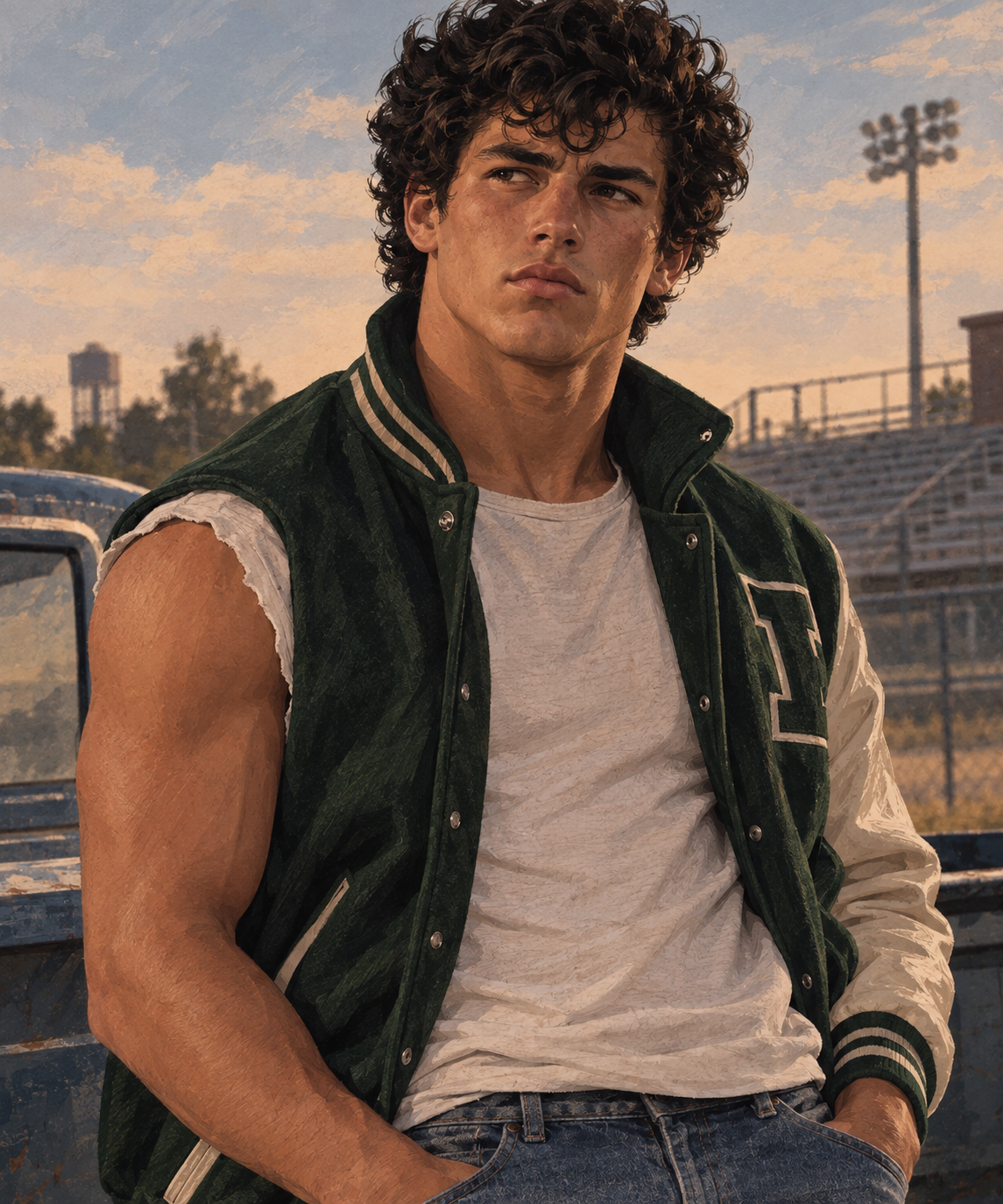
Loses his virginity to Jacy on the senior trip to San Francisco, then gets dumped by her for good. Moves to Midland for oilfield work, smashes a beer bottle into Sonny's face in a jealous rage over Jacy, then enlists in the Army. Spends a final night with Sonny drinking and visiting a bordello in Fort Worth before shipping off to Korea.

Attends nude swimming parties in Wichita Falls, loses her virginity to Duane on the class trip then dumps him coldly. Gets seduced and then ignored by Abilene on a poolhall snooker table. Steals Sonny from Ruth out of boredom, elopes with him, gets caught and annulled by her father, and leaves Thalia for college in Dallas.

Undergoes breast tumor surgery while her husband shows no concern. Begins a secret affair with Sonny on a blue quilt on her bedroom floor, confronts her husband over his hypocrisy, and is devastated when Sonny leaves her for Jacy. When Sonny returns after Billy's death, she rages at him but ultimately forgives him.

Lost all three sons to tragic deaths and his wife to insanity. Recalls a wild romantic memory of swimming naked with Lois Farrow years earlier. Banishes then forgives Sonny after the stockpens incident with Billy. Suffers a stroke on a snooker table and dies, leaving the poolhall to Sonny and Billy, the café to Genevieve, and the picture show to the Moseys.

Once had a wild romance with Sam the Lion; weeps at his grave. Advises Jacy to sleep with Duane to demystify men. After Jacy's elopement is broken up, drives Sonny home, takes him to a motel, and sleeps with him on his wedding night.
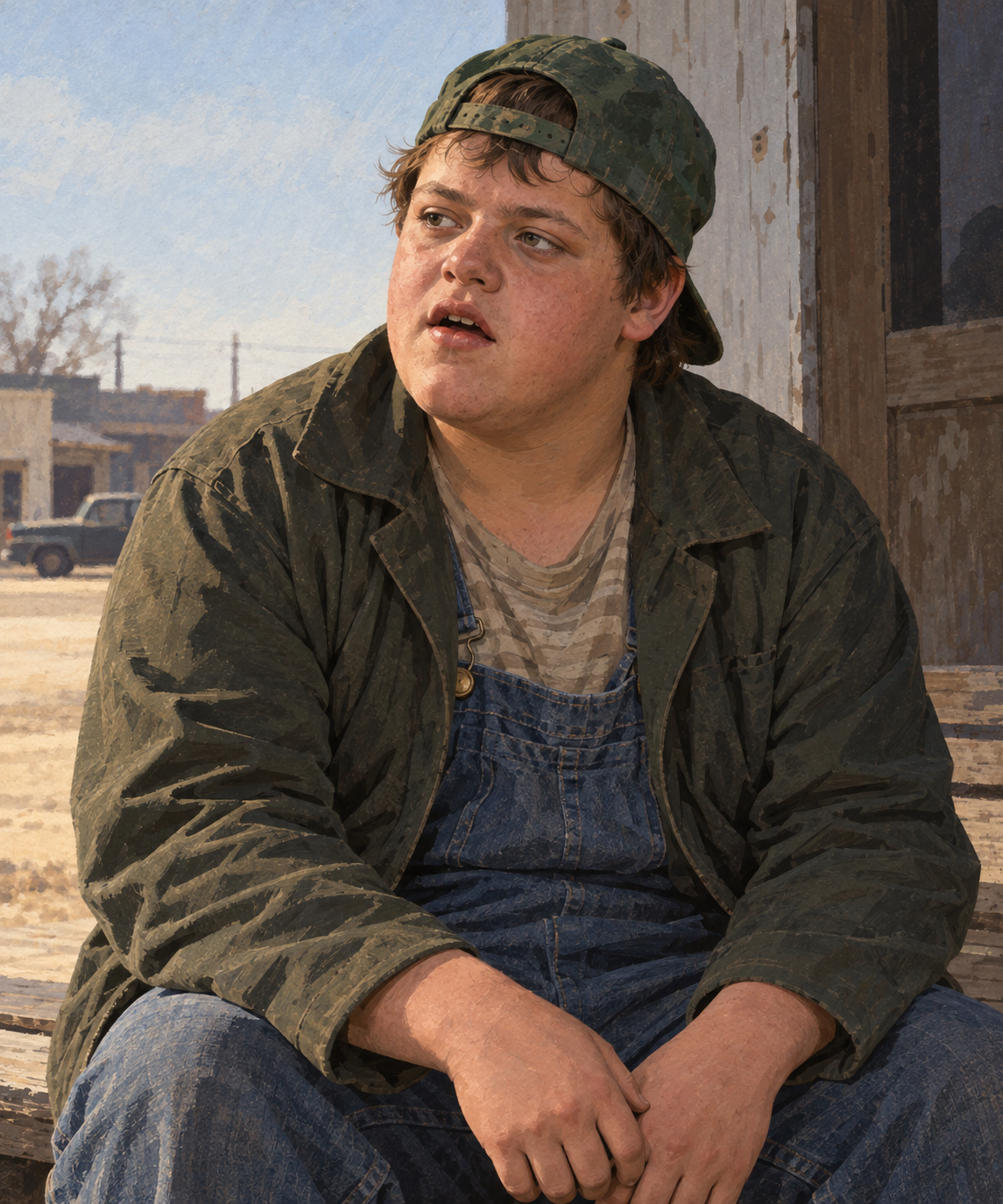
Born in a movie theater balcony to a deaf-mute mother, then abandoned. Forced by boys into a disturbing encounter with a prostitute at the stockpens. Becomes disoriented after the picture show closes, and is struck and killed by a cattle truck while sweeping the highway wearing Sonny's eye patches. Sonny lays his body in front of the closed theater.
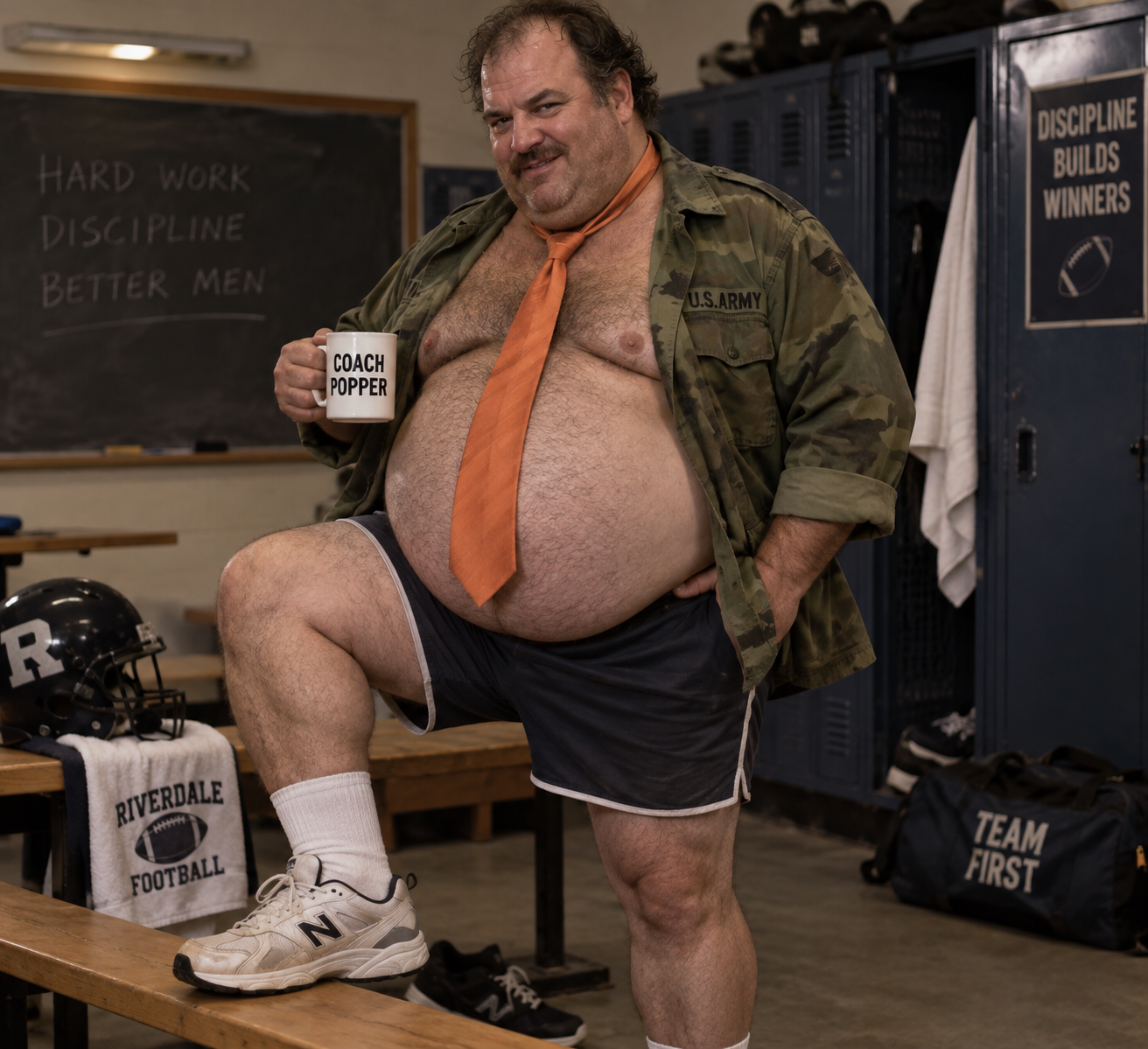
Shows total apathy toward Ruth's surgery. Destroys English teacher John Cecil's career with homophobic rumors. Gets banished to the couch after Ruth confronts him, but wins the football championship, gets a new truck from the Quarterback Club, and eventually moves back into Ruth's bed.
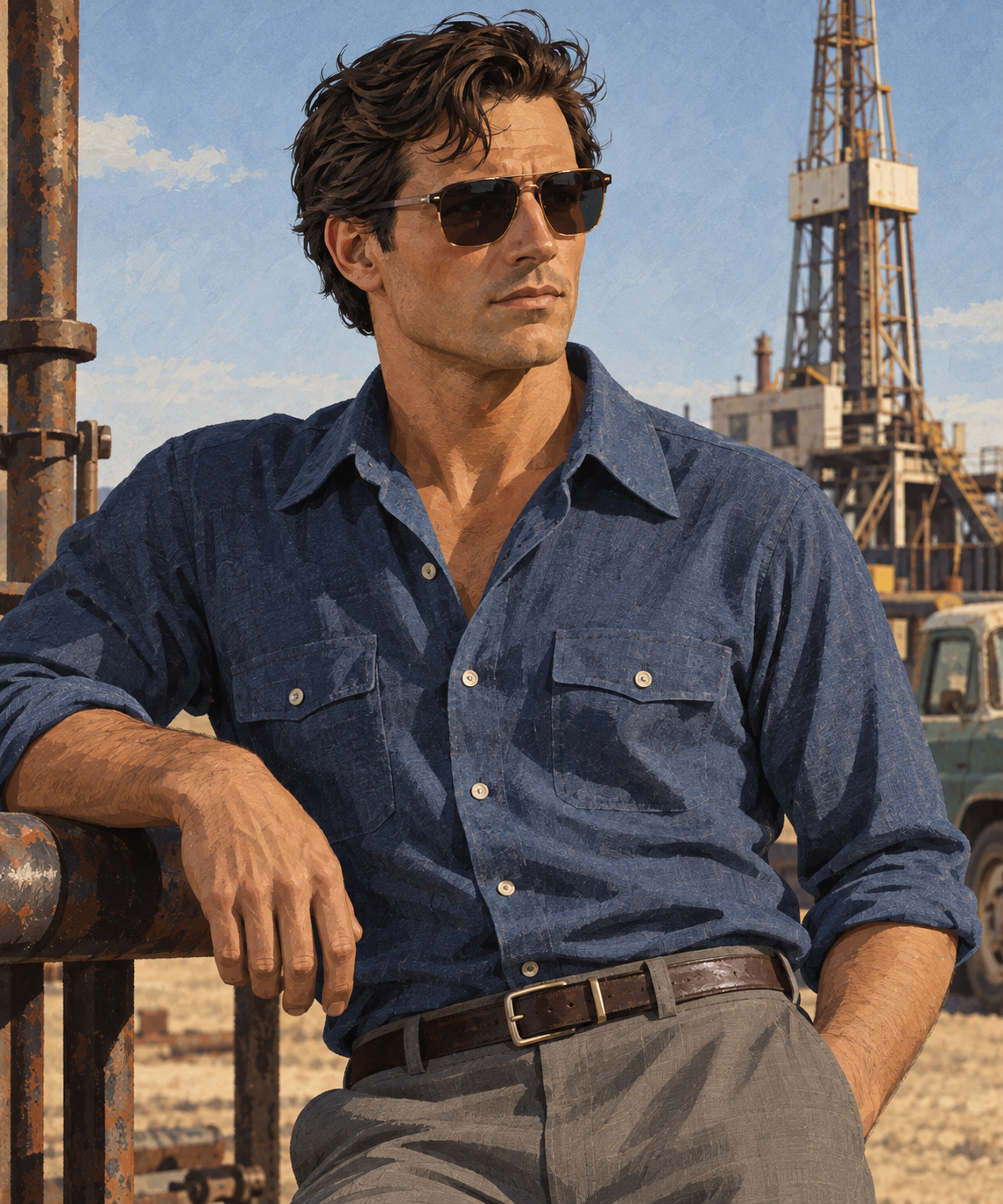
Wins hundreds of dollars hustling pool and betting against Thalia sports teams. Carries on an ongoing affair with Lois Farrow. Seduces Jacy on a poolhall snooker table at night, then coldly ignores her afterward.
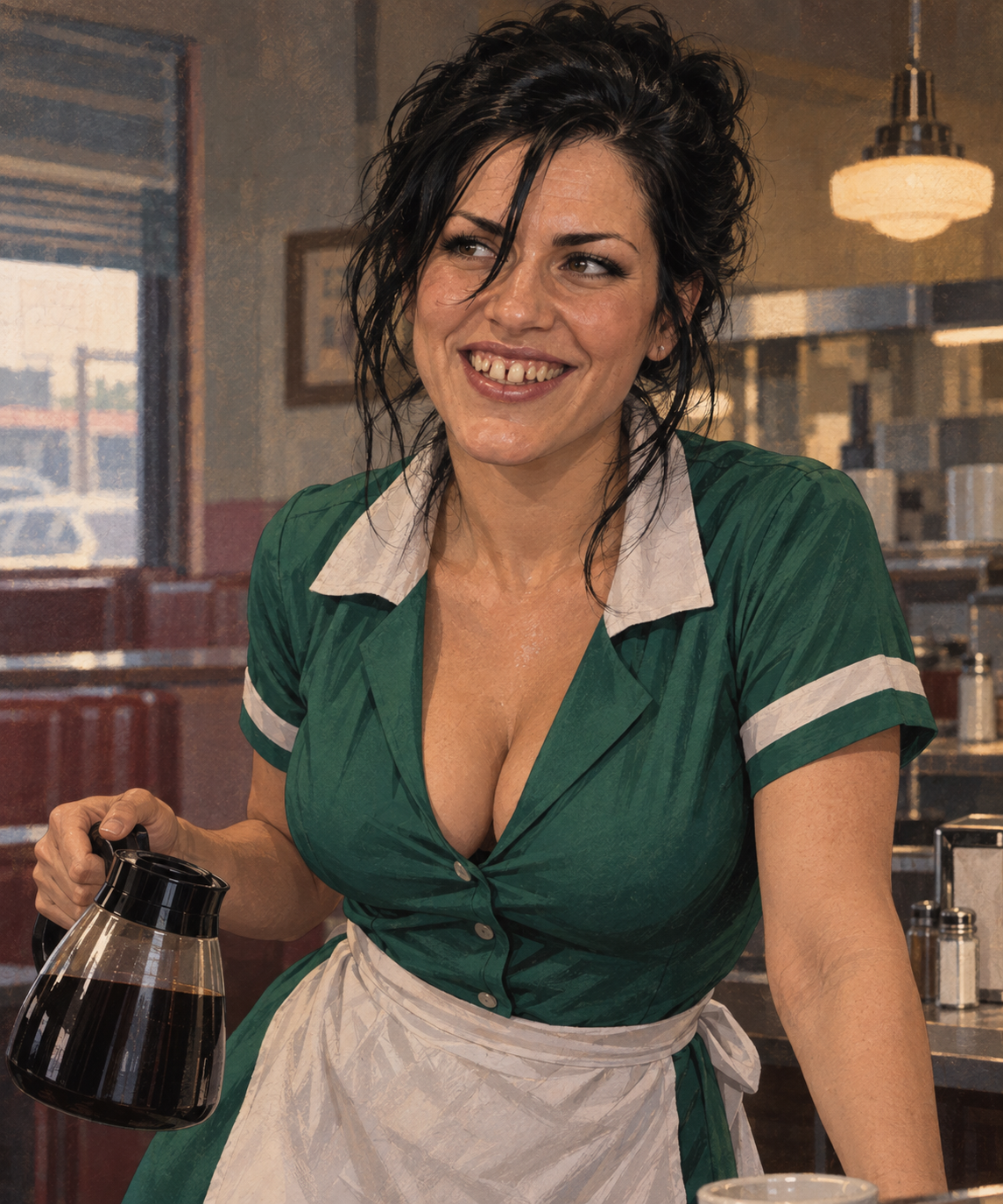
Works overnight shifts to pay off her injured husband's medical bills. Inherits the café in Sam the Lion's will. Persuades Sam to forgive Sonny after the stockpens incident and lends the boys money for their Mexico trip.
🔷 Supporting Characters

Works constantly to satisfy Lois's spending. Intercepts Jacy and Sonny's elopement in Oklahoma, fires Sonny on the spot, and drags Jacy home to have the marriage annulled.
Breaks up with Sonny over physical boundaries and demands her photos back, then falsely tells her sister he forced himself on her. Sends daily postcards to an airman boyfriend during the senior trip.
Believes Charlene got pregnant by Sonny and secretly hopes to inherit her sister's Van Johnson dresser portrait once Charlene is sent away in disgrace.
Remains stuck working on pickups and tractors, getting drunk every Saturday night.
Secretly spends money meant for her daughters' school lunches on toilet water perfume.
Lost his wife and health in a cattle truck collision; lives on prescription painkillers. Supports Sonny after his eye injury and handles Billy's funeral arrangements.
Continues running her rooming house, shuffling around in her dead husband's shoes to enforce fire rules.
Gets his nose broken by Agnes Bean. Instigates the cruel stockpens incident with Billy and is banned from Sam the Lion's establishments.
Berates the cook daily, then gives birth to twin girls, gains weight, and starts wearing purple lipstick.
Trades extra toast for rides to the liquor store, then dies of pneumonia after falling asleep drunk in a ditch.
Inherits the picture show with her nephew but is forced to permanently close it due to falling business and television.
Co-inherits the picture show but can't keep it profitable, leading to its closure.
Sparks false homophobic rumors after driving a student to tutoring, gets fired without evidence, is deserted by his wife, and is forced to leave town for good.
Screams at and abandons John Cecil for Odessa with their daughters the morning after he's fired.
Bribes a 5-year-old girl to take off her panties, gets arrested for suspected molestation (medical exams show no assault), and is publicly denounced by his own father, who prays he goes to prison.
Convinces Joe Bob that masturbation causes insanity, then publicly gives him up to the law at a revival, praying he goes to prison.
Cold-cocks Leroy Malone with her shoe after he repeatedly pops her bra strap, breaking his nose.
Spend lunch hours masturbating in the boys' restroom for an audience of younger students.
Unwittingly receives a midnight kiss from Coach Popper in Fort Worth, and his tutoring sessions with Mr. Cecil trigger Cecil's firing. Leads the football team to a championship.
Regularly loses money to Abilene at pool, escorts Jacy to nude swimming parties, gets beaten up by Duane, and lies about being jumped, provoking a retaliatory attack on Duane and Sonny. Dates Jacy briefly later that summer.
Drives Sonny and Duane to Fort Worth, wins a coin flip for a prostitute, and helps run the chains at the championship football game.
Gets knocked unconscious by a full-court shot thrown by Sonny and has to be dragged off the floor.
Lets Sonny kiss her on a bus ride but keeps her teeth clenched the whole time.
Loses interest in Jacy once he learns she's a virgin, later seduces her, then abruptly elopes with Annie-Annie, crushing Jacy.
Swims naked at Bobby Sheen's parties and elopes with him in Oklahoma, ruining Jacy's summer plans.
Swims under the diving board with goggles to peek at the girls, ending up with Jacy's panties dropped on his mask.
Gets furious when Lois Farrow publicly kisses Abilene at the Christmas dance, then is insulted by Lois and walked off by Abilene.
Hired for $1.50 to take Billy's virginity, then bloodies his nose fighting him off after he pokes her stomach.
Takes $25 from Sonny for an all-night session, then watches in amazement as he falls asleep on her cot without touching her.
Drives to Thalia and easily beats up Duane in a fight over Jacy.
Severely beats up Sonny outside the rooming house.
Sleeps through winter nights in his Nash, and informs Sonny and Duane of Sam the Lion's stroke and death.
Fakes an excuse about Jacy having menstrual cramps so Jacy and Duane can be alone in a motel room in San Francisco.
Harbors secret guilt over a childhood encounter with a male cousin, and swiftly fires John Cecil without evidence once rumors surface.
Molly takes a sucker from Joe Bob to remove her panties; Mrs. Clarg demands his arrest, though medical exams prove Molly was uninjured.
Suffers a severe rig injury that leaves him unable to work for over a year and racks up $4,000 in medical bills, then slowly recovers and returns to pumping leases.
Accidentally strikes and kills Billy on the highway, then chats casually with the sheriff, dismissing Billy as a "simpleminded kid."
Sings for Duane on his last night before he ships off to Korea.
Services Sonny for ten dollars in a clean hotel room.
Wilbur installs an orange light in the bus after Jessie finds condoms on the floor and worries a girl got pregnant.
Falls asleep pulling out of Vernon, allowing students to make out in the back of the bus.
🕳️ Potential Plot Holes
Early in the novel, Sonny and Duane jointly own their 1941 Chevrolet pickup and have to coordinate who gets to use it. After Duane leaves town, Sonny effectively assumes possession of the truck, while Duane later acquires a Mercury. The novel never explains whether Duane sold or gave his share of the Chevrolet to Sonny or simply stopped caring about it. This is a minor continuity gap rather than a major plot hole.
📚 Book Club Q&A's
⭐ Final Rating & Thoughts
What surprised me most about The Last Picture Show is how modern it feels for a novel published in 1966. McMurtry is remarkably frank about sex, prostitution, homophobia, infidelity, and the uglier sides of small-town life. I went in expecting a fairly traditional coming-of-age story and got something much darker, messier, and honestly pretty filthy for its time.
I loved McMurtry's writing and the bleak atmosphere he creates around Thalia. Sonny's loneliness feels almost inseparable from the town itself, and characters like Sam the Lion and Ruth gave the story an emotional depth I wasn't expecting. There are some genuinely heartbreaking moments here, particularly as the people and places that once gave Sonny's life structure begin disappearing. The problem was, there were lots of times I felt like I was watching a trainwreck - it wasn't pleasant, even though I couldn't look away.
Still, this was an excellent, surprisingly bold novel. I loved the story, admired the writing, and definitely want to read more McMurtry.
✨ Adaptation description
Production overview
Larry McMurtry’s 1966 novel The Last Picture Show was adapted into the 1971 film of the same name, directed by Peter Bogdanovich and produced by BBS Productions, with Columbia Pictures distributing. McMurtry and Bogdanovich co-wrote the screenplay. The film stars Timothy Bottoms as Sonny, Jeff Bridges as Duane, Cybill Shepherd as Jacy, Ben Johnson as Sam the Lion, Cloris Leachman as Ruth Popper, and Ellen Burstyn as Lois Farrow. It received eight Academy Award nominations, with Johnson and Leachman winning supporting-acting Oscars. (AFI Catalog)
Key differences
Tone changes
The biggest tonal difference is: the novel is considerably cruder and more sexually explicit, while the film concentrates more heavily on loneliness, nostalgia, emotional disappointment, and the dying town. Contemporary and later criticism has specifically noted that removing material such as Sonny’s sexual encounter with Lois and the novel’s bestiality episode contributes to the film’s more romanticized treatment of McMurtry’s world. (The Criterion Collection)
Structural changes
The movie substitutions are:
Novel: Storm Warning → Film: Father of the Bride
Novel’s final picture: The Kid from Texas → Film: Red River (AFI Catalog)
Red River really changes the resonance of the closing theater sequence. McMurtry deliberately has the boys watching a fairly undistinguished Audie Murphy Western; Bogdanovich replaces it with a major Howard Hawks Western whose heroic mythology contrasts much more dramatically with the diminished world Sonny and Duane inhabit. (The New Yorker)
The film also adds the high-school graduation sequence. (AFI Catalog)
Character changes
Coach Popper is one of the most important omissions. The novel goes much further into his sexuality, his behavior toward male students, his unhappy marriage to Ruth, and his persecution of Mr. Cecil. The film greatly reduces this material, leaving Ruth’s marital misery less explicitly explained. Popper’s homosexuality is deemphasized and his persecution of Cecil is eliminated. (AFI Catalog)
Lois Farrow also has a significant change. In the novel, after Sonny and Jacy’s marriage collapses, Lois takes Sonny to a motel and sleeps with him. The movie eliminates the encounter entirely. Instead, Lois and Sonny’s relationship remains emotional, particularly through her revelation that Sam was the great love of her life. (The Criterion Collection)
What the adaptation emphasizes
The film puts even greater emphasis on the town itself as an image of disappearance. The black-and-white photography, empty streets, wind, old buildings, radio music, and closing movie theater make Anarene’s decline something the audience constantly sees and hears.
It also makes classic Hollywood cinema part of its thematic language. Father of the Bride offers an idealized version of romance and marriage while Sonny’s relationship with Charlene is dying; Red River offers heroic Western masculinity while Sonny and Duane face decidedly unheroic and uncertain futures. (Movies in Other Movies)
What it softens or removes
The movie removes or substantially reduces:
- The boys’ bestiality episode. The film retains a verbal reference to bestiality but does not dramatize the novel’s extended episode. (The Criterion Collection)
- Sonny having sex with Lois, which disappears completely. (The Criterion Collection)
- Much of Coach Popper’s sexual behavior and the Mr. Cecil subplot. (AFI Catalog)
- A considerable amount of the novel’s explicit sexual detail. The film is sexually frank for 1971, but McMurtry’s novel is substantially more graphic.
- Many peripheral incidents and digressions involving Thalia’s townspeople, giving the film a tighter focus on Sonny, Duane, Jacy, Ruth, Lois, and Sam.
What it expands
Bogdanovich’s choice of Father of the Bride and especially Red River creates deliberate cinematic commentary that isn’t functioning in quite the same way in McMurtry’s novel. The Royal isn’t merely a dying local business; it becomes a place where an older, idealized America survives on the screen while the real town outside it is falling apart. (The New Yorker)
And the film’s visual treatment of Anarene naturally expands something prose handles differently: empty streets, blowing dust, storefronts, telephone poles, and the theater become recurring visual motifs for isolation and decline.
Book: Thalia, Texas
Movie: Anarene, Texas
The movie was actually filmed primarily in Archer City, Texas, McMurtry’s hometown and the real-life inspiration for Thalia.
✨ Books Like The Last Picture Show (1966)
See an error on this page?