

It Could Have Been Her (2026)
Select Sections to Print
×Book Details
It Could Have Been Her (2026)
Jump to Section
⚠️ Trigger Warnings
- Kidnapping and captivity
- False imprisonment and physical restraints
- Murder and serial killings
- Dismemberment and hidden human remains
- Graphic violence and mutilation
- Stabbing
- Strangulation
- Suicide and self-harm
- Rape and sexual assault
- Forced sex work / sexual exploitation
- Sexual harassment
- Stalking
- Indecent exposure
- Alcoholism and blackout drinking
- Drug addiction and overdose
- Child neglect and emotional abuse
- Infant abduction
- Identity deception
- Disturbing clown imagery
- Animal death
⏱️ 2-Minute Spoiler Summary
Jane Trevally, a wealthy, twice-divorced fifty-five-year-old living alone on a crumbling Dorset estate, finds a lost West Highland terrier named Hugo in her woods. His microchip leads her to Thornwood, an isolated cottage in Hampstead belonging to the deeply troubled Black family. The house immediately terrifies Jane because she realizes she has been there before: in 2000, a charming stranger lured her there with the promise of an au pair job and apparently tried to drug her. Jane escaped only because a scream from upstairs startled her before she drank the martini he had prepared.
Jane soon learns that Hugo actually belonged to Daisy Black, a young woman using the false name Rose White who recently disappeared from an Airbnb near Jane’s home. Curious about Daisy’s connection to Thornwood, Jane begins investigating with help from her twenty-three-year-old former stepson, Dexter Lombardi. They discover that Thornwood once belonged to Allen and Annie Black, whose children, Jessamine and Jasper, grew up there. Over the years, numerous young women passed through the house as supposed au pairs, while Jasper eventually ran away and became a circus clown called Patch.
The truth is horrifying. Allen was a sexual predator who brought women to Thornwood and imprisoned them in secret underground rooms, restraining them with metal shackles. In 2005, he abducted twenty-one-year-old Claire Connolly, who eventually gave birth to Daisy while being held captive. Allen’s jealous wife, Annie, murdered Allen, while their daughter Jessamine killed Claire. The women concealed both bodies beneath Thornwood and raised Daisy as Jessamine’s daughter.
Years later, Stuart Tucker, Jessamine’s boyfriend and eventually Daisy’s caregiver, moved into Thornwood and discovered disturbing photographs suggesting what had happened there. By then Jessamine was a severe alcoholic, and the family continued hiding its secrets.
Daisy finally learned the truth in 2020 after cold-case detective DI Yasmin Brooks showed her a photograph of Claire. Realizing Claire was her biological mother, Daisy eventually tracked down her uncle Jasper at Martello’s Circus in Dorset. When she confronted him, Jasper tried to strangle her and fled. Daisy then returned to Thornwood and confronted Annie, accidentally killing her by pushing her down the stairs. Stuart helped Daisy hide Annie’s body in an outhouse.
Jane eventually finds Daisy hiding at Thornwood and learns the whole story. When Jessamine discovers Annie is dead, she tells them to call the police and offers to take responsibility. Police uncover Thornwood’s secret underground warren and find the remains of Allen and seven murdered women, including Claire. Jessamine falsely confesses to pushing Annie down the stairs to protect Daisy.
Six months later, Jasper’s body is found in the Dorset woods; he died by suicide shortly after attacking Daisy. Daisy takes her biological mother’s surname and becomes Daisy Connolly, while Stuart is cleared of wrongdoing and leaves Thornwood with Hugo. Jessamine enters addiction treatment while awaiting trial for Annie’s death. Having discovered that she rather enjoys investigating mysteries, Jane sells her Dorset estate and plans to move to London and open a private detective agency with Dexter called Trevally and Son—or Trevally and Stepson.
📖 Full Spoiler Summary
Jane Finds a Lost Dog—and Returns to Thornwood
In May 2026, fifty-five-year-old Jane Trevally lives alone at Rosebery Hall, the crumbling ten-bedroom Georgian estate in Dorset she inherited from her alcoholic parents. Her brother died from a drug-induced stroke, both of her marriages have ended, and these days Jane’s closest companions are her four enormous dogs: Brian, Bluto, Reggie, and Beamish.
While walking them through her bluebell woods, Jane finds a friendly white West Highland terrier wandering alone. Her local vet, Hester, scans his microchip and discovers that his name is Hugo and that he is registered to a Mr. Tucker in Belsize Park, London.
Jane decides to return Hugo herself. In London, she recruits her favorite former stepchild, twenty-three-year-old Dexter Lombardi, whose father, Tony Lombardi, is Jane’s wealthy American second ex-husband. Together they drive to Thornwood, an isolated, dilapidated cottage in Hampstead’s Vale of Health.
The moment Jane sees it, she realizes she has been there before.
Twenty-six years earlier, after leaving her aristocratic first husband, Jane met a tall, charming stranger in a Soho bar whom she privately nicknamed “Cecil.” He invited her to Thornwood for what appeared to be an au pair or housekeeper interview. Once there, Jane became increasingly uneasy around the man’s wary wife. Cecil prepared her a martini, but before Jane could drink it, a scream and thud came from upstairs. Startled, she spilled the drink and fled, convinced she had narrowly escaped being drugged.
Now Jane notices that the same rusting military jeep she remembers from 2000 is still outside Thornwood.
A scruffy man in his fifties named Stuart Tucker answers the door and says Hugo escaped several days earlier. Jane also glimpses a sad-looking middle-aged woman inside, but she leaves without knowing exactly what she has stumbled back into.
Then Hester calls with an unsettling piece of information. A neighbor of Jane’s in Dorset, Helen Yaxley, recently rented her farm annex to a young woman calling herself Rose White. Rose abruptly disappeared, leaving behind her luggage, underwear, a full mug of tea—and her dog.
That dog was Hugo.
Jane Starts Digging Into Thornwood
Encouraged by Tony, Jane decides to investigate Rose’s disappearance herself. She stays at Tony’s empty Seven Dials town house in London while her usual dog-sitter, Shannon, looks after her animals in Dorset.
At Helen’s annex, Jane examines Rose’s abandoned belongings and finds nothing that explains why she vanished. An elderly neighbor, Bill Newsome, remembers seeing a scruffy, anxious blond woman walking a Westie near the brook. Searching nearby footpaths, Jane discovers a discarded Waterside Academy hoodie marked with the initials “DB.”
Her attention shifts increasingly toward Thornwood.
Property records show that the house belonged to Allen and Annie Black, while other searches connect it to their children, Jessamine Black and Jasper Black. Jane discovers that Jessamine once acted in a low-budget 2006 movie called The Bedsitter. Coincidentally, its costume designer was Natasha de Large, a dog trainer Jane had previously hired.
Natasha remembers Jessamine as striking but highly strung, needy, and desperate to get married. Another former colleague, actor-turned-cheesemaker Oliver Bloom, reveals that he had a brief affair with Jessamine. After he ended it, she stalked him. He also remembers strange scars on her body and says she claimed she was infertile.
Jane and Dexter begin talking to Thornwood’s neighbors. George, the son of a neighbor named Spencer, recognizes the initials on the hoodie because he attended primary school with Daisy Black. Daisy, he explains, lived at Thornwood with her mother Jessamine and her caregiver Stuart Tucker. He also remembers police visiting during the 2020 lockdown.
Another longtime neighbor reveals that Thornwood seemed to have an endless procession of young au pairs who disappeared almost as quickly as they arrived. She also mentions the strange Black family rumor that Jessamine’s brother Jasper had “run away with the circus.”
With help from retired Metropolitan Police security consultant Tobias Wilson, Jane uncovers something even more disturbing. Allen Black vanished years earlier without any official record of his death. Police had also investigated Thornwood in connection with the temporary disappearance of a sex worker named Destiny Trent.
Most importantly, in 2020 cold-case detective DI Yasmin Brooks reopened the 2005 disappearance of twenty-one-year-old Claire Connolly, who had vanished from Hampstead Heath. When Brooks saw Daisy in Thornwood’s garden, she was stunned by how much the girl resembled Claire. She later found a bag containing Claire’s guitar strings and plectrum hidden behind Thornwood’s fence. Unfortunately, Brooks died of ovarian cancer before she could finish the investigation.
The Horrific History Beneath Thornwood
The truth stretches back decades.
Allen Black married Annie, whose mother, Vivienne Rich, owned Thornwood. Their children, Jessamine and Jasper, grew up in an increasingly disturbing household. After Vivienne died in 2000, Allen began insisting that the family hire young women as “au pairs.”
The first was Sandra, a former sex worker who used the professional name Tulip. She did not last long. Another, Naomi, was a Brazilian woman from São Paulo who had been doing sex work in Paddington. Naomi challenged Allen’s demands and disappeared within a month.
The au pair arrangement was actually part of something far darker. Allen regularly brought vulnerable women to Thornwood and imprisoned them in secret subterranean rooms accessible through a trapdoor in his study. Some were restrained with metal shackles.
In June 2005, Claire Connolly encountered Allen after rescuing his gray cat near Thornwood’s fence. Allen invited her inside for strawberry cheesecake. Claire was drugged and imprisoned beneath the house.
She remained there long enough to give birth to a daughter: Daisy.
Allen became infatuated with Claire, provoking Annie’s jealousy. Eventually Annie attacked her husband with a paring knife, stabbing him fatally in the throat and eyes. But Claire did not escape. Jessamine, jealous of her as well, murdered her.
Annie and Jessamine hid Allen and Claire’s bodies beneath the floorboards in the underground warren. Jessamine then took Claire’s newborn baby and raised Daisy as her own daughter, inventing a fictional father to explain her existence.
Jasper had grown up surrounded by the family’s violence and abuse. Deeply traumatized, he eventually fled Thornwood and joined Martello’s Circus, where he reinvented himself as a clown named Patch. He later underwent EMDR therapy with Dr. Anthony Twist, describing his childhood home as a “hellhole.”
Stuart Becomes Trapped in the Black Family
By adulthood, Jessamine had become a severe alcoholic. She also had an affair with an older married businessman named Harvey Moor, whom she claimed was Daisy’s father. DNA testing eventually proved that Harvey could not have been Daisy’s biological father.
In 2016, Jessamine met Stuart Tucker, a former millionaire whose life had fallen apart. He moved into Thornwood and gradually became Daisy’s primary caregiver as Jessamine’s alcoholism worsened.
His relationship with Jessamine became violent. During a drunken fight in 2017, she cut off part of his left ear with a knife and imprisoned him in the old au pair room for four days.
Stuart eventually discovered photographic negatives showing a young captive woman wearing metal leg restraints, with Jasper also appearing in the images. By then, he understood that Thornwood contained secrets far worse than anything Jessamine had admitted.
Daisy Discovers Who Her Mother Really Was
Jane’s investigation eventually leads her to Martello’s Circus in Dorset, where she learns that Jasper disappeared about a week earlier. Searching his yellow caravan, she finds a grotesque clown mask, a photograph of Jasper as Patch, and part of a letter connecting him to Dr. Anthony Twist.
After tracking down people from Jasper’s past and even visiting Dr. Twist while pretending to seek EMDR therapy herself, Jane becomes increasingly certain that Jasper witnessed something terrible at Thornwood.
She and Dexter finally confront Stuart in a Hampstead pub. Overwhelmed by everything he has been hiding, Stuart agrees to tell Jane the truth and brings her back to Thornwood.
There Jane finally meets Daisy Black.
Daisy is the missing “Rose White.”
During the 2020 lockdown, DI Yasmin Brooks showed Daisy a photograph of Claire Connolly. Daisy immediately recognized the resemblance between them and realized that the missing woman was almost certainly her biological mother.
In May 2026, Daisy tracked Jasper to Martello’s Circus in Dorset and confronted him in the woods about Claire. Jasper panicked and tried to strangle her before fleeing.
Daisy then returned to Thornwood and confronted Annie. Their argument became physical, and Daisy pushed Annie down the stairs. Annie broke her neck and died.
Terrified of what would happen to Daisy, Stuart helped hide Annie’s body inside the metal outhouse on the property—the same building where Jane had already discovered a vinyl chair and metal rings screwed into the walls.
The Secrets Under Thornwood Are Finally Exposed
Jane, Stuart, and Daisy go upstairs to tell Jessamine that Annie is dead. Rather than continuing the cover-up, Jessamine tells them to call the police. She is willing to take responsibility herself.
When investigators arrive, Thornwood finally gives up the secret it has hidden for decades. Beneath a kilim rug in the study, police discover the trapdoor leading into Allen’s subterranean prison.
Inside are human remains.
Allen Black’s body is there, along with the remains of seven murdered women: Naomi de Santo, Jody Pinkerton, Susana Perez, Elena Iannou, Jade Paris-Smith, Charaya Kim, and Claire Connolly.
Jessamine confesses to the family’s crimes and claims that she—not Daisy—pushed Annie down the stairs. By taking responsibility for Annie’s death, she protects the young woman she raised as her daughter, despite the terrible truth of how Daisy came into her life.
Daisy Reclaims Her Identity and Jane Finds a New Purpose
Six months later, a BBC news report announces that thirty-seven-year-old Jasper Black has been found dead in the woods near Little Belmont in Dorset. He died by suicide shortly after his attack on Daisy.
Daisy legally changes her surname to Connolly, reclaiming the name of the biological mother who was stolen from her before she ever had the chance to know her. She moves in with Spencer and George in the Vale of Health.
Jessamine enters an addiction rehabilitation center in Surrey while awaiting trial for manslaughter in Annie’s death. Stuart is cleared of wrongdoing and finally leaves Thornwood, taking Hugo with him. He also begins rebuilding his own damaged family relationships, reconnecting with his daughter, Blaise Drummond, and his brother for Christmas.
Jane’s life changes too. After years alone at Rosebery Hall, she decides she is ready to leave it behind and sell the estate through Chloe Flint, the glamorous estate agent whose valuation visit began the story.
She plans to buy a smaller London home near the Northern Line. More importantly, solving the mystery of Thornwood has given Jane an unexpected idea for what comes next.
She and Dexter are going into business as private investigators.
The only remaining question is what to call their new agency: Trevally and Son—or, more accurately, Trevally and Stepson.
🔚 Ending Explained
How the Book Ends
The Climax at Thornwood
The climax begins when Jane Trevally receives an urgent message from Stuart Tucker asking her to come to Thornwood so they can talk before involving the police. Jane goes prepared for trouble: she hides a chef’s knife in her bag and a paring knife in her sock, tells her stepson Dexter where she is going, and alerts her neighbor Spencer.
At Thornwood, Stuart introduces Jane to Daisy Black, newly returned from Dorset with bleached hair. Daisy finally explains what she has discovered about her family and her own identity.
During the 2020 lockdown, DI Yasmin Brooks had shown Daisy a photograph of missing music graduate Claire Connolly. Daisy immediately recognized herself in Claire’s features and realized that Claire was almost certainly her biological mother.
Determined to learn the truth, Daisy tracked down her uncle Jasper Black, who was working at Martello’s Circus in Dorset as Patch the Clown. When Daisy confronted him in the woods, Jasper panicked. He admitted that something terrible had happened to Claire but, rather than explain further, attacked Daisy and attempted to strangle her before fleeing.
Daisy returned to Thornwood and confronted her grandmother, Annie Black. The argument became violent when Annie moved to slap Daisy. Daisy pushed her away, sending Annie tumbling down the stairs and breaking her neck. Panicking, Daisy and Stuart concealed Annie’s body inside the locked metal outhouse.
Jane insists that they can no longer keep any of this secret. They wake Jessamine Black from her drunken stupor and tell her that Annie is dead. Instead of collapsing, Jessamine seems almost revived by the news. She tells them to call the police and announces that she will claim responsibility for pushing Annie down the stairs, protecting Daisy from the consequences.
The Horrors Beneath Thornwood
When the police arrive, Jessamine tells them that Thornwood is a “house of horrors.” Investigators search Annie’s study and lift an antique Turkish kilim rug, revealing a trapdoor leading into a hidden subterranean warren beneath the house.
What they find below exposes the true scale of the Black family’s crimes.
Among the remains is Allen Black, still dressed in his bloodstained clothing after being stabbed in the throat and eyes approximately twenty years earlier. Investigators also discover the bodies of seven murdered women: Naomi de Santo, Jody Pinkerton, Susana Perez, Elena Iannou, Jade Paris-Smith, Charaya Kim, and Claire Connolly.
Jessamine explains that Allen had brought women home under the guise of employing “au pairs,” when in reality he imprisoned them underground in leg restraints and sexually exploited them. Claire was one of his captives—and she gave birth to Daisy while trapped at Thornwood.
According to the story Jessamine tells the police, Annie eventually killed Allen out of jealousy over his attachment to Claire. Annie then murdered Claire as well and gave Claire’s newborn daughter to Jessamine to raise as Daisy Black.
For the first time, the secrets literally buried beneath Thornwood are dragged into the light.
Six Months Later
The epilogue reveals what becomes of the surviving characters.
A BBC breaking-news report announces that Jasper Black, thirty-seven, has been found dead in the woods near Little Belmont in Dorset. He died by suicide shortly after his attack on Daisy.
Daisy formally changes her surname by deed poll from Black to Connolly, taking the name of the mother she never had the chance to know. She moves in with Spencer and his son George in the Vale of Health, beginning a life outside Thornwood and outside the identity imposed upon her by the Black family.
Jessamine enters an addiction rehabilitation center in Surrey and awaits trial for Annie’s death, having claimed responsibility for pushing her down the stairs.
Stuart is cleared of criminal involvement. His long vigil at Thornwood finally over, he leaves the house with Hugo and reconnects with the family he abandoned years earlier. After a decade of isolation, he spends Christmas with his daughter Blaise Drummond and his brother.
Jane undergoes an equally important transformation. She sells Rosebery Hall, the decaying estate that has kept her emotionally tied to her parents and her childhood, for somewhere between £1.5 million and £2 million. She plans to move into a smaller London home near the Northern Line with her four dogs.
More importantly, Jane finally gives purpose to the curiosity that has driven the entire novel: she intends to open a private investigation agency with Dexter called Trevally and Son.
The Final Revelation: Eighteen Years Earlier
The novel does not end with Jane, however. Instead, it jumps backward eighteen years to 2008, into the Mayfair office of psychotherapist Dr. Anthony Twist.
During an EMDR session, Jasper is asked to revisit the traumatic events of June 2005. His recovered memory reveals that the version of events Jessamine has just given the police is not the whole truth.
When Jasper entered Thornwood’s underground rooms that night, Allen was already dead.
And Annie had not killed him.
Claire Connolly had.
Claire used a small knife Jasper had secretly given her to stab Allen in the throat, killing the man who had imprisoned and abused her. She had finally fought her way toward freedom.
But Claire never escaped.
After Allen’s death, Jessamine murdered Claire to prevent her from leaving Thornwood with newborn Daisy.
Jasper’s memory therefore delivers the novel’s final and darkest twist: Jessamine was not merely another damaged child trapped inside Allen and Annie’s monstrous household. She became capable of the same violence herself.
The cycle did not end with the previous generation.
It reproduced itself.
What the Ending Means
Thornwood and the Buried Past
The hidden rooms beneath Thornwood provide the novel’s clearest symbol. On the surface, the house belongs to an affluent neighborhood beside Hampstead Heath. Beneath an elegant Turkish rug, however, lies an entire architecture of captivity, murder, and concealed bodies.
The image makes the novel’s central idea literal: respectability exists on the surface while horror survives underneath it.
The trapdoor is therefore more than the entrance to a crime scene. It represents everything the Black family has refused to confront. Their secrets have not disappeared simply because they have been covered over. They have remained beneath their feet, shaping every generation that continued living above them.
The police excavation becomes a kind of forced reckoning. The past cannot finally be healed or escaped until it is physically uncovered.
Two Houses, Two Families
Thornwood and Rosebery Hall mirror one another.
Both are deteriorating family homes inhabited by people unable to separate themselves from the damage of previous generations. Thornwood contains the Black family’s literal buried horrors, while Rosebery Hall represents Jane’s less extreme but still damaging attachment to the neglect and alcoholism of her childhood.
That makes Jane’s decision to sell Rosebery Hall especially important. She does what the Blacks repeatedly failed to do: she stops treating the family home as something that must be preserved simply because it was inherited.
Jane can leave.
And leaving becomes one of the novel’s definitions of survival.
Daisy Connolly and the Reclamation of Identity
Daisy’s name change is one of the ending’s most hopeful acts.
For her entire life, she has carried the surname of the family responsible for her mother’s captivity and death. Becoming Daisy Connolly allows her to reject that imposed identity and deliberately choose where she belongs.
She cannot undo what happened to Claire, but she can refuse to let the Black family determine who she will become.
Her future therefore offers the strongest possibility that the generational cycle might finally be broken.
Jessamine’s Final Contradiction
Jessamine is deliberately left morally complicated.
Her decision to claim responsibility for Annie’s death appears to be an act of maternal sacrifice. Whatever failures defined her relationship with Daisy, she finally chooses to protect the young woman she raised.
But the final flashback radically changes how the reader understands her.
Jessamine is not simply a victim who survived monstrous parents. She also murdered Claire just as Claire was attempting to escape with her baby.
That revelation prevents the ending from offering an easy distinction between victims and perpetrators. Trauma explains how Jessamine was shaped, but it does not erase what she ultimately chose to do.
Her decision to protect Daisy at the end can therefore be read as a belated attempt to do for Daisy what she once refused to do for Claire: allow her to escape.
Jasper and the Clown Mask
Jasper’s Patch the Clown persona reflects his lifelong attempt to hide unbearable memories behind performance.
The clown mask turns his fractured identity into something visible. He can entertain strangers while keeping the horrors of Thornwood compartmentalized behind another face.
But the confrontation with Daisy destroys that separation. She forces Jasper to confront the past he has spent years trying not to remember, and his violent reaction shows that the trauma has never actually been contained.
His eventual suicide gives his story a bleak conclusion: Jasper physically escaped Thornwood, but psychologically he never truly left it.
Hugo as the Accidental Agent of Truth
Hugo plays a surprisingly important symbolic role.
He has no understanding of the secrets connecting these people, yet his wandering brings Jane into contact with Stuart and ultimately draws her toward Thornwood. In a story filled with characters deliberately concealing information, Hugo operates through instinct rather than deception.
His accidental movements help connect two damaged households and begin the chain of events that exposes the truth.
Appropriately, when Stuart finally leaves Thornwood, Hugo leaves with him.
From Claustrophobia to Freedom
Much of the novel is built around confinement: locked rooms, restraints, secret basements, addiction, abusive relationships, decaying houses, and people psychologically trapped by their families.
The ending gradually reverses that pattern.
The trapdoor is opened. The bodies are removed. Daisy leaves Thornwood. Stuart leaves Thornwood. Jane sells Rosebery Hall. Family connections are restored. Hidden identities are reclaimed.
The atmosphere consequently shifts from claustrophobic and paranoid to cathartic and cautiously hopeful.
Not everyone escapes. Jasper cannot, and Jessamine must finally face the consequences of the past. But the younger generation is no longer required to remain imprisoned by what came before.
The Central Theme: What Is Buried Does Not Stay Buried
The ending ultimately ties together the novel’s major themes of generational trauma, identity, domestic secrecy, and the consequences of refusing to confront the past.
Thornwood demonstrates the most extreme version of that idea. Allen’s abuse creates violence in Annie, Jessamine, and Jasper, and those consequences continue into Daisy’s generation. Keeping the crimes secret does not protect the family; it allows the damage to spread.
Jane and Daisy offer the alternative.
Both women finally reject identities built around damaged families. Daisy becomes a Connolly. Jane sells Rosebery Hall and turns her intrusive curiosity—something that might once have seemed like a character flaw—into a profession.
Even Trevally and Son carries that idea forward. Jane is no longer wandering into other people’s mysteries simply because she cannot resist them. She has found a purpose for that instinct and a new relationship with Dexter through which to pursue it.
The final flashback keeps the conclusion from becoming too neat. Just when the secrets appear to have been fully uncovered, the reader learns that even the official explanation is incomplete. Claire killed Allen, and Jessamine killed Claire.
That final reversal reinforces the novel’s darkest point: uncovering the truth is rarely as simple as identifying one monster. Within families built around abuse and secrecy, victims can become perpetrators, lies can survive for decades, and every revelation may conceal another underneath it.
But Daisy and Jane suggest that inheritance does not have to become destiny.
Both finally walk away from the houses that held their histories—and begin choosing what comes next.
👤 Characters & Fates
🔶 Main Characters

Sells Rosebery Hall for roughly £1.5–2 million, plans to move to London, and starts the private detective agency “Trevally and Son” with Dexter.

Is cleared of criminal involvement, leaves Thornwood with Hugo, reconnects with his daughter Blaise, and spends Christmas with his brother’s family.

Confronts Jasper and survives his attempt to strangle her, then confronts Annie and pushes her down the stairs, killing her. Jessamine falsely confesses to protect Daisy; Daisy changes her surname to Connolly and moves in with Spencer and George.

Falsely confesses to pushing Annie down the stairs to protect Daisy, helping expose the remains of Allen and seven murdered women. She ends up in addiction rehab in Surrey awaiting trial for manslaughter.

Claire kills him in 2005 by stabbing him with the knife Jasper secretly gave her. His body is concealed beneath Thornwood until police discover it in 2026.

Daisy pushes her down the stairs during their confrontation, breaking her neck. Her corpse is hidden in the metal outhouse until police discover it, while Jessamine falsely claims responsibility.
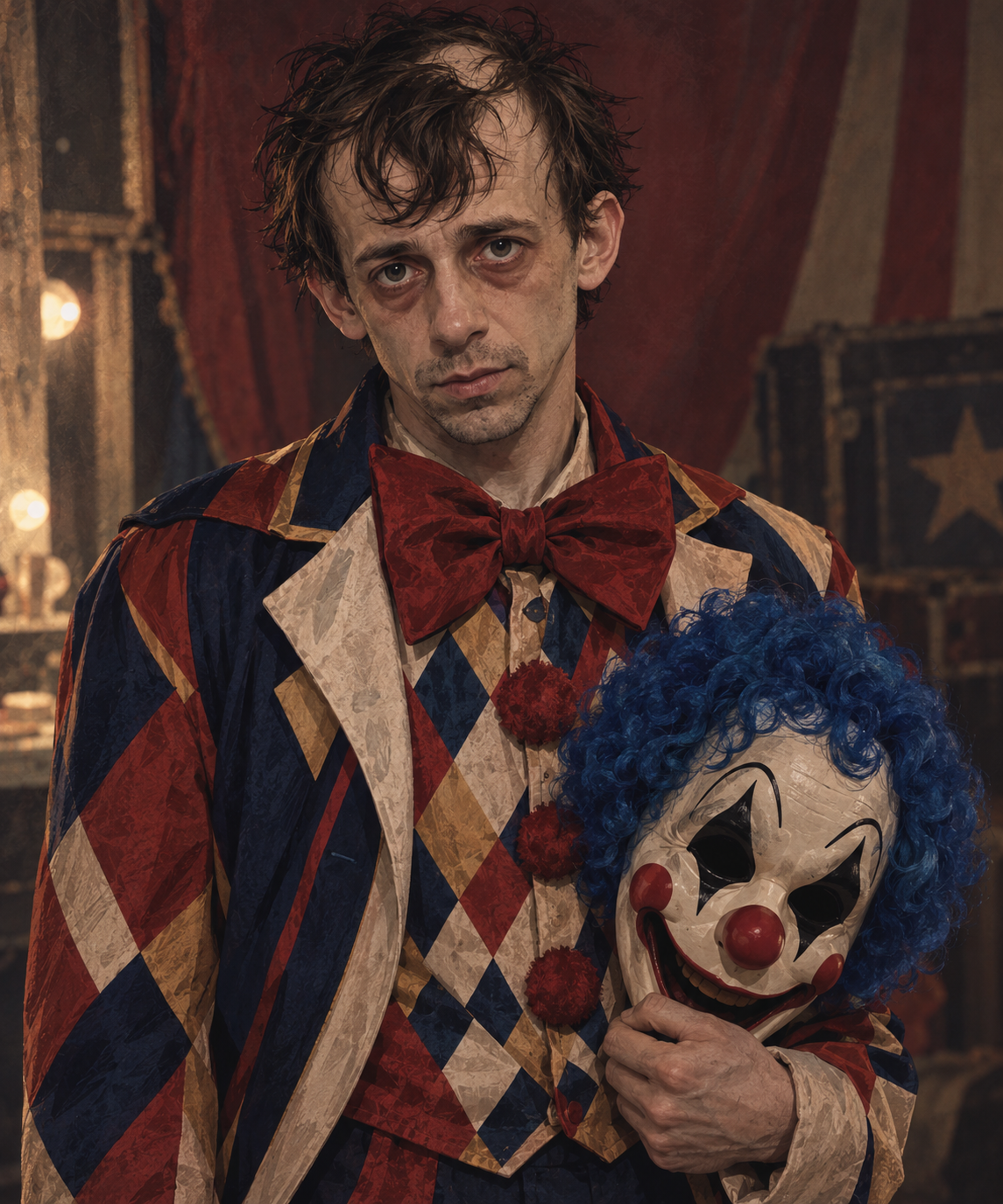
When Daisy tracks him down in Dorset and confronts him about Claire, he tries to strangle her and flees. He later dies by suicide in woods near Little Belmont, and his body is not found for six months.

Stabs Allen while trying to escape but is murdered by jealous Jessamine in June 2005. Her remains stay hidden beneath Thornwood until they are recovered in 2026.
🔷 Supporting Characters
Becomes Jane’s partner in the new private detective agency “Trevally and Son.”
Continues living in Nevada with his third wife, Maddy, while remaining on good terms with Jane.
Remains married to Tony in Nevada.
Remains in the Cotswolds after their divorce.
Leaves Jane decades before the main story and plays no role in her present life.
Handles the valuation and eventual sale of Rosebery Hall.
Continues running her veterinary practice.
Remains in Dorset after cleaning out the abandoned annex.
Continues living quietly in his Dorset cottage.
Leaves spa work to concentrate full-time on her dog-daycare business.
Lives in Chiswick with her husband Jacob and their children.
Leaves acting behind and runs an artisan cheesemaking business in the West Country.
Takes Daisy Connolly in as a lodger/family friend after the truth about Thornwood emerges.
Continues his university/industrial placement while sharing his home with Daisy.
Continues living peacefully at Larch Cottage.
Retires near London with his family.
Dies of ovarian cancer in 2021 before she can finish unraveling the Thornwood mystery.
Turns up alive and safe several days after being reported missing.
Allen drives her away from Thornwood that same day, and unlike later women, she escapes the household alive.
Disappears within a month; Allen murders her and her remains are eventually recovered from beneath Thornwood.
Survives and continues his psychotherapy practice.
Continues living in Winchester with her husband John.
Survives the incident and works in ladies’ wear at a Guildford department store.
Lives semiretired with his wife Sherri.
Continues running Moor & Co.
Remains married to Harvey.
Continues running the squat.
Continues his university life.
Begins university in Sydney and reconnects with her father.
Continues working with Martello’s Circus.
Continues performing with Martello’s Circus.
Continues performing with the circus.
Dies at age seventy on February 12, 2000.
Allen murders them, their bodies are dismembered and concealed beneath Thornwood, and their remains are finally recovered by police in 2026.
Remain close to Jane and continue treating her as an important parental figure.
Ends up happily living with Stuart after Thornwood’s secrets are exposed.
Move with Jane when she leaves Rosebery Hall for her new life.
Later becomes trapped and dies in the garden shed; Stuart discovers the remains in 2017 and buries the cat on Hampstead Heath.
🕳️ Potential Plot Holes
Police records say Allen Black left his executive position at John Lewis in 2006, but Allen was murdered by Claire Connolly in June 2005 and secretly buried beneath Thornwood. Unless someone deliberately maintained his employment records or impersonated him after his death—and the novel never suggests this—the dates are irreconcilable. This is a genuine continuity error.
In 2020, DI Yasmin Brooks and multiple police teams spend more than four hours searching Thornwood under a warrant connected to Claire Connolly’s disappearance. Yet they fail to discover the trapdoor beneath a Turkish rug in Annie’s study. Because the hidden space contains restraints, Allen’s remains, and the dismembered bodies of seven missing women, the fact that investigators apparently never lift the rug or examine the floor is extremely convenient. It is possible the search warrant or investigation was narrower than a full forensic excavation, but given the circumstances, this remains one of the novel’s biggest plausibility gaps.
Daisy has no birth certificate, hospital birth record, or passport because Claire secretly gave birth to her while imprisoned at Thornwood. Annie claims they simply failed to register the birth and later enrolled Daisy in school using an NHS card. The problem is that obtaining an NHS identity and repeatedly enrolling an undocumented child in school would normally create questions about her identity, guardianship, and missing birth registration. It may have been possible for Annie to navigate individual bureaucratic loopholes, but the novel never explains how Daisy remained officially invisible in one system while functioning normally in others for nearly two decades.
During nearly a decade at Thornwood, Stuart encounters photographs of a restrained young woman, metal rings in the outhouse walls, plastic handcuffs, a disturbing clown mask, locked areas of the house, and other signs that something deeply wrong happened there. Yet he never uncovers the subterranean rooms or seriously pursues the mystery until Jane’s investigation forces events forward. This is not technically a plot hole—Stuart can be passive, frightened, manipulated, or simply unwilling to confront what the clues imply—but the sheer accumulation of evidence makes his prolonged lack of investigation increasingly difficult to believe.
📚 Book Club Q&A's
⭐ Final Rating & Thoughts
I really wanted It Could Have Been Her to work for me, especially because Lisa Jewell has written thrillers I’ve absolutely loved. Unfortunately, this one reminded me far too much of The Family Upstairs—another Jewell novel that left me frustrated rather than entertained.
My biggest problem was that I simply never cared about the characters. There are so many people, relationships, timelines, and buried secrets to keep track of that I spent more energy remembering who everyone was than becoming emotionally invested in them. For a story dealing with some genuinely horrific subject matter, I was surprised by how little I felt.
The pacing didn’t help. The first half dragged, and although the mystery finally gained momentum later, by then I was mostly reading because I wanted answers, not because I was enjoying the journey. Even the revelations that should have been shocking landed with a shrug.
There are plenty of dark secrets and twists here, and readers who loved The Family Upstairs may have a completely different experience. But for me, this was convoluted, emotionally distant, and painfully slow—followed by an ending that felt rushed. A major disappointment from an author I know can do much better.
✨ Adaptation description
As of September 2026, there is no official announcement of any screen adaptation of It Could Have Been Her.
✨ Books Like It Could Have Been Her (2026)
See an error on this page?