

The Loneliness of Sonia and Sunny (2025)
Select Sections to Print
×Book Details
The Loneliness of Sonia and Sunny (2025)
Jump to Section
⚠️ Trigger Warnings
- Sexual assault, attempted rape & sexual coercion
- Abusive & coercive relationships
- Prostitution, sex trafficking & sexual exploitation
- Sexual harassment & inappropriate behavior toward minors
- Domestic violence & attempted vehicular assault
- Verbal & emotional abuse
- Murder & graphic physical violence
- Communal, religious & sectarian violence
- Police brutality & torture
- Severe mental illness, depression & psychiatric hospitalization
- Panic attacks & dissociation
- Suicide
- Child labor, poverty & neglect
- Animal harm & rabies
⏱️ 2-Minute Spoiler Summary
Sonia Shah and Sunny Bhatia are two lonely young Indians trying to build lives in America while their families back home unknowingly begin plotting to bring them together. In Allahabad, Sonia’s grandparents Dadaji and Ba, along with her unmarried aunt Mina Foi, learn that Sonia is miserable at college in Vermont. Dadaji remembers that his neighbor Colonel Sahib has an unmarried grandson, Sunny, living in New York, and the families send a formal marriage proposal.
At the time, neither Sonia nor Sunny is remotely ready for it. Sonia has become involved with Ilan de Toorjen Foss, a wealthy painter more than thirty years older than her. What begins as an intoxicating affair becomes increasingly controlling and abusive. Ilan screams over minor things, throws Sonia’s belongings away, repeatedly drives her out, then cries and begs her to return. Eventually Sonia discovers the larger deception: Ilan has a wife, multiple children, and a long history of affairs. Sonia leaves devastated, accidentally abandoning her treasured Badal Baba amulet, a family heirloom connected to her missing grandfather, in Ilan’s apartment.
Sunny, meanwhile, is living in Brooklyn with his secret American girlfriend, Ulla. When Sonia’s marriage proposal arrives, Ulla discovers it and sees it as proof that Sunny has never fully committed to her. Their already troubled relationship eventually collapses during a visit to Ulla’s family in Kansas.
Sonia is forced to return to India when her gallery job in New York will no longer sponsor her visa. Her parents’ marriage has also collapsed after her father, Manav, drunkenly drove his car toward her mother, Seher, during an argument. Seher eventually leaves him and settles alone at her family’s mountain home, Cloud Cottage, while Sonia moves back in with Manav and begins writing for Kala Magazine.
Sunny also returns to India with his friend Satya, who is searching for an arranged bride. Fate finally brings Sonia and Sunny together when both families travel to Allahabad after Dadaji dies. Sunny sees Sonia on the train, then properly meets her by candlelight at the Shah family bungalow. They quickly discover how much they have in common, particularly their loneliness and complicated experiences abroad.
Their connection deepens dramatically when they unexpectedly end up staying at the same historic mansion in Goa. They spend twelve days together, fall in love, and promise to remain together. But family disasters separate them again. Sunny’s uncles Ravi and Rana are murdered, household employees disappear, and his terrified mother Babita receives death threats. Manav is then diagnosed with stage-four lymphoma. Sonia stays in India to care for him until his death, while Seher returns to help without reconciling romantically with him.
Sunny goes back to New York, wins a prestigious PEN travel grant, and receives his green card. Babita sells her Delhi property and buys an old Portuguese mansion in Goa, where she becomes embroiled in ownership disputes. Sonia eventually moves to Goa too. After surviving a frightening assault by a tour guide during a reporting trip, she turns to Babita for refuge. The two women, once hostile toward each other, finally bond over their grief, shame, and fear of being alone.
In Mexico, Sunny learns that Ilan has mysteriously vanished. He recovers Sonia’s long-lost Badal Baba amulet from Ilan’s studio and realizes that his life in America means little without Sonia. He returns to India and travels to Babita’s Goa mansion.
At dusk, Sunny makes the owl call Sonia recognizes. She opens the doors and finds him waiting with the Badal Baba amulet around his neck. They embrace, finally reunited. The next morning, Sonia and Sunny walk to the Arabian Sea and swim out together, ending the story no longer facing the world alone.
📖 Full Spoiler Summary
Sonia and Sunny Are Matched From Across the World
The Loneliness of Sonia and Sunny begins in Allahabad in 1998, where Ba, Dadaji, and their fifty-five-year-old unmarried daughter Mina Foi live in a decaying old bungalow on Cadell Road. Their comfortable past has largely disappeared, although Ba still obsesses over the family jewels and Dadaji clings fiercely to the remnants of their old life.
Their son Manav calls from Delhi with troubling news about his daughter Sonia Shah, who is studying literature and creative writing at Hewitt College in Vermont. Sonia is deeply depressed and lonely. Dadaji has little patience for the concept of loneliness and advises her to exercise and study harder, but the family soon develops another solution.
Dadaji’s neighbor, Colonel Sahib, has an unmarried grandson named Sunny Bhatia living in New York. Dadaji once lost a great deal of money after following the Colonel into a disastrous investment, giving the Colonel a lingering sense of guilt. Dadaji, Ba, and Mina Foi decide to exploit that history by proposing Sonia as a match for Sunny.
Neither Sonia nor Sunny knows that their families are beginning to push them toward each other.
Sonia Falls Into Ilan’s World
Sonia spends the Vermont winter nearly alone, working in the college library and finishing her thesis. She misses her mother, Seher, and keeps close the silver Badal Baba amulet Seher gave her before she left India. The strange tantric image inside once belonged to Seher’s German artist father, Siegfried Barbier, who disappeared in the Himalayas when Seher was young.
At the library Sonia meets Ilan de Toorjen Foss, a wealthy, secretive painter more than thirty years her senior. He takes her to dinner, sketches her, and aggressively pursues her. Sonia initially resists him but eventually begins spending weekends at his estate.
The relationship becomes increasingly disturbing. Ilan is charismatic and intellectually fascinating, but also extraordinarily volatile. He erupts over insignificant things, screams at Sonia, demands constant reassurance, and expects her to organize herself around his emotional needs. Yet whenever she pulls away, he draws her back.
After graduation, Ilan helps Sonia obtain a job at Lala Leone Leloup’s art gallery in Brooklyn. Lala’s art world proves exploitative in its own way, with wealthy male collectors treating young women as commodities. Eventually Ilan reappears in New York, and Sonia resumes their affair.
His behavior becomes worse. He throws food Sonia cooks out the window, destroys household objects, rips her belongings, and orders her out—only to call days later crying and begging her to return. Sonia’s former library supervisor Marie recognizes what is happening and warns her that Ilan is using his instability to control her.
Then Sonia finally learns the full truth. After Ilan receives enormous acclaim for a new painting, she returns to his apartment with him and finds a red-haired woman waiting there: Ilan’s wife.
Rather than denying anything, Ilan collapses and begs his wife not to abandon him. His wife calmly tells Sonia that Ilan has cheated repeatedly, fathered children with other women, and depends upon a constant supply of women to reassure him. Sonia leaves humiliated and heartbroken. Only afterward does she realize that she accidentally left her Badal Baba amulet beneath Ilan’s mattress. She tries to retrieve it but cannot get back into his apartment.
Both Families Begin Falling Apart
Sonia’s problems are mirrored by a crisis in her parents’ marriage. During a drunken argument in Delhi, Manav accelerates his car toward Seher while she is standing near their gate. She manages to jump away, but the incident permanently changes their relationship.
Seher moves into Sonia’s empty bedroom and eventually decides to leave Manav altogether. She cuts her hair, gets a job, and begins rebuilding an independent life. Manav becomes consumed by jealousy. Finally Seher retreats to Cloud Cottage, her family’s mountain property in Landour, and tells Manav she intends to live separately without taking his money.
Sunny’s life in America is unraveling too. He lives in Brooklyn with his American girlfriend Ulla, whom he has hidden from his mother, Babita. When the Shah family’s formal marriage proposal arrives—complete with a photograph of Sonia—Ulla finds it. She sees Sunny’s secrecy as evidence that he is ashamed of their relationship or still wants an Indian woman as an option.
Sunny insists he is merely protecting Ulla from his interfering family, but the argument exposes deeper problems. His friend Satya suggests that Sunny and Ulla have built their relationship partly around romanticized ideas of each other’s cultures. A later visit to Ulla’s family in Kansas only intensifies their conflict, and the relationship finally collapses.
Sonia’s American life ends as well when Lala refuses to continue sponsoring her visa. She returns to Delhi exhausted and emotionally shattered. Manav, now living without Seher, is horrified by how diminished his daughter appears.
Sonia slowly begins working again. Through family friend Ferooza, she receives an assignment from Kala Magazine to write about the history of Indian kebabs. The work gives her a reason to move through Delhi and begin reconnecting with life.
Sonia and Sunny Finally Meet
Sunny returns to India with Satya, who has decided to pursue an arranged marriage. After several prospective-bride meetings go badly, Sunny travels with Babita to Allahabad.
By coincidence, Sonia and Manav are aboard the same overnight train. They are returning because Dadaji has died.
Sunny first notices Sonia reading Snow Country in her berth. Their real meeting comes later at the crumbling Cadell Road bungalow. Dadaji’s death has exposed how little remains of the Shah family’s supposed fortune. He squandered his savings on bad investments, the treasured jewels are worth far less than expected, and the family is finally losing its ancient lease on the bungalow.
Babita sneaks into the house one night hoping to persuade the Shah family’s cook to work for her. Mina Foi catches her, and Sunny arrives to retrieve his mother. When he asks for water, Sonia appears carrying a candle.
They immediately recognize something in each other.
Mina Foi later tells Sonia that Sunny is the man Dadaji once tried to arrange for her to marry. Over the following evenings, Sunny repeatedly finds excuses to return. He and Sonia sit together on the veranda talking about America, their families, and the loneliness both have experienced.
After the bungalow is surrendered, Mina Foi unexpectedly finds a new life as a dormitory matron at a convent school. What initially appears to be another family loss becomes a source of stability and purpose for her.
Twelve Days in Goa
Satya eventually chooses Pooja as his bride and invites Sunny along on their honeymoon trip to Goa. The arrangement quickly becomes awkward when Satya grows jealous of Sunny’s rapport with Pooja and asks him to leave.
Sunny relocates to Borda d’Agua, an old Portuguese mansion in South Goa.
Then Sonia arrives.
She has been assigned to write about Goa’s historic mansions and, by coincidence, has booked the same property. Freed from their families and ordinary lives, Sonia and Sunny spend twelve intensely happy days together. They explore Goa, visit churches, eat local food, swim, talk, and fall deeply in love.
But Sonia still carries the damage Ilan left behind. Nightmares and memories repeatedly intrude on her happiness. During one beach outing, she and Sunny are also pursued by a terrifying white dog that seems to disappear as mysteriously as it appeared.
Despite Sonia’s fears, Sunny asks her not to leave him. They promise to remain together and return to Delhi as a couple.
Death Pulls Them Apart
Babita is furious when she learns Sunny has fallen in love with Sonia, convinced that the Shah family is still manipulating hers because of the Colonel’s old failed investment.
Then the Bhatia family is hit by violence. Sunny’s uncles Ravi and Rana are found bludgeoned to death. There is no sign of forced entry, several household employees disappear, and disturbing criminal activity connected to people around the household comes to light. Babita begins receiving anonymous threats warning that she will be killed if she does not leave. Terrified, she admits herself to a hospital.
At almost the same time, Manav becomes seriously ill. Doctors diagnose him with stage-four lymphoma.
Sonia devotes herself to caring for her father through chemotherapy and radiation. Seher returns from Landour to help, but she does not resume their marriage. Manav eventually dies in the ICU, and Seher and Sonia take his ashes into the mountains near Uttarkashi.
Sunny, meanwhile, returns to New York. His essay Reading Hemingway in Allahabad, Reading Hemingway in Jackson Heights wins a PEN travel grant, and his green card is approved. Professionally, the life he once wanted is finally becoming possible, but Sonia remains in India.
Babita and Sonia Find Each Other
Babita sells her share of the family property in Delhi and buys Casa das Conchas, a centuries-old Portuguese mansion in Goa. The purchase immediately becomes complicated when local families claim hereditary rights involving parts of the property, and Babita learns that the sale itself may be legally flawed.
After Manav’s death, Sonia also moves to Goa, renting a cottage in Cavelossim and trying to begin again.
During a reporting trip elsewhere in India, Sonia survives a frightening assault by a tour guide named Madan. Shaken, she seeks refuge with the most unlikely person: Babita.
Instead of turning her away, Babita welcomes her inside.
Over kebabs and Agatha Christie movies, the two women finally stop treating each other as enemies. They talk through their grief, humiliations, secrets, and shared fear of ending up alone. Babita ultimately gives Sonia her mother’s ruby-and-emerald wedding jewelry, symbolically accepting the woman she once fought so hard to keep away from Sunny.
Sunny Comes Home to Sonia
Sunny eventually travels to Mexico, where he discovers that Ilan has mysteriously disappeared from his estate in Guanajuato, leaving behind unfinished artwork.
More importantly, Sunny recovers something Sonia thought she had lost forever: the Badal Baba amulet she left behind during her disastrous relationship with Ilan.
Sunny finally understands that neither his success in New York nor his legal right to remain in America matters enough to keep him away from Sonia. He also feels responsible for returning to India and confronting the unfinished obligations surrounding his family.
He flies back and makes his way south to Goa.
At dusk, Sonia is inside Casa das Conchas when she hears the familiar owl call Sunny once used with her. She opens the doors and finds him outside.
Around his neck is the silver Badal Baba amulet, carried safely back to her after everything that has happened.
Sonia and Sunny embrace on the balcão, finally reunited after years of loneliness, failed relationships, family interference, death, and separation. The following morning, they walk together toward the Arabian Sea.
As dawn rises, Sonia and Sunny enter the water and swim out into the waves together, ending the story side by side rather than alone.
🔚 Ending Explained
How the Book Ends
The ending of The Loneliness of Sonia and Sunny brings its sprawling story back to its central concern: whether two people shaped by loneliness, family history, displacement, and fear can finally choose one another.
In Goa, Babita Bhatia and Sonia Shah unexpectedly reconcile at Casa das Conchas, Babita’s 300-year-old Portuguese mansion. The turning point comes when Sonia sends Babita the exact family recipes for galawati and kakori kebabs, copied from Chandubhai’s notebook. Babita recognizes the gesture for what it is—generous, sincere, and without ulterior motive—and invites Sonia to dinner.
Their evening becomes far more intimate than either expects. They eat together, watch Murder on the Orient Express, and then spend much of the night talking from their adjoining bedrooms, their voices carrying through the mansion’s fretted ceilings. The two women who had once regarded each other with suspicion finally confess their deepest fears and humiliations: loneliness, grief, shame, and the feeling of being haunted by enemies both real and imagined.
Babita ultimately gives Sonia her mother’s heirloom wedding jewels—rubies, emeralds, and pearls—telling her that they have finally found their proper home. The gesture amounts to something much larger than a gift. Babita is accepting Sonia into the family and relinquishing her need to control Sunny’s life.
Meanwhile, Sunny travels to Mexico, where the painter Ilan de Toorjen Foss has mysteriously disappeared from his estate in Dolores Angustias. Sunny goes to Ilan’s abandoned property and breaks into his locked chapel studio. There he finds the stolen silver Badal Baba amulet, which once belonged to Sonia’s grandfather, Siegfried Barbier.
Sunny takes it back. Before leaving, he uses Ilan’s deepest black paint to fill in the crying eyes of the woman on Ilan’s unfinished mural. Symbolically, Sunny is not merely recovering a stolen family object; he is destroying Ilan’s lingering claim over Sonia and refusing to allow the artist to continue defining her through suffering.
Sunny then realizes that his own pattern of escape has to end. Rather than continuing to drift between countries and identities, he returns to India and to Sonia.
At dusk, he arrives outside Casa das Conchas and makes his familiar owl call—chwaechuachua. Sonia opens the mother-of-pearl shutters and finds him standing there, thinner and older-looking, with Badal Baba safely around his neck.
The novel does not end with a proposal, wedding, or conventional declaration of happily-ever-after. Instead, the following morning, Sunny finds Sonia swimming in the Arabian Sea. He enters the water and swims toward her. The final image is of the two of them swimming together, “in the manner of a sea bird joining another sea bird.”
What the Ending Means
For a novel so preoccupied with loneliness, the crucial word in that final image is joining. Sonia and Sunny do not rescue, possess, or complete one another. They remain two separate creatures who voluntarily move through the same water together. That makes the ending less about romantic destiny than about finally having the courage to participate fully in another person’s life.
The Badal Baba amulet reinforces this idea. Originally a protective object meant to guide travelers through dangerous Himalayan passages, it has passed through theft, exploitation, and Ilan’s artistic mythology. Sunny’s recovery of it restores both the object and Sonia’s history to their rightful context. His blacking out of the crying eyes on Ilan’s mural similarly rejects Ilan’s power to turn Sonia’s pain into something belonging to him. Sonia is no longer trapped inside someone else’s version of her.
The jewels Babita gives Sonia offer a parallel form of restoration. Earlier inherited objects—particularly the lost Rangoon ruby—carried resentment, financial anxiety, and family bitterness. Babita’s jewels move in the opposite direction. They are inheritance freely given rather than fought over. Their value lies less in their monetary worth than in what their transfer signifies: the older generation choosing blessing instead of possession.
Babita’s transformation is therefore essential to the ending. Her reconciliation with Sonia resolves another version of the novel’s central problem. Babita has tried to protect herself from loneliness through control, just as Sunny has tried to escape it through geographical movement and Sonia has retreated into grief and emotional distance. Her late-night conversations with Sonia allow both women to discover that intimacy requires revealing precisely the things they have spent their lives concealing.
Casa das Conchas becomes the ideal setting for this reconciliation. Its architecture makes privacy strangely porous: voices travel through the fretted ceilings, allowing hidden fears to pass between rooms. A house that contains separate chambers becomes a place where separation itself can be overcome. Even the mother-of-pearl shutters through which Sonia finally sees Sunny reinforce the movement from enclosure toward openness.
The ocean completes that symbolism. Water earlier carries danger, isolation, and the possibility of being overwhelmed. In the final scene, however, neither Sonia nor Sunny is drowning. Neither has to pull the other to safety. They simply swim together. The water has changed from something threatening into a space they can inhabit side by side.
That is why the ending’s hopeful tone feels deliberately quieter than a traditional romantic resolution. Sonia and Sunny have not solved every problem created by their families, histories, countries, or past relationships. What has changed is their response to those problems. Sunny stops running. Sonia stops allowing herself to exist as someone else’s ghost. Babita stops trying to control the people she fears losing.
The ending ultimately argues that loneliness cannot be defeated by escape. Sunny can cross continents, Sonia can retreat into writing, and Babita can surround herself with family history and possessions, but none of those things substitutes for vulnerability. The novel’s assertion that “If you don’t have love, you don’t properly exist” becomes the emotional key to the finale.
And that makes the final sea-bird image especially fitting. Sonia and Sunny are not portrayed as two halves finally becoming one. They are two independent beings choosing the same direction.
After hundreds of pages of displacement, haunting, inheritance, family conflict, and people searching for somewhere to belong, the novel ends not with Sonia and Sunny finally finding the right place.
They finally find someone with whom they are willing to stop being alone.
👤 Characters & Fates
🔶 Main Characters

Survives Ilan’s abuse and Madan’s attempted sexual assault, loses her father to cancer, and moves to Goa. She reconciles with Babita, receives the family wedding jewels, reunites with Sunny after he recovers her stolen Badal Baba amulet, and swims into the Arabian Sea with him at dawn.

Breaks up with Ulla, receives his green card and a PEN travel grant, then travels to Mexico and recovers Sonia’s Badal Baba amulet from Ilan’s abandoned estate. He returns to India, reunites with Sonia in Goa, and swims into the sea with her at dawn.
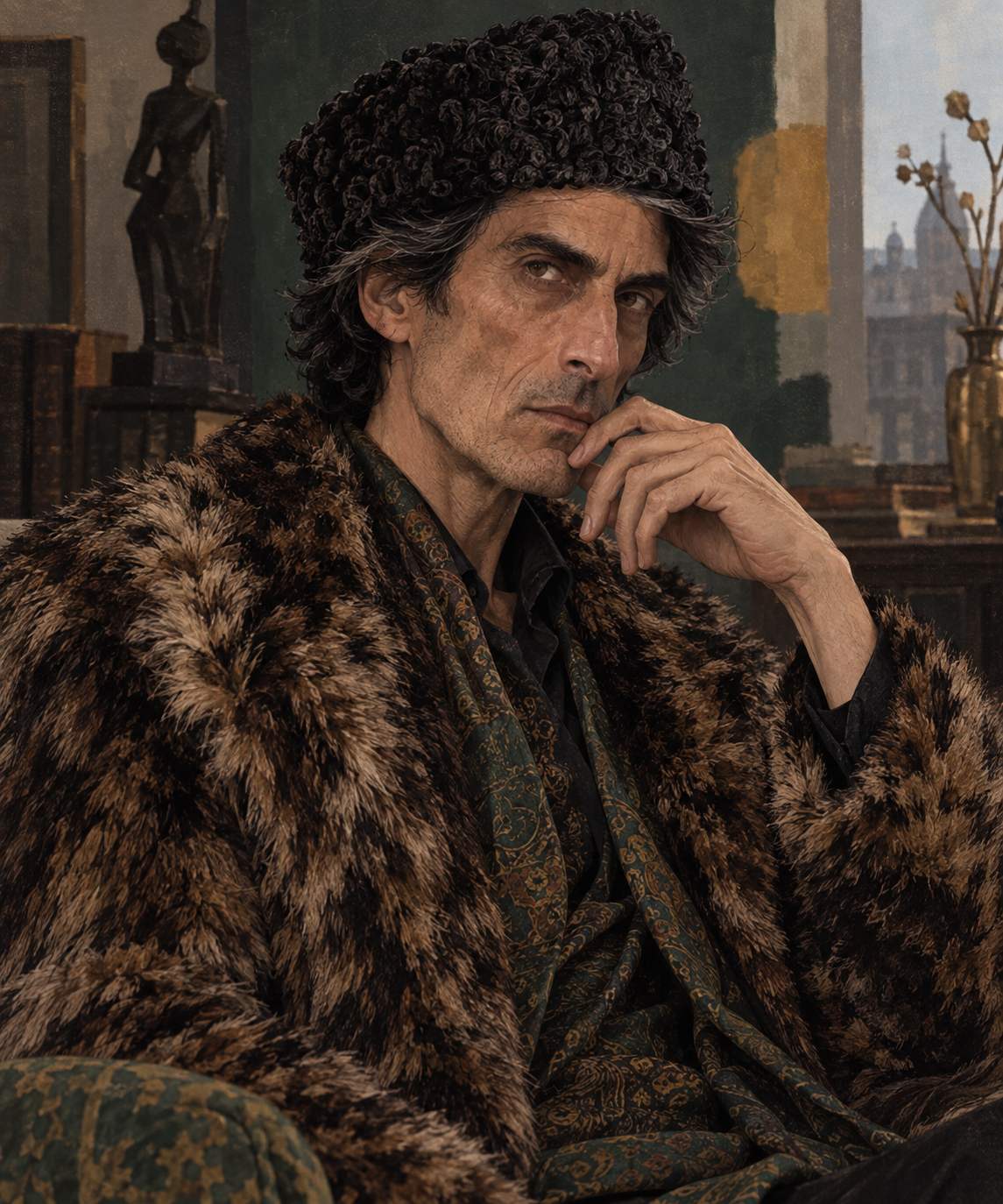
Abandons Sonia when his wife arrives, obtains Sonia’s Badal Baba amulet, and uses their relationship as inspiration for Mother Swimming. He later mysteriously disappears from his remote Mexican estate, leaving behind an unfinished chapel retablo.

After Ravi and Rana are murdered and she begins receiving threats, she sells her share of the Delhi property and relocates to Goa. She reconciles with Sonia over galawati kebabs and ultimately gives her the family’s ancestral wedding jewels.
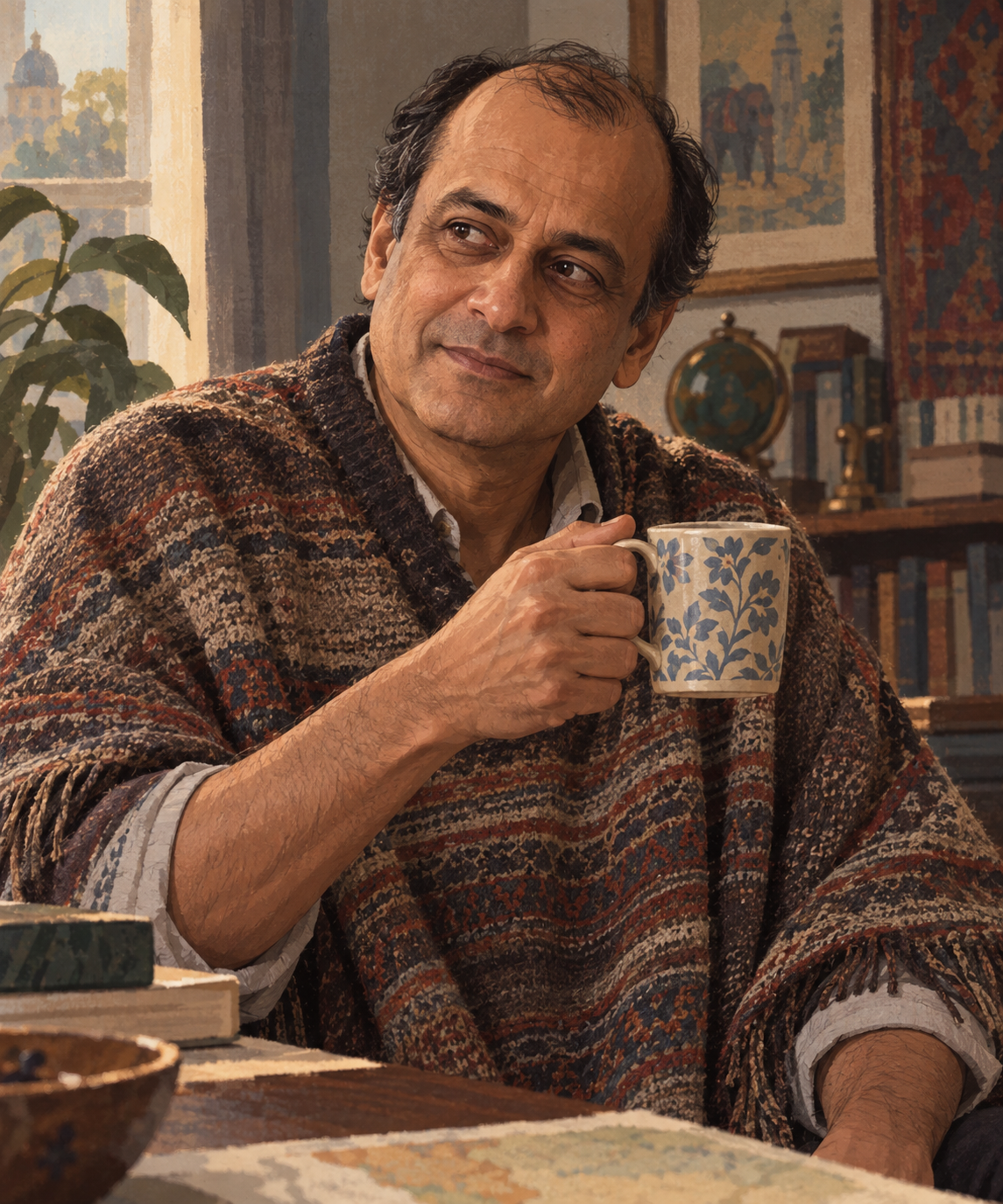
Nearly runs Seher over during a marital fight, after which she leaves him permanently. He later develops stage 4 lymphoma, undergoes brutal chemotherapy, and dies in the ICU; Sonia and Seher immerse his ashes in mountain waters near Uttarkashi.

Leaves Manav after he nearly runs her down, resigns from her job, and settles at Cloud Cottage. She returns to nurse Manav during his terminal cancer without romantically reconciling and later immerses his ashes with Sonia near Uttarkashi.
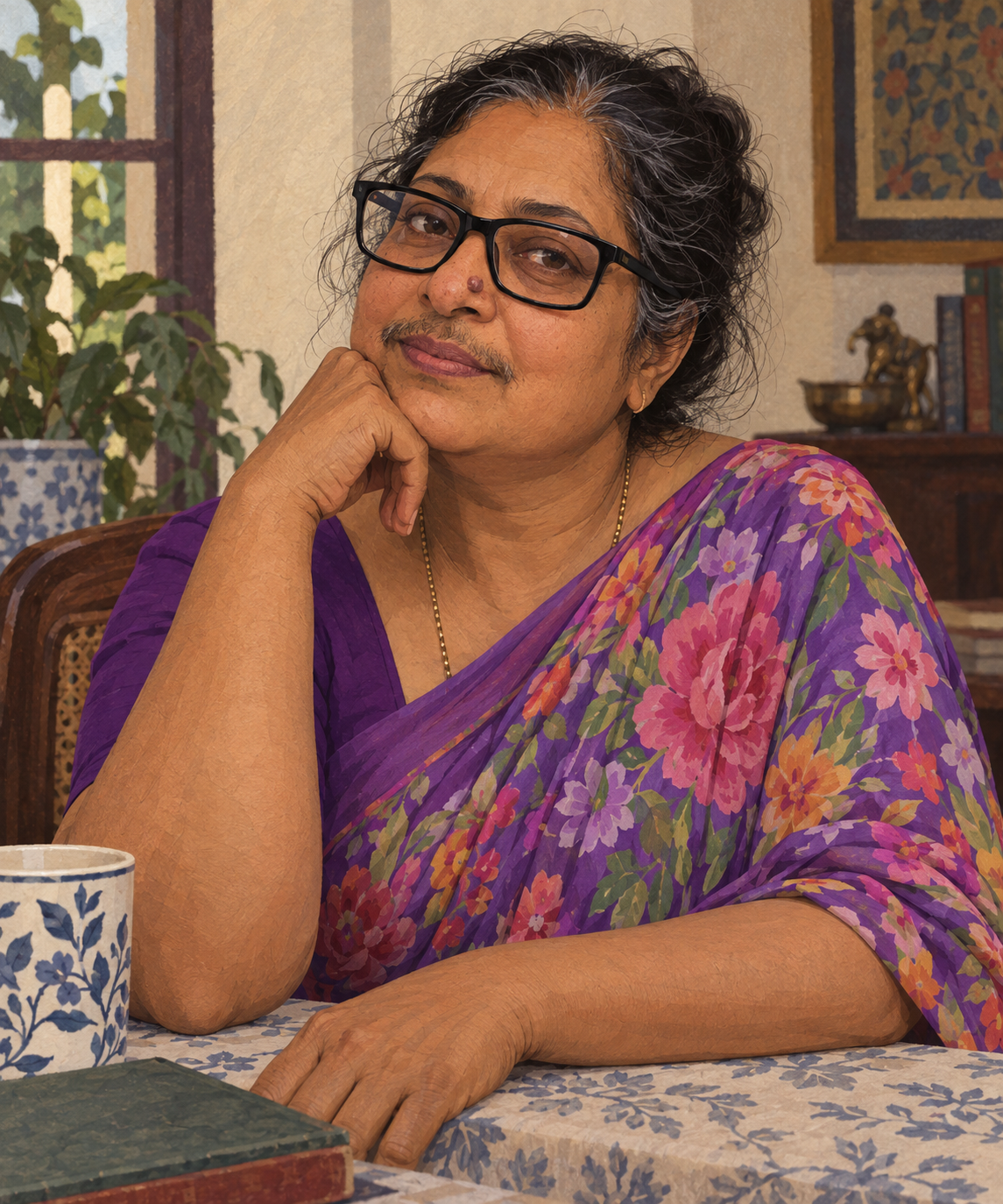
After Dadaji dies and the Cadell Road household collapses, Padre arranges for her to become dormitory matron at the Jesus and Mary Convent School. She unexpectedly finds security, companionship, and purpose there.
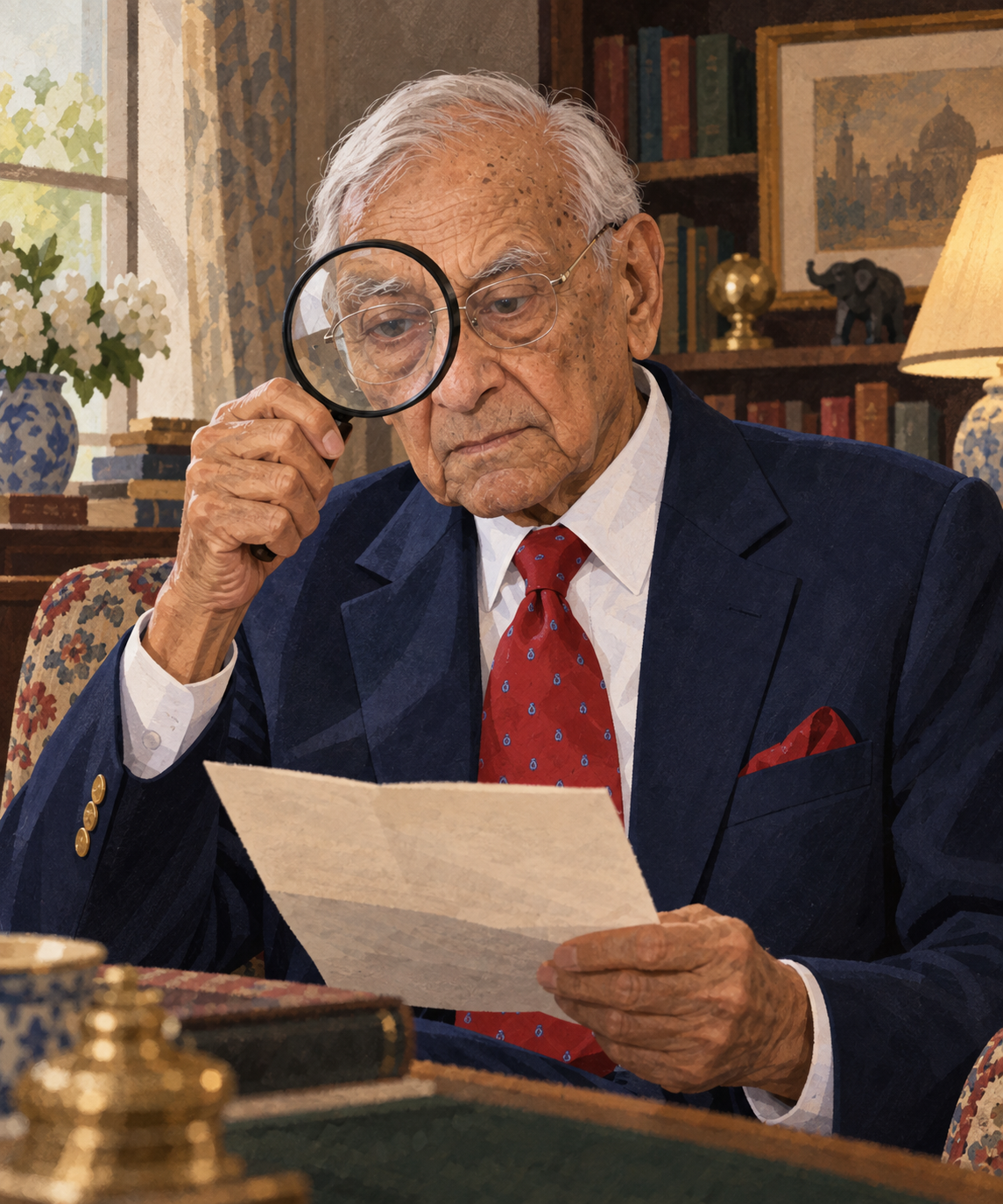
Attempts to settle the old debt by proposing Sonia’s marriage to Sunny, then dies peacefully in his sleep at eighty-eight. His family discovers that his lifelong stock-market gambling has left virtually no savings and no registered will.
🔷 Supporting Characters

Becomes increasingly delusional about returning to Rangoon and spends her days obsessively counting food and valuables before dying quietly in her sleep at dawn.
Disappears during a Himalayan trek near Bandarpoonch when Seher is sixteen, leaving his family without answers and leaving behind the Badal Baba artwork and amulet.
Remains at Cloud Cottage for the rest of her life, cared for by Moolchand until her death.
Discovers Sonia’s marriage-proposal letter after an increasingly strained relationship with Sunny, meticulously divides their possessions, and leaves their Brooklyn apartment without a note.
Marries Pooja through an arranged match, reconciles with Sunny, becomes a GP in an Appalachian town, and expects a daughter named Karuna.
Moves to Kentucky with Satya, learns to drive, starts wearing jeans, and becomes pregnant with their daughter Karuna.
Uses young female recruits to entertain wealthy male collectors, employs Sonia as a receptionist, and ultimately refuses to renew her H-1 visa, forcing Sonia to return to India.
Discovers Sonia with Ilan in New York, orders Sonia to pack her belongings, and continues managing Ilan’s complicated life and illegitimate children.
Graduates, remains in America so he can live openly, works for Lehman Brothers in Boston, and falls in love with a Sri Lankan human-rights lawyer.
Suffers a catastrophic catatonic breakdown in his dorm room and is taken back to Sofia by his parents.
Gives Sonia her yellow coat, succeeds with Weight Watchers, and later travels with Cole to New York for Alice Wu’s wedding.
Remains with Marie and accompanies her to New York for Alice Wu’s wedding.
Rejects the initial marriage proposal on Babita’s advice, later clashes with Sunny over Kashmir, and urges Babita to leave Delhi after Ravi and Rana are murdered.
Continues living with the Colonel in Allahabad, remaining deeply suspicious of other families’ motives.
Lives off his father’s corrupt fortune and urges Sunny to deal ruthlessly with Babita before being brutally bludgeoned to death alongside Rana.
Bribes police after his sons are implicated in murder and burns his factory for insurance money, then is bludgeoned to death alongside Ravi.
Refuses to bribe officials, loses his job, and dies of a heart attack at thirty-three, leaving Sunny a letter urging him to remain honorable.
Dies before the main narrative, leaving Babita investments and Spode rabbit egg cups but excluding her from the property inheritance, triggering years of litigation.
Engages in informal sex work to finance an escape to Dubai, disappears with Punita after Ravi and Rana’s murders, and later obtains a Saheli microloan under an assumed identity.
Babita protects her from Habib; after the murders she disappears with Vini and eventually lives under an assumed name in a small town.
After Vini and Puni disappear, she padlocks her home and flees Begumpur with her husband to escape police harassment.
Continues living comfortably in Panchsheel Park and advises Babita to seek hospital treatment for trauma after the murders.
Hires Khansama’s son after Babita dismisses him and continues passing local gossip to Babita.
Is blamed by Dadaji for Ba’s death from rich food and coveted by Babita for his cooking before eventually retiring on money sent by his son.
Remains loyal to the Shah household, weeps when Seher leaves, cares for Manav during his decline, and continues serving Sonia.
Continues living comfortably at Cloud Cottage, tending the property and feeding its feral cats.
Continues working there until Dadaji’s death causes the household to be dismantled.
Discovers that Dadaji left neither savings nor a registered will and departs with only Dadaji’s old London coat and no pension.
Rushes Dadaji’s cremation before Manav can arrive, apparently hoping to bury his own guilt and prevent further legal claims.
Arrives immediately after Dadaji’s death demanding surrender of the lease, helping trigger the final dismantling and looting of the household.
Survives the riots after discarding his kara to avoid identification as Sikh and continues his wealthy Delhi social life.
Remains in Delhi, attending social gatherings and expressing relief that her children live abroad.
Continues circulating among Manav’s wealthy Delhi friends without meaningful consequences.
Remains part of the Delhi socialite circle.
Continues his affluent Delhi life and celebrates his anniversary with Margo at the Gymkhana Club.
Remains in Delhi and continues participating in the same social circle.
Lives independently in Delhi with her cat Moti Bibi, helps Sonia obtain work, supports the family after Manav’s death, and provides shelter for Vini and Puni.
Continues running the magazine from a luxurious home filled with dubiously acquired temple bronzes.
Has a baby, enjoys her privileged farmhouse life, and expands the magazine’s interests into heritage-hotel tourism.
Becomes furious over his photograph in Kala Magazine and complains directly to Manav.
Continues operating his Khan Market food stall.
Continues working nights while remaining tormented by memories of people he killed during the Vietnam War.
Solicits Sonia at the Romare Hotel; after she refuses, he turns his attention to a Croatian gallery recruit.
Corners, throttles, and pins Sonia down while attempting to rape her; the assault fails, and he ejaculates on her, smashes her water pitcher in rage, and flees into the night.
Remain in Kansas, where Padma teaches Spanish, cooks Mexican food, and welcomes Sunny and Ulla into their Indian-decorated home.
Hosts Satya and Sunny for an elaborate bride-viewing meal but is ultimately rejected by Satya.
Boasts about eating steak and serves chicken nuggets during the marriage meeting, after which Satya rejects the match.
Serves Sonia and Sunny mackerel cutlets, then secretly masturbates outside Sonia’s window while watching her bathe.
Returns to Milan to care for his bedridden mother, leaving Babita to confront competing claims against the property.
Demand sixty lakhs to abandon their claims to the property and continue asserting rights around the land and “Daddy’s grave.”
Warns Babita never to leave the mansion unattended and presents her with a substantial legal bill.
Continues living on Divar after burying her husband Cecil behind the banana plants and remains a source of gossip and advice for Babita.
Helps Sonia with her research and warns her that virtually every Goan house carries a tragic story.
Treats Manav through agonizing chemotherapy and eventually tells Seher that he will not survive the year.
Attempts to match Sonia with her lawyer nephew in Atlanta and later gives Sonia medication to numb her grief after Manav dies.
Promises his dying mother he will never marry Mina and flees; when he returns twenty-five years later hoping to reconnect, Dadaji drives him away again.
Travels with Sonia to New York, is stolen by Ilan and taken to Mexico, then recovered by Sunny. Sunny wears the amulet when he finally reunites with Sonia in Goa.
🕳️ Potential Plot Holes
Sonia believes the silver Tibetan Gau is an ancient family heirloom given to her grandfather, Siegfried Barbier, by a monk in Sikkim. Siegfried’s diaries later reveal that he was actually given an empty amulet case and painted the image of Badal Baba himself at Cloud Cottage in 1958. This can partly be explained as a family legend changing over generations, but it creates genuine ambiguity over whether Badal Baba is an ancient sacred figure or Siegfried’s own creation.
Ravi and Rana are bludgeoned to death in their Panchsheel Park home while their domestic staff disappears, and Babita subsequently receives threatening calls demanding Minnie’s will, gold, and the Spode rabbit egg cups. The novel suggests numerous possibilities—including Rana’s criminal dealings and debts, a robbery, and a property dispute—but never identifies the killer. Vinita and Punita are eventually revealed to have fled because they feared police abuse rather than because they committed the murders, leaving the central mystery deliberately unresolved.
📚 Book Club Q&A's
⭐ Final Rating & Thoughts
There’s no denying that Kiran Desai can write. Her prose is often beautiful, observant, and thoughtful, and the early exploration of immigrant loneliness and cultural displacement genuinely resonated with me. As an Asian American immigrant myself, I recognized that feeling of existing between cultures and never quite belonging completely to either one. Those moments made me think I was going to love this book.
Unfortunately, the story became increasingly difficult for me to enjoy. What begins as an intimate examination of two lonely people and their complicated families expands into an enormous, unwieldy novel filled with political commentary, financial schemes, violence, illness, international detours, and supernatural symbolism. Sonia and Sunny’s relationship should have been the emotional heart of the story, but it often felt buried beneath everything else.
At more than 600 pages, this was also painfully slow for me. I kept waiting for all those seemingly disconnected threads to come together in a meaningful way, but the payoff never justified the journey.
Beautifully written? Absolutely. Ambitious? Definitely. But ultimately, I found it exhausting, scattered, and—worst of all—boring.
✨ Adaptation description
As of September 2026, there is no official announcement of any screen adaptation of The Loneliness of Sonia and Sunny.
✨ Books Like The Loneliness of Sonia and Sunny (2025)
See an error on this page?