
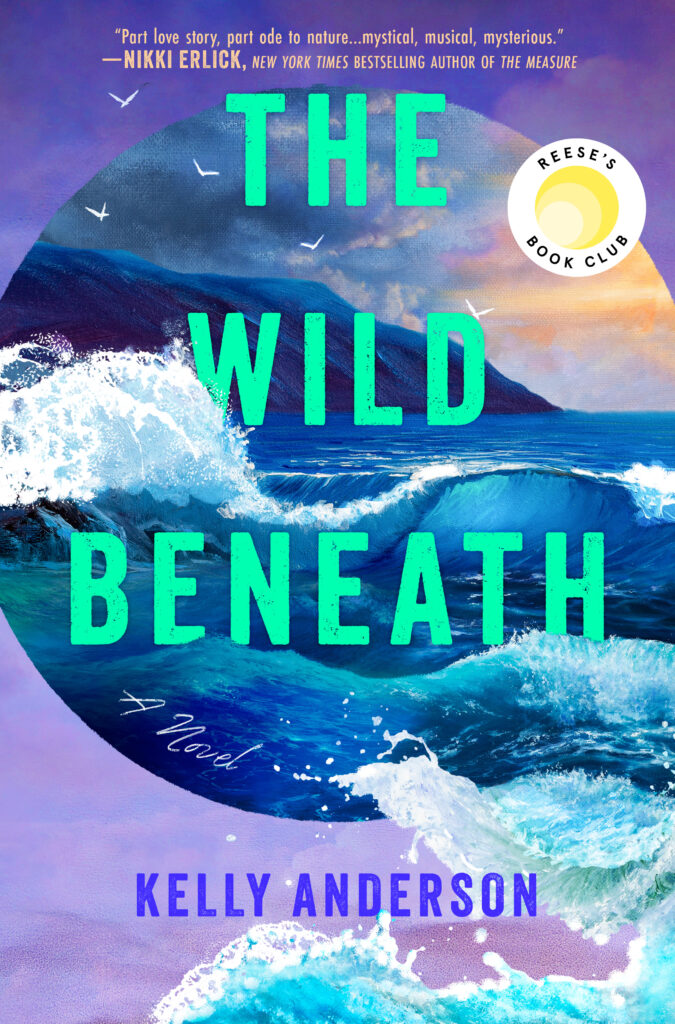
The Wild Beneath (2026)
Select Sections to Print
×Book Details
The Wild Beneath (2026)
Jump to Section
⚠️ Trigger Warnings
- Natural disasters (earthquake and tsunami) and mass casualties
- Death, drowning, and near-drowning
- Death of parents and grief
- Terminal illness (leukemia) and death
- Sudden death from a heart attack
- Drugged/spiked drinks and severe intoxication
- Alcoholism and alcohol-related child neglect
- Psychiatric hospitalization and physical restraints
- Panic attacks, sensory overload, and emotional distress
- Medical trauma and invasive emergency procedures
- Animal injury, death, and graphic treatment of a beached whale
- Marine animals trapped in fishing gear
- Fatal workplace/logging accident
- Vomiting
- Hypothermia and physical distress
⏱️ 2-Minute Spoiler Summary
Twenty years before the main story, Dr. Aiden MacLeod finds a mysterious pale woman floating unconscious in the ocean near Bella Bella. She has no memory of her past but an uncanny connection to the sea. Named Mara, she falls in love with Aiden, and the two abandon conventional life for a 34-foot sailboat called Amphitrite. Their daughter, Annie MacLeod, is literally born in the Pacific and grows up sailing the coast, unusually sensitive to sounds, vibrations, and the rhythms of the ocean.
During Annie’s disastrous attempt at public school, she meets Evan Hale, who defends her from a bully. He becomes her closest friend and eventually her first love, spending summers aboard Amphitrite. But their futures pull them apart: Annie belongs on the water, while Evan feels responsible for his father Isaac Hale and the family logging company in Hale’s Landing.
When Annie is eighteen, a magnitude 9.0 earthquake triggers a 40-foot tsunami that destroys Hale’s Landing. Annie, Evan, and Annie’s grandmother Ruth survive, but Aiden and Mara disappear at sea and are presumed dead.
Four days later, Annie finds a naked young man washed ashore. She names him Walker. He has no memory, blue blood, an abnormally high body temperature, and the ability to remain underwater for astonishing lengths of time. Even stranger, he produces a low hum that quiets Annie’s sensory overload and grief. Walker restores an abandoned sailboat called Polaris, and he and Annie develop an intimate connection.
As the devastated town struggles to survive, Isaac insists that Hale Timber resume logging. During a dangerous tow in a storm, Evan falls overboard and begins drowning. Walker saves him but is smashed against the cliffs and pulled underwater, apparently sacrificing himself. Before disappearing, he leaves Annie’s whalebone necklace in Evan’s backpack.
Forced to relocate to Vancouver, Annie loses Ruth soon afterward. She enters an accelerated medical program, eventually becoming an ER doctor. She and Evan build a life together, but Annie never truly adjusts to the city or escapes her connection to the ocean. Years later, after Isaac dies and Evan inherits Hale Timber, Walker’s hum begins calling to Annie again. She dreams of Walker telling her to meet him on the water and finally decides she has to return to Hale’s Landing alone.
There, Annie learns something astonishing: Walker came back. He appeared naked again, finished repairing Polaris, and sailed away. Annie takes her uncle Henry’s sailboat and follows the hum into the Pacific.
She falls overboard and nearly freezes to death before a humpback whale rises beneath her. Through the whale, the ocean, and what seems to be Mara’s voice, Annie experiences the sea as one interconnected living whole. She later awakens aboard a sailboat with Walker, who tells her he was sent to guide her back to her true nature. After one final dive with Annie and a humpback whale, Walker merges back into the sea.
Eight months later, Evan has transformed Hale Timber, ending clear-cutting in favor of sustainable selective logging and protection of old-growth forests. Then he receives a photograph of Polaris anchored nearby.
He races to the inlet and finds Annie alive, healthy, and finally at peace aboard the boat. Evan steps onto the deck and takes her hand. Beside them, a humpback whale breaches from the water, surrounding them with spray and the song of the ocean.
📖 Full Spoiler Summary
A Child of the Ocean
Twenty years before the disaster that reshapes Annie MacLeod’s life, her father, Dr. Aiden MacLeod, finds an unconscious woman floating in a remote channel near Bella Bella. She is pale, delirious, and unable to explain where she came from. Even after hospitalization and psychiatric treatment, no one can establish her identity or locate a family. The one thing that seems instinctively familiar to her is the ocean.
The woman is given the name Mara, and Aiden falls deeply in love with her. Eventually, he leaves hospital medicine behind and buys a 34-foot sailboat called Amphitrite. The couple makes the Pacific their home, and when Mara becomes pregnant, she gives birth to Annie directly in the cold ocean water.
Annie consequently grows up unlike almost any other child. Her parents sail between British Columbia and Baja, educating her aboard Amphitrite. Aiden teaches her science and mathematics, while Mara teaches her the constellations, tides, whale songs, and the rhythms of the sea. Annie also possesses an extraordinary sensitivity to sound and vibration that makes life on land difficult.
When she is six, her parents attempt to enroll her in public school in Hale’s Landing. The experiment is disastrous. Overwhelmed by the noise and stimulation of the classroom and taunted by a boy named Liam, Annie retreats beneath her desk. Another student, Evan Hale, stands up for her. Mara soon arrives and takes Annie back to the ocean, but Evan has already become important to her.
Annie and Evan Grow Up Together
Over the following summers, Evan spends weeks at a time aboard Amphitrite. He and Annie become inseparable, and their childhood friendship gradually develops into romance.
Evan, however, has obligations Annie does not. His father, Isaac Hale, runs Hale Timber, the logging company that supports much of Hale’s Landing. Evan’s late mother, Celeste, had been a botanist who opposed clear-cutting and taught her son to respect the ancient forests. After her death, Isaac becomes increasingly consumed with keeping the family company profitable and expects Evan to inherit it.
That creates an unavoidable divide between Evan and Annie. Annie cannot imagine abandoning the ocean, while Evan feels he cannot abandon his father, the company, or the town that depends upon it.
At eighteen, Annie attends a party hosted by a wealthy local teenager named Courtney. Already uncomfortable in the unfamiliar social environment, she drinks Courtney’s potent, drugged “seashell wine.” She becomes violently ill and collapses near the tide line while hallucinating the sounds of the ocean. Evan finds her and carries her to safety.
By the next morning, that incident is dwarfed by catastrophe.
The Tsunami Destroys Hale’s Landing
At 10:50 a.m., a magnitude 9.0 earthquake erupts along the Cascadia Subduction Zone. A 40-foot tsunami follows, obliterating Hale’s Landing. The wharf disappears, houses are crushed, and boats are swept away.
Annie, Evan, and Annie’s grandmother Ruth MacLeod, a retired clinic nurse, escape to higher ground and survive. Aiden and Mara are not so fortunate. They had been aboard Amphitrite when the wave struck, and both the boat and Annie’s parents vanish without a trace.
Annie is devastated, but survival leaves little time for grief.
Four days after the tsunami, she is digging for clams among the wreckage to find food for herself and Ruth when she discovers a naked young man lying in the surf. He is tall and pale, with strange grey eyes, unusually hot skin, and no memory of his identity or how he arrived there.
Annie calls him Walker.
Ruth attempts to give him an IV and discovers something even stranger: Walker’s blood is blue. Soon, Annie notices other impossible things about him. He can tolerate freezing water, stay underwater for extraordinary periods, learn new tasks almost immediately, and eat enormous quantities of food.
Most important to Annie is the low hum or vibration his body produces. Her constant ringing ears, sensory overload, and unbearable grief quiet whenever she is close to him.
Walker and Annie Find Each Other
While Hale’s Landing struggles through the aftermath, Isaac is determined to restart Hale Timber as quickly as possible. He believes the company must operate if both the business and town are going to survive, and Evan is pushed back into work almost immediately.
Two weeks after the tsunami, Coast Guard officers arrive with relief supplies and devastating news: the remaining town is considered unsafe. The survivors will be forcibly relocated to Vancouver on October 1.
Walker, meanwhile, finds an abandoned Dana 24 sailboat called Polaris in a shipyard warehouse and begins restoring it. Annie helps him, drawn not only to the boat but increasingly to Walker himself. Their connection eventually becomes intimate, and Walker gives Annie an extraordinary sensory experience in which she seems to share his perception of the ocean floor.
But Walker’s time with her is nearing its end.
Despite warnings about an approaching southwest gale, Isaac orders Evan to tow a huge boom of logs through a dangerous granite-walled channel. Walker goes with him.
During the storm, the tug loses steering and its hydraulic pumps fail. Evan is thrown into the raging water. His life jacket does not inflate, and his heavy steel-toed boots drag him beneath the surface.
Walker dives after him.
He manages to bring Evan back to the tug and save his life, but another enormous swell smashes Walker against the cliffs. He is dragged underwater and trapped among deep kelp. As he sinks, he accepts what is happening and transforms back into the ocean.
Evan returns to Annie alone the next morning, weeping. He gives her the whalebone necklace Aiden had carved for her. Evan found it inside his backpack, making it clear that Walker had deliberately left it there before going into the sea.
Annie Builds a Life in Vancouver
With Hale’s Landing being evacuated, Annie, Evan, and Ruth are transported to Vancouver. For Annie, the city is almost unbearable. Noise assaults her from every direction, triggering panic attacks and sensory overload.
Ruth nevertheless pushes her toward a future. Annie takes university entrance exams and scores in the 97th percentile, earning admission to an accelerated six-year medical program. Medicine gives her something concrete to focus on, and she pours herself into her studies.
Not long after their arrival, Ruth dies peacefully at St. Paul’s Hospital. Annie’s great-uncle Henry MacLeod comes to Vancouver and scatters his sister’s ashes into the sea before returning to his solitary fishing life in Hale’s Landing.
Years pass. Annie completes medical school and becomes an emergency room physician at St. Paul’s Hospital, working under the demanding Dr. Justine Easton. She and Evan live together in Vancouver, where Evan works for the Coast Guard. They build what appears to be a stable adult life, attending symphony performances and going out to restaurants.
But Annie is still struggling.
She relies on noise-cancelling AirPods to tolerate the city and becomes severely iron deficient, eventually requiring IV iron infusions. Beneath her exhausting work schedule, her connection to the sea has never disappeared.
Then Evan learns that Isaac has died suddenly of a heart attack.
The Ocean Calls Annie Home
Isaac’s death leaves Evan in control of Hale Timber. He travels north to inspect the operation and decides he cannot continue his father’s clear-cutting practices.
At the same time, something begins happening to Annie. Walker’s hum returns during her hospital shifts, along with vivid sensations of the ocean. Finally, she dreams that Walker appears damp and glowing, takes her hand, and tells her, “Meet me on the water.”
Annie realizes she cannot keep living the life she has constructed simply because it is safe and functional. She tells Evan she needs to return north alone.
Evan is devastated, but he helps her go. He arranges for Greg, a Hale Timber barge captain, to carry Annie back to Hale’s Landing.
When she reaches the old shipyard, she immediately notices that Polaris is missing.
Henry soon gives her the astonishing explanation. Walker returned.
A week earlier, he simply appeared again, stark naked. He finished repairing Polaris and then sailed into the Pacific without a radio or GPS.
Henry prepares his own sailboat, Galene, and gives it to Annie. She heads into the open ocean alone, following Walker’s mysterious hum northward.
Annie Finds Walker—and Herself
During a sudden swell, Annie loses her footing and falls overboard. Galene drifts beyond her reach, leaving her stranded in freezing water. Hours pass, and hypothermia begins to take hold.
Then a humpback whale rises beneath her and supports her body.
Suspended between life and death, Annie experiences an extraordinary communion with the whale and the ocean. She hears what seems to be Mara’s voice as well, and understands the sea not as separate bodies of water but as one interconnected whole—“one sea with one song.”
When Annie awakens, she is warm and safe aboard a sailboat.
Walker is beside her.
He tells Annie that he was sent to guide her back toward her true nature and reminds her that she belongs to both earth and sea. Together, they enter the water for one final dive alongside a humpback whale. Annie allows herself to experience everything she has spent years trying to suppress: her parents, Evan, Walker, her losses, and her love for the ocean.
When she returns to the surface, Walker is gone. This time, he has peacefully merged back into the sea.
Annie Comes Home
Eight months later, Evan has changed Hale Timber completely. He ends clear-cutting and replaces it with sustainable selective logging, working with foresters and Indigenous elders to protect the region’s old-growth trees.
Then a BC Ferries employee named Ben Innis spots a familiar sailboat anchored in Jenny Inlet and sends a photograph to Greg.
Evan immediately recognizes the cursive lettering on its transom.
It is Polaris.
He races to the inlet and finds Annie aboard. She is no longer the exhausted, anemic woman who left Vancouver. She looks healthy, peaceful, and fully herself again.
Evan steps onto Polaris and takes Annie’s hand.
Beside the boat, a humpback whale suddenly breaches, crashing back into the Pacific and showering them with spray. Annie and Evan stand together on the deck as the sound of the whale and the wild ocean surrounds them.
🔚 Ending Explained
How the Book Ends
The ending of The Wild Beneath brings Annie MacLeod back to the place she has spent much of the novel trying to escape: the sea.
After leaving Vancouver, Annie travels north on a timber barge to Hale’s Landing. When she reaches the shipyard, she discovers that the restored Dana 24 sailboat Polaris has disappeared from its warehouse cradle. Her great-uncle Henry explains that Walker mysteriously reappeared a week earlier, stark naked, finished repairing the boat, and sailed alone into the Pacific without a radio or GPS.
Rather than stop Annie from following him, Henry prepares his own sailboat, Galene, with a new mainsail, radio, and provisions. Annie sets out alone, navigating not by charts or instruments but by Walker’s strange low-frequency hum, which she can hear and use almost like an internal compass.
The journey nearly kills her. While handling a line on the deck ladder during a swell, Annie is knocked into the freezing Pacific. Galene drifts beyond her reach, leaving her alone in the water for hours. As hypothermia sets in and she approaches death, a humpback whale rises beneath her and cradles her body. With seawater filling her senses, Annie hears the sea, the whale, and the voice of her dead mother, Mara, merging together into the words: “I hear you.”
Annie eventually awakens warm and safe aboard Polaris. Walker has rescued her and brought her to a secluded cove. As they sail together without charts or fixed bearings, Walker finally helps Annie understand where she belongs. She does not have to choose between land and ocean. She can exist between them: “Earth and sea. As long as you don’t get too far away.”
Walker then leads Annie into one final dive with the humpback whale. With her hands resting on its back, Annie finally releases the grief and fear she has carried with her. Memories of her parents, her childhood, and the person she was before loss overwhelmed her come rushing back. Rather than destroying her, those memories become part of her again.
When Annie surfaces, Walker is gone. His physical form has peacefully returned to the sea.
Eight months later, the novel returns to Hale’s Landing. Following Isaac’s death, Evan Hale has radically changed the family timber company. He has abandoned clear-cutting and embraced selective, sustainable logging, working with foresters, naturalists, and Indigenous elders to preserve the old-growth forest.
Then a BC Ferries employee, Ben Innis, spots Polaris anchored in Jenny Inlet. A photograph eventually reaches Evan, who recognizes the boat and races out to find Annie.
He boards Polaris and discovers her healthy, radiant, and finally at peace. Her carved whalebone necklace rests on the cabin table. Evan takes her hand.
Beside them, a humpback whale breaches, showering them with seawater as the ocean’s wild song surrounds them.
What the Ending Means
At its heart, the ending is about integration rather than escape.
For much of the story, Annie responds to trauma by trying to contain it. She retreats into Vancouver, medicine, routine, and work, attempting to seal her grief away like something that can be locked inside a “cement box.” Her return to the ocean reverses that impulse. She stops trying to control grief and allows herself to experience it.
Her near-drowning makes that transformation literal. Annie has to surrender completely before she can begin again. The humpback whale does not merely rescue her physically; it reconnects her with Mara, her childhood, and the larger natural world from which she has become emotionally separated. The words “I hear you” answer Annie’s deepest loneliness. She has never truly been disconnected, even when she believed she was.
Polaris reinforces that idea. Named for the North Star, the boat becomes a symbol of orientation. Annie spends much of the novel emotionally unmoored, but by the end she no longer needs someone else to tell her where she belongs. Her “true north” is neither Vancouver nor complete disappearance into the wilderness. It is the threshold between civilization and wildness, land and water, medicine and mystery.
Walker embodies that threshold. His purpose is not ultimately to become Annie’s permanent companion but to guide her back toward the part of herself she has suppressed. His disappearance after the final dive therefore feels less like another death than a completion. Once Annie can hear the ocean for herself, she no longer needs Walker to translate it for her.
The whalebone necklace carries a similar meaning. Made by Aiden from the jawbone of a dead whale, it connects death with continuity rather than simple absence. By leaving it visibly on the table aboard Polaris, Annie is no longer running from her inheritance. She carries her parents with her without allowing their deaths to define her.
Evan undergoes a parallel transformation on land. Annie learns to live differently with the sea; Evan learns to live differently with the forest. His rejection of Isaac’s clear-cutting practices turns the environmental conflict into something more than background scenery. The damaged landscape and the damaged characters heal according to the same principle: survival does not require domination. Human beings can inhabit nature without attempting to conquer it.
That is also why Annie and Evan’s final reunion matters. They do not reunite because one rescues the other. They meet again after each has independently rebuilt a life. Evan has found a sustainable way forward for Hale’s Landing, while Annie has found a way to belong to both land and sea.
The final whale breach brings all of those ideas together. The novel’s concept of “one sea with one song” becomes its closing image: individual lives, memories, grief, animals, forests, and oceans are separate, yet still part of something larger.
The tone therefore moves from grief and confinement toward something much more expansive. Annie does not “get over” what happened. Mara, Aiden, Isaac, and Walker remain absent. Instead, the ending suggests that healing means allowing loss to become part of life without allowing it to consume everything that remains.
And Annie’s future is deliberately left open. She has Polaris, Evan has transformed Hale’s Landing, and neither of them has to choose between love and independence or between civilization and wilderness. Their reunion suggests the possibility of a life together built around the lesson both have finally learned: belonging does not require choosing one world over another. Sometimes it means learning how to live between them.
👤 Characters & Fates
🔶 Main Characters

After losing her parents in the tsunami, she becomes an ER doctor in Vancouver but ultimately leaves medicine and returns to sea; after nearly freezing to death overboard, she is rescued by Walker, experiences a mystical dive with him and a humpback whale, and finally reunites with Evan aboard Polaris in Jenny Inlet.
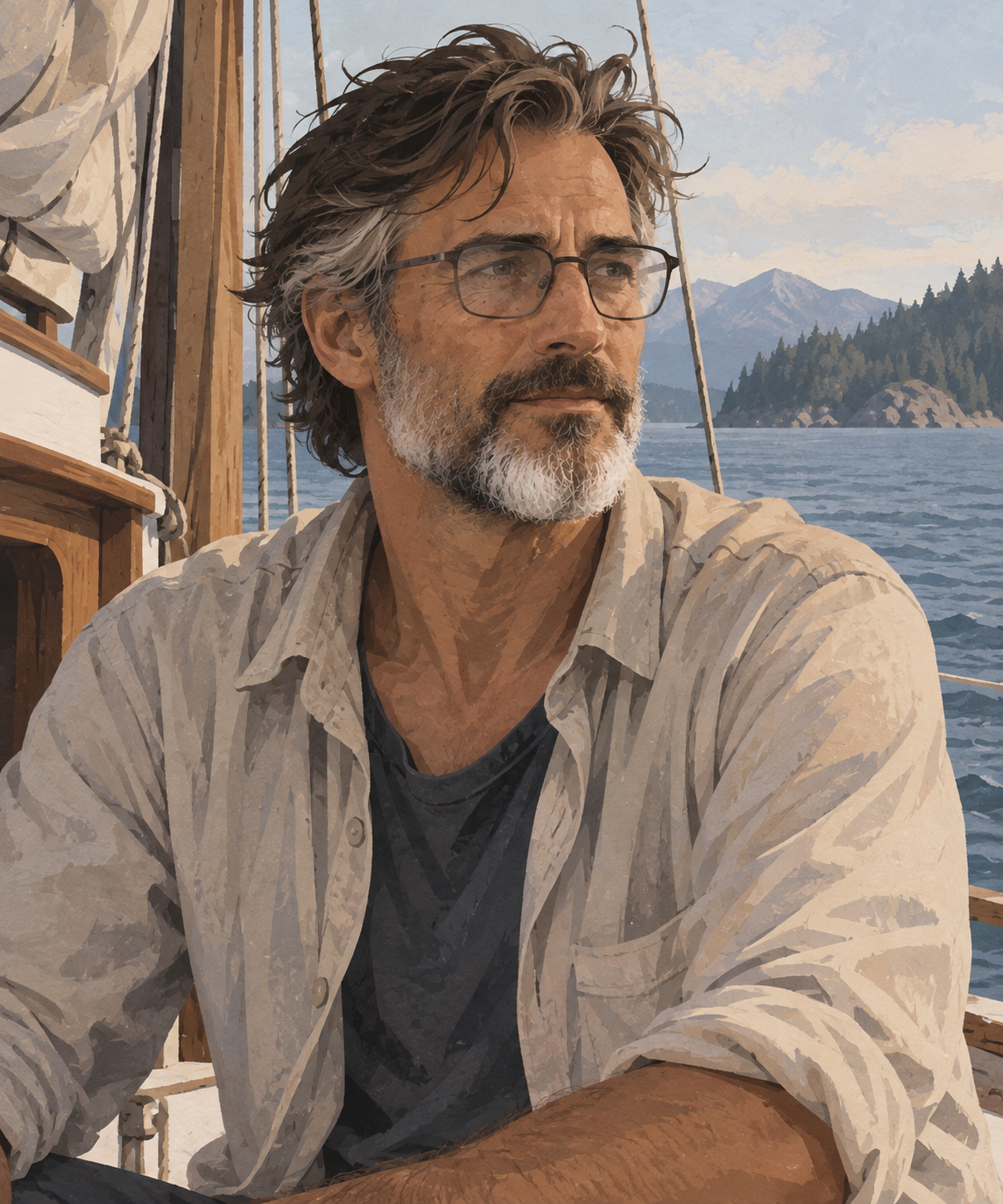
Dies alongside Mara when Amphitrite is swallowed by the catastrophic tsunami off British Columbia.
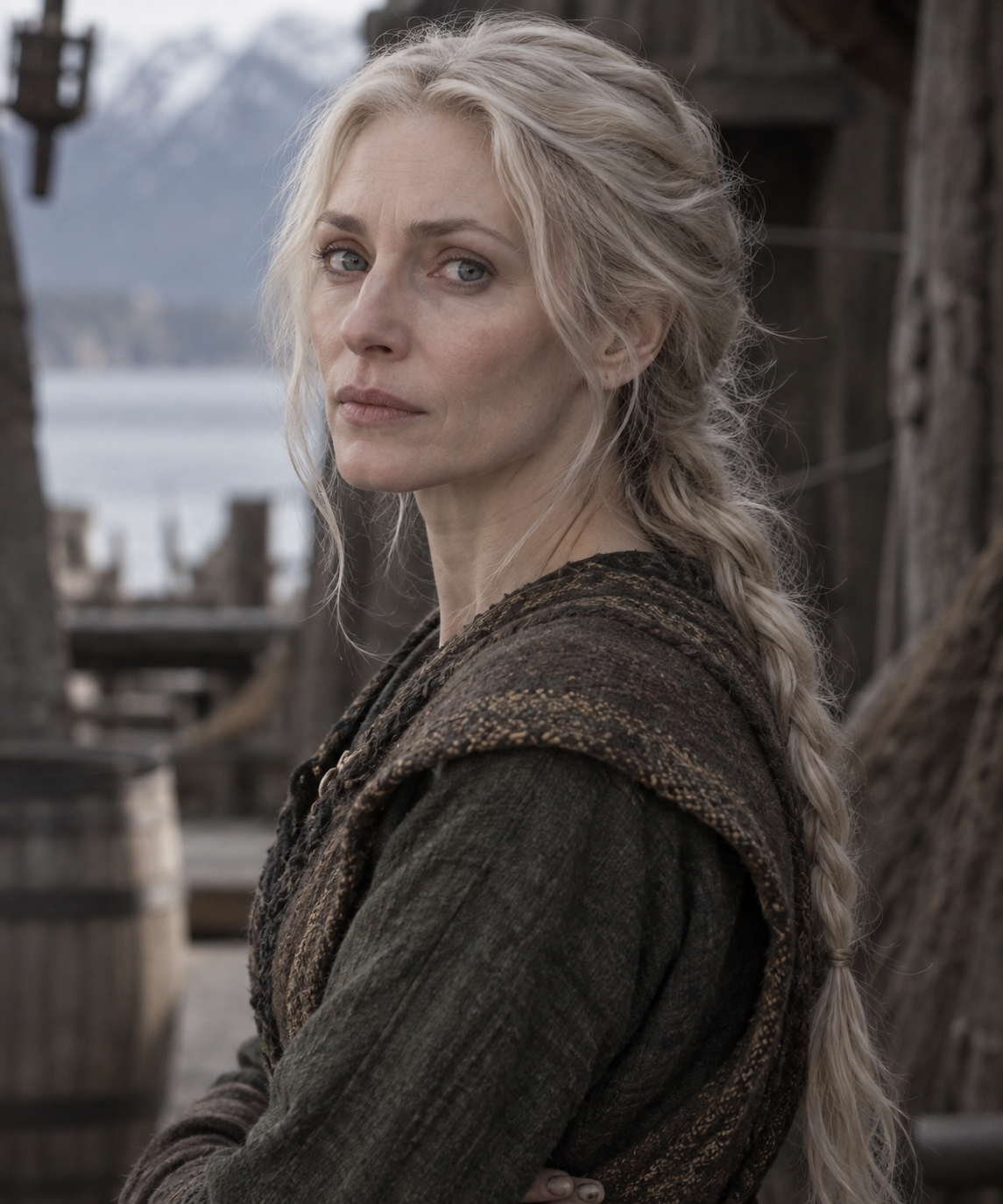
Dies with Aiden aboard Amphitrite during the tsunami, but her presence and voice later comfort Annie during her near-death experience underwater.

Walker saves him from drowning during a storm; after Isaac dies, Evan inherits Hale Timber and replaces clear-cutting with selective eco-forestry, then tracks Annie to Jenny Inlet and reunites with her aboard Polaris.
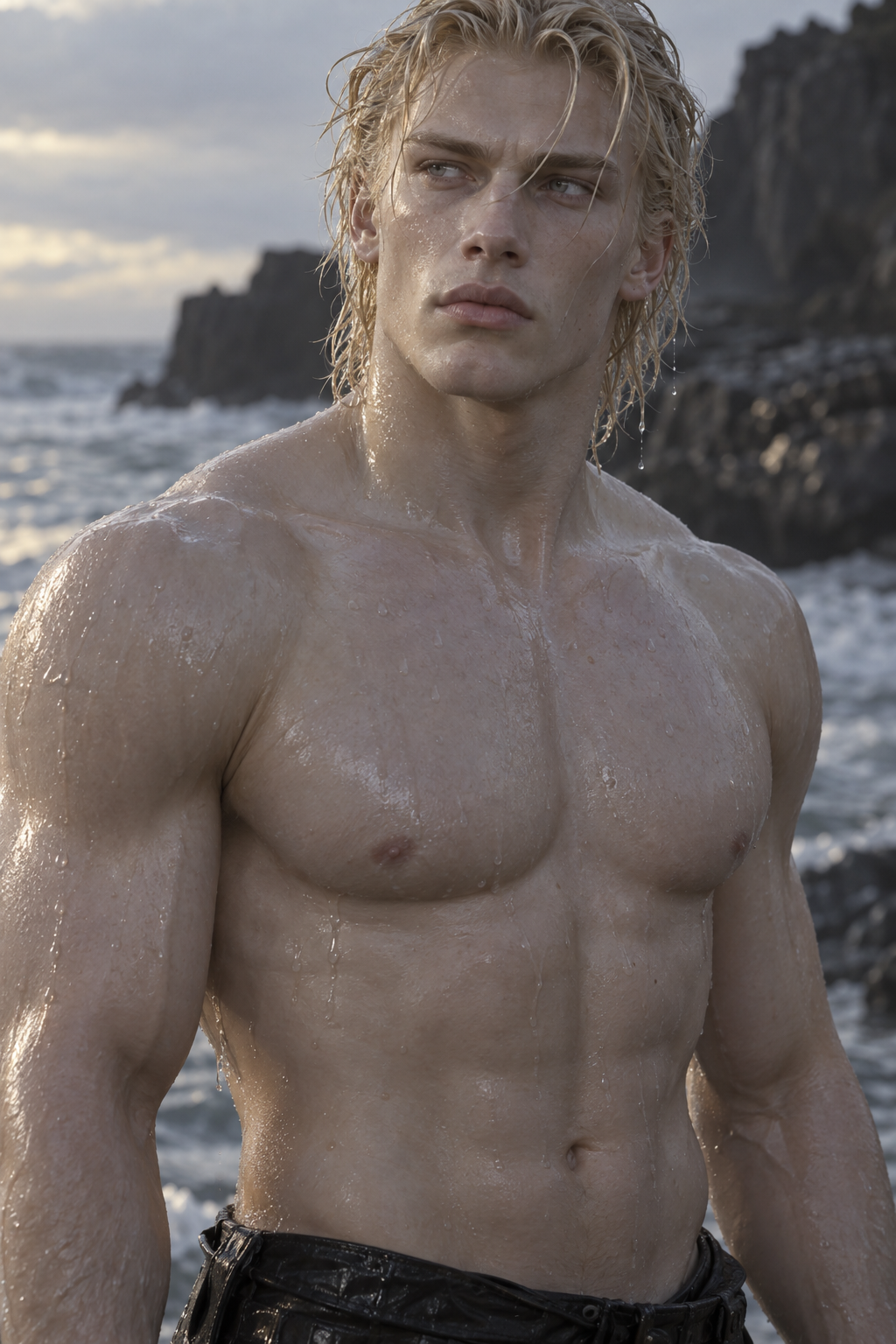
Rescues Evan from drowning, seemingly disappears after being smashed against coastal rocks, later returns to repair Polaris and rescue Annie from hypothermia, guides her on a final mystical dive with a humpback whale, and ultimately merges back into the ocean.

Her chronic leukemia worsens after the disaster; she is evacuated to Vancouver and eventually dies peacefully in her bed at St. Paul’s Hospital.

Dies suddenly of a heart attack in Hale’s Landing, leaving Evan ownership and control of Hale Timber.
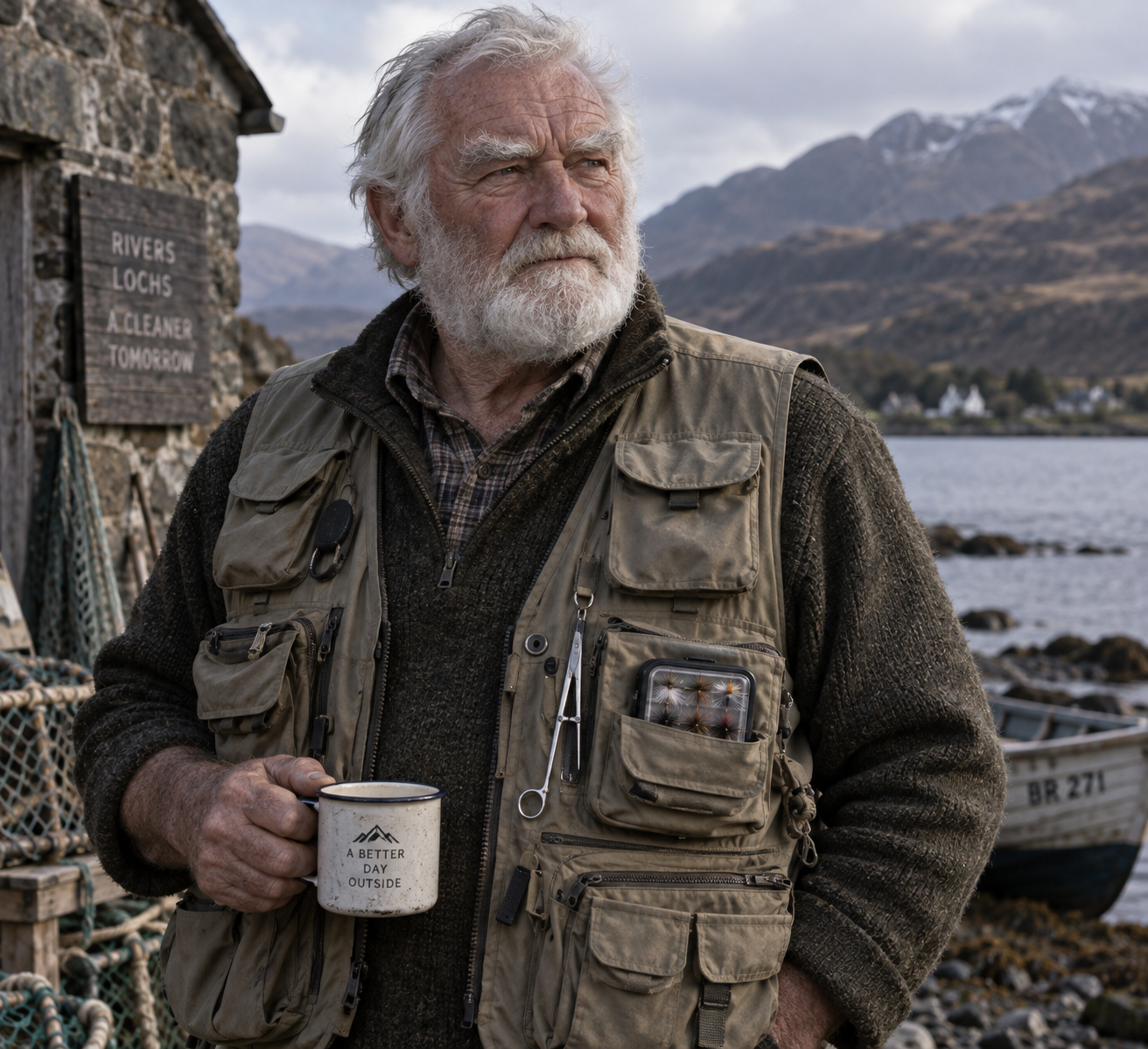
Scatters Ruth’s ashes at sea, later equips Galene with new sails, a radio, and provisions, and gives the boat to Annie so she can sail north in search of Walker and herself.
🔷 Supporting Characters

Dies before the main events of the novel, leaving Isaac and Evan deeply affected by her loss.
Dies instantly when a log rolls off a Hale Timber skidder while Henry is nine.
Falls into severe alcoholism after Andy’s death, leaving eleven-year-old Henry to begin working as a deckhand to help support the family.
Disappears without a trace after learning Ruth is pregnant and never becomes part of Aiden’s life.
Survives the tsunami and rebuilds her fish shop.
Survives the tsunami and continues operating the fish-and-chips window with Rosie.
Remains a teacher in Hale’s Landing; no later significant fate is specified.
His later fate is unspecified.
His later fate is unspecified.
Her fate after the tsunami is unspecified.
Retires when Evan assumes control of Hale Timber.
Oversees the October evacuation to Vancouver.
Continues assisting with the evacuation of Hale’s Landing.
Reports on the destruction for national news coverage.
Is prioritized by the Coast Guard for medical assistance.
Is prioritized for evacuation and medical care.
Are ultimately evacuated to temporary shelters and old hotels in East Vancouver.
Continues working in admissions for the provincial medical program.
Continues working as a Coast Guard flight paramedic.
Continues running the St. Paul’s emergency department after Annie leaves.
Continues working in the hospital ER.
Is successfully cardioverted back into a regular heart rhythm.
Continues working at St. Paul’s.
Continues working at St. Paul’s.
Continues practicing outpatient medicine while Annie ultimately leaves Vancouver.
Completes the legal transfer of the company and its property to Evan.
Continues driving for Hale Timber.
Continues working aboard BC Ferries.
Continues operating Hale Timber barges, with his tip ultimately enabling Evan and Annie’s final reunion.
🕳️ Potential Plot Holes
Annie grows up aboard a sailboat with virtually no formal schooling, yet after the disaster she passes entrance exams and enters a six-year accelerated medical program despite lacking conventional high-school transcripts or an undergraduate degree. Her unusual education and mathematical ability help explain why she might qualify for a nontraditional program, but her progression to practicing ER physician still requires a highly compressed and unusually accommodating training path.
Aiden and Mara encounter what is described as a roughly 40-foot wave while sailing aboard Amphitrite. Tsunamis generally have relatively small wave heights in deep water and become dramatically taller as they enter shallower coastal areas. If Amphitrite is truly far offshore in deep water, the enormous breaking wave is difficult to reconcile with tsunami physics; it works better if the boat is actually close enough to the coast or shallows for the wave to build.
📚 Book Club Q&A's
⭐ Final Rating & Thoughts
The Wild Beneath is one of those books I can admire more than I actually enjoyed. Kelly Anderson’s prose is genuinely gorgeous, and her descriptions of the ocean and the Pacific Northwest coastline are vivid enough that I could practically smell the salt air. There’s no question she can write.
Unfortunately, beautiful writing wasn’t enough to carry such a slow-moving story for me. I kept waiting for the plot to build momentum or for the emotional stakes to hit harder, but neither really happened. The shifting timelines sometimes made the story feel more meandering than purposeful, and the love triangle felt predictable rather than emotionally compelling. Even the stranger magical elements—which should have been exactly the kind of thing that made the book memorable—never quite came together in a way that moved me.
I can absolutely see this working for readers who love lyrical, contemplative, nature-focused fiction and don’t need much plot. But I apparently need more than atmosphere and pretty sentences. I wanted to think harder, feel more, or desperately need to know what happened next. Instead, I mostly appreciated the writing while waiting for something to happen.
✨ Adaptation description
As of September 2026, there is no official announcement of any screen adaptation for The Wild Beneath.
✨ Books Like The Wild Beneath (2026)
See an error on this page?