
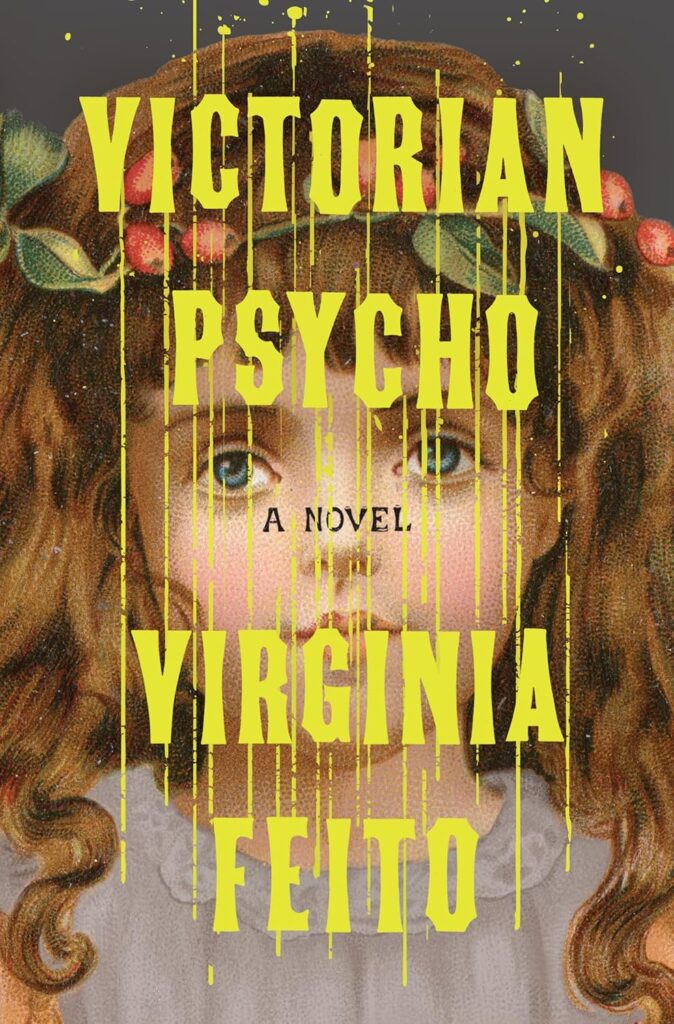
Victorian Psycho (2025)
Select Sections to Print
×Book Details
Victorian Psycho (2025)
Jump to Section
⚠️ Trigger Warnings
- Graphic violence and gore
- Murder / mass murder
- Child death / infanticide
- Violence against children
- Child abuse and neglect
- Domestic violence
- Institutional abuse
- Animal cruelty and animal death
- Self-harm / self-mutilation
- Poisoning
- Drug use / laudanum and opium
- Sexualization of a minor / predatory sexual behavior
- Prostitution and brothels
- Explicit sexual material
- Public execution / hanging
- Corpses and decomposition
- Body mutilation / dismemberment
- Disturbing ingestion
- Psychopathy / lack of empathy
- Morbid fixation on death and burial alive
⏱️ 2-Minute Spoiler Summary
Twenty-two-year-old Winifred Notty arrives at Ensor House on the Yorkshire moors to work as governess to eight-year-old Andrew Pounds and his thirteen-year-old sister, Drusilla. Winnie immediately tells the reader that within three months, everyone in the house will be dead, and it quickly becomes clear that she isn’t exaggerating. She is fascinated by violence, seemingly incapable of fear, and carries what she calls a “Darkness” inside her.
Her employers are an equally strange family. Mr. John Pounds, a wealthy mill owner, is obsessed with phrenology, while Mrs. Pounds is insecure and increasingly paranoid. Winnie soon forms a connection with Mr. Pounds, whose fascination with her intensifies when he measures her skull and discovers that their measurements are almost identical. Winnie has her own reasons for being fascinated by him: she possesses letters from her biological father begging her mother to kill their illegitimate child, and she is gradually becoming convinced that Mr. Pounds is that father.
Winnie’s behavior becomes increasingly disturbing. She kills an injured deer in front of the children, reveals that she once poisoned her entire school by putting a rotting crow into their pudding, and deliberately gets Andrew kicked in the face by an aggressive horse. Her past is just as horrific. Her mother repeatedly tried to kill her as a child, and at sixteen Winnie survived an attack by a rabid man by beating him to death, cutting the bitten flesh from her own arm, and cauterizing the wound herself.
Her violence soon turns murderous. During a houseguest’s visit, Winnie takes Mrs. Fancey’s infant into the nursery and slits his throat. She then steals a baby girl from a nearby farm, swaps the babies’ clothing, mails the dead infant to a convent, and gives the stolen girl to Mrs. Fancey, who doesn’t notice the substitution. Later, Winnie becomes infatuated with maid Sue Lamb, but when Sue rejects her and calls her a deviant, Winnie stabs her in the neck with broken glass and hides her body in a secret garret.
As Christmas approaches, Ensor House fills with guests. Winnie accidentally kills hall boy Fergus after mistaking him in the dark for a portrait, while her relationship with Drusilla takes an unexpected turn. Winnie initially fears that Drusilla knows about her murders, only to discover that Drusilla’s “secret” is simply that she knows Winnie loves her father.
On Christmas morning, Winnie finally confronts Mr. Pounds. She reveals that she is his illegitimate daughter and presents the painted eyes she has stolen from portraits of their ancestors. Rather than accepting her, he is disgusted and orders her out of the house.
Winnie responds by massacring Ensor House.
She murders guests and servants with everything from a kitchen cleaver and bootlace to a bed warmer, crossbow, stag skull, poison, and scrubbing stone. She shoots Andrew through the forehead and shoots Mrs. Pounds. When Mr. Pounds becomes trapped in a metal leghold trap Winnie previously stole, she shoots him with the crossbow—but Drusilla unexpectedly joins her, driving a rapier through her father’s heart. Together, Winnie and Drusilla finish killing the remaining people in the house.
For twelve days, the two girls live happily among the corpses, eating the remaining food, looting rooms, and allowing horses to wander through the halls. But when the police finally arrive, Drusilla betrays Winnie. She ties herself to an oven handle, covers herself in blood and cake, and pretends she was another helpless victim, insisting that Winnie murdered everyone alone.
Drusilla testifies against her at trial, and Winnie is convicted. A crowd of 30,000 gathers for her execution. Still completely unrepentant, Winnie refuses the white hood because she wants to watch what happens.
Winifred Notty is hanged.
Even in death, her final concern is characteristically bizarre: when a plaster cast is made of her head, she thinks they’ve made her chin far too large.
📖 Full Spoiler Summary
Winifred Notty Comes to Ensor House
Twenty-two-year-old Winifred Notty arrives on the Yorkshire moors to take a new position as governess at Ensor House, and she doesn’t keep the reader in suspense about where this is going. Almost immediately, she announces that in three months everyone in the house will be dead.
Winnie is welcomed by the stern housekeeper, Mrs. Able, before meeting her employers. Mr. John Pounds is a wealthy mill owner with an obsessive interest in phrenology, convinced that personality can be determined by measuring people’s skulls. Mrs. Pounds, meanwhile, is deeply insecure about her appearance, puts belladonna drops in her eyes, and insists that Winnie never use corporal punishment on the children.
Those children are eight-year-old Andrew, the spoiled male heir being prepared for boarding school, and thirteen-year-old Drusilla, a vain, languid girl. Winnie immediately establishes that she isn’t going to be an ordinary governess. When Andrew tries to order her around, she tells him that “Fred” is the name of the demon living inside her.
Her odd behavior only escalates. She bites directly into a raw calf’s head in the kitchen, tells the children grotesque bedtime stories, and discovers a hidden garret behind an old hunting arras. During a walk, she uses a cuckoo’s habit of killing its nest-mates as an impromptu nature lesson before crushing a bird’s egg in her hand. When they encounter an injured deer, she brutally smashes its head with a rock in front of the horrified children and calls it mercy.
Yet Winnie and Mr. Pounds begin enjoying regular walks together. As Mrs. Pounds becomes increasingly paranoid, convinced that the servants are calling her ugly, Winnie becomes more interested in her husband.
Winnie’s Violent Past
Ensor House isn’t responsible for making Winnie dangerous. Her history makes it clear that she arrived that way.
As a baby, Winnie’s mother tried to throttle her before sending her to a foster mother who drugged infants with laudanum and strangled them. When Winnie was three, her mother stabbed her in the shoulder with a bread knife.
At sixteen, Winnie was bitten by a rabid man. Rather than panic, she discovered that she seemed incapable of fear. She killed him with a fourteen-pound clock weight, cut the bitten flesh out of her own arm, and cauterized the wound with a hot smoothing iron while laughing.
Her school years were similarly disastrous. At the Clergy Daughters’ School, Winnie hid a rotting crow beneath her bed, eventually chopped it up, and put it into a pudding served to the other girls. The mass poisoning got her expelled. Intriguingly, when she told the other students about her family, she claimed that her father was a man named John Pounds of Harley Street.
Back at Ensor House, Winnie continues testing boundaries. After being forced to spend a night in the dog kennel as punishment, she takes revenge on Andrew by luring him into the stall of an aggressive horse named Creole. Winnie bites the horse, causing it to panic and kick Andrew in the face. His front teeth are smashed and turn black.
Mrs. Pounds fires Winnie over the incident, but because Christmas is approaching, she orders her to remain at Ensor House through the holiday to chaperone Drusilla.
That gives Winnie plenty of time to become even more dangerous.
Winnie Discovers the Truth About Her Father
Mr. Pounds’ obsession with Winnie’s skull takes a startling turn when he measures her head and excitedly discovers that their skull dimensions are nearly identical. He declares them “phrenology twins.”
Winnie is thrilled for a much more personal reason. She possesses old letters written by her biological father to her mother, begging her to kill their illegitimate baby. Those letters bear a family boar crest. The growing evidence confirms what Winnie has long suspected: John Pounds is her biological father.
Her fixation intensifies. She even writes “Winifred Pounds” on a piece of paper and eats it.
At the same time, the house is being subjected to bizarre acts of vandalism. Portraits in the gallery are mutilated, with faces cut out and attached to different bodies, and seven pairs of painted eyes disappear. An innocent sixteen-year-old maid is blamed and sent away to a workhouse in Van Diemen’s Land.
Winnie is hardly concerned with the injustice. Her own crimes are about to become much worse.
Winnie Starts Killing
When Mrs. Fancey visits Ensor House with her infant son, William, Winnie takes the crying baby upstairs. After drinking laudanum and imagining the infant speaking arrogantly to her, Winnie uses her father’s straight razor to slit his throat.
Now she has a dead baby and a house full of people who expect her to return a living one.
Winnie races to a nearby farm, steals a labourer’s baby daughter, swaps the children’s clothing, places William’s corpse inside a doll box, and anonymously mails it to Benedictine nuns. She then gives the kidnapped girl to Mrs. Fancey.
Mrs. Fancey doesn’t realize it isn’t her child.
Winnie’s next victim is someone she initially likes. She becomes fixated on the pretty maid Sue Lamb, repeatedly summoning her to the schoolroom just to see her. But when Winnie tries to bite Sue’s earlobe, Sue recoils, calls her a deviant, and repeats some of the rumors circulating about her.
Winnie explodes. She smashes a glass against a globe and drives a shard into Sue’s neck. Mrs. Pounds unexpectedly enters moments later, and Winnie casually wipes her bloody hands on the hem of Mrs. Pounds’ dress without being noticed. She then drags Sue’s corpse into the secret garret.
Christmas Guests Arrive
Ensor House soon fills with holiday visitors, including the Fanceys, widowed Mrs. Manners and her daughter, Miss Manners, Marigold and her husband, an abrasive Dowager, and Mr. Art Fishal, who entertains everyone by unveiling and unwrapping an Egyptian mummy.
Winnie quietly prepares for something much more violent. She steals a silver letter opener, takes a heavy metal fox trap from the gamekeeper’s cottage, and later obtains weapons from the house’s armoury.
Drusilla is causing trouble of her own. Mrs. Pounds discovers that she has been exchanging romantic letters with the lecherous painter Mr. Gotthard Johnson, and burns them. Winnie later finds a letter revealing that the painter has actually rejected Drusilla because she bit him.
Winnie becomes suspicious of Drusilla after finding a drawing of birdsfoot trefoil, a flower associated with revenge. She worries that the girl may know about the murdered baby or Sue’s death and considers killing her.
When Winnie finally corners her, however, Drusilla’s secret is something else entirely.
“I know you love Father,” she tells her.
Winnie’s killing continues anyway. One night, she sees a figure in the darkened gallery and attacks it with the stolen letter opener, believing she’s stabbing the portrait of Grandfather Pounds in the eye. Instead, she has stabbed Fergus, the hall boy. Winnie drags him away, but he dies, and rumors of a murderous ghost begin spreading through the terrified household.
Christmas Morning Becomes a Massacre
On Christmas morning, Winnie finally goes to Mr. Pounds and reveals the truth. She tells him that she is his illegitimate daughter and presents him with the stolen painted eyes of their ancestors as a grotesque Christmas gift.
She expects some kind of recognition.
Instead, Mr. Pounds is disgusted by her and orders her to leave Ensor House.
Winnie responds by killing almost everyone in it.
The massacre is chaotic and inventive. She chops off Miss Manners’ hand with a kitchen cleaver and attacks Mrs. Manners with her mourning brooch pin. Mr. Fancey is strangled with a bootlace, while the Dowager’s head is crushed with her own cherub-headed cane. Winnie impales Art Fishal with a mounted stag skull and pushes Marigold’s husband into the fireplace.
In the kitchen, she force-feeds the cook and kitchen maid poisonous salt of sorrel. A valet, lady’s maid, and coachman are bludgeoned with a heavy scrubbing stone. Winnie then arms herself with a crossbow.
Andrew, whose torment began almost as soon as Winnie arrived, is shot through the forehead. Mrs. Pounds is shot as well. Mrs. Fancey—the woman unknowingly raising the stolen baby—is strangled with Winnie’s bare hands. Mrs. Able has her face smashed in with a brass bed warmer. A fleeing French nurse trips over one of the corpses and falls over the banister, breaking her neck.
Eventually Mr. Pounds steps into the metal fox trap Winnie stole earlier. Trapped and helpless, he becomes the final target of the daughter he refused to acknowledge.
But Winnie doesn’t kill him alone.
Drusilla joins her.
Winnie shoots Mr. Pounds with the crossbow, and Drusilla drives a rapier through her father’s heart. The two then continue through the house together, killing the remaining servants, including a maid in the Great Hall and the butler as he hangs from the crystal chandelier.
By the end, Winnie’s opening promise has essentially come true. Ensor House has become a house of corpses.
Drusilla Betrays Winnie
For the next twelve days, Winnie and Drusilla remain inside Ensor House with the dead.
They eat whatever food remains, pillage the rooms, and allow horses to wander freely through the halls as the bodies decay around them. For a brief period, the two behave almost as though the bloodbath has liberated them from every rule that previously governed the house.
Then the police arrive.
Winnie discovers too late that Drusilla has no intention of sharing responsibility for what they’ve done.
Drusilla ties her own wrists to an oven handle and covers herself with cake and blood, transforming herself into what appears to be another traumatized survivor of Winnie’s rampage. When the authorities enter, Drusilla gives them a simple explanation:
Winnie did everything.
“She killed them. She killed them all.”
Drusilla maintains the story and eventually testifies against her.
Winnie is arrested, tried, and convicted of the Ensor House murders. Her crimes turn her execution into a public spectacle, with approximately 30,000 people gathering to watch her die.
Even facing the gallows, Winnie shows no remorse. She refuses to wear the executioner’s white hood because she wants to be able to see what happens.
Winifred Notty is hanged.
Afterward, a plaster cast is made of her head. In keeping with the macabre humor that has followed Winnie through her entire story, her final observation isn’t about the murders, Drusilla’s betrayal, or even her own death.
She’s annoyed that the cast makes her chin look too large.
🔚 Ending Explained
How Victorian Psycho Ends
Christmas Day at Ensor House turns into an all-out bloodbath after Winifred Notty reveals to Mr. Pounds that she is his illegitimate daughter. She presents him with the painted eyes she has cut from the family portraits, using their shared features—and her obsession with skull shape and heredity—as proof that she belongs to the Pounds bloodline.
Rather than acknowledge her, Mr. Pounds rejects and humiliates her, fires her, and orders her out of the house. His rejection removes whatever restraint Winifred had left. Dressed in her poisonous arsenic-green gown, she gives herself completely over to the “Darkness” she has been describing throughout the novel.
What follows is the Christmas Day massacre. Armed with a cleaver, crossbow, fox trap, and whatever household objects happen to be convenient, Winifred systematically murders the inhabitants and guests of Ensor House. Miss Manners loses a hand; Mrs. Manners is stabbed and choked; Mr. Fancey is beaten and strangled; the Dowager is bludgeoned with her own cane; Art Fishal is impaled with a mounted stag skull; servants are poisoned or beaten to death; and eight-year-old Andrew Pounds is shot through the forehead with a crossbow.
Mr. Pounds eventually gets caught in Winifred’s fox trap and attempts to bargain for his life by offering her the estate. It doesn’t save him. Winifred shoots him with a crossbow—but Drusilla delivers the fatal blow, suddenly joining the violence and driving a rapier through her father’s heart.
The massacre doesn’t end with a frantic escape. Instead, Winifred and Drusilla remain at Ensor House for twelve days, essentially having their own grotesque extended Christmas celebration among the corpses. They prop dead guests back into their places at the dining table, eat leftover Christmas food and cake, drink port, raid the bedrooms, and release the horses. Meanwhile, the bodies decay around them as flies, maggots, and crows take over the freezing house.
Then comes the final betrayal.
When the police finally arrive, Drusilla frames Winifred for everything. She ties herself to an oven handle, covers herself in blood and cake, and convincingly performs the role of the traumatized aristocratic survivor. She tells the authorities that Winifred went mad and murdered everyone.
And they believe her.
Winifred is arrested, convicted, and sentenced to death, while Drusilla appears in mourning clothes as the prosecution’s star witness. At Winifred’s public execution, some 30,000 spectators gather to watch. Even facing death, Winifred shows no remorse. She refuses the executioner’s hood because she wants to see what is happening and is hanged by the short-drop method.
Even death doesn’t quite silence her narrative voice. Afterward, a phrenological plaster cast is made of her head, and Winifred’s final observation is characteristically absurd and vain: she thinks they’ve made her chin too large.
Ending Explained
The ending works because Winifred doesn’t receive a redemption arc, an explanation, or even a conventional moment of fear. She finally gets what she has been moving toward for the entire novel: complete freedom from restraint. Mr. Pounds’s rejection triggers the massacre, but it doesn’t suddenly create the monster. Winifred has already shown us exactly who she is.
Her revelation that she is Mr. Pounds’s daughter adds another layer to the story’s obsession with inheritance. Winifred desperately wants recognition as a member of the Pounds family, which explains the grotesque significance of the painted ancestral eyes. She literally removes the eyes of the ancestors and gives them to her father while demanding that he see her.
The boar imagery reinforces that idea. The Pounds family crest repeatedly appears throughout the story, associating the family with something primitive and predatory. Winifred may be treated as the monstrous outsider, but she is also quite literally one of them.
Her arsenic-green dress makes the same point visually. Something beautiful, fashionable, and respectable is actually poisonous. That’s essentially Ensor House—and Victorian respectability itself—in miniature. Winifred commits her atrocities while dressed in the poisonous trappings of the society the novel has been mocking.
But the sharpest twist is Drusilla.
Drusilla proves capable of killing her own father and then immediately understands how to survive the consequences. Unlike Winifred, she knows how to perform the femininity society expects from her. She becomes the helpless young aristocratic woman, while Winifred—the socially inferior, strange governess—is transformed into the convenient lone monster.
So Drusilla’s escape isn’t merely a final betrayal. It’s the novel’s darkest social joke: Winifred is openly monstrous; Drusilla understands how to hide monstrosity behind respectability.
The phrenological cast provides one final punch line. Throughout the novel, people try to explain human character through supposedly scientific measurements of the skull. After Winifred has demonstrated just how spectacularly inadequate those explanations are, society responds by measuring her skull anyway. Even after death, everyone is still trying to turn something incomprehensible into something tidy and classifiable.
And Winifred’s reaction? She doesn’t care about the scientific conclusions.
She cares that they got her chin wrong.
That final joke perfectly captures the novel’s macabre, absurd, deeply irreverent tone. Winifred never becomes sorry, frightened, or morally enlightened. She remains Winifred right through the gallows.
The aftermath makes the satire even nastier. Winifred becomes entertainment—a notorious figure reproduced in penny dreadfuls and sensational stories for the public’s enjoyment. Victorian society condemns her violence while simultaneously turning it into spectacle. Meanwhile, Drusilla survives as the respectable heir, carrying the Pounds legacy forward beneath the protective veneer of class and propriety.
So the ending isn’t really about evil being defeated. Winifred dies, but the things the novel associates with her violence—hypocrisy, cruelty, voyeurism, class privilege, and society’s fascination with death—survive perfectly well without her.
👤 Characters & Fates
🔶 Main Characters
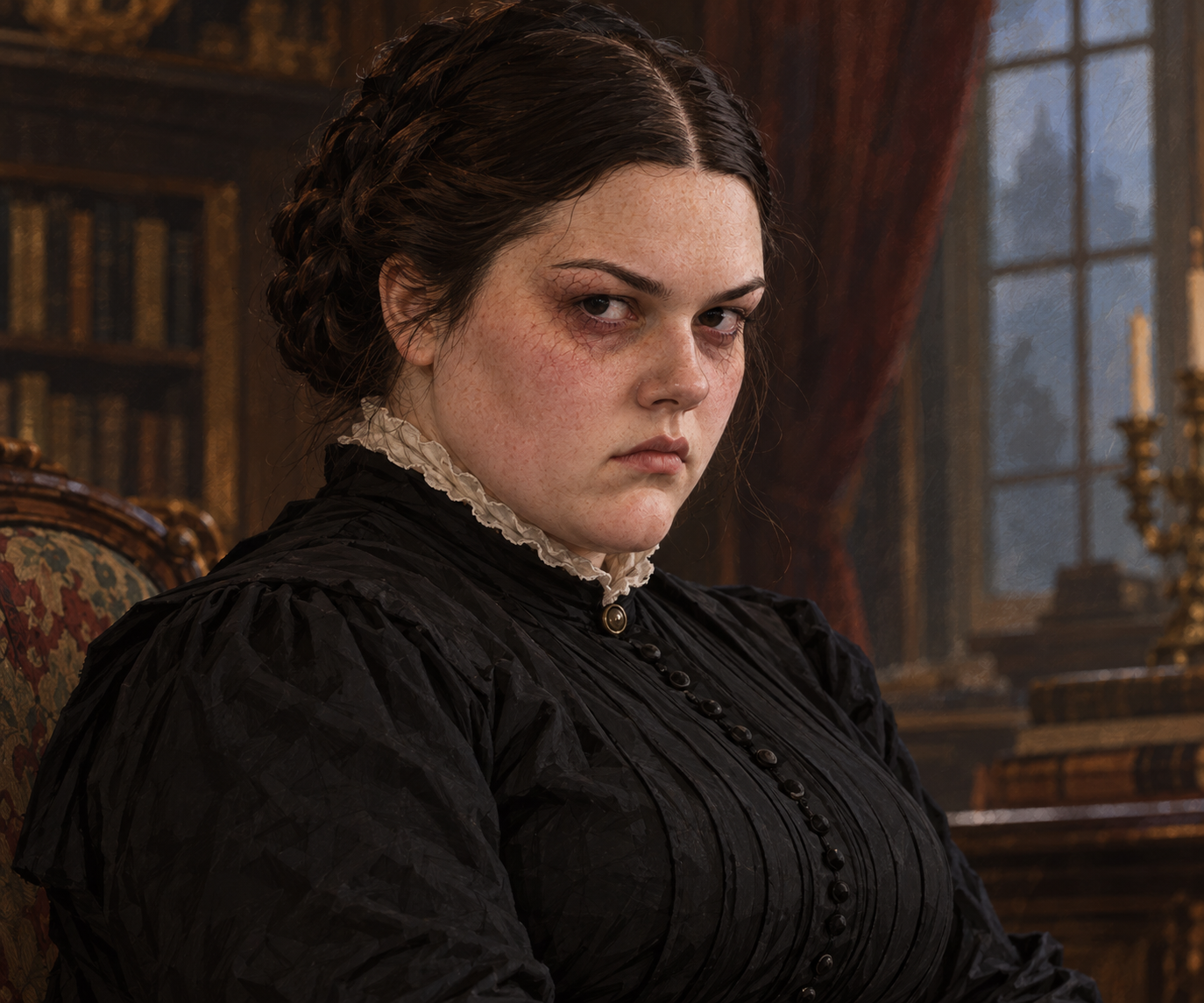
Drusilla frames her as the sole killer, and Winifred is convicted of the Ensor House murders. She is hanged before a crowd of 30,000 without a hood so she can watch her own execution; afterward, a phrenological plaster cast is made of her head.
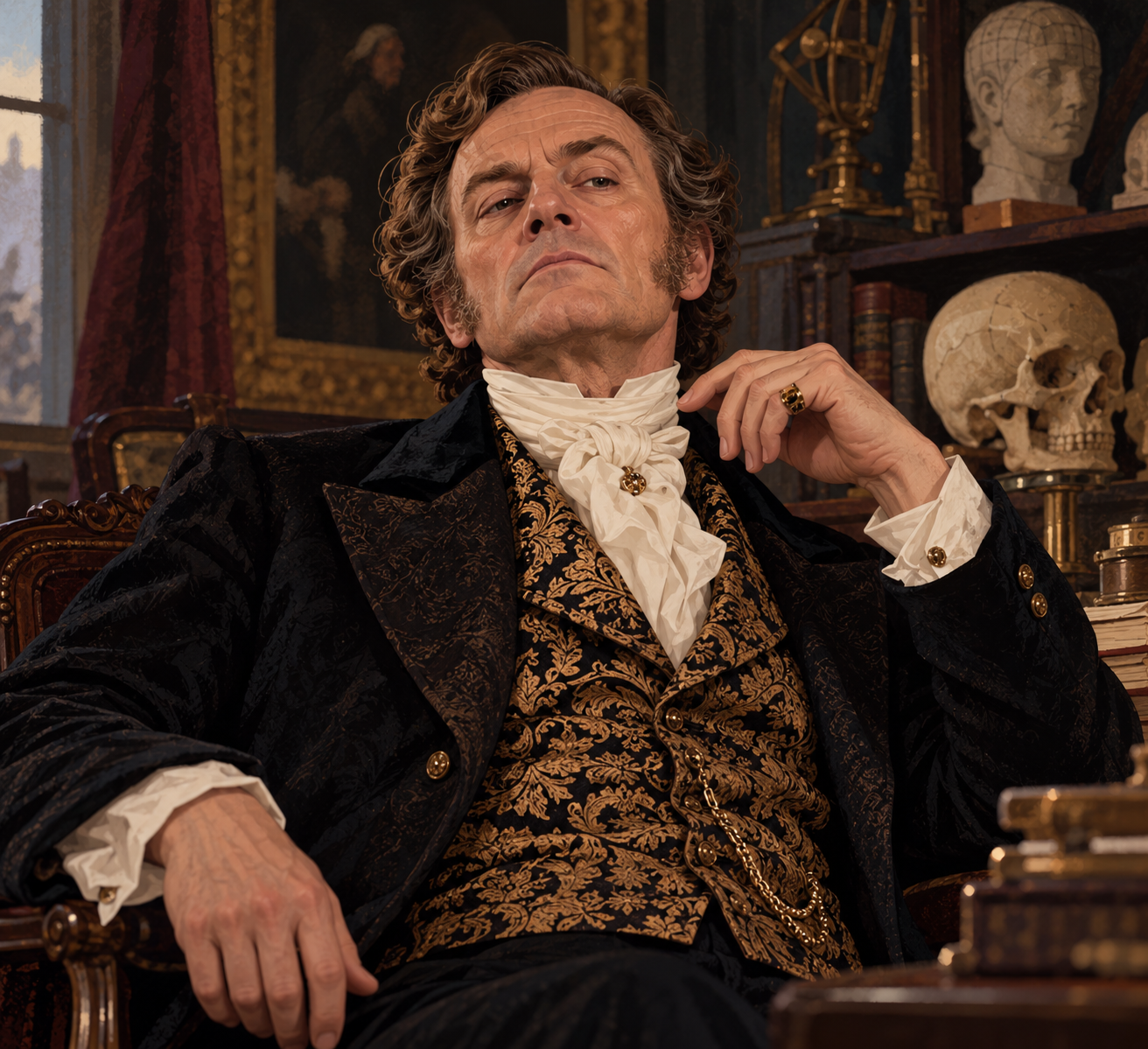
Winifred catches him in a metal fox trap, snapping his ankle, then shoots him with a crossbow. Drusilla finishes him by plunging a rapier through his heart.
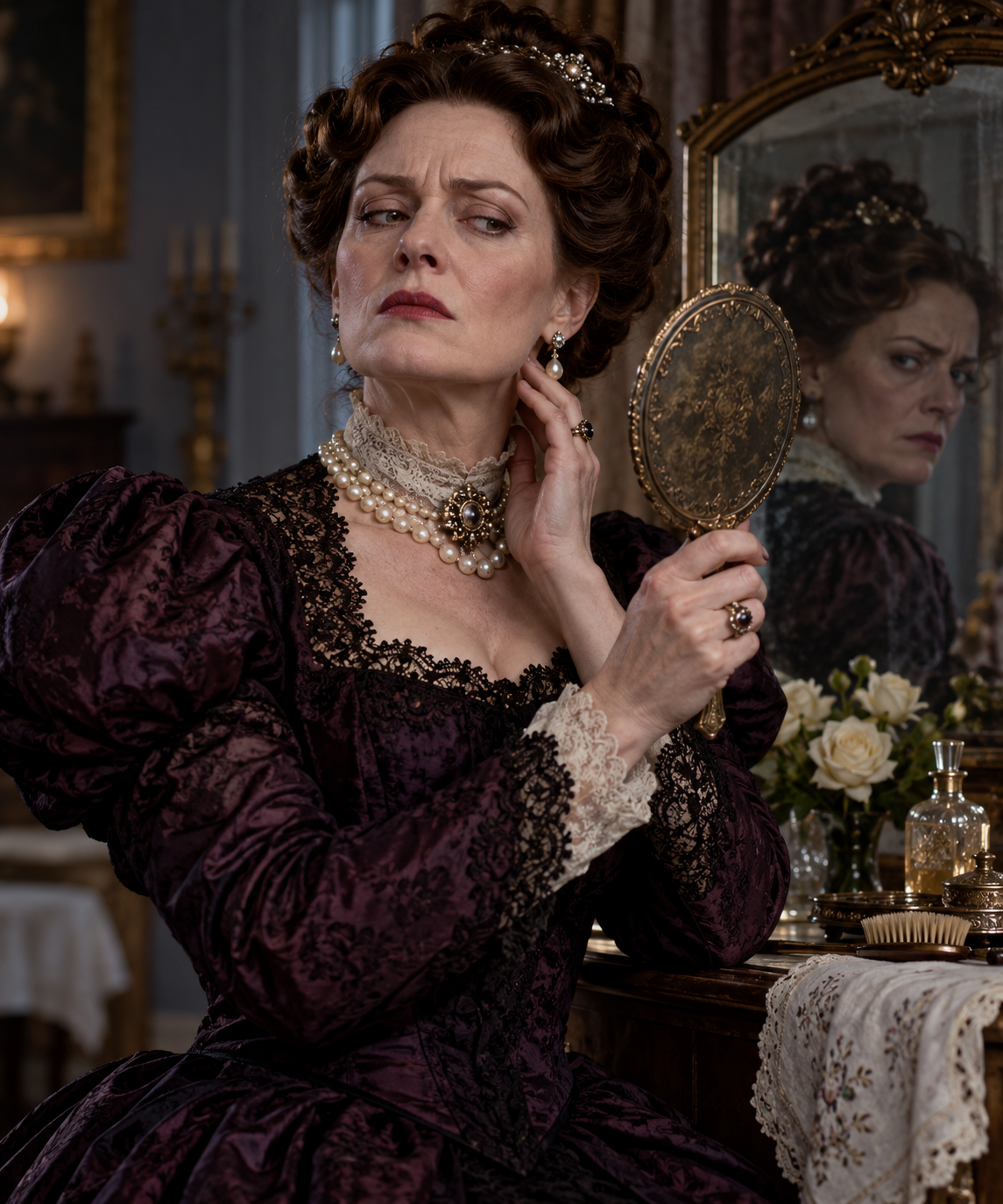
During the Christmas Day massacre, she berates Winifred over her tutoring etiquette in the nursery, and Winifred kills her with a crossbow bolt.
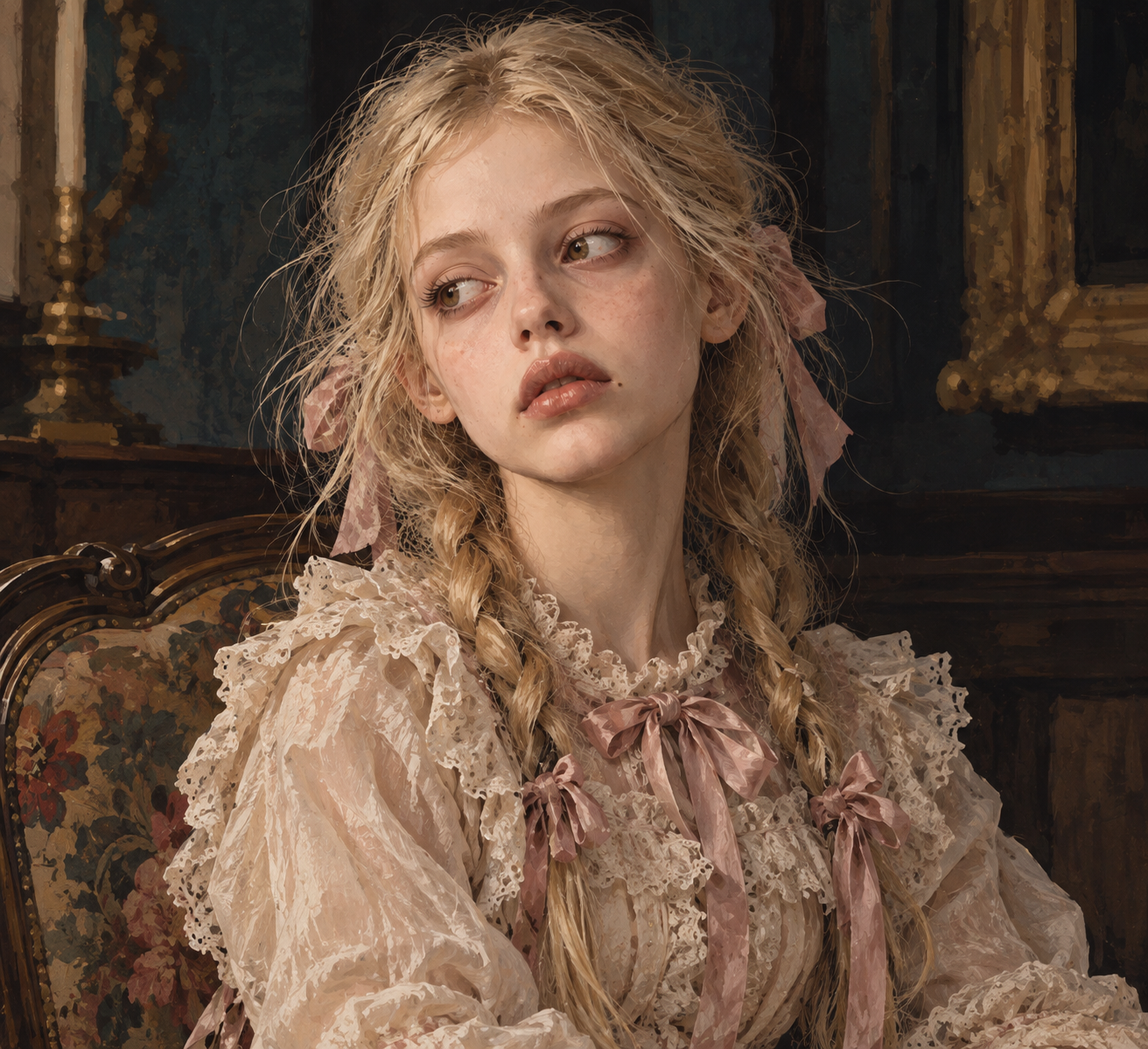
Drives a rapier through her father’s heart, but twelve days after the massacre she stages herself as a victim by tying her wrists to an oven handle and covering herself in cake and blood. She successfully frames Winifred for everything and survives to inherit the Pounds estate.
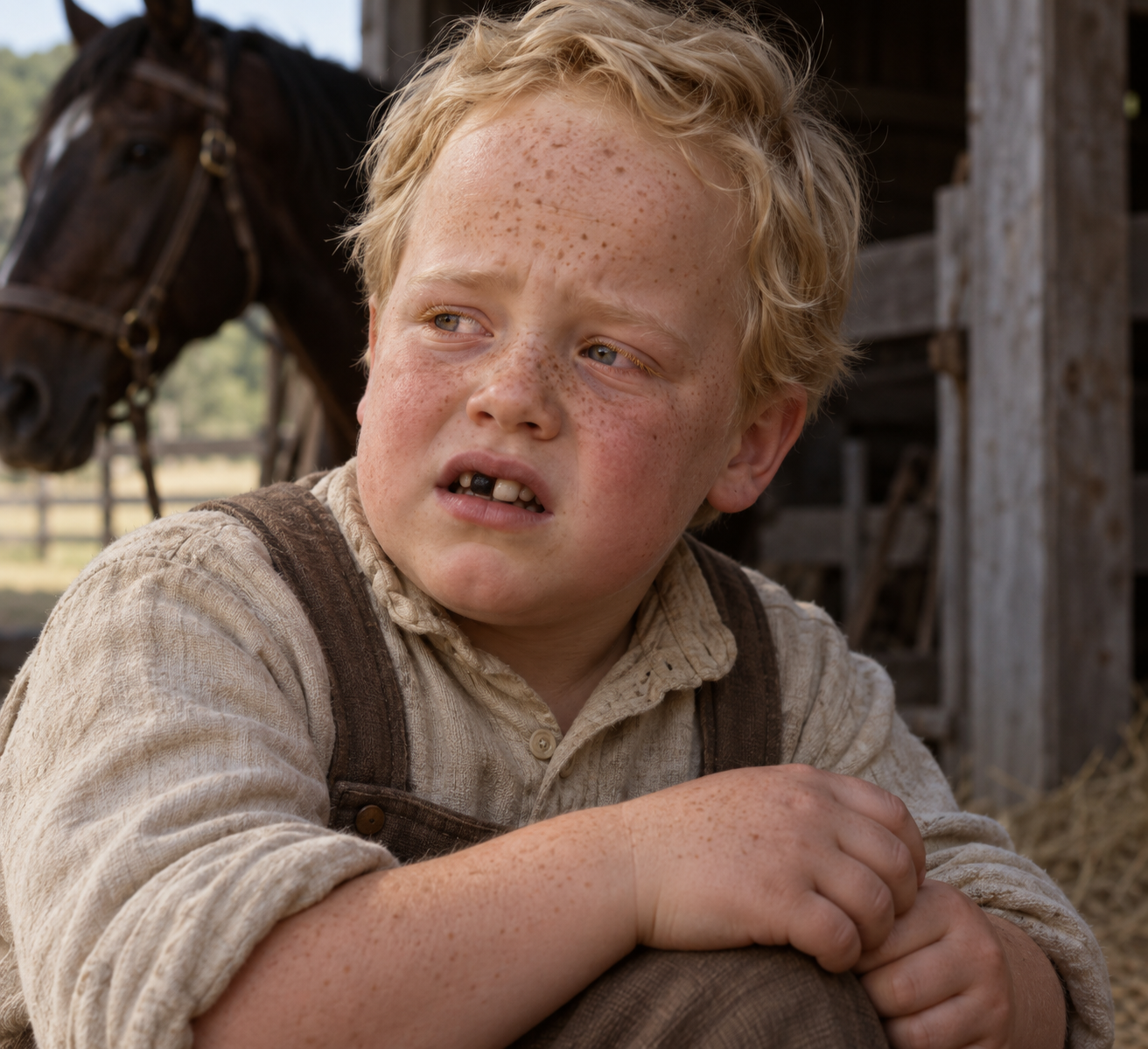
During the Christmas Day massacre, Winifred kills him by firing a steel-tipped crossbow bolt directly through his forehead between the eyes.
🔷 Supporting Characters

Found dead in the snowdrop field during the massacre with a cleaver buried in his skull.
Winifred smashes her in the face with an iron bed warmer filled with hot embers during the Christmas massacre.
Winifred force-feeds her toxic salt of sorrel (oxalic acid), causing fatal cardiac arrest.
Mrs. Pounds burns his letters, and his relationship with Drusilla ends after Drusilla bites him.
Winifred stabs her in the neck with broken glass and hides her corpse in the secret garret.
Winifred stabs him through the eye with a silver letter opener and drags him into her room, where he bleeds to death.
Winifred repeatedly stabs her with the brooch pin, cracks her ribs, and forces her husband’s hair down her throat until she chokes to death.
Winifred chops off her hand at the piano with a kitchen cleaver, leaving her screaming across the keys.
Attempts to fight Winifred with a brass poker; she smashes his skull with it and then strangles him with his own bootlace.
Winifred strangles her behind her bed curtains while Mrs. Fancey clutches a stolen Egyptian mummy necklace.
Winifred slits his carotid artery with her father’s straight razor, packs his corpse into a doll box, and anonymously mails him to Benedictine nuns in Lancashire.
Winifred dresses her in William’s bloodstained satin clothes and gives her to Mrs. Fancey, who astonishingly fails to notice the substitution.
During the massacre, her hysterical screaming annoys Drusilla, who silences her by stabbing her through the neck with a rapier.
Winifred pushes him directly into a burning hearth during the massacre.
Winifred takes the Dowager’s own cane and beats her head open with it, exposing her brain.
Winifred kills him by spearing him through the chest with a mounted stag skull in the minstrels’ gallery.
While fleeing crossbow-wielding Winifred, she trips over a dead child and falls over the banister, breaking her neck.
Long dead before the novel begins; Winifred vandalizes their portraits and cuts out their painted eyes.
🕳️ Potential Plot Holes
Winifred murders Sue Lamb and Fergus inside Ensor House, then moves their bleeding bodies through occupied areas of the estate. Neither their sudden disappearance nor the blood left behind prompts a serious search or investigation. The household's willingness to blame strange events on the supposed "Ghost of Ensor House" helps explain why suspicions are delayed, but it is difficult to believe that two missing servants and obvious evidence of violence would go largely unquestioned in such a busy household.
Winifred repeatedly moves around Ensor House collecting conspicuous weapons, including a cleaver, crossbow, steel bolts, bed warmer, and fox trap. She has time to move between rooms, position weapons, reload the crossbow, and attack victim after victim without the surviving adults successfully organizing against her. Fear, confusion, surprise, and the sprawling estate can explain some of this, but the sheer number of victims makes their collective inability to flee, barricade themselves, or overpower one governess increasingly implausible. Like much of the climax, it works better as deliberately excessive gothic carnage than as a realistic mass-murder scenario.
📚 Book Club Q&A's
⭐ Final Rating & Thoughts
Victorian Psycho was a strange one for me because I liked the actual story quite a bit more than I enjoyed the experience of reading it. Winifred Notty is wonderfully unhinged, the dark humor worked for me, and I definitely appreciated just how committed Virginia Feito was to the book’s over-the-top violence. The deaths were creative, gruesome, and honestly some of the most entertaining parts of the novel.
But for such a short book, this somehow felt surprisingly long. The dense, period-inspired writing and Winifred’s rambling narration made it difficult for me to stay immersed, and I kept putting it down instead of wanting to fly through it. I understand that the claustrophobic, almost suffocating style fits the story, but understanding what the book is doing doesn’t necessarily mean I enjoyed reading it.
Still, the storyline kept me interested, the satire was sharp, and Winifred is certainly memorable. I’m glad I read it, and there’s a lot here I appreciated—I just wish getting through it had been as much fun as the carnage itself.
✨ Adaptation description
Screen Adaptation
Victorian Psycho was adapted into a feature film directed by Zachary Wigon, with Virginia Feito adapting her own 2025 novel for the screenplay. The film stars Maika Monroe as Winifred Notty, alongside Jason Isaacs as Mr. Pounds, Ruth Wilson as Mrs. Pounds, Thomasin McKenzie as Miss Lamb, Evie Templeton as Drusilla, and Jacobi Jupe as Andrew. Produced by Traffic and Anton, the film premiered in the Un Certain Regard section of the 2026 Cannes Film Festival and is scheduled for a U.S. theatrical release through Bleecker Street on November 13, 2026. Screen Daily
Key Differences
Winifred’s narration becomes more visual. The novel is told almost entirely through Winifred’s bizarre first-person perspective, allowing readers direct access to her violent fantasies, deadpan observations, and gleefully unreliable narration. The movie retains elements of her internal narration through voice-over, but much more of her character is communicated through Maika Monroe’s physical performance and reactions. Books of Brilliance
Miss Lamb has a more prominent role. In the film, Thomasin McKenzie’s Miss Lamb becomes an important companion within the servants’ side of Ensor House. She and Winifred initially develop something resembling an alliance against their employers, giving their relationship greater narrative weight before Miss Lamb becomes one of Winifred’s victims. International Cinephile Society
Drusilla’s connection with Winifred is emphasized earlier. The novel gradually develops the disturbing similarities between Winifred and Drusilla, culminating in Drusilla participating in the Christmas massacre. The film places greater emphasis on Drusilla’s rebelliousness and her affinity with Winifred earlier in the story, strengthening the parallel between governess and pupil. Books of Brilliance
Tone Changes
The novel’s humor largely comes from the contrast between Winifred’s prim Victorian narrative voice and the grotesque things she describes. The film translates that into a more overt black comedy/horror, using Monroe’s exaggeratedly cheerful performance, visual gags, period costumes, production design, and sudden violence to make the satire more immediately visible. Cannes reviews differed on exactly where the balance lands, with some describing it primarily as a darkly comic gothic horror and others finding the film more comedic than frightening. Roger Ebert
Structural Changes
The film condenses the novel into a much shorter screen narrative and moves rapidly through Winifred’s arrival, her increasingly disturbing behavior, and the household’s descent into violence. The book has more room for Winifred’s digressions, memories, grotesque observations, and elaborate inner monologue, while the film relies on visual shorthand and Monroe’s performance to establish her instability. Roger Ebert
The Christmas massacre is also presented differently. The novel provides an extended and extremely detailed sequence of killings followed by Drusilla’s betrayal, Winifred’s arrest, trial, imprisonment, and eventual public execution. Festival reviews indicate that the film places greater emphasis on Winifred herself during the climactic violence, sometimes keeping the camera on her rather than explicitly showing all of the surrounding carnage. Books of Brilliance
Character Changes
Winifred Notty remains the central character and narrator, but Maika Monroe’s performance externalizes much of the insanity that exists inside Winifred’s narration in the book.
Drusilla Pounds is given greater emphasis as a rebellious girl trapped by Victorian expectations, making her connection to Winifred more apparent earlier in the film. Screen Daily
Miss Lamb becomes a more significant presence and initially appears to form a conspiratorial bond with Winifred against the Pounds family before becoming one of her victims. International Cinephile Society
Mr. and Mrs. Pounds retain their roles as the wealthy, self-absorbed heads of Ensor House, but the film leans more visibly into their embodiment of Victorian class privilege and gender expectations. Screen Daily
What the Adaptation Emphasizes
The movie places particular emphasis on the novel’s satire of Victorian gender roles and class hierarchy. Drusilla’s education is treated as largely irrelevant by her parents compared with that of her brother Andrew, while the women of Ensor House occupy different forms of confinement based on their social class. Winifred’s refusal to behave as a submissive governess turns her violence into an intentionally grotesque rejection of those expectations. Screen Daily
The adaptation also emphasizes the absurdity of Winifred’s behavior visually. Her upbeat demeanor and cheerful internal commentary are repeatedly juxtaposed with murder, mutilation, and other grotesque acts, translating the novel’s deadpan literary humor into physical comedy and horror. International Cinephile Society
What the Adaptation Softens, Removes, or Expands
The film necessarily reduces much of the novel’s extended internal narration and literary pastiche, since the book’s distinctive effect depends heavily on spending so much time inside Winifred’s mind.
It also appears to soften the visual presentation of portions of the climactic massacre. Although the film contains substantial bloody violence, the camera sometimes remains focused on Winifred rather than displaying every murder in the graphic detail provided by the novel. Roger Ebert
Conversely, the movie expands the visual and thematic importance of the women surrounding Winifred, particularly Drusilla and Miss Lamb, making their positions within the rigid hierarchy of Ensor House a more immediate part of the film’s satire. Screen Daily
The film therefore keeps the novel’s central premise—a psychopathic governess entering a rigid Victorian household and gradually unleashing chaos—while shifting some of the story’s impact from Winifred’s grotesque internal voice to performance, visual satire, and the relationships among the women of Ensor House.
✨ Books Like Victorian Psycho (2025)
See an error on this page?