
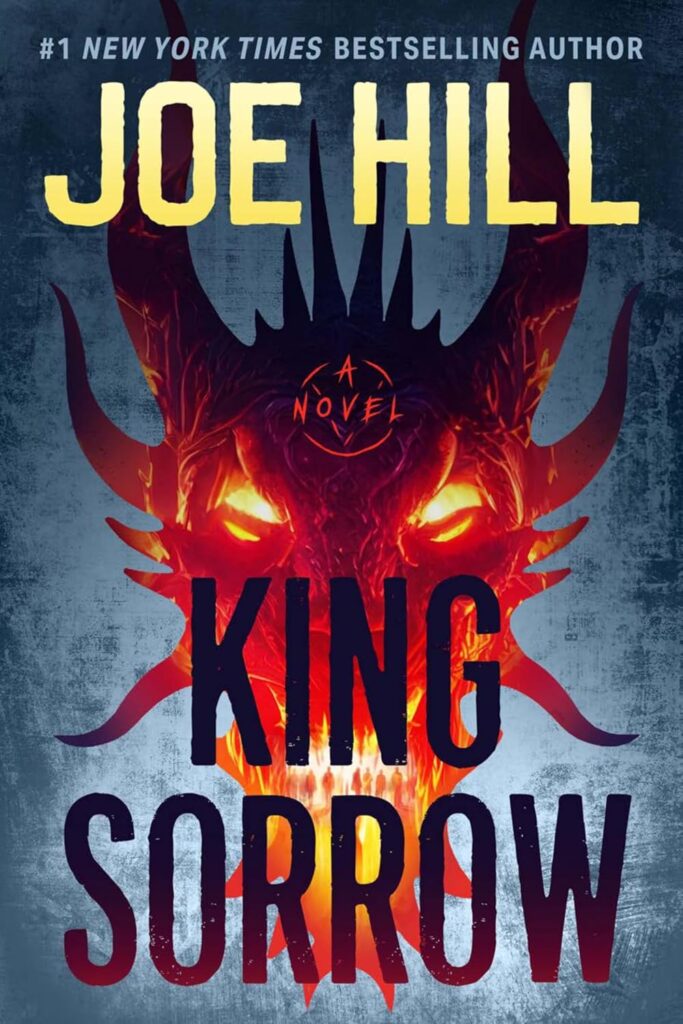
King Sorrow (2025)
Select Sections to Print
×Book Details
King Sorrow (2025)
Jump to Section
⚠️ Trigger Warnings
- Child sexual abuse, grooming & statutory rape
- Sexual assault & sexual violence
- Forced prostitution & sexual exploitation
- Human trafficking & sexual coercion
- Domestic violence & spousal abuse
- Child abuse & child endangerment
- Child abduction & child murder
- Stillbirth & pregnancy loss
- Violence against pregnant women
- Graphic violence, murder & gore
- Decapitation & dismemberment
- Burning alive & incineration
- Cannibalism & human consumption
- Body horror
- Self-mutilation, cutting & branding
- Suicide & suicidal behavior
- Self-harm
- Torture, waterboarding & mock drowning
- Physical confinement & imprisonment
- Drug abuse, addiction & drug trafficking
- Alcoholism & severe intoxication
- Non-consensual drugging & forced sedation
- HIV/AIDS & AIDS-related death
- Cancer & terminal illness
- Graphic medical trauma
- Religious extremism & cult abuse
- White supremacy & extremist ideology
- Racism, antisemitism & xenophobia
- Homophobia & hate speech
- Racial & homophobic slurs
- Mass violence & mass-casualty events
- Aviation disasters & plane crashes
- Terrorism & references to 9/11 and the Oklahoma City bombing
- Incarceration & prison violence
- Strip searches & institutional abuse
- Corrupt authority figures
- Death, grief & bereavement
⏱️ 2-Minute Spoiler Summary
In 1989, Arthur Oakes is a student at Rackham College in Maine when a simple act of kindness lands him in serious trouble. During a prison visit to his mother, Erin, Arthur gives his Biko hoodie to Tana Nighswander, a pregnant young woman abused by her family. Tana’s vicious older sister, Jayne, uses the hoodie to track Arthur down. She and her boyfriend, Ronnie Volpe, blackmail him into stealing valuable books from the college library, including a handwritten occult journal from 1789.
Arthur turns to his closest friends: Gwen Underfoot, who is deeply in love with him; troubled alcoholic Allie Shiner; Allie’s husband Van McBride; Van’s twin sister Donna; and wealthy, brilliant Colin Wren. While partying at Colin’s grandfather’s estate, the Briars, they experiment with the stolen journal and occult objects belonging to Colin’s grandfather, Llewellyn. Their ritual reaches an otherworldly realm called the Long Dark and summons King Sorrow, an ancient dragon-like entity.
King Sorrow offers to protect them from their enemies, beginning with Jayne and Ronnie, but there is a horrifying price: every Easter, the group must provide him with a human sacrifice. He marks all six friends with invisible serpent tattoos that can be used to summon him. On Easter 1990, King Sorrow hunts down Jayne and Ronnie and kills them.
The friends spend the following years trying to manage their terrible bargain. Rather than sacrifice innocent people, they choose murderers, terrorists, child abusers, and other violent criminals for King Sorrow to eat. But the dragon increasingly proves that he cannot truly be controlled.
In 1995, Allie chooses murderous cult leader Horation Matthews, only for King Sorrow to threaten an entire passenger jet carrying Matthews. Allie and Van board the flight themselves. After a terrifying confrontation in the air, Allie stabs Matthews, allowing King Sorrow to rip him from the plane and devour him. The damaged aircraft manages to land safely.
Five years later, Van publishes Satanic Skies about the incident. The book attracts a secret government contractor called Thermopylae Security, whose operatives want to capture and weaponize King Sorrow. Van and Donna are kidnapped and tortured for information. When Van realizes his captors will use Donna against him, he kills himself by jumping down a stairwell. Donna responds by summoning King Sorrow, who attacks the facility and destroys its military defenses.
The loss of Van begins tearing the friends apart. Eventually, Arthur decides that managing King Sorrow is no longer enough: they have to destroy him. In 2006, Arthur and Colin travel to Cornwall in search of an ancient troll named Svangur and a mythical weapon called the Sword of Strange Hangings. Arthur successfully retrieves the sword, but Colin has no intention of killing King Sorrow. He has been using the dragon to eliminate corporate enemies and advance his technology empire. Colin murders Arthur with the sword, hides his body in a stone sarcophagus, and tells everyone that Svangur killed him.
For almost a decade, Colin gets away with it. Then publisher Robin Fellows finds evidence proving Svangur survived, and Gwen realizes Colin murdered the man she loved. Colin responds by secretly choosing Gwen as King Sorrow’s next Easter sacrifice.
Before Colin’s plan can happen, however, Daphne Nighswander, Jayne and Tana’s mother, gets out of prison and learns what happened to Jayne. She tracks Colin down and shoots him dead.
That still leaves King Sorrow coming for his Easter sacrifice. Gwen, Allie, Donna, Tana, and Robin gather at Rackham’s Brooks Library and use Arthur’s old recordings and occult objects to summon his spirit from the Long Dark. When King Sorrow attacks, Donna drinks a deadly substance called dragon tears and breathes fire into the dragon’s face, dying in the process. Allie summons Van’s spirit as a shield, while Gwen draws Arthur’s spirit into the form of a sword and drives it through King Sorrow’s tail, pinning him to the library floor.
Unable to escape and consumed by his own endless hunger, King Sorrow begins eating his own tail. He keeps swallowing himself until his entire body disappears into his own mouth, destroying him for good.
Gwen survives. By 2018, Tana and Allie are living together and supporting each other in sobriety. In 2022, Gwen travels to London for Robin’s retirement party, where Arthur’s manuscript, Toolkit for the Well-Prepared Dragonslayer, has finally been published with Gwen credited as co-author. After decades of death and sacrifice, King Sorrow is finally gone, and Gwen is left with the comforting memory of Arthur.
📖 Full Spoiler Summary
Arthur Oakes Makes a Dangerous Enemy
In 1989, Arthur Oakes is studying medieval literature and Old English at Rackham College in Maine while his mother, Dr. Erin Oakes, serves a manslaughter sentence following an anti-war protest accident. During a prison visit, Arthur meets Tana Nighswander, a pregnant young woman trapped in an abusive family, and gives her his mother’s Biko hoodie.
That kindness unexpectedly leads Tana’s vicious older sister, Jayne Nighswander, straight to him. Jayne and her violent boyfriend, Ronnie Volpe, begin blackmailing Arthur, forcing him to steal valuable books from Rackham’s Brooks Library to settle an alleged debt. One of the books Arthur takes is far more dangerous than anyone realizes: a leather-bound 1789 journal written by occultist Enoch Crane.
Arthur confides in the people closest to him. There is Gwen Underfoot, a practical local girl training in nursing who is deeply in love with Arthur; wealthy Allie Shiner, who struggles with alcoholism and grief over her brother’s death; Allie’s hard-drinking husband, Donovan “Van” McBride; Van’s fiercely protective twin sister, Donna; and brilliant, enormously wealthy Colin Wren.
Much of the group’s time is spent at the Briars, the coastal estate belonging to Colin’s grandfather, Llewellyn Wren. Llewellyn is an eccentric retired professor with a Cabinet of Curiosities full of strange occult artifacts. Those objects, combined with Crane’s journal, give the friends everything they need to make an extraordinarily bad decision.
The Friends Summon King Sorrow
During a drug-and-alcohol-fueled night in December 1989 that they later call “Scatterday,” Colin proposes using Crane’s journal to contact the Long Dark, an infinite supernatural realm beyond ordinary reality.
The group performs a ritual using several of Llewellyn’s occult objects, including a Russian helmet filled with water, a conch shell, and a cracked hand mirror. Arthur falls into a trance in which he pursues the scarred ghost of Enoch Crane through the snow, tears out Crane’s beating heart, and places it on a golden platter as an offering.
Something answers.
King Sorrow, an ancient shape-shifting dragon-like entity from the Long Dark, appears beneath the helmet. He offers the six friends protection from their enemies, specifically Jayne and Ronnie. But his protection comes with a permanent price: every Easter Sunday, they must provide him with a human sacrifice.
Each friend receives an invisible serpent tattoo across the chest. Touching the serpent’s head can summon King Sorrow to defend them.
As Easter 1990 approaches, Jayne and Ronnie realize that something monstrous is stalking them. They flee across the country, hoping distance will save them. It doesn’t. King Sorrow eventually descends on an abandoned drive-in theater, crushes their Ford Ranchero, and kills them both.
The immediate problem that led Arthur and his friends to the dragon is gone. Unfortunately, their bargain with King Sorrow has only begun.
Feeding the Dragon
Over the next five years, the friends develop a system for living with their annual obligation. Each Easter, they gather at the Briars and choose someone from an “Enemies List” maintained by Colin. Rather than hand innocent people over to King Sorrow, they target people they believe deserve to die: terrorists, war criminals, child abusers, and other brutal killers.
In 1995, it is Allie’s turn to choose. Their intended sacrifice is Horation Matthews, a murderous fundamentalist and white-supremacist cult leader who allowed his wife to roast to death.
King Sorrow, however, is not interested in making things easy. He appears to Allie through her laundry dryer and informs her that Matthews is aboard British Airways Flight 238 from New York to London. Unless Allie personally stops him, King Sorrow threatens to destroy the aircraft and kill roughly 400 innocent passengers along with Matthews.
Allie boards the flight at JFK, and Van goes with her.
Over the North Atlantic, King Sorrow emerges in the storm clouds surrounding the plane. Matthews believes supernatural protection will save him because his followers back in Iowa have crucified an elderly priest and are praying for his safety. An air marshal attempts to intervene but is overpowered.
King Sorrow attacks, even destroying fighter jets sent to confront him. With hundreds of lives depending on her, Allie attacks Matthews herself and stabs him in the neck with a heavy corkscrew. King Sorrow then tears Matthews through an aircraft window and devours him.
Against the odds, Allie, Van, and the other passengers survive, and the damaged plane makes an emergency landing in Greenland.
Van’s Book Attracts the Wrong People
By 2000, Van has turned the extraordinary Flight 238 incident into a bestselling book called Satanic Skies, published by his friend Robin Fellows. Unfortunately, the book attracts attention from people who realize there may be more truth behind Van’s story than the public understands.
A shadowy government contractor called Thermopylae Security becomes interested in King Sorrow. Its ruthless operative Joe Valentine, also known as Norman Barclay, wants to learn the dragon’s true name and discover whether the creature can be captured and turned into a weapon.
Thermopylae agents ambush Allie, Van, and Donna in New York. Van and Donna are taken to a secret subterranean facility on the Atlantic coast, where Valentine brutally interrogates Van and subjects him to waterboarding.
Van refuses to give his captors what they want. When Valentine threatens to use Donna against him, Van makes a devastating choice: he jumps four stories down a concrete stairwell, killing himself rather than allow Thermopylae to exploit him or his sister.
Donna, enraged and grieving, invokes King Sorrow.
On Easter 2000, the dragon attacks the black site. Military hardware is almost useless against him. King Sorrow crushes vehicles, destroys Apache helicopters, incinerates tanks, and tears through the facility’s defenses.
Colin eventually arrives to rescue Donna and negotiates for Van’s body to be returned so that his friends can bury him.
Colin Betrays Arthur
Van’s death badly fractures the group. In 2001, another loss follows when Colin’s grandfather Llewellyn becomes terminally ill from AIDS-related complications. At his request, Gwen helps him die peacefully using “dragon tears,” a fast-acting luminous poison associated with King Sorrow.
As the years pass, Arthur becomes increasingly determined to find a permanent solution to the dragon. Selecting terrible people for King Sorrow to eat may have allowed the friends to live with their bargain, but Arthur wants to end it entirely.
His research eventually leads him to Cornwall and an ancient shape-shifting troll called Svangur, who also lives under the identities Stuart Finger and Glen Schrödinger. Svangur guards a collection of ancient treasures, including the Sword of Strange Hangings, a supernatural soul-blade capable of cutting dragon scales.
In 2006, Arthur travels to Cornwall with Colin. They descend into medieval plague caves and locate the sword inside an alabaster tomb. Arthur proves worthy of the weapon and successfully draws the glowing blade.
But Colin has been hiding what King Sorrow has become to him.
Rather than seeing the dragon solely as a curse, Colin has embraced the power it gives him. He has been using King Sorrow to eliminate corporate rivals and help build his cybersecurity empire, Dragonware. Arthur’s plan to destroy the dragon threatens everything Colin has gained.
So Colin murders his friend.
He takes the Sword of Strange Hangings and stabs Arthur through the torso from behind. After Arthur dies, Colin seals his body inside the stone sarcophagus. He steals additional supernatural objects, including the Surrealist’s Glass and a vial of saint’s blood, then returns home with a lie: Svangur attacked them and dragged Arthur away.
Gwen, who loved Arthur, believes for years that the troll killed him.
Gwen Discovers the Truth
The lie finally begins to unravel in 2015 when Robin Fellows sees a viral video featuring a homeless man in Cornwall wearing the distinctive T-shirt associated with Stuart Finger—one of Svangur’s identities.
If Svangur survived, Colin’s story about Arthur’s death no longer makes sense.
Gwen pieces together what really happened: Colin murdered Arthur.
Colin soon realizes that Gwen knows. He also understands how dangerous that makes her. As one of the original six people marked by King Sorrow, Gwen could use her serpent mark against him. Colin therefore makes another ruthless decision and secretly designates Gwen as King Sorrow’s sacrifice for Easter 2016.
Before he can see the plan through, however, the Nighswander family unexpectedly returns to the story.
Daphne Nighswander, the mother of Jayne and Tana, is finally released from prison. She learns that Jayne died because of the group’s involvement with King Sorrow and comes looking for revenge. Daphne finds Colin outside Rackham College and shoots him dead on the sidewalk.
Colin is gone, but his death does not cancel the bargain.
King Sorrow is still coming on Easter.
The Final Battle at Brooks Library
With Colin dead and Gwen still marked as the intended sacrifice, the surviving women prepare to confront King Sorrow themselves.
Gwen, Allie, Donna, Tana, and Robin gather inside Brooks Library at Rackham College—the same place Arthur stole the journal that started everything decades earlier. Their plan depends on reaching Arthur beyond death.
Using a Bluetooth projector showing old footage of Arthur, the cracked Russian hand mirror from the original ritual, and Llewellyn’s hair-woven martyr’s robe, they conduct a séance intended to draw Arthur’s spirit out of the Long Dark. Their goal is to transform him into a supernatural weapon: the Arthur-sword.
King Sorrow arrives on Easter night and tears through the library’s stone walls.
The women fight back at enormous cost.
Donna takes the remaining dragon tears from Llewellyn’s decanter and drinks them. The poison gives her enough supernatural power to breathe a huge stream of fire directly into King Sorrow’s face, burning away part of his head. The dragon is badly injured, but Donna dies from the poison.
When King Sorrow sends fire toward Gwen, Allie calls upon the spirit of her dead husband. Van manifests as a steel sand-dollar shield, protecting Gwen from the flames.
That gives Gwen the chance she needs.
She reaches into the Long Dark and pulls Arthur’s spirit into reality in the form of the Arthur-sword. Gwen drives the spectral weapon through King Sorrow’s tail and into the granite floor of Brooks Library, pinning the dragon in place.
King Sorrow cannot pull himself free.
His own defining characteristic—his endless hunger—then becomes the thing that destroys him. Trapped by the sword, King Sorrow turns around and begins eating his own tail. He continues consuming himself, swallowing more and more of his own body. His jaws stretch impossibly wide as the dragon pulls himself into his own mouth.
Finally, King Sorrow disappears completely from physical reality.
After more than twenty-five years, the dragon is dead.
Life After King Sorrow
Gwen survives the battle despite severe injuries and spends six weeks recovering in the hospital.
By 2018, Tana and Allie are living together in a loving, supportive partnership, helping each other remain sober. Their lives continue without the annual Easter sacrifices that controlled so much of their adulthood.
In 2022, Gwen travels to London for Robin Fellows’ retirement party. Robin has finally published Arthur’s manuscript, Toolkit for the Well-Prepared Dragonslayer, with Gwen credited as its co-author.
Arthur never lived to see King Sorrow destroyed or his work published, but both finally happen. Gwen moves forward with Arthur’s memory still accompanying her, while the surviving friends can at last live without waiting for Easter and wondering who the dragon will demand next. King Sorrow is gone for good.
🔚 Ending Explained
How King Sorrow Ends
The climax of King Sorrow brings the story full circle on Easter Sunday, 2016, at Rackham College’s Brooks Library—the same place where Arthur Oakes stole the rare books that set the group’s decades-long nightmare in motion.
By this point, Colin Wren is dead, shot by Daphne Nighswander after arranging for Gwen Underfoot to become King Sorrow’s next annual sacrifice. Colin’s death, however, does nothing to stop the dragon. King Sorrow is still coming for Gwen.
Knowing they cannot escape the cycle by simply giving the dragon another victim, Gwen, Allie Shiner, Donna McBride, Tana Nighswander, and Robin Fellows gather in the library’s Special Collection room for one final confrontation. Their plan comes from Arthur’s unfinished manuscript, Toolkit for the Well-Prepared Dragonslayer, which suggests that a righteous human spirit can be summoned from the Long Dark and transformed into a physical weapon.
Using the cracked Russian mirror and a projected 1995 video of Arthur roller-skating, the women conduct a séance and reach across the boundary between life and death.
Then King Sorrow arrives.
The dragon tears into the library tower, smashing through stone and engulfing the building in fire. Donna makes the first decisive move. She drinks the remaining dragon tears, knowing the poison will kill her, and exhales a blast of supernatural fire directly into King Sorrow’s face. The flames burn through his eye and scales to the bone. Donna dies soon afterward when her heart gives out, but her final act badly wounds the dragon and gives the others a chance.
When King Sorrow answers with his own fire, Allie reaches into the projected past and pulls the spirit of her dead husband, Van McBride, into the present in the form of a steel shield marked with a sand dollar. She raises it against the dragon’s flames, protecting Gwen and Robin.
Gwen then reaches through the shattered glass and takes hold of the golden hilt offered by Arthur’s spirit. She pulls him into the physical world as the glowing Arthur-sword.
When King Sorrow thrusts his enormous tail into the room, Gwen drives Arthur’s soul-blade straight through it and into the granite floor, pinning the dragon in place.
And that is what finally destroys him.
Unable to free himself, King Sorrow becomes overwhelmed by his own compulsive hunger for blood and grief. He tastes Gwen’s blood on his wounded tail and begins feeding on it. Then he begins feeding on himself. He devours his tail, his legs, and eventually his own torso, pulling more and more of his body into his enormous mouth until he literally swallows himself out of existence.
King Sorrow is gone.
The Epilogue
Gwen survives the battle, although she suffers devastating internal injuries and a collapsed lung and spends six weeks in intensive care.
By 2018, Allie and Tana are living together in a loving partnership. Both remain sober, suggesting that their victory over King Sorrow is followed by the much quieter work of learning how to live after decades of trauma.
The novel then jumps to 2022, when Gwen travels to London for Robin Fellows’ rooftop retirement party overlooking the Thames. Robin has published Arthur’s unfinished Toolkit for the Well-Prepared Dragonslayer, with Gwen credited as co-author for completing the work he left behind.
Arthur therefore survives in a different sense: through Gwen, through his writing, and through the people who loved him.
What the Ending Means
The most important image in the ending is King Sorrow devouring himself. He becomes a literal ouroboros, but rather than representing an endless cycle, his self-consumption finally breaks one. King Sorrow has always fed on suffering, blood, fear, and grief. Once his victims refuse to keep supplying him with new sacrifices, that hunger turns inward. The monster destroys itself with the very appetite that made it powerful.
That also makes his death a fitting answer to one of the novel’s central ideas: evil cannot safely be controlled or weaponized. Colin believes he can manipulate King Sorrow through technology and use the dragon’s violence for his own purposes. Others before him have similarly believed they could make bargains with monstrous forces and remain in control. But, ultimately, no one is ever really in charge of the dragon. Colin’s attempt to harness cruelty only leaves him isolated and dead, while King Sorrow’s own limitless appetite eventually consumes him.
The Arthur-sword and Van’s shield provide the opposite model of power. King Sorrow is brought into the world through fear, selfishness, intoxication, and desperation. Arthur and Van return through love, memory, loyalty, and sacrifice. Arthur’s idea that the body is only a temporary “sheath” becomes literal: after death, his soul itself becomes the blade Gwen needs. Van similarly becomes a shield, preserving his essential role as someone Allie loved and who protected her.
Donna’s death completes her own arc. Much of her life has been shaped by trauma, anger, and violent ideas of justice. But her final violent act is fundamentally different: she does not kill for revenge. She knowingly sacrifices herself so that the others can live. The same rage that once threatened to consume her becomes an act of protection.
Gwen, meanwhile, wins precisely because she refuses the logic that created King Sorrow’s cycle. She will not save herself by choosing another victim. She will not perpetuate the bargain. Instead, she accepts the possibility of her own death and confronts the dragon directly. Her victory is therefore moral as much as physical: the cycle ends because someone finally refuses to keep feeding it.
The ending also gives special weight to books, language, and unfinished work. Gwen and Arthur’s shared love of crosswords represents connection—separate pieces becoming meaningful because they fit together. Gwen completing Toolkit for the Well-Prepared Dragonslayer performs the same function on a larger scale. Arthur cannot finish his life or his book himself, so Gwen carries both forward. His story remains unfinished only until someone who loved him completes it.
That is why the epilogue feels deliberately bittersweet rather than triumphant. Donna and Arthur are still dead. Gwen carries permanent scars. Allie and Tana cannot erase their addictions, losses, or guilt. Killing King Sorrow does not magically restore everything he took from them.
But it gives them something they have been denied for decades: a future that belongs to them.
The novel’s idea that sorrow and love are two sides of the same human experience becomes especially important here. The characters cannot eliminate grief without also cutting themselves off from love. Colin tries to approach suffering as something that can be managed, redirected, or exploited. Gwen and the others ultimately accept that grief is the price of having cared deeply about other people.
And that explains the quiet final movement in London. The story no longer needs another enormous battle. Gwen has spent much of her life fighting one monster, and she has finally reached a point where she is allowed simply to live.
Robin’s observation—“We can’t fight all the dragons ourselves, love. Let someone else have a turn”—captures that final shift. There will always be other forms of cruelty, suffering, and evil in the world. The survivors are not responsible for defeating all of them.
They defeated their dragon.
And after decades of sacrifice, guilt, addiction, grief, and fear, that is enough.
👤 Characters & Fates
🔶 Main Characters

Colin murders him in Cornwall in 2006 after Arthur retrieves the Sword of Strange Hangings, but Arthur’s spirit returns as a spectral sword in 2016, allowing Gwen to destroy King Sorrow; his book is posthumously published in 2022.

In 2016, she uses Arthur’s spectral sword to pin King Sorrow by his tail, causing him to devour himself into nonexistence; she survives serious injuries and later co-authors Arthur’s published book.
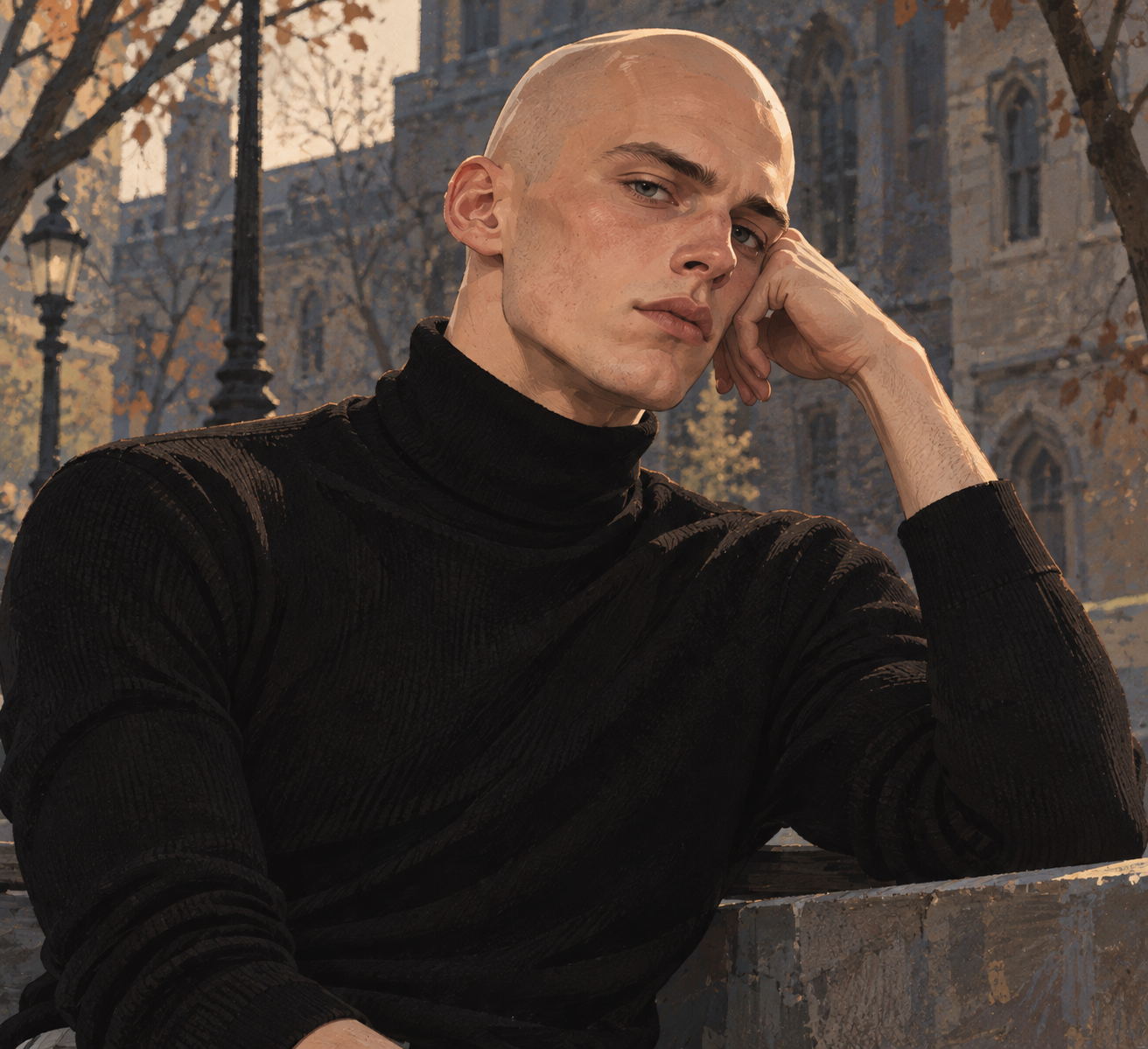
He murders Arthur in 2006 and chooses Gwen as the 2016 sacrifice, but Daphne Nighswander shoots him four times before Easter; he dies in the hospital hallucinating about Arthur and the dragon.

After Van’s death she descends into alcoholism, but in 2016 uses Van’s spirit as a shield against King Sorrow’s fire; by 2018 she is sober and in a loving relationship with Tana. Pasted text

Kidnapped and waterboarded at a black site in 2000, he deliberately throws himself over a stairwell railing to prevent his captors from torturing Donna or learning King Sorrow’s secret; his spirit later becomes Allie’s protective shield.

After Van’s suicide she summons King Sorrow to massacre the black-site staff; in 2016 she drinks poisonous dragon tears and breathes fire into King Sorrow’s face, badly injuring him before dying of heart failure.

Arthur names her as King Sorrow’s target, and in 1990 the dragon tracks her across the country and crushes her to death inside her Ford Ranchero alongside Ronnie.
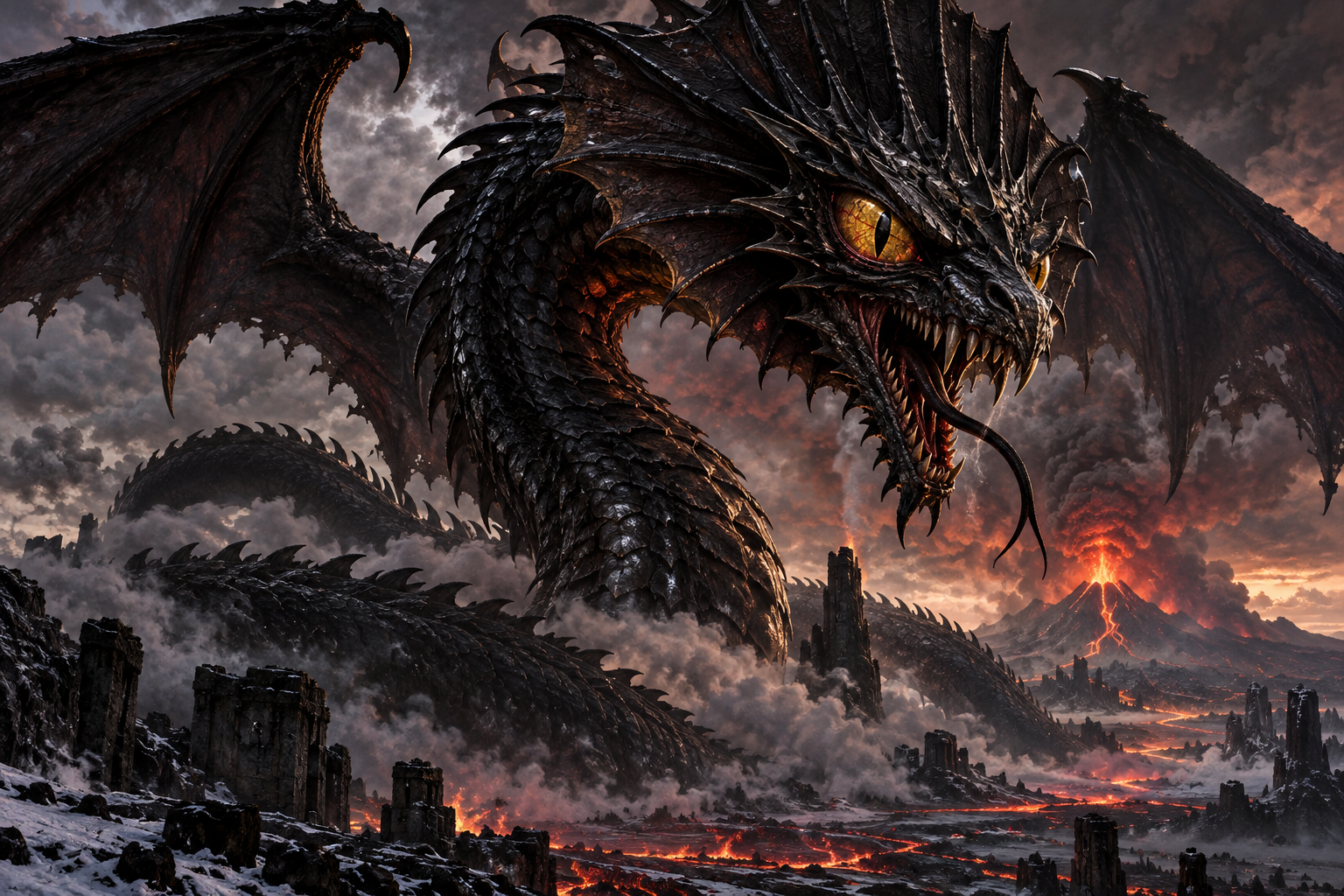
In 2016 Donna scorches him with dragon fire and Gwen pins his tail with Arthur’s spectral sword; after tasting Gwen’s blood on his own tail, his hunger overwhelms him and he devours his entire body until he vanishes permanently.
🔷 Supporting Characters

During the 2016 battle she kills her mother Daphne by crushing her skull with a steel coffee urn after Daphne shoots Gwen and Donna; by 2018 Tana is in a loving relationship with Allie.
She is paroled after Jayne’s death, continues her ministry, delivers Van’s eulogy, assists prison rescue efforts, and later speaks at Donna’s memorial.
After developing HIV/AIDS and suffering severe physical deterioration, he asks Gwen to help him die and peacefully drinks the poisonous dragon tears in 2001. Pasted text
King Sorrow decapitates him at an abandoned drive-in in 1990, stuffs his severed head with garlic, and throws it through Jayne’s windshield before crushing the vehicle.
She shoots Colin to death and later shoots Gwen and Donna, but Tana scalds her with coffee and crushes her skull with a heavy coffee urn.
Hanged in 1789; during Arthur’s 1989 Scatterday trance, Arthur encounters Crane’s ghost in the Long Dark and tears out his beating heart as an offering to King Sorrow.
He survives unharmed and otherwise plays no major role in the later story.
She retains Crane’s journal until her apartment and inventory are destroyed in an unsolved arson fire in the late 1990s.
Allie stabs him in the neck with a corkscrew aboard Flight 238, after which King Sorrow tears him through an airplane window, decapitates him, and devours him.
After a dragon hallucination tears off his ear, he is ultimately killed during the chaos when Donna summons King Sorrow to destroy the black site.
He survives the destruction of the black site, returns Van’s body, and continues a shadowy correspondence with Colin.
He survives Arthur’s 2006 murder but is tracked down by Robin Fellows in 2015; when he threatens her, Robin shoots him dead. Pasted text
She survives the 2016 battle and, in 2022, publishes Arthur’s Toolkit for the Well-Prepared Dragonslayer before celebrating her retirement in London.
Matthews overpowers and disarms him, but Heck survives the ordeal and the emergency landing in Greenland.
He dies of cancer before the main storyline begins.
She is murdered before the main events of the novel.
He ultimately dies in prison/retribution as part of the group’s continuing use of King Sorrow against selected targets.
🕳️ Potential Plot Holes
Some details in the 1990s sections do not perfectly match the real-world timeline, particularly the availability and sophistication of cell phones, internet searches, and other technology. Joe Hill acknowledges that he deliberately played loose with some recent historical details for pacing and suspense, so these are intentional anachronisms rather than accidental plot holes.
During the original ritual, King Sorrow warns the group that calling upon his protection will drain their own life energy, potentially leaving them aged and exhausted as though they had fought the battle themselves. Later invocations of the mark appear considerably less costly. Characters such as Allie and Donna suffer temporary physical effects or exhaustion, but nothing comparable to the severe aging originally threatened. The novel never clearly explains why the cost becomes less dramatic.
📚 Book Club Q&A's
⭐ Final Rating & Thoughts
King Sorrow had such a promising premise: a group of college friends summons a terrifying dragon-like entity and then spends decades paying the price. Unfortunately, what could have been an epic, horrifying story became an exhausting reading experience for me.
My biggest issue was the sheer length and pacing. The novel is incredibly detailed, often about things I didn’t think needed that much attention, and I struggled to stay engaged through its many characters, subplots, and time jumps. There are some genuinely interesting ideas here about guilt, morality, power, identity, and the consequences of choices, but there were so many themes competing for attention that the story often felt overloaded rather than profound.
I also found some of the social commentary surprisingly heavy-handed. It wasn’t the ideas themselves that bothered me—I generally agreed with them—but the execution sometimes felt forced enough to pull me out of the story.
There are flashes of the dark, imaginative horror novel I wanted, but getting through 800+ pages to find them simply wasn’t worth it for me.
✨ Adaptation description
Adaptation
King Sorrow by Joe Hill is in early development as a television adaptation. Hill revealed in a November 2025 interview that the television rights had been optioned and that an adaptation was being developed for TV.
As of October 2026, however, the project remains very early in the development process. No production company, network or streaming service, showrunner, director, cast, or release date has been publicly announced. Hill also has not revealed who acquired the television rights.
The sprawling novel seems naturally suited to an episodic format: the story begins with Arthur Oakes and his college friends in 1989 and follows the consequences of their bargain with the dragon King Sorrow across roughly 25 years, eventually reaching 2016. Hill has described the book as following six friends through decades of their lives, even joking that one of his inspirations was Friends reimagined as horror.
✨ Books Like King Sorrow (2025)
See an error on this page?