

The Paris Express (2025)
Select Sections to Print
×Book Details
The Paris Express (2025)
Jump to Section
⚠️ Trigger Warnings
- Attempted mass-casualty terrorism
- Bomb-making / explosives
- Political violence / anarchist terrorism
- Terminal illness / leukemia
- Medical trauma
- Complicated childbirth / shoulder dystocia
- Child death
- Miscarriage
- Stillbirth / infant loss
- Drowning
- Train derailment / transportation disaster
- Graphic injury / death
- Decapitation / crushing injuries
- Racism / racial slurs
- Antisemitism
- Xenophobia
- Suicide / suicide attempts
- Self-harm
- Extreme poverty
- Child labor / child exploitation
- Sexual exploitation of children (referenced)
- Infidelity
- Public sex / anonymous sexual encounter
- LGBTQ+ discrimination / homophobia (historical context)
⏱️ 2-Minute Spoiler Summary
On October 22, 1895, an express train leaves Granville on the Normandy coast for Paris, carrying an unusually varied collection of passengers whose lives briefly collide during the seven-and-a-half-hour journey.
Among them is Mado Pelletier, a furious 21-year-old anarchist carrying a homemade bomb in a metal lunch bucket. Raised in poverty by a bitter, paralyzed republican father and a mother exhausted by ten miscarriages, Mado has come to see the wealthy and powerful as responsible for the suffering around her. Because the National Assembly is opening in Paris that day, she expects politicians to be aboard and plans to blow up the First-Class passengers along with herself.
The train is also carrying people whose futures will become significant in very different ways. Alice Guy, a secretary traveling with her employer Léon Gaumont, is fascinated by motion-picture technology and believes films could tell fictional stories instead of merely recording reality. African-American painter Henry Ossawa Tanner meets medical student Marcelle de Heredia, and the two bond over their experiences with racism. Marcelle also notices that 17-year-old Jeanne Sarazin-Levassor is dangerously ill, with exhaustion, bruising, nosebleeds, and bleeding gums. She suspects leukemia, an incurable disease.
Mado’s plans become increasingly ambitious as the train picks up politicians. At Briouze, a private carriage belonging to deputy Albert Silas Christophle is attached, while another deputy, Jules-Félix Gévelot, boards First Class. When Mado learns that a third deputy, comte de Lévis-Mirepoix, will board at Surdon, she postpones detonating her bomb so she can kill all three.
But fellow passenger Elise Blonska notices Mado’s obsession with the politicians and the strange way she guards her lunch bucket. She realizes Mado has a bomb—and, even worse, understands that Mado intends to die with everyone else. Elise cannot simply shout for help because she fears Mado would immediately detonate it.
Another crisis develops when pregnant passenger Cécile Langlois goes into labor. At Dreux, Elise tries to discreetly warn guard Jean Le Goff, but Mado catches her and forces her to retreat. At the same stop, Jeanne’s mother finally approaches Marcelle about her daughter’s symptoms and learns that Jeanne likely has the incurable blood disease Marcelle suspected.
The train leaves Dreux late, and the crew speeds up to make up lost time. Mado decides she will wait until they enter Montparnasse Station before detonating her bomb, believing an explosion in the heart of Paris will create even greater destruction.
Then Cécile’s labor becomes life-threatening. The baby’s shoulder is stuck, and Elise desperately asks Mado to help. Mado puts her bomb under the bench and assists with the delivery, using her hand to free the trapped infant.
At the same time, the train’s air brake fails.
Driver Guillaume Pellerin and stoker Victor Garnier desperately try manual brakes, reverse steam, and sand, but nothing can stop the train. It barrels into Montparnasse at more than 60 kilometers per hour, smashes through the buffers, crosses the station concourse, bursts through the stone façade, and plunges nose-first toward the street below.
Miraculously, everyone aboard survives. Newspaper seller Marie Haguillard, standing outside the station, is killed by falling masonry and becomes the derailment’s only fatality.
During the crash, Mado’s bomb tips over, but an unsuspecting passenger simply sets the lunch bucket upright again before it can explode. At virtually the same moment, Mado successfully delivers Cécile’s baby girl.
Saving a life immediately before surviving the catastrophic crash changes Mado. Horrified by the mass murder she had been preparing to commit, she dismantles the bomb, drains the acid, throws away the explosive mixture, and disappears into Paris determined to improve the world through smaller, practical acts instead.
The other passengers continue toward futures that have also been altered by the journey. Alice obtains Gaumont’s camera and prepares to pursue her idea of narrative filmmaking. Henry and Marcelle say goodbye after forming a powerful connection aboard the train. Outside the shattered station, a photographer captures the extraordinary sight of Engine 721 standing almost vertically on its nose against the ruined façade—the image that will preserve the disaster long after the passengers have gone.
📖 Full Spoiler Summary
A Train Full of Strangers Leaves Granville
On the morning of October 22, 1895, an express train prepares to make the 326-kilometer journey from Granville on the Normandy coast to Paris-Montparnasse. Over the next seven and a half hours, the lives of dozens of passengers will briefly intersect—and one of them is carrying a bomb.
Twenty-one-year-old Mado Pelletier arrives dressed in flea-market men’s clothing, carrying an innocent-looking metal lunch bucket. She grew up behind her parents’ Paris greengrocery with a bitter, paralyzed republican father and a mother worn down by ten miscarriages. Years of poverty, inequality, and restrictions placed on women have left Mado furious at the social order.
Also boarding is Maurice Marland, a seven-and-a-half-year-old boy traveling alone to meet his father at Dreux. The train itself is run by senior guard Léon Mariette, junior guard Jean Le Goff, driver Guillaume Pellerin, and stoker Victor Garnier, who operate the steam locomotive known as Engine 721.
The passengers come from wildly different backgrounds. Elise Blonska is a 60-year-old Russian émigrée who works at the Comédie-Française library and secretly spends her patrons’ money helping the poor. African-American painter Henry Ossawa Tanner is returning to Paris, where he enjoys freedoms unavailable to him under American Jim Crow laws. Irishman John Millington Synge is an aspiring writer taking notes in his journal, while 18-year-old performer Annah Lamor travels with a pet monkey and wears a hat decorated with taxidermied orioles.
There are students Max Jacob and Kiouaup, Algerian coffee vendor Hakim, and an assortment of wealthy First-Class passengers. Among those are medical student Marcelle de Heredia, automobile builder Émile Levassor, his wife Louise Sarazin-Levassor, Louise’s sickly 17-year-old daughter Jeanne, and engineer Fulgence Bienvenüe.
As Engine 721 pulls away at 8:45 a.m., none of them realizes how extraordinary the journey will become.
Mado Is Carrying a Bomb
As the train crosses Normandy, the passengers begin forming temporary connections. In Third Class, John talks with Annah, Max, and Kiouaup. In First Class, Marcelle’s medical training makes her notice disturbing symptoms in Jeanne. The teenager is exhausted, bruises unusually easily, and suffers from bleeding gums and nosebleeds. Marcelle begins to suspect a serious blood disorder.
Mado, meanwhile, has a much darker purpose for being aboard.
Hidden inside her lunch bucket is a homemade bomb constructed from sugar, saltpetre, charcoal, match heads, nails, and vials of acid. Once inverted, the acid will eat through cotton plugs and reach the explosive mixture. Mado intends to die in the explosion along with wealthy First-Class passengers and politicians, turning herself into a revolutionary martyr.
She specifically chose October 22 because the National Assembly is opening its session in Paris, making it likely that politicians will be traveling toward the capital.
At Vire, Mado changes carriages, moving into Front Third so her bomb will be directly beside the Rear First-Class carriage. Another important passenger boards there: 22-year-old Alice Guy, a secretary at Gaumont and Company traveling with her boss, Léon Gaumont.
Alice is fascinated by the possibilities of moving pictures. Rather than using cameras merely to document real events, she imagines making films that tell dramatic stories. She demonstrates a chronophotographic camera to Henry and begins trying to persuade Gaumont to let her experiment with her idea.
More Politicians Board the Train
Marcelle cautiously asks Louise whether Jeanne’s blood has been tested for an excess of white blood cells. Louise is offended by what she considers an intrusive diagnosis and lashes out, humiliating Marcelle enough that she leaves First Class at Flers and relocates to an empty Second-Class carriage.
Henry notices her on the platform and is immediately captivated by her. He eventually moves into the same carriage, and the two begin talking.
At the same time, the train receives an unexpected order to stop at Briouze to collect a politician. When Jean Le Goff mentions the unscheduled stop to Mado, she is delighted.
At Briouze, a private luxury carriage belonging to wealthy bank governor and deputy Albert Silas Christophle is attached to the train. Albert is traveling with his invalid wife Anna and grandson André. Another deputy, ammunition manufacturer Jules-Félix Gévelot, also boards with his wife Emma and her companion Aimée.
Mado now learns that yet another deputy will join them at Surdon. Rather than activating her bomb immediately, she decides to wait. If she is going to die, she wants to take all three politicians with her.
Elsewhere, Alice pitches her idea for narrative films to Gaumont. He initially mistakes her enthusiasm for a romantic advance, but once she makes herself clear, he reluctantly agrees to lend her the camera.
Henry and Marcelle also grow closer. Marcelle tells him about her father’s political career and the racist abuse he endured as a Cuban-French leader. Henry shares his own experiences as an African-American artist subjected to similar insults. Their shared understanding of racial prejudice creates an immediate bond.
At Surdon, the third deputy, conservative comte de Lévis-Mirepoix, boards the train. Gévelot notices that the comte has arrived with his mistress, Mathilde L’Heureux, but the comte boards First Class alone to avoid public scandal.
Mado finally has all three of her intended political targets aboard.
Elise Discovers Mado’s Plan
As the journey continues, Henry and Marcelle reveal increasingly personal parts of their histories. Henry remembers being removed from a Washington, D.C., streetcar because of his race. Marcelle explains that her desire to study physiology grew from watching her 13-year-old brother Henri drown when she was only nine.
In Front Third, however, Elise has begun watching Mado.
She notices how fiercely Mado protects the untouched lunch bucket and how interested she is in exactly which deputies are aboard. Gradually, Elise pieces together the truth: the bucket contains a bomb.
Even worse, she realizes Mado is not looking for an escape. She intends to die along with everyone else.
That makes intervention almost impossible. If Elise screams, grabs the bucket, or publicly identifies Mado, she fears the young woman will simply trigger the bomb immediately.
Then another emergency begins. Pregnant passenger Cécile Langlois goes into labor aboard the train.
When they reach Dreux, Elise tries to discreetly alert Jean Le Goff and have the carriage cleared. Mado realizes what she is doing and confronts her while holding the bucket, forcing Elise to back down rather than risk an explosion.
Elsewhere on the platform, Louise seeks out Marcelle. Her anger has given way to fear, and she asks what Marcelle meant about Jeanne having “white blood.” Marcelle explains that Jeanne’s symptoms suggest an extreme abnormality involving white blood cells—leukemia—and that the condition is severe and incurable. Louise is left devastated.
A Birth, a Bomb, and a Runaway Train
The express leaves Dreux about ten minutes late. Guillaume and Victor are determined to recover the lost time before reaching Paris, in part because the crew’s bonuses depend on punctuality and efficiency. The train begins racing toward Montparnasse.
Mado also revises her plan. Instead of detonating the bomb somewhere along the route, she decides to wait until the train actually enters Montparnasse Station. An explosion in Paris itself will create greater destruction and make a more powerful political statement.
But Cécile’s labor becomes increasingly dangerous. Elise realizes the baby’s shoulder is trapped in the birth canal. Mother and child could both die without immediate intervention.
Desperate, Elise asks Mado to help.
For the first time, Mado’s attention shifts completely away from her planned act of destruction. She puts the lunch bucket under the bench, pours eau-de-vie over her hands, reaches into the birth canal, and manages to free the baby’s trapped arm.
At almost exactly the same time, Guillaume and Victor discover that they have an entirely different catastrophe on their hands.
The Westinghouse air brake has failed.
They desperately try everything available to them. They use the manual hand brakes, reverse the steam, and dump sand onto the rails, but Engine 721 is moving too quickly and carries too much momentum. Guillaume eventually tells Victor to jump.
Inside the carriages, the passengers realize the train is not slowing down. Alice, remarkably, points her camera out the window and keeps cranking, recording the runaway journey.
Engine 721 barrels into Montparnasse at more than 60 kilometers per hour.
The Crash at Montparnasse
At approximately 4:00 p.m., the locomotive smashes through the wooden buffers at the end of the track. Instead of stopping, it races roughly thirty meters across the upper station concourse and crashes straight through the grand stone façade and balcony.
Engine 721 plunges nose-first toward Place de Rennes below, coming to rest at a dramatic angle against the shattered building.
Guillaume survives after jumping onto mailbags. Victor is thrown into the awning of a customs booth. Incredibly, every passenger and crew member aboard the train survives the derailment without fatal injuries.
But there is one death.
On the street below, falling masonry strikes newspaper seller Marie Haguillard, killing her. She becomes the sole fatality of the disaster.
Inside Front Third, the violent impact has also knocked Mado’s lunch bucket over—the exact movement that could activate her bomb. Yet Madame Baudin, a domestic worker who has no idea what the bucket contains, casually notices it lying on its side and sets it upright again.
The bomb never explodes.
At virtually the same moment that the train crashes through the station, Mado finishes delivering Cécile’s baby girl.
Mado Walks Away
Mado emerges from the wreck having experienced something she never expected. She boarded the train intending to murder strangers and die with them. Instead, she has just helped bring a child into the world and survived a disaster that easily could have killed everyone aboard.
Her grand vision of revolutionary martyrdom suddenly fills her with shame.
Mado retrieves the lunch bucket and walks onto the platform. She unscrews the lid, removes the acid vials and safely drains them, then throws away the dry explosive mixture. Rather than carrying out the attack, she walks into Paris determined to improve the world through smaller, practical acts.
The other passengers also emerge from the wreck to continue lives briefly intertwined by the journey. Alice secures Gaumont’s camera and prepares to pursue her dream of creating narrative films. Henry and Marcelle part after the intimate connection they formed during the trip.
Outside the station, the aftermath is already becoming history. A street photographer positions his camera before the shattered façade and captures the extraordinary image of Engine 721 resting almost vertically on its nose.
The train that carried all of these strangers toward Paris has finally stopped—and the photograph preserves the impossible-looking wreck long after its passengers disperse into the city.
🔚 Ending Explained
How The Paris Express Ends
The climax of The Paris Express brings the novel’s two looming disasters together at once: Mado Pelletier’s homemade bomb and the runaway train hurtling toward Paris-Montparnasse.
As the express approaches Paris, Cécile Langlois goes into a dangerous labor in Third Class. Her baby’s shoulder becomes lodged in the birth canal, leaving both mother and child in danger. Elise Blonska turns to the unlikely person who might be able to help: Mado. Mado sets her bomb beneath the bench, sterilizes her hands with eau-de-vie, and physically reaches inside Cécile to free the baby’s trapped arm.
At the same time, Driver Guillaume Pellerin and Stoker Victor Garnier realize they cannot stop the train. The Westinghouse brake fails to slow it sufficiently, and their desperate attempts to use the hand brakes, reverse the steam, and throw sand onto the rails are not enough. Guillaume and Victor jump clear moments before disaster.
At 4:00 p.m., Engine 721 smashes through the buffers at Montparnasse, races across the station concourse, bursts through the stone façade, and plunges nose-first toward the Place de Rennes below.
Remarkably, everyone aboard survives. The crash has only one fatality: newspaper vendor Marie Haguillard, who is killed by falling masonry in the street below.
And amid all this destruction, a baby is born.
During the impact, Mado’s lunch-bucket bomb topples over. Madame Baudin innocently sets it upright, having no idea what it contains, while Mado successfully delivers Cécile’s daughter. That experience fundamentally changes Mado. Confronted with an actual vulnerable human life rather than an abstract revolutionary cause, she becomes ashamed of her plan to murder strangers in pursuit of political martyrdom.
After the crash, Mado takes the bomb with her—but not to detonate it. She removes the acid vials and empties them safely into a sewer, throws away the dry explosive mixture, and disappears into Paris. Rather than trying to change the world through spectacular destruction, she resolves to improve it through practical action.
The other characters likewise leave the wreckage moving toward new lives. Alice Guy holds Léon Gaumont to his promise and takes possession of the Demenÿ camera, determined to create narrative films. Marcelle de Heredia and Henry Tanner share one final tender encounter as Marcelle tends Henry’s injured ankle before they separate and return to their respective lives.
Meanwhile, a young photographer arrives and takes the image that will turn the accident into history: Engine 721 standing almost vertically against the shattered Montparnasse façade. Crucially, he deliberately frames Marie Haguillard’s corpse out of the photograph.
That choice becomes one of the ending’s sharpest final observations: the world will remember the spectacular machine, but it may forget the ordinary person killed beneath it.
What the Ending Means
At its heart, the ending contrasts destruction with creation.
Mado begins the final sequence carrying a bomb designed to kill strangers and ends it having used those same hands to deliver a child. The juxtaposition could hardly be more deliberate. The bomb represents ideological violence in the abstract; the newborn represents an individual human life that Mado can see, touch, and save. Her transformation comes when an idea about humanity is replaced by responsibility toward an actual human being.
The runaway train works on a much larger scale. Engine 721 embodies the exhilarating but dangerous momentum of modernity: faster transportation, rigid timetables, industrial efficiency, financial incentives, and society’s growing obsession with speed. The machine is magnificent precisely because it is powerful—and terrifying for the same reason. Once that momentum becomes uncontrollable, the people aboard can do little except hang on.
The clock stopping at 4:00 p.m. reinforces that idea. Railway time represents humanity’s attempt to organize the modern world into schedules, minutes, arrivals, and departures. The crash violently interrupts that system. For one extraordinary moment, physical reality overwhelms the carefully regulated timetable.
Marie Haguillard’s death prevents the ending from becoming a simple celebration of miraculous survival. The passengers survive, but someone still pays for the catastrophe. And it is not one of the wealthy First-Class travelers—it is a working woman selling newspapers beneath the station.
The photograph adds another layer. By excluding Marie’s body, the photographer transforms tragedy into spectacle. Future viewers will marvel at the impossible-looking locomotive hanging from the building without necessarily thinking about the woman who died beneath it. The novel therefore ends not only with history being made, but with history being edited into the version people will remember.
There is nevertheless genuine hope in the ending. The crash destroys the train without destroying the futures of the people aboard it. Mado chooses life over death. Alice claims the tool that will allow her to tell stories. Marcelle and Henry leave with a deeper understanding of themselves and one another. Cécile emerges from the wreckage with a newborn daughter.
The train has reached the end of its line, but the characters have not.
That becomes especially meaningful when the novel reveals what lies ahead for several of them. Alice Guy will become a pioneering filmmaker; Fulgence Bienvenüe will help create the Paris Métro; Henry Tanner will achieve international recognition as an artist; Marcelle de Heredia will earn distinction for her medical work; and Mado Pelletier will become a doctor, suffragette, and activist.
So the wreck at Montparnasse functions almost like a dividing line between centuries. The nineteenth century comes crashing through the station wall, while the people aboard walk away into the twentieth.
The final irony is that the train accident itself becomes immortalized as an iconic image, while the far more consequential stories are the lives that continue after everyone leaves the wreckage behind. The Paris Express ultimately ends on a surprisingly hopeful idea: progress is not the machine racing fastest toward the future. It is what human beings choose to do once they get there.
👤 Characters & Fates
🔶 Main Characters
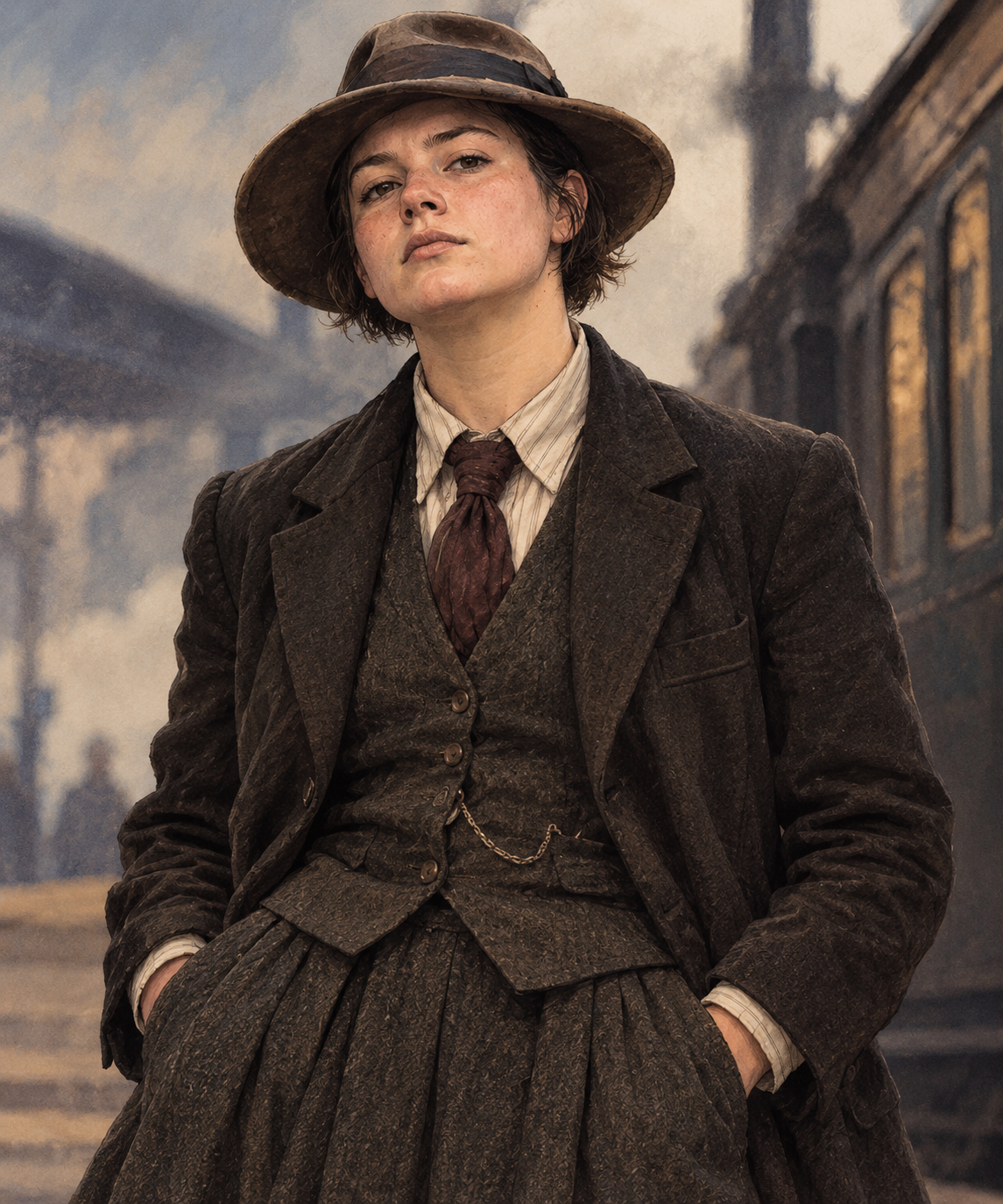
She helps deliver Cécile’s baby during the crash, has a moral awakening, disarms the bomb, and resolves to change society through practical means. She later becomes a pioneering psychiatrist, suffragette, and activist before dying in an asylum at 65 after being arrested for performing an abortion for a 13-year-old incest victim.
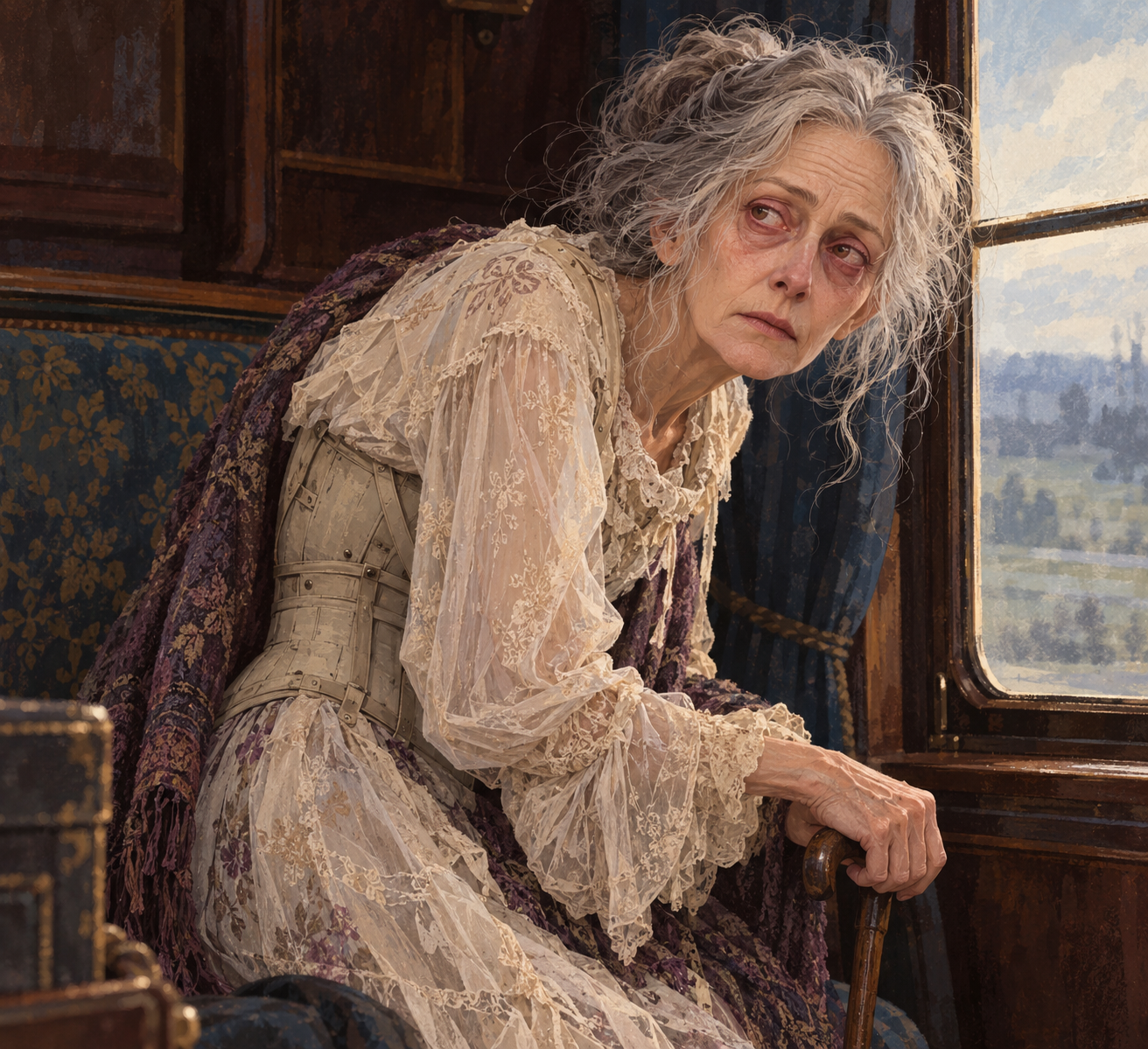
She survives the derailment unharmed but dies two years later at 62 in the catastrophic 1897 Paris charity-bazaar fire; her body is identified by her orthopedic corset.

She survives unharmed, later conducts groundbreaking research on nerve impulses with her husband Louis Lapicque, receives the Legion of Honour, aids the French Resistance, and lives to 87.
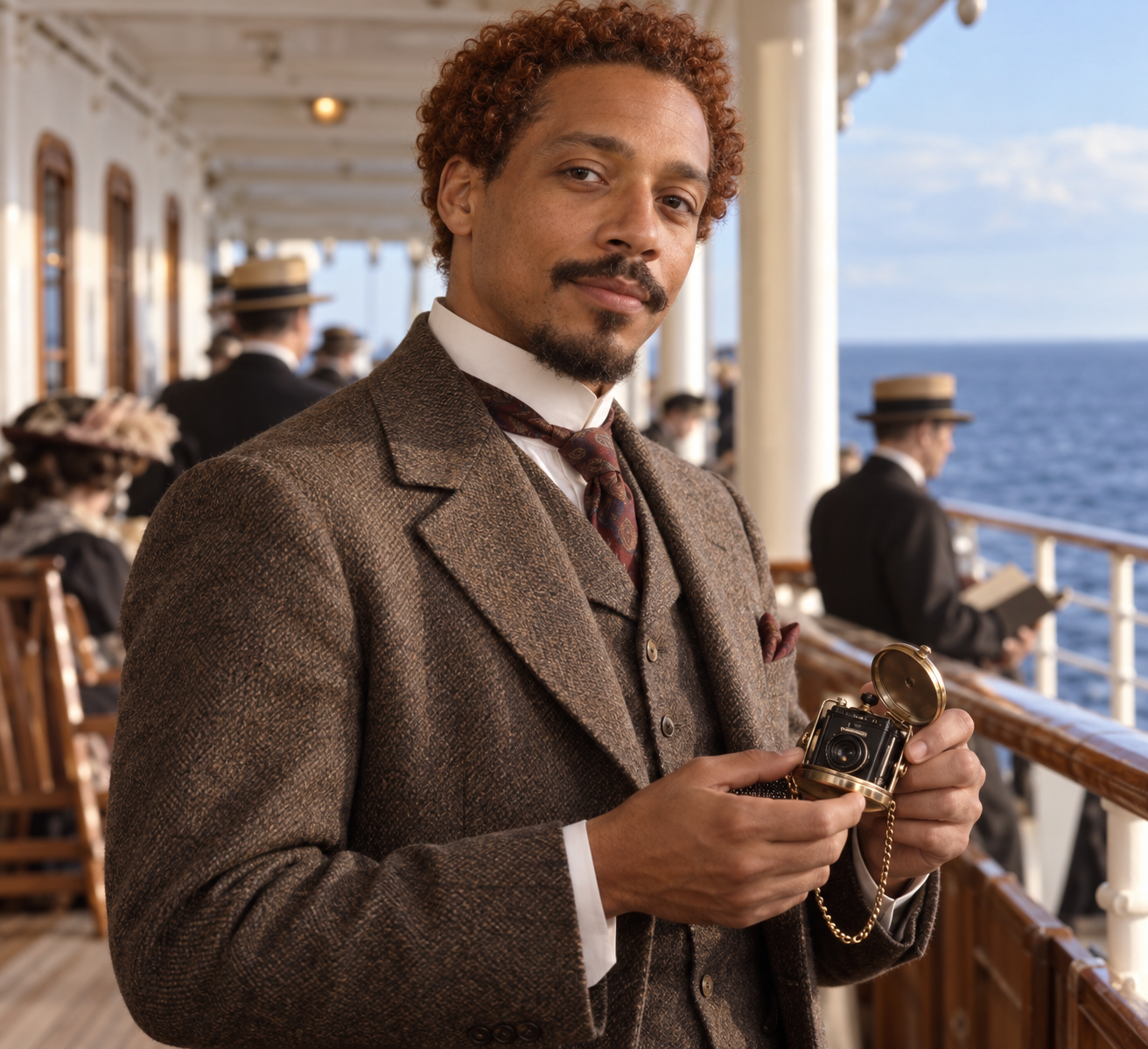
He survives with only a sprained ankle, later wins acclaim for Resurrection of Lazarus, marries a Swedish-American singer, and becomes an internationally celebrated painter before dying in 1937 at 77.

She survives unharmed, persuades Gaumont to lend her a camera, and becomes the world’s first female film director, eventually making roughly 700 films and living to 94.
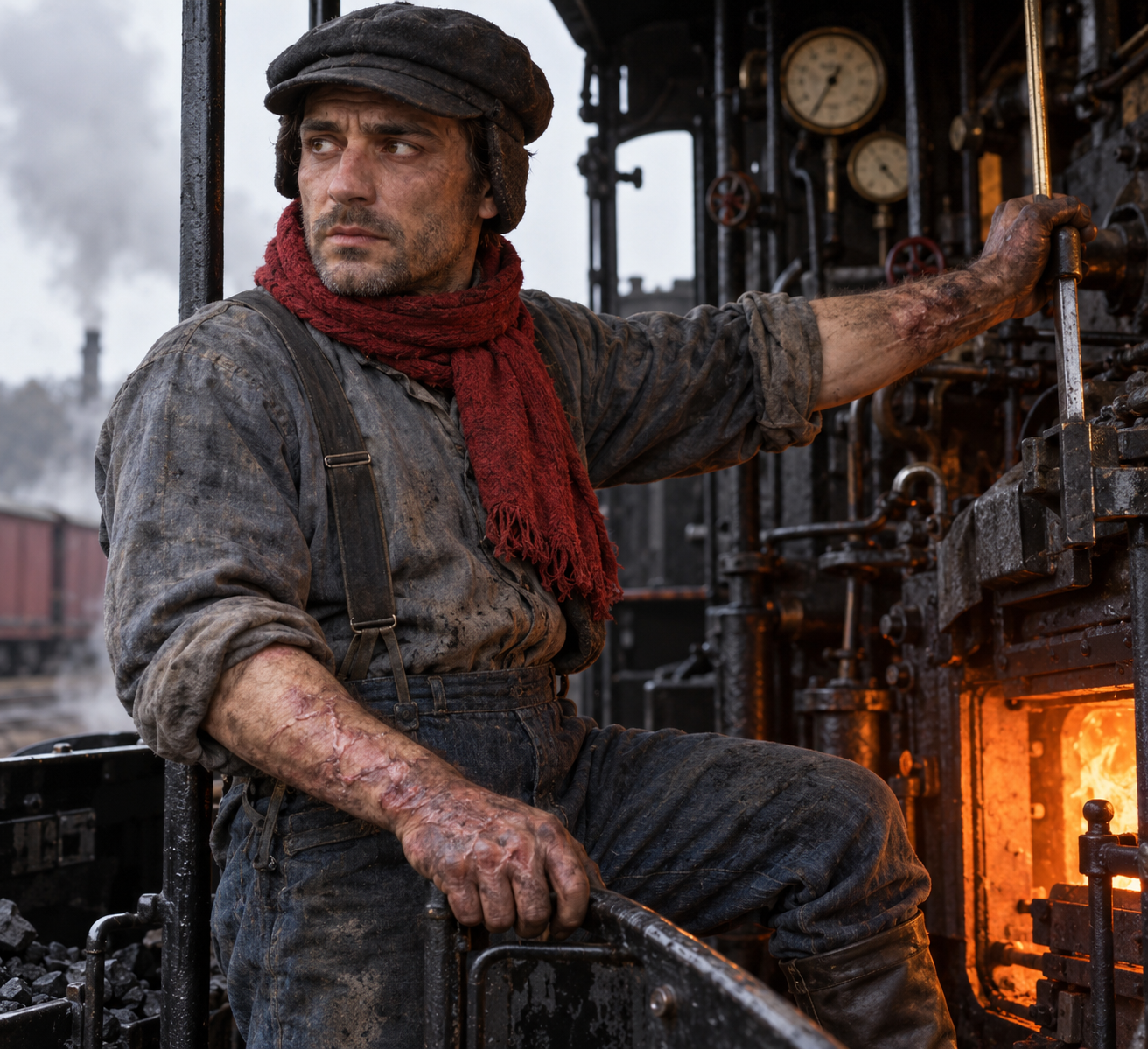
He jumps onto mailbags moments before impact and survives badly bruised; he later receives a suspended two-month prison sentence and a 50-franc fine and lives until 1931.

He is thrown into a customs-booth awning during the crash but survives with battered limbs and a twisted thumb; he dies four years later in 1899 at 49.
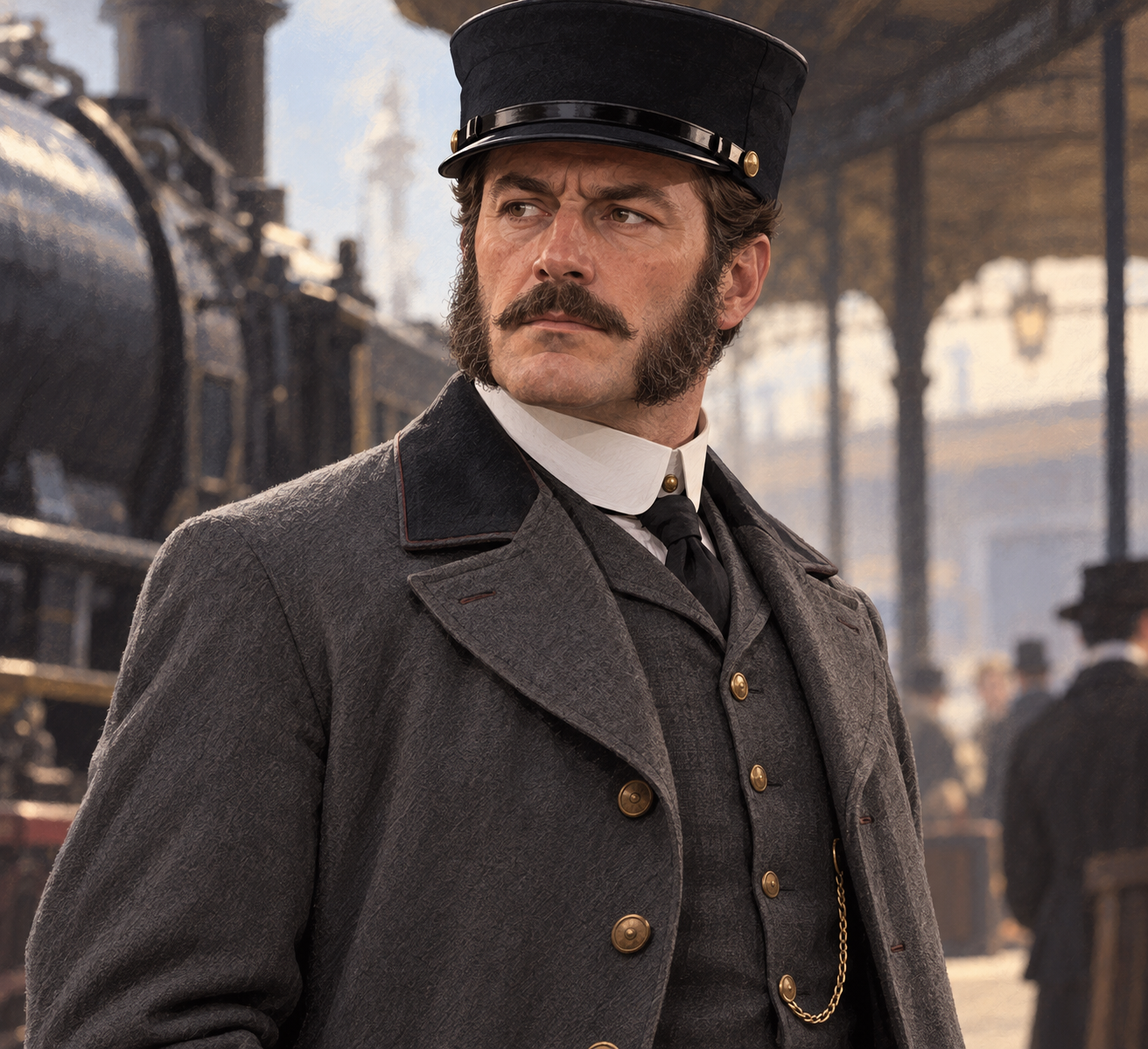
He suffers a thigh wound in the crash and later receives a suspended 25-franc fine; only three weeks after the verdict, he suddenly dies at 42.
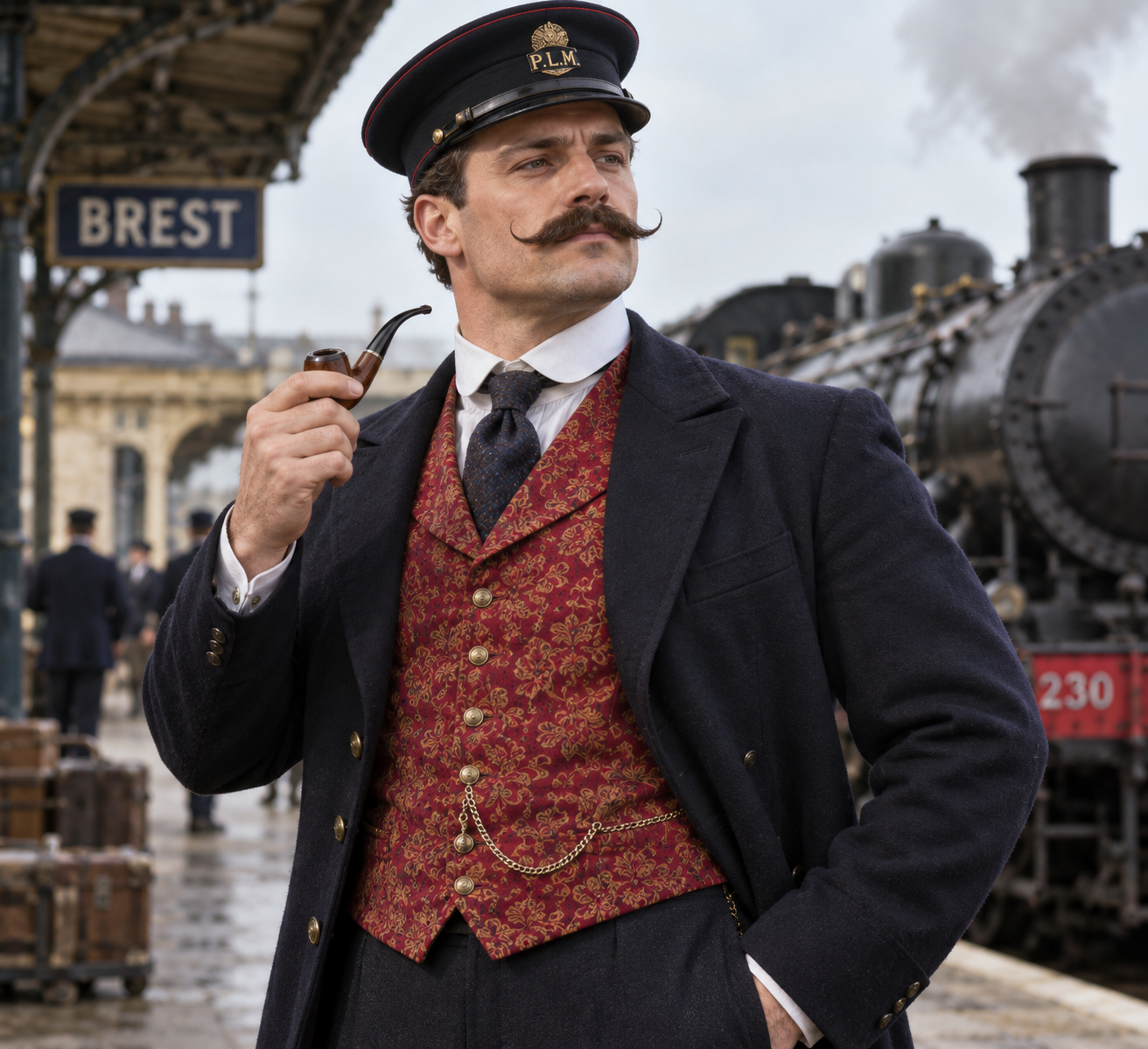
His quick braking prevents the rear passenger cars from plunging off the station balcony. He survives unharmed, later becomes a stoker, and dies in 1909 at 43.
🔷 Supporting Characters

He sleeps through his stop and ends up in the Paris crash but survives unharmed; he becomes a beloved teacher and French Resistance leader who helps 50 Allied soldiers escape before German military police execute him in 1944 at 56.
He survives unharmed and becomes one of Ireland’s greatest playwrights, writing The Playboy of the Western World before dying of lymphoma in 1909 at 37.
She survives unharmed; the historical Annah was a model for Paul Gauguin who sold his studio furniture and subsequently disappeared from the historical record.
He survives the crash and becomes a celebrated avant-garde poet and painter, but despite converting to Catholicism he is arrested as a Jew during the Holocaust and dies in a transit camp in 1944 at 67.
He survives the derailment uninjured.
He survives the crash unharmed.
He survives the train crash, but in 1896 swerves to avoid a dog during a motor rally and is badly injured; he dies at his drawing table in 1897 at 54.
She survives unharmed, loses Jeanne in 1896 and Émile in 1897, then runs Panhard-Levassor for 19 years as the “Mother of the Motorcar,” dying in 1916 at 69.
She survives the derailment without injury but dies from leukemia the following year at only 18.
He survives unharmed, becomes famous as the “Father of the Métro,” marries at 57, and lives until 1936 at age 84.
He survives unharmed, reluctantly lets Alice borrow the camera, builds Gaumont into a major film company, and lives until 1946.
He secretly has sex with a male worker in a public urinal at Dreux, barely catches the departing train, survives the crash, and lives until 1904 at 74.
She survives the crash clutching her greyhound Mignonette but dies the following year at 62.
He survives the derailment and is safely placed on the platform by his grandfather.
He braces himself during the crash and survives unharmed, living until 1904 at 78.
She survives unharmed and, after her husband dies, becomes president of the French Society of Munitions, successfully running it for 23 years until her death in 1927.
She survives the derailment unharmed alongside Emma.
His affair is nearly exposed during the journey, but he survives the crash unharmed and lives until 1928 at 82.
She hides in another carriage when discovery threatens and survives the derailment unharmed.
She successfully gives birth to a healthy daughter at virtually the exact moment the train crashes and survives unharmed.
She survives unharmed and helps care for Cécile’s newborn after the crash.
She is the derailment’s sole fatality, crushed by falling masonry as the locomotive bursts through the station façade. Her youngest son dies in an orphanage the next year, while her eldest later dies in World War I.
🕳️ Potential Plot Holes
Mado’s homemade bomb depends on acid eating through cotton plugs and reaching a dry explosive mixture. Given the sulfuric acid, constant vibration of the train, and violent Montparnasse crash, it is difficult to believe the device remains completely intact. The crash even knocks the lunch bucket onto its side, yet Madame Baudin simply rights it without triggering an explosion. Mado later dismantles the bomb by hand and disposes of its components with remarkable ease. The exact chemistry of an improvised device can be unpredictable, so this is not necessarily impossible, but the bomb behaves much more safely and reliably than its construction suggests.
The novel emphasizes that the Westinghouse air-brake system is designed to be fail-safe: loss of pressure should cause the brakes to engage rather than stop working. Yet as the train approaches Montparnasse, Guillaume receives no braking response at all, and the guards’ attempts to stop the train are ineffective as well. This sounds contradictory to the system’s established mechanics. However, the real 1895 Montparnasse train genuinely failed to stop, and the precise combination of mechanical failure and human error remains uncertain. Donoghue therefore has to accommodate a real historical event whose mechanics are not completely understood, making this more of a historical/mechanical question than a true plot hole.
At Briouze, railway workers split the express in the middle, insert Deputy Albert Christophle’s private carriage between the First-Class cars, reconnect the train, and have it moving again after only about seven minutes. Because this requires shunting a carriage, reconnecting couplings and brake lines, and checking the train for departure, the turnaround feels extraordinarily fast for 1895 railway operations. It may have been technically achievable with a prepared crew and coordinated maneuver, but the novel gives the operation remarkably little time.
The train happens to carry an extraordinary collection of people who would become historically significant, including Alice Guy, Henry Ossawa Tanner, J. M. Synge, Max Jacob, Fulgence Bienvenüe, Mado Pelletier, Marcelle de Heredia, and Maurice Marland. Donoghue acknowledges that these historical figures are imagined as plausible passengers rather than documented occupants of the real train. Their convergence therefore is not a plot hole; it is a deliberate historical-fiction device that allows the novel to bring numerous figures from 1895 France together aboard a single train.
📚 Book Club Q&A's
⭐ Final Rating & Thoughts
The Paris Express surprised me in the best way. I went in expecting the enormous cast and historical setting to make this feel like work, but once the train got moving, I was completely invested. Emma Donoghue does an excellent job gradually increasing the tension until the journey becomes genuinely suspenseful, and the final stretch was easily my favorite part of the book. The ending was especially strong—thoughtful, emotional, and satisfying enough that it elevated the entire story for me.
My biggest problem was simply keeping everyone straight. There are roughly two dozen characters, and with so many similar French names, I spent far too much time trying to remember who was who. Mado, Marcelle, Maurice, Mariette... my brain eventually surrendered. 😂 I also could have done without the occasional narration from the train itself, although thankfully those sections were brief.
Still, the confusing character roster never outweighed how much I enjoyed the actual story. This was tense, fascinating, surprisingly moving historical fiction built around a real disaster, with an ending that absolutely delivered. I’m docking a star for making me work so hard on those names—but I had a great time anyway.
✨ Adaptation description
Adaptation
There is currently no announced film or television adaptation of Emma Donoghue’s The Paris Express.
Donoghue has discussed the novel’s cinematic qualities, but she has also noted the challenges of adapting its large ensemble and multiple perspectives for the screen. A film version would likely require substantial cuts, condensed dialogue, and restructuring to translate the novel’s literary, interior storytelling into a visual format.
Donoghue has considerable experience adapting her fiction for film. She wrote the screenplay for Room (2015), earning an Academy Award nomination for Best Adapted Screenplay, and co-wrote the screenplay for The Wonder (2022). However, no studio, production company, director, cast, or release date has been announced for The Paris Express as of October 2026.
✨ Books Like The Paris Express (2025)
See an error on this page?