
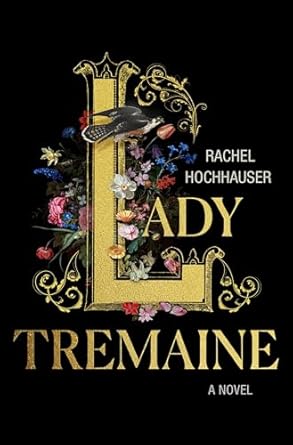
Lady Tremaine (2026)
Select Sections to Print
×Book Details
Lady Tremaine (2026)
Jump to Section
⚠️ Trigger Warnings
- Incestuous sexual abuse / assault
- Sexual abuse of a minor
- Teen pregnancy
- Reproductive coercion
- Forced paternity cover-up
- Domestic violence
- Physical assault
- Strangulation / choking
- Attempted murder
- Murder / homicide
- Blunt-force trauma
- Corporal punishment / child physical abuse
- Animal cruelty
- Animal death
- Animal attacks / injuries
- Hunting and animal butchering
- Arranged child marriage
- Child exploitation
- Death in childbirth
- Infant death
- Death of family members
- Plague / epidemic disease
- Sudden accidental death
- Grief and bereavement
- Extreme poverty / destitution
- Food insecurity
- Financial hardship / debt
- Hazardous living conditions
- Structural collapse / building disaster
⏱️ 2-Minute Spoiler Summary
Lady Etheldreda “Ethel” Tremaine Bramley is a twice-widowed mother secretly struggling to keep the crumbling Bramley Hall afloat. She lives there with her daughters, Rosamund and Mathilde, her stepdaughter Elin, and two loyal servants. Although she has a title, Etheldreda is nearly penniless, even illegally hunting in the royal woods to put food on the table.
When the royal family announces a ball for Prince Simeon, only Elin is invited. Etheldreda is determined to get Rosamund and Mathilde included because good marriages may be their only chance at financial security. Her desperation comes from years of loss. Her beloved first husband, Henry Tremaine, died young, and his father then tried to arrange marriages for her daughters while they were still children. Etheldreda protected them by marrying the widowed Lord Robert Bramley, only to discover after his death that he had left Bramley Hall drowning in unpaid taxes while reserving his remaining money exclusively for Elin’s dowry.
Making matters worse, Etheldreda has an old enemy at court: Queen Sigrid, the woman who once wanted Henry for herself. Etheldreda nevertheless goes to the palace and successfully gets all three girls invited to the ball. She then engineers a “chance” roadside encounter between Rosamund, Mathilde, and Prince Simeon. The plan works beautifully, and Simeon appears particularly interested in Rosamund.
At the ball, however, everything goes wrong. Elin initially stays home after failing to finish her dress, but Moussa, a traveling minstrel who has been teaching the girls to dance, brings her to the palace. Worse, Elin has secretly taken and altered Etheldreda’s cherished blue wedding dress from her marriage to Henry. Elin makes a dramatic entrance, faints, and immediately captures Simeon’s attention. By the next morning, the prince announces that he and Elin are engaged and will marry in only three weeks.
The rushed marriage turns out to be part of a horrifying royal cover-up. A newly hired maid, Morwen, reveals that Simeon’s sixteen-year-old sister, Princess Hemma, is secretly pregnant and imprisoned inside the palace. Etheldreda sneaks in to speak with Hemma and learns the truth: Simeon himself is the father. He sexually preyed upon his sister, and the royal family intends for him to marry an unsuspecting young woman, then pass Hemma’s baby off as the new bride’s legitimate child.
Queen Sigrid admits the scheme and threatens Etheldreda into silence. Royal counselor Otto Abensur, however, had known only that Hemma was pregnant—not that Simeon was responsible. Horrified, he sides with Etheldreda.
Before they can stop him, Simeon secretly convinces Elin to elope. Etheldreda and Otto track them to an inn, where Etheldreda tells Elin the truth. When Elin hesitates to go with Simeon, he drops his charming facade and violently slaps her. Otto draws his sword, allowing Etheldreda to take Elin home.
That night, an enraged Simeon breaks into Bramley Hall and threatens Etheldreda and her daughters. Etheldreda draws him into the estate’s partially collapsed west wing, where he pins her against a wall and begins crushing her throat beneath his boot. Elin saves her by striking Simeon in the head with a heavy wooden beam, killing him.
The women of Bramley Hall protect one another. Etheldreda, Elin, Rosamund, Mathilde, Wenthelen, and Alice bury Simeon in the woods, destroy his carriage, and burn the evidence. Elin also throws the virtue book she has spent years quoting into the fire.
Queen Sigrid never discovers what really happened. To conceal the royal scandal, she eventually claims Hemma’s newborn as her own late-in-life child, while Hemma is named heir to the throne.
A year later, Simeon remains buried and undiscovered. Otto has left court and lives at Bramley Hall with Etheldreda. He repeatedly proposes, but she refuses to surrender her independence, and they remain partners without marrying. Etheldreda finally makes Bramley Hall financially viable by turning its apple orchards into a successful cider business. Mathilde becomes her business partner, Rosamund apprentices as a seamstress, and Elin builds a life on her own terms. After spending years desperately trying to secure her daughters’ futures through marriage, Etheldreda instead creates a future in which all of them can survive without depending on one.
📖 Full Spoiler Summary
Lady Tremaine Struggles to Keep Bramley Hall Alive
Lady Etheldreda Verity Isolde Tremaine Bramley may have an impressive title and a grand estate, but appearances are deceiving. Twice widowed and nearly penniless, Etheldreda is secretly struggling to keep the crumbling Bramley Hall running while supporting her biological daughters, Rosamund and Mathilde, her stepdaughter Elin, and their two loyal servants, Wenthelen and Alice.
Her situation is so desperate that she illegally hunts in the royal woods with her peregrine falcon, Lucy, simply to put meat on the table. During one of these hunts, she encounters a well-dressed, dark-haired stranger carrying a sword. He notices both her muddy clothing and the dead rabbit she is carrying before she escapes back through a hole in the estate hedge. Etheldreda later learns that he is Counselor Otto Abensur, a member of the royal court.
Her immediate concern is a royal invitation. Prince Simeon is celebrating his name day with a grand ball, but the invitation sent to Bramley Hall names only Elin and her chaperone. Rosamund and Mathilde have been deliberately excluded.
For Etheldreda, the slight is more than embarrassing. Her daughters have no dowries and few prospects, and marriage could provide the financial security she cannot give them. She is determined to get them into that ballroom.
Etheldreda’s First Love and the Loss of Henry Tremaine
Etheldreda did not grow up as a pampered aristocrat. Her father was a respected brewer, and after her mother died when she was three, Etheldreda grew up accustomed to physical work. When she turned twelve, her father hired a strict tutor named Agatha, who taught her the etiquette and discipline necessary to move through higher society.
During her youth, Etheldreda became close to Henry Tremaine, the third of seven sons in a wealthy merchant family. Henry taught her falconry, and their friendship eventually became romantic.
Their relationship was complicated by Sigrid Camelia White, a beautiful, vain young woman who openly pursued Henry and mocked Etheldreda’s lower social status. Jealous and angry, seventeen-year-old Etheldreda once deliberately led Sigrid on a dangerous horseback ride through a wasp-filled area. Sigrid’s horse panicked, leaving her injured and badly stung. Afterward, Henry kissed Etheldreda and admitted that he loved her.
Despite his family’s objections, Henry married Etheldreda. They had two daughters, Mathilde and Rosamund, and Etheldreda was genuinely happy with him. But tragedy followed quickly. Her father and brother died of plague, and several years later Henry died after drinking contaminated water while traveling.
After his death, Etheldreda found comfort in a neglected peregrine falcon Henry had left behind. She tamed the bird and named her Lucy.
Then Henry’s father, Errol Tremaine, announced that he had arranged marriages for seven-year-old Mathilde and eight-year-old Rosamund to two distant brothers. Horrified by the prospect of her daughters being married off as children, Etheldreda realized she needed another husband powerful enough to protect them.
A Second Marriage Leaves Etheldreda Trapped
Etheldreda chose Lord Robert Bramley, a timid widower with a seven-and-a-half-year-old daughter, Elin. The marriage accomplished its immediate purpose: Rosamund and Mathilde were safe from their grandfather’s plans.
But Bramley Hall was not the refuge Etheldreda expected. Elin had been raised as a sheltered, spoiled child who frequently fainted when distressed and resisted Etheldreda’s attempts to parent her. She clung instead to the lessons in her late mother’s book of feminine virtues.
Then Robert died as well.
Only afterward did Alice reveal the true state of the estate. Robert had neglected his taxes for years, leaving debts roughly equal to Bramley Hall’s value. Worse, his remaining cash had been locked into a trust that could only be used for Elin’s eventual dowry. Etheldreda inherited responsibility for the estate without the money necessary to maintain it.
Her old rival Sigrid had also risen far beyond anything Etheldreda could have imagined. She married the king’s son and became Queen Sigrid. Still resentful that Henry had chosen Etheldreda over her, Sigrid used her royal influence to destroy the Tremaine family’s lucrative trade privileges.
By the time the invitation to Simeon’s ball arrives, Etheldreda is trying to maintain the illusion of aristocratic respectability while her household sells fireplace ashes for lye and worries about affording fabric.
Etheldreda Schemes to Get Her Daughters in Front of the Prince
Etheldreda refuses to accept Rosamund and Mathilde’s exclusion from the ball. She travels to the palace and confronts Queen Sigrid, who takes obvious pleasure in mocking her poverty and failed second marriage. Nevertheless, Otto meets Etheldreda afterward and tells her that the queen has agreed to allow all three daughters to attend.
Now Etheldreda has to make them presentable.
A traveling minstrel named Moussa arrives at Bramley Hall and agrees to teach the girls court dances in exchange for cider and shelter. Etheldreda also pawns her dead mother’s precious pearl-and-shell cameo so she can buy fabric, expecting to redeem it once Elin contributes money from selling household ashes.
Then Etheldreda learns that Prince Simeon will be hunting nearby and decides not to leave her daughters’ futures to chance.
She arranges a roadside “picnic” with Rosamund and Mathilde directly along Simeon’s route. To make their predicament convincing, she overturns their chaise into a ditch and breaks a wheel. She even slaps Mathilde’s cheeks to give her a healthy flush before the prince arrives.
The scheme works. Simeon stops, eats their biscuits, and seems especially taken with Rosamund. Otto, accompanying the royal party, is considerably more suspicious of the conveniently broken carriage.
Two days later, Simeon sends Rosamund and Mathilde an oil painting of apples. The girls convince their mother to remove and sell its valuable gold frame so she can reclaim her cameo, but when Etheldreda returns to the pawnbroker, she discovers someone has already bought it.
Elin Steals the Prince’s Attention
On the night of the ball, disaster strikes before the family even leaves Bramley Hall. Elin has failed to finish sewing her dress properly, and it tears. She dissolves into tears, so Etheldreda leaves her behind and takes Rosamund and Mathilde to the palace.
At first, Etheldreda’s plan seems to be working. Rosamund and Mathilde are presented at court, and Simeon chooses Rosamund for his first dance with a woman outside his family. Rosamund is immediately smitten.
Etheldreda also dances with Otto, whose distaste for the artificial rituals of court makes him an unexpectedly pleasant companion.
Later, Etheldreda slips behind a curtain near a window and overhears Otto speaking privately with Queen Sigrid. Sigrid is discussing Simeon’s marriage prospects, and Otto tells her plainly that neither Rosamund nor Mathilde is a suitable match for the prince. Any growing acquaintance should be discouraged.
Then a gilded carriage arrives outside.
Elin steps out.
Moussa has brought her to the ball, and Elin has secretly taken Etheldreda’s cherished light-blue organza wedding dress from her marriage to Henry and altered it for herself. She enters the ballroom and promptly faints.
Simeon rushes to revive her.
From that moment, Rosamund might as well not exist. Simeon is captivated by Elin’s pale, delicate appearance and spends the rest of the evening dancing with her.
By the following morning, he is at Bramley Hall announcing that he and Elin are engaged. The wedding will take place in only three weeks.
The Royal Family’s Horrifying Secret
The speed of the engagement is suspicious enough, but Etheldreda soon learns there is a horrifying reason for it.
Bramley Hall’s new maid, Morwen, previously worked at the palace as personal maid to Simeon’s sixteen-year-old sister, Princess Hemma. Morwen reveals that Hemma is pregnant and has been locked away in a secret section of the palace.
The royal family needs Simeon married immediately. Once Elin becomes his wife, Hemma’s baby can be presented as the legitimate child of Simeon and his unsuspecting bride.
Etheldreda secretly enters the palace through servants’ passages and finds Hemma confined behind a locked door with access to a private walled garden. There, Hemma reveals something even worse.
The father of her baby is Prince Simeon himself.
Simeon sexually preyed upon his own sister. Etheldreda realizes that a mysterious bite mark she previously noticed on his arm came from Hemma fighting him off.
She confronts Queen Sigrid, who does not deny any of it. Sigrid believes royal power places her family beyond ordinary morality and threatens to destroy Etheldreda if she exposes the truth or interferes with the wedding.
Otto, however, had only known that Hemma was pregnant. Learning that Simeon is responsible horrifies him. He warns Etheldreda that the prince is dangerous and tells her to return home.
Before she leaves, Otto also gives Etheldreda her mother’s cameo. He was the mysterious buyer who purchased it from the pawnbroker so it would not be lost.
Elin Learns Who Simeon Really Is
By the time Etheldreda reaches Bramley Hall, Simeon has already made his move. He has secretly visited Elin, filled her head with romantic promises, and convinced her to elope with him to an inn without a chaperone.
Etheldreda and Otto ride after them.
At the inn, Etheldreda gets Elin alone and tells her everything: Hemma’s pregnancy, Simeon’s abuse of his sister, and the plan to use Elin as a respectable cover so the baby can become his supposed heir.
When Simeon enters and realizes Elin is wavering, his charming persona disappears instantly. He strikes Elin across the face hard enough to bloody her nose.
He then mocks Etheldreda’s poverty and makes it clear that he believes becoming king will place him beyond anyone’s power to stop him. Otto finally draws his sword, forcing Simeon to allow Etheldreda and Elin to leave.
But Simeon is not finished.
Elin Kills the Prince
That night, during a rainstorm, Simeon secretly breaks into Bramley Hall. Furious and unstable, he intends to hurt Etheldreda and her daughters.
Etheldreda deliberately draws him away from the girls’ bedrooms and into the ruined west wing of the house, where heavy rains have already caused part of the roof to collapse.
Simeon overpowers her. He pins her against a wall, puts his boot against her throat, and begins crushing her while threatening to murder her and destroy her family.
Then Elin appears behind him.
She grabs a heavy wooden roof beam and strikes Simeon in the head.
The prince dies instantly.
The women of Bramley Hall understand exactly what is at stake. If anyone discovers that Elin killed the future king, the truth of what Simeon did may not matter.
Etheldreda, Elin, Mathilde, Rosamund, Wenthelen, and Alice work together to make him disappear. They drag Simeon’s body across the stream and bury him in an unmarked grave in the woods. Then they chop apart his royal carriage and burn every piece of it in an enormous bonfire.
Elin adds something of her own to the flames: the book of feminine virtues she has spent years quoting. She no longer needs its rules.
The Women of Bramley Hall Build Their Own Future
Queen Sigrid arrives the next morning with guards searching for her missing son. Etheldreda calmly claims that Simeon left Bramley Hall after an argument.
Sigrid never considers that the supposedly powerless women of the household could have killed him. She assumes her son has simply disappeared.
The royal family then creates another lie to protect itself. Sigrid publicly claims that she has miraculously given birth to a child late in life, when the baby is actually Hemma’s. Hemma herself is declared heir to the throne.
A year passes, and Simeon’s body remains undiscovered in the woods.
Otto leaves royal service and stays at Bramley Hall with Etheldreda. He proposes to her three times, but after everything she has survived, she refuses to give up her independence by marrying again. She loves Otto, and he remains beside her, but their relationship exists on her terms.
More importantly, Etheldreda finally finds a way to save Bramley Hall without marrying herself or her daughters to wealthy men. She turns the estate’s apple orchards into a successful cider business. For the first time in years, the household can afford luxuries as simple as meat and sugar while putting money aside to repair the roof.
Her daughters also begin creating futures of their own. Rosamund becomes a seamstress’s apprentice. Mathilde joins her mother as a partner in the cider business. Elin, freed from Simeon and from the rigid expectations she once followed, is able to live on her own terms.
Etheldreda began the story believing she had to maneuver her daughters into advantageous marriages to keep them safe. By the end, the women of Bramley Hall have survived a prince, buried his body, protected one another, and created enough security that none of them needs a husband to rescue them.
🔚 Ending Explained
How Lady Tremaine Ends
The ending of Lady Tremaine brings Etheldreda’s story full circle: the woman who has spent much of her life surviving within systems controlled by men finally stops waiting for anyone else to save her family.
During a torrential rainstorm, Prince Simeon breaks into Bramley Hall, intending to hurt Etheldreda’s daughters. Etheldreda deliberately draws him away from their rooms and into the ruined west wing of the house. There, Simeon overpowers her, pins her against the wall, and presses his boot against her throat, threatening both her life and the destruction of everything she has left.
Unable to fight him physically, Etheldreda gives the three-note whistle she uses to summon her peregrine falcon, Lucy. Lucy dives through the collapsed roof and attacks Simeon’s face, tearing into his eye and cheek. Simeon grabs the bird and hurls her against the stone wall, killing her.
But Lucy has bought Etheldreda the few seconds she needs.
As Simeon again begins crushing Etheldreda’s throat beneath his boot, Elin appears behind him and strikes him in the head with a heavy wooden roof beam. Simeon dies instantly.
What follows is not panic so much as collective action. Etheldreda, Elin, Mathilde, Rosamund, Wenthelen, and Alice all participate in covering up Simeon’s death. Together, they drag his body across the stream onto royal land and bury him in a shallow, unmarked grave. Then they dismantle his royal carriage with an axe and burn the pieces in a huge bonfire.
During the burning, Elin throws her late mother’s book about female virtue into the flames. Her declaration that she will not be saved by a book marks her final rejection of the submissive femininity she has been taught to embody.
The next morning, Queen Sigrid arrives looking for Simeon. Etheldreda calmly claims that he left after an argument. Sigrid cannot conceive of the possibility that a group of country women could have killed her son, so she assumes he has simply disappeared.
The royal family creates its own deception. Sigrid passes Princess Hemma’s newborn baby off as her own late-in-life child, while Hemma is named the official heir to the throne. The monarchy therefore survives by manufacturing yet another version of the truth.
One Year Later
Simeon remains buried and undiscovered in the woods.
At Bramley Hall, however, life has fundamentally changed. Etheldreda and Mathilde turn the estate’s orchards into a successful cider business, finally giving the household genuine financial stability. They can afford meat and sugar again and begin repairing the deteriorating house. Rosamund becomes a seamstress apprentice, while the women continue hunting—now with goshawks rather than peregrine falcons.
Otto Abensur leaves royal service and comes to live at Bramley Hall with Etheldreda. He proposes marriage three separate times, and she refuses him every time. She loves him and chooses to share her life with him, but she will not surrender her legal or personal independence through another marriage.
So Etheldreda gets the love story—just not the conventional fairytale ending.
What the Ending Means
The ending ultimately dismantles the very idea of the Cinderella-style happily-ever-after. Marriage, royalty, wealth, and male protection are not salvation in this story. Choice is.
That is why Elin killing Simeon matters beyond simple self-defense. Earlier, she embodies the kind of woman society rewards: passive, obedient, virtuous, and waiting to be rescued. When she picks up the beam, she stops waiting. And when she later burns her mother’s book of female virtue, she symbolically destroys the ideology that taught her helplessness in the first place.
The women covering up Simeon’s death together also completes one of the novel’s central ideas: female solidarity replaces female competition. Instead of women fighting one another for husbands, status, security, or royal favor, the women of Bramley Hall recognize that their survival depends upon protecting one another.
Etheldreda’s refusal to marry Otto carries the same theme into the quieter epilogue. She does not reject love; she rejects the idea that love must require the legal surrender of herself. After two marriages shaped by money, obligation, and male authority, she finally gets to define the terms of her own relationship.
Lucy, the Goshawks, and the End of the Fairytale
Lucy’s death is especially bittersweet. The peregrine represents Etheldreda’s wildness, fury, independence, and connection to her past. Lucy ultimately dies protecting her, making her death both a sacrifice and the closing of an earlier chapter of Etheldreda’s life.
The switch from peregrines to goshawks in the epilogue is therefore important. Peregrines belong to open skies and the world of estates and gentility. Goshawks can hunt in dense thickets. They are practical creatures suited to the world Etheldreda actually inhabits.
So the ending does not suggest that Etheldreda has become less independent. Instead, her independence has become sustainable. She no longer needs aristocratic appearances or romantic ideals. She has learned how to survive in the thicket.
The ruined west wing works similarly. Bramley Hall’s collapsed roof initially represents everything Etheldreda has lost: wealth, security, status, and the illusion of aristocratic permanence. Yet it is inside those ruins that Simeon is killed. The physical wreckage of the old system literally becomes the means through which the women survive it.
And then there are the apples. What had been rotting on the estate and symbolizing Bramley’s decline becomes cider—the source of the women’s financial independence. The transformation is almost the perfect final metaphor for Etheldreda herself: something society has dismissed as spoiled or ruined is transformed into something valuable on entirely new terms.
Meanwhile, the royal family continues pretending. Simeon decomposes anonymously in the woods while Sigrid manufactures a respectable story about Hemma’s baby and preserves the image of the monarchy. The contrast is pointed: the palace maintains appearances, while Bramley Hall builds an actual future.
That gives Lady Tremaine its final reversal of the fairytale. Etheldreda does not end as the wicked stepmother defeated so that someone else can live happily ever after. She becomes the architect of her own ending.
She keeps her home. Her daughters have futures beyond marriage. She has financial independence. She has Otto without belonging to him. And she has learned that survival does not require becoming the woman society expects her to be.
Her happily-ever-after isn’t a prince. It’s autonomy.
👤 Characters & Fates
🔶 Main Characters
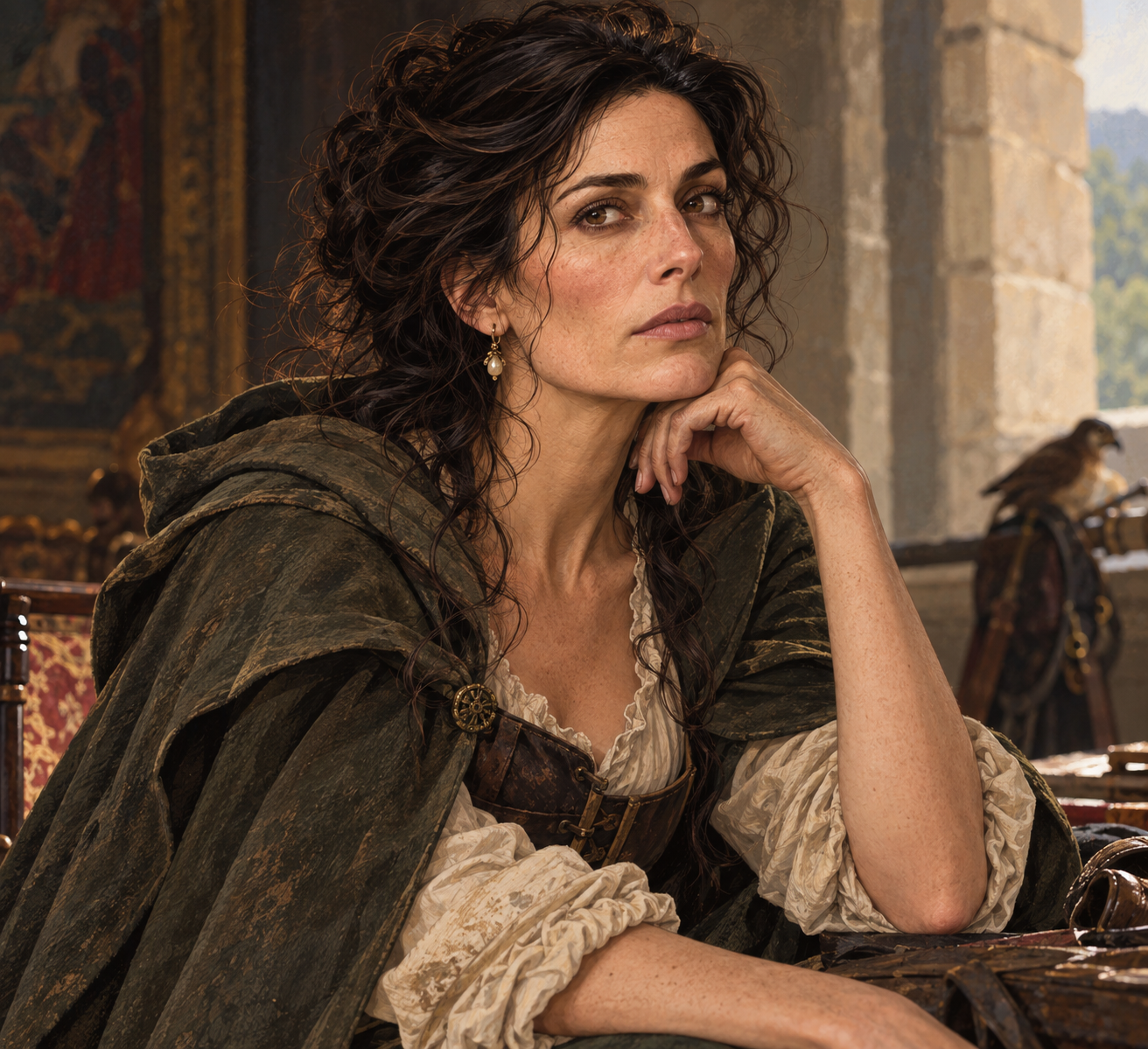
Survives Simeon’s attempt to kill her after Elin kills him, then helps bury his body on royal land and conceal his death. She makes Bramley Hall’s cider business successful and lives there with Otto as her devoted partner, refusing his three marriage proposals so she can retain her independence.
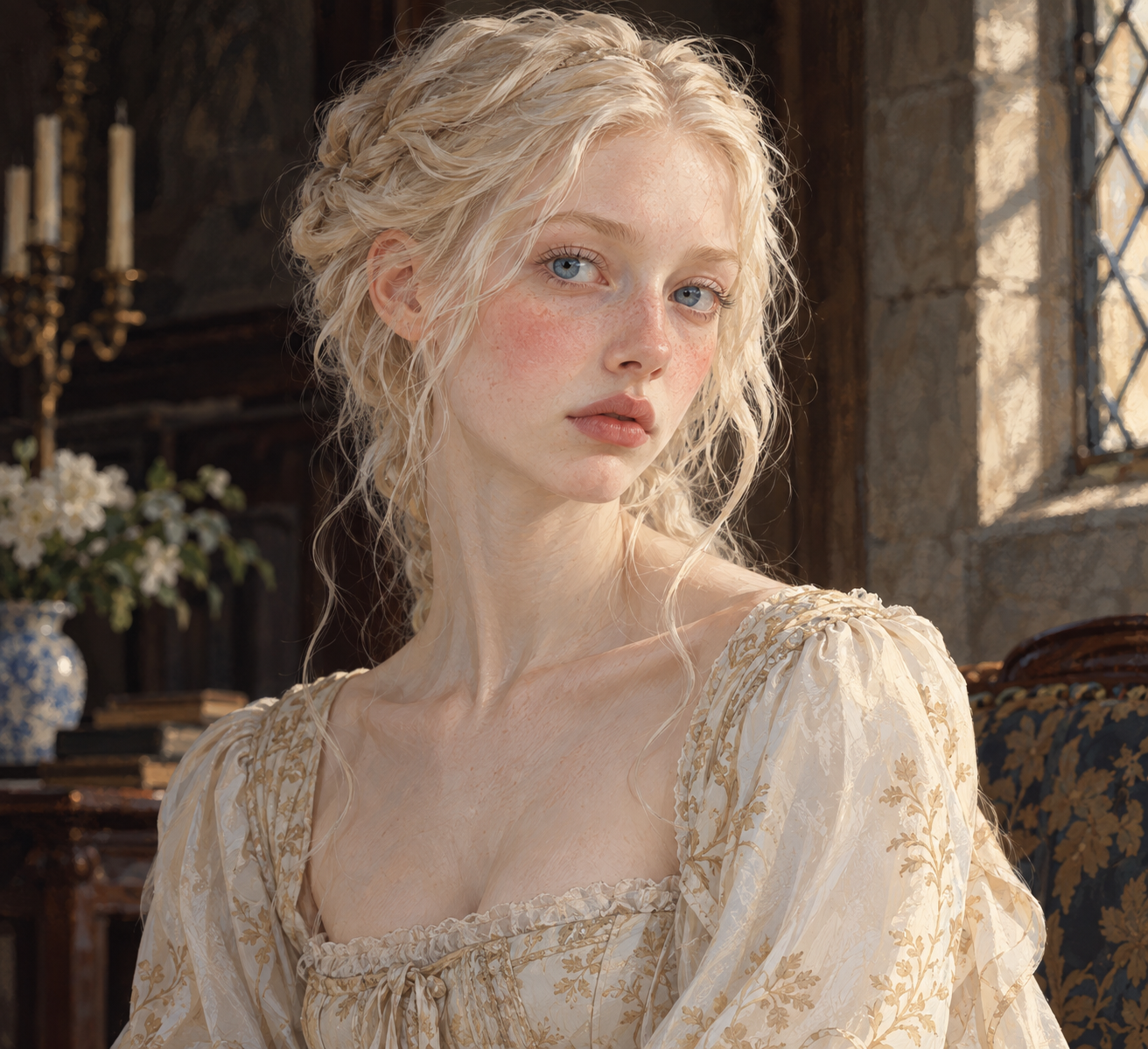
Kills Simeon by smashing a heavy roof beam into his head while he is strangling Etheldreda, then helps conceal his body. She burns her mother’s virtue booklet, rejects its teachings about female submission, and remains happily unmarried at Bramley Hall, where she takes up falconry.
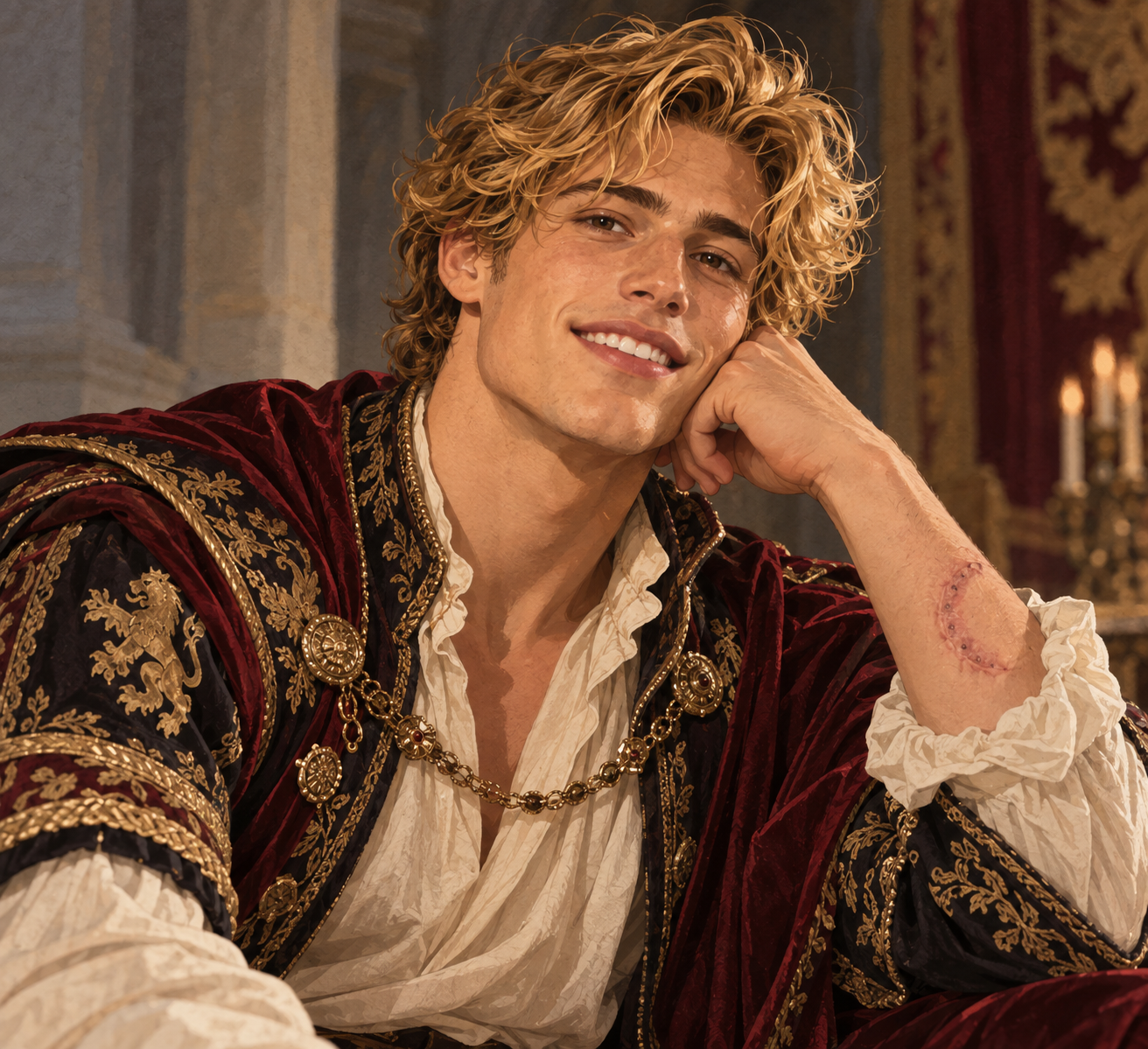
Attacks Etheldreda at Bramley Hall and kills her falcon Lucy, but Elin strikes him in the head with a roof beam and kills him. His body is secretly buried on royal land while Sigrid tells the kingdom he fled.
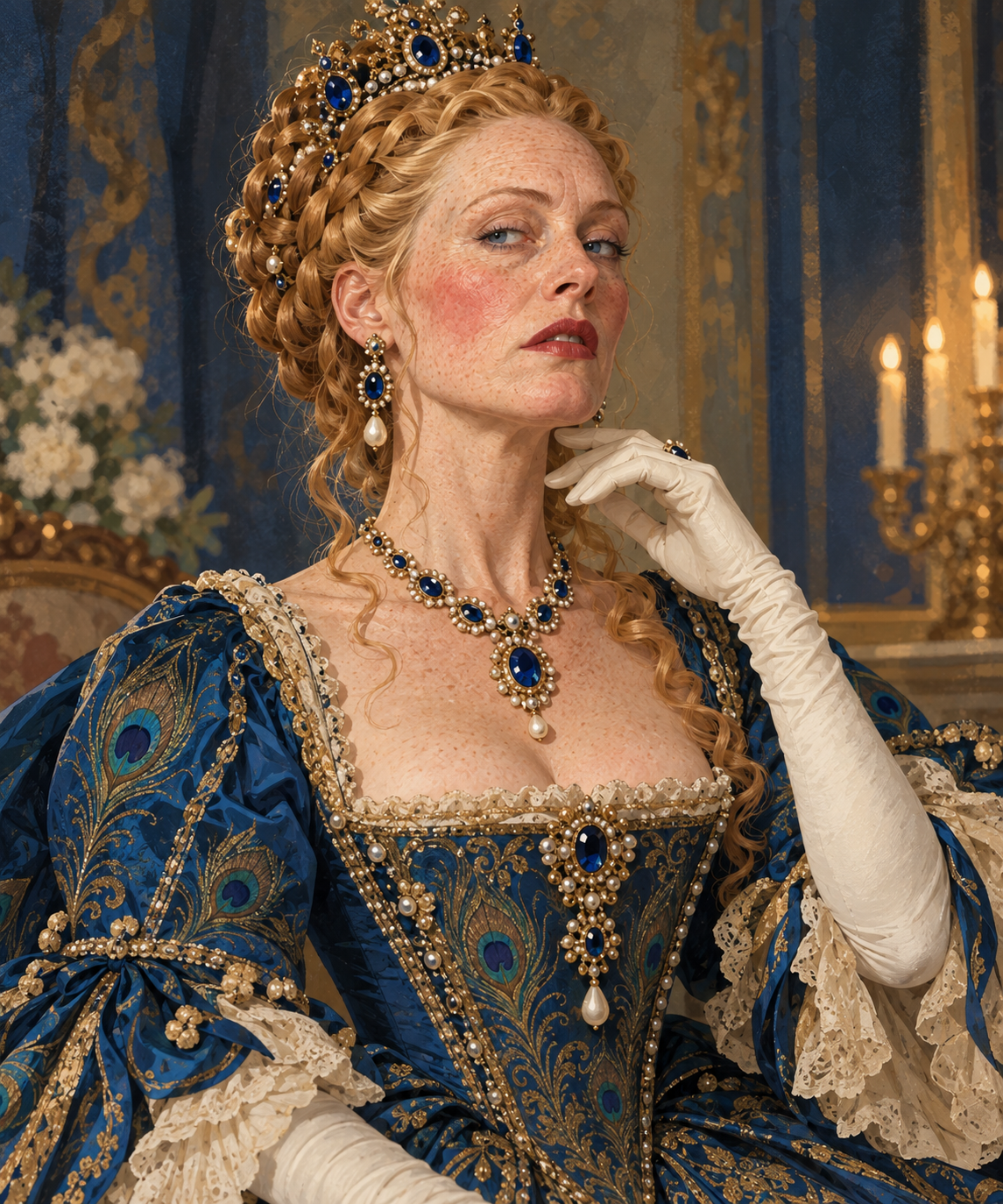
Never learns that Simeon was murdered and buried on royal land. She passes Hemma’s baby off as her own late-in-life child and names Hemma heir to the throne, successfully concealing the incest from the kingdom.
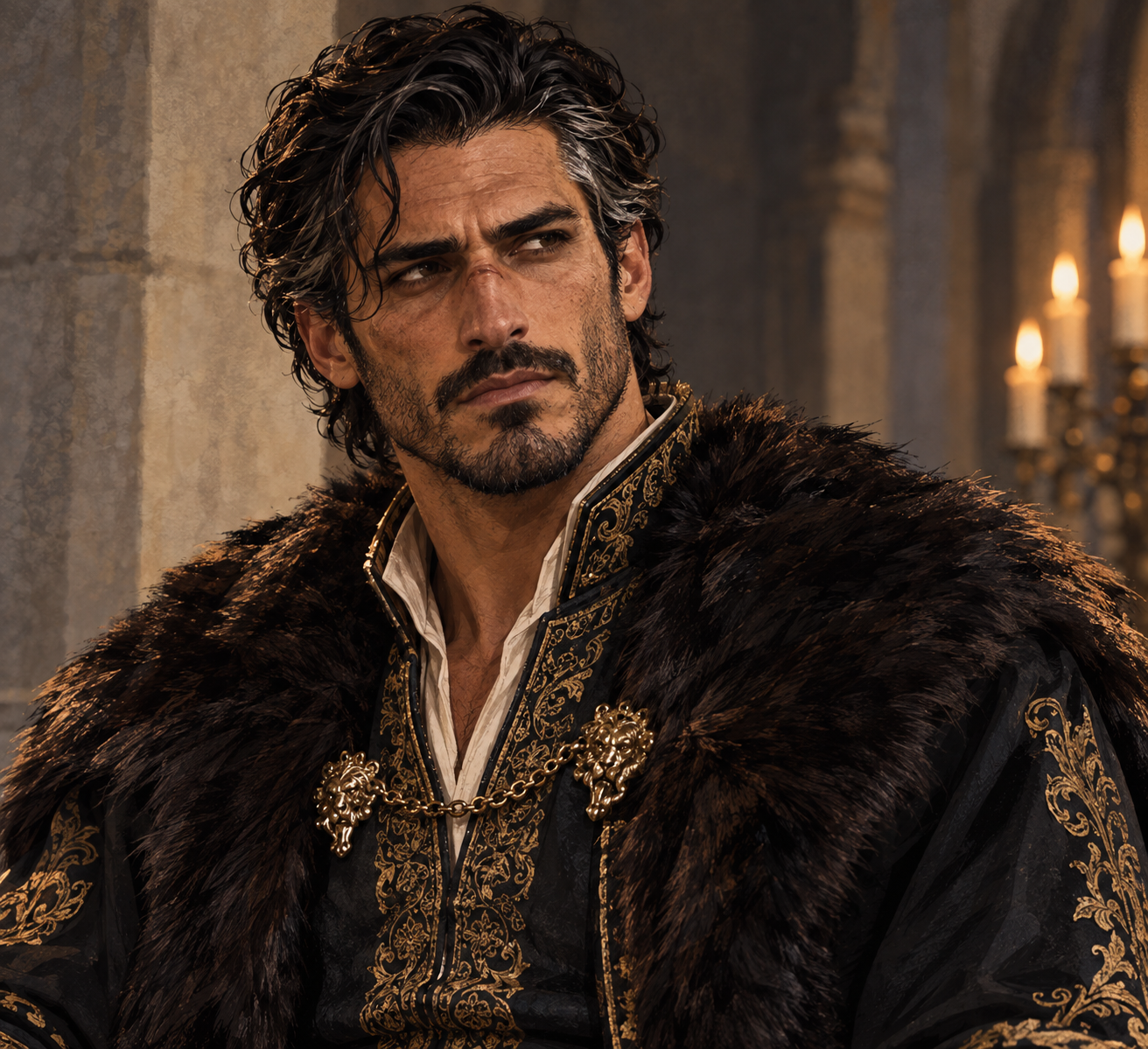
Leaves royal service after Simeon’s death and moves to Bramley Hall with Etheldreda. He proposes three times, but happily accepts her refusals and remains her devoted partner without marriage.
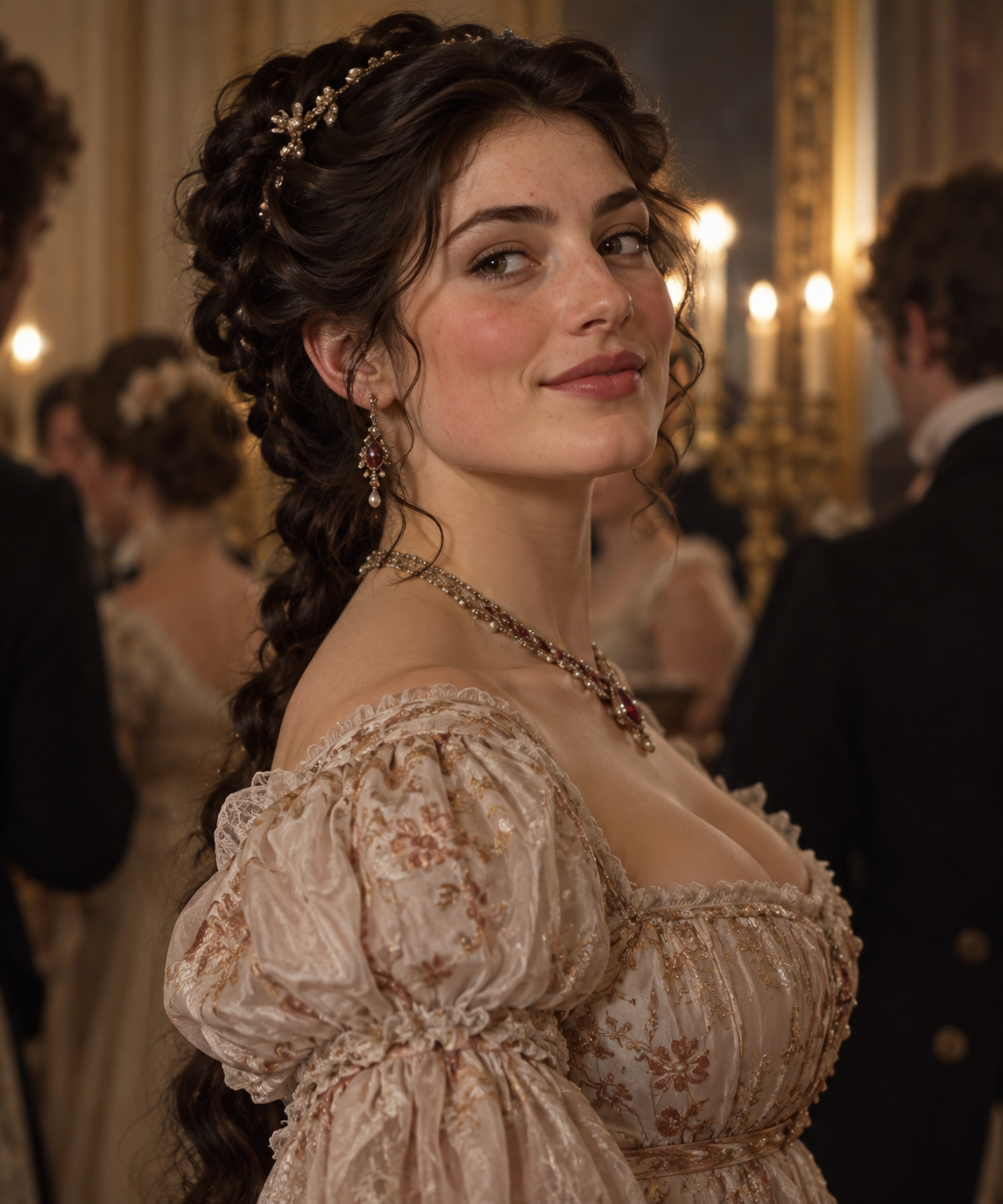
Recovers from her heartbreak and becomes a seamstress’s apprentice, earning professional dressmaking commissions from the Enright family rather than relying on marriage for security.
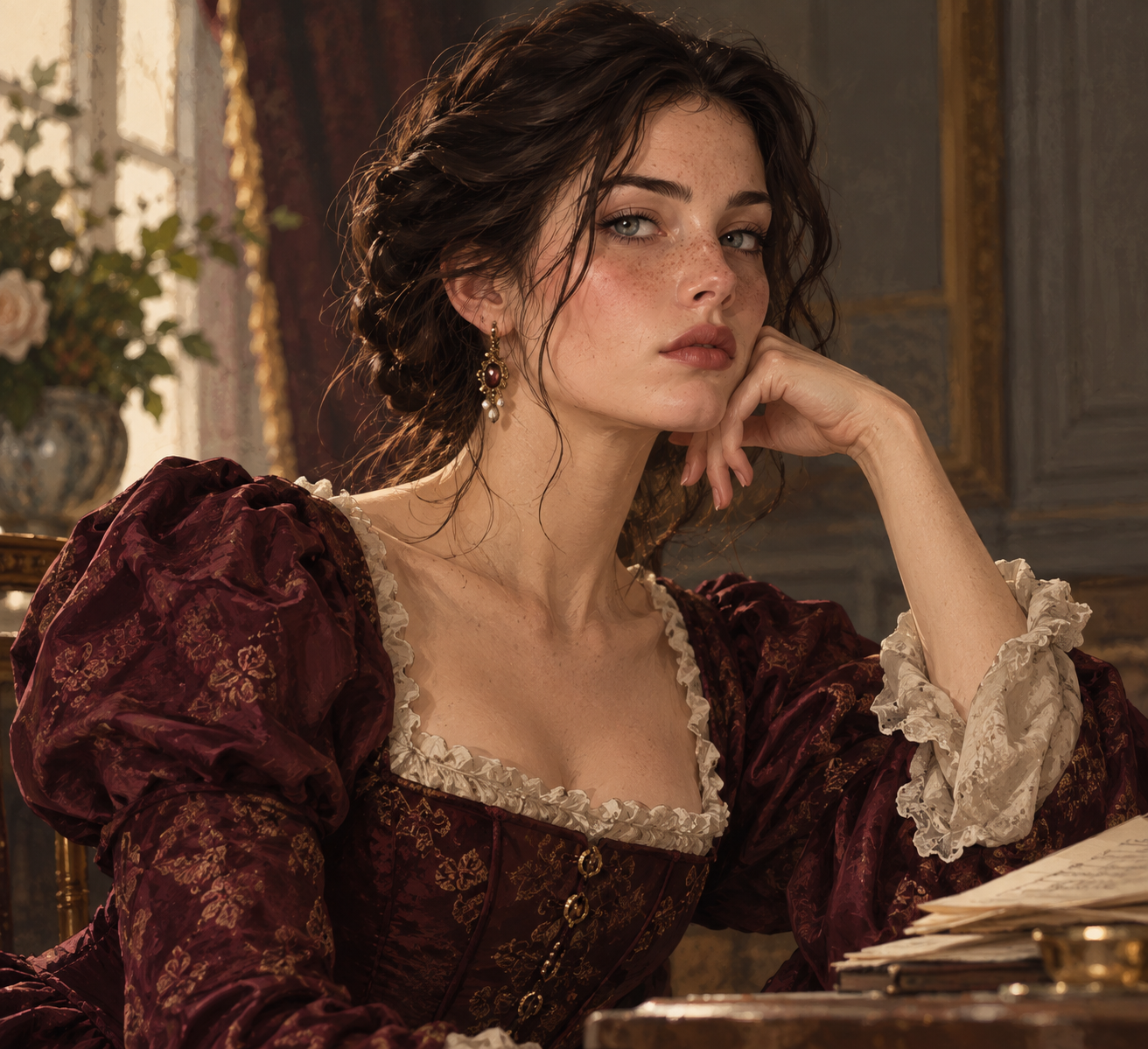
Helps cover up Simeon’s murder and destroy his carriage, rejects Finnian Enright’s courtship, and becomes Etheldreda’s primary partner in the successful Bramley Hall cider business.

Dies after drinking contaminated water at an inn during a nutmeg trading trip, leaving Etheldreda widowed with two young daughters and no jointure.
🔷 Supporting Characters

Dies after falling from a ladder and striking his head on the hearth. Etheldreda then discovers he left Bramley Hall drowning in unpaid taxes and debt, with the remaining money legally locked inside Elin’s dowry.
Gives birth after being hidden away by the royal family. Sigrid claims Hemma’s baby as her own child to conceal the incest, while Hemma herself is officially named heir to the throne.
Her lessons remain permanently embedded in Etheldreda’s mind, with Agatha’s critical voice continuing to surface throughout her adult life.
Helps conceal Simeon’s murder and burn evidence from his carriage, then remains at Bramley Hall as the cider business finally restores the estate’s finances.
Helps clean Simeon’s blood and destroy evidence after his murder, then remains at Bramley Hall as the estate becomes financially secure.
Leaves Bramley Hall after the ball and continues traveling freely throughout the kingdom.
Receives a recommendation from Hemma through Etheldreda and leaves Bramley Hall to seek safer employment away from the royal court.
Is financially ruined along with the Tremaine family after Queen Sigrid revokes their trade charters and imposes punitive fines.
Attempts to court Mathilde with flowers and endless talk about waterfowl, but she rejects him; he remains a royal page and heir to his family’s property.
Remains completely unaware of Simeon’s murder and later cheerfully brings Etheldreda the false news that Queen Sigrid has given birth to another child.
Fail to attract Simeon but later become paying clients of Rosamund, commissioning dresses from her as she begins her professional career.
Dies of plague shortly after Etheldreda marries Henry, and his estate is subsequently sold to satisfy its debts.
Joseph dies before his first birthday, while Etheldreda’s older brother later dies of plague alongside their father.
Remains oblivious to Simeon’s murder and Hemma’s baby’s true paternity, spending much of his time traveling and communing with huckleberry bushes in memory of his mother.
Sells the cameo to Otto, allowing Otto to secretly recover it and eventually return it to Etheldreda.
Gouges Simeon’s eye and cheek before he hurls her into a stone wall, killing her. Etheldreda and her household honor Lucy by burying her beneath the oak tree at Bramley Hall.
🕳️ Potential Plot Holes
The plan to marry Simeon to Elin so Hemma’s baby can eventually be presented as Elin’s child has a serious timing problem. Hemma is already visibly several months pregnant, meaning Elin would seemingly have to produce a baby far too soon after the wedding for the pregnancy to appear legitimate. After Simeon dies, Sigrid instead presents Hemma’s baby as her own, which creates another plausibility issue: a queen surrounded by servants and courtiers would have difficulty suddenly claiming to have given birth without anyone noticing that she had never appeared pregnant. The secrecy and power of the royal family could suppress gossip, but the logistics remain strained.
After Robert dies, Bramley Hall is revealed to be overwhelmed by unpaid taxes and debts, yet money remains protected specifically for Elin’s dowry. That arrangement raises questions because a deceased person's creditors would ordinarily have claims against the estate before heirs received their inheritances. The novel may intend Elin’s money to have been legally separated from Robert’s estate before his death, but it does not clearly establish a mechanism strong enough to explain why those funds are completely untouchable while the rest of Bramley Hall is effectively insolvent.
The women chop apart Simeon’s carriage and burn it, but a carriage contains substantial materials that would not disappear in an ordinary bonfire, including iron hardware, wheel rims, axles, fittings, and glass. Even if the wooden portions burned completely, recognizable debris should remain. With royal investigators arriving shortly afterward, disposing of such a distinctive carriage so quickly and completely without leaving suspicious evidence is one of the cover-up’s biggest practical stretches.
Otto is portrayed as an extraordinarily observant royal adviser who keeps tabs on Etheldreda closely enough to trace even her pawned cameo. Yet he apparently does not know that Simeon impregnated his own sister, despite Hemma being hidden inside the palace and the royal family organizing an elaborate marriage scheme to conceal her pregnancy. Otto cannot necessarily know everything happening behind closed doors, so this is explainable rather than a definitive plot hole. Still, the contrast between his remarkably effective surveillance of Etheldreda and his ignorance of a major scandal occurring inside his own court makes his intelligence network feel selectively effective when the plot requires it.
📚 Book Club Q&A's
⭐ Final Rating & Thoughts
Rachel Hochhauser completely won me over with this clever, dark, and surprisingly emotional reimagining of Cinderella. I’ve read plenty of fairy-tale retellings, but Lady Tremaine feels refreshingly different because it doesn’t simply turn the supposed villain into a misunderstood saint. Instead, Lady Tremaine is complicated, flawed, fiercely protective, and sometimes downright ruthless—and I loved her for it.
The dual timeline worked beautifully, gradually revealing the experiences that shaped her while adding layers to relationships that become increasingly important in the present. I was completely invested in her struggle to keep her family afloat and protect her daughters in a world where women have painfully few ways to control their own futures.
And this book kept surprising me! There were moments that made me gasp, moments that broke my heart, and others that had me practically cheering. The story becomes much darker than I expected, but it never felt dark simply for shock value.
Enthralling, exciting, emotional, and incredibly engaging, Lady Tremaine was nearly impossible to put down. This is exactly what I want from a retelling: familiar enough to recognize, but inventive enough to make me feel like I’m experiencing the story for the first time.
✨ Adaptation description
Adaptation
As of October 2026, no film or television adaptation of Rachel Hochhauser’s Lady Tremaine has been officially announced. There is currently no studio or production company attached, no director or screenwriter announced, and no casting or release date.
✨ Books Like Lady Tremaine (2026)
See an error on this page?