
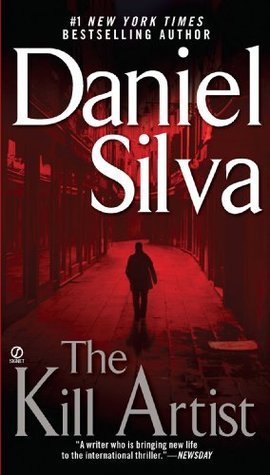
Book Details
The Kill Artist (2000)
Series
Jump to Section
⚠️ Trigger Warnings
- Child death
- Child abuse
- Violence against children
- Murder
- Terrorism
- Bombings
- Gun violence
- Assassination
- Execution
- Graphic violence and gore
- Torture
- Physical mutilation
- Disfigurement
- Medical/surgical trauma involving a child
- Sexual harassment
- Sexual coercion
- Sexual assault and rape
- Wartime sexual violence
- Heroin addiction
- Intravenous drug use
- Forced drug overdose
- Drug-related murder
- Severe psychological trauma
- Psychosis
- Catatonia
- PTSD
- Survivor’s guilt
- Grief and loss of loved ones
- Holocaust atrocities
- Genocide
- Antisemitism
- Nazi persecution
- Massacres
- Death in gas chambers
⏱️ 2-Minute Spoiler Summary
Gabriel Allon was once one of Israel’s most feared intelligence operatives and assassins, but by the 1990s he has abandoned that life for art restoration in Cornwall. His exile began after Palestinian terrorist Tariq al-Hourani arranged a 1991 car bombing in Vienna that killed Gabriel’s young son, Dani, and left his wife, Leah, horribly burned and psychologically shattered.
Years later, Tariq resurfaces by assassinating the Israeli ambassador to France and his wife in Paris. He also murders Emily Parker, an innocent American woman he had seduced as part of his cover. Ari Shamron, Gabriel’s former mentor and the head of Israel’s secret intelligence service, receives authorization to eliminate Tariq and convinces a reluctant Gabriel to return.
Their best lead is Yusef al-Tawfiki, a Palestinian student and waiter in London believed to be connected to Tariq’s network. Gabriel recruits former operative and fashion model Jacqueline Delacroix, whose real name is Sarah Halévy, to seduce Yusef while Gabriel bugs his apartment. Jacqueline and Gabriel have history: they were once lovers during an earlier operation.
The surveillance eventually reveals that Yusef has been instructed to send Jacqueline on a mysterious trip with a Palestinian “dignitary” named Lucien Daveau. What Gabriel doesn’t realize is that Tariq already knows Jacqueline is an Israeli operative. He intends to use her to lure Gabriel into a trap.
Jacqueline follows the instructions and is taken to Montreal, where “Lucien” turns out to be Tariq in disguise. Gabriel follows, but Tariq kidnaps Jacqueline and smuggles her across the U.S. border to Brooklyn. There, he leaves her imprisoned under the guard of his deputy, Leila Khalifa, while he disguises himself as a waiter and heads to a Fifth Avenue reception attended by Palestinian leader Yasir Arafat.
Jacqueline escapes by stabbing Leila with a nail file and then shooting her. She alerts Shamron, allowing Gabriel to realize that Tariq’s target is Arafat. Tariq reaches Arafat first, but when the two men come face-to-face, Arafat calmly challenges him to either kill him or leave. Tariq unexpectedly abandons the assassination.
Gabriel arrives as Tariq is escaping. Tariq shoots Gabriel several times in the chest, but Jacqueline pursues Tariq down the building’s stairwell and kills him.
Gabriel survives, only to discover an even bigger deception afterward. Yusef was never really working against Israel—he was Shamron’s deep-cover agent all along. The real Yusef died as a child during the Sabra and Shatila massacre. Shamron had taken a wounded orphan, created the Yusef identity for him, and planted him inside Tariq’s organization.
Through Yusef, Shamron learned that Tariq was suffering from a terminal brain tumor and was planning one final campaign of violence before he died. Shamron deliberately leaked information that Gabriel was hunting Tariq, knowing that Tariq’s personal vendetta against Gabriel would draw him into the open. Without telling either of them, Shamron used Gabriel and Jacqueline as bait to trap Tariq.
Disgusted by Shamron’s manipulation, Gabriel refuses an offer to become Chief of Operations and returns to Cornwall. The novel ends with young Timothy Peel seeing the light on again in Gabriel’s studio: Gabriel is back at his easel, finally returning to the art restoration he abandoned for one last mission.
📖 Full Spoiler Summary
Gabriel Allon’s Tragedy
In 1991 Vienna, Gabriel Allon is living under cover as an art restorer with his wife, Leah, and their young son, Dani. Gabriel is also an elite assassin and intelligence officer for Israel’s secret service, known simply as the Office.
One evening, Gabriel leaves Leah and Dani beside their Mercedes and tells Leah that if he does not return by six, she should take Dani directly to the airport. As Gabriel walks away, he hears the car struggling to start. Realizing what is about to happen, he turns and screams, but it is too late. Leah turns the key again, triggering a bomb.
Dani is killed instantly. Leah survives but is horribly burned and permanently psychologically damaged.
The man responsible is Palestinian terrorist Tariq al-Hourani, whose hatred of Gabriel is deeply personal. Years earlier, Gabriel killed Tariq’s older brother, Mahmoud, during Israel’s campaign against those involved in Palestinian terrorism. Tariq retaliated by destroying Gabriel’s family.
Years later, Gabriel has walked away from intelligence work. Leah remains institutionalized, while he lives quietly in Port Navas, Cornwall, restoring paintings and working on an old sailboat. An eleven-year-old boy named Timothy Peel becomes fascinated with his mysterious neighbor and even breaks into Gabriel’s studio, where he discovers valuable paintings. Instead of punishing him, Gabriel makes Timothy his helper and lookout.
Gabriel seems determined to leave his old life behind. Then Tariq returns.
Tariq Resurfaces in Paris
In Paris, a lonely American named Emily Parker meets Palestinian student Leila Khalifa, who introduces her to a charming man calling himself René. René is actually Tariq. He romances Emily and gives her an expensive bracelet, making her part of his cover without her realizing it.
At the same time, Israeli ambassador Zev Eliyahu and his wife, Hannah, attend a reception at the Musée d’Orsay. An operative signals when their limousine leaves, and Tariq’s team creates a staged traffic accident on the Pont Alexandre III.
Tariq steps into the street, opens fire and detonates a bomb beneath the ambassador’s limousine, killing Eliyahu, his wife and their bodyguards.
Emily witnesses the attack and realizes who René really is. Tariq responds by shooting her through the heart and throwing her body into the Seine before escaping on a motorcycle driven by Leila.
Ari Shamron, the legendary Israeli spymaster who has returned to lead the Office, immediately recognizes Tariq’s methods. Tariq now commands an extremist Palestinian faction determined to destroy the developing Israeli-Palestinian peace process. Shamron receives authorization from the Israeli prime minister to eliminate him, provided the operation cannot be traced back to Israel.
Shamron wants one man to lead the hunt: Gabriel.
Gabriel Is Pulled Back In
Shamron tracks Gabriel to Cornwall through London art dealer Julian Isherwood, one of Gabriel’s professional contacts and a secret helper for the Office.
Gabriel wants nothing to do with the mission. He no longer believes that killing Tariq will accomplish anything beyond continuing the cycle of revenge. Shamron knows exactly how to break down his resistance, however. He invokes Dani and Leah and reminds Gabriel that Tariq is still killing innocent people.
Their lead is Yusef al-Tawfiki, a Palestinian student and waiter living in London who appears to have connections to Tariq’s organization. Gabriel finally agrees to run the operation.
He also needs someone who can get close to Yusef.
That brings him to Jacqueline Delacroix, a famous French fashion model whose real name is Sarah Halévy. Jacqueline previously worked for the Office and had an intense affair with Gabriel during an operation in Tunis. She initially refuses to return, but Gabriel offers her enough money to help fund the ballet school she dreams of opening. After proving that her shooting skills remain excellent, she joins him.
Gabriel rents a surveillance flat across from Yusef’s London apartment and hires former CIA surveillance specialist Randall Karp to bug Yusef’s home and telephone. Jacqueline takes a job at Isherwood’s gallery and approaches Yusef under the name Dominique Bonard.
The seduction works. Jacqueline accompanies Yusef home, and while he showers, she secretly makes impressions of his keys. Gabriel uses duplicates to enter the apartment and install listening devices.
But Yusef and Jacqueline return sooner than expected. Gabriel barely escapes before they reach the flat, and Yusef notices the unfamiliar man leaving the area. Suspicious, he reports the encounter to his contacts.
Tariq Turns the Operation Against Gabriel
While Gabriel is watching Yusef, Tariq continues killing.
In Amsterdam, he uses the houseboat of Inge van der Hoff as a hideout, then kills her with a massive heroin overdose. When her brother unexpectedly discovers her body, Tariq shoots him as well. He then poses as a florist to enter the home of wealthy philanthropist and secret Israeli-PLO peace intermediary David Morgenthau. Tariq kills the maid before assassinating Morgenthau and his wife.
More importantly, Tariq now realizes Gabriel is hunting him.
After examining photographs from Gabriel’s old Tunis operation, he recognizes Jacqueline. Instead of disappearing, Tariq decides to exploit Gabriel’s surveillance operation. Jacqueline will become the bait that brings Gabriel directly to him.
Yusef is instructed to persuade Jacqueline to accompany a supposedly important Palestinian dignitary named Lucien Daveau on a diplomatic journey beginning in Paris.
Before that happens, Yusef tells Jacqueline about his childhood during the 1982 Sabra and Shatila massacre. He describes his family being slaughtered and the horrific injuries inflicted on him. The story leaves Jacqueline physically sick and deeply disturbed by what she is doing.
She confronts Gabriel and demands to leave the mission, questioning the endless cycle of violence and accusing him of treating her as a disposable sexual asset. Gabriel insists Yusef is helping a killer, but he also admits that what happened between them years earlier meant something to him. Jacqueline agrees to continue.
Jacqueline Becomes Tariq’s Prisoner
Yusef takes Jacqueline to Paris and leaves her waiting for Lucien Daveau. Instead, Leila Khalifa arrives and escorts her onto a flight to Montreal.
Gabriel immediately realizes the operation has changed and follows with Shamron.
In Montreal, Jacqueline finally meets Lucien, who is actually Tariq in disguise. Gabriel’s team manages to locate them, and Gabriel even bugs Tariq’s hotel room, but Tariq repeatedly tests the streets and underground shopping areas for surveillance.
After dinner, Gabriel prepares to intercept them. Before he can act, a car suddenly blocks his path. Tariq shoves Jacqueline inside and gives Gabriel a triumphant smile before speeding away.
Jacqueline is now his hostage.
Tariq tells her that he knew who she was almost from the beginning. She defiantly gives him her real name, Sarah Halévy. Tariq explains that she has always been part of his larger plan to lure Gabriel to the site of his final operation.
Using false documents, Tariq takes Jacqueline across the U.S. border and eventually reaches Brooklyn. There he handcuffs and gags her in an apartment, leaving Leila to guard her while he changes into a waiter’s uniform.
His final target is in Manhattan.
The Plot to Kill Arafat
Tariq infiltrates an exclusive Fifth Avenue reception being held for Palestinian Authority chairman Yasir Arafat.
Back in Brooklyn, Leila tortures Jacqueline by pouring scalding tea onto her stomach. Realizing she will eventually be killed, Jacqueline asks to use the bathroom and secretly palms a metal nail file. When the opportunity comes, she drives it into Leila’s neck.
During the struggle, Jacqueline gets Leila’s gun and shoots her through the heart. When another armed accomplice enters the apartment, Jacqueline kills him too.
She immediately calls the Office and reaches Shamron, telling him Tariq is disguised as a waiter. The pieces finally come together: Tariq is not targeting the Israeli prime minister as they believed. He intends to assassinate Arafat and destroy the peace process.
Gabriel retrieves Jacqueline, and they race toward Manhattan.
Tariq reaches Arafat first. Carrying a tray of Tunisian dates, he follows Arafat into a private study. Arafat recognizes him and calmly confronts his former comrade, telling Tariq that if he has come to kill him, he should do it immediately. Otherwise, he should leave and die with dignity.
Unexpectedly, Tariq cannot pull the trigger.
He wishes Arafat peace and walks away.
Jacqueline Kills Tariq
Gabriel and Jacqueline arrive just as Tariq is escaping through the building’s service stairwell. Gabriel follows him through the door, but Tariq is waiting below with his pistol.
He fires repeatedly, hitting Gabriel in the chest and leaving him bleeding on the landing.
Jacqueline sees Gabriel fall and goes after Tariq herself. She races down seventeen flights of stairs until she catches him near the bottom. Tariq, weakened by the brain tumor that has been slowly killing him, can no longer escape.
Jacqueline shoots him in the shoulder and then continues firing until Tariq al-Hourani is dead.
Shamron arrives moments later and takes the empty gun from her.
Gabriel, despite his wounds, survives.
Shamron’s Final Deception
Months later, Gabriel is recovering in Jerusalem. Shamron offers him the position of Chief of Operations, but Gabriel refuses. He wants to return to Europe and resume his life as an art restorer.
Before leaving Israel, he meets Jacqueline again. Her identity has been exposed, meaning her international modeling career and old cover are finished. The two say goodbye.
Then Gabriel unexpectedly spots Yusef al-Tawfiki alive and walking freely in Tel Aviv.
Gabriel corners him and demands answers.
Yusef reveals that he was working for Shamron all along.
Gabriel confronts his mentor and learns the full truth. The real Yusef al-Tawfiki died as a child during the Sabra and Shatila massacre. Shamron took a severely wounded unidentified orphan from a Beirut hospital, had his back surgically scarred to support the invented story of his injuries, gave him Yusef’s identity and raised him under Office control. He was eventually planted inside Tariq’s organization as a deep-cover agent.
Through Yusef, Shamron learned that Tariq had a terminal brain tumor and was planning one final campaign of violence.
Rather than simply tell Gabriel what he knew, Shamron constructed an elaborate trap. He deliberately leaked information that Gabriel had returned to hunt Tariq because he knew Tariq’s hatred of Gabriel would force him into the open. Gabriel and Jacqueline were never merely hunting Tariq.
They were the bait.
Shamron kept Gabriel ignorant because he needed every reaction to look genuine. Gabriel is furious at how completely his mentor manipulated him and Jacqueline, even questioning how far Shamron would go to protect his plans.
There is nothing left for Gabriel in the Office.
He returns to Port Navas.
One night, Timothy Peel wakes and looks toward Gabriel’s studio. For the first time in months, the light is burning again.
Gabriel Allon has returned to his easel, ready to finish restoring the missing Francesco Vecellio altarpiece—and to resume the quiet life that Tariq and Shamron dragged him away from.
🔚 Ending Explained
How the Book Ends
The novel’s climax unfolds in New York, where Tariq al-Hourani prepares what he intends to be his final act of violence. After crossing into the United States from Canada, he arrives in Brooklyn and disguises himself as a waiter named Emilio Gonzales. His target is Yasir Arafat, who is attending an elite Fifth Avenue reception overlooking Central Park.
Meanwhile, Jacqueline Delacroix is being held captive in a Brooklyn apartment by Leila Khalifa. After Leila tortures her by pouring boiling tea onto her stomach, Jacqueline manages to conceal a nail file, stab Leila in the neck, seize her gun, and shoot her. She also kills another accomplice who enters the apartment. Jacqueline then contacts Ari Shamron and warns him that Tariq is disguised as a waiter and intends to assassinate Arafat.
Shamron sends Gabriel Allon to retrieve Jacqueline, and the two race toward Manhattan.
Tariq Chooses Not to Kill Arafat
At the reception, Tariq succeeds in getting close to Arafat. Carrying a tray of Tunisian dates, he enters the private study where Arafat is taking a phone call.
Arafat recognizes him.
Instead of calling for security, Arafat calmly confronts Tariq. He reminds him of their shared history, particularly the siege of Beirut, and challenges him to make his choice: kill him now or leave with whatever dignity he has left. Most importantly, Arafat appeals to their shared Palestinian identity and argues that Palestinians cannot continue killing one another.
The confrontation unexpectedly reaches Tariq. Rather than carrying out the assassination, he buttons his jacket, tells Arafat, “Peace be with you, my brother,” and walks away.
It is a striking end to Tariq’s mission because he has spent the novel defined by violence, yet his final intended murder is the one he cannot commit.
Jacqueline Kills Tariq
Unfortunately, Gabriel and Jacqueline arrive just as Tariq is escaping through the service stairwell.
Gabriel forces open the door and charges onto the landing, but Tariq is waiting below with his Makarov. He fires repeatedly into Gabriel’s chest, sending him collapsing to the floor.
Jacqueline takes Leila’s gun and pursues Tariq down seventeen flights of stairs. Tariq, already weakened by his terminal brain tumor, eventually stumbles into a service corridor on the ground floor.
Jacqueline shoots him in the shoulder and then empties the gun into him.
Tariq al-Hourani is dead.
Shamron arrives moments later, gently takes the empty gun from Jacqueline, and stands over Tariq’s body.
But Tariq’s death is not the novel’s final twist.
The Real Twist: Yusef Was Working for Shamron
Gabriel survives the shooting and recuperates in a Jerusalem safe flat. Afterward, he wanders through Israel, visiting the Galilee, Masada, and the kibbutz where he grew up, searching for some sense of peace.
He also reunites with Jacqueline at Herzliya. Because her identity as an operative has now been exposed internationally, her modeling career and cover identity are finished, leaving her effectively stranded in Israel.
Then Gabriel sees someone who should not be casually walking through Tel Aviv:
Yusef al-Tawfiki.
Gabriel follows him to the beach and confronts him at gunpoint. Instead of discovering another enemy, however, Gabriel learns that Yusef has been an Office operative working for Shamron all along.
Gabriel immediately goes to Shamron and demands an explanation.
And Shamron reveals that the deception goes much deeper.
The real Yusef al-Tawfiki died during the Sabra and Shatila massacre in 1982. Shamron found an unidentified, badly wounded orphan in a West Beirut hospital and effectively manufactured a new human identity for him. An Office surgeon even created the scar on his back necessary to support his invented history.
The boy was raised and shaped into an intelligence asset and eventually planted inside Tariq’s organization.
Years later, Yusef learned that Tariq had a terminal brain tumor and was preparing one final campaign of violence. Shamron then deliberately leaked information suggesting that Gabriel was hunting Tariq.
That means much of what Gabriel believed was happening throughout the novel was false.
Gabriel was never really the hunter. He was bait.
So was Jacqueline.
Shamron deliberately kept Gabriel ignorant because an operative who genuinely believes he is hunting someone behaves more convincingly than one who knows he is participating in a trap. Shamron manipulated Gabriel, Jacqueline, Yusef, and Tariq simultaneously in order to force Tariq into the open.
Gabriel is furious—not simply because Shamron lied to him, but because Shamron has once again demonstrated that he is willing to sacrifice individual people to protect the state.
Their confrontation becomes even darker when Gabriel raises the suspicious drowning of media mogul Benjamin Stone, suggesting that Shamron’s willingness to manipulate events may extend far beyond the Tariq operation.
Shamron does not really apologize. His position is essentially that Israel exists in a world where its enemies will destroy it if given the opportunity, and therefore deception, manipulation, and morally questionable acts are sometimes necessary for survival.
Gabriel understands the argument.
He simply does not want to become Shamron.
Ending Explained
The real ending of the novel is therefore not Tariq’s death. Tariq’s death resolves the thriller plot, but Gabriel’s confrontation with Shamron resolves the novel’s deeper conflict.
Shamron wants Gabriel to become Chief of Operations. In other words, he wants Gabriel eventually to become the person sitting behind the desk—someone who sends other people into danger, manipulates them, lies to them, and accepts human lives as pieces in a larger strategic game.
Gabriel refuses.
Instead, he returns to Port Navas, Cornwall, where eleven-year-old Timothy Peel wakes during the night and notices something that has been absent for a long time:
the white light is burning again in Gabriel’s restoration studio.
Gabriel has returned to the damaged Francesco Vecellio altarpiece and picked up his brushes.
That quiet image is the novel’s true ending.
Why the Painting Matters
The restoration of The Adoration of the Shepherds mirrors Gabriel himself.
Gabriel spends his professional life taking paintings damaged by time, neglect, violence, and human interference and painstakingly trying to recover what remains underneath. But the novel makes an important distinction between restoration and healing.
A restorer cannot undo what happened to a painting.
He can only preserve what survived.
That is essentially Gabriel’s situation. Tariq is dead, but killing him cannot resurrect Dani. It cannot restore Leah to the person she was before the bombing. It cannot erase Gabriel’s own history as an assassin. And it cannot undo everything Gabriel has done for Shamron.
The ending therefore does not suggest that Gabriel has finally healed. It suggests something quieter and more believable:
he has decided what he wants to preserve.
The damaged painting can still possess beauty. Gabriel’s damaged life can still contain something besides violence.
Yusef’s Scar and Shamron’s World
The revelation about Yusef may be the novel’s darkest piece of symbolism.
His scar appears to be evidence of history—a physical reminder of war and suffering. But eventually Gabriel learns that even the scar is artificial.
Shamron has literally written a false history onto another person’s body.
That captures the moral world of espionage in miniature. Identities can be invented. History can be rewritten. Trauma can be manufactured. People can become instruments in operations without even fully understanding the role they are playing.
The same idea applies to the gold lighter Shamron gives Jacqueline. Something that appears protective is simultaneously a means of surveillance and control.
Almost nothing in Shamron’s world has only one purpose.
Why Arafat Stops Tariq
Tariq’s decision not to kill Arafat is also crucial because it complicates what could otherwise have been a straightforward revenge ending.
Arafat does not defeat Tariq physically. He forces him to confront what his vengeance has become.
For perhaps the first time, Tariq sees that continuing to kill will not repair the past or advance the cause he once believed in. Killing Arafat would simply be another Palestinian killing another Palestinian.
His “Peace be with you, my brother” therefore gives Tariq one final moment of humanity before his death.
There is an intentional irony here: Tariq voluntarily breaks his own cycle of vengeance moments before Jacqueline kills him.
Why Jacqueline Kills Him
Jacqueline’s pursuit of Tariq reverses her position from earlier in the climax. Minutes before, she was bound, tortured, and completely at the mercy of Leila.
Now she becomes the pursuer.
Her killing of Tariq represents her refusal to remain powerless, but the novel does not necessarily present the moment as uncomplicated triumph. Jacqueline survives by entering the same violent world that has consumed Gabriel.
Tariq’s death solves the immediate problem.
It does not solve the larger one.
Gabriel Makes the Most Important Choice
That is why Gabriel’s confrontation with Yusef matters so much.
Gabriel could kill him.
Instead, he gives Yusef his gun back and walks away.
It is a small decision compared with the international events surrounding him, but thematically it may be the most important decision Gabriel makes. Shamron’s worldview depends upon violence perpetuating violence: every attack creates a response, every death creates another justification, and every operative becomes part of the machinery.
Gabriel refuses to continue that cycle when he has the choice.
He similarly refuses Shamron’s offer of institutional power.
Rather than becoming the next Shamron, Gabriel chooses to become Gabriel Allon the restorer again.
The Meaning of the Final Scene
The final image of the light glowing inside Gabriel’s Cornwall studio is quietly hopeful without pretending that everything has been fixed.
Gabriel cannot restore his old life.
Leah is still institutionalized. Dani is still dead. Gabriel remains psychologically scarred. Jacqueline’s former life is gone. The Israeli-Palestinian conflict remains unresolved. And Shamron’s morally compromised intelligence apparatus continues operating.
Nothing has magically healed.
But Gabriel turns the light back on.
That is the distinction the ending makes between healing and restoration. Healing would mean somehow becoming the man Gabriel was before violence entered his life. That man cannot be recovered.
Restoration means taking what remains and making something meaningful from it.
And that is exactly what Gabriel chooses to do.
The novel ends not with an assassin firing a weapon, but with an artist picking up a brush.
👤 Characters & Fates
🔶 Main Characters
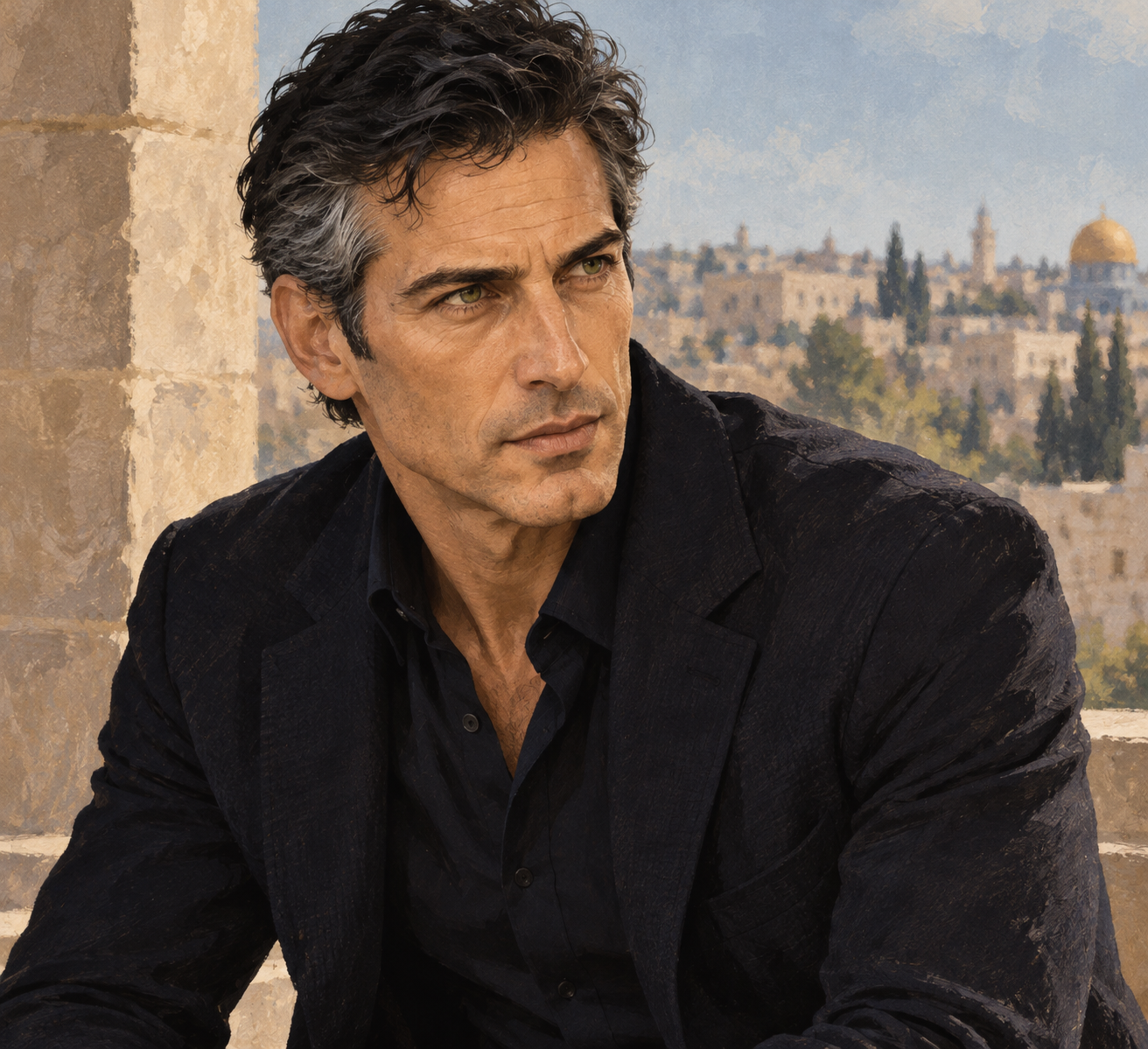
Tariq shoots Gabriel in the chest in Manhattan, but Gabriel survives. He later discovers Shamron secretly manipulated the entire operation using Yusef as bait, refuses the job of Chief of Operations, and returns to Cornwall to finish restoring the Vecellio altarpiece.
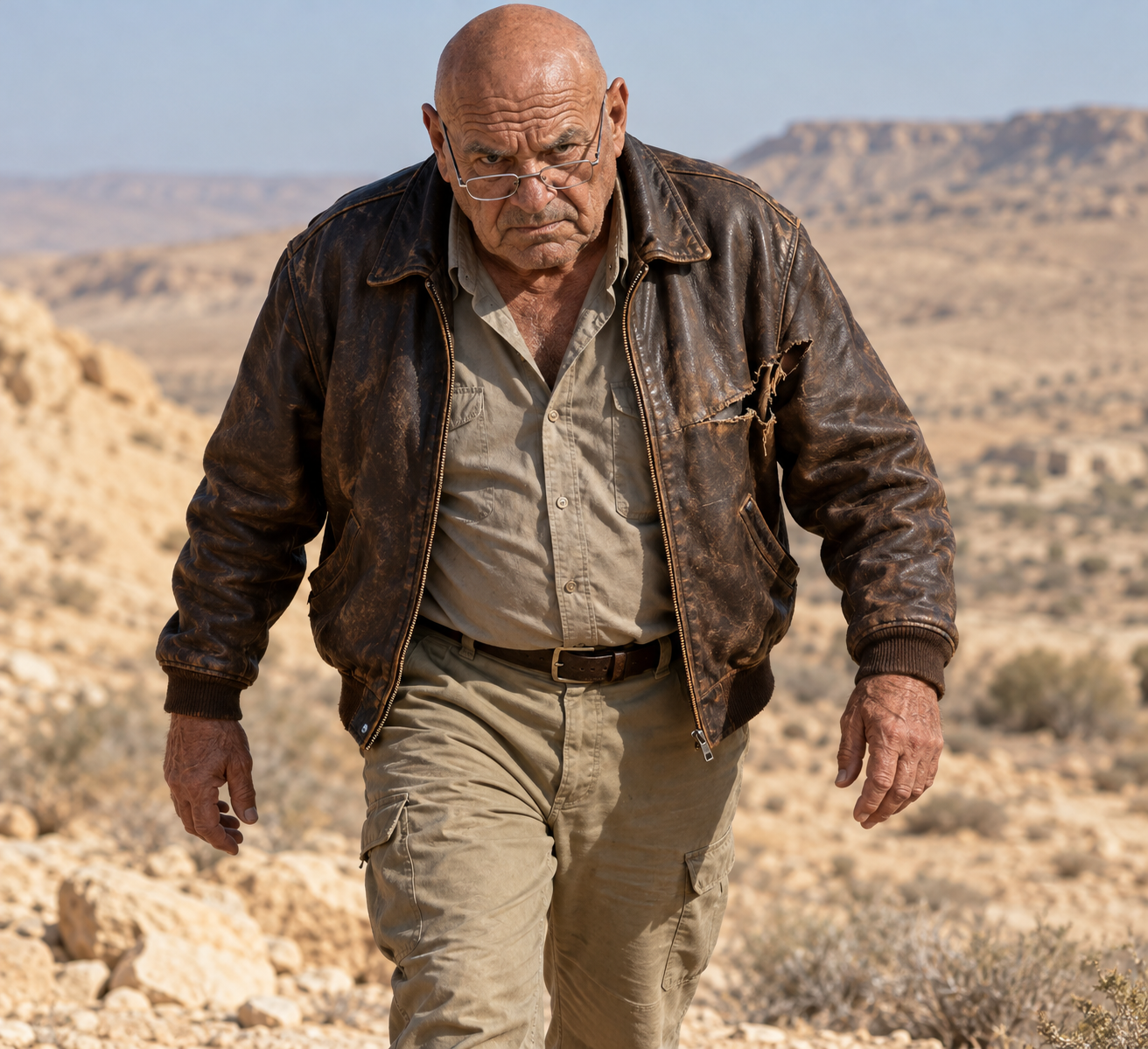
His scheme succeeds: Tariq is killed, the Office’s reputation is restored, and rival Lev is pushed out. Shamron remains the powerful spymaster behind the scenes.
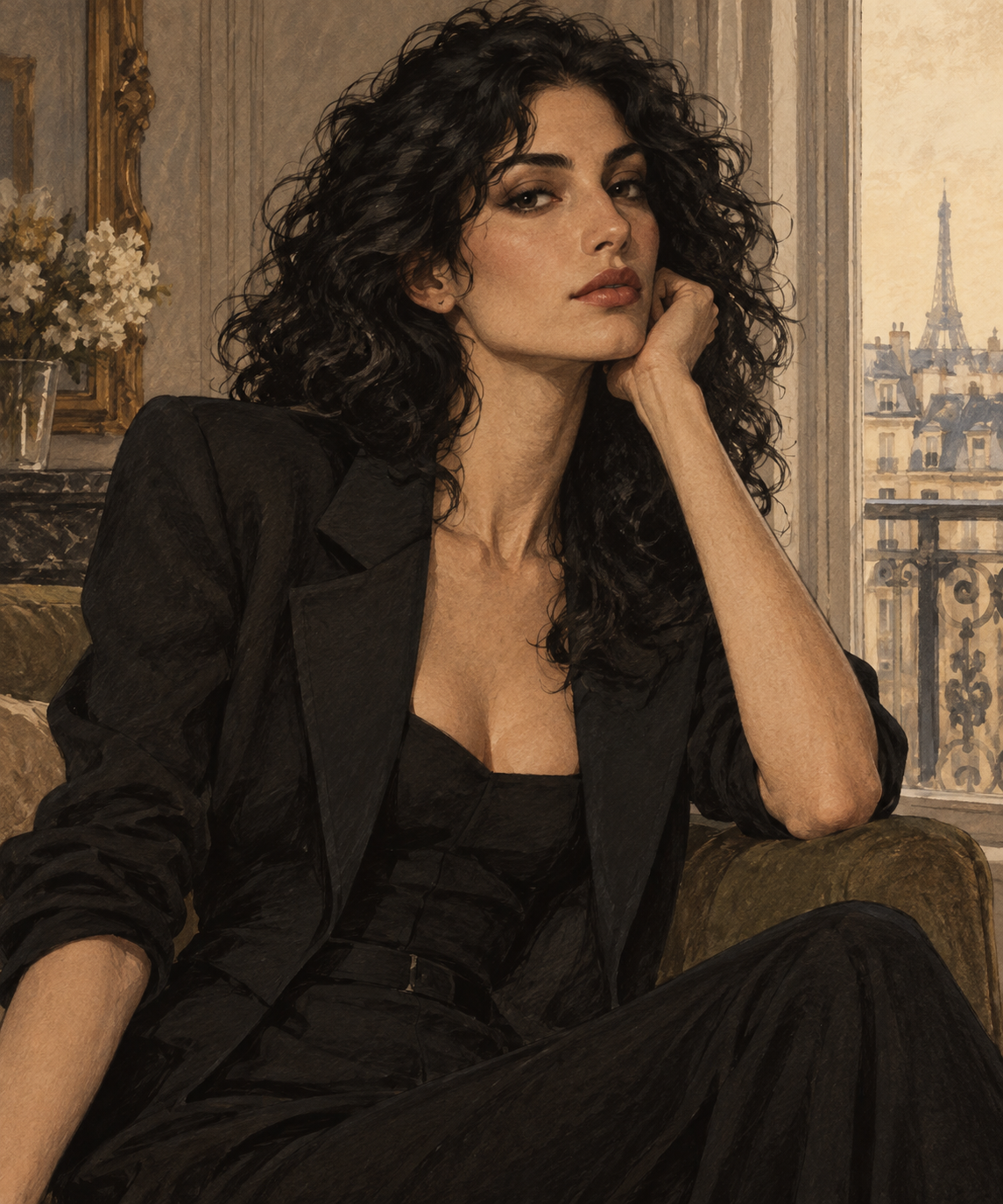
After being captured, she kills Leila with a nail file and gun, escapes, chases Tariq through Manhattan, and shoots him dead after he shoots Gabriel. Her cover is permanently blown, forcing her to remain in Israel.
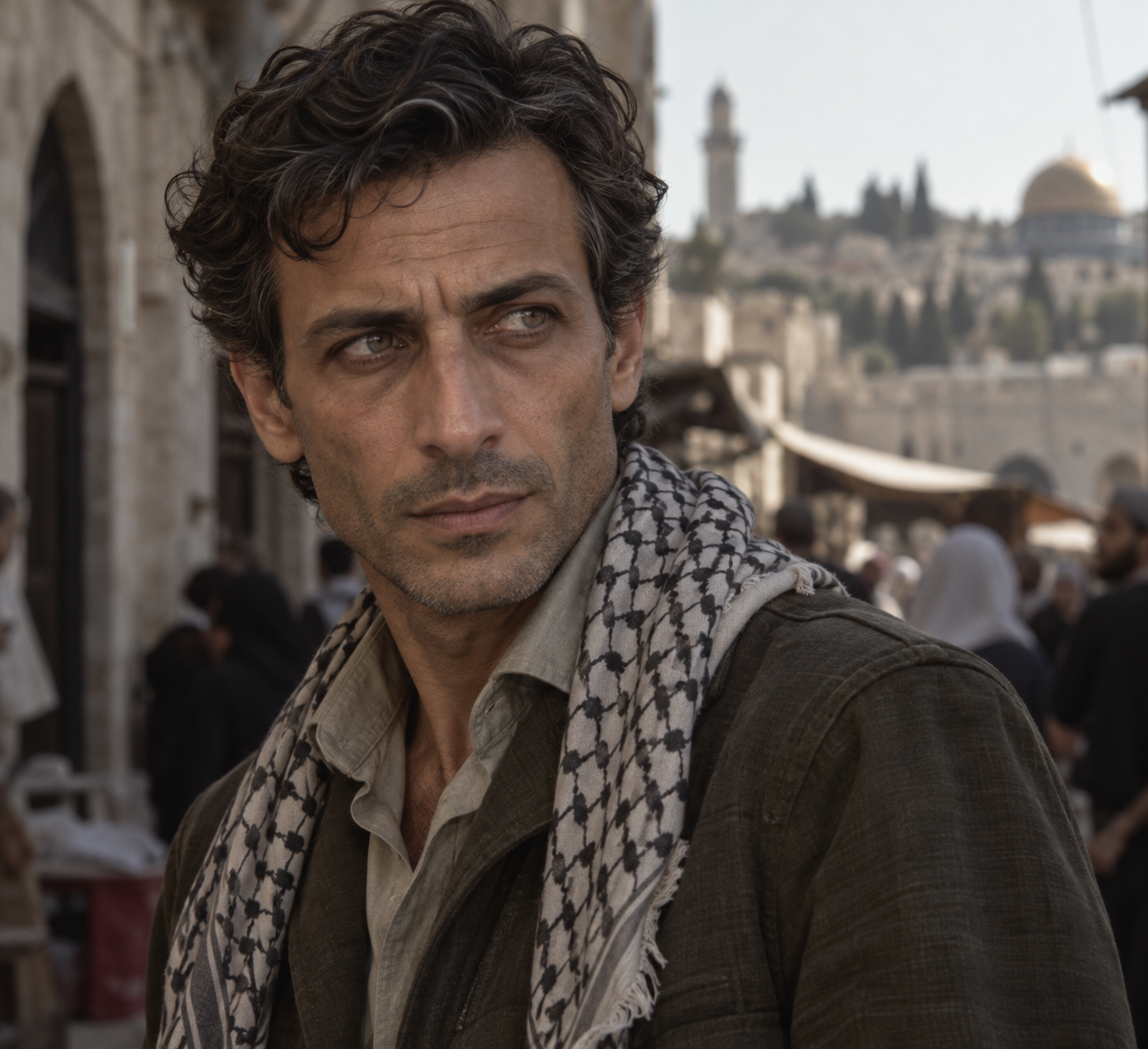
He reaches Arafat in Manhattan but ultimately chooses not to kill him. After shooting Gabriel in the chest while escaping, Tariq is pursued by Jacqueline and shot dead in a service corridor.
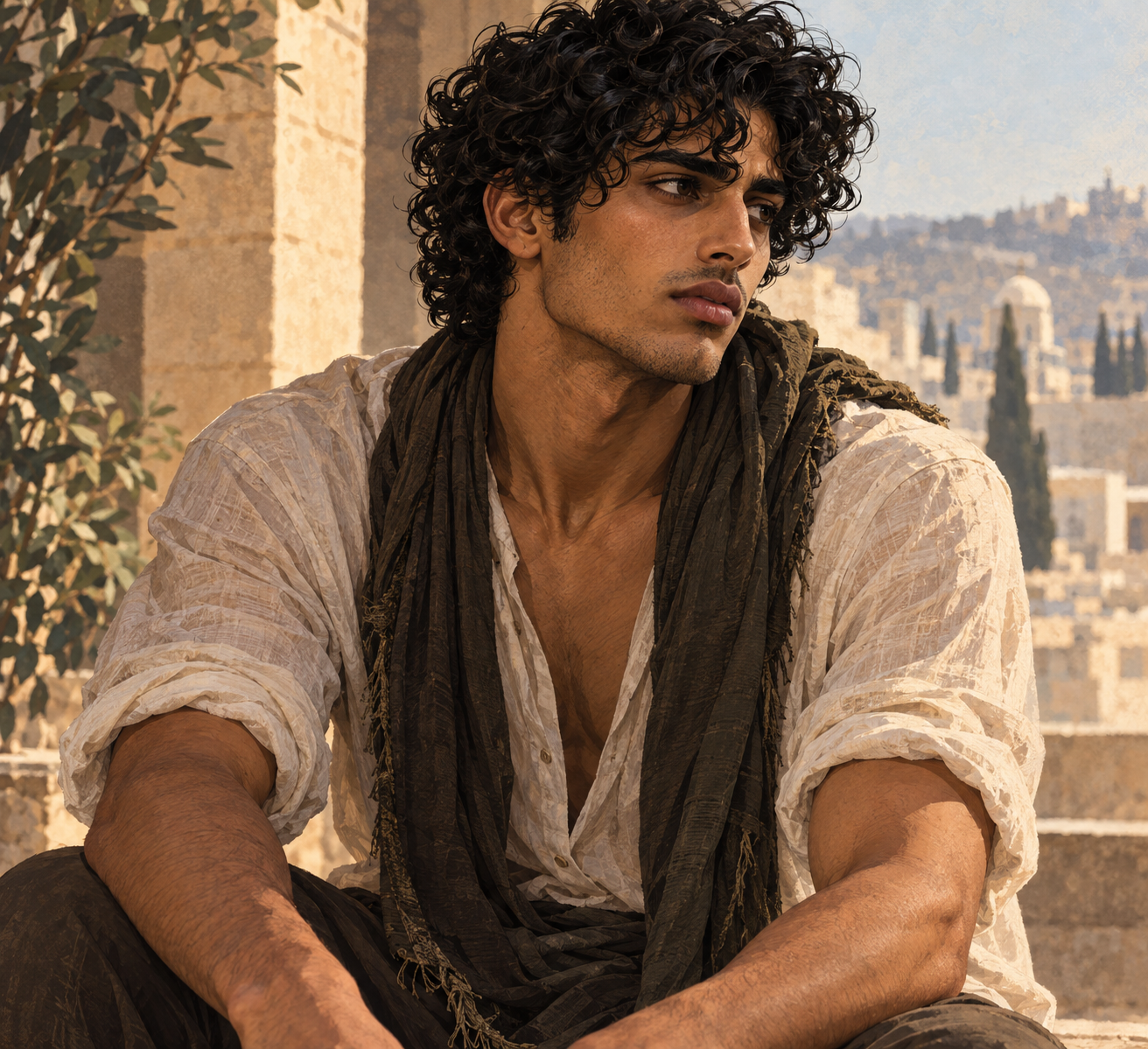
He survives unharmed. Gabriel later learns the truth when Yusef confronts him on a Tel Aviv beach, after which Yusef disappears back into Shamron’s deep-cover network.

His failing gallery is rescued with money connected to the operation, allowing him to remain safely in London and continue his art business.

Jacqueline fights back, stabs Leila in the neck with a nail file, takes her gun, and shoots her through the heart.
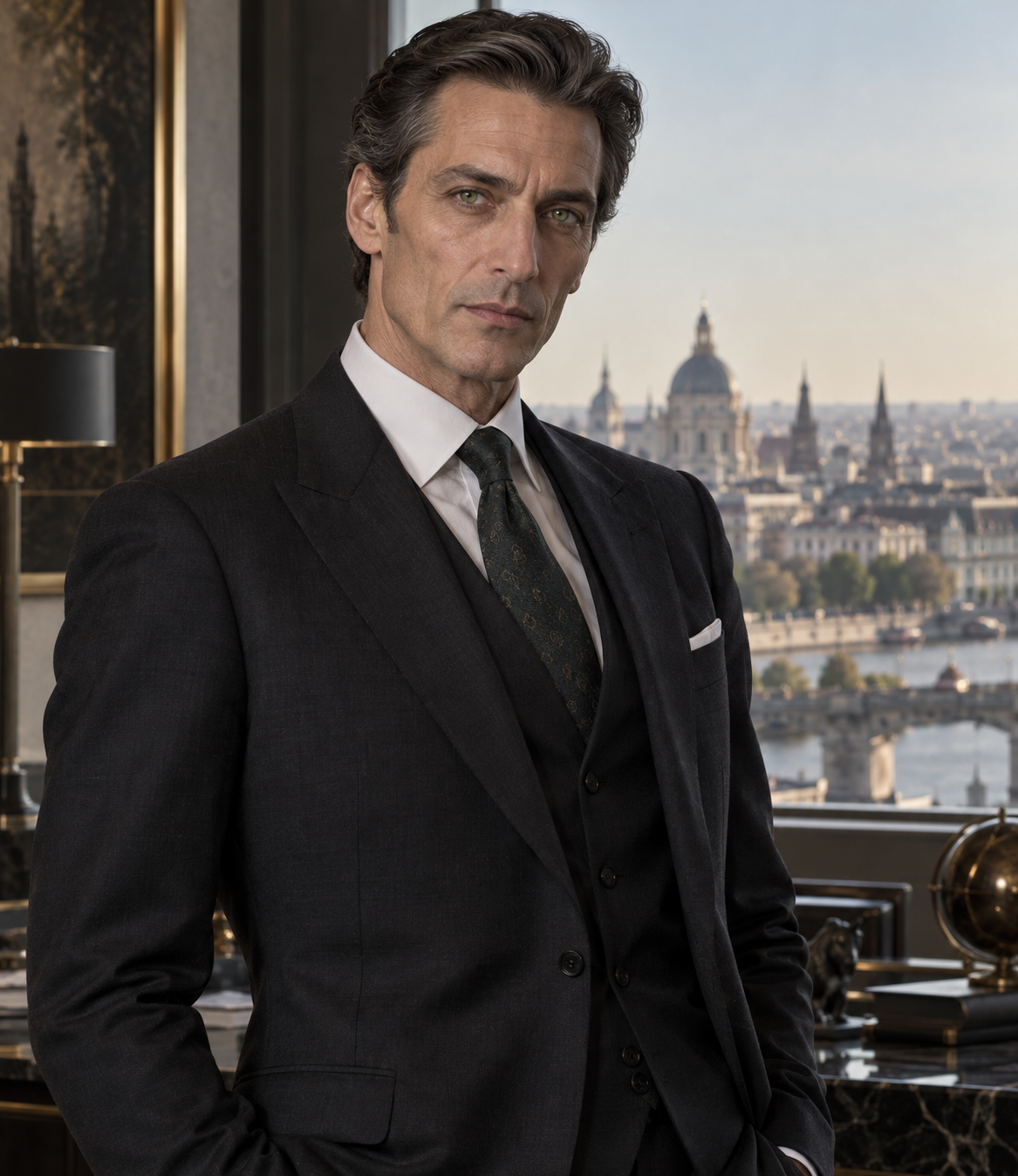
He successfully helps arrange Tariq’s North American operation and ultimately slips back into his legitimate executive life in Zürich without being exposed.
🔷 Supporting Characters

Once she has served her purpose, Tariq shoots her through the heart on the Pont Alexandre III and kicks her body into the Seine.
Tariq detonates a bomb beneath Eliyahu’s armored limousine, killing him and his wife Hannah.
She is killed alongside Zev when Tariq bombs their limousine.
He completes the surveillance installation successfully and leaves the operation unharmed.
He subsequently drowns near his yacht off St. Martin under highly suspicious circumstances, strongly suggesting his death was not accidental.
She survives the bombing but remains institutionalized in Surrey in a profound, apparently permanent psychotic state.
He is killed instantly in the 1991 Vienna car bombing ordered by Tariq.
He remains safely in Cornwall and sees Gabriel’s studio light burning again after Gabriel finally returns home.
He remains in Cornwall with no major change to his circumstances.
Gabriel assassinates Mahmoud in his Cologne apartment by shooting him through both eyes.
He successfully escapes after the assassination.
Tariq punishes his carelessness by shooting him twice in the head.
Tariq deliberately gives her a fatal heroin overdose and leaves her dead on the houseboat.
Tariq shoots him through the eye with a Makarov pistol, killing him.
Tariq assassinates David and his wife Cynthia inside their Amsterdam canal house.
She is murdered alongside David in their Amsterdam home.
His plan fails after Gabriel and Stone provide the money needed to save Isherwood’s business.
He remains successful and continues expanding his Bond Street art business.
After the operation, he leaks information about Israel’s activities to The New York Times.
Arafat calmly confronts Tariq face-to-face and persuades him not to carry out the assassination, surviving unharmed.
He survives the incident unharmed.
He survives the operation and remains the Office’s station chief in Paris.
He successfully completes the operation and returns to his post in Ottawa.
She completes the surveillance assignment safely.
They are deported and murdered in the gas chambers at Sobibor in 1943.
She survives and raises Isaac while preserving his Jewish identity.
He remains in Paris running his modeling agency after Jacqueline’s intelligence cover is destroyed.
Jacqueline refuses and kicks him in the crotch, leaving him injured and humiliated in his studio.
🕳️ Potential Plot Holes
Shamron later presents the operation as a carefully engineered plan in which Gabriel and Jacqueline were deliberately used to draw Tariq into the open. But the Office completely loses Jacqueline after she drops the handbag containing her tracking device, allowing Tariq to abduct her and take her across the U.S. border without being followed. The plan succeeds only because Jacqueline manages to kill Leila, escape her captivity, and call the Office herself. Shamron may have intentionally created the circumstances that exposed Tariq, but he clearly did not control everything that followed. Calling the entire operation a master plan therefore exaggerates how much of the outcome was actually planned.
📚 Book Club Q&A's
⭐ Final Rating & Thoughts
The Kill Artist completely caught me off guard—in the best possible way. I expected a solid spy thriller, but I didn’t expect to be this invested in Gabriel Allon or this desperate to keep turning pages. The combination of espionage, assassination, political intrigue, art restoration, and personal tragedy made this feel far richer than a typical action thriller.
What really worked for me was Gabriel himself. He’s not a flashy, invincible superspy; he’s damaged, reluctant, intelligent, and carrying an enormous amount of grief. That emotional weight gave the story real depth. I also loved Jacqueline, who proved to be far more than a glamorous side character, and the complicated relationship between Gabriel and Shamron added another fascinating layer.
Most importantly, the twists genuinely surprised me—and that doesn’t happen often. Silva managed to make the story intricate without making it confusing, with tension that kept building until I could barely put the book down.
I’m officially hooked on Gabriel Allon and absolutely continuing the series. And seriously, how has Hollywood not turned this into a prestige TV series yet?
✨ Adaptation description
Screen Adaptation
Daniel Silva’s The Kill Artist (2000), the first novel in the Gabriel Allon espionage thriller series, has not yet been adapted into a film or television series. However, the bestselling book series has attracted interest from major Hollywood studios.
Universal Pictures previously acquired film adaptation rights to the Gabriel Allon novels, with producer Jeff Zucker and Academy Award-winning screenwriter Paul Haggis attached to the project. The proposed film never entered production.
MGM Television subsequently acquired the global television rights to the Gabriel Allon series, announcing plans to develop the novels into a television drama. Daniel Silva and his wife, journalist Jamie Gangel, were attached as executive producers.
The proposed series would follow Gabriel Allon, an Israeli intelligence operative and master art restorer whose missions involve international terrorism, political intrigue, and espionage.
Current Status (October 2026): No Gabriel Allon television series or film has been released, and no confirmed cast, director, filming schedule, or premiere date has been announced.
✨ Books Like The Kill Artist (2000)
See an error on this page?