
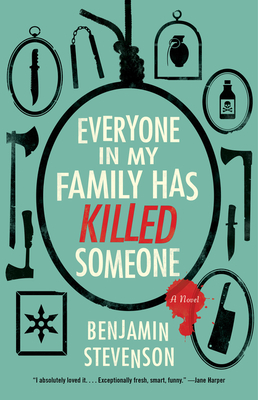
Everyone in My Family Has Killed Someone (2023)
Series
Select Sections to Print
×Book Details
Everyone in My Family Has Killed Someone (2023)
Series
Jump to Section
⚠️ Trigger Warnings
- Murder
- Violent death
- Child kidnapping
- Child death
- Gun violence
- Police shootings
- Physical abuse
- Childhood trauma
- Prescription drug addiction
- Substance misuse
- Alcoholism
- Torture
- Asphyxiation
- Suffocation
- Suicide
- Self-harm
- Infertility
- Reproductive struggles
- Deceptive contraception
- Maternal death during childbirth
- Grave robbing
- Decomposed human remains
- Child skeletal remains
- Hit-and-run
- Car accidents
- Drowning
- Entrapment in a sinking vehicle
⏱️ 2-Minute Spoiler Summary
Mystery writer Ernest “Ern” Cunningham has been estranged from his family for three years after turning in his older brother, Michael, for killing Alan Holton, the corrupt former police officer who had murdered their father decades earlier. When Michael is released from prison, the Cunninghams gather at an isolated Australian ski resort for a family reunion. The timing becomes ominous when a frozen body is discovered on the golf course with charcoal ash packed into his airway—the signature of a serial killer known as the Black Tongue.
Michael arrives with Ernest’s estranged wife, Erin, revealing that the two became romantically involved while Michael was in prison. He also brings a coffin containing two skeletons: corrupt former officer Brian Clarke and Rebecca McAuley, a young kidnapping victim who disappeared 35 years earlier. Before Ernest can understand what Michael has uncovered, the truck carrying the coffin plunges through the frozen lake, apparently destroying the evidence.
Michael is detained in the resort’s Drying Room, but someone breaks a window and uses a leaf blower to pump charcoal ash inside, suffocating him. With a blizzard trapping everyone together, Ernest begins piecing together his family’s history. His father, Robert Cunningham, had been a police informant gathering evidence against corrupt officers Alan Holton and Brian Clarke, who were involved in Rebecca’s kidnapping. After Holton murdered Robert, the criminal organization Robert had betrayed retaliated by kidnapping Ernest and Michael’s five-year-old brother, Jeremy. Their mother, Audrey, was told Jeremy had died, but he actually survived and was raised by foster parents.
Ernest eventually realizes that local police officer Darius Crawford is actually Jeremy—and Jeremy is the Black Tongue. After discovering his true identity as an adult, Jeremy became obsessed with belonging to the Cunningham family because he viewed them as killers. He murdered his foster parents, former detective Alison Humphreys, Brian Clarke, and finally Michael after Michael rejected him.
When Ernest exposes Jeremy in front of everyone, Jeremy attacks and sets the lodge library on fire. Andy Millot strikes him with a fireplace poker, sending him through the collapsing floor. Ernest later finds Jeremy dying outside and gives him one final moment of connection before he stops breathing.
The mystery still isn’t over. Ernest discovers that Michael hid a microdot containing photographs on his bingo card. The images reveal that Edgar McAuley, Rebecca’s own father, murdered her 35 years earlier and staged her kidnapping. Edgar is arrested, Rebecca’s remains are recovered for burial, and Ernest gives up his share of the hidden money to help pay for Lucy’s funeral after she dies by suicide during the reunion. Ernest and Erin begin an amicable divorce, Sofia enters rehab, and Ernest finally begins repairing his relationship with the surviving members of his family.
📖 Full Spoiler Summary
Ernest Cunningham Breaks the Family Code
Ernest “Ern” Cunningham knows exactly how a murder mystery is supposed to work. He makes his living writing instructional books about mystery fiction, and he narrates his own story according to Ronald Knox’s famous rules for detective stories. Ernest promises to be reliable, reveal clues fairly, and never hide information simply to manufacture a twist.
That promise becomes especially important because Ernest’s own family has a complicated relationship with killing.
The Cunningham family’s troubles stretch back decades. Ernest’s father, Robert Cunningham, was involved with a criminal syndicate called the Sabers before secretly becoming an informant for Detective Alison Humphreys. Robert had gathered evidence against corrupt police officers Alan Holton and Brian Clarke, who were connected to the ransom kidnapping of a young girl named Rebecca McAuley.
Before Robert could expose them, Holton shot him dead at a gas station. The Sabers then made sure Robert’s widow, Audrey, stayed silent by kidnapping her five-year-old son, Jeremy. Audrey was told Jeremy had died. In reality, he was abandoned and eventually raised by foster parents, Mark and Janine Williams.
Ernest was only six when his father died, and he grew up believing Jeremy was gone as well.
Decades later, Alan Holton resurfaced in the Cunningham family’s life. Three years before the main story begins, he offered to sell Michael Cunningham, Ernest’s older brother, evidence connected to Robert’s murder. Michael agreed to buy it using money provided by Rebecca McAuley’s parents, who were still searching for answers about their daughter’s disappearance.
But Michael had another problem. His wife, Lucy Sanders, was deeply in debt, so he secretly used $33,000 of the money to help her.
That left him short when he met Holton.
A violent confrontation followed. Holton was shot during the struggle, and Michael struck him with his car. Michael then called Ernest for help. The brothers drove the injured Holton to a snowy field, where Michael finished killing him by choking him.
Instead of protecting his brother, Ernest called the police.
His testimony helped convict Michael, although their wealthy stepfather and defense lawyer, Marcelo Garcia, managed to reduce the consequences to three years in prison for manslaughter. Ernest kept the remaining $267,000 from the deal hidden in a Nike bag.
To the rest of the Cunninghams, however, the important part was simpler: Ernest had betrayed his brother.
A Family Reunion Begins With a Body
Three years later, Michael is finally being released, and Aunt Katherine Millot organizes a mandatory family reunion at the isolated Sky Lodge Mountain Retreat near Jindabyne. The gathering includes Audrey and Marcelo; Katherine and her husband, Andy; Ernest’s stepsister, Sofia Garcia; Michael’s ex-wife Lucy; and Ernest himself.
Ernest is already uncomfortable being around the family that has largely rejected him. Then he learns that his estranged wife, Erin Cunningham, is the person picking Michael up from prison.
Before Michael even reaches the resort, however, the reunion gets its first corpse.
A frozen man is discovered on the golf course. Because nobody initially knows his identity, he becomes known as “Green Boots.” Sofia, a surgeon who has been suspended following the death of a patient, examines the body alongside Ernest and local police officer Darius Crawford.
Sofia quickly notices something that changes the entire situation: charcoal ash is packed inside the dead man’s throat and windpipe. He didn’t simply freeze in the snow. He was suffocated.
The method resembles a series of killings attributed to a serial murderer known as the Black Tongue.
Then Michael arrives—with Erin.
Ernest discovers that Erin and Michael began corresponding while Michael was incarcerated and developed a romantic relationship. Before Ernest can fully process that betrayal, Michael himself becomes a suspect in the new murder. Crawford detains him in the resort’s exterior Drying Room.
But Michael manages to give Ernest the keys to his truck first. Whatever is inside, he says, will explain what has been happening.
The Coffin in Michael’s Truck
Ernest investigates the truck with Erin and Sofia and discovers a wooden coffin in the back.
Inside are two sets of human remains.
One belongs to Brian Clarke, the corrupt former police officer connected to Alan Holton. The other is the small skeleton of Rebecca McAuley, the girl who disappeared 35 years earlier.
The discovery suggests Michael has uncovered something enormous about both Rebecca’s kidnapping and their father’s death. But before Ernest can preserve the evidence, the truck suddenly begins rolling downhill.
It crashes onto the frozen lake and breaks through the ice.
Ernest nearly goes down with it. His arm becomes pinned beneath the heavy coffin, leaving him trapped in freezing water until Erin, Sofia, and Crawford manage to pull him free. The truck and its evidence sink beneath the lake.
The accident wasn’t really an accident. Marcelo, desperate to protect his family from whatever Michael has brought with him, bumped the handbrake and poured hot coffee onto the ice to help send the truck into the lake.
Yet destroying the evidence does nothing to stop the killer.
Michael Becomes the Next Victim
Badly injured, Ernest recuperates inside the lodge while Katherine gives him painkillers. Outside, the blizzard grows worse, trapping everyone at Sky Lodge.
Then Michael is murdered.
Someone breaks the Drying Room window and uses a leaf blower attached to a cylinder running through the snowbank to pump charcoal ash into the sealed room. Michael is tied up and helpless as the ash fills his lungs.
When Ernest eventually opens the door, his brother is dead.
The Black Tongue is at the resort.
As Ernest investigates, more Cunningham secrets emerge. Katherine reveals that Sofia has an Oxycodone addiction and has come to the resort partly to detox before a coroner’s review of the patient who died under her care.
Sofia admits to another secret. To fund her addiction, she stole Marcelo’s $50,000 platinum Rolex and replaced it with a fake. The genuine watch eventually wound up in Alan Holton’s pawn shop.
Hidden beneath its glass was something far more valuable than the watch itself: a microdot containing tiny photographs created by Robert decades earlier.
Michael had been searching for that evidence.
Rebecca McAuley and the Missing Evidence
Ernest travels by snow-tank with resort owner Juliette Henderson and Andy to the neighboring SuperShred Resort, where he meets Rebecca’s parents, Edgar and Siobhan McAuley.
They explain that they hired Michael to recover Rebecca’s remains and obtain the microdot evidence that could finally reveal what happened to their daughter.
Back at Sky Lodge, the mounting deaths and revelations become too much for Lucy. She already feels responsible for Michael being confined in the Drying Room because she suggested putting him there. After seeing the photograph of Green Boots and becoming overwhelmed by guilt and fear, she climbs onto the resort roof and jumps to her death.
By now, Ernest has enough information to understand that the murders at Sky Lodge are tied not only to Michael’s investigation, but to the Cunningham family itself.
He gathers everyone in the library and explains what he has discovered.
Officer Crawford Is Jeremy Cunningham
The Black Tongue has been standing beside them throughout the investigation.
Officer Darius Crawford is actually Jeremy Cunningham, Ernest and Michael’s supposedly dead younger brother.
Jeremy survived his childhood kidnapping and was raised by Mark and Janine Williams. Years later, Alan Holton tracked him down and told him who he really was.
Learning about the Cunninghams warped Jeremy’s idea of family. He became fascinated by the fact that members of his biological family had killed people and began to see murder as something that connected him to them.
When his foster parents admitted the truth about his origins, Jeremy murdered Mark and Janine by suffocating them with ash inside their car. They became the Black Tongue’s first known victims. He later killed Alison Humphreys, Robert’s former police handler.
When Jeremy learned about the Cunningham reunion, he headed to Jindabyne. He murdered Brian Clarke—the man initially found as Green Boots—and used his access to law enforcement to insert himself into the investigation under the identity of Officer Crawford.
Jeremy’s real goal was to reunite with his biological family.
He approached Michael in the Drying Room expecting Michael, another man who had killed someone, to welcome him as a brother. Instead, Michael rejected Jeremy’s glorification of violence and refused to hand over the microdot evidence.
Jeremy killed him for it.
The Library Burns
Once Ernest exposes him, Jeremy attacks.
He grabs a heavy fireplace poker, then pulls a burning log from the hearth and throws it onto the carpet. Fire races through the book-filled library as the confrontation turns violent.
When Jeremy attacks Katherine, Andy fights back. He charges Jeremy and strikes him hard across the jaw with a poker.
Jeremy falls backward through the collapsing floorboards and into the burning level below.
The surviving family members escape as Sky Lodge burns and collapses around them.
Outside, Ernest finds his badly injured younger brother in the snow. Jeremy asks whether Ernest ever dreams about choking. Ernest tells him that he does.
For Jeremy, it provides one last sense that he shares something with his brother.
Then he stops breathing.
The Final Secret on Michael’s Bingo Card
Even after the Black Tongue is dead, one mystery remains: what really happened to Rebecca McAuley?
Divers eventually recover the coffin and Rebecca’s remains from the lake so her body can finally receive a proper burial. But Ernest realizes that Michael did not leave the crucial evidence inside the truck.
Using a jeweler’s loupe, Ernest examines Michael’s bingo card and discovers the missing microdot glued beneath one of the pen strokes.
It contains 16 tiny photographs.
And those photographs reveal the final truth.
Edgar McAuley killed his own daughter, Rebecca.
Thirty-five years earlier, Edgar murdered her and staged the crime as a ransom kidnapping. The evidence Michael died trying to recover ultimately exposes Edgar, who is arrested for Rebecca’s murder.
The reunion leaves the Cunningham family devastated but finally free of secrets that have haunted them for decades. Ernest gives up his portion of the remaining $267,000, using money to pay for Lucy’s funeral and help her family. Sofia completes rehab with Katherine supporting her through recovery.
Erin and Ernest accept that their marriage is over and begin amicable divorce proceedings.
Most importantly for Ernest, his relationship with the surviving Cunninghams begins to heal. Audrey and Marcelo reconcile with him, and the family starts having weekly dinners together.
After years of being treated as the Cunningham who betrayed everyone else, Ernest finally has a place in his family again.
🔚 Ending Explained
How Does Everyone in My Family Has Killed Someone End?
The ending of Everyone in My Family Has Killed Someone finally reveals the identity of the Black Tongue—and exposes the truth behind the Cunningham family’s oldest tragedy.
Ernest Cunningham gathers his family and the remaining Sky Lodge staff in the library for a classic Golden Age-style parlor room reveal. There, he announces that Officer Darius Crawford isn’t a police officer at all. He is Jeremy Cunningham, Ernest and Michael’s long-lost younger brother—and the serial killer known as the Black Tongue.
Jeremy Cunningham Is the Black Tongue
Thirty-five years earlier, after the death of the Cunningham children’s biological father, Robert, the crime syndicate known as the Sabers kidnapped five-year-old Jeremy from a hot car. The kidnapping was intended to frighten Audrey Cunningham into keeping quiet.
Jeremy was never returned to his family. Instead, he was abandoned and eventually raised by foster parents Mark and Janine Williams, growing up without knowing that he was a Cunningham.
Everything changed when corrupt former police officer Alan Holton found Jeremy and revealed his true identity.
Learning that he came from a family famous for killing people warped Jeremy’s understanding of who he was. He became obsessed with the idea that murder was somehow part of his inheritance—and that becoming a killer himself would prove he truly belonged to the Cunningham family.
When Mark and Janine admitted they weren’t his biological parents, Jeremy snapped. He suffocated them in their garage using ash and a leaf blower, establishing the murder method that would define the Black Tongue.
Jeremy later killed former detective Alison Humphreys and Sergeant Brian Clarke, also known as Green Boots. After killing Clarke, Jeremy stole his police coat and assumed the identity of Officer Crawford.
His ultimate destination was Sky Lodge, where he intended to reunite with the family he believed he had finally earned the right to join.
Why Jeremy Kills Michael
Jeremy’s fantasy falls apart when he approaches Michael in the Drying Room.
Jeremy expects Michael—a convicted killer—to understand him. In Jeremy’s mind, the two brothers should have an immediate bond because they have both killed people.
But Michael has changed during his three years in prison. He no longer sees violence as something that defines him, and he refuses Jeremy’s invitation to embrace their supposed shared identity as killers.
Michael also refuses to surrender evidence he possesses.
For Jeremy, Michael’s rejection feels like yet another abandonment. Furious, he traps Michael inside the airtight Drying Room and kills him using the same ash-and-leaf-blower method he used on his foster parents.
Jeremy’s Final Confrontation
Once Ernest exposes Jeremy in the library, Jeremy panics.
He knocks a burning log from the fireplace onto the carpet, setting the room ablaze. As the fire spreads through the book-filled library, Jeremy attacks Aunt Katherine.
Uncle Andy Millot intervenes, charging at Jeremy with an iron fireplace poker and striking him across the jaw.
Jeremy falls backward through the collapsing floorboards and disappears into the inferno below.
The others manage to escape as Sky Lodge burns and eventually collapses into ashes.
But Jeremy isn’t quite dead.
Outside, Ernest discovers that his badly injured brother has managed to drag himself away from the burning building. Ernest sits beside him in the snow during Jeremy’s final moments.
Jeremy asks Ernest whether he ever dreams about choking.
Ernest admits that he does, acknowledging the childhood trauma they share.
It’s a tiny moment of connection, but for Jeremy it provides something he has spent his entire life desperately seeking: proof that he and Ernest really are brothers.
Then Jeremy simply stops breathing.
Michael’s Final Clue Solves the 35-Year-Old Mystery
The mystery isn’t completely over.
After returning home, Ernest examines the Reunion Bingo card with a jeweler’s loupe and a smartphone camera. He discovers that Michael secretly glued a microdot beneath the ink of one of the card’s full stops.
The microscopic photograph contains the evidence Michael died protecting.
It proves that Edgar McAuley murdered his own young daughter, Rebecca McAuley.
Edgar had staged Rebecca’s disappearance as a kidnapping and deliberately framed the Sabers for the crime.
Ernest immediately contacts the police.
Edgar McAuley is arrested and ultimately receives a lengthy prison sentence, finally resolving the cold case that has haunted the Cunningham family for decades.
What Does the Ending Mean?
At its heart, the ending is about whether we are defined by our families—or by the choices we make despite them.
Jeremy and Ernest are essentially opposite answers to that question.
Jeremy learns that he comes from a family of killers and decides that killing must therefore be part of his identity. He desperately wants blood to give him a sense of belonging. Murder becomes his attempt to prove that he is a “real” Cunningham.
Ernest ultimately reaches the opposite conclusion.
Being a Cunningham doesn’t require him to protect his family’s crimes. In fact, his defining act is his refusal to do exactly that. He investigates the truth even when it implicates people he loves.
Michael makes the same choice. After prison, he rejects Jeremy’s belief that violence permanently defines them. His final act is not another murder but an attempt to preserve evidence that can expose the truth.
The brothers share the same damaged family history, but their choices—not their blood—determine who they become.
Ash, Choking, and Buried Trauma
The repeated imagery of ash and suffocation connects Jeremy’s murders to the Cunningham family’s larger history.
Jeremy literally makes people choke, but nearly everyone in the family has been metaphorically choking on secrets for decades.
The past has never disappeared. It has simply been buried beneath lies, guilt, loyalty, and silence.
That makes Jeremy’s final question to Ernest—whether he dreams about choking—especially significant.
For once, Ernest doesn’t approach Jeremy as a detective confronting a murderer. He answers him as a brother.
By admitting that he has the same dreams, Ernest acknowledges the trauma connecting them without accepting Jeremy’s belief that shared trauma excuses what he became.
Jeremy finally receives the connection he wanted, but tragically, he receives it only as he dies.
Why Sky Lodge Burns Down
The destruction of Sky Lodge works as a kind of purging of the Cunningham family’s past.
The lodge is the place where decades of secrets, crimes, resentment, guilt, and buried identities finally collide. By the end, it literally collapses into ash.
The surviving Cunninghams walk away from it knowing the truth.
The fire therefore destroys the physical setting of the mystery at the same moment that Ernest destroys the family’s culture of secrecy.
The Importance of the Reunion Bingo Card
One of the cleverest pieces of symbolism in the ending is the Reunion Bingo card.
Initially, the card is a joke—a cynical way for Ernest and Sofia to predict the inevitable dysfunction of a Cunningham family gathering.
But Michael quietly changes one of its squares.
Instead of:
“Ernest ruins something.”
Michael changes it to:
“Ernest fixes something.”
And that is exactly what Ernest ultimately does.
Even more fittingly, Michael hides the microdot containing the final evidence on that same card. The object that once represented Ernest’s alienation from his family becomes proof that his brother believed in him.
Michael trusts Ernest to notice the clue.
And Ernest does.
The Microdot and the Novel’s “Play Fair” Rule
The microdot also delivers one final joke about the book’s obsession with Golden Age mystery rules.
Ernest has repeatedly promised the reader that the clues are there and that he is playing fair.
The ultimate clue is therefore hidden inside punctuation itself.
The truth was quite literally sitting in plain sight.
It reinforces the novel’s larger idea that solving mysteries—and understanding people—requires paying attention to the things everyone else dismisses as insignificant.
Family Is More Than Blood
Jeremy believes family is determined by blood.
The ending rejects that idea.
The novel begins with Ernest’s concept of “family is gravity”: family exerts an unavoidable pull, even when that means protecting relatives who have done terrible things.
By the end, that definition has changed.
Sofia’s idea—“Family is not whose blood runs in your veins, it’s who you’d spill it for”—offers a very different understanding of loyalty.
Jeremy shares Ernest’s blood but becomes his enemy.
Other people choose to protect, forgive, and stand beside Ernest.
The distinction matters because Jeremy’s entire tragedy comes from confusing biological belonging with moral identity. He thinks being born a Cunningham means he must become a killer.
Ernest proves that inheritance isn’t destiny.
Where Everyone Ends Up
The surviving characters don’t magically become a perfect family, but the ending suggests that the cycle of secrecy has finally been broken.
Ernest and Erin begin an amicable and cooperative divorce, finally finding some emotional closure around the struggles and fertility trauma that damaged their marriage.
Sofia Garcia survives the fire despite suffering severe burns. Her hospitalization also provides documentation that she was legally given oxycodone, helping resolve the issue surrounding her medical license. With Aunt Katherine supporting her, Sofia continues working toward long-term sobriety.
Ernest, Audrey, and Marcelo reconcile and begin having weekly family dinners together.
Ernest also refuses to profit from the family’s hidden $267,000. He uses part of the money to pay for Lucy Sanders’ funeral and gives the remainder to her grieving family.
Meanwhile, Juliette Henderson sells the ruined Sky Lodge property to Gavin and later publishes her own bestselling true-crime account of what happened, alongside Ernest.
The Ending Explained
The title Everyone in My Family Has Killed Someone initially makes murder sound like the defining Cunningham family trait.
But the ending quietly turns that idea upside down.
Killing isn’t what ultimately defines the Cunninghams. What matters is what each person chooses to do afterward.
Jeremy treats violence as an inheritance. Michael rejects it. Ernest refuses to let family loyalty become an excuse for dishonesty.
That’s why Michael’s alteration of the Bingo card may be the most important statement in the ending:
Ernest fixes something.
He can’t undo the murders. He can’t save Michael or Jeremy. He can’t erase what happened to Rebecca McAuley or repair thirty-five years of damage.
But he can expose the truth.
He can stop protecting lies simply because they’re family lies.
And he can choose a different kind of family loyalty—one based not on hiding what people have done, but on finally being honest about it.
The ending is therefore both tragic and surprisingly hopeful. The Cunningham family’s past cannot be changed, but it no longer has to dictate their future.
👤 Characters & Fates
🔶 Main Characters
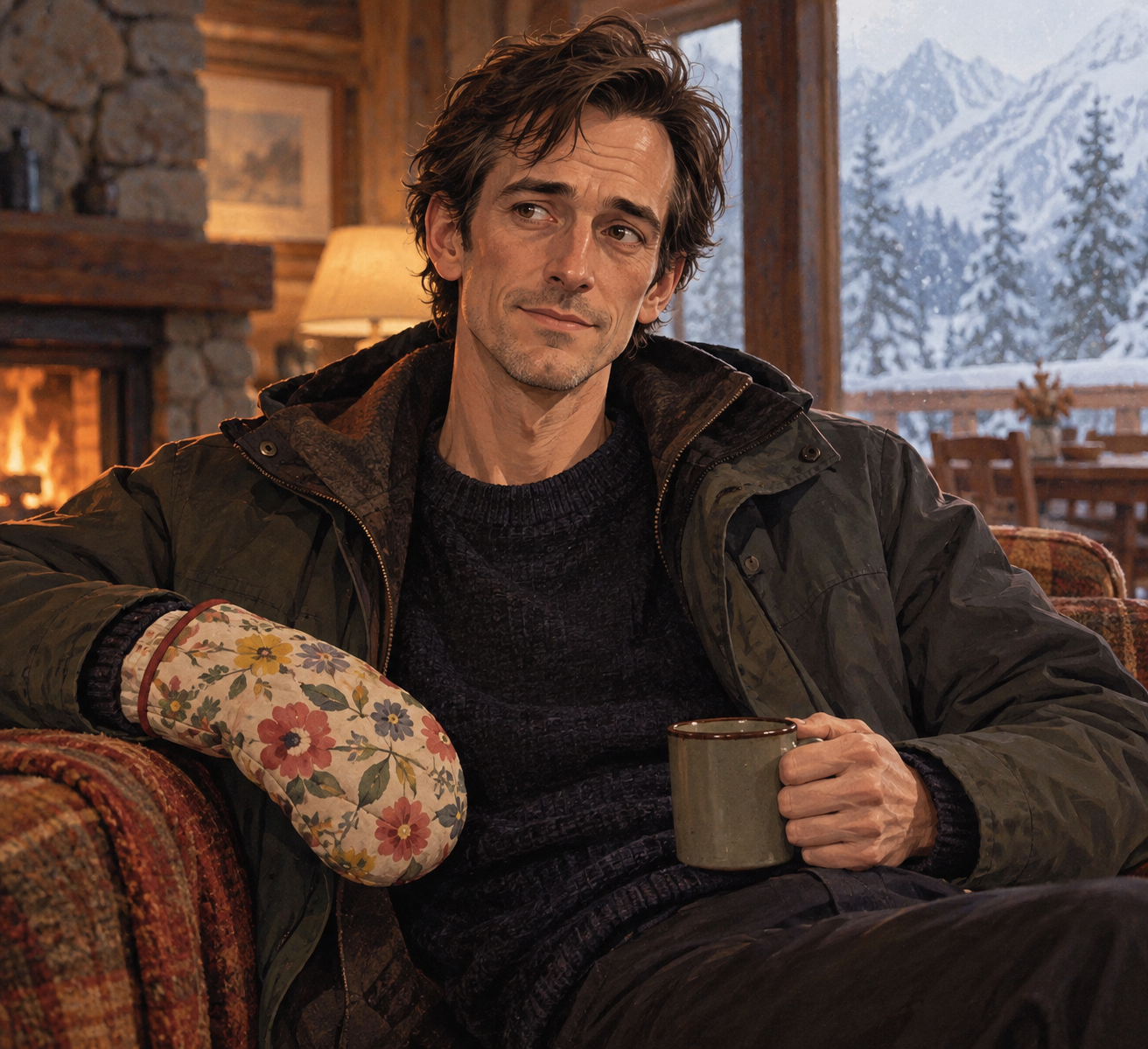
Survives the truck accident and lodge fire, unmasks Jeremy as the killer, and discovers microdot photographs proving Edgar McAuley murdered Rebecca. He has Edgar arrested, gives up his share of the hidden $267,000 to help Lucy’s family, amicably divorces Erin, and co-writes a bestselling book about the case.
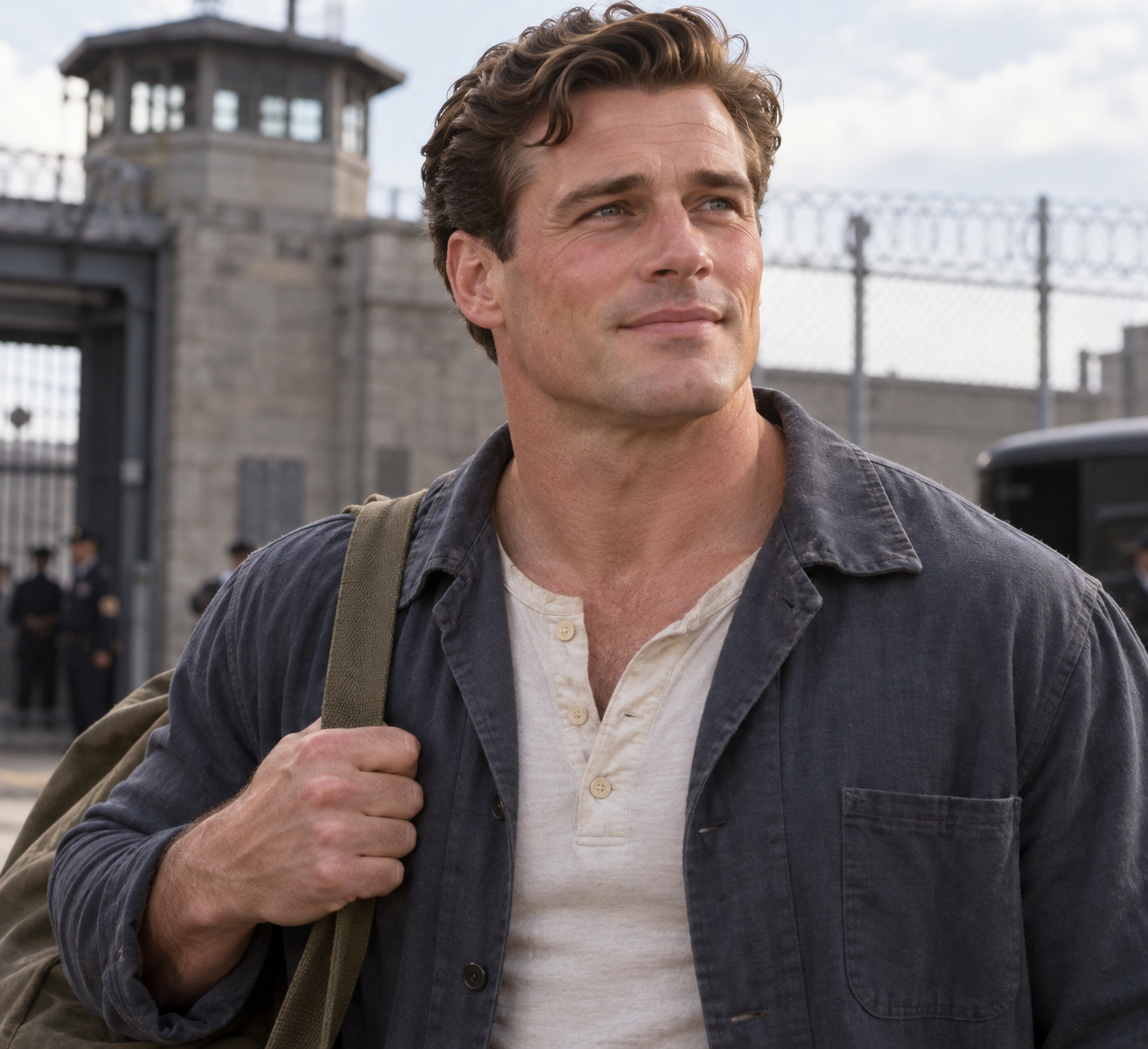
Jeremy traps him in the Drying Room and murders him by pumping ash inside with a leaf blower, suffocating him after Michael refuses to surrender the microdot.
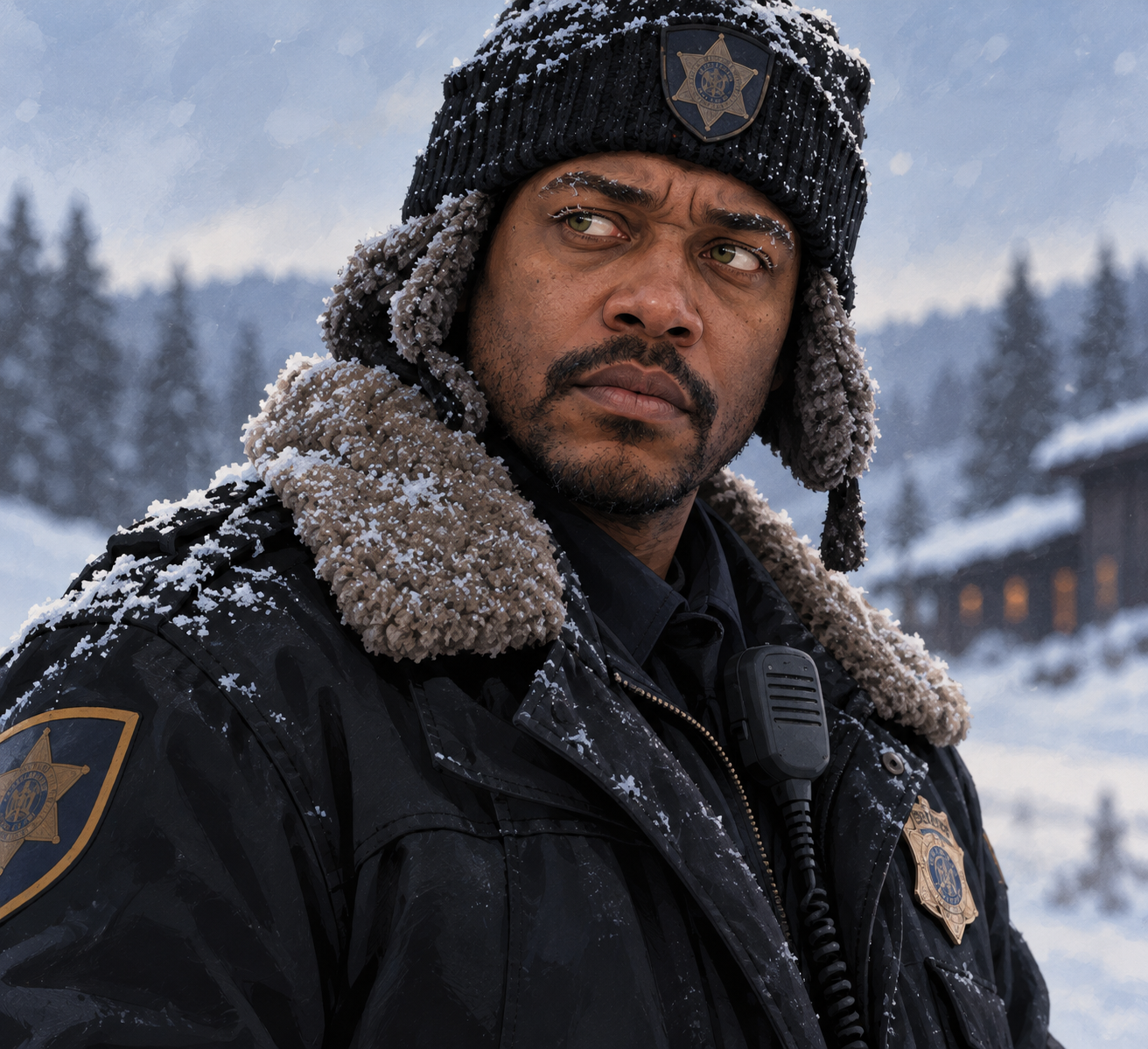
Ernest exposes him during the library confrontation. Jeremy starts a fire and attacks Katherine, but Andy strikes him with a fireplace poker and sends him through the collapsing floor; he escapes into the snow but dies beside Ernest after asking whether Ernest also dreams of choking.
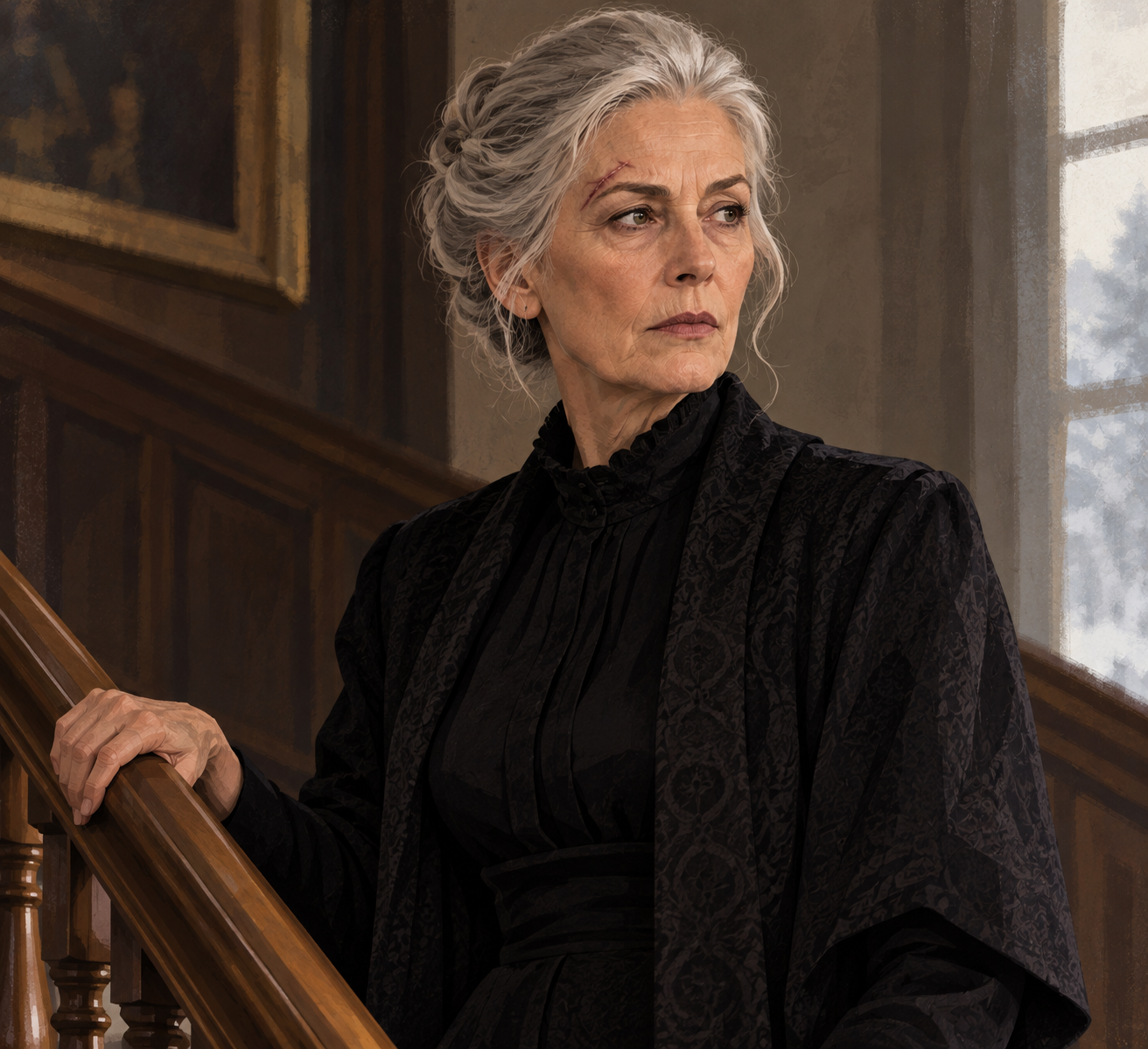
Survives Sky Lodge and finally tells Ernest the truth about Jeremy being stolen from her car. She reconciles with Ernest and begins having weekly dinners with him and Marcelo.

Survives the fire and reaches emotional closure with Ernest over their marriage and fertility trauma. They proceed with an amicable divorce while remaining close.

Suffers serious burns escaping the fire but survives. Hospital-administered oxycodone gives her an explanation for the drug found in her system, and she enters rehab with Katherine’s support while working toward regaining her medical license.

Survives Sky Lodge, reconciles with Ernest, supports Sofia through recovery, and becomes part of Ernest and Audrey’s weekly family dinners.

Consumed by guilt over Michael’s murder and terrified after realizing “Green Boots” was the officer who once stopped her, Lucy jumps from the resort roof and dies. Part of the hidden money is later given to her family and used for her funeral.

Survives Jeremy’s attack during the library fire after Andy saves her. She later helps Sofia through rehab, becomes somewhat less rigid, and starts planning another family reunion.
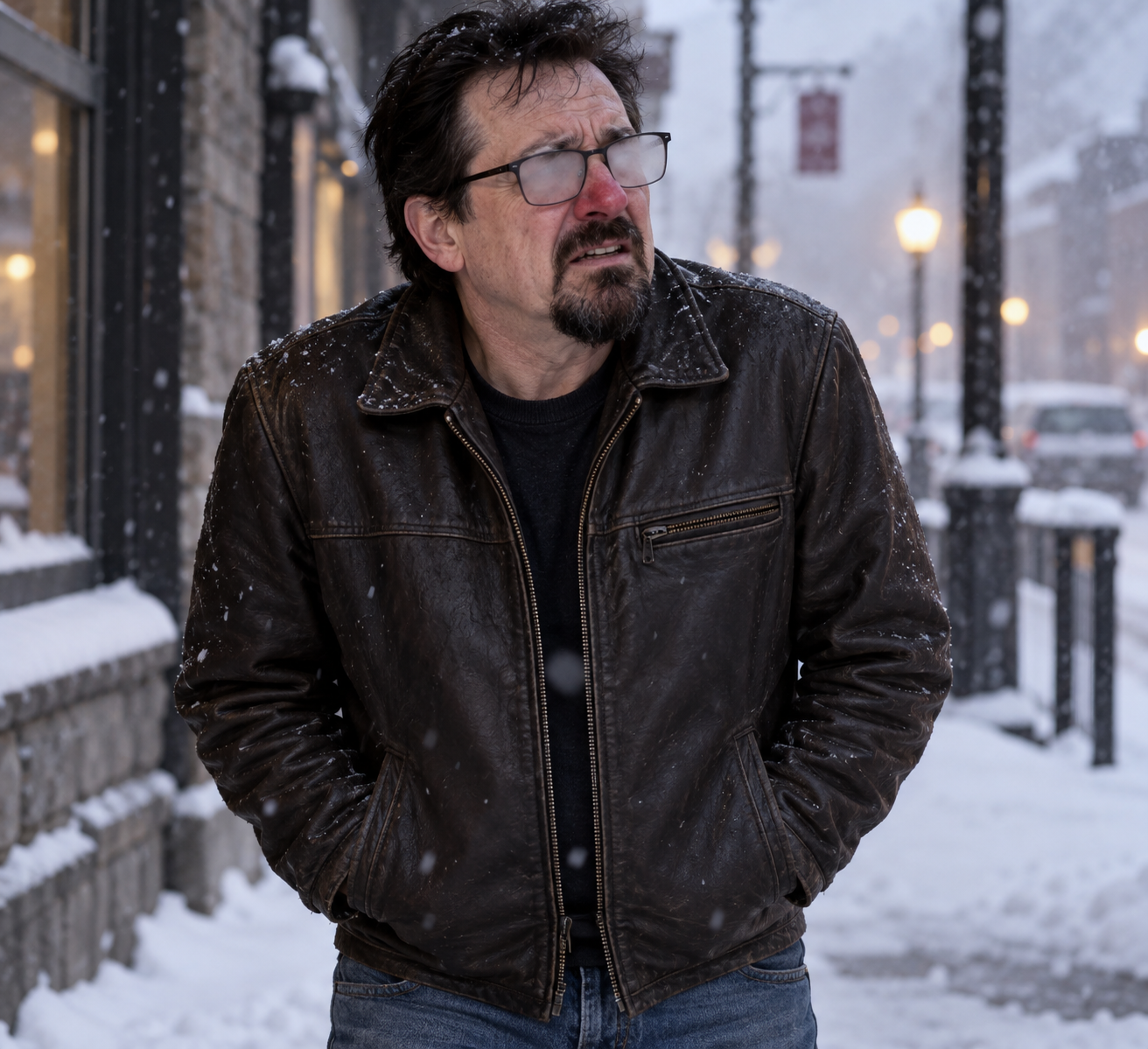
Saves Katherine by smashing Jeremy across the jaw with an iron fireplace poker, causing Jeremy to fall through the burning floor. Andy survives and earns newfound respect within the family.
🔷 Supporting Characters

Alan Holton shoots and kills him during a gas-station robbery 35 years before the main story.
Michael shoots him during their confrontation, then runs him over and ultimately chokes him to death, leading to Michael’s imprisonment.
Jeremy suffocates him with ash, steals his police clothing/identity, and leaves his frozen corpse on the golf course wearing the distinctive green boots.
Survives the disaster, sells the destroyed property to Gavin, and later co-authors a bestselling true-crime book with Ernest.
Ernest discovers 16 microdot photographs showing Edgar carrying Rebecca’s body in a sleeping bag. Edgar is arrested, convicted, and sentenced to life in prison.
Finally learns where Rebecca was buried and discovers that her own husband murdered their daughter. She arranges for Rebecca’s remains to be recovered and properly buried.
Her father Edgar murdered her and concealed her body; her skeleton is eventually recovered from the submerged coffin and returned to Siobhan for a proper burial.
Jeremy pumps ash through the ceiling fan of her locked bathroom using a leaf blower, suffocating her. She remains on life support for five days before dying at the hospital where Sofia works.
Jeremy zip-ties them inside their garage and suffocates them with ash using a leaf blower, making them the Black Tongue’s first victims.
Survives the events and purchases the ruined Sky Lodge property from Juliette.
Already long deceased before the novel’s events; he remains a recurring historical and literary reference rather than a participant in the plot.
🕳️ Potential Plot Holes
Marcelo releases the handbrake on Michael’s furniture truck and pours hot coffee around the tires, allowing the heavily loaded vehicle to roll down the snowy slope and crash into the frozen lake. It is a deliberate payoff to Ernest’s joke that the novel has “one plot hole you could drive a truck through,” but the physics are questionable. Coffee might briefly melt ice around the tires, but getting a large truck carrying a heavy coffin to begin moving—and continue cleanly down a snow-covered slope—requires a convenient combination of grade, traction, and positioning. This works better as a metafictional gag than a realistic sequence.
Jeremy kills Michael by using a leaf blower to pump charcoal ash through a tunnel in the snow and into the sealed Drying Room. Ernest himself hears the machine and compares the noise to a chainsaw, yet apparently no one else at the occupied lodge investigates. The storm could mask some noise and guests may not immediately recognize what they are hearing, so this is not impossible. Still, successfully operating the blower long enough to fill the room with lethal ash without attracting attention makes the murder unusually dependent on everyone ignoring a conspicuous sound.
Jeremy murders Sergeant Brian Clarke and then impersonates a police officer named Darius Crawford, allowing him extraordinary access and authority at the lodge. Despite his unusual behavior, lack of a visible sidearm, and blood inside the cuffs of his borrowed jacket, nobody appears to contact local police to verify his identity or assignment. The isolation and severe weather help explain why another officer does not immediately arrive, and the guests have little initial reason to suspect the responding policeman is an impostor. However, his increasingly irregular conduct—particularly detaining people on his own—makes the continued lack of verification difficult to believe.
The pristine snow surrounding Brian Clarke’s body is treated as an important fair-play clue, with the limited sets of footprints helping Ernest reconstruct what happened. Jeremy’s actual actions, however, should seemingly have produced a much messier scene. He has to approach Clarke, attack and suffocate him, manipulate the body, remove the bag, apply the zip tie, leave, and later return while impersonating Crawford. Some tracks can overlap or be deliberately retraced, and Jeremy specifically manipulates his movements to create a misleading impression. Even so, the unusually clean footprint pattern requires a level of precision that is difficult to reconcile with a violent struggle involving a suffocating victim in deep snow.
📚 Book Club Q&A's
⭐ Final Rating & Thoughts
What a ridiculously fun mystery. The title immediately grabbed me, but the book itself more than lived up to it. I loved how Benjamin Stevenson takes the familiar locked-room-style murder mystery and turns it into something completely different with Ernie’s self-aware narration. Having him openly discuss the rules of mystery writing—and even tell us when deaths are coming—should have ruined the suspense, yet somehow it made the whole thing even more entertaining.
There are definitely a lot of characters and family connections to keep straight, and at times the story becomes more complicated than it probably needs to be. Normally, that would bother me, but I was having way too much fun to care. The humor, absurd family history, clever structure, and constant surprises kept me completely invested.
What impressed me most is that underneath all the jokes and fourth-wall breaking, there’s actually a genuinely clever mystery. It manages to be funny without sacrificing the twists or suspense. Unique, chaotic, smart, and incredibly entertaining—this was exactly my kind of murder mystery.
✨ Adaptation description
TV Adaptation: Everyone in My Family Has Killed Someone
Amazon MGM Studios has ordered a dark comedy mystery series based on Benjamin Stevenson’s Everyone in My Family Has Killed Someone for Prime Video. The series is being produced by Fifth Season and Made Up Stories, with David Hemingson (The Holdovers) serving as writer, showrunner, and executive producer. Penn Badgley stars as Ernest “Ern” Cunningham and also executive produces. Bruna Papandrea, Steve Hutensky, Jeanne Snow, and Stevenson are among the executive producers.
The series does not yet have an announced premiere date and is expected no earlier than 2027.
What We Know About the Adaptation
The television version keeps the book’s central setup: Ern reluctantly attends a snowy family reunion celebrating the release of his brother Michael, whom Ern helped send to prison. A body is discovered in the snow, the family becomes trapped by a storm, and Ern finds himself investigating a murder while confronting the uncomfortable fact that virtually everyone in his family has killed someone.
However, one major change has already been confirmed: the setting moves from Australia to the United States. Stevenson’s novel takes place at the fictional Sky Lodge in the Australian Snowy Mountains, while the Prime Video series relocates the Cunningham family reunion to the mountains of Vermont.
Tone Changes
The novel combines a traditional Golden Age-style murder mystery with metafiction, dry Australian humor, family dysfunction, and direct commentary on the rules of detective fiction. The Prime Video project is specifically being described as a dark comedy, suggesting that the dysfunctional-family humor and absurdity surrounding the Cunningham murders will remain central to the adaptation.
With the series still in development, it is not yet known how extensively the show will preserve Ern’s fourth-wall-breaking narration or his obsession with Ronald Knox’s rules of detective fiction.
Structural Changes
The move from a novel to an episodic television series gives the adaptation considerably more room to expand the Cunningham family’s individual histories, Michael’s imprisonment, the earlier killings, and the mystery unfolding at the reunion.
No episode count or detailed story structure has been announced, so it remains unclear whether the first season will adapt only Everyone in My Family Has Killed Someone or incorporate material from later Ernest Cunningham novels.
Character Changes
Penn Badgley will play Ernest “Ern” Cunningham, the mystery expert and estranged member of the Cunningham family who becomes the story’s reluctant detective.
The relocation to Vermont means Ern and the Cunningham family will necessarily be reworked from their original Australian context. Additional casting and any further changes to Michael, Audrey, Erin, Sofia, Lucy, and the other characters have not yet been officially revealed.
What the Adaptation Emphasizes
The announced premise places particular emphasis on the story’s combination of murder mystery, dark comedy, dysfunctional family relationships, buried secrets, and the snowbound isolation of the reunion. Ern’s complicated relationship with Michael—especially the fact that Ern helped put his own brother in prison—remains a major foundation of the story.
An earlier adaptation was developed at HBO beginning in 2022 but did not move forward. The current Amazon MGM/Prime Video project is a separate television adaptation.
✨ Books Like Everyone in My Family Has Killed Someone (2023)
See an error on this page?