
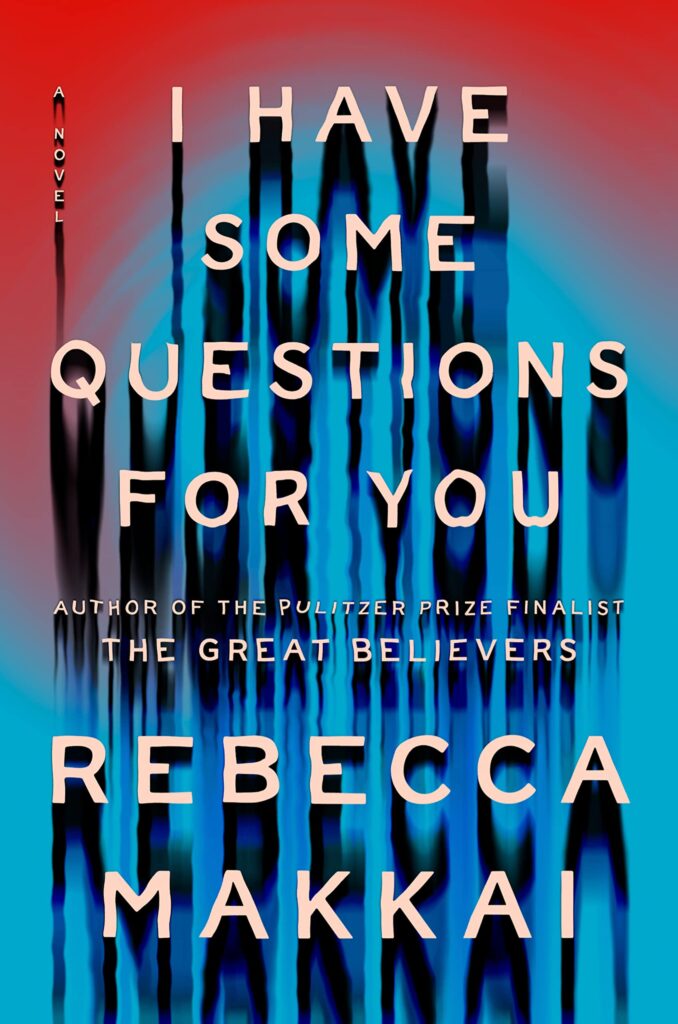
I Have Some Questions for You (2023)
Select Sections to Print
×Book Details
I Have Some Questions for You (2023)
Jump to Section
⚠️ Trigger Warnings
- Murder
- Violence against women
- Graphic descriptions of death
- Head trauma
- Strangulation
- Drowning
- Child grooming
- Statutory rape
- Teacher-student sexual relationship
- Adult-minor sexual relationships
- Sexual exploitation
- Sexual harassment
- Non-consensual touching
- Indecent exposure
- Voyeurism / non-consensual recording
- Racism
- Racial profiling and bias
- Wrongful conviction
- Police coercion
- Forced confession
- Incarceration
- Prison violence
- Stabbing
- Physical assault
- Domestic / dating abuse
- Emotional abuse
- Suicide
- Self-harm
- Depression
- Drug overdose
- Substance abuse
- Alcohol abuse
- Accidental death
- Death of a parent
- Death of a sibling
- Family trauma
- Parental mental breakdown
- Parental abandonment
- Eating disorders / bulimia
- Body dysmorphia / body-image issues
- Cancer
- Terminal illness
- Death of a friend
- Grief and bereavement
⏱️ 2-Minute Spoiler Summary
Bodie Kane, a forty-year-old film professor and true-crime podcaster, returns to her old New Hampshire boarding school, Granby, in 2018 to teach a two-week podcasting course. Being back forces her to confront the event that has haunted the school—and Bodie—for more than twenty years: the 1995 murder of her former roommate, seventeen-year-old Thalia Keith.
Thalia was found dead in Granby’s swimming pool after a performance of Camelot, with injuries showing she had been struck in the head and strangled before drowning. Omar Evans, a twenty-five-year-old Black athletic trainer, confessed after fifteen hours of unrecorded interrogation, then quickly recanted and said the confession had been coerced. He was nevertheless convicted and sentenced to sixty years in prison.
When Bodie’s student Britt Gwynne decides to reinvestigate the murder for a podcast called She Is Drowned, Bodie begins questioning everything she remembers. The timeline is especially troubling: alcohol found undigested in Thalia’s stomach suggests she died shortly after drinking backstage after the show, during a period when phone records place Omar in his office making calls. Bodie also realizes that she herself inadvertently helped police build their case against Omar by mentioning a rumor that Thalia bought drugs.
More importantly, Bodie remembers seeing Thalia behaving intimately with Denny Bloch, their adult music teacher. Thalia’s sister Vanessa later provides her old planners, which appear to confirm that Thalia was secretly having sex with Denny. Bodie becomes convinced that the “older guy” Thalia’s friends mentioned to police was Denny, not Omar.
The investigation produces its biggest breakthrough when Britt and another student, Alder, investigate an old athletic equipment shed. Luminol reveals extensive blood spatter hidden beneath paint and inside cracks, and testing confirms the blood belonged to Thalia. She was attacked there, contradicting Omar’s supposed confession that he killed her in his office.
The new evidence earns Omar a post-conviction hearing in 2022, but another suspect unexpectedly emerges. Photographs taken the night of the murder reveal that Thalia’s boyfriend, Robbie Serenho, arrived late to a student gathering with bicycle mud sprayed up his back. His supposedly solid alibi actually contains a forty-five-to-sixty-minute gap. Beth Docherty, another former student, then testifies that Robbie had been possessive and physically abusive toward Thalia. When Robbie is questioned, he invokes the Fifth Amendment rather than explain where he was.
At the same time, women from Denny’s other schools come forward accusing him of grooming them, confirming that Bodie was right about his predatory behavior—but not proving that he murdered Thalia.
Despite the new blood evidence, Robbie’s collapsed alibi, problems with Omar’s confession, and the failures of the original investigation, the judge denies Omar a retrial. He remains in prison and continues appealing.
The mystery therefore ends without a definitive answer to who killed Thalia. Bodie has helped expose how deeply flawed the case against Omar was, but she cannot undo the conviction or prove who committed the murder. By the end, she has divorced her husband Jerome, begun a relationship with former classmate Geoff Richler, and returned to Granby to scatter the ashes of her recently deceased friend Carlotta French with Fran Hoffbart, closing one chapter of her past even as Thalia’s case remains unresolved.
📖 Full Spoiler Summary
Bodie Returns to the School That Haunts Her
I Have Some Questions for You is narrated by Bodie Kane, a forty-year-old film professor and true-crime podcaster, as an extended address to her former Granby music teacher, Denny Bloch. The story moves between Bodie’s years at the New Hampshire boarding school in the early 1990s, her return in 2018, and the legal aftermath that continues into 2022.
In January 2018, Bodie returns to Granby to teach a two-week podcasting course. Her old best friend Fran Hoffnung, now Fran Hoffbart, teaches history there and lives on campus with her wife Anne, a coach and admissions officer, and their two sons. Another visiting instructor, twenty-eight-year-old Oliver Coleman, is staying alongside Bodie.
Returning to Granby means confronting a past Bodie has never completely escaped. She arrived there in 1991 as an awkward scholarship student from Indiana after an extraordinarily difficult childhood. When Bodie was eight, her fifteen-year-old brother Ace shoved their father during an argument, accidentally causing his death. Three years later, Ace himself died after falling or jumping from a roof while high. Their mother subsequently had a breakdown, converted to Mormonism, and moved to Arizona, leaving Bodie to be taken in by the wealthy Mormon couple Margaret and Severn Robeson, who helped send her to Granby.
Surrounded by wealthy students, Bodie never felt she belonged. She found her place backstage in theater and became close to Fran and Carlotta French. But the defining event of her Granby years was the murder of her junior-year roommate, Thalia Keith.
The Murder of Thalia Keith
On March 4, 1995, seventeen-year-old Thalia performed in Granby’s production of Camelot. The following afternoon, her body was discovered in the school swimming pool. She had suffered severe blunt-force trauma to the back of her head and injuries from strangulation before drowning.
Police quickly focused on Omar Evans, a twenty-five-year-old Black athletic trainer working in the gym. After approximately fifteen hours of unrecorded interrogation without an attorney, Omar confessed to having a sexual relationship with Thalia in exchange for drugs. According to the confession, they fought in his office, he struck her head against the wall, strangled her, and dumped her body in the pool.
Omar recanted less than a day later and insisted the confession had been coerced, but investigators had other circumstantial evidence. Trace DNA linked to him was found in the crotch of Thalia’s Granby swimsuit, a tiny piece of hair consistent with his DNA was found in her mouth, and he had been in the gym that night. Investigators also found a Granby student directory in his desk in which someone had drawn a noose around Thalia’s photograph and written “jailbait.”
Omar was convicted of second-degree murder in 1997 and sentenced to sixty years.
By the time Bodie returns to Granby, however, Thalia’s murder has become a favorite subject of online true-crime communities. Amateur investigators obsess over a digitized VHS recording of the Camelot curtain call, searching for clues in the final hours of Thalia’s life.
A Student Podcast Reopens the Case
Bodie’s podcasting class includes five students, but two become particularly important: Britt Gwynne, an intense senior who wants to reinvestigate Thalia’s murder, and Alder, an enthusiastic junior who joins her project. Britt calls their podcast She Is Drowned.
As Bodie helps them investigate, she starts reconsidering details she accepted for decades.
One of the biggest problems involves the timing of Thalia’s death. Her autopsy showed unabsorbed alcohol in her stomach. During the Camelot curtain call, lead actress Beth Docherty can be seen holding a silver flask. If Thalia drank backstage shortly after her final scene, she likely died soon afterward.
That creates a serious problem for the case against Omar. Phone records show him making calls from his office between 8:53 and 10:02 p.m., precisely when the revised timeline suggests Thalia was killed.
Bodie then discovers something even more disturbing in her own 1995 police interview. She was apparently the first student to tell Detective Dwight Boudreau about a rumor that Thalia bought drugs. That seemingly insignificant comment may have helped investigators construct the theory that Omar supplied Thalia with drugs in exchange for sex.
Bodie realizes that, as a teenager, she may inadvertently have helped send an innocent man to prison.
Bodie Remembers Denny and Thalia
The original police interviews repeatedly mentioned that Thalia was having problems with an “older guy.” Investigators assumed this meant Omar. Bodie begins to believe they were looking at the wrong older man entirely.
She remembers Denny Bloch, Granby’s music and theater teacher. During a school trip to New York in October 1994, Bodie saw Denny and Thalia together at Bethesda Fountain with their legs intimately intertwined. Looking back as an adult, Bodie recognizes what she saw as evidence of an inappropriate sexual relationship between a teacher and a seventeen-year-old student.
Her suspicion grows into a conviction that Denny was grooming Thalia.
At the same time, Bodie’s present-day life begins falling apart. Her semi-estranged husband, Jerome Kane, a successful painter with whom she has two young children, becomes the subject of a viral accusation from performance artist Jasmine Wilde. Jasmine says Jerome groomed and exploited her when she was twenty-one and he was thirty-six. The controversy spills over onto Bodie because her podcast, Starlet Fever, examines the historical exploitation of women in Hollywood. Sponsors abandon the show, and Bodie steps away.
Her affair with Yahav, an Israeli law professor temporarily teaching in Boston, also ends, leaving Bodie increasingly consumed by Thalia’s case.
Meanwhile, Omar is attacked in prison and seriously wounded, making the question of whether he has spent decades incarcerated for someone else’s crime even more urgent.
Thalia’s Planners Reveal Her Secret Relationship
Thalia’s younger sister, Vanessa Keith, now Vanessa Birch, eventually meets with Bodie and shows her Thalia’s old Granby planners.
The markings inside reveal a pattern. Red dots appear to indicate Thalia’s periods, while blue Xs mark sexual encounters with her boyfriend, star skier Robbie Serenho. But there are also purple Xs.
Those purple Xs appear on dates when Robbie was away competing at ski meets. They also coincide with days when Thalia had private choir or convocation coaching sessions with Denny.
The implication is unmistakable: Thalia and Denny were having sex.
Vanessa also reveals that she has visited Omar in prison for years. Rather than seeing him simply as the monster who murdered her sister, she has developed her own complicated relationship with the possibility that the wrong man was convicted.
Then the investigation produces something far more concrete than theories about Thalia’s relationships.
Thalia’s Blood Is Found in the Equipment Shed
Before leaving Granby, Bodie suggests that Alder investigate an old athletic equipment shed near the track and lacrosse field. Britt and her AP chemistry teacher use luminol inside the building.
They discover extensive blood spatter hidden in cracks in the concrete floor and behind repainted cinder-block walls.
Testing confirms the blood belonged to Thalia.
The discovery fundamentally contradicts Omar’s confession. Thalia was violently assaulted in the equipment shed—not in Omar’s office as the confession claimed. Combined with the questionable interrogation and the timing established by Omar’s phone calls, the physical evidence gives his lawyers powerful new grounds to challenge his conviction.
With help from the New England Innocence Project, Omar receives a post-conviction relief hearing. Britt, Alder, and Bodie also release their investigation publicly, transforming the decades-old Granby murder into a national story.
The Hearing Produces Another Suspect
By March 2022, Bodie is back in New Hampshire for Omar’s hearing. His lead attorney, Amy March, plans to use the new evidence to attack the original conviction. Bodie expects to testify about Denny and Thalia’s planners, but Amy ultimately keeps her off the stand, worried that prosecutors could portray Bodie as a publicity-seeking true-crime personality whose judgment is compromised by the scandal surrounding Jerome.
Denny, meanwhile, is being exposed publicly. True-crime YouTuber Dane Rubra identifies him, and former students from schools where he taught—including Paula Gutierrez and Allison Mayfield—begin describing similar experiences of grooming. These women strengthen the case that Denny preyed on teenage girls, although none of this proves that he killed Thalia.
Then attention unexpectedly shifts toward Thalia’s boyfriend.
Former Granby student Geoff Richler brings photographs taken by Jimmy Scalzitti at the “mattress party” students attended in the woods after Camelot. A photograph timestamped 9:59 p.m. shows Robbie Serenho wearing a gold Granby Ski sweatshirt.
Alder notices mud sprayed in a distinctive streak up Robbie’s back.
The pattern suggests Robbie had been riding a bicycle.
That seemingly minor detail destroys the alibi everyone assumed Robbie had for twenty-seven years. The larger group had walked slowly into the woods together because student Mike Stiles had a shattered leg in a full cast. Robbie apparently was not with them. Instead, he rode through the muddy woods later and caught up with the group.
That leaves roughly forty-five minutes to an hour after Camelot during which Robbie’s whereabouts are unknown—the exact period when Thalia could have been murdered.
Beth Docherty is subpoenaed and finally reveals more. Robbie had been possessive and violent toward Thalia. He had slapped her across the face and destroyed her belongings during fits of rage. Beth also confirms that Robbie arrived late to the gathering in the woods.
When Robbie himself is called to testify, he appears with an attorney and invokes his Fifth Amendment right against self-incrimination rather than answer questions about Thalia or explain where he was that night.
Suddenly, the case looks very different. Omar’s confession does not match the newly discovered crime scene. Denny was secretly having sex with Thalia and has a history of grooming students. Robbie was an abusive boyfriend whose supposedly airtight alibi has collapsed.
But none of that definitively establishes who killed Thalia.
Omar Remains in Prison
A month after the hearing concludes, the judge issues the decision: Omar Evans is denied a retrial.
Despite the blood in the equipment shed, the problems with his confession, the revised timeline, and Robbie’s missing hour, the court refuses to overturn the original conviction. Omar remains incarcerated while his attorneys prepare further appeals.
Denny is never arrested or charged in connection with Thalia’s murder, although his reputation is destroyed as more former students publicly accuse him of grooming them. Robbie likewise is not charged. Thalia’s murder therefore remains unresolved, with Bodie unable to prove whether Robbie, Denny, or someone else was responsible.
Bodie’s own life nevertheless moves forward. Her marriage to Jerome ends in divorce, and she develops a romantic relationship with Geoff. She also finds an agent for a book about early female Hollywood screenwriters.
One loss, however, cannot be repaired. Bodie and Fran’s old friend Carlotta French dies of stage 3C breast cancer at forty-five. When Bodie returns to Granby in April 2022, she and Fran carry out Carlotta’s wish by scattering some of her ashes in Tigerwhip Creek.
Years after leaving Granby, Bodie has finally confronted the murder that shaped so much of her life and acknowledged her own small role in the investigation that condemned Omar. She helps uncover evidence showing how badly the original case was handled, but there is no satisfying exoneration and no definitive solution to Thalia’s murder. Omar remains in prison, Thalia’s killer remains unproven, and Bodie leaves Granby knowing far more about what went wrong than she does about exactly what happened that night.
🔚 Ending Explained
How Does I Have Some Questions for You End?
The ending of I Have Some Questions for You is deliberately frustrating: Bodie and Omar’s legal team uncover compelling evidence that the original case against Omar Evans was deeply flawed—and that Robbie Serenho lied about his whereabouts on the night Thalia Keith was murdered—but Omar still does not get a new trial. The truth becomes clearer, but legal justice remains out of reach.
What Happens at Omar Evans’s Hearing?
The major breakthrough comes from something that has existed for nearly twenty-seven years: photographs from the students’ “mattress party” on the night Thalia was killed.
Bodie Kane, Geoff Richler, and Alder examine high-resolution versions of Jimmy Scalzitti’s old photographs and notice mud splattered up the back of Robbie Serenho’s gold Granby Ski sweatshirt. That detail destroys a crucial part of Robbie’s story.
Robbie had claimed that he walked through the woods to the mattress party with the larger group of nineteen students. Because Mike Stiles had recently broken his leg and was walking in a cast, the group moved unusually slowly.
But the pattern of mud on Robbie’s sweatshirt indicates that he had been riding a bicycle.
That means Robbie did not travel with the others. He arrived separately—and his timeline suddenly contains roughly forty-five to sixty unexplained minutes between the end of Camelot and his arrival at the party at 9:59 p.m.
An old photograph that once seemed to support Robbie’s alibi now helps dismantle it.
Beth Docherty Finally Tells the Truth
The hearing becomes even more damaging when Beth Docherty is subpoenaed and testifies.
Beth confirms that Robbie arrived late to the mattress party and startled everyone by suddenly appearing from behind a tree. Even more importantly, she reveals that Robbie pressured his friends afterward into agreeing on a synchronized version of the evening’s timeline.
Beth also describes Robbie’s behavior toward Thalia as possessive and violent. He had slapped Thalia across the face and destroyed her belongings during fits of rage.
Her testimony expands beyond Robbie. Beth also speaks publicly about Denny Bloch’s predatory behavior toward female students, including both herself and Thalia, exposing his grooming as part of a much larger pattern rather than an isolated relationship.
When Robbie himself is called to testify, he appears with an attorney and repeatedly invokes his Fifth Amendment right against self-incrimination. He refuses to answer questions about Thalia, the athletic equipment shed, or his whereabouts on the night of the murder.
Bodie, meanwhile, never takes the stand.
Prosecutors attempt to portray her as an attention-seeking true-crime crusader whose involvement in Omar’s case is connected to the controversy surrounding her ex-husband, Jerome Kane. Omar’s attorney, Amy March, wisely refuses to give them the opportunity. Instead, the defense rests on the physical evidence, the blood evidence from the equipment shed, and the collapse of Robbie’s supposedly airtight alibi.
Does Omar Evans Get a New Trial?
No.
About a month after the hearing, the judge denies Omar’s motion for a new trial.
It is the novel’s most painful refusal to provide the satisfying ending a conventional mystery might promise.
There is now substantial evidence suggesting that Thalia was violently assaulted inside the athletic equipment shed rather than where investigators originally believed. Robbie’s timeline has fallen apart. His friends’ supposedly corroborating accounts have been exposed as coordinated. The inadequacies of the original investigation are increasingly obvious.
And Omar remains in prison.
The New England Innocence Project plans to continue pursuing appeals, but the possibilities are increasingly remote.
Amy nevertheless points out that something important has changed: the public believes Omar now. He is no longer simply the man everyone assumes murdered Thalia Keith. An entire community of people recognizes that he was likely wrongfully convicted.
It is not freedom. But after decades of being defined by a crime he insists he did not commit, Omar finally has people who believe him.
What Happens to Denny Bloch?
Denny never receives the courtroom reckoning Bodie might have wanted.
Instead, his reckoning happens publicly.
True-crime creators and internet investigators expose his identity, and women from other schools where he taught begin coming forward. Paula Gutierrez, Allison Mayfield, Zoe Ellis, Annie Mintz, and others describe similar experiences of grooming and predatory behavior.
The allegations transform what happened at Granby from something that could be dismissed as rumor into evidence of a decades-long pattern.
Bodie’s narration has been addressed to Denny all along, and the significance of that structure finally becomes clear. She is no longer the teenage girl silently observing what powerful adults were allowed to do.
She is telling him that his anonymity is over.
The women he counted on remaining silent are no longer silent.
Carlotta’s Death and the Return to Granby
The novel’s emotional ending is quieter.
Bodie’s best friend from Granby, Carlotta French, dies from metastatic stage 3C breast cancer at forty-five. Three weeks later, Bodie returns to Granby with Fran to fulfill one of Carlotta’s final wishes.
They scatter one-eighth of Carlotta’s ashes into Tigerwhip Creek.
It is a small, intimate act after a novel dominated by murder investigations, podcasts, court proceedings, internet speculation, and competing narratives about dead women.
Carlotta is not being investigated.
She is not evidence.
She is simply being remembered by people who loved her.
Where Bodie Ends Up
Bodie’s own life has also moved forward.
Her divorce from Jerome is finalized amicably. She finds a literary agent for her book about early female Hollywood screenwriters such as Frances Marion, Anita Loos, and Marion Wong, redirecting her professional attention toward recovering women whose stories have been overlooked.
She also begins a fulfilling relationship with Geoff Richler, building a life between New York and Los Angeles.
Bodie therefore ends the novel without solving everything she set out to solve. Omar is still imprisoned. Robbie has not been convicted of Thalia’s murder. Denny has not been criminally prosecuted.
But Bodie is no longer trapped inside the version of the past she inherited.
What the Ending Means
The ending is powerful precisely because it refuses to turn the story into the kind of true-crime narrative the novel has spent hundreds of pages questioning.
There is no dramatic confession. No surprise arrest. No courtroom exoneration followed by Omar walking into the sunlight.
Instead, the novel separates three things we instinctively want to be the same: truth, justice, and certainty.
Bodie can uncover more of the truth without producing legal justice. The evidence can point strongly away from Omar without providing absolute certainty about every detail of Thalia’s final hours. Robbie’s lies can be exposed without a jury ever convicting him.
That discomfort is the point.
The Mud Streak: The Truth Was Always There
The mud on Robbie’s sweatshirt is one of the ending’s most effective symbols because nothing new had to be discovered.
The photograph had existed since 1995.
Everyone simply looked at it incorrectly.
Originally, the mattress-party photographs helped establish Robbie’s alibi. Decades later, the same photographs undermine it. The evidence has not changed; the interpretation has.
That mirrors the entire novel.
Bodie spends much of the story revisiting memories she has carried for decades and asking whether she misunderstood what she saw. The past is fixed, but the stories people construct around it are not.
The mud becomes a literal stain hiding in plain sight.
The Equipment Shed and Institutional Blindness
The equipment shed works similarly.
It is an overlooked, neglected space on the grounds of an elite institution, and it contains physical traces suggesting terrible violence occurred there.
That makes it a fitting symbol for Granby itself.
The school can project refinement, tradition, education, and prestige while failing to confront what happens in its less visible spaces. The same institution that educates young women also creates an environment in which adults such as Denny can exploit unequal power relationships and students can learn that certain truths are easier not to see.
The shed represents everything that falls outside the institution’s preferred story about itself.
Why Carlotta’s Ashes Matter
The final image involving Tigerwhip Creek subtly transforms the novel’s recurring association between women and water.
Thalia’s story is inseparable from water because her body was found in the swimming pool. Water therefore carries associations with death, concealment, and the mystery that consumes everyone around her.
Carlotta’s ashes enter water for an entirely different reason.
This time, a woman’s death is not being consumed as a mystery.
Bodie and Fran are not searching Carlotta’s life for clues. They are not debating suspects or reconstructing timelines. They are honoring their friend because they knew and loved her.
That distinction goes directly to the novel’s criticism of true crime. There is a difference between remembering a dead woman and turning her death into a story for everyone else.
Bodie’s Biggest Transformation
Bodie begins as someone haunted by what she failed to notice at Granby.
As a teenager, she existed on the margins. She watched. She absorbed. She survived. Years later, she realizes that many things she once accepted as ordinary were anything but.
Her investigation of Thalia therefore becomes partly an investigation of her younger self.
What did she know?
What should she have known?
What did everyone see without understanding what they were seeing?
By the ending, Bodie has stopped treating her adolescent silence as permanent.
Her direct address to Denny is crucial. The entire narrative effectively becomes an act of confrontation. Denny once possessed the advantages of adulthood, authority, institutional respectability, and the expectation that teenage girls would remain quiet.
Now Bodie controls the narrative.
Beth Makes the Same Choice
Beth’s testimony provides another version of that transformation.
She could remain silent and preserve the comfortable life she has built. Instead, she publicly acknowledges Robbie’s violence, the fabricated timeline, and Denny’s predatory behavior.
Her testimony turns private knowledge into public record.
That matters even though it does not produce Omar’s exoneration. The novel repeatedly suggests that speaking the truth does not guarantee justice—but silence guarantees that nothing changes.
Why Omar Stays in Prison
Omar’s fate is the ending’s harshest statement.
The evidence can change dramatically without the legal outcome changing with it.
His continued imprisonment demonstrates the enormous difference between proving that an original conviction was unreliable and persuading the justice system to undo a verdict that has stood for decades.
That is why the denial of the retrial does not erase everything Bodie and the others accomplished. They fail to obtain the institutional outcome they wanted, but they successfully destroy the certainty surrounding Omar’s guilt.
His identity has been rewritten in the public imagination.
He is finally being seen as a person who may have been profoundly wronged rather than merely as “Thalia Keith’s murderer.”
Robbie and Denny: Exposure Without Legal Punishment
Robbie and Denny represent another uncomfortable reality: social accountability and legal accountability are not the same thing.
Robbie protects himself legally by invoking the Fifth Amendment. Denny is never arrested or prosecuted.
Neither man receives the satisfying punishment a traditional mystery ending might deliver.
But neither emerges untouched.
Robbie’s supposedly perfect alibi has collapsed publicly. Denny’s history has inspired other women to come forward. Their protection depended partly on silence, uncertainty, and the passage of time.
Bodie helps take those protections away.
The Meaning of the Ending
Ultimately, I Have Some Questions for You is less interested in answering the question “Who killed Thalia Keith?” than in asking who gets to control the story of a murdered woman—and what happens when everyone believes they are entitled to solve her.
Omar’s case exposes how institutions can settle on a convenient story and then become invested in preserving it. Denny’s exposure demonstrates how predatory behavior can remain visible yet unnamed for years. Robbie’s muddy sweatshirt shows how evidence can sit directly in front of people without being understood. And Thalia’s planners symbolize the private reality of a teenage girl whose life contained meanings that outsiders can never completely decode.
Even Bodie must confront the possibility that her desire to correct one false narrative could become another form of possession over Thalia’s story.
That is why the ending remains unresolved.
The novel gives Bodie more truth, but not perfect certainty. It gives Omar public vindication, but not freedom. It gives Denny exposure, but not prosecution. It gives Thalia renewed attention, but not the ability to tell her own story.
And then it gives Carlotta something different.
Carlotta is allowed simply to be mourned.
The final return to water therefore provides the emotional resolution the legal case cannot. Bodie cannot repair everything that happened at Granby, free Omar herself, or reconstruct every minute of Thalia’s final night. What she can do is refuse silence, remember the women she loved as complete human beings, and continue questioning the stories that institutions—and people—find most convenient to believe.
The ending is bittersweet, unresolved, and defiant. Justice does not arrive neatly. But silence has been broken, certainty has been destabilized, and people who spent decades controlling the narrative no longer control it alone.
That is Bodie’s real victory.
👤 Characters & Fates
🔶 Main Characters

She is kept off the witness stand at Omar’s 2022 hearing, finalizes her divorce from Jerome, begins a relationship with Geoff, gets an agent for her book, and scatters Carlotta’s ashes with Fran; Omar is denied a retrial despite everything she helped uncover.

She was assaulted in the athletic equipment shed, suffered severe head trauma and strangulation, and was dumped in the swimming pool; new evidence strongly undermines Omar’s conviction, but her murder remains legally unresolved.
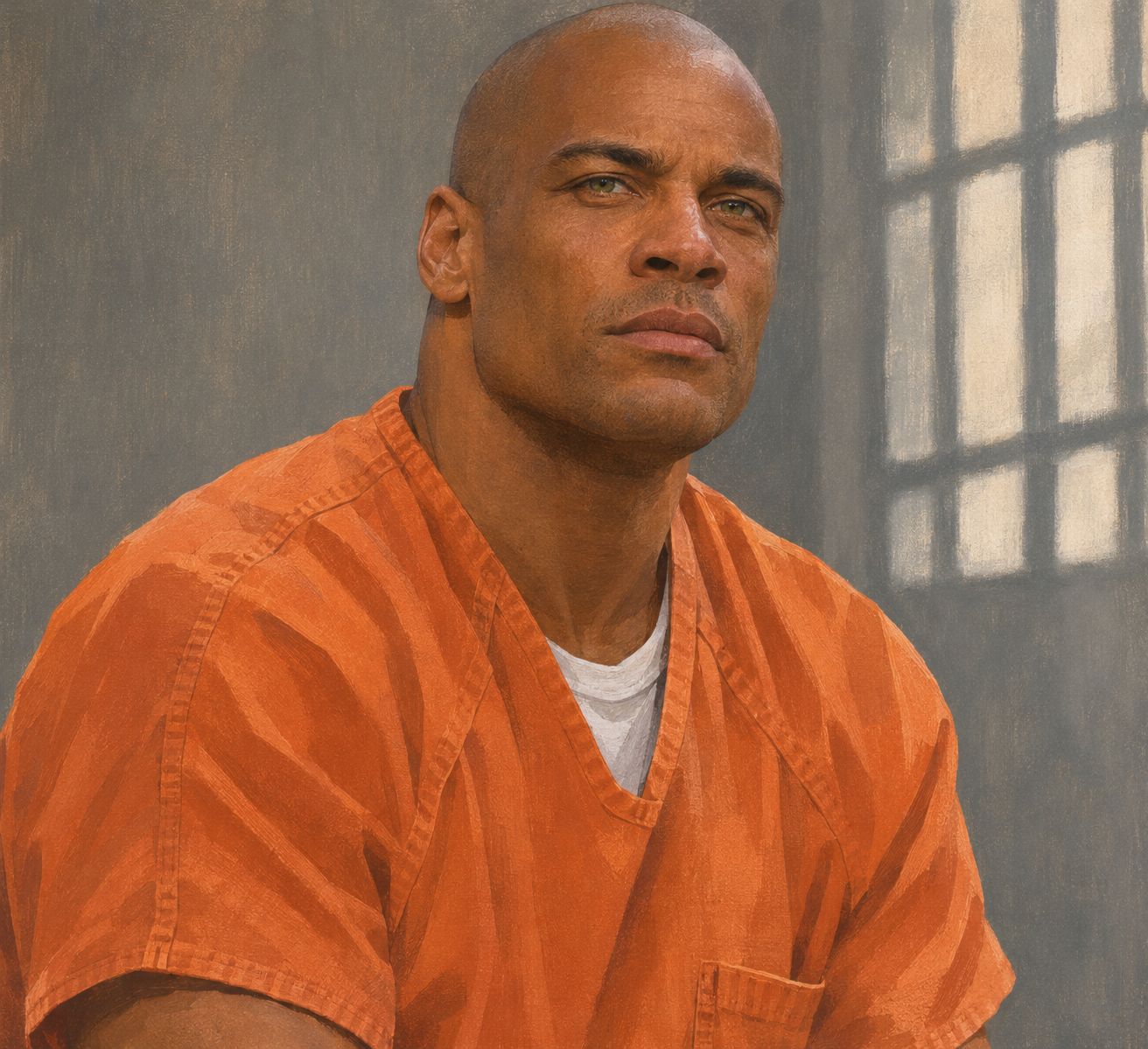
After decades in prison and surviving a serious stabbing, he attends his 2022 hearing in chains; despite powerful new evidence pointing away from him, the judge denies his retrial and he remains imprisoned while his lawyers pursue further appeals.
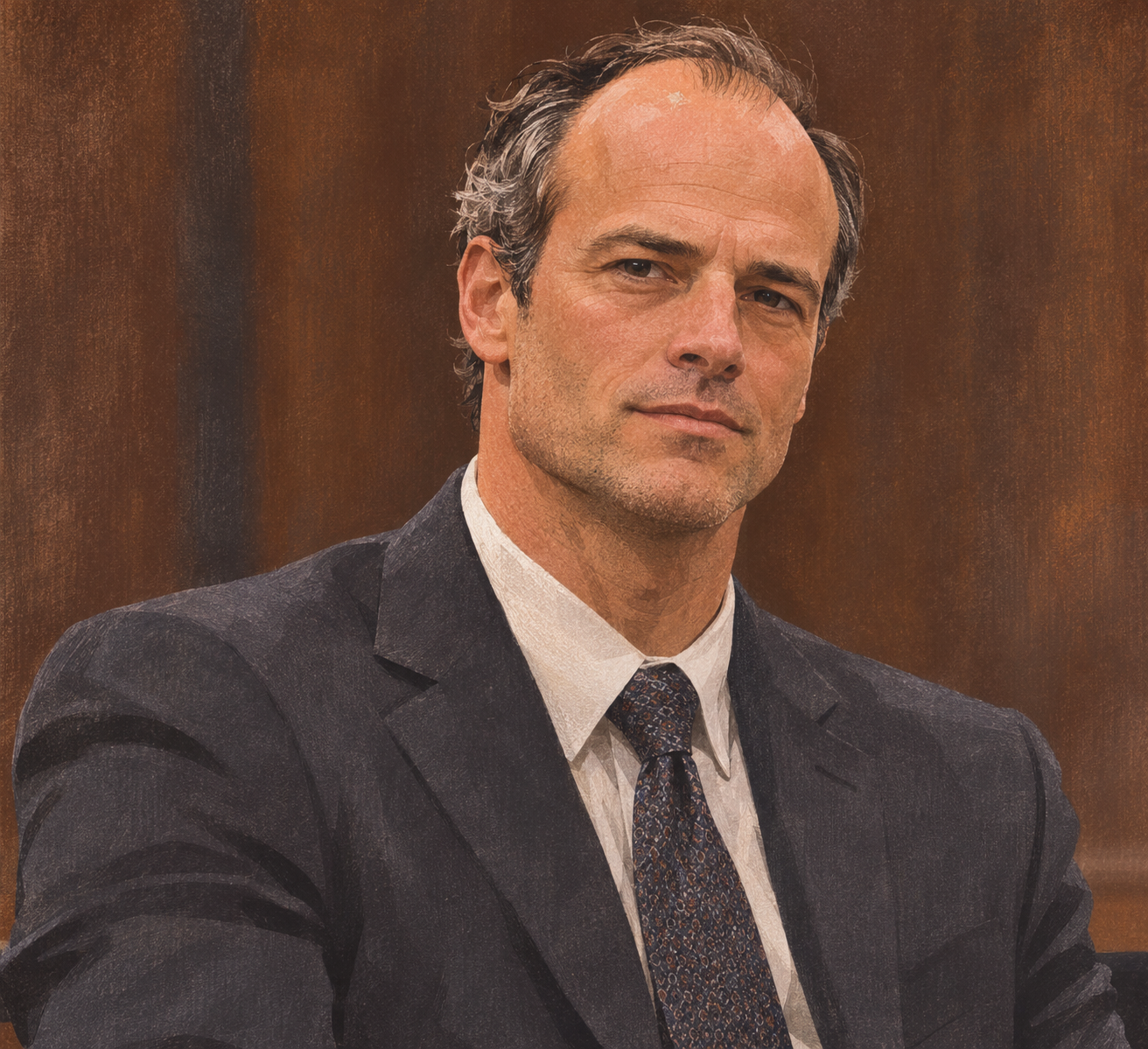
Beth testifies that he physically abused Thalia and arrived late that night; on the witness stand Robbie repeatedly invokes the Fifth Amendment when asked about Thalia, the shed, and his whereabouts, escaping prosecution but living under intense public suspicion.
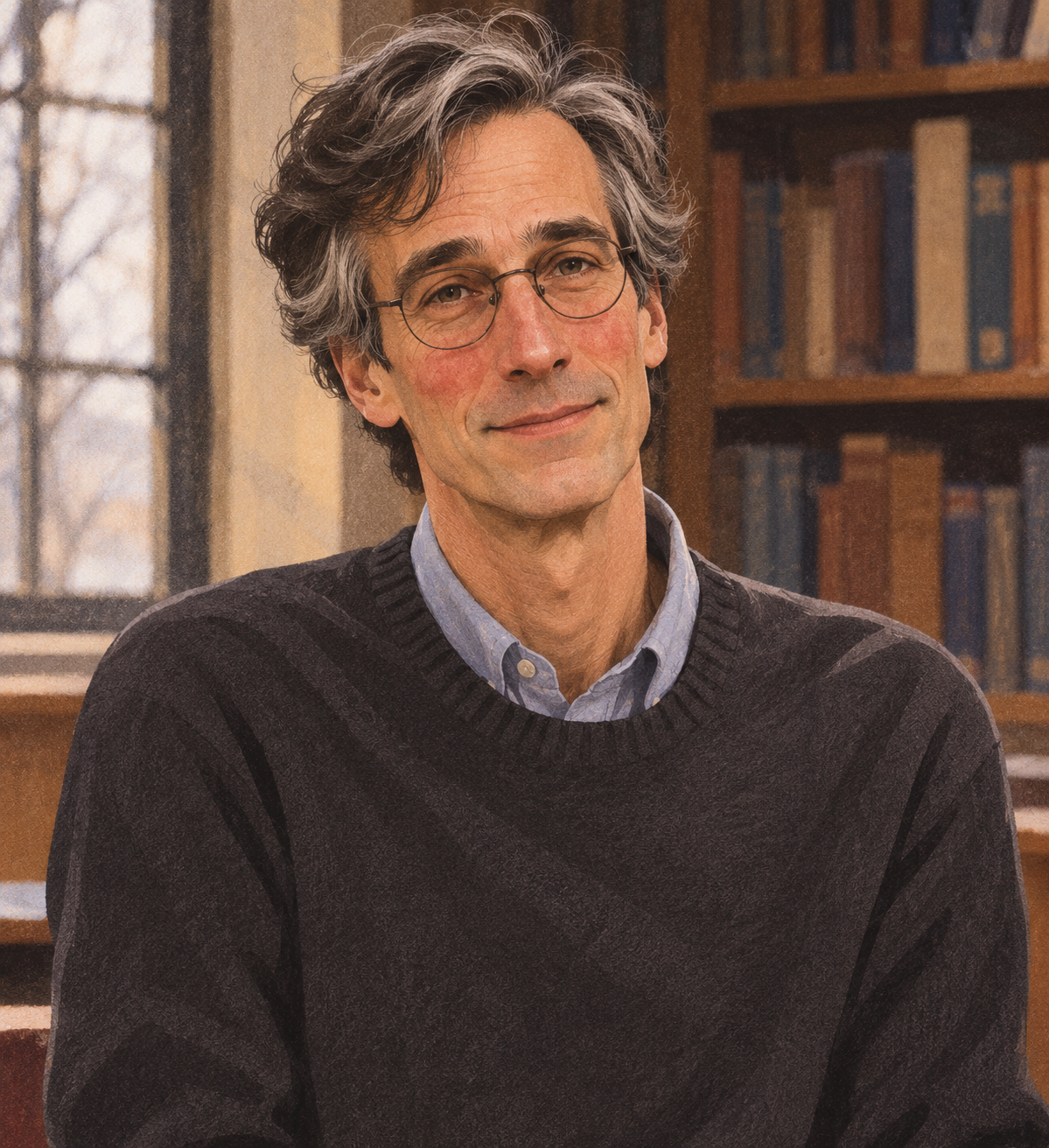
He is never arrested, but Dane Rubra publicly identifies him and numerous former students come forward with accounts of decades of grooming and abuse, permanently destroying his reputation.

She testifies at Omar’s 2022 hearing, co-produces a successful national true-crime podcast with Bodie and Alder, attends Smith College, and dates Alder.
She remains at Granby with her wife Anne and their sons and joins Bodie in scattering their deceased friend Carlotta’s ashes into Tigerwhip Creek.
He reconnects romantically with Bodie during the 2022 proceedings, and they begin a relationship and plan future visits together.
At Omar’s 2022 hearing, she gives explosive testimony that Robbie arrived late and physically abused Thalia and reveals that Denny groomed her as well, severely damaging both men’s credibility.
He co-hosts the successful national podcast, attends Columbia University, and dates Britt.
🔷 Supporting Characters
She dies of metastatic stage 3C breast cancer at forty-five shortly before Bodie’s April 2022 return, and Bodie and Fran scatter her ashes into Tigerwhip Creek.
She secretly visits Omar in prison for years and becomes estranged from her parents and brother because she questions his guilt.
He loses his gallery representation and art job, divorces Bodie amicably, and continues co-parenting their children.
Her accusations fuel Jerome’s public cancellation and indirectly damage Bodie’s Starlet Fever podcast.
Although Omar’s retrial is denied, Amy continues pursuing further legal appeals.
His exposure prompts numerous former students to reveal Denny’s decades of grooming, and Dane continues covering the case.
He abruptly ends their affair during mini-mester and later appears as a legal commentator on Britt and Alder’s podcast.
He attends the 2022 hearing and remains a UConn professor.
She completes her podcast and graduates from Granby.
They complete the course and graduate.
She completes mini-mester and prepares to attend Dartmouth.
He marries Amber, joins Granby’s permanent faculty, and they are expecting their first child.
She marries Oliver, remains at Granby, and is expecting their first child.
She leaves Granby after a mental breakdown and dies from a drug overdose two years later while attending Sarah Lawrence.
He was released from prison in 1989 and survives mainly as part of Granby’s sinister local mythology.
She becomes a math teacher at a private day school in Boston.
He eventually becomes a union labor lawyer.
She continues teaching at Granby.
She remains headmistress for another decade before retiring.
He continues working in podcasting after Bodie steps away to write her book.
She continues living and working at Granby with Fran and their children.
He dies at eighteen after falling or jumping from a roof while high, when Bodie is eleven.
They remain in Indiana and within their Mormon community.
He gives television interviews defending the original conviction and asking the public to leave the family alone.
They refuse to accept the new theories about Thalia’s killer, contributing to their estrangement from Vanessa.
Years of stress damage her health, but she continues supporting Omar.
He eventually builds a life for himself despite the damage caused by Omar’s imprisonment.
Geoff develops his film in 1995 before Jimmy turns it over to police.
She resigns as class president after Thalia’s murder and later competes in the Olympics.
He returns to Denmark and later posts political commentary on Facebook.
He later becomes a comedy writer.
He becomes a successful restaurateur.
He develops alcoholism, divorces, and dies in 2017 when his car is found at the bottom of a lake.
She remains married to Robbie as accusations and social-media scrutiny engulf their family.
They continue assisting with Omar’s legal fight through the 2022 hearing.
He continues working as a cab driver.
She continues teaching journalism at Granby.
At the 2022 hearing, he admits under cross-examination that his assumptions about physical fitness influenced whom he considered capable of the murder.
They remain in Los Angeles and are co-parented by Bodie and Jerome after their divorce.
They continue growing up on the Granby campus with Fran and Anne.
She eventually settles in Florida.
After Denny is publicly identified, they come forward online with accounts of his grooming and abuse, collectively destroying his ability to hide his predatory past.
🕳️ Potential Plot Holes
The 2018 investigation finds extensive blood spatter in the equipment shed, strongly suggesting Thalia was violently attacked there. Yet Robbie appears at the mattress party shortly afterward with no visible blood on his clothing—only mud from riding a bicycle. If Robbie killed Thalia, he would have had to attack her hard enough to create substantial blood spatter, move her body, change her into a swimsuit, place her in the pool, and clean himself up before joining his classmates. The novel never explains how he accomplished all of this without getting blood on himself or appearing noticeably disheveled.
Omar’s trace DNA was found inside the crotch of the swimsuit Thalia was wearing, and a tiny hair fragment consistent with Omar’s DNA was recovered from her mouth. The defense offers plausible explanations: DNA could have transferred through the communal pool, shared athletic equipment, or improper evidence handling. None of this definitively proves Omar was involved. More puzzling is a separate three-centimeter hair found in Thalia’s mouth that was never identified or matched to Robbie, Denny, or anyone else. The unexplained forensic evidence is intentional ambiguity rather than a clear plot hole, but it leaves the physical evidence surrounding Thalia’s death unresolved.
Thalia had unabsorbed alcohol in her stomach, suggesting she died relatively soon after drinking. Bodie remembers Beth holding a flask around the end of Camelot, which could place Thalia’s death shortly after the performance. Omar, however, was documented making phone calls from his office between 8:53 and 10:02 p.m. If the alcohol came from Beth’s flask, Omar could not have committed the murder during the likely death window. This is less a plot hole in the novel than evidence of how badly the original investigation and prosecution fit the available evidence.
Robbie's bicycle explains how he could have reached the mattress party later than the rest of the group, but his available window remains remarkably tight. In roughly 45–60 minutes, he would need to encounter Thalia, get her to the equipment shed, kill her, remove or change her clothes, transport her body to the pool, stage the scene, clean himself up, obtain a bicycle, and ride 1.4 miles through the woods before appearing at the party by 9:59 p.m. The bike ride itself is shown to be possible in about 9–12 minutes, so the timeline isn't impossible, but the novel never fully demonstrates that Robbie could realistically accomplish everything else in the remaining time.
📚 Book Club Q&A's
⭐ Final Rating & Thoughts
I loved so much about I Have Some Questions for You. Rebecca Makkai gave me exactly the kind of literary mystery I enjoy: complicated characters, a cold case to pick apart, buried memories slowly resurfacing, and enough clues to keep me constantly reevaluating what I thought I knew. The dark academia setting worked beautifully, and the podcast angle made the investigation even more compelling. Julia Whelan’s fantastic audiobook narration only made it harder to stop listening.
What kept this from being a five-star read for me was the ending. I understand what Makkai was trying to do, and intellectually, I can appreciate the realism of a story where truth, justice, and certainty don’t necessarily arrive together. But emotionally? I wanted more closure. After investing so much in the investigation, I needed a little more payoff than the book was willing to give me.
Still, this was smart, beautifully written, thought-provoking, and incredibly absorbing. I may have finished it frustrated, but I also finished it still thinking about it—and that says a lot.
✨ Adaptation description
TV Adaptation
Rebecca Makkai’s 2023 bestselling literary mystery I Have Some Questions for You has been optioned for a limited television series. Makkai confirmed the adaptation shortly after the novel’s publication, describing it as being in the early stages with “amazing talent and energy” attached, though she cautioned that an option is only the first step toward an actual production. Rebecca Makkai
Adaptation Status: Optioned / in development
Format: Limited television series
Based on: I Have Some Questions for You by Rebecca Makkai
Book Publisher: Viking
Book Publication: February 21, 2023 Rebecca Makkai
Production Company: Not publicly announced
Network/Streamer: Not announced
Cast: Not announced
Release Date: Not announced
As of October 2026, there does not appear to have been a publicly announced production order, network or streaming home, cast, director, or filming schedule. The project therefore remains in the option/development stage, rather than being a confirmed upcoming series.
The story follows Bodie Kane, a successful film professor and podcaster who returns to the New Hampshire boarding school she attended as a teenager. While teaching a short course, she becomes increasingly preoccupied with the 1995 murder of her former roommate, Thalia Keith, and begins questioning whether Omar Evans, the school athletic trainer convicted of the crime, was actually responsible. The mystery gradually becomes an examination of memory, race, gender, institutional power, true-crime culture, and the stories people construct around victims and suspects. Rebecca Makkai
Makkai has said that her personal dream casting for Bodie Kane would be Lizzy Caplan, noting that Caplan can evoke both the teenage and forty-year-old versions of Bodie. This is not official casting and was simply Makkai’s own choice when asked whom she imagined in the role. Rebecca Makkai
✨ Books Like I Have Some Questions for You (2023)
See an error on this page?