
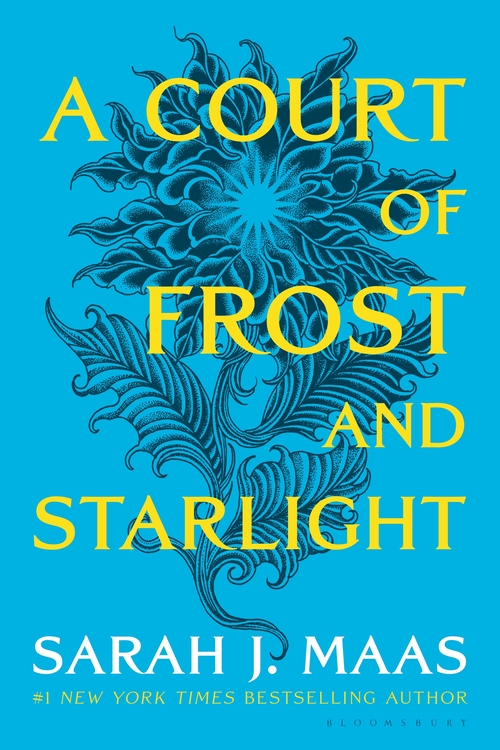
Book Details
A Court of Frost and Starlight (2018)
Series
Jump to Section
⚠️ Trigger Warnings
- PTSD and trauma recovery
- Nightmares and intrusive memories
- Grief and bereavement
- Death of loved ones
- Sexual content
- Explicit sexual dialogue
- Violence and graphic imagery
- Blood and gore
- War and aftermath of war
- Misogyny and gender-based oppression
- Forced gender roles
- Torture
- Physical abuse
- Ritualized mutilation
- Alcohol abuse
- Self-destructive behavior
- Forced magical transformation
- Body horror
- Menstrual pain and medical distress
⏱️ 2-Minute Spoiler Summary
After the war with Hybern, Feyre and Rhysand try to rebuild the Night Court while preparing for Winter Solstice. Feyre struggles with lingering trauma but finds a new purpose by planning an art studio for children affected by the war. Rhysand and Cassian confront unrest and sexism in the Illyrian camps, while Azriel watches for signs of rebellion.
The Archeron sisters are struggling in very different ways. Elain quietly builds a new life in Velaris while continuing to avoid her mate, Lucien, but Nesta spirals into drinking, gambling, casual sex, and isolation. Cassian wants to help her, but she repeatedly pushes him away.
Politically, the peace remains fragile. Tamlin has essentially abandoned the devastated Spring Court, forcing Rhysand to intervene despite still hating him. Morrigan deals with Keir and Eris, while Lucien joins Jurian and Vassa in the human lands.
During Solstice, the Inner Circle reunites for gifts, food, and their traditional snowball fight. Rhysand gives Feyre land where they can build a home, and the couple decides to start trying for a baby. After Nesta’s behavior continues to worsen, Feyre and Rhysand finally intervene: she must leave Velaris, live at the House of Wind, and train with Cassian—or lose their financial support.
📖 Full Spoiler Summary
Velaris After the War
A Court of Frost and Starlight picks up several months after the war with Hybern. Prythian may finally be at peace, but the Night Court is still recovering from everything it lost. As the first Winter Solstice since the war approaches, Feyre Archeron and Rhysand are trying to rebuild both their court and their lives.
As High Lady, Feyre spends much of her time helping the people of Velaris. Homes and businesses were destroyed during the attack on the city, and many families are grieving loved ones who never returned from the fighting. Feyre throws herself into relief work, using her position and money to help wherever she can.
But helping everyone else doesn’t mean Feyre has recovered herself. She is still haunted by the war, particularly the memory of watching Rhysand die after giving everything he had to repair the Cauldron. Although the other High Lords brought him back, the terror of losing him hasn’t disappeared.
Rhysand has his own responsibilities. The war may be over, but maintaining peace requires constant work, especially in the Illyrian camps, where old traditions and resentment toward his rule are beginning to create new problems.
Trouble in the Illyrian Camps
Rhysand and Cassian travel into the Illyrian Mountains, where they continue pushing against centuries of brutal traditions. One of their biggest concerns is the treatment of females, who are routinely denied the opportunity to train as warriors and, in some families, still have their wings mutilated to prevent them from flying.
Rhysand forces the camp-lord Devlon to begin allowing young females to participate in warrior training. It’s only a small step toward changing Illyrian society, but Rhysand and Cassian are determined to make sure the reforms actually happen rather than allowing the camp leaders to quietly ignore them.
The issue is particularly personal for Cassian. He returns to the area where he was born and reflects on his mother, an Illyrian woman who was treated terribly and whose ultimate fate he was never able to discover. He also meets Emerie, a shopkeeper whose father had her wings clipped, leaving her permanently unable to fly. Women like Emerie remind Cassian exactly why the traditions need to change.
At the same time, Azriel is keeping watch on another potential threat. A warrior-novice named Kallon has been stirring up resentment against Rhysand’s authority. The rebellion hasn’t become an immediate crisis yet, but it is another reminder that winning the war didn’t magically unite everyone under Rhysand’s leadership.
Nesta and Elain Struggle in Different Ways
The Archeron sisters survived the war together, but afterward they cope with their trauma very differently.
Elain Archeron remains at the town house and gradually creates a quiet life for herself. She spends much of her time gardening and becomes close to Nuala and Cerridwen, Rhysand’s half-wraith spies. Although she appears to be adjusting better than she once was, Elain still mourns the human future she lost when she was forced into the Cauldron and transformed into High Fae.
Her mating bond with Lucien Vanserra remains unresolved. Lucien continues to visit, but Elain largely avoids him and shows no desire to develop their relationship. Lucien increasingly divides his time between Velaris and the human lands, where he has found an unlikely home with Jurian and Vassa.
The three jokingly call themselves the “Band of Exiles.” From their manor in the human territories, they keep watch on the remaining human queens and the unstable political situation left behind by the war.
Nesta Archeron, however, is falling apart.
She has withdrawn almost completely from Feyre, Elain, and the rest of the Inner Circle. Rather than staying with her sisters, Nesta lives alone in a run-down apartment and spends her nights drinking, gambling, and going home with strangers. Feyre continues paying her expenses, but Nesta barely speaks to her and refuses nearly every attempt to help.
Her relationship with Cassian is particularly painful. The connection that developed between them during the war hasn’t disappeared, but Nesta keeps pushing him away. Cassian doesn’t know how to reach her, and Nesta seems determined to make sure nobody gets close enough to try.
Old Enemies and an Unstable Peace
The Night Court also has political problems beyond the Illyrian Mountains.
Morrigan travels to the Hewn City, forcing her back into the presence of her abusive father, Keir, and Eris Vanserra, the male she was once supposed to marry. Her history with both men makes every interaction uncomfortable, but Eris has information the Night Court cannot ignore.
The Spring Court is collapsing.
Tamlin has largely abandoned his responsibilities as High Lord. His lands remain devastated, his people have scattered, and he is no longer properly guarding the borders between Prythian and the human territories. With the political situation among the humans already unstable, an unprotected border could become dangerous.
Rhysand eventually travels to the Spring Court himself and finds Tamlin living almost completely alone in his ruined estate. Tamlin is a shadow of the powerful High Lord he once was, consumed by despair and seemingly without much desire to keep living.
Rhysand still despises him. He hasn’t forgotten Tamlin’s treatment of Feyre or his alliance with Hybern, and their encounter quickly turns bitter. Yet after leaving, Rhysand realizes that allowing Tamlin to completely destroy himself could have consequences far beyond their personal hatred.
He returns with food and later helps arrange for soldiers from Tarquin‘s Summer Court to assist with patrols along the Spring Court borders. Rhysand doesn’t forgive Tamlin, but he recognizes that Prythian needs the Spring Court functioning if their fragile peace is going to survive.
Feyre Finds a New Purpose
While everyone else wrestles with the aftermath of the war, Feyre begins rediscovering the part of herself that existed before politics and battle consumed her life: the artist.
In Velaris’s Rainbow district, she meets Ressina, another artist, and slowly reconnects with painting. She also encounters Aranea, a weaver whose husband was killed during the war. Hearing about the grief carried by ordinary people makes Feyre realize how many survivors—especially children—need more than rebuilt houses and financial assistance.
They need somewhere to process what happened to them.
Feyre decides to create an art studio where children affected by the war can paint and express emotions they may not be able to put into words. For the first time since becoming High Lady, she begins imagining a future in which she can combine her responsibilities to the Night Court with something that belongs entirely to her.
The First Solstice After the War
When Winter Solstice finally arrives, the Inner Circle gathers to celebrate together.
The holiday brings back some of their familiar traditions, including the fiercely competitive annual snowball fight between Rhysand, Cassian, and Azriel. For a little while, they can simply be friends again rather than warriors, rulers, and survivors trying to hold Prythian together.
Their celebration continues with food, drinking, teasing, and an exchange of gifts. Amren, now permanently trapped in a High Fae body after sacrificing her previous form during the war, is still adjusting to ordinary life. She has developed a surprising fascination with jigsaw puzzles and is continuing her relationship with Varian, the Prince of Adriata.
Yet Nesta’s absence hangs over the festivities. She reluctantly appears for part of the celebration but remains distant, making it clear that simply bringing the family together isn’t enough to repair what has happened to her.
For Feyre and Rhysand, however, the Solstice marks the beginning of something new.
Rhysand gives Feyre an extraordinary gift: a sprawling estate beside the Sidra where they can eventually build a home together. Instead of continuing to live primarily in spaces connected to Rhysand’s past, they can create something that belongs to both of them—a nursery.
After everything they survived—and after Feyre came so close to permanently losing Rhysand—they decide they no longer want to keep postponing the family they once imagined having someday.
They decide to start trying for a child.
Nesta Reaches a Breaking Point
The warmth of the Solstice cannot hide how badly Nesta is deteriorating.
Her drinking and reckless spending continue, and eventually she charges an enormous tavern bill to Feyre and Rhysand. For Feyre, it becomes impossible to keep financing Nesta’s self-destruction while pretending that giving her space will eventually solve the problem.
Feyre and Rhysand decide that something has to change.
Nesta will no longer be allowed to live indefinitely in Velaris while spending their money on alcohol and gambling. Instead, she is to leave the city and live at the House of Wind, where she will train with Cassian and be given work and structure. If she refuses, Feyre and Rhysand will cut off her financial support and send her away from Velaris.
Nesta is furious at having her choices taken away from her, but Feyre refuses to continue watching her destroy herself.
And so, while Feyre and Rhysand end the Solstice looking toward a new home and the possibility of starting a family, Nesta is being pushed toward a very different new beginning—one she never asked for, alongside the male she has spent months trying to avoid.
🔚 Ending Explained
How A Court of Frost and Starlight Ends
A Court of Frost and Starlight closes on a deliberately quieter note than the previous books. There is no great battle or shocking betrayal. Instead, the ending is about what happens after survival—when Feyre, Rhysand, and the others must figure out how to live in the world they fought to save.
About a month after the Winter Solstice, Feyre Archeron finally finds a new purpose for herself. She opens an art studio in Velaris’s Rainbow district, working with Ressina and the weaver Aranea to offer free lessons to children traumatized by the war. Rather than simply rebuilding buildings, Feyre begins helping people rebuild themselves. Art becomes a way for the children—and for Feyre—to express memories and emotions that are too painful to put into words.
Her personal life also moves toward the future. After previously fearing the idea of motherhood because of her immortality and the dangers surrounding them, Feyre changes her mind. She and Rhysand decide they are ready to try for a child, transforming their relationship from one centered on surviving war into one focused on creating a family.
The novella ends with Feyre and Rhys walking together through Velaris, surrounded by the city and people they fought to protect. Their happiness is not presented as naïve; both understand that political dangers remain. But for the first time, they allow themselves to imagine a life defined by something other than war.
Nesta’s Unresolved Story
Nesta provides the darker counterpoint to Feyre’s hopeful ending.
While Feyre has begun transforming her trauma into something constructive, Nesta remains trapped inside hers. She isolates herself from her sisters and the Inner Circle, drinks heavily, spends Feyre and Rhysand’s money, and repeatedly rejects attempts to help her.
The book itself leaves that conflict unresolved. However, the included sneak peek for the next novel shows where Nesta’s story is headed: Feyre and Rhys eventually stage an intervention after Nesta runs up another enormous tavern bill.
Feyre gives her a choice: leave Velaris and go to the House of Wind, where she will train with Cassian, or lose their financial support entirely. This becomes the bridge into Nesta’s story in A Court of Silver Flames.
Importantly, that intervention belongs to the preview of the next book rather than the actual narrative ending of A Court of Frost and Starlight.
What the Ending Means
The central idea of the ending is that surviving something is not the same as healing from it.
Nearly everyone survived the war with Hybern carrying some kind of wound. Feyre and Nesta illustrate two radically different responses to those wounds.
Feyre begins moving outward. She paints. She reconnects with her community. She creates something useful from her suffering.
Nesta retreats inward. She drinks, isolates herself, lashes out, and refuses intimacy.
Neither woman has simply forgotten what happened. The difference is what they are beginning to do with the pain.
The Void and Hope
The clearest symbol of this idea is Aranea’s tapestry.
The Void, a material that seems to swallow light, represents grief, trauma, and the emotional emptiness left behind by the war. Running through that darkness is the shimmering thread of Hope.
The symbolism is intentionally simple but effective: hope does not erase the darkness.
It exists inside it.
That distinction captures Feyre’s emotional journey. She is not returning to the person she was before the war. She cannot. Instead, she is learning how to incorporate what happened into the person she becomes afterward.
Her art studio is therefore more than a new occupation. It represents her decision to turn suffering into creation rather than destruction.
The River House and the Future
Feyre and Rhysand’s new riverfront estate carries similar symbolism.
Much of the earlier series takes place in temporary spaces—hideaways, battle camps, borrowed homes, and places of refuge. The new house is different. It contains rooms for their friends, Feyre’s studio, and space intended for a future family.
They are no longer merely protecting a home.
They are building one.
That makes the house a physical representation of the novella’s shift from survival toward permanence and legacy.
Why Feyre Changes Her Mind About Having a Child
Feyre’s decision to try for a baby is especially significant because she previously wanted centuries with Rhys before considering children.
Her change of heart comes from recognizing how uncertain even immortal life can be. Rhys died during the war and was only miraculously restored. Immortality does not guarantee unlimited time.
The decision therefore isn’t simply romantic. It reflects Feyre’s changed understanding of life: waiting for a perfectly safe future may mean never living at all.
After spending several books surrounded by death, Feyre chooses creation.
Rhysand and Tamlin
Rhysand’s treatment of Tamlin adds another layer to the ending.
Rhys still despises him, but after seeing how completely Tamlin has deteriorated, he ultimately helps stabilize the Spring Court rather than allowing his personal hatred to dictate his political decisions.
It isn’t forgiveness.
It is recognition that revenge has limits.
Rhys is beginning to act less like a wounded survivor settling old scores and more like a High Lord responsible for what happens next.
Why Nesta Matters So Much
Nesta prevents the ending from becoming too comfortable.
Feyre and Rhys have found a path forward, but Nesta demonstrates that healing cannot simply be imposed on someone. She remains angry, traumatized, isolated, and unwilling—or unable—to accept the help being offered.
That contrast is crucial.
Feyre represents trauma beginning to transform. Nesta represents trauma still consuming the person carrying it.
Her unresolved condition is also the novella’s clearest indication that the story of the Archeron sisters is far from finished.
The Ending Explained
Ultimately, A Court of Frost and Starlight is less an ending than a bridge between two eras of the series.
The original trilogy was largely about survival: defeating Amarantha, escaping abusive relationships, confronting Hybern, and preventing Prythian’s destruction.
This novella asks a different question:
What do you do once the war is over?
Feyre’s answer is to create.
She creates paintings. She creates a place where traumatized children can heal. She creates a permanent home. And finally, she and Rhys decide to create a family.
Nesta has not yet found her answer.
That is why the peaceful ending carries a slight uneasiness beneath it. Velaris is rebuilding, but the characters are not all healed. Tamlin is broken. Nesta is spiraling. The Illyrians remain restless. Political threats still exist beyond the Night Court.
Even Morrigan’s unsettling sense that something ancient is watching her from the darkness near Athelwood hints that peace may only be temporary.
But that doesn’t undermine the hopeful ending—it strengthens it.
The characters know darkness still exists.
They choose to build something anyway.
And that is ultimately what the image of Hope running through the Void means: healing is not the disappearance of darkness. It is the decision that darkness will no longer be the only thing defining your life.
👤 Characters & Fates
🔶 Main Characters
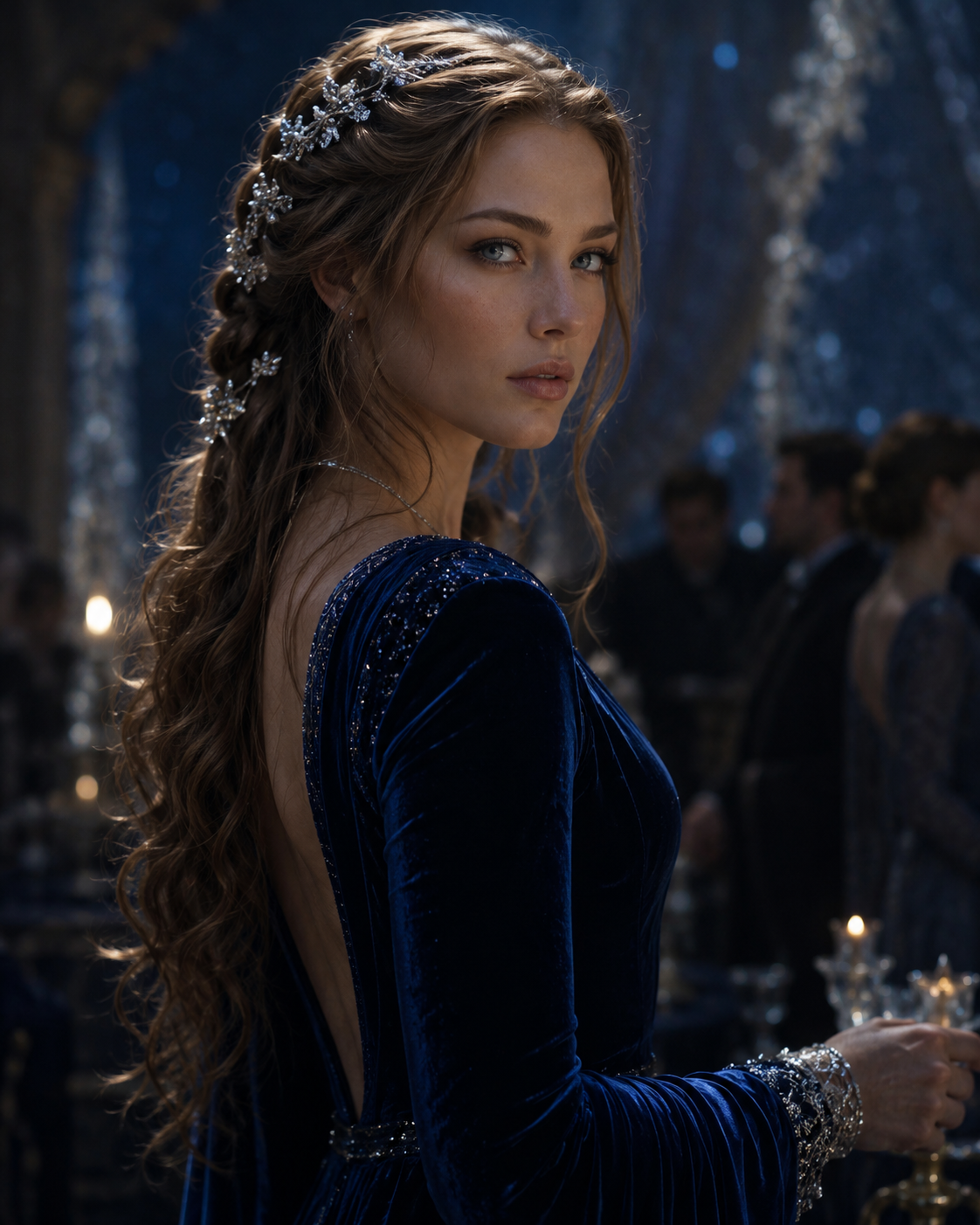
She opens an art studio for war-traumatized children and decides with Rhysand to stop using contraceptives and try for a child.
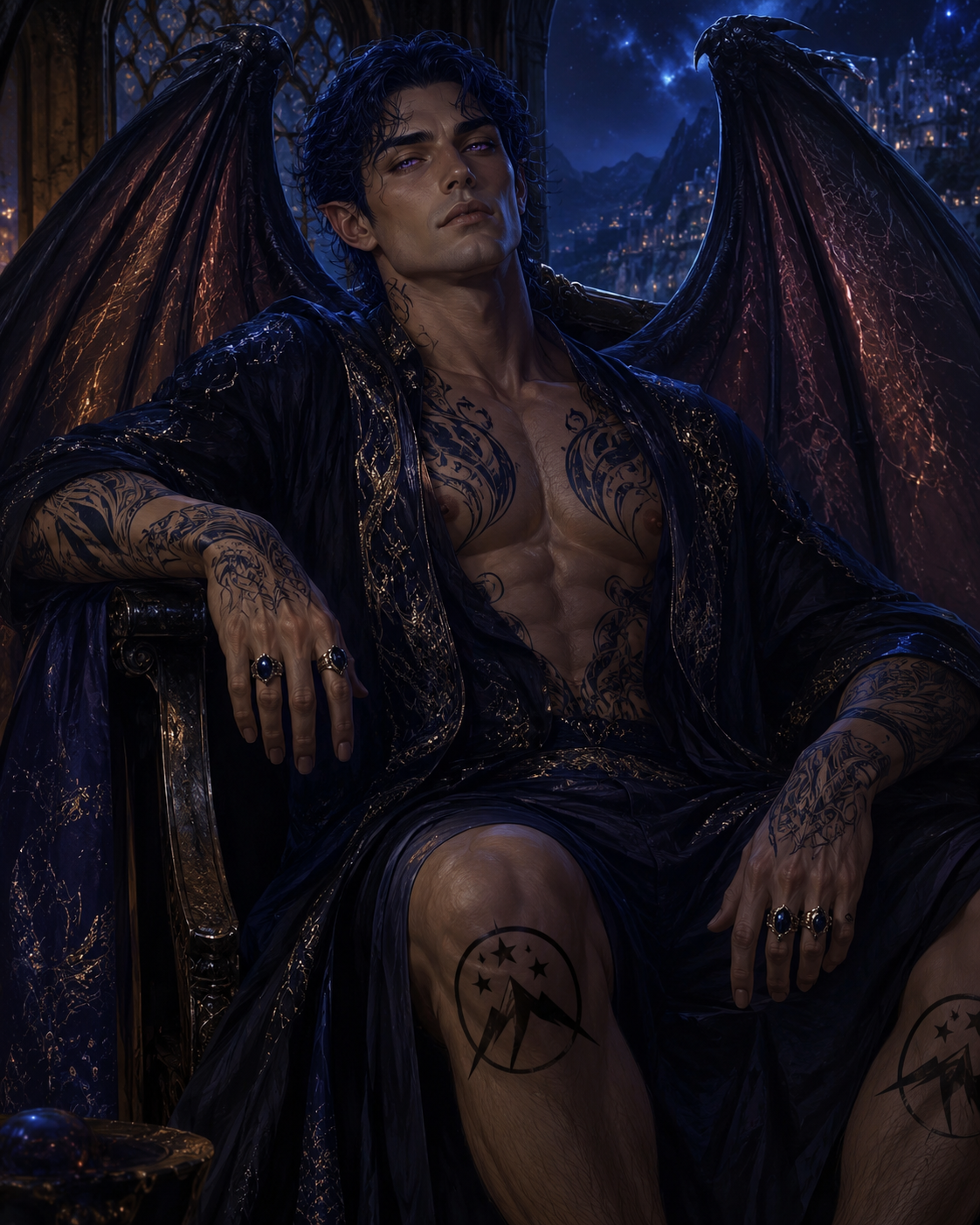
He gives Feyre a riverfront estate for their future home, and after they envision their possible son, they decide to start a family.
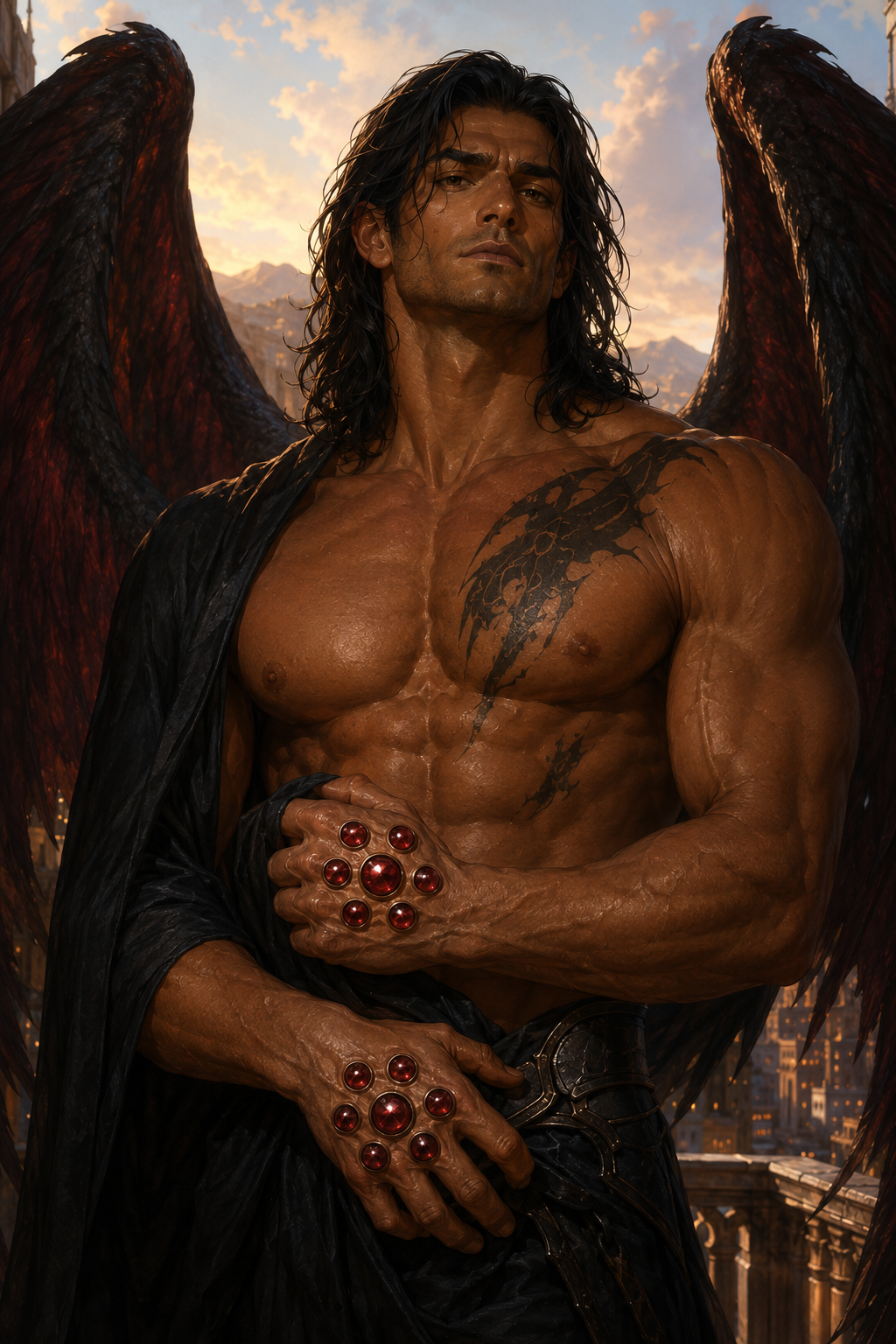
His relationship with Nesta deteriorates, setting up the next novel, where he is tasked with training her at the House of Wind and in the Illyrian mountains.

She considers becoming Rhysand’s ambassador to the continent and later senses a mysterious ancient presence watching her at her secret estate, Athelwood.
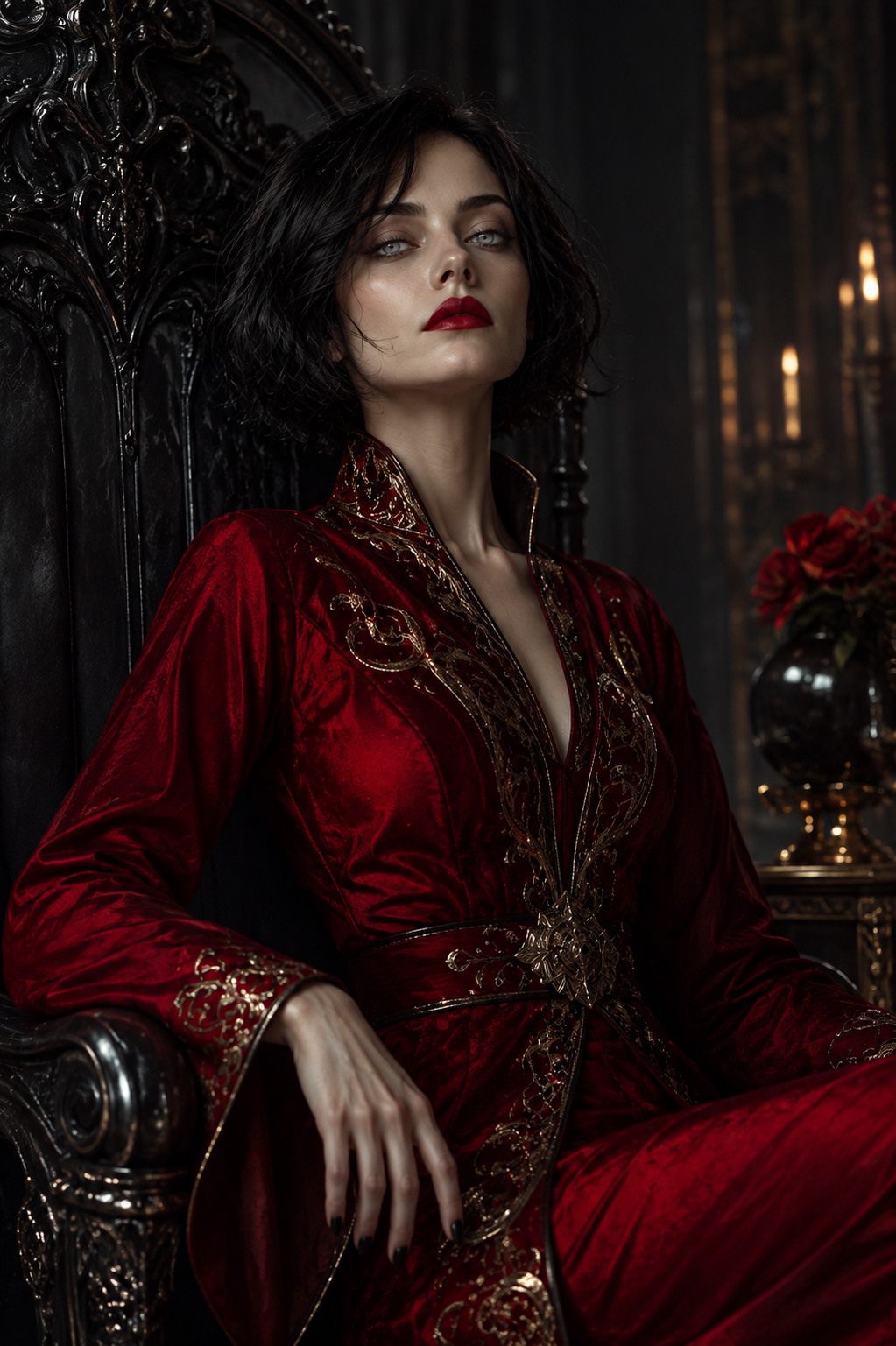
She continues her romance with Varian, embraces surprisingly mundane hobbies like jigsaw puzzles, and remains part of the Inner Circle.
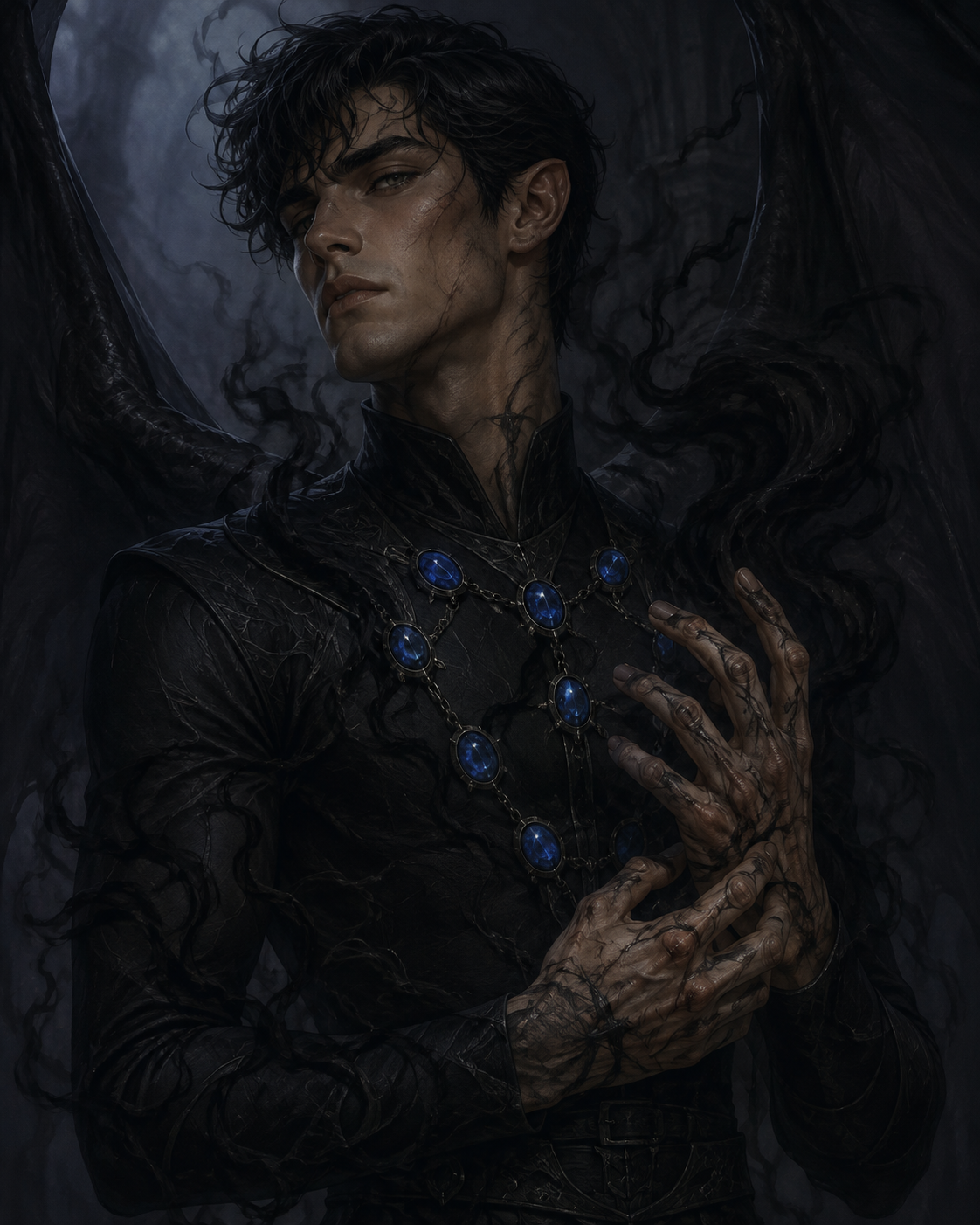
He wins the annual Solstice snowball fight, and Elain gives him headache powder, prompting a rare burst of genuine laughter.
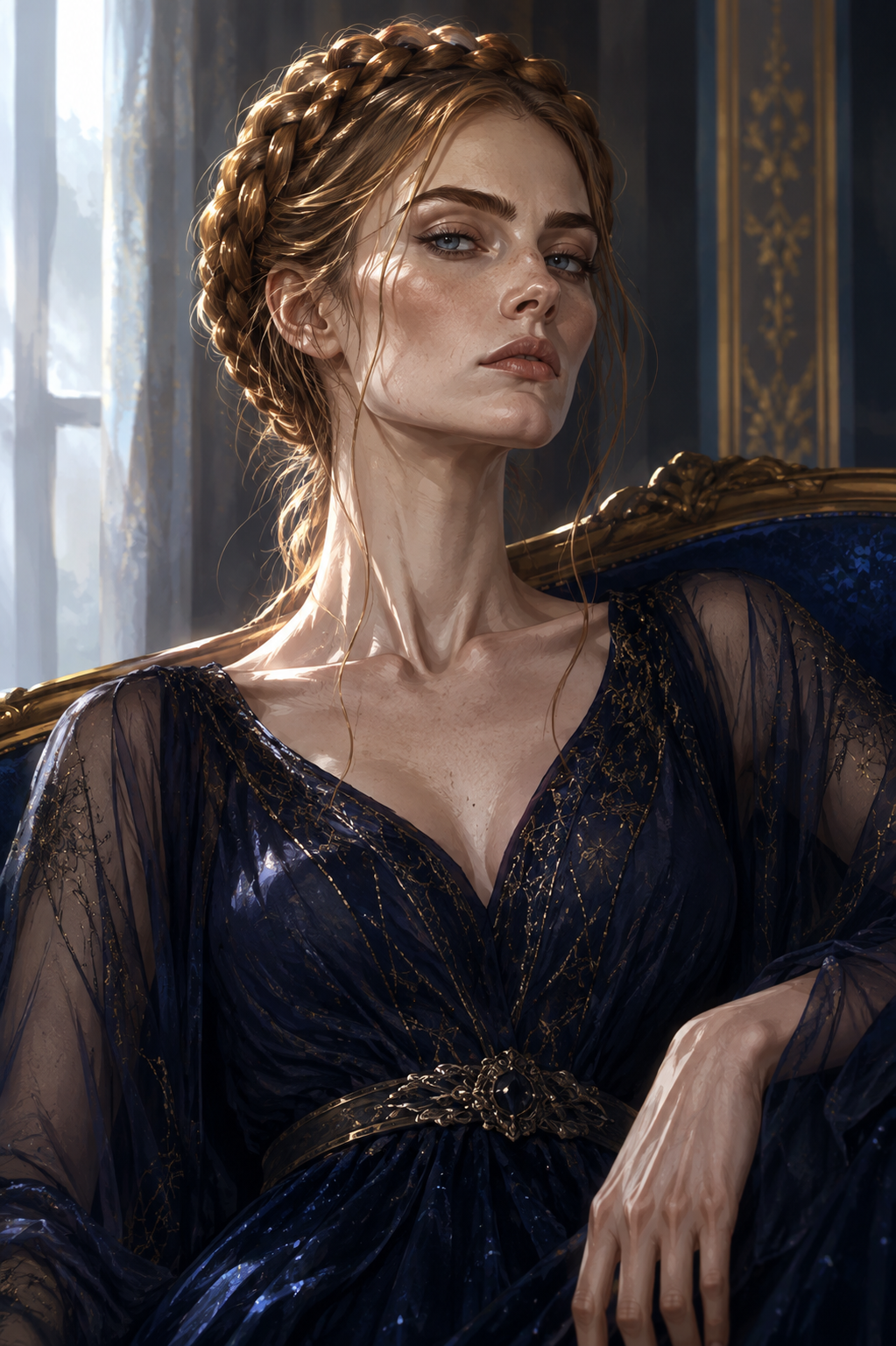
After her behavior spirals further, Feyre and Rhysand eventually intervene and give her a choice: train and live at the House of Wind under Cassian’s supervision or leave the Night Court, setting up A Court of Silver Flames.

She continues to distance herself from Lucien while growing closer to Azriel, including giving him a thoughtful Solstice gift.
🔷 Supporting Characters
He spends time with the badly deteriorating Tamlin and warns Rhysand that Tamlin is dangerously close to completely breaking down.
He is living virtually alone in his ruined estate and has stopped properly caring for himself; even Rhysand ultimately recognizes that Tamlin needs help if the Spring Court is to survive.
He continues scheming with Keir while maneuvering for his own future power.
He continues plotting with Eris and intends to exercise his right to visit Velaris, deeply unsettling Mor.
He is forced to permit young Illyrian females to begin combat training, despite his resistance.
She begins helping distribute winter supplies and becomes connected to the effort to give Illyrian females greater independence and opportunities.
He secretly spends Solstice with Amren, and their relationship continues despite her difficult personality and new existence as High Fae.
He forms the jokingly named “Band of Exiles” with Lucien and Vassa, sharing a manor in the human lands.
She enjoys her temporary freedom with Jurian and Lucien but knows she will eventually be forced to return to Koschei unless her curse can be broken.
She becomes Feyre’s partner in establishing the new art studio for Velaris residents and traumatized children.
She joins Feyre’s new studio and helps teach traumatized survivors to heal through art.
They continue serving the Inner Circle while maintaining their close friendship with Elain.
He continues stirring unrest and is considered dangerous enough that Azriel and Cassian keep watch on him ahead of the Blood Rite.
🕳️ Potential Plot Holes
Rhysand finds the Spring Court manor essentially abandoned: there are no servants or sentries in sight, and Tamlin is in such a severe state of depression that he is barely eating or caring for himself. Yet Lucien later says that Tamlin had his belongings packed up, transported out of the Spring Court, and dumped at his new doorstep. If Tamlin truly has no household staff or guards left—and is barely functioning himself—it is unclear who actually packed and delivered Lucien’s possessions across court borders.
📚 Book Club Q&A's
⭐ Final Rating & Thoughts
A Court of Frost and Starlight wasn’t a bad book—it just didn’t speak to me the way the first three ACOTAR books did. After loving A Court of Mist and Fury and A Court of Wings and Ruin, I missed the momentum, emotional intensity, and sense that the story was actually going somewhere.
I understand what this novella is meant to be: a quieter bridge between major storylines, giving the characters time to heal, rebuild, and enjoy some peace after everything they’ve survived. And there were pieces I genuinely loved, especially Feyre rediscovering art and the glimpses of deeper struggles involving Cassian, Nesta, Mor, and the Illyrians.
But those moments never developed enough for me. Instead, there was a lot of shopping, wandering around Velaris, sexual innuendo, internal monologue, and repeated references to everyone’s mate. The romance also became a little too over-the-top for my taste.
Ultimately, I enjoyed being back in Velaris, but atmosphere and beloved characters weren’t quite enough. It was a pleasant visit to the Night Court—I just wish there had been more of an actual story waiting for me when I got there.
✨ Adaptation description
There is no active screen adaptation of the series A Court of Thorns and Roses at this time.
- Source Material: A Court of Thorns and Roses by Sarah J. Maas
- Original Format: Television series
- Original Studio: Hulu / 20th Television
- Original Developer: Ronald D. Moore (Outlander)
- Current Status: Canceled / No longer in development
The long-running Hulu television adaptation was officially abandoned after spending several years in development without moving into production.
What Happened?
- Hulu announced an ACOTAR television series in 2021.
- Ronald D. Moore was attached as writer, executive producer, and co-showrunner alongside Sarah J. Maas.
- Despite years of development, the project never received casting announcements, a pilot order, or a production start date.
- Following changes at Disney and Hulu, the adaptation quietly stalled before being officially dropped.
Rights Reverted to Sarah J. Maas
Sarah J. Maas has confirmed that she reacquired the screen rights to her books. This allows her to pursue future adaptations with significantly greater creative control rather than remaining tied to the canceled Hulu project.
Current Status
As of August 2026:
- ❌ No television series is in development.
- ❌ No feature film has been announced.
- ❌ No studio is currently attached.
- ❌ No cast, writers, or directors are attached.
Maas has said that her current priority is finishing her upcoming novels rather than actively developing a screen adaptation.
Because the rights have reverted to her, a future adaptation remains possible, but no new adaptation has been officially announced as of August 2026.
✨ Books Like A Court of Frost and Starlight (2018)
See an error on this page?