
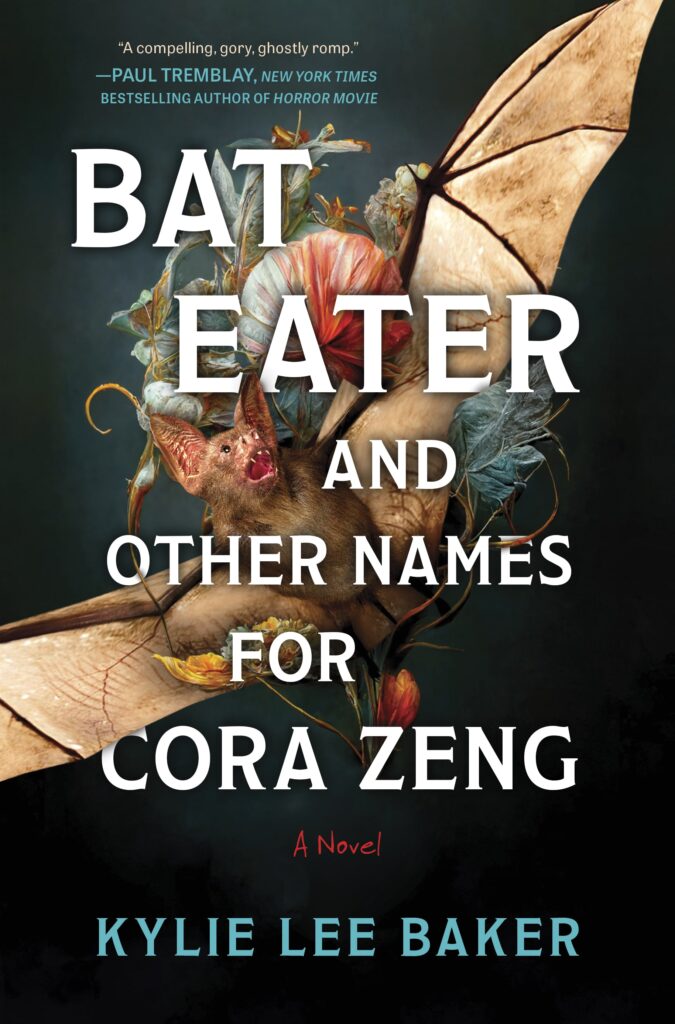
Bat Eater and Other Names for Cora Zeng (2025)
Select Sections to Print
×Book Details
Bat Eater and Other Names for Cora Zeng (2025)
Jump to Section
⚠️ Trigger Warnings
- Anti-Asian racism, xenophobia & hate crimes
- Racial slurs & hate speech
- COVID-19–related anti-Asian scapegoating
- Hate-motivated physical violence
- Graphic violence & gore
- Serial murder
- Decapitation
- Gun violence
- Axe murder
- Drowning
- Harpooning
- Arson
- Body horror
- Animal cruelty & mutilation
- Dead animals
- Mental illness & psychological distress
- OCD & contamination anxiety
- Compulsive behaviors
- Panic attacks & dissociation
- Hallucinations
- Intrusive thoughts
- Suicide (mentioned)
- Psychiatric institutionalization (mentioned)
- Grief & traumatic loss
- Child abuse & neglect
- Child confinement & abandonment
- Religious cults
- Infanticide / attempted infant murder
- COVID-19 pandemic trauma
- Mass death & body bags
- Severe illness
- Fear of contagion
- Social isolation
- Job loss
⏱️ 2-Minute Spoiler Summary
In April 2020, as COVID-19 empties New York City and anti-Asian hostility intensifies, 24-year-old Cora Zeng is walking through Chinatown with her older sister, Delilah, when Delilah reveals that she plans to move to China alone to pursue modeling. Before Cora can process the news, a white man in a hoodie and surgical mask approaches them on the East Broadway subway platform, screams “Bat eater,” and shoves Delilah in front of an incoming train. Delilah is decapitated, the killer escapes, and the police eventually close the case.
Four months later, a traumatized Cora is working as a crime scene cleaner with Harvey Chen and Yifei Liu. Her germophobia and contamination fears have become extreme, but the job also exposes her to something disturbing: an alarming number of murdered Asian women. At the apartment of doctor Yuxi He, Cora finds a dead bat stuffed into the bathtub drain. Another victim, Zihan Huang, has mutilated bats hidden in her wall vent. Later, travel nurse Ai Wu is found murdered beneath a bat painted in blood. Cora, Harvey, and Yifei become convinced someone is deliberately targeting Asian women.
At the same time, Cora begins experiencing increasingly frightening supernatural events. Food disappears from her apartment, bite marks appear on her furniture, and she sees strange black spots and apparitions. Yifei, who claims she was once bitten by a hungry ghost, believes Ghost Month is making the boundary between the living and dead dangerously thin.
Cora eventually encounters a skeletal female ghost wearing a jade bracelet. Because she is consumed by guilt over Delilah’s death, she assumes the ghost is her sister. Hoping to put Delilah to rest, Cora, Harvey, and Yifei even sneak onto the East Broadway subway tracks searching for Delilah’s missing head, but they find only the old bloodstain where it struck the tunnel wall.
Their investigation deepens after Chinese American police officer Kevin Wang is murdered. While cleaning beneath his bed, Cora is handed a USB drive labeled BACKUP by a ghostly hand. She later steals Wang’s shredded documents from the police station, and the three friends begin piecing them together. The files contain information about white supremacists and anti-Asian crimes, suggesting Wang had been secretly investigating the murders.
During a Ghost Month feast intended to appease the spirits, the hungry ghost appears in Yifei’s apartment and brutally kills and devours Yifei’s roommates, Paisley and Ryan. Cora, Harvey, and Yifei secretly clean the apartment rather than risk being blamed or institutionalized.
Soon afterward, Cora contracts COVID-19. When she recovers, Harvey calls saying he has discovered the identity of the killer they have nicknamed “Batman.” Cora and Yifei rush to the dry-cleaning shop only to find Harvey murdered inside an industrial washing machine. They flee, but their car is suddenly overwhelmed by a swarm of bats. Yifei crashes into a tree and is killed.
Now completely alone, Cora finally learns that she has misunderstood the ghost following her. The jade bracelet it wears has the Chinese character for “hope,” while Delilah’s bracelet had the character for “strength.” Auntie Zeng realizes the spirit is actually Yuxi He, one of the murdered women whose crime scene Cora cleaned. Yuxi has been trying to lead Cora toward the truth.
Cora unlocks Officer Wang’s BACKUP drive using the password 325 and discovers something much bigger than a single serial killer. Wang had collected hundreds of photographs of murdered Asian women and evidence that Mayor Webb and police captain Antoni Mezzasalma ordered the NYPD to suppress the cases. On a white supremacist forum called American Dreamers, a user named yellowdeath had publicized the original killings, inspiring other racists to commit copycat murders. There is no single “Batman.” The murders have become an organized wave of racist violence, with “Bat eater” functioning as a shared rallying cry.
Furious that the victims were deliberately ignored, Cora takes propane tanks from the church crypt, goes to Gracie Mansion, and sets the mayor’s residence on fire. Mayor Webb dies. As Ghost Month ends, Cora and Auntie Zeng release paper lotus lanterns into the East River, helping guide the restless spirits toward the afterlife.
By April 2021, Officer Wang’s files have been leaked to The New York Times, exposing the police cover-up and triggering nationwide protests. Cora now lives with Auntie Zeng, works cleaning apartments, has received her first COVID vaccine dose, and keeps an altar honoring Delilah, Harvey, Yifei, and Wang.
The ghosts, however, have not entirely disappeared. In the final scene, a gray hand reaches toward Cora from the darkness. Instead of panicking, she calmly gives the ghost half an orange and eats the other half herself.
📖 Full Spoiler Summary
Delilah Is Killed on the Subway
In April 2020, New York City is eerily empty as COVID-19 shuts down businesses and keeps people indoors. Cora Zeng, a 24-year-old Chinese American woman who has recently lost her job at the Metropolitan Museum of Art, is walking through rainy Chinatown with her older sister, Delilah. The sisters are looking for toilet paper, but their conversation turns into something much more consequential when Delilah announces that she wants to move to China to pursue modeling—and she intends to go without Cora.
The sisters have always been deeply intertwined, so Cora feels abandoned. She barely has time to process the news before everything becomes irrelevant.
While they wait at the East Broadway subway station, a white man in a black hoodie and blue surgical mask approaches. He screams “Bat eater” and shoves Delilah from the platform directly in front of an incoming express train. Delilah is decapitated instantly, splattering Cora with her blood.
The attacker disappears into the deserted pandemic-era city. With few witnesses and no meaningful leads, the police investigation goes nowhere and Delilah’s murder is eventually left unsolved.
Cora Starts Cleaning the Dead
By August, Cora’s life has completely changed. She now works for a crime scene cleanup operation run through Harvey Chen’s uncle’s Chinatown dry-cleaning business. Her coworkers are Harvey, a horror-loving man carrying his own childhood trauma, and Yifei Liu, an undocumented Chinese immigrant who has assumed the name of a famous actress.
The work feeds directly into Cora’s severe contamination anxiety. She is already terrified of germs and illness, and after cleaning blood and human remains, she puts herself through elaborate purification rituals involving mechanic soap, salt scrubs, and bleach.
Even more disturbing is the sheer number of murdered Asian women whose apartments they are cleaning.
One victim is Yuxi He, a 28-year-old doctor who has been shot in the head. While cleaning her bathroom, Cora discovers a dead bat jammed into the bathtub drain. Yuxi is already the fifth Asian woman whose crime scene the crew has cleaned in a single week.
Another victim, Zihan Huang, has been murdered with an axe. Inside her apartment, the cleaners discover maimed bats duct-taped inside a wall vent. Harvey accidentally crushes one of the bats with a skillet. Feeling guilty, Cora, Harvey, and Yifei name it Zubat and bury it beside the train tracks in Long Island City.
During the burial, Harvey reveals something he rarely discusses: as a child, his father locked him inside a dark, wet basement filled with silverfish. His joking personality hides a deep fear rooted in what happened to him there.
The Ghosts Begin Appearing
Cora is becoming increasingly convinced that something is wrong inside her own apartment. Food vanishes. Human-looking bite marks appear on her wooden coffee table. Black spots hover in her vision.
An optometrist, Dr. Robinson, examines her and determines that her eyes are physically healthy, suggesting the visual disturbances are coming from her brain rather than her retinas. But the things Cora is experiencing become harder to dismiss as simple symptoms of trauma.
When she visits Yifei at Confucius Plaza, Yifei shows her a deep scar made by humanlike teeth. She claims a hungry ghost bit her during Zhongyuan Jie, or Ghost Month.
Cora also has another frightening encounter that has nothing supernatural about it. After attending church to appease her wealthy maternal aunt, Auntie Lois, she accidentally leaves a graphic crime scene photograph inside the confessional booth. The church’s senior minister is horrified. Outside afterward, a white jogger deliberately pulls down Cora’s masks, spits directly into her face, and tells her to go back to China.
Trying to make amends with the church, Cora agrees to help Father Thomas clean a historic underground crypt beneath the cathedral. There, in the red-lit darkness, she sees bare footprints mysteriously appearing in the dust and hears overlapping, disembodied voices. Then she sees what appears to be a faceless Delilah pointing toward a closed door.
“Batman” Is Killing Asian Women
The violence across the city continues. A brick is thrown through the window of a Chinatown restaurant while Cora is there, and soon afterward she encounters something far stranger inside her own home: a skeletal female figure with a needle-thin neck, hollow black eyes, and a jade bracelet.
The creature bites Cora’s table and accepts an orange directly from her hand.
Cora assumes this starving spirit must be Delilah. Already overwhelmed by survivor’s guilt, she becomes convinced her sister cannot move on.
Then the cleanup crew is sent to a Bowery hotel where travel nurse Ai Wu has been murdered. Above her bed, someone has painted a dripping bat in blood. By now, Harvey, Yifei, and Cora believe they are seeing the work of a serial killer. Harvey nicknames the murderer “Batman.”
Yifei arranges for them to meet reporter Devin McSomething at a Hell’s Kitchen bar. When Devin expresses skepticism about their serial-killer theory, Cora angrily describes the broader pattern of violence against Asian women and the indifference surrounding their deaths.
Still believing Delilah is haunting her, Cora becomes obsessed with finding her sister’s missing head. She, Harvey, and Yifei sneak onto the East Broadway subway tracks in the middle of the night. They find the old bloodstain where Delilah’s head hit the tunnel wall, but no remains. Before they can search further, the sound of running footsteps chases them from the tunnels.
Officer Wang Leaves Cora the Evidence
The next major crime scene belongs to Officer Kevin Wang, a Chinese American police officer who has been machine-gunned to death in his own bed.
While Cora is cleaning beneath it, a ghostly hand suddenly reaches toward her and gives her a USB drive labeled BACKUP.
Cora soon learns that Wang had been investigating anti-Asian violence on his own. She goes to the police station pretending to be his widow and steals shredded documents connected to his investigation. She, Harvey, and Yifei begin painstakingly reconstructing the pages.
The files identify white men connected to extremist activity, including Jimmy Watts, a member of a neo-Nazi organization called The Allegiance. One of Wang’s handwritten notes also asks whether a suspect might have been Zihan Huang’s neighbor.
The supernatural activity, meanwhile, is getting worse. Harvey attempts a traditional jiangshi ritual in Foley Square using rice, a peachwood broom, and a mirror. Instead of driving the spirits away, the rice attracts a swarm of hungry ghosts that lick the pavement clean.
That night, ghosts invade Cora’s apartment, emerging from the shadows and biting her beneath her bedsheets.
The Ghost Feast Ends in Horror
Yifei decides they need to properly appease the dead. She prepares an elaborate Ghost Month feast at her apartment while Cora and Harvey continue assembling Officer Wang’s shredded evidence.
Yifei’s roommates, Paisley and Ryan, unexpectedly return and join them. Then the power goes out.
The hungry ghost appears.
It brutally kills Ryan, decapitates and devours him, then consumes Paisley. Afterward, it eats the entire feast as well, including the plates and utensils.
Cora, Harvey, and Yifei know no one will believe their explanation. Rather than risk being arrested or institutionalized, the three crime scene cleaners do what they know how to do: they erase the evidence themselves.
Soon afterward, Cora contracts COVID-19 and spends ten miserable days sick and feverish in her apartment.
When she finally recovers, Harvey calls with urgent news. He believes he has figured out who “Batman” is.
Cora and Yifei race to the dry-cleaning business, but they are too late. Harvey has been murdered, his body stuffed inside an industrial washing cylinder spinning in blood-stained cleaning chemicals.
The women flee in Paisley’s car. As they drive, Yifei finally tells Cora the truth about her past. She was born as an unwanted second daughter in rural China. Her parents attempted to drown her infant sister, but the baby survived and was hidden in a closet. That sister eventually drowned their parents and locked Yifei inside the closet. Yifei escaped and eventually came to America, assuming someone else’s name and living with a constant terror of death.
Then a swarm of bats smashes against the windshield.
Yifei loses control of the car. It flips and crashes into an oak tree, crushing and killing her.
Cora Discovers Who the Ghost Really Is
Cora survives the wreck and encounters the hungry ghost again in the rain. This time, she pays closer attention to the jade bracelet on its wrist and calls Auntie Zeng, her paternal aunt, for help.
The bracelet bears the Chinese character for “hope.”
Auntie Zeng immediately recognizes the problem. Delilah’s bracelet bore the character for “strength.”
The ghost Cora has been feeding and following all this time was never Delilah.
It is Yuxi He, the murdered doctor whose apartment Cora cleaned months earlier.
Yuxi has not been tormenting Cora. Her restless spirit has been trying to lead Cora toward the truth about what happened to her and the other murdered women.
Auntie Zeng brings Cora home, where they finally examine Officer Wang’s USB drive. Cora remembers a repeated 3-2-5 knocking rhythm from her dreams and tries 325 as the password.
It works.
The Murders Are Bigger Than One Killer
Officer Wang’s files reveal the horrifying scale of what has been happening.
The BACKUP drive contains 374 graphic crime scene photographs of murdered Asian women. Wang had also secretly recorded evidence showing that police captain Antoni Mezzasalma and Mayor Webb deliberately ordered the NYPD to deprioritize the murders. Webb, who is running for reelection on a pro-police platform, does not want widespread anti-Asian killings becoming a political scandal or threatening police funding.
But the files reveal something even worse.
There is no single serial killer named “Batman.”
Screenshots from a white supremacist forum called American Dreamers show that a user named yellowdeath posted about the original murders. Other extremists began copying the killings, turning the violence into what amounts to “open season” on Asian women.
The repeated bats, the murders, and the phrase “Bat eater” are all connected to a broader wave of racist violence. What Cora, Harvey, and Yifei thought was one murderer is actually many.
Cora Burns Gracie Mansion
With Harvey, Yifei, Officer Wang, Yuxi, and hundreds of other victims dead—and the authorities actively concealing what happened—Cora decides to act herself.
She returns to the church crypt and takes three propane tanks. She carries them to Gracie Mansion, the mayor’s official residence, pours propane around the porch and flowerbeds, and sets the mansion on fire.
Mayor Webb dies in the blaze.
As Ghost Month comes to an end, Cora and Auntie Zeng go to the East River and release paper lotus lanterns onto the water, guiding the hungry ghosts toward the afterlife.
One Year Later
By April 2021, Officer Wang’s BACKUP files have been leaked to The New York Times. The evidence exposes the police cover-up and sparks protests across the country.
Cora has moved in with Auntie Zeng and left crime scene cleanup behind. She now works for a property manager named Yejide, deep-cleaning apartments between tenants. She has received her first dose of the COVID-19 vaccine and carries defensive whistles for protection.
At home, she maintains an altar honoring the people she lost: Delilah, Harvey, Yifei, and Officer Wang.
But the dead have not completely left her world.
One night, Cora sits in her darkened bedroom and closes the blinds. A gray ghostly hand emerges from the darkness.
Months earlier, such an apparition would have terrified her. This time, Cora simply takes an orange, gives half to the ghost, and keeps the other half for herself.
Together, the living woman and the dead presence quietly eat.
🔚 Ending Explained
How the Book Ends
The climax of Bat Eater and Other Names for Cora Zeng begins after the deaths of Cora’s friends, Harvey Chen and Yifei Liu. As Cora tries to understand the hungry ghost that has been following her, Auntie Zeng notices that the ghost’s jade bracelet bears the Chinese character for “hope.” Cora had assumed the ghost was her dead sister, Delilah, but Delilah’s bracelet said “strength.” The ghost is actually Dr. Yuxi He, one of the murdered Asian women whose crime scene Cora previously cleaned.
The larger mystery finally comes together when Cora accesses Officer Kevin Wang’s USB drive labeled BACKUP. The password is 325, matching the strange three-two-five knocking pattern that has haunted Cora’s dreams. Inside are 374 photographs of murdered Asian women, along with recordings and documents revealing a massive cover-up.
The files prove that Captain Antoni Mezzasalma and Mayor Webb deliberately ordered the NYPD to deprioritize the murders, fearing that acknowledging a serial-killing crisis would damage police budgets and create damaging publicity during an election year.
But Cora discovers something even more horrifying: there is no single serial killer named “Batman.”
The murders have been fueled by an alt-right white supremacist forum called American Dreamers. A user named yellowdeath posted photographs of the initial victims, inspiring other extremists to participate in what becomes an unofficial “open season” on Asian women. The supposed serial killer is therefore something much larger and harder to destroy—a decentralized movement of racist violence encouraged by the pandemic-era “bat eater” rhetoric.
That revelation changes Cora. When a man harasses her on the street with the same racist language that has haunted her throughout the novel, she refuses to shrink from it. Instead, she screams back:
“I am a fucking bat eater!”
Cora then takes propane tanks from the cathedral’s underground crypt and goes to Gracie Mansion, Mayor Webb’s official residence. She douses the mansion in propane and burns it down, turning the home of the man responsible for suppressing the murders into an enormous offering for the forgotten dead.
On the final night of Ghost Month, Cora and Auntie Zeng release paper lotus lanterns into the East River, allowing Yuxi He and the other hungry ghosts to finally find their way into the afterlife.
The Epilogue
The story jumps ahead to April 2021.
Mayor Webb died in the Gracie Mansion fire, and Officer Wang’s BACKUP files were eventually leaked to The New York Times. The evidence exposes the police cover-up and leads to protests across the country.
Cora is now living with Auntie Zeng and working for Yejide, deep-cleaning apartments between tenants. She has received her first COVID vaccine dose and carries pepper spray and a powerful whistle for protection. She also maintains a bookshelf altar honoring Delilah, Yifei, Harvey, and Officer Wang.
The world, however, has not magically become safe. Anti-Asian violence continues, including news of the Atlanta spa shooting, and Cora still encounters casual racism.
The novel closes on something much smaller.
Cora is sitting alone in her darkened bedroom when a gray ghost hand reaches toward her.
Earlier in the novel, this would have sent her into terror. Now Cora simply takes an orange, gives half of it to the ghost, breaks off a slice for herself, and eats alongside it.
She is no longer trying to make the ghosts disappear.
What the Ending Means
That final orange is the emotional key to the entire ending. Earlier, feeding a hungry ghost was an act of fear: Cora offered food because she was terrified of what would happen if the ghost remained hungry. By the final page, feeding the dead has become an act of companionship. She and the ghost share the same fruit.
It reflects Cora’s new relationship with grief. She cannot erase Delilah, Harvey, Yifei, Wang, Yuxi, or everything she witnessed during the pandemic. Nor can she disinfect herself until those memories disappear. Healing means learning to live beside what remains.
That makes the transformation of Cora’s relationship with cleaning especially important. For most of the novel, her obsessive scrubbing is an attempt to control a world that feels contaminated and dangerous. Bleach, soap, and alcohol become ways of trying to scrub away fear, guilt, death, and even her own physical existence. In the epilogue, she is still cleaning—but now it is simply her job. The same activity that once embodied her psychological imprisonment has become ordinary, productive work. She isn’t cleaning herself out of existence anymore.
The Gracie Mansion fire is the violent counterpart to this transformation. Auntie Zeng burns joss paper as offerings for the dead; Cora effectively turns the mayor’s mansion into one enormous offering. The building represents the political machinery that decided the murdered women were inconvenient enough to ignore. Burning it therefore becomes both an act of vengeance and a grotesquely magnified funeral ritual: if the institutions responsible for remembering the dead refuse to do so, Cora will create the memorial herself.
Her reclamation of “bat eater” works similarly. The phrase has been used to reduce Asian people to something diseased, foreign, and less than human. When Cora declares herself a bat eater, she refuses the shame attached to it. She essentially takes the monster that racist society has imagined her to be and says: Fine. Then be afraid of me.
That connects directly to the revelation that Batman was never one man. A conventional horror story might end with Cora identifying and killing the murderer. Instead, the enemy turns out to be systemic and decentralized. One person began posting photographs, but countless others embraced the violence. Likewise, the police and mayor did not necessarily commit the murders themselves, yet their deliberate silence allowed the killing to continue.
There is therefore no single monster Cora can defeat.
And that’s why the novel cannot end with everything fixed.
Why the Final Scene Matters
The ending shifts from visceral horror and rage into something surprisingly quiet. Cora hasn’t conquered death, racism, grief, or even fear. The outside world remains dangerous. The reference to continuing anti-Asian violence makes sure the reader understands that exposing one conspiracy has not eliminated the hatred that produced it.
Cora is what has changed.
At the beginning, she is overwhelmed by contamination, grief, guilt, and the feeling that she exists in Delilah’s shadow. She desperately wants control over things that cannot be controlled. By the end, she has stopped demanding that the world become clean before she can live in it.
The ghost hand reaching through the darkness therefore isn’t really a final scare.
It’s a test of who Cora has become.
She doesn’t run.
She doesn’t scrub.
She doesn’t try to banish it.
She feeds it—and feeds herself too.
That last detail is especially important. Cora does not sacrifice the entire orange to the dead. Half goes to the ghost, and half remains with the living. Her grief gets a place at the table, but it no longer gets everything.
So the ending isn’t about Cora finally escaping her ghosts. It’s about something more complicated: she learns that survival means making room for the dead without joining them.
👤 Characters & Fates
🔶 Main Characters
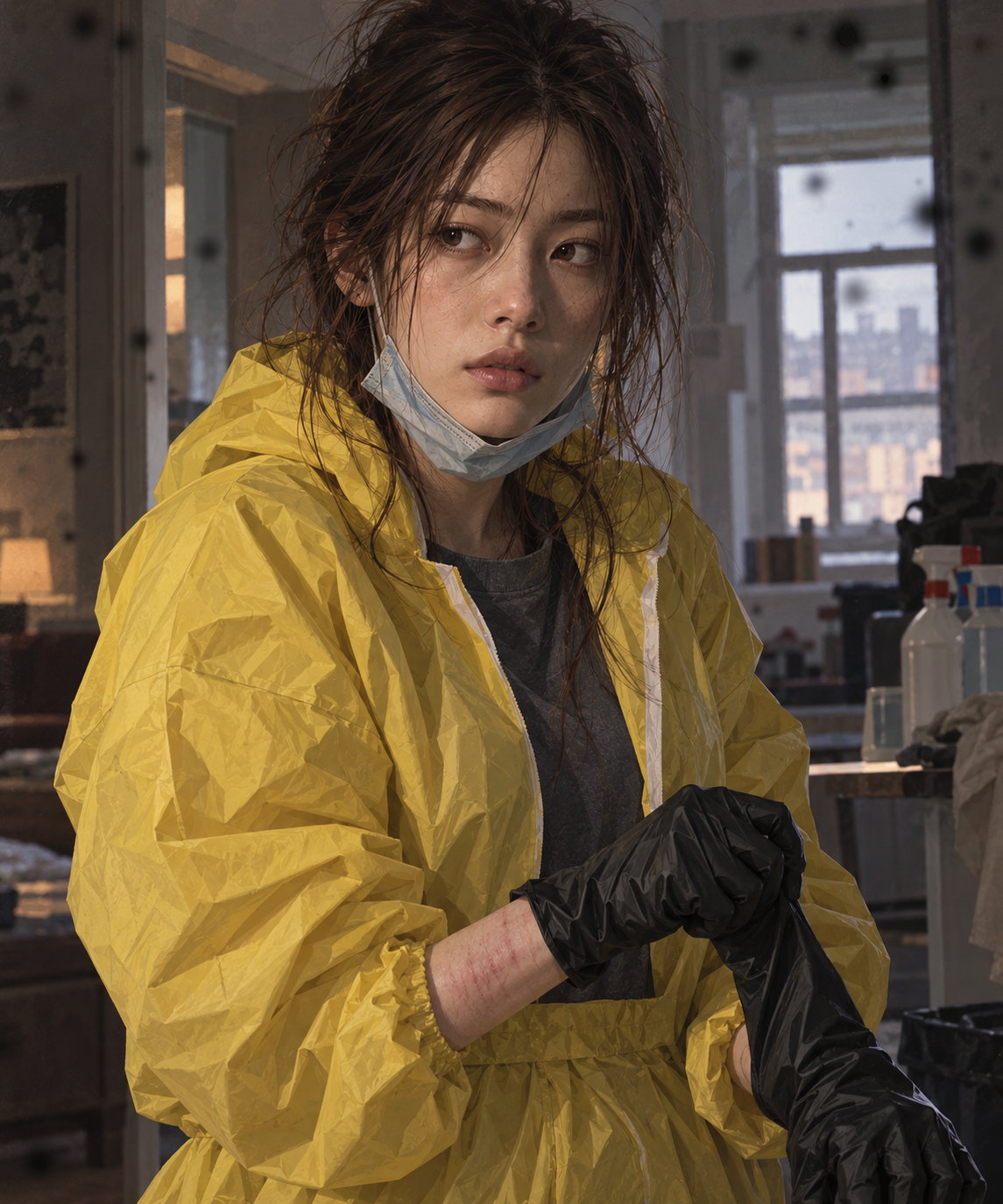
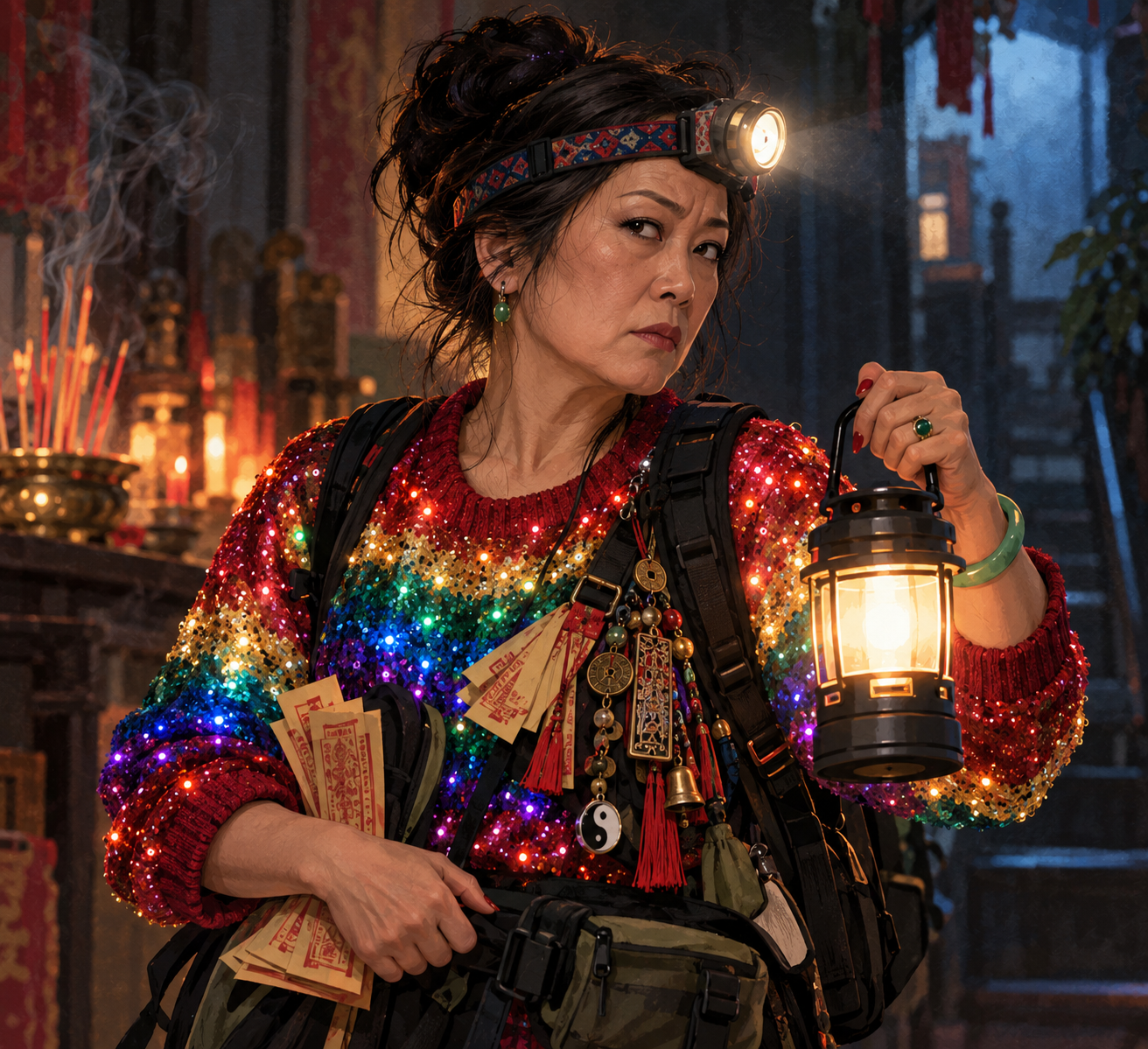
Survives Yifei’s fatal car crash, unlocks Officer Wang’s evidence, and burns Gracie Mansion with Mayor Webb inside before leaking the conspiracy. She later guides the hungry ghosts home, gets vaccinated, finds new work, and learns to coexist with her trauma.

A racist attacker shoves her onto the subway tracks while calling her a “bat eater,” and she is decapitated by an express train; her head is never recovered. Cora eventually honors her with a household altar.
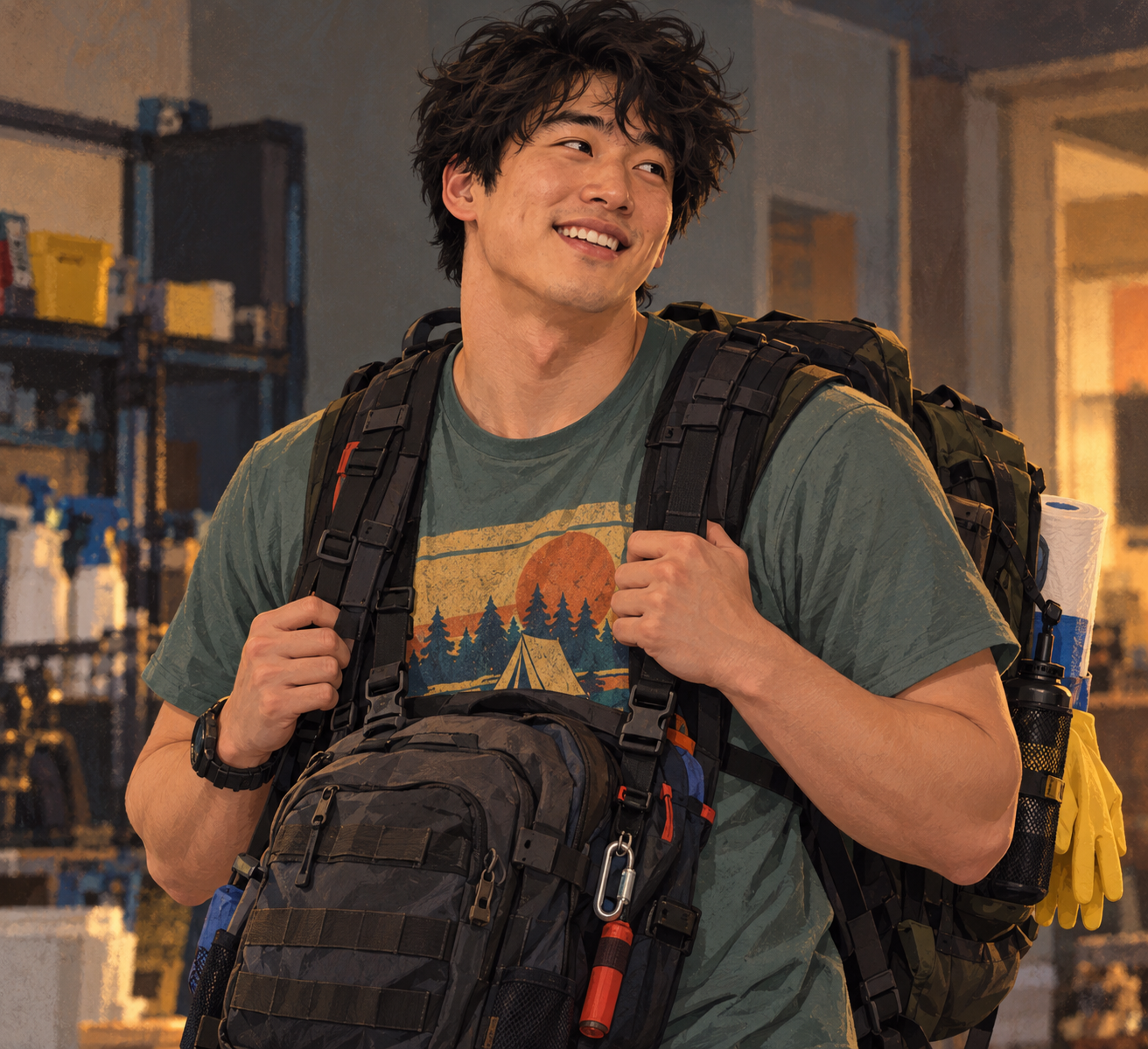
The serial killer murders him and stuffs his body inside an industrial washing cylinder filled with blood-stained cleaning solvent. His uncle subsequently closes the business.
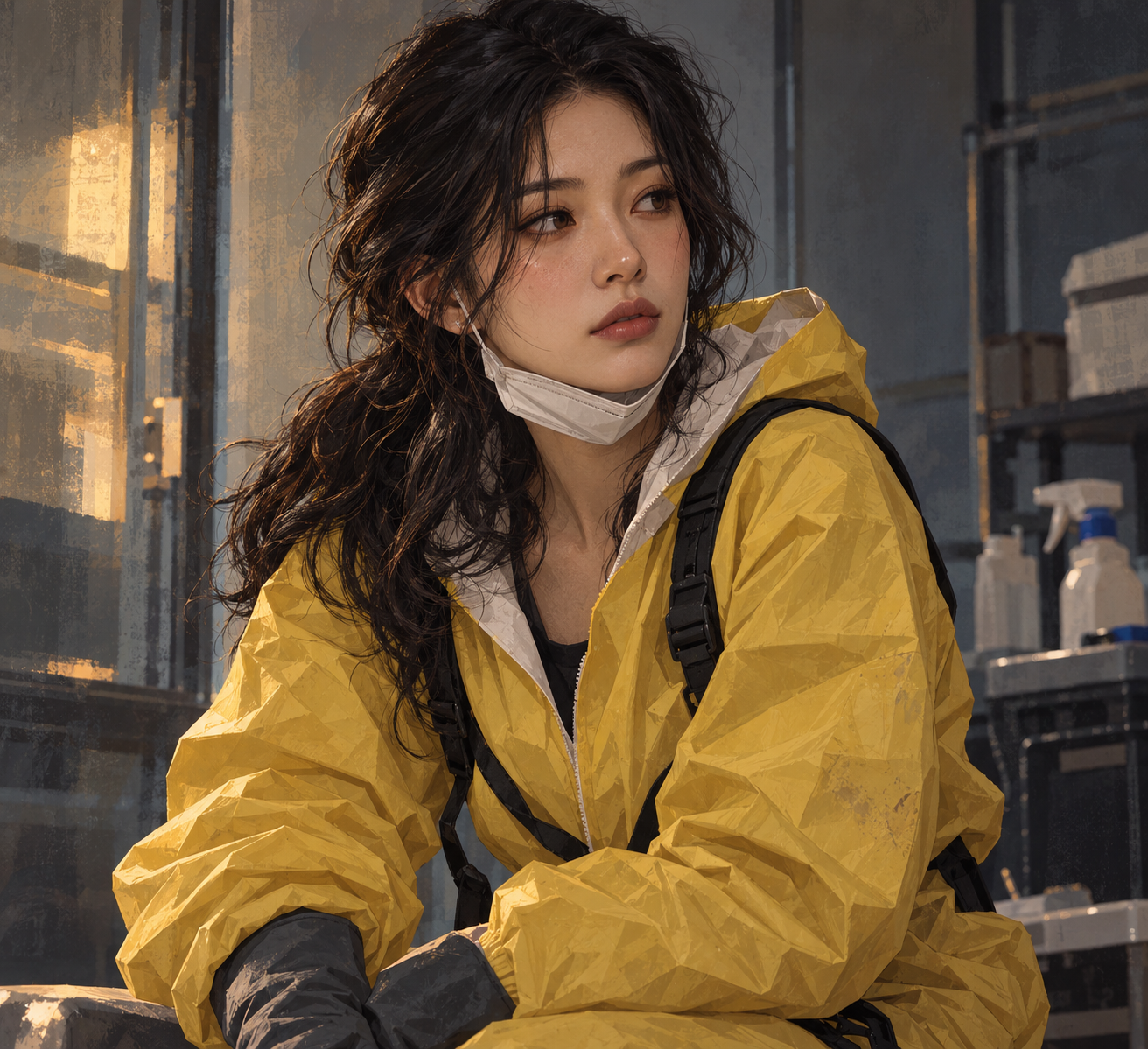
After witnessing her roommates being devoured by a hungry ghost, she flees with Cora following Harvey’s murder. A swarm of bats causes her to crash their car into an oak tree, killing her; she is buried unidentified on Hart Island.
Takes Cora in after she loses her apartment and helps her release lotus lanterns for the dead and establish an altar honoring their deceased loved ones.

Murdered in her bathtub by the serial killer, she later devours Ryan and Paisley during the ghost feast. After Cora burns Gracie Mansion and releases lotus lanterns, Yuxi is finally guided toward the afterlife. Pasted text
🔷 Supporting Characters

Escapes after killing Delilah and is never individually caught, but Officer Wang’s evidence eventually exposes the larger white-supremacist network and police cover-up.
Machine-gunned to death in bed to silence him, but his ghost gives Cora the hidden BACKUP drive that ultimately exposes everything.
Killed when Cora sets propane-filled Gracie Mansion ablaze; his death is followed by the leaking of Officer Wang’s evidence and nationwide protests.
Officer Wang’s leaked evidence exposes his role in the conspiracy, resulting in nationwide protests and his being placed on departmental leave.
Brutally hacked to death with an axe.
Murdered inside her hotel room.
His identity and extremist connections are ultimately exposed through Wang’s evidence.
Survives; the propane tanks stored in his church crypt are taken by Cora and used to burn Gracie Mansion.
After Lois expresses anti-Asian rhetoric at church, Cora stops attending and cuts ties with her.
Refers Cora to a neurologist, but she refuses to follow up.
Backs down after authorities threaten him with arrest and instead publishes pro-police PR stories.
The hungry ghost decapitates and devours her during the feast.
The hungry ghost rips off his head and devours his body.
Dies before the events of the novel.
Remains at the commune, where members farm kale and sleep on the founders’ graves.
Lives in Changsha with his third wife and two sons.
After Delilah dies, she removes all of Delilah’s belongings from Cora’s apartment.
Survives and is mentioned only as Harvey’s source. Pasted text
Employs Cora doing apartment deep cleaning and provides her with steady work and health insurance.
🕳️ Potential Plot Holes
Cora unlocks Officer Kevin Wang’s encrypted USB drive using 325, the same 3-2-5 knocking pattern communicated to her supernaturally. The book never explains why Wang would have independently chosen this exact number as his password before his death. Unless the ghost somehow knew Wang’s password and deliberately communicated it to Cora—which is a possible explanation but is never established—the connection between the supernatural knocking and his digital password feels conveniently engineered to move the plot forward.
Harvey’s uncle operates an under-the-table crime scene cleanup business, but the crew sometimes appears to gain access to scenes before normal forensic processing has finished. At Officer Kevin Wang’s apartment, they begin removing blood-soaked materials and cleaning while police photography is apparently still taking place. In a homicide investigation, cleanup would ordinarily wait until authorities released the scene, making this sequence difficult to reconcile with realistic evidence-preservation procedures. The business being unlicensed explains why the operation itself is questionable, but not why police would allow cleaners to destroy potential evidence.
After the hungry ghost kills and consumes Yifei’s roommates Ryan and Paisley, the surviving characters clean the scene and reason that their deaths cannot be proven because their bodies are gone. That may prevent an immediate murder investigation, but it does not explain away their disappearance. Two young adults abruptly abandoning their belongings and ceasing all contact would eventually attract attention from friends, relatives, employers, landlords, or police. The novel largely moves on without addressing the likely missing-person investigations or the scrutiny Yifei could face as their roommate.
Cora manages to transport three propane tanks to Gracie Mansion, reach the mayoral residence, pour propane around the porch, and ignite it without being stopped beforehand. Even if pandemic-era disruption and the supernatural chaos surrounding the climax provide some narrative cover, the official mayoral residence would normally have police protection, controlled access, and surveillance. Her ability to carry out such a conspicuous attack virtually uninterrupted is one of the novel’s biggest logistical stretches.
📚 Book Club Q&A's
⭐ Final Rating & Thoughts
Bat Eater and Other Names for Cora Zeng absolutely blew me away. I went in completely blind, and I’m so glad I did. This is horror that manages to be genuinely frightening while also having something important to say about racism, grief, anger, and whose deaths society decides are worth paying attention to.
The Chinese folklore was especially effective for me. Growing up in China, I remember being terrified of jiangshi, and after decades in the U.S., I had almost forgotten how deeply creepy those childhood stories could be. This book brought that feeling rushing right back.
I also loved the pandemic-era setting. The anti-Asian hatred, isolation, and fear of that period aren’t just background details—they’re woven directly into the horror, making the supernatural elements feel even more unsettling. And despite tackling some incredibly heavy subjects, the story never felt like a lecture. I was invested in Cora, the mystery, and the increasingly terrifying supernatural events from beginning to end.
Scary, furious, meaningful, and incredibly memorable. This is exactly the kind of horror I love.
✨ Adaptation description
Adaptation
There is currently no officially announced film or television adaptation of Kylie Lee Baker’s 2025 horror novel Bat Eater and Other Names for Cora Zeng. No production company, studio, streaming service, cast, director, or screenwriter has been publicly attached to the project, and no screen-rights deal has been announced.
The novel’s cinematic horror elements—including its pandemic-era New York City setting, Chinatown backdrop, supernatural Hungry Ghost mythology, crime-scene cleaning sequences, and escalating violence against Asian women—have prompted reader discussion about its screen potential, but these remain fan discussions rather than an adaptation in development.
✨ Books Like Bat Eater and Other Names for Cora Zeng (2025)
See an error on this page?