
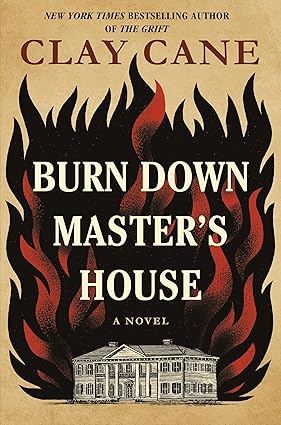
Burn Down Master’s House (2026)
Select Sections to Print
×Book Details
Burn Down Master’s House (2026)
Jump to Section
⚠️ Trigger Warnings
- Child abuse
- Physical abuse
- Sexual abuse
- Child sexual abuse
- Pedophilia
- Rape
- Sexual assault
- Parental death
- Murder
- Graphic violence
- Graphic bodily mutilation
- Torture
- Castration / genital mutilation
- Branding
- Chattel slavery
- Human trafficking
- Slave auctions
- Forced breeding / reproductive abuse
- Racism
- Racial slurs
- Hate speech
- Dehumanization / human commodification
⏱️ 2-Minute Spoiler Summary
Burn Down Master’s House follows several generations of enslaved and formerly enslaved Black characters whose lives become connected through escape, family, revenge, and resistance.
The story begins at Magnolia Row, a Virginia plantation owned by the vicious Montgomery Ragland. Luke, a nineteen-year-old enslaved house servant, is routinely sexually abused by Ragland’s son, Junior. Henri, newly sold to Magnolia Row, carries memories of his mother being murdered during his capture in Africa. Despite everything happening around them, Luke and Henri fall in love and decide to escape.
They are caught. Ragland mutilates Luke by cutting off part of his ear and castrates Henri. Instead of breaking them, the punishment convinces them to destroy the Raglands. On their shared nineteenth birthday, Luke kills Junior, Henri kills Mistress Kitty, and Luke kills Montgomery after Ragland shoots Henri. Henri dies in Luke’s arms after telling him to burn down the master’s house. Luke, Ruby, and fourteen-year-old Josephine set Magnolia Row ablaze.
Years later, Josephine is enslaved on the Baynard farm. After Lafayette Baynard sexually assaults her and his wife brutally whips her, elderly Mama Bess reveals that she has secretly poisoned enslavers for years. Josephine puts arsenic into an entire family dinner, and the enslaved people watch as the Baynards and their two children die. Josephine, Mama Bess, and thirteen-year-old Larkin escape to Pennsylvania, where Josephine helps raise and educate Larkin.
As an adult, Larkin becomes a free Black blacksmith in Gettysburg and falls in love with Charity Butler, an enslaved woman temporarily living in Pennsylvania. They marry and have two daughters, Harriet and Sophia. Charity believes that spending more than six months in Pennsylvania has legally made her free, but her enslaver, Norman Bruce, challenges her claim. The Pennsylvania Supreme Court rules that her stays do not qualify because they were not consecutive, and Charity and her daughters are dragged back to Maryland.
Years later, Bruce attacks fifteen-year-old Harriet in his blacksmith shed. Sophia intervenes, and the sisters kill him. Charity helps them destroy his body, and the three escape through a storm to an abolitionist safe house, where they are finally reunited with Larkin.
The final section takes place near Charleston during the Civil War. Nathaniel William, a wealthy Black slave owner, profits by pretending to shelter runaways and then selling them back to white enslavers. His own enslaved workers, including Abram and Emma Jane, increasingly resist him.
In February 1865, three Black Union soldiers arrive: an older Luke, Larkin, and Private Irvin. Luke is reunited with Solomon, whom he knew at Magnolia Row thirty years earlier. Luke reveals that Ruby escaped and is now married in Massachusetts, while Larkin says Josephine eventually died free.
With the Confederacy collapsing, Nathaniel’s enslaved people and the Union soldiers turn against him. They nail Nathaniel alive to the front door of his own house. The racist preacher Minister Woodward, who helped sustain and profit from slavery, is buried alive in the plantation graveyard.
Luke, Larkin, Solomon, Emma Jane, and Abram then set Nathaniel’s plantation on fire, repeating the act of destruction that began the novel at Magnolia Row. As the plantation burns, the story ends with its final promise of resistance: “We will answer with fire.”
📖 Full Spoiler Summary
Magnolia Row
Burn Down Master’s House begins on Magnolia Row, a massive cotton plantation in Goochland, Virginia, ruled by the sadistic Montgomery Ragland and his family.
A young enslaved African man named Henri arrives carrying memories of horrors that began long before Virginia. He remembers his village being burned during his capture in Africa and watching his mother’s skull being smashed against a rock. On his previous plantation, an enslaved woman named Suzie had begged him to father children with her because she feared being sold. Henri was unable to participate in the forced breeding, so his owner sold him to Ragland for $300.
At Magnolia Row, Henri meets Solomon and David, as well as Ruby, a fiercely defiant enslaved woman who works inside the big house. Ruby has essentially become a mother to fourteen-year-old Josephine, whose own mother died giving birth to her.
Most importantly, Henri meets Luke, a gentle, literate nineteen-year-old who was born on Magnolia Row. Luke secretly teaches Josephine numbers, but his position inside the house also makes him vulnerable to Montgomery Ragland Jr., known as Junior. Junior considers Luke his personal possession and repeatedly sexually abuses him.
Violence controls nearly every aspect of life on the plantation. After David and Solomon attempt to escape, Solomon is recaptured. Ragland gathers everyone together and makes an example of him by cutting off his big toe and driving a pin into his eye, leaving him permanently mutilated. Ruby is also sexually abused by Ragland and suffers a miscarriage. Determined never to bear one of his children, she drinks large quantities of castor oil.
Against this backdrop, Luke and Henri grow close. Their relationship becomes romantic, and they fall in love during the private moments they steal together near the river.
Eventually, they decide to run.
Before leaving, Luke visits his dying mother, Miss Emily, who has been isolated in a reaper’s cabin. Luke’s father killed himself years earlier rather than allow himself to be sold, leaving Luke as Emily’s only surviving child. Now terminally ill and suffering terribly, Emily asks Luke to end her life. With her permission, he uses a skinning blade to slit her throat and end her pain.
Luke and Henri follow Solomon’s advice to stay on high ground and avoid rivers, but bloodhounds eventually track them down. They are dragged back to Magnolia Row, where Ragland inflicts horrifying punishments. He saws off half of Luke’s ear and castrates Henri in front of the plantation.
The punishment does not destroy their determination. While recovering in an isolated shack, they begin planning revenge.
Burn Down Master’s House
Luke and Henri choose August 21, their shared nineteenth birthday, as the night they will strike.
Shortly after midnight, they enter the Ragland mansion. Luke finds Junior in bed and kills the man who has abused him by hacking him apart with a broadax. When Mistress Kitty Ragland discovers them, Henri kills her with the ax.
Montgomery Ragland appears carrying a shotgun and shoots Henri in the chest and hands. Luke charges him. He severs Ragland’s arm with the ax before gouging out both of his eyes with his thumbs, killing the plantation owner.
Henri is mortally wounded. Luke carries him outside, where Henri dies in his arms. His final instruction to Luke is simple: burn down the master’s house.
Luke does exactly that.
Ruby and Josephine join him as he covers the mansion in kerosene and sets it on fire. The flames spread beyond the house into the cotton fields until Magnolia Row—the plantation, the crops, and the physical center of the Raglands’ power—is reduced to ashes.
Luke, Ruby, and Josephine survive, but they are separated afterward.
Josephine Poisons the Baynards
Years later, Josephine is eighteen and enslaved on the much smaller Baynard farm in Goochland.
The household is controlled by Lila Anne Baynard, who insists on being called Lady Baynard, and her drunken husband, Lafayette Baynard. Their fourteen-year-old son and eight-year-old daughter have already learned their parents’ cruelty and enjoy tormenting the enslaved people around them.
Josephine has become especially protective of thirteen-year-old Larkin, whose parents were sold away on New Year’s Day. She treats him like a younger brother or son, just as Ruby once protected her.
One morning, Lafayette sexually assaults Josephine in the kitchen. Because the attack delays breakfast, Lady Baynard becomes furious. When Josephine responds defiantly to her complaints about the cold food, Lady Baynard has her brutally whipped.
Afterward, elderly Mama Bess tends Josephine’s wounds and reveals a secret. For decades, she has used poison as what she calls “bad medicine” against enslavers. She casts four cowrie shells, and when two land faceup and two facedown, she interprets it as permission from the ancestors to act.
Josephine retrieves Mama Bess’s hidden arsenic from behind the kitchen clock.
She then prepares an elaborate dinner for the Baynards: roast pork, honey-covered cornbread, seasoned greens, and sweet tea. Every part of the meal contains arsenic.
The Baynards eagerly eat it.
Before long, Lafayette, Lila Anne, and their children begin vomiting and convulsing. Josephine, Mama Bess, Larkin, and the other enslaved people gather around the dining room and watch as all four members of the family die.
Weeks later, Sheriff Warren Graves discovers their decomposing bodies still lying in the dining room. By then, an abolitionist network has helped Josephine, Larkin, and Mama Bess escape north.
They settle in a cottage in Pennsylvania. Josephine sends Larkin to school and continues teaching him the numbers Luke once taught her. Mama Bess eventually dies peacefully in bed—not enslaved, but free.
Larkin and Charity Build a Family
Larkin grows into a free Black blacksmith in Gettysburg, Pennsylvania, where he owns his own shop.
His life changes when Charity Butler, a twenty-year-old enslaved woman from Maryland, arrives in Gettysburg. Charity has been leased by her owner, Norman Bruce, to Clara Petterson, who needs help caring for her baby daughter, Gertrude.
Clara is estranged from her slaveholding husband and treats Charity differently from the enslavers Charity has known. She even teaches Charity to read using Jane Austen’s Sense and Sensibility.
Charity and Larkin begin seeing each other, and Larkin explains Pennsylvania’s Gradual Abolition Act of 1780 to her. He believes that an enslaved person who resides in Pennsylvania for six months becomes free.
Across repeated visits, Charity spends a total of 183 days in Pennsylvania. She and Larkin fall in love, marry, and eventually have two daughters, Harriet and Sophia, who are born free.
Believing she has satisfied Pennsylvania’s residency requirement, Charity tells Clara she will not return to Maryland. Clara supports her decision and leaves Charity an address in Vermont in case she ever needs help.
Norman Bruce, however, refuses to lose what he considers his property.
He takes the case to court and hires Gettysburg lawyer Thaddeus Stevens. Bruce’s legal argument is that Charity’s stays in Pennsylvania were not consecutive and therefore cannot be combined to satisfy the six-month requirement. The Pennsylvania Supreme Court agrees.
Charity loses her freedom.
Worse, the ruling declares Harriet and Sophia Bruce’s property as well. Guards tear Charity and her daughters away from Larkin and return them to Maryland.
Charity and Her Daughters Escape
Years pass on Bruce’s deteriorating plantation.
Separated from Larkin and stripped of the life she had built, Charity falls into a nearly catatonic depression. Harriet, now fifteen, and Sophia, thirteen, work in Bruce’s blacksmith shed.
Then Pedro, a stagecoach driver Charity knew through Clara, secretly delivers a letter. Clara has arranged an escape route. Charity and her daughters are instructed to reach 145 River Road, a safe house recognizable by its white chimney with a black top.
Before they can escape, Bruce corners Harriet alone in the blacksmith shed during a rainstorm. Armed with a red-hot poker, he attempts to rape her.
Sophia bursts in and attacks Bruce with a sledgehammer.
The sisters fight back together. Harriet smashes Bruce’s knee and groin, brands his chest with a hot iron, and finally saws off his head.
The violence jolts Charity out of her withdrawn state. She joins her daughters in disposing of Bruce’s body. They dismember him, burn his remains in the forge, and crush what remains of his skull into ash.
Then they flee.
Charity, Harriet, and Sophia struggle through the storm until they finally reach the house at 145 River Road. An unnamed white-bearded abolitionist lets them inside.
Waiting there is Larkin.
The family is finally reunited and prepares to relocate to Vermont.
Luke and Larkin Return
The final part of the novel moves to South Carolina during the Civil War.
Near Charleston lives Nathaniel William, a wealthy Black man who purchased his own freedom but has become a slave owner himself. Nathaniel despises other Black people and has built a profitable scheme around runaways: he pretends his farm is a refuge, then secretly sells fugitives back to white enslavers.
One of his victims is Evalina, who escapes sexual abuse with her four-year-old son, Thomas. Nathaniel promises them safety while privately arranging to sell them back to planter Zeb Turner for $500.
Nathaniel’s own enslaved workers increasingly hate him. Abram, a young house servant forced to help break captured runaways, tries to poison Nathaniel with mushrooms and lye. Nathaniel discovers the attempt and forces Abram to eat the poisoned food himself.
Another enslaved woman, Emma Jane, begins preparing a different form of retaliation. Using grave dirt, iron nails, and Nathaniel’s bloodstained razor, she creates a binding spell.
Nathaniel also depends on Minister Woodward, a white preacher and businessman who uses scripture to justify slavery while profiting from it. But Woodward has no respect for Nathaniel. After watching Nathaniel viciously whip Abram for accidentally spilling gravy, Woodward reminds him that owning enslaved people will never make white society consider him an equal. He then demands $1,000 from Nathaniel over the Evalina deal.
By February 1865, Charleston is falling to Union forces, and Nathaniel becomes increasingly paranoid.
Then three Black Union soldiers arrive at his property.
One is Larkin Butler.
Another is Luke, now nearly fifty years old, still recognizable by his missing half-ear.
Luke discovers Solomon, his old friend from Magnolia Row, on Nathaniel’s property. The two men reunite after thirty years apart. Luke tells Solomon that he escaped with Ruby after Magnolia Row and that Ruby is now married and living in Massachusetts. Larkin also reveals that Josephine lived long enough to die as a free woman.
The Plantation Burns Again
Nathaniel refuses to accept that his power is disappearing. He screams racial slurs at the Union soldiers and insists that the plantation and everyone living on it belong to him.
Emma Jane decides that simply shooting him would be too merciful.
Nathaniel is dragged to the heavy oak front door of his own mansion. Abram forces grave dirt into his mouth. Solomon, Larkin, Emma Jane, and Luke each hammer an iron nail through one of Nathaniel’s hands or feet, fastening him alive to the door in an X.
Minister Woodward then arrives expecting to collect his money.
Instead, Larkin shoots Woodward’s horse. The soldiers and formerly enslaved people drag the preacher into the plantation graveyard and throw him into a shallow grave alongside a split pink snake. Woodward is buried alive.
Then Luke, Larkin, Solomon, Emma Jane, and Abram take up torches.
They set Nathaniel William’s plantation ablaze.
Nathaniel remains nailed to the front door as the house catches fire around him. Once again, a plantation built on slavery is consumed by flames, just as Magnolia Row was decades earlier.
Luke began his journey as a nineteen-year-old enslaved man burning the plantation where Henri died. Now, decades later, he stands beside Larkin—the boy Josephine once protected and taught—as another master’s house burns to the ground.
The novel ends as Nathaniel’s plantation turns to ash with a final declaration:
“We will answer with fire.”
🔚 Ending Explained
How Does Burn Down Master’s House End?
The ending of Burn Down Master’s House brings the novel full circle in February 1865, near Charleston, South Carolina. With the Civil War nearing its end, the story returns to characters whose lives have been shaped by decades of enslavement, separation, resistance, and survival.
Three Black Union soldiers arrive at the plantation of Nathaniel William: Luke, now nearly fifty and still bearing the mutilated ear from his years in bondage; Larkin Butler, who joined the Union Army after his wife and daughters were stolen back into slavery; and Private Irvin.
Nathaniel is himself a formerly enslaved Black man who purchased his freedom but then became wealthy by betraying other Black people. He lured fugitives with promises of safety, only to sell them back into slavery. When the Union soldiers arrive, he confronts them with a shotgun, insisting on his ownership of his plantation and enslaved workers while hurling racial slurs at them.
Then comes one of the ending’s most emotional moments.
Solomon, who has endured thirty years of enslavement since being captured at Magnolia Row, recognizes Luke by the scar left by his severed ear. Solomon removes his eye patch, revealing his own scarred eye socket, and the two men realize who they are.
After three decades apart, Luke and Solomon are reunited.
Luke tells Solomon that he escaped Magnolia Row with Ruby, who eventually married and became an abolitionist in Massachusetts. Larkin also reveals that he once encountered Josephine on another plantation and that she ultimately died free. The reunion therefore reconnects the survivors with people and stories that had seemingly disappeared into the machinery of slavery.
But the novel does not end simply with reunion. It ends with reckoning.
Luke initially intends to shoot Nathaniel, but Emma Jane intervenes. A bullet, she argues, would be far too merciful for someone who built his freedom upon the enslavement of others.
Instead, Nathaniel is dragged to the massive white oak front door of his mansion—the object that has represented his wealth, status, and authority. Abram forces warrior grave dirt into his mouth. Then Solomon, Larkin, Emma Jane, and Luke take hammers and drive iron nails through Nathaniel’s hands and feet, fastening him alive to the door in the shape of an X.
Before the punishment is complete, Minister Woodward arrives to collect the $1,000 Nathaniel owes him. Woodward is the white preacher who used Christianity to defend slavery while profiting from slave sales and exploiting Nathaniel financially.
He receives his own judgment.
After Larkin shoots Woodward’s horse from beneath him, the group takes the minister to the neglected Black burial ground. There, Solomon encounters a pink snake and crushes it before throwing it into Woodward’s grave. The moment deliberately echoes Henri killing a pink snake at Magnolia Row decades earlier.
Woodward is then buried alive, suffocating beneath the grave dirt as the others shovel it over him.
Finally, Luke fulfills the promise that has defined his life since Henri’s death:
Burn down master’s house.
Torches are lit. The mansion burns. The cotton fields burn. The plantation burns.
And Nathaniel, still nailed to the oak door that once embodied everything he believed he had achieved, burns with it.
The novel then expands beyond the immediate story, connecting the destruction of the plantation in 1865 with later struggles against oppression, historical erasure, and tyranny. Its final declaration transforms the literal fire of Luke’s rebellion into a metaphor meant to survive beyond him:
“We will answer with fire.”
What the Ending Means
The ending is deliberately circular. The novel begins with fire at Magnolia Row and ends with fire on Nathaniel’s plantation. But the meaning of that fire has evolved. What initially represents an individual act of rebellion becomes, by the finale, something collective and intergenerational.
Luke’s promise to Henri survives thirty years. That matters because Henri himself does not need to survive for his resistance to survive. Luke carries it. Solomon carries it. Josephine carries it. Larkin carries it. Emma Jane carries it. Their individual acts become part of the same continuing struggle.
That makes memory itself a form of resistance.
The reunion between Luke and Solomon reinforces this idea beautifully. Slavery succeeded in separating their bodies for decades, but it could not completely erase their identities or their connection. Their scars become a grotesque kind of identification: Luke’s missing ear and Solomon’s ruined eye are evidence of what was done to them, but they also allow the men to recognize one another. The physical marks intended to degrade them ultimately testify to their survival.
Nathaniel and the Door
Nathaniel’s death contains the ending’s clearest symbolism.
The oak front door represents the identity Nathaniel has constructed for himself. He has escaped slavery only to reproduce its hierarchy, imagining that property, wealth, enslaved labor, and proximity to planter culture can make him powerful enough to escape the system’s contempt.
Instead, he is literally attached to the symbol of that aspiration.
The door that once announced his status becomes his execution site. And when the house burns, Nathaniel burns with the social order he tried to join.
His fate also complicates the novel’s treatment of oppression. Nathaniel has experienced racism and enslavement himself, but that history does not excuse what he becomes. The novel distinguishes sharply between having been victimized and choosing to victimize others. Nathaniel’s tragedy is that rather than destroying the hierarchy that oppressed him, he attempts to climb to its top.
Grave Dirt, the Snake, and the Hammer
Emma Jane’s grave dirt turns the execution into something larger than personal revenge. The dead symbolically participate alongside the living. Nathaniel is not merely being punished by Luke or Solomon; he is being judged in the presence of generations of people whose suffering made his wealth possible.
The pink snake provides another striking circular image. Henri kills one near the beginning of the story; Solomon kills another at its end. The repetition links the two men and the two eras, suggesting that the poison embodied by slavery and its defenders continually resurfaces and must continually be confronted.
The hammer undergoes a similar transformation. Larkin’s blacksmithing skill once existed within a world in which Black labor enriched other people. Now that same skill becomes an instrument of his own agency. Labor is reclaimed from the enslaver.
Why Luke Burns Everything
Most importantly, Luke does not simply liberate the enslaved people and leave Nathaniel’s plantation standing.
He destroys the plantation itself.
That choice expresses the novel’s central argument about freedom: liberation requires more than changing who controls an oppressive structure. The structure itself must go.
Luke therefore fulfills Henri’s request on both a literal and symbolic level. “Burn down master’s house” means setting fire to a building, but by the finale it also means refusing to inherit the master’s worldview.
The house cannot simply have a new master.
There must be no master’s house.
The Meaning of the Final Line
That is why the ending’s tone is so furious, ceremonial, apocalyptic, and triumphant. It offers almost no interest in forgiveness or reconciliation. Instead, it presents destruction as a form of liberation.
And the final “We will answer with fire” deliberately pulls the reader out of 1865.
The Civil War may be ending, but the novel refuses to present emancipation as the end of the struggle. The implication is that systems of oppression can survive their original institutions through historical revisionism, political manipulation, racial hierarchy, concentrated power, and attempts to erase uncomfortable truths.
So the fire becomes metaphorical.
It represents refusal. Memory. Resistance. The willingness to confront systems that demand submission rather than merely finding a comfortable place within them.
That also explains why Nathaniel is such an important final antagonist. The novel could have concluded by defeating another white plantation owner. Instead, Nathaniel demonstrates something more unsettling: oppression can reproduce itself through people who were once its victims when they adopt its values and profit from its machinery.
Ultimately, Burn Down Master’s House ends by arguing that freedom is something its characters seize rather than something history graciously gives them. Luke’s Union uniform matters, but the novel places the emotional culmination elsewhere—in the promise he made to Henri thirty years earlier.
Henri doesn’t live to see the plantation burn.
But Luke does.
And when Luke finally lights the fire, he completes an act of resistance that began a generation earlier. The master’s house disappears, but the memory of everyone who fought against it survives.
The house burns. The promise doesn’t.
👤 Characters & Fates
🔶 Main Characters

After years of abuse, Luke kills Junior, gouges out Montgomery Ragland’s eyes, and burns Magnolia Row after Henri dies in his arms. He escapes to Massachusetts with Ruby, joins the 14th Colored Infantry, reunites with Solomon 30 years later, helps execute Nathaniel William and Minister Woodward, and burns Nathaniel’s plantation.

After a failed escape, Montgomery Ragland castrates him. On his and Luke’s nineteenth birthday, Henri joins the uprising but is shot and dies in Luke’s arms, telling him, “Burn down master’s house. Burn it down, Luke.” Pasted text(20261117-194121)
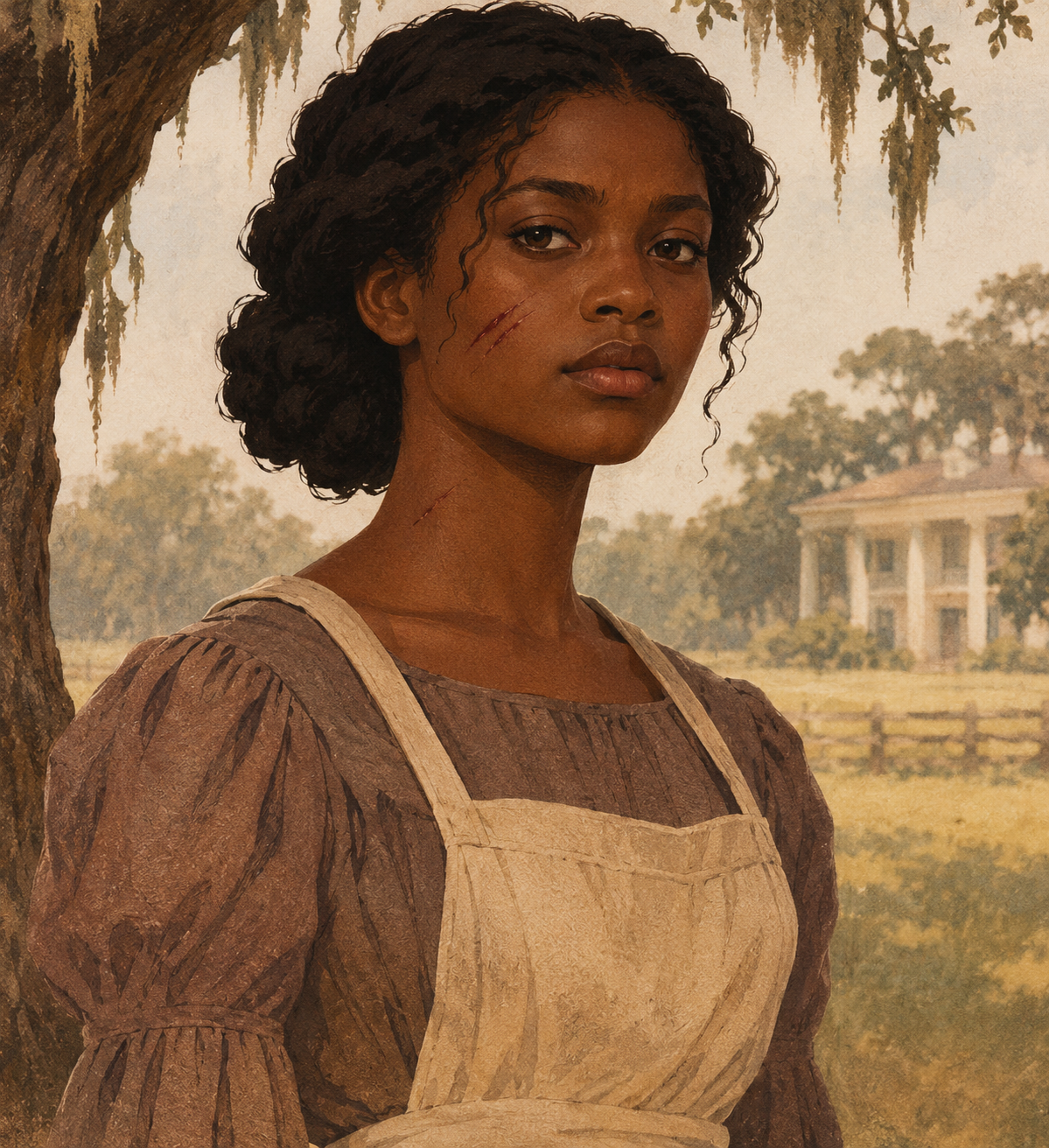
After Lafayette sexually assaults her and Lady Baynard whips her, Josephine poisons the entire Baynard family with arsenic hidden behind the kitchen clock. She escapes to Pennsylvania with Larkin and Mama Bess, lives as a free woman, and eventually dies young from illness.

Escapes with Josephine and Mama Bess, builds a successful blacksmith business, and marries Charity. After Charity and their daughters are re-enslaved, he joins the Union Army, fights alongside Luke, helps destroy Nathaniel William’s plantation, and ultimately reunites with Charity and their daughters in Vermont.
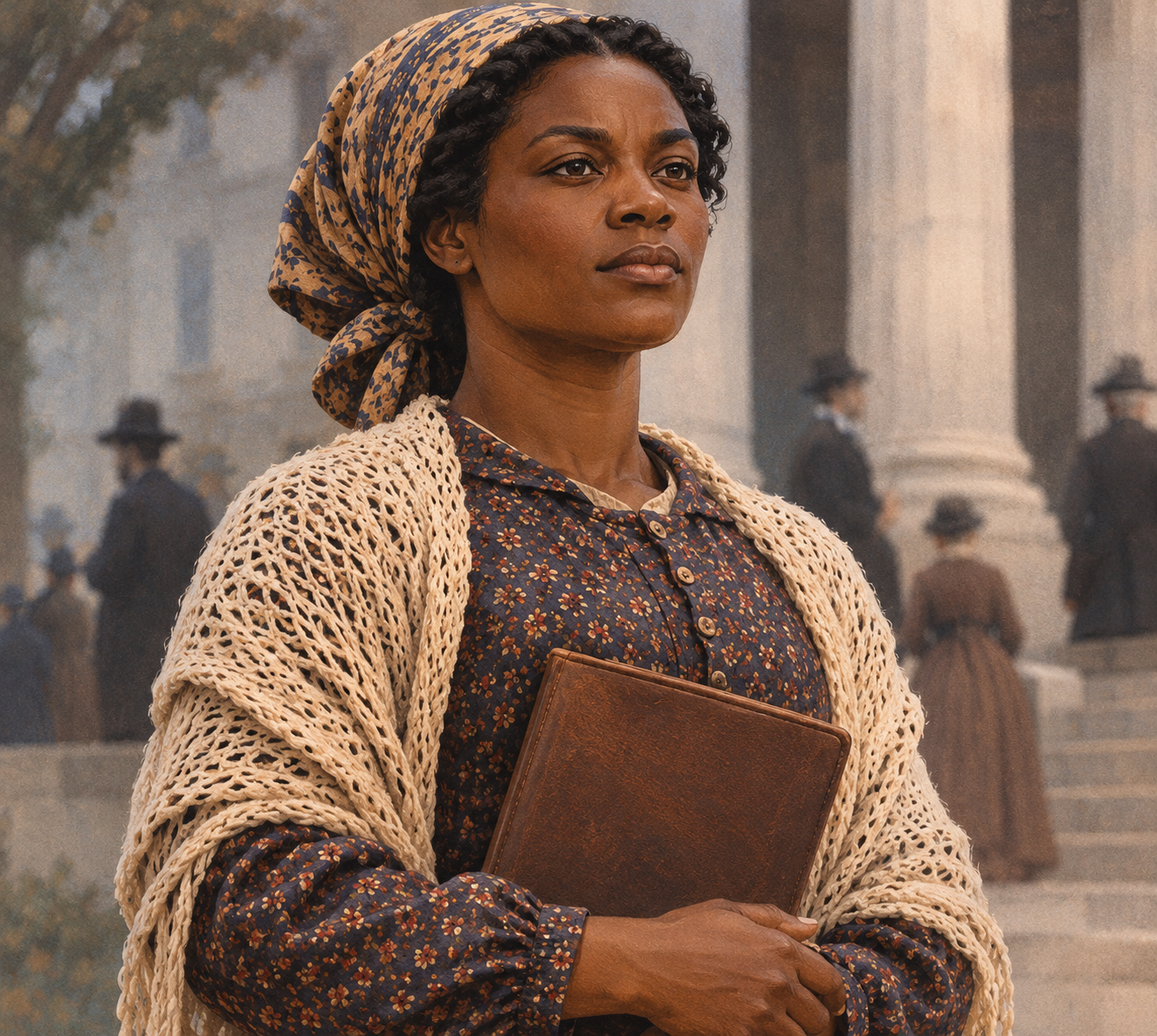
After spending 183 nonconsecutive days in Pennsylvania, Charity claims freedom, but Norman Bruce successfully has her and her daughters legally re-enslaved. After Harriet and Sophia brutally kill Bruce, Charity helps destroy his body and escapes with them through a storm, eventually reuniting with Larkin in Vermont.

After making his fortune tricking runaways into believing he will protect them and then reselling them, Nathaniel is overpowered by Luke, Larkin, Irvin, Solomon, Emma Jane, and Abram. Grave dirt is forced into his mouth, he is nailed through his hands and feet to his own front door, and he burns alive when his plantation is torched. Pasted text(20261117-194121)

After suffering sexual abuse and a miscarriage, Ruby deliberately destroys her fertility with castor oil. She helps Luke burn Magnolia Row, escapes with him to Massachusetts, marries, and becomes an active abolitionist.

After an attempted escape, Ragland cuts off his big toe and blinds his left eye. Thirty years later, Solomon reunites with Luke, drives a nail through Nathaniel’s hand, helps bury Minister Woodward alive, and watches Nathaniel’s plantation burn.

After mutilating Solomon, castrating Henri, severing Luke’s ear, and killing Luke’s mother, Ragland shoots Henri during the uprising. Luke attacks him with a broadax, severs his arm, gouges out both eyes with his thumbs, and leaves him to die before Magnolia Row burns.

After sexually abusing Luke for years and chaining him beside his bed, Junior is cornered during the uprising. Luke hacks him apart with a broadax while Henri muffles his screams, and his mangled corpse is left inside the burning mansion.
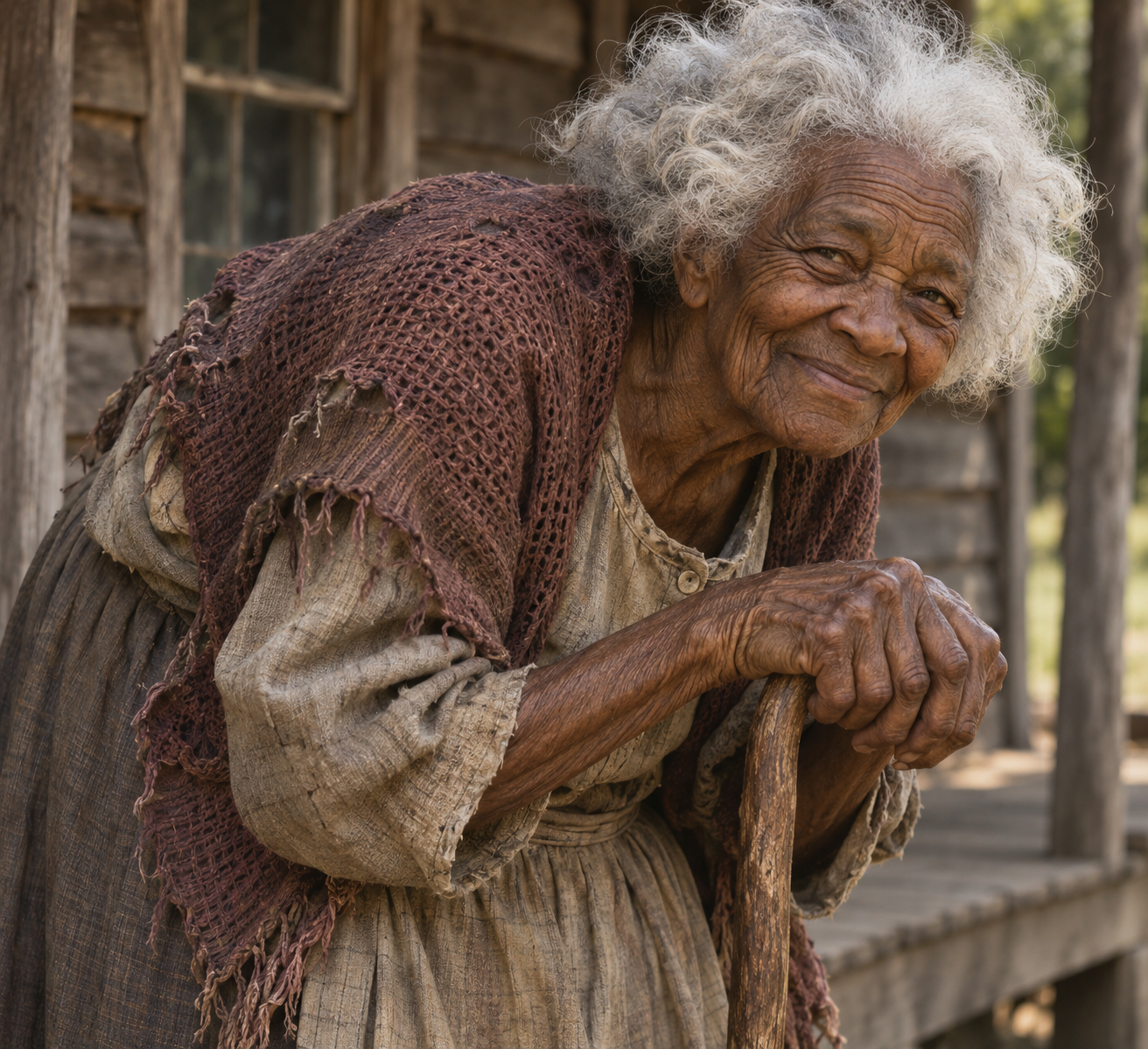
She reveals her history of giving white masters “bad medicine,” directs Josephine to hidden arsenic, and watches the Baynards die. She escapes to Pennsylvania with Josephine and Larkin and later dies peacefully in bed as a free woman.
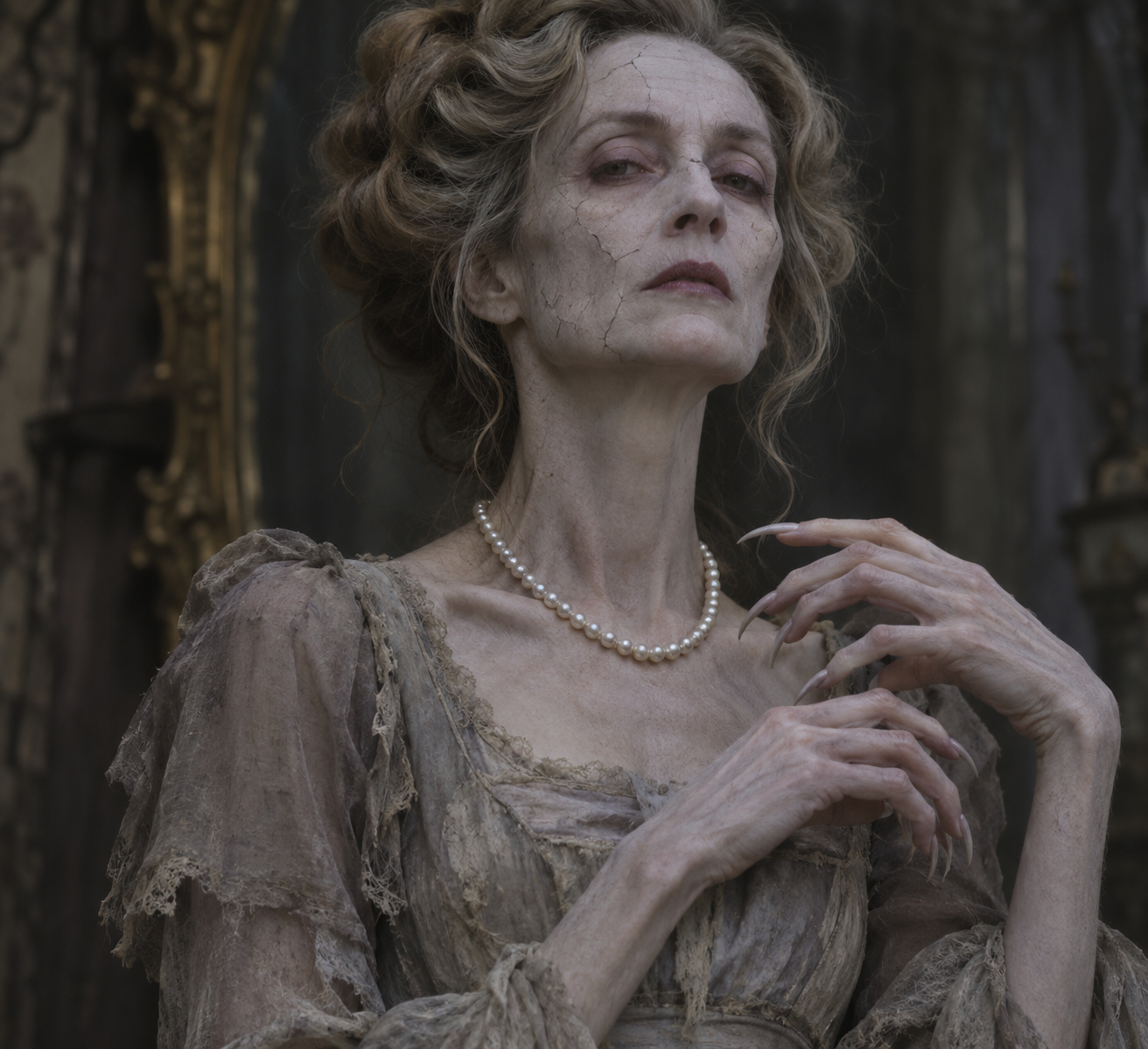
After viciously whipping Josephine, she unknowingly eats Josephine’s arsenic-laced meal. She watches her children die, vomits and convulses, and dies on the dining-room floor beside the rest of her family.

After sexually assaulting Josephine, Lafayette eagerly eats her arsenic-laced feast. He collapses, vomits bile, begs Josephine for mercy, and dies convulsing on the dining-room floor. Pasted text(20261117-194121)

Clara teaches Charity to read and ultimately refuses to surrender her willingly to slave catchers. She threatens Norman Bruce with a revolver, secretly arranges Charity’s escape through the Underground Railroad, and returns to Vermont with baby Gertrude.

Bruce hires Thaddeus Stevens and succeeds in re-enslaving Charity and her daughters. When he later attempts to rape Harriet, Sophia hits him with a sledgehammer and Harriet brutally kills and beheads him; Charity and her daughters dismember his body, burn it in the forge, pulverize his skull, and escape.

After being re-enslaved, Harriet is attacked by Norman Bruce in the blacksmith shed. With Sophia’s help, she crushes his knee and groin, brands him, saws off his head, helps destroy his remains, and escapes with her mother and sister to reunite with Larkin in Vermont.

When Bruce attacks Harriet, Sophia strikes him with a sledgehammer, helping her sister kill him. She then escapes Maryland with Harriet and Charity and reaches safety in Vermont.
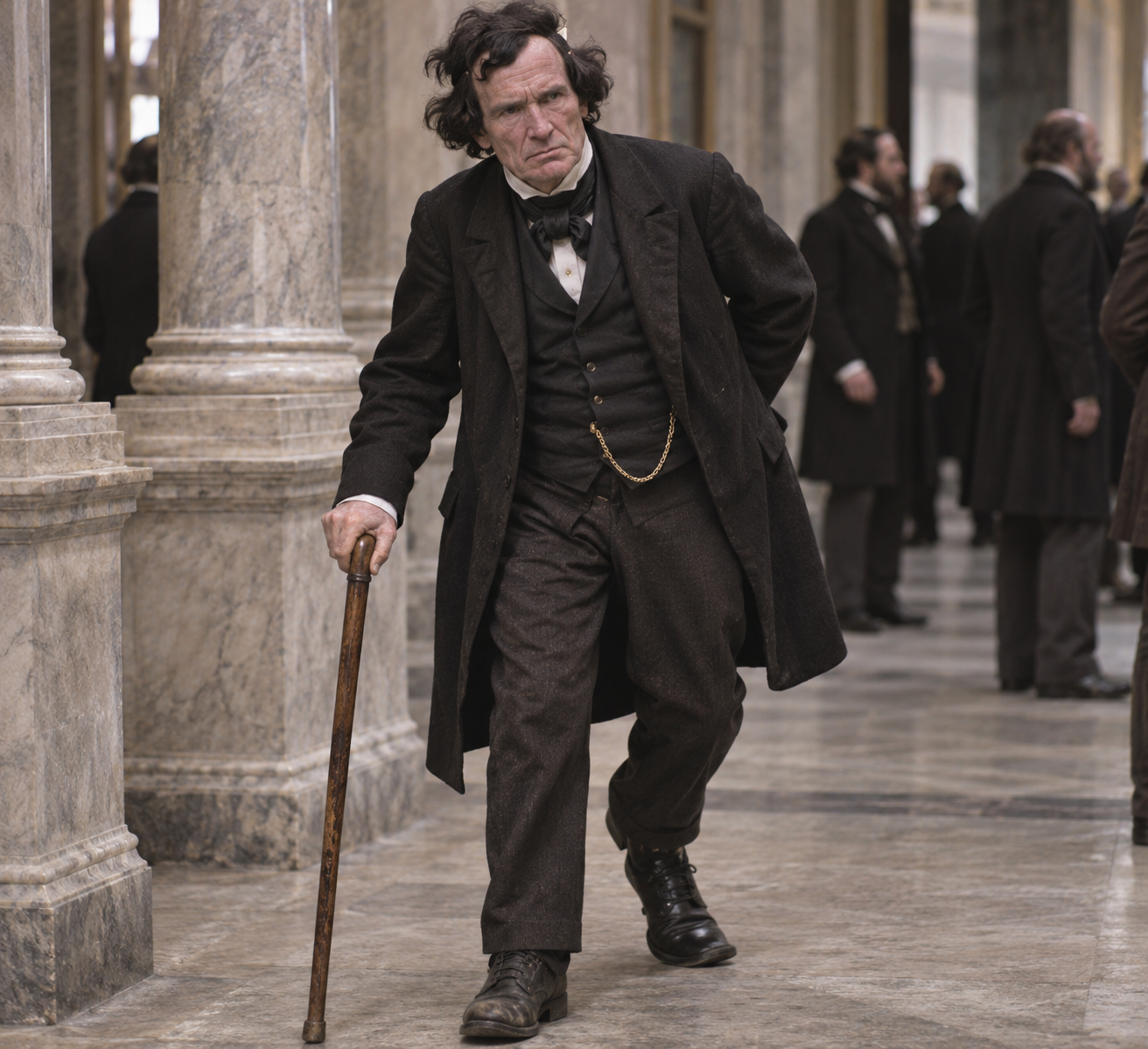
Stevens successfully convinces the Pennsylvania Supreme Court that Charity’s nonconsecutive stays do not make her free, resulting in her and her daughters’ re-enslavement. Horrified by the human consequences, he burns Bruce’s thank-you letter and moves toward the radical abolitionism that defines his later career.

She prepares a binding jar using grave dirt, iron nails, and Nathaniel’s razor, then helps direct his punishment and Minister Woodward’s execution when Union soldiers arrive. She watches Nathaniel’s estate burn and finally becomes free.
🔷 Supporting Characters

She enjoys watching brutal punishments until Henri kills her during the August 21 uprising.
Terminally ill and suffering, she gives Luke her blessing to end her life; he mercy-kills her shortly before launching his revolt against the Raglands.
Henri refuses to participate in forced breeding, so he is sold to Magnolia Row while Suzie is left behind.
He escapes Magnolia Row alongside Solomon but takes a different route and avoids Solomon’s recapture.
Both eat Josephine’s arsenic-laced cornbread and die on the dining-room floor with their parents.
They join Josephine and Mama Bess in watching the Baynard family die and then leave the plantation for freedom.
Weeks after the poisoning, he discovers the Baynard family’s decomposing bodies and realizes all of their enslaved workers have escaped.
She eventually leaves Gettysburg with Clara and returns with her to Vermont.
He abandons Clara with debts and later reclaims his property, prompting Clara to return to Vermont.
He delivers Clara’s covert letter to Charity on Norman Bruce’s plantation, helping arrange Charity and her daughters’ escape.
She remains at Stevens’s law office after the Charity Butler case.
He helps Charity submit her testimony but loses the Supreme Court case and comforts the Butler family after the devastating ruling.
After participating in resistance against Nathaniel, Abram helps confront him when Union soldiers arrive in 1865 and gains his freedom.
Nathaniel pretends to offer her refuge but instead sells Evalina and Thomas back to her abusive former enslaver, Zeb Turner, for $500.
Nathaniel betrays him and Evalina, selling both back to Zeb Turner.
He pays Nathaniel $500 to regain possession of Evalina and Thomas.
When he arrives to collect Nathaniel’s debts in 1865, Union soldiers capture him. The formerly enslaved workers throw him into a grave, and Solomon helps bury him alive.
He accompanies Luke and Larkin to Nathaniel William’s plantation, helps secure the estate, and stands guard during its liberation and destruction.
After Henri refuses to impregnate Suzie, Old Master sells him to Montgomery Ragland for $300.
He welcomes Charity, Harriet, and Sophia into his safe house, reunites them with Larkin, and helps send the family onward to Vermont.
🕳️ Potential Plot Holes
Charity’s legal battle is based on the real Butler v. Delaplaine, decided by the Pennsylvania Supreme Court in 1821, but the novel moves the case into the late 1840s. This is an intentional historical alteration rather than a true plot hole: the timeline is shifted so Charity’s story can intersect with Larkin’s and connect the earlier narratives to the Civil War-era conclusion.
Larkin is thirteen when he escapes the Baynard farm, yet before the Civil War he has time to live with Josephine for years, move to New York, return to Gettysburg, establish himself as a successful blacksmith, marry Charity, and raise daughters who reach fifteen and thirteen. He then serves as a Union soldier in 1865. The chronology can technically work if these events occur at the earliest possible dates, but it requires an unusually compressed timeline and makes Larkin’s age and accomplishments feel strained.
📚 Book Club Q&A's
⭐ Final Rating & Thoughts
Burn Down Master’s House is a book whose subject matter I found far more compelling than its execution. I appreciated learning about the real people and historical events that inspired these stories, and the author’s note actually made me want to know more. There are also genuinely powerful moments throughout the novel, particularly when the characters fight back against a system designed to strip them of every ounce of humanity.
Unfortunately, the writing kept getting in the way. The prose often felt clunky, the conspicuously varied dialogue tags became distracting once I noticed them, and I never connected emotionally with the story as deeply as I should have given the material. The violence also left me in a strange place—not because I couldn’t understand the characters’ rage or desire for vengeance, but because I was never quite sure what the novel wanted me to feel about it.
And then there was the audiobook. The author’s monotone, oddly staccato narration was so difficult for me to listen to that I eventually abandoned the audio and switched to print—something I have literally never done before.
Important history, fascinating inspiration, memorable characters...but the storytelling itself simply didn’t work for me.
✨ Adaptation description
Screen Adaptation
As of November 2026, there is no officially announced film or television adaptation of Burn Down Master’s House by Clay Cane. No studio, network, production company, director, or cast has been publicly attached to the novel, and there has been no confirmed announcement that the screen rights have been optioned.
Published by Dafina Books on January 27, 2026, Burn Down Master’s House is a historical novel following interconnected stories of enslaved Black characters fighting for freedom across the decades leading into the Civil War. Its story moves among multiple characters and locations, including Magnolia Row in Virginia, Pennsylvania, Maryland, and Civil War–era South Carolina.
Although the novel’s multi-character structure, historical setting, violent confrontations, escapes, acts of rebellion, and Civil War climax could lend themselves to a film or limited-series format, any potential screen version remains speculative. Author Clay Cane has not publicly announced an adaptation deal or confirmed that a production is in development.
✨ Books Like Burn Down Master’s House (2026)
See an error on this page?