
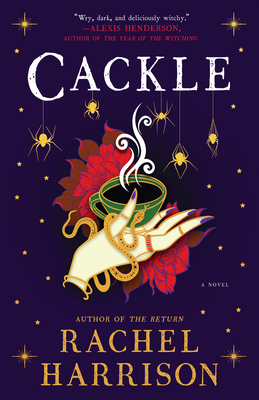
Cackle (2021)
Select Sections to Print
×Book Details
Cackle (2021)
Jump to Section
⚠️ Trigger Warnings
-
Arachnophobia (spiders, swarms, giant spiders)
-
Body horror and gore
-
Graphic supernatural violence
-
Drowning and near-drowning
-
Witch persecution and executions
-
Emotional abuse and gaslighting
-
Infidelity and toxic relationships
-
Anxiety and panic attacks
-
Death of a parent and grief
-
Parental neglect
-
Ghosts and disturbing supernatural imagery
-
Alcohol abuse and blackouts
-
Hallucinogenic drug use
-
Bullying and harassment
-
Body shaming and eating disorder references
⏱️ 2-Minute Spoiler Summary
Annie Crane turns thirty while her life is falling apart. Her boyfriend of nearly a decade, Sam, has ended their relationship, and Annie can no longer afford Manhattan on her own. She accepts a teaching job near the tiny upstate New York town of Rowan and moves into a furnished apartment there, hoping distance will help her recover. Almost immediately, Rowan feels strange. Townspeople stare at her, spiders keep appearing around her apartment, and Annie hears an unfamiliar voice soothing her to sleep.
Then she meets Sophie, an extraordinarily beautiful, mysterious woman who lives alone in an enormous mansion in the woods. Sophie quickly befriends Annie, showering her with food, gifts, attention, and affection. The people of Rowan treat Sophie with a mixture of reverence and fear, often giving her things for free. Annie soon discovers why: Sophie has lived in Rowan for centuries and possesses supernatural powers. She controls spiders, manipulates objects, heals injuries, and curses people who upset her.
When Annie’s students mock her by making bird noises because her last name is Crane, Sophie retaliates. One boy becomes violently ill and coughs up a live spider. Sophie eventually admits she cursed him because she couldn’t tolerate seeing Annie mistreated.
Instead of running away, Annie becomes increasingly fascinated by Sophie’s world. Sophie gives her beautiful clothes, comforts her after Annie learns Sam has a new girlfriend named Shannon, and encourages her to stop defining herself through her former relationship. Annie also discovers that Sophie’s mansion is haunted. One ghost nearly drowns her in Sophie’s swimming pool, but Sophie magically heals Annie’s broken foot afterward.
Annie’s own powers gradually begin emerging. During a horrible double date arranged by her vice principal Jill, Jill’s obnoxious husband Dan humiliates Annie throughout dinner. After Annie sees mysterious words encouraging her to fight back, Dan begins choking and pulling bloody animal bones from his mouth. Annie assumes Sophie did it, only for Sophie to reveal that Annie caused it herself.
From there, Annie’s magic grows stronger. She levitates bones, produces enormous quantities of flowers, breaks objects with her mind, and develops a deeper connection with Sophie’s enormous spider companion, Ralph. She also learns that many Rowan residents fear Sophie. Oskar, whose wife once sought Sophie’s help before leaving him, believes Sophie destroys people and is now corrupting Annie. Annie secretly overhears townspeople discussing the danger of having two powerful women like them in Rowan.
Despite promising herself she will let Sam go, Annie starts talking to him again. When Sam says he misses her and asks to visit, she agrees—and hides the visit from Sophie. Sophie discovers the lie and becomes furious. Their confrontation turns supernatural: instruments play themselves, Ralph grows enormous, and Annie encounters the ghosts Sophie keeps imprisoned in her cellar. Sophie reveals that people once murdered her fellow witches and repeatedly tried to kill her, so she survived by embracing her power and taking revenge. After Annie angrily calls her a witch, Sophie transforms herself into a grotesque stereotypical hag and chases Annie through the woods before finally telling her to leave.
Sam arrives soon afterward, but the reunion Annie imagined immediately disappoints her. He criticizes how she behaved during their relationship, and when he kisses her, Annie realizes she feels nothing. Worse, she overhears him talking to Shannon and discovers he never even broke up with her before coming to see Annie.
That finally destroys Annie’s remaining attachment to him. She completely embraces her magic, pins Sam to the floor, makes him bleed from his eyes and mouth, and throws him out of her life for good.
Annie then returns to Sophie’s mansion. She apologizes for insulting Sophie but also tells her that trying to force Annie to choose between Sophie and Sam was wrong; Annie needed to reach the decision herself. Sophie accepts this, and the two reconcile.
By Annie’s thirty-first birthday, Rowan has embraced her as one of its supernatural fixtures. Sophie throws her an elaborate celebration, the townspeople bring gifts, and Annie realizes that her future belongs entirely to her.
Years later, Annie hasn’t visibly aged. At the farmers market she encounters her former student Madison Thorpe, now forty-two and recently separated from her partner. Madison notices that Annie looks exactly the same. Annie agrees to have coffee with her—and asks whether she can bring a friend. That friend is Sophie, suggesting Annie is about to do for Madison what Sophie once did for her.
📖 Full Spoiler Summary
Annie Leaves Her Old Life Behind
Cackle is told entirely in the first person by Annie Crane, following her chronologically from her thirtieth birthday through roughly the next year before jumping several years ahead in the epilogue.
When Annie turns thirty, she is miserable. Her relationship with Sam, her partner of nearly a decade, has ended, although they are still awkwardly sharing their Manhattan apartment. Annie can’t afford the city without him, so she accepts a teaching position at Aster High School in upstate New York and rents a furnished apartment in nearby Rowan.
Before leaving, Annie celebrates her birthday with her friend and former coworker Nadia. They drunkenly visit a psychic named Atlas, who examines Annie’s palm and declares that she has “dark energy” surrounding her and that her future is obscured by darkness. Annie doesn’t know what to make of the warning.
Rowan initially looks like an idyllic little town, complete with picturesque shops and signs calling it “America’s Best-Kept Secret.” Yet Annie immediately notices unsettling things. Strangers drive slowly past her apartment while staring up at her. Spiders repeatedly appear inside. One night, she hears an unfamiliar voice gently telling her that she’s okay and should go to sleep.
Her new job isn’t much better. Annie feels isolated from the other teachers, and several boys in her English class mock her by making bird noises because her last name is Crane. Fifteen-year-old Madison Thorpe, an outspoken student who dreams of attending college in New York, stands up for Annie. Madison also takes Annie’s ASL class with her hard-of-hearing friend Beth.
Sophie Takes Annie Under Her Wing
Everything begins changing when Annie meets Sophie at the local liquor store. Sophie is stunningly beautiful, unusually confident, and immediately interested in Annie. She gives Annie a bottle of wine and invites her to meet at Rowan’s farmers market.
At the market, Annie begins noticing how strangely everyone behaves around Sophie. Rose, an older woman who sells jam, tells Annie that everyone knows her. Oskar, who runs The Good Mug coffee stand with his teenage son Erik, serves Sophie without question. Even children seem awed by her.
Sophie invites Annie home, leading her through the woods past an old well, graves, and a crude stick hut before revealing her actual residence: an enormous stone mansion. Annie spends the day baking blackberry pie, drinking tea, reading poetry, and enjoying Sophie’s lavish home. When a storm prevents her from leaving, she stays overnight.
The mansion is clearly haunted. Annie hears invisible footsteps charging up the cellar stairs, sees a pale face reflected behind her in a mirror, and experiences sleep paralysis accompanied by someone breathing beside her. Sophie treats all of this as relatively unremarkable.
The following morning, Sophie tells Annie that Sam never appreciated her and casually offers to curse the boys harassing her at school.
Soon afterward, one of those students, Chris Bersten, openly mocks Annie by making chicken noises. He suddenly becomes violently ill and coughs up a disgusting black mass that transforms into a live spider. Chris transfers out of Annie’s class.
Annie begins wondering whether Sophie was responsible. The townspeople’s reactions only deepen her suspicions. When Annie asks Alex, who works at the liquor store, about Sophie, Alex nervously insists that everyone “loves” her.
Sophie finally tells Annie the truth herself. She deliberately drops a glass and walks across the broken pieces without concern, then produces a huge spider that climbs up her arm and turns on a light switch. Sophie admits that she cursed Chris. She has lived in Rowan for centuries and once lived in the crude hut Annie saw in the woods before eventually moving into the mansion.
Rather than being horrified, Annie starts laughing. Sophie laughs with her, and spiders gather around them as Annie accepts that her new best friend is something supernatural.
Annie Is Drawn Deeper Into Sophie’s World
Sophie becomes increasingly protective of Annie. She cleans Annie’s apartment, brings her gifts, feeds her, and discourages contact with Sam. She also gives Annie a silver ring with a pink stone.
While swimming in Sophie’s indoor pool, Annie encounters one of the mansion’s ghosts. A gray male figure grabs her underwater and nearly drowns her, badly injuring her foot. Sophie rescues her and uses an herbal mixture to magically heal the injury.
Annie’s emotional dependence on Sophie deepens after Sam reveals that he has a new girlfriend, Shannon. Annie is devastated that Sam has moved on so quickly. Sophie arrives almost magically when Annie needs her and tries to comfort her with a powerful mushroom tea. Unfortunately, Sophie badly misjudges the dose. Annie experiences a horrifying hallucination in which her body seems to distort and disintegrate before spending the next day violently ill.
Still, Sophie remains the person making Annie feel cared for and valued.
Annie Discovers Her Own Power
Annie’s vice principal, Jill, eventually convinces her to go on a double date with an accountant named Pascal. Sophie sends Annie a gorgeous gold dress for the occasion.
The date is awful. Pascal barely speaks, while Jill’s husband, Dan, spends dinner making rude comments about Annie’s height, eating habits, and appearance. He also boasts about replacing his former wife with Jill as though women were interchangeable products.
Humiliated, Annie hides in the bathroom. Words mysteriously appear on the stall, encouraging her to reclaim the evening and fight back. Annie assumes Sophie is communicating with her.
She returns to the table and starts standing up to Dan. Suddenly, Dan begins choking. He pulls several bloody animal bones from his mouth as Annie erupts into uncontrollable laughter. Horrified diners stare while Jill helps her bleeding husband away.
The next morning, Annie tells Sophie what happened and expects her to admit responsibility.
Sophie doesn’t.
The mysterious bathroom message and the bones came from Annie.
Annie has magic too.
Sophie also introduces Annie to Ralph, an enormous fuzzy spider with a cheerful personality and a fondness for maple syrup. Ralph becomes Annie’s companion, especially during difficult weeks. She even makes him a little bed from a cereal box, and he tries to prevent her from contacting Sam whenever she becomes lonely.
As winter passes, Annie’s abilities grow. Chicken bones float above her dinner. She accidentally fills her apartment with floating bouquets. Objects begin responding to her emotions. At Sophie’s mansion, she becomes increasingly comfortable with the strange supernatural world surrounding her.
Sophie cuts Annie’s hair to her shoulders, and Annie feels as though she is finally shedding pieces of her former life.
Rowan’s Fear of Sophie Comes Into Focus
Not everyone is happy about Annie’s transformation.
Oskar warns her to stay away from Sophie and the woods. Sophie explains that Oskar’s wife, Helen, once came to her because she felt trapped in her marriage. Helen eventually left Rowan, and Oskar blamed Sophie for encouraging her. Sophie threatened him when he confronted her, although Helen later resurfaced and remained in contact with Erik.
Around Valentine’s Day, Annie accidentally reveals her powers in front of Oskar by making a coffee cup float. He furiously calls Sophie a plague on Rowan.
That night, Annie overhears a secret gathering involving Oskar, Rose, Alex, Deirdre, and Tom, the diner owner. Oskar argues that Sophie is corrupting Annie and reminds everyone that people who cross Sophie have a habit of disappearing or suffering bizarre fates. Others defend Sophie because Rowan has prospered under her presence. Tom ominously remarks that there cannot be two.
Enraged by hearing herself discussed this way, Annie accidentally shatters a window with her mind and runs home.
Despite everything Sophie has taught her about moving forward, Annie then texts Sam. Their joking conversation quickly becomes emotional, and when Annie admits she misses him, Sam says he misses her too.
Annie Chooses Sam—and Sophie Turns on Her
Annie begins hiding things from Sophie. When Sam calls and asks to visit Rowan overnight, Annie agrees.
She even hides the plan from Ralph.
On the morning Sam is supposed to arrive, Annie takes Ralph back to Sophie’s mansion. Sophie surprises Annie with an acoustic guitar, but she immediately senses Annie is lying about why she needs to leave.
The confrontation becomes terrifying. Musical instruments begin playing by themselves, the chandelier swings, the fire turns black, and Ralph grows to the size of a dog. Annie flees into the mansion’s cellar, where she encounters Theodore, the ghost of the man who originally built the house.
Sophie admits that Theodore and the other ghosts are trapped there because they tried to harm her. She finally tells Annie more about her past: women like Sophie were burned, hanged, and drowned, while Sophie survived by embracing her powers and retaliating against the people who wanted her dead.
Furious and frightened, Annie calls Sophie a “fucking witch.”
Sophie responds by transforming herself into the grotesque caricature of a storybook witch—green skin, warts, pointed teeth, yellow nails, broken nose, broomstick and all. She chases Annie through the woods before finally stopping near her old hut. Returning to her normal appearance, Sophie tearfully tells Annie to go and never return.
Sam Comes Back—and Annie Finally Sees Him Clearly
Annie returns home just before Sam arrives.
Their reunion immediately feels wrong. Over lunch, Sam talks about their relationship and criticizes the way Annie used to behave, even complaining that she constantly wore pajamas and wasn’t attractive in them. Annie begins recognizing how thoroughly she once organized herself around keeping Sam happy.
Then Sam kisses her.
Annie feels nothing.
She tells him to stop.
In the bathroom, Annie looks at herself and remembers Sophie’s insistence that she has to surrender everything to gain everything. For the first time, Annie stops resisting what she has become.
Then she overhears Sam talking to Shannon and discovers the final insult: he never broke up with his girlfriend before coming to Rowan.
Annie’s attachment to him finally disappears.
Her magic explodes into full strength. She pins Sam’s kneecap to the floor and causes blood to pour from his eyes and mouth as he writhes in terror. Instead of shrinking away from her own power, Annie cackles with delight and asks Sam what he thinks of her new haircut.
Then she throws him out.
For the first time since the breakup, Annie no longer wonders whether she is enough for him. She doesn’t want him anymore.
Annie and Sophie Reconcile
Annie walks through the woods to Sophie’s mansion, now experiencing supernatural physical changes of her own, including additional eyes.
Sophie answers the door with Ralph perched on her shoulder.
Annie apologizes for calling Sophie a witch, but she doesn’t simply submit to her. She tells Sophie that the ultimatum was wrong. Sophie couldn’t force Annie to abandon Sam; Annie had to make that choice herself.
She has now done exactly that.
“I’ve evolved past him,” Annie tells her.
Sophie accepts her apology, and their friendship is restored.
By Annie’s thirty-first birthday in June, her transformation is complete. Her apartment fills with yellow roses, Ralph wears a tiny party hat, and Sophie gives Annie an elaborate gold birthday dress. Even Annie’s shadow helps lace her corset.
When Annie walks through Rowan, the townspeople are waiting for her. Oskar and Erik give her coffee beans, while Rose, Deirdre, Tom, and others bring gifts and sing “Happy Birthday.” Sophie has transformed the gazebo into an enormous floral celebration and prepared a banquet.
Annie and Sophie toast to the future.
Unlike the frightened woman who was told by a psychic that her future was hidden in darkness, Annie no longer needs anyone to tell her what comes next. Her future belongs to her.
Years Later
The epilogue takes place years later on October 1.
Annie is walking through Rowan’s farmers market when she encounters her former student Madison Thorpe, now forty-two. Madison attended Sarah Lawrence, lived in California, and has returned to Aster after separating from her partner.
Madison is stunned when she sees her former teacher.
Annie hasn’t aged a day.
Annie gives Madison an apple, and Madison asks whether she’d like to get coffee. Annie happily accepts but asks whether she can bring a friend.
The friend, of course, is Sophie.
Years after Sophie encountered Annie when she was heartbroken, isolated, and uncertain about her future, Annie is now preparing to introduce another newly single woman at a crossroads in her life to the strange, powerful woman who changed hers.
🔚 Ending Explained
How Cackle Ends
The ending of Cackle completes Annie’s transformation from a woman desperate to be chosen into a woman who finally chooses herself.
Annie Finally Breaks Free from Sam
Sam comes to Annie’s apartment, and almost immediately, their reunion exposes how much Annie has changed. Over chicken-and-tomato sandwiches, Sam criticizes the woman she used to be—complaining that she wore pajamas too often and that he stopped finding her attractive. But when he tries to kiss her, Annie feels essentially nothing. The longing that once consumed her is gone.
Then Annie overhears Sam making dinner reservations with Shannon, his new girlfriend. She realizes he never even broke up with Shannon before coming to see her. Annie wasn’t his great lost love; she was his backup plan.
And that is the final breaking point.
Instead of swallowing her humiliation or trying to make herself desirable to him again, Annie embraces her magic. She pins Sam’s kneecaps to the floor and makes blood stream from his eyes and mouth. Then, rather than being horrified by her own power, Annie experiences pure exhilaration.
She cackles.
She even asks Sam what he thinks of her new shoulder-length haircut before sending him out of her life for good. It’s funny, grotesque, and wonderfully triumphant: the woman who once organized her entire sense of worth around Sam’s approval no longer cares whether he approves of her at all.
Annie and Sophie Reconcile
Afterward, Annie returns through the woods to Sophie’s mansion.
She apologizes for calling Sophie a “witch” during their fight, but importantly, she does not apologize for going to see Sam. Annie tells Sophie that the ultimatum Sophie gave her was wrong. She needed to confront Sam herself and reach her own conclusion rather than simply obey Sophie.
Her declaration that “I’ve evolved past him” captures the real victory of the ending.
Sophie could help Annie discover her strength, but she couldn’t make Annie strong by making decisions for her. Annie had to choose herself.
Sophie recognizes the difference and welcomes her back inside for tea. Their relationship therefore becomes healthier too: Sophie is no longer simply the powerful mentor rescuing the insecure younger woman. Annie is becoming her equal.
Annie Gets the Birthday She Deserves
On Annie’s thirty-first birthday, she wakes to an apartment overflowing with hundreds of yellow roses. Ralph, her spider companion, is even wearing a tiny striped party hat and blowing a party horn.
Annie puts on the pale yellow-gold lace dress Sophie had made for her and walks through Rowan. She doesn’t even bother locking her apartment door.
The town is waiting for her.
Neighbors stand outside with sparklers. Oskar, Erik, Rose, Deirdre, Tom, and others sing “Happy Birthday” and give her coffee, syrup, jam, wine, and a book. At the gazebo, Sophie has created an extravagant celebration filled with flowers and food.
The scene is the opposite of Annie’s emotional state at the beginning of the novel. She once feared that losing Sam meant losing love, belonging, and her future. Now she is surrounded by affection without having to diminish herself to receive it.
Annie realizes that she spent years metaphorically “eating shitty cereal for an unsatisfactory prize.” She had accepted too little because she believed having something—even an unsatisfying relationship—was better than risking having nothing.
Now she understands that her future belongs entirely to her.
The Epilogue: Annie Becomes the Next Sophie
The epilogue jumps forward many years.
It is October 1, and Annie is walking through Rowan’s farmers market wearing a crown of yellow freesia and eating an apple. She encounters Madison Thorpe, one of her former students.
Madison is now forty-two.
Annie, however, apparently hasn’t aged at all.
Madison is separated from her partner, living with her parents again, and clearly struggling. Annie immediately recognizes something familiar in her—the same loneliness and emotional disorientation Annie once carried.
So Annie offers Madison an apple.
When Madison suggests getting coffee, Annie agrees and asks whether she can bring a friend.
That friend, of course, is Sophie.
And with that, the novel ends by beginning the story all over again—only now Annie is standing where Sophie once stood.
What the Ending of Cackle Really Means
The ending isn’t ultimately about Annie becoming a witch. It’s about Annie becoming a woman who no longer believes being loved by a man is proof that her life has value.
Her magic makes that transformation literal.
For most of the novel, Annie is afraid of losing things: Sam, youth, attractiveness, normalcy, companionship, and the conventional future she assumed she was supposed to want. By the end, she stops treating those losses as evidence that something has gone wrong.
The Cackle Is Annie’s Final Liberation
The title pays off beautifully in the confrontation with Sam.
Annie’s laughter has changed. What might once have been nervousness or self-consciousness becomes a full, unapologetic cackle.
Traditionally, the witch’s cackle marks a woman as frightening, strange, excessive, or socially unacceptable. Annie embraces exactly that image. She is no longer trying to make herself smaller, prettier, quieter, or easier for Sam—or anyone else—to love.
The cackle is the sound of Annie finally enjoying her own power.
The Haircut Means More Than Sam’s Opinion
Her haircut works similarly. Annie has literally cut away the “dead ends” of her former life.
That’s why asking Sam whether he likes it is such a satisfying final joke. Earlier Annie might genuinely have needed his answer. Now the question is almost meaningless.
Whether he likes her hair doesn’t matter.
Whether he finds her attractive doesn’t matter.
Whether he wants her back doesn’t matter.
The power Sam once held over Annie existed largely because Annie gave his opinion enormous importance. By the climax, she has taken that power back.
The Birthday Replaces Romantic Love with Community
Annie’s birthday celebration is also important because the novel doesn’t simply replace romantic love with solitary independence.
Annie isn’t alone.
She has Sophie. She has Ralph. She has friends. She has an entire community celebrating her existence.
That distinction matters to the novel’s treatment of solitude versus loneliness. Annie initially sees being single as abandonment. By the end, she understands that being without a romantic partner doesn’t mean being unloved.
The unlocked apartment door quietly reinforces that transformation. Annie finally feels that she belongs somewhere.
The Apple Completes the Circle
The most important symbol in the epilogue is probably the apple.
Sophie once offered Annie an apple. Now Annie offers one to Madison.
The gesture turns Annie’s personal transformation into something larger than herself. Sophie didn’t merely save Annie; she showed Annie another way of living. Annie can now offer that possibility to another woman.
And the fact that Madison is forty-two is significant. There is no deadline for reinvention. A woman can find herself after a breakup, after thirty, after forty, or whenever the life she expected stops fitting her.
Annie Has Become Sophie—Without Losing Herself
The revelation that Annie seemingly hasn’t aged confirms that she has fully entered Sophie’s supernatural world. She is no longer merely Sophie’s temporary companion or apprentice. She has become another enduring female presence in Rowan.
But Annie hasn’t simply copied Sophie.
Their earlier argument ensures that distinction. Sophie wanted Annie to abandon Sam because Sophie told her to. Annie refuses. She goes back, discovers the truth for herself, and then chooses to leave.
That difference is essential to Annie’s growth. Trading dependence on Sam for dependence on Sophie wouldn’t actually have been liberation.
Annie has to become capable of choosing her own life.
The Ending in One Sentence
Cackle ends with Annie discovering that the supposedly frightening fate she once dreaded—single, independent, unconventional, and growing into a “witch”—is actually the happiest and most authentic version of her life, and the final image of her offering Madison an apple shows that she is now ready to help another woman discover the same thing.
👤 Characters & Fates
🔶 Main Characters

After discovering Sam is still with Shannon, Annie magically pins his kneecaps to the floor and makes him bleed from his eyes and mouth before banishing him. She reconciles with Sophie, becomes an ageless witch and co-guardian of Rowan, and years later begins drawing 42-year-old Madison into their magical sisterhood.
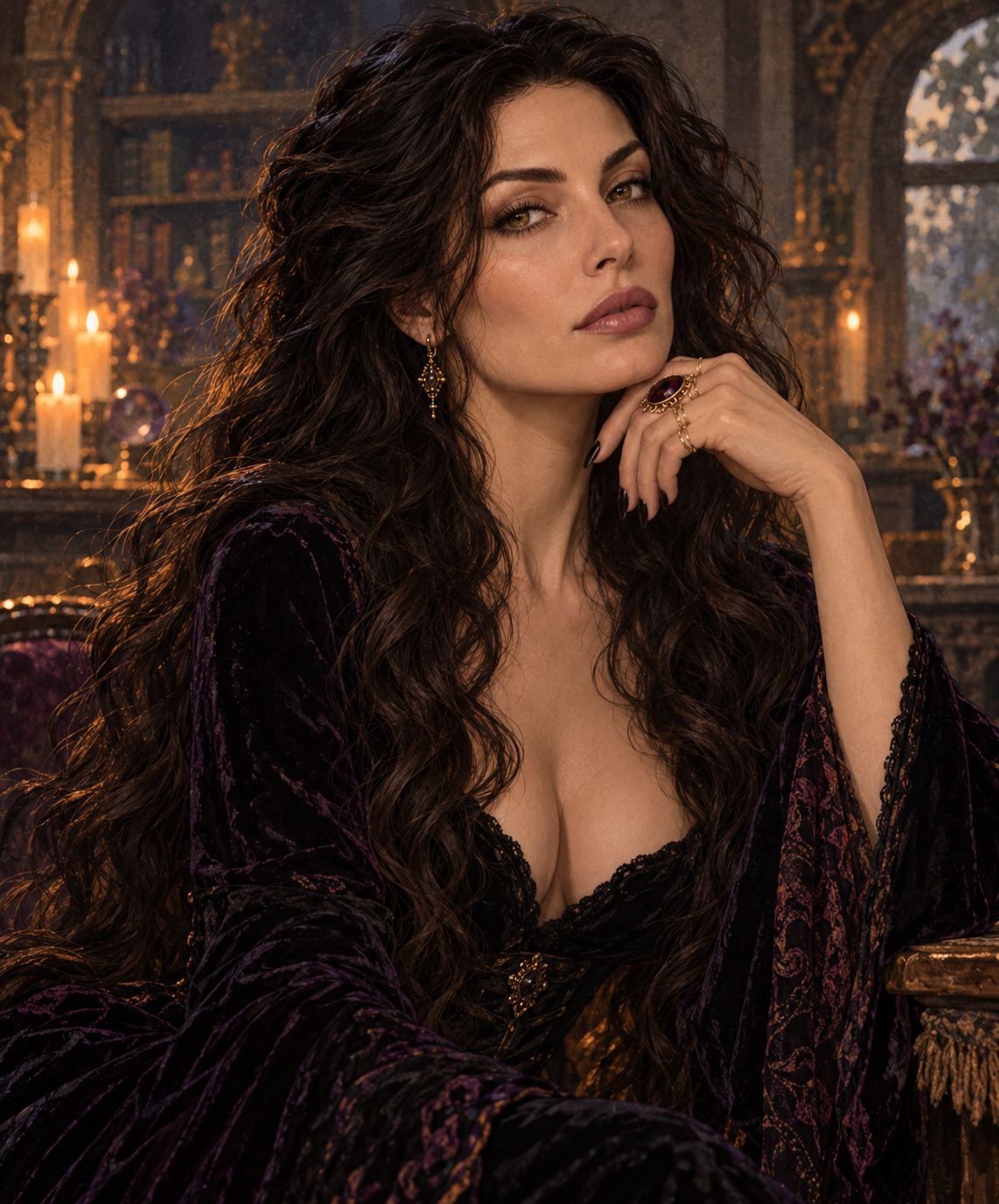
After revealing her terrifying hag-like form during their confrontation, Sophie forces Annie to make her own choices. Annie ultimately returns to her, they reconcile, and the two remain ageless companions and protectors of Rowan.

He comes to Rowan suggesting reconciliation while secretly remaining with Shannon. Annie overhears the truth, uses her magic to pin his knees to the floor and make him bleed from his eyes and mouth, and sends him fleeing Rowan terrified and permanently out of her life.
🔷 Supporting Characters
He remains happily with Annie, sleeping in his custom cereal-box bed, playing fetch, wearing tiny hats, and riding around in her dress pocket.
She attends Sarah Lawrence and moves to California, but returns to Aster at 42 after separating from her partner. An ageless Annie finds her struggling, offers her an apple, and invites her to meet Sophie, strongly implying Madison will become their next magical protégée.
He remains in Rowan and eventually must accept Annie’s supernatural status, bowing to her and presenting her with coffee beans on her 31st birthday.
She remains in Rowan and joins the townspeople celebrating Annie’s 31st birthday with gifts.
She remains in New York and begins dating Ben, whose real name is Winston, fulfilling Atlas’s bizarre prediction about her future partner.
After Dan’s horrific bone-choking incident, Jill avoids Annie at school “like a leper on fire.”
He suddenly chokes and pulls three bloody animal bones from his mouth while bleeding profusely, leaving the restaurant horrified and humiliated.
He watches Dan’s supernatural choking episode in stunned silence and is left behind when Annie abruptly abandons the date.
He turns bright red and coughs up a live black spider in class, then immediately requests a transfer out of Annie’s class.
He continues helping Oskar at The Good Mug and participates in giving Annie coffee beans for her birthday.
She is actually alive and simply fled her unhappy life in Rowan, eventually resurfacing and maintaining contact with Erik.
He remains in Connecticut with little involvement in Annie’s life, communicating mostly through awkward emails.
After witnessing some of Annie’s increasingly strange behavior, she nevertheless agrees to let Annie rent and remodel the entire house.
Her prediction about Nadia’s Ben/Winston proves eerily accurate, while Annie’s supposedly dark future becomes the magical life Annie ultimately embraces.
She remains Madison’s close friend throughout high school.
He continues with his own career after unknowingly sending Annie toward her new supernatural life.
She continues teaching at Aster High while largely keeping her distance from Annie.
She remains at her market stall in Rowan.
He remains in Rowan, bows to Sophie, and gives Annie syrup during her 31st-birthday celebration.
She later participates in the secret town meeting about Annie and Sophie and continues working in Rowan.
She remains in Rowan and later bakes Annie a giant cupcake for her 31st birthday.
She remains in New York, apparently unaware that Sam tried to reconcile with Annie or that Annie subsequently attacked him with magic.
He remains magically imprisoned in Sophie’s cellar, pleading with Annie for help but never escaping.
He returns to class thoroughly intimidated and no longer eager to challenge her.
🕳️ Potential Plot Holes
Several extreme supernatural incidents happen publicly without producing the medical, legal, or institutional response one would expect. Chris vomits a fist-sized spider in front of an entire classroom, Dan pulls bloody animal bones from his mouth in a restaurant, and Sam leaves Annie's apartment bleeding from his eyes and mouth after she magically attacks him. Yet there are no meaningful medical investigations, police reports, emergency calls, or other consequences. Some of this can be attributed to the novel's fairy-tale logic—and perhaps Sophie's influence over Rowan—but the story never establishes that her magic actively prevents outsiders or authorities from investigating.
Sophie has supposedly lived in Rowan for centuries, surviving periods when townspeople tried to drown or burn her, yet in the present she legally owns extensive property and collects rent from local businesses. Her mansion itself is only about ninety years old, having been built by a railroad tycoon on land that was originally hers. The mansion's age is not actually inconsistent with Sophie's much longer history in Rowan—she simply lived elsewhere before taking it over. The bigger unanswered question is how an immortal woman maintains property deeds, tax records, and a legal identity across centuries without anyone outside Rowan noticing that the same person never ages.
📚 Book Club Q&A's
⭐ Final Rating & Thoughts
Cackle was such an unexpected win for me, especially because the fantasy label almost scared me away. Thankfully, this isn’t the kind of fantasy that gets bogged down in complicated worlds or endless explanations. Instead, Rachel Harrison gives us a wonderfully weird mix of witchy magic, creepy horror, dark humor, and a surprisingly relatable story about learning how to exist outside of a relationship.
What really worked for me was Annie. Her inability to completely let go of her ex—even when she knows she deserves better—felt painfully realistic. I loved watching her slowly rediscover who she was without him and realize just how much of herself she had been giving away. The creepy moments were also fantastic: bizarre, vivid, and just disturbing enough without turning this into genuinely scary horror.
My only real complaint is that the middle dragged a little, keeping it just shy of perfect for me. Otherwise, this was clever, funny, strange, and far more emotionally satisfying than I expected. And frankly, there was not nearly enough Ralph. That spider deserved his own book.
✨ Adaptation description
Screen Adaptation
As of October 2026, Rachel Harrison’s Cackle does not have an officially announced film or television adaptation. No production company, studio, streaming service, director, screenwriter, or cast has been publicly attached to the novel.
Published in 2021 by Berkley, Cackle follows Annie Crane, a newly single teacher who moves to the seemingly idyllic small town of Rowan, New York, where she becomes fascinated by the mysterious and glamorous Sophie. Their friendship gradually draws Annie into a world of witchcraft, supernatural power, and radical self-reliance.
There are unrelated independent short films titled Cackle, but they are not adaptations of Rachel Harrison’s novel.
✨ Books Like Cackle (2021)
See an error on this page?