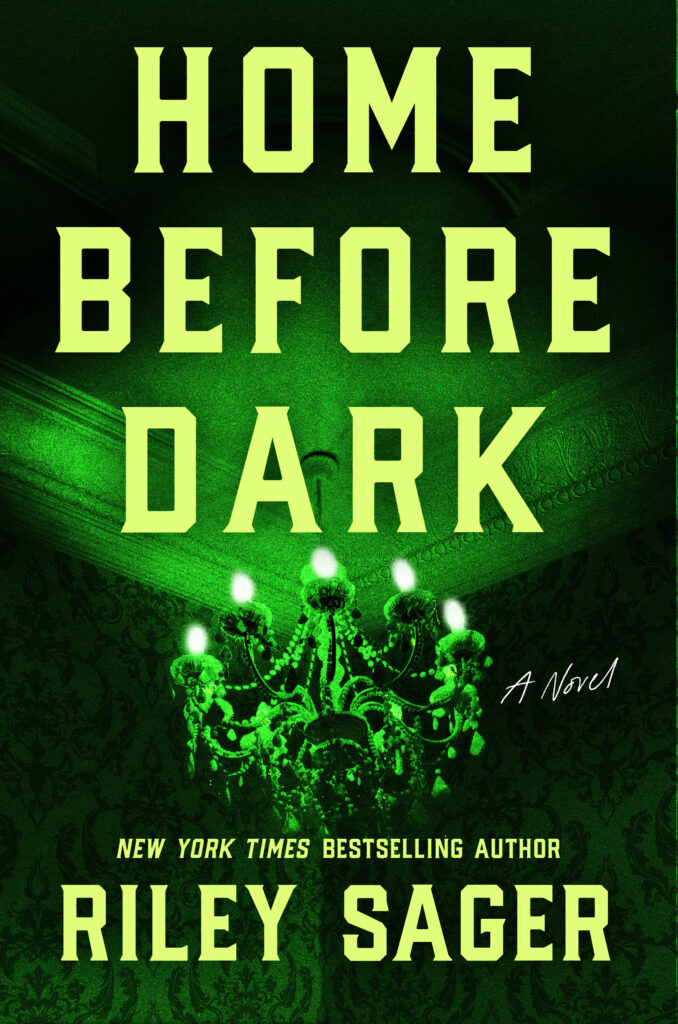
Home Before Dark (2020)
Select Sections to Print
×Book Details
Home Before Dark (2020)
Jump to Section
⚠️ Trigger Warnings
⏱️ 2-Minute Spoiler Summary
Twenty-five years after her parents claimed they fled haunted Baneberry Hall, Maggie Holt inherits the house and returns to renovate it, determined to prove her late father Ewan’s bestselling memoir House of Horrors was a lie. She discovers Ewan secretly returned every year and learns that sixteen-year-old Petra Ditmer disappeared the same night her family fled. When Petra’s remains are found hidden in the kitchen ceiling, it becomes clear Ewan knew about her death.
A letter from Ewan reveals that he and his wife Jess came home that night to find Petra dead at the bottom of the stairs. Believing five-year-old Maggie had killed her, they hid Petra’s body and fabricated the haunting story to explain why they abruptly left Baneberry Hall.
But Maggie was innocent. Marta Carver, a former resident whom Maggie knew as Miss Pennyface, had been secretly entering the house through hidden passages because she viewed Maggie as a substitute for her dead daughter. Petra caught Marta inside, and Marta accidentally knocked her down the stairs. Marta poisons Maggie with baneberries and tries to smother her to keep the truth hidden, but Petra’s mother, Elsa, arrives and pushes Marta down the same staircase, killing her.
Maggie renovates and sells Baneberry Hall, while Jess pleads guilty to concealing Petra’s body. Finally knowing the truth behind the story that shaped her life, Maggie sits at Ewan’s typewriter and begins writing the real account of what happened, titled House of Secrets.
📖 Full Spoiler Summary
Maggie Returns to Baneberry Hall
Twenty-five years after her family fled Baneberry Hall in the middle of the night, Maggie Holt inherits the sprawling Vermont estate from her father, Ewan Holt. Now a professional interior designer who specializes in restoring old houses, Maggie sees the property as both a renovation project and a chance to finally uncover the truth about the most infamous part of her childhood.
Maggie was only five when she lived at Baneberry Hall for twenty days, and she remembers almost nothing about it. Everything she knows comes from House of Horrors, the bestselling nonfiction book Ewan wrote about the family’s terrifying experience. According to the book, Ewan, Maggie, and Maggie’s mother, Jess Holt, were driven from the house by increasingly violent supernatural activity.
Maggie has never believed it.
She has spent her entire life convinced her parents fabricated the haunting for money, while she was forced to grow up as the famous little girl from a supposedly true ghost story. Ewan never admitted the book was false, even as Maggie repeatedly demanded the truth. Shortly before his death, however, he left her with one final warning about Baneberry Hall: “It’s not safe there. Not for you.”
Instead of frightening her away, the warning gives Maggie another reason to return.
The Story Ewan Told the World
As Maggie begins renovating the neglected house, the present-day story is interwoven with passages from House of Horrors.
In Ewan’s version, he and Jess bought Baneberry Hall without initially understanding its gruesome reputation. They eventually learned it was a “stigmatized property” with a history filled with tragedy, including the deaths of several young girls.
The most notorious incident involved former owner Curtis Carver. According to local lore, Curtis smothered his young daughter, Katie, and then killed himself. His wife, Marta Carver, survived, leaving Baneberry Hall permanently associated with murder.
Soon after the Holts moved in, bizarre things supposedly began happening. Bells rang without explanation. Record players turned on by themselves. Snakes appeared throughout the house and even seemed to rain from the kitchen ceiling. Five-year-old Maggie became frightened of figures she called Mister Shadow and Miss Pennyface, whom her parents assumed were imaginary friends or ghosts.
The activity became so threatening that, after only twenty days, the Holts fled in the middle of the night and never returned.
Adult Maggie is determined to prove there was a rational explanation for all of it.
At Baneberry Hall, she meets Dane Hibbets, whose grandfather, Walt Hibbets, once served as caretaker of the property. Dane helps with the renovation and gradually becomes Maggie’s ally. More importantly, Maggie learns something her father concealed from her: Ewan never truly stayed away from Baneberry Hall. For years, he secretly returned every July 15, the anniversary of the night the family fled.
Whatever Ewan was hiding, Maggie realizes, was important enough for him to keep watch over the house for decades.
Petra Ditmer and the Body in the Ceiling
Maggie’s investigation takes a darker turn when she meets Brian Prince, the reporter who originally broke the story of the Baneberry Hall haunting. Brian tells her about something conspicuously absent from House of Horrors.
The night the Holts fled, sixteen-year-old Petra Ditmer disappeared.
Petra was the daughter of Elsa Ditmer, who had worked as the Holts’ housekeeper. The timing immediately makes Maggie suspicious. If Petra vanished on exactly the same night her family fled, then Ewan’s ghost story may have been covering up something far more real.
That possibility becomes horrifyingly concrete when Dane accidentally punches through part of the kitchen ceiling during the renovation.
Human remains tumble out.
The body is identified as Petra’s, in part because of the gold crucifix found with her remains. Suddenly, Ewan’s insistence that Baneberry Hall remain untouched makes terrible sense. He knew a dead girl was hidden inside the house.
Suspicion naturally falls on him.
Maggie meets Petra’s sister, Hannah Ditmer, who has spent years believing Ewan was responsible for Petra’s death. Hannah also admits that she has been secretly entering Baneberry Hall and stealing objects associated with its infamous history, which she sells online as macabre collectibles. Some of the supposedly supernatural disturbances Maggie encounters therefore have perfectly human explanations.
Their mother, Elsa, is now elderly and suffering from Alzheimer’s disease, making it difficult for Maggie to determine what Elsa remembers about the night Petra disappeared.
Still, the discovery of Petra’s body changes Maggie’s investigation completely. She is no longer simply trying to prove that her father’s ghost story was fake. She needs to understand why her parents concealed the death of a teenage girl.
The Secret Passage and Ewan’s Confession
Maggie eventually discovers something that explains one of the most frightening elements of House of Horrors.
Behind an armoire in her childhood bedroom is a concealed passageway leading to a hidden exterior entrance. Someone could have entered Baneberry Hall without using the main doors and moved through the house without the Holts realizing it.
That means the mysterious figures five-year-old Maggie called Mister Shadow and Miss Pennyface may never have been ghosts.
They were people.
Maggie then discovers a letter Ewan deliberately left for her to find after his death. At last, her father admits that House of Horrors was not the complete truth.
On the night the family supposedly fled because of supernatural activity, Ewan and Jess had gone to the Two Pines Motor Lodge for a rare night away. When they returned to Baneberry Hall, they found Petra dead at the bottom of the staircase.
Their immediate fear was that Maggie had killed her.
Earlier incidents had convinced them their five-year-old daughter was capable of violent outbursts, including an attack involving Hannah. Faced with Petra’s body and terrified that their child would be taken from them, Ewan and Jess made a disastrous decision: they covered up Petra’s death.
They concealed her body inside Baneberry Hall and created the story of a terrifying haunting to explain why they had suddenly abandoned their new home.
House of Horrors became their alibi.
Ewan’s yearly visits were not sentimental returns to the scene of a supposed haunting. He was making sure Petra’s body remained hidden.
For Maggie, the revelation is devastating. Her parents really did lie to her and the world—but Ewan’s confession leaves her believing they did it because they thought they were protecting her from the consequences of murder.
Even that isn’t the whole truth.
Marta Carver Reveals What Really Happened
The final answer arrives with Marta Carver, widow of Curtis Carver and mother of Katie.
Marta comes to Baneberry Hall bearing a cherry pie. Maggie eats it before realizing Marta has poisoned it with baneberries, leaving her weak and increasingly unable to defend herself.
Marta then reveals that she was Miss Pennyface.
After losing Katie, Marta became fixated on young Maggie. Using the hidden passageways, she secretly entered Baneberry Hall and watched Maggie while she slept, treating her as a substitute for the daughter she had lost. The moonlight reflecting from Marta’s glasses created the strange appearance that frightened five-year-old Maggie and inspired the name Miss Pennyface.
Petra discovered Marta inside the house on the night she died.
The two struggled near the top of the staircase, and Marta accidentally knocked Petra down the stairs, killing her.
Ewan and Jess returned later and found Petra’s body without knowing Marta had been there. Because of Maggie’s previous behavior, they wrongly concluded that their own daughter had killed Petra. Their elaborate cover-up therefore protected Maggie from a crime she had never committed while simultaneously protecting the actual person responsible.
Marta has another confession that dismantles one of Baneberry Hall’s oldest horror stories. Her six-year-old daughter, Katie Carver, was never murdered at all. Katie had been seriously ill, suffering from persistent weakness and nausea, and eventually died of natural causes after her illness. Her father, Curtis Carver, was devastated by his daughter’s death and, already struggling with depression, later took his own life. Yet Marta allowed the public to believe the far more horrifying version—that Curtis had smothered Katie with a pillow before killing himself. For twenty-five years, Curtis was remembered as a man who murdered his own child when, in reality, he was a grieving father who died by suicide after losing her.
Now that Maggie knows what really happened to Petra, Marta intends to make sure she never tells anyone. With the baneberry poison weakening Maggie, Marta tries to smother her with a pillow.
Elsa Avenges Petra
Maggie is barely capable of fighting back when help arrives from an unexpected person.
Elsa Ditmer, experiencing a rare period of lucidity, has followed Marta into Baneberry Hall through the secret passage. She finally understands that the woman in front of her is responsible for what happened to her daughter.
Elsa attacks Marta and pushes her down the staircase.
Marta falls down the same stairs where Petra died twenty-five years earlier and is killed.
With Marta dead, Maggie finally has the answer she has been searching for her entire life. There was no malevolent supernatural force haunting Baneberry Hall. Instead, the house contained overlapping layers of secrecy: Marta sneaking through hidden passages, Petra’s accidental death, Ewan and Jess’s mistaken belief that Maggie had killed her, and the elaborate ghost story they created to conceal the body.
Even many of the bizarre incidents described in House of Horrors had mundane explanations, including the infamous snakes. The terrifying story Maggie grew up beneath was built from real events that had been distorted into something supernatural.
The Real Story of Baneberry Hall
After surviving Marta’s attack, Maggie finishes what she originally came to Baneberry Hall to do.
She renovates the estate.
Rather than preserving the dark Gothic atmosphere that made the house famous, Maggie deliberately strips away much of its haunted-house mystique and replaces it with safe, neutral “modern blandness.” Baneberry Hall is finally sold, allowing Maggie to sever the connection that has dominated her life.
Jess also stops running from what she and Ewan did. She pleads guilty to concealing Petra’s body, accepting responsibility for the cover-up rather than continuing the lie her family maintained for twenty-five years.
Ewan never gets the chance to publicly correct the story that made him famous, but Maggie decides she can.
The novel ends with her sitting at her father’s typewriter.
For most of her life, Maggie’s identity has been controlled by the story Ewan wrote about Baneberry Hall. Now that she knows what actually happened—to Petra, to her parents, and to herself—she begins writing her own version.
Her book has a new title:
House of Secrets.
🔚 Ending Explained
How Home Before Dark Ends
The ending of Home Before Dark dismantles the supernatural story piece by piece, revealing that the supposed ghosts of Baneberry Hall were actually real people moving through the house—and a decades-long lie created to conceal Petra Ditmer’s death.
The Truth About House of Horrors
Maggie’s investigation finally leads her to a secret passage hidden behind the armoire in her childhood bedroom, connecting the room to the outside. The discovery explains how people could enter Baneberry Hall without being seen and begins to unravel many of the supposedly paranormal events described in her father’s book.
Then Jess arrives with a confession written by Maggie’s late father, Ewan Holt.
For twenty-five years, Maggie’s parents believed that five-year-old Maggie had killed sixteen-year-old Petra Ditmer by pushing her down the stairs. Faced with the possibility that their daughter had committed a terrible crime, Ewan and Jess chose to protect her. They concealed Petra’s body beneath the floorboards and fled Baneberry Hall.
But simply leaving wasn’t enough. They needed an explanation for why they had abandoned the house so abruptly.
So Ewan created one.
House of Horrors was essentially an elaborate cover story. The ghosts, supernatural attacks, and terrifying final night gave the Holts a believable reason to flee Baneberry Hall while drawing attention away from the real secret hidden inside it.
The revelation devastates Maggie. The book that defined her childhood—and made her infamous—was built around a lie her parents told because they believed she was a murderer.
But even they were wrong.
Who Really Killed Petra
The final twist comes when Marta Carver, the widow of Baneberry Hall’s previous owner, emerges from the secret passage.
Marta had lost her own daughter and became fixated on young Maggie as a substitute. She secretly entered Baneberry Hall through its hidden passages and watched Maggie while she slept. Those visits explain some of Maggie’s fragmented childhood memories and the terrifying presence she had never been able to understand.
On the night the Holts fled, Petra discovered Marta inside the house. The two struggled, and Marta accidentally knocked Petra down the stairs, killing her.
Five-year-old Maggie witnessed enough of the aftermath that her parents mistakenly concluded she had pushed Petra.
Marta now intends to make sure Maggie never reveals the truth. She gives her cherry pie poisoned with baneberries, leaving Maggie increasingly helpless.
The person who ultimately saves her is Elsa Ditmer, Petra’s mother and Baneberry Hall’s former housekeeper. Elsa had also been entering the house through the secret passage and was the mysterious “Mister Shadow” Maggie remembered from childhood.
During a moment of lucidity, Elsa realizes what Marta has done and pushes her down the same staircase where Petra died.
Marta is killed, bringing Petra’s death full circle.
What the Ending Means
The cleverest part of the ending is that Riley Sager doesn’t simply reveal that Baneberry Hall isn’t haunted. He replaces the supernatural horror with something arguably more disturbing: nearly every “ghost” has a human explanation.
The people haunting Maggie are not dead.
They are parents, grieving mothers, intruders, and people keeping secrets.
That makes the title Home Before Dark particularly fitting. Maggie has spent her entire life metaphorically trapped in the darkness surrounding what happened in that house. Returning to Baneberry Hall forces her to remain there long enough to finally see what her parents tried desperately to keep hidden.
The Secret Passage
The hidden passage is more than the mechanical explanation for the haunting. It represents the novel’s obsession with the divide between appearance and reality.
Baneberry Hall appears sealed, yet people can move invisibly through its walls. Maggie believes she understands her childhood, yet enormous pieces of it have been concealed from her. Ewan’s book claims to reveal everything that happened, while actually existing to hide the one thing that mattered most.
The house itself is constructed like the Holt family: what is visible is not the whole story.
The Baneberries
The baneberries turn the house’s secrets into something literally poisonous.
Maggie has spent twenty-five years consuming the story her parents created for her, and that lie has shaped her identity, relationships, and reputation. In the climax, Marta attempts to silence her with poison growing on the property itself.
The metaphor becomes wonderfully literal: the secrets rooted in Baneberry Hall almost kill Maggie.
Ewan and Jess’s Choice
The ending also complicates Maggie’s anger toward her parents.
Ewan and Jess did something deeply damaging. They allowed their daughter to grow up believing her memories were unreliable, permitted the world to treat her as the infamous child from House of Horrors, and constructed much of her identity around events they knew were fabricated.
Yet their motive wasn’t greed.
They genuinely believed Maggie had killed Petra.
Their deception therefore becomes one of the novel’s central tragedies. They loved Maggie so fiercely that they were willing to destroy almost everything else—their honesty, their marriage, their reputations, and ultimately Maggie’s trust—to protect her.
And none of it was necessary.
That is what makes the revelation so painful. A lie intended to save Maggie becomes the defining trauma of her life.
Maggie Reclaims Baneberry Hall
Maggie ultimately does what she came to Vermont to do: renovate the house.
Her decision to strip Baneberry Hall of much of its Gothic character and transform it into something approaching “modern blandness” carries symbolic weight. Throughout the novel, the house has been treated as though its history gives it power over everyone who enters it.
Maggie refuses to continue that relationship.
She cannot change what happened there, but she can change what the house becomes.
Renovation therefore becomes an act of reclamation rather than restoration. Maggie isn’t interested in preserving Baneberry Hall exactly as it was. She is removing the physical environment that has dominated her imagination since childhood.
She cannot renovate her past.
She can decide what survives from it.
Jess Finally Accepts Responsibility
Jess ultimately pleads guilty to concealing Petra’s body and faces prison.
Her decision matters because it reverses the defining choice she and Ewan made twenty-five years earlier. Back then, they responded to tragedy by hiding the truth. Now Jess accepts the consequences of revealing it.
Ironically, that honesty brings Maggie and Jess closer. Their relationship becomes better than it has ever been because, for the first time, there is no enormous secret standing between them.
The truth carries consequences, but the novel ultimately suggests those consequences are healthier than living inside a protective lie.
House of Secrets
The final image provides the most satisfying reversal.
Maggie sits down at Ewan’s typewriter and begins writing her own book:
House of Secrets.
Ewan turned Maggie into a character in House of Horrors. His version of events shaped how millions of strangers saw her and even influenced how Maggie understood herself.
Now Maggie becomes the author.
That shift represents her final reclamation of agency. She is no longer the little girl trapped inside her father’s ghost story. She gets to tell the true story herself.
There is also a wonderfully ironic final note: despite Maggie uncovering the truth and transforming Baneberry Hall, curiosity seekers and ghost hunters continue appearing outside its gates.
Facts cannot completely erase mythology.
Baneberry Hall may never lose its reputation as a haunted house because people often prefer a good ghost story to a complicated truth.
And that may be the novel’s final joke. After spending her entire life trying to prove that House of Horrors was fiction, Maggie finally discovers something stranger:
The ghosts weren’t real—but the horror was.
👤 Characters & Fates
🔶 Main Characters
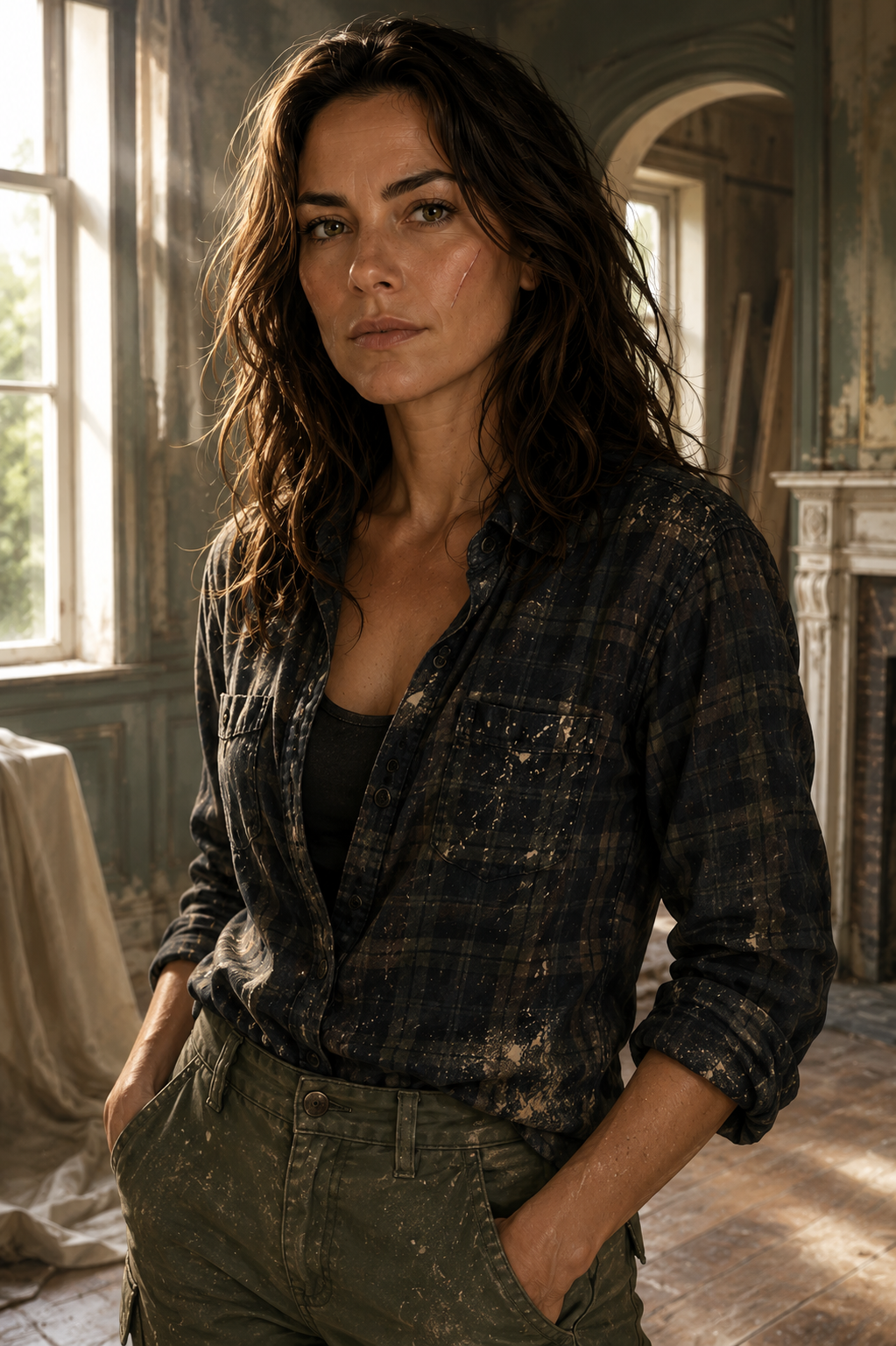
She discovers Petra Ditmer’s body hidden beneath the floorboards and learns her parents spent twenty-five years believing five-year-old Maggie had accidentally killed Petra. The real killer was Marta Carver, who attacks Maggie after confessing; Maggie survives, exposes the truth, and finally understands why her parents fabricated the haunting.

Ewan dies before the present-day story begins. His confession reveals that he and Jess found Petra apparently dead after young Maggie pushed her during a fight, hid Petra beneath the floorboards, and invented the haunting to protect Maggie; he secretly returned to Baneberry every July 15 because he remained haunted by what they had done.

Jess finally gives Maggie Ewan’s confession letter and admits they believed Maggie killed Petra and that they concealed the body to save their daughter. She survives and learns alongside Maggie that Maggie was innocent all along.
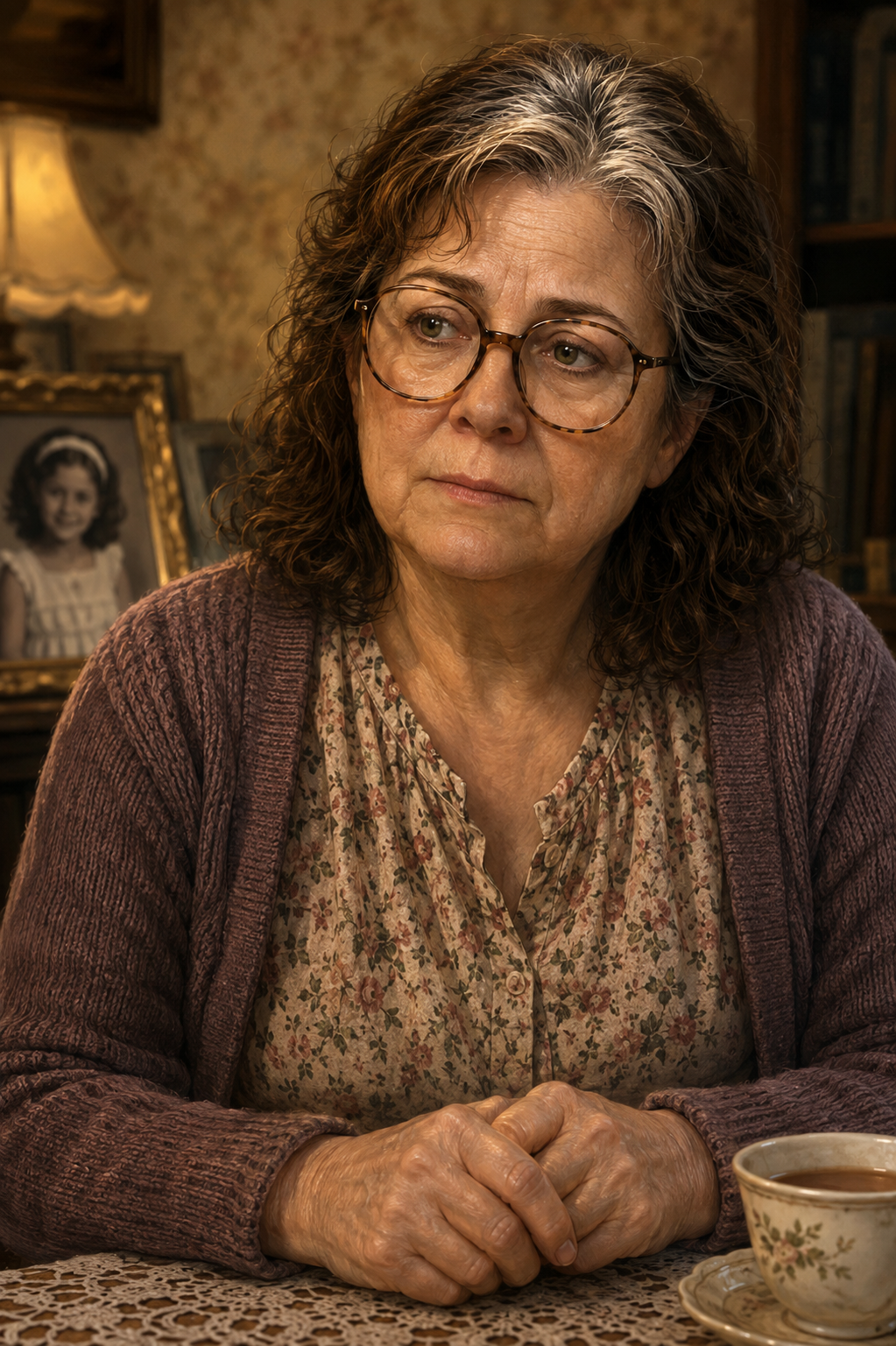
Marta reveals that she became obsessed with young Maggie as a replacement for her dead daughter and was secretly watching Maggie sleep. Petra caught her inside the house, and during their confrontation Marta accidentally knocked Petra down the stairs, then allowed the Holts to believe Maggie had done it; when Marta tries to kill adult Maggie to keep the secret buried, Maggie fights back and Marta dies.
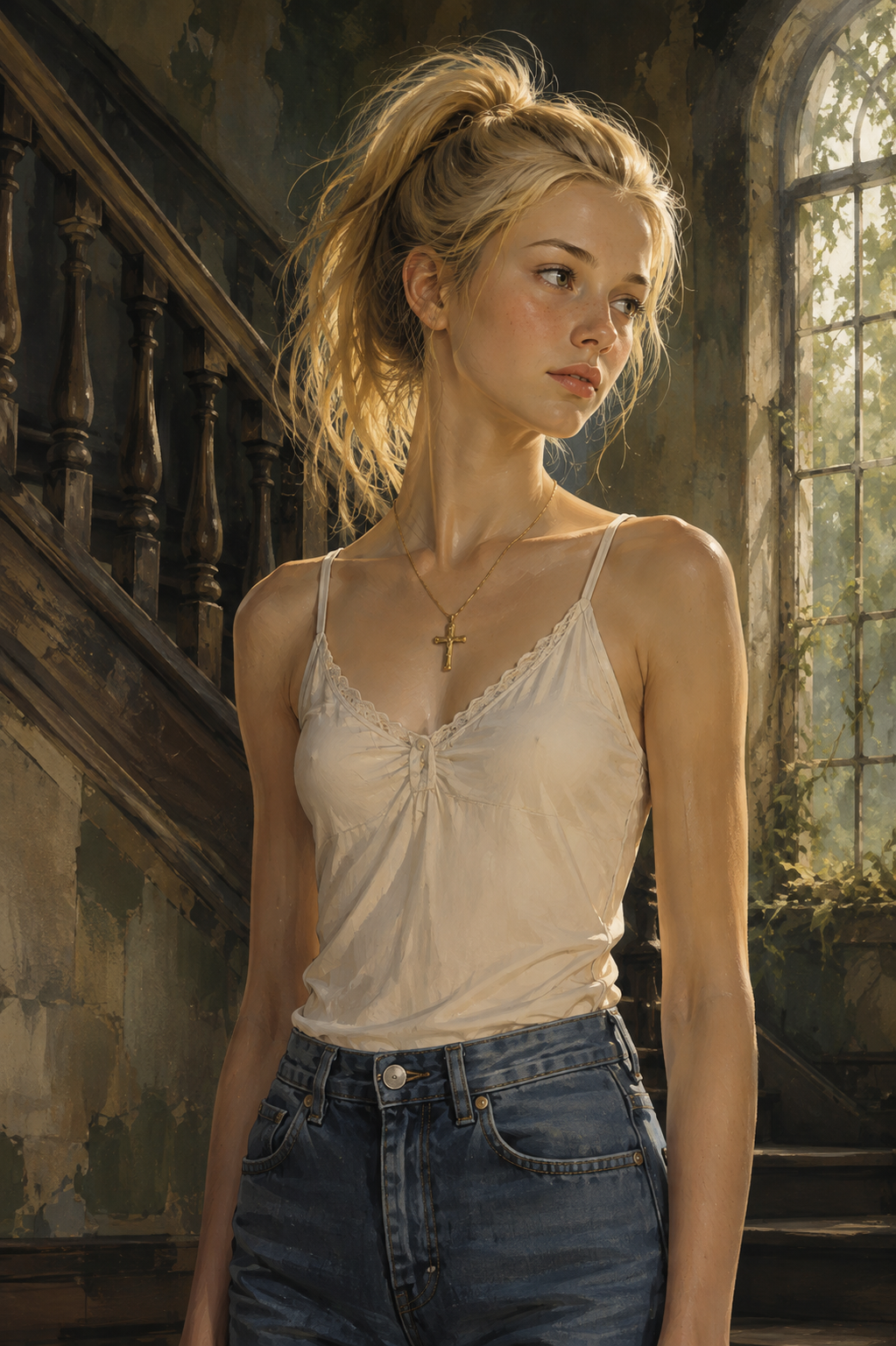
No, **Maggie did not push Petra**. For twenty-five years, her parents, Ewan and Jess, falsely believed that five-year-old Maggie was responsible for Petra’s death, but the truth revealed at the end of the book clears her of any guilt. ### **Why Her Parents Believed She Did** Ewan and Jess returned from their "date night" to find Petra dead at the bottom of the stairs and Maggie sobbing at the top. Several factors led them to conclude Maggie was a murderer: * **Maggie’s Response:** When asked what happened, Maggie repeatedly said, "**It wasn’t me**," and claimed "**Miss Pennyface**" was responsible. Since her parents believed Miss Pennyface was an imaginary friend, they took this as a sign of Maggie's guilt. * **The Physical Evidence:** Maggie had a deep gash on her cheek, which Ewan assumed was a result of Petra fighting back. * **Previous Behavior:** Maggie had recently punched Petra’s sister, Hannah, in the face, which made her parents believe she had a hidden "violent streak." ### **The Real Story** The actual events of that night involved **Marta Carver**, the widow of the previous owner. * **Miss Pennyface:** Marta was the real person Maggie knew as "Miss Pennyface." She had been sneaking into the house through a secret passage behind the armoire to watch Maggie sleep as a surrogate for her own deceased daughter. * **The Struggle:** On the night of Petra’s death, Petra caught Marta in Maggie's room. A struggle ensued at the top of the stairs; Marta accidentally **knocked Petra to her death** during the scuffle. * **The Scar:** Before Petra fell, Marta hit Maggie in the face with her ring, causing the famous one-inch scar. Because Ewan and Jess were desperate to protect Maggie from prison, they chose to **cover up the death** by burying Petra in the floorboards and fabricating a haunting story to explain their sudden flight from the house. They spent the rest of their lives gaslighting Maggie to "shield" her from a crime she never actually committed.
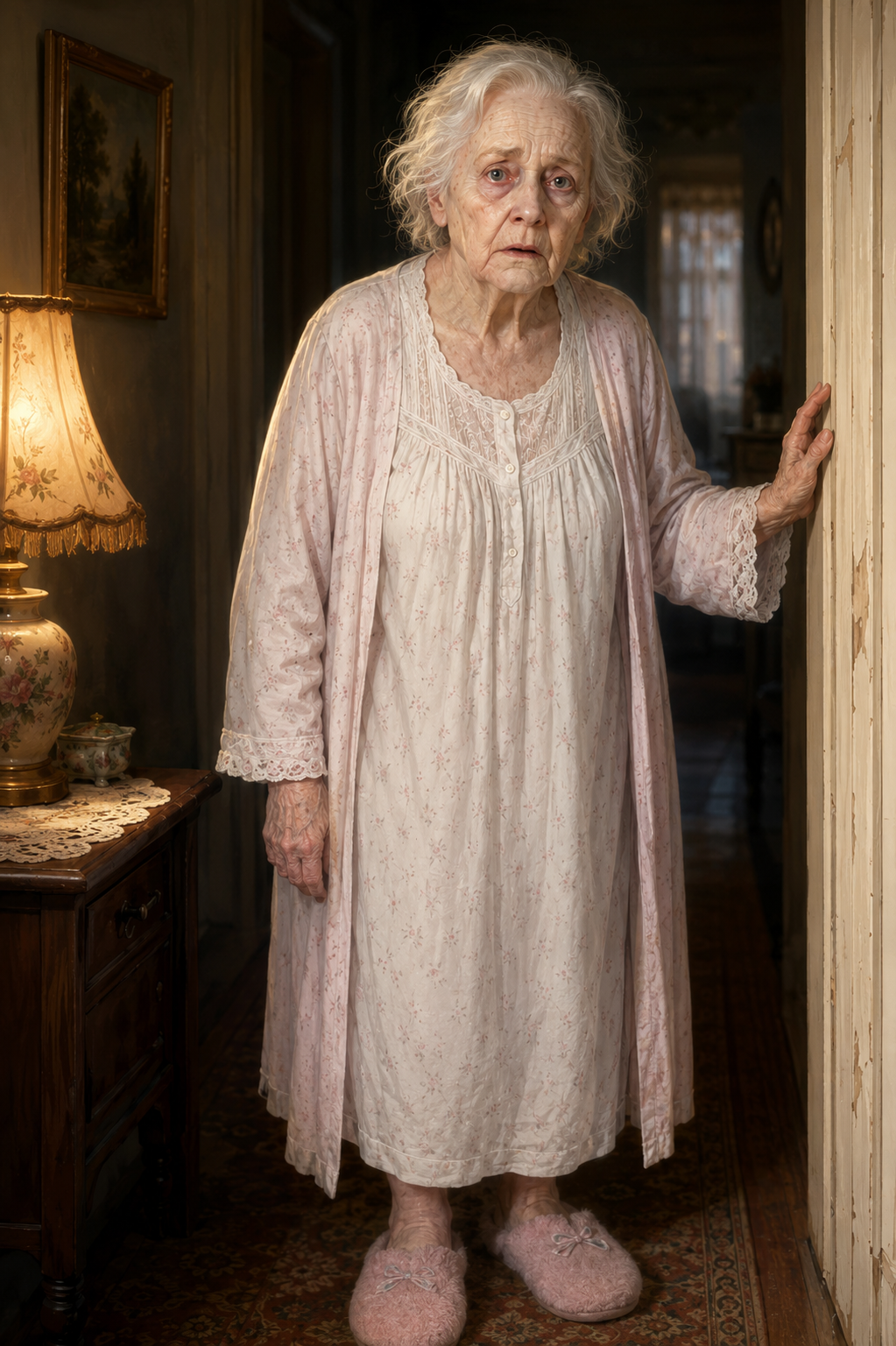
She survives and finally receives the truth about what happened to Petra when her sister’s remains and Marta’s role in her death are uncovered.
🔷 Supporting Characters
Dane survives the events at Baneberry Hall and learns that its notorious haunting concealed a very human crime rather than the supernatural nightmare described in Ewan’s book.
He dies before the main present-day events; his history with the house helps Maggie reconstruct the truth, but he is not responsible for Petra’s death or the supposed haunting.
Curtis dies by suicide after Katie dies from an illness. Marta lets everyone believe he murdered Katie before killing himself, adding another false tragedy to Baneberry Hall’s legend.
He survives and ultimately becomes part of the reckoning surrounding Petra’s recovered remains and the exposure of the real circumstances of her death.
She survives and handles the aftermath of Marta Carver’s death and Jess Holt’s confession about hiding Petra’s body.
Indigo dies at sixteen from baneberry poisoning; although ruled a suicide over her forbidden romance with Callum Auguste, evidence suggests her father William actually poisoned her to prevent their elopement.
Heartbroken after Indigo’s death, the impoverished Callum later paints William Garson’s portrait, subtly portraying him as cruel in apparent revenge. He eventually dies sometime before the modern timeline.
William dies in 1912 at sixty-nine, officially innocent of Indigo’s death, although evidence strongly suggests he poisoned her with baneberries to prevent her elopement.
🕳️ Potential Plot Holes
The unexplained thud from the third-floor study at exactly 4:54 AM is one of the strongest genuine plot holes. Both Ewan and Maggie hear it decades apart, and Marta later reveals that 4:54 AM was the exact time Curtis Carver’s body hit the floor when he died. The novel ultimately explains the supposed haunting through living people using Baneberry Hall’s secret passages, but no living person is established as creating this precisely timed sound. Unless the thud is genuinely supernatural, the rational explanation for the haunting does not account for it.
Ewan’s confession insists that there were no ghosts and that the haunting story was fabricated to conceal Petra’s death. Yet his account also contains apparently impossible supernatural incidents, including Maggie being lifted or dragged by an unseen force and the appearance of Indigo Garson. If these events really occurred as Ewan describes them, his definitive claim that there were no ghosts contradicts his own account. The novel never provides a clear non-supernatural explanation for all of these incidents.
The final explanation depends heavily on people secretly entering Baneberry Hall through the passage behind Maggie’s armoire. Yet the passage apparently remained unnoticed by the Holts and by Walt Hibbets, despite his decades of familiarity with the property. Ewan investigates the armoire during the family's stay, and the exterior entrance is concealed primarily by vegetation. Considering how thoroughly the house and grounds had been occupied, maintained, and investigated over the years, it is difficult to explain how such a substantial passage and exterior doorway remained completely undiscovered.
📚 Book Club Q&A's
⭐ Final Rating & Thoughts
Home Before Dark is exactly the kind of thriller I love: fast-paced, creepy, twisty, and constantly making me question what I thought I knew. Riley Sager absolutely nailed the haunted-house atmosphere with Baneberry Hall. It feels genuinely unsettling without becoming so focused on the horror elements that the mystery gets lost.
The alternating structure between Maggie’s present-day investigation and her father’s infamous book worked incredibly well for me. I loved trying to figure out which version of events I could trust.
Creepy house, buried secrets, questionable narrators, and twists upon twists? Absolutely my kind of book. Five stars!
✨ Adaptation description
Home Before Dark — Film Adaptation
Riley Sager’s 2020 bestselling thriller Home Before Dark is being developed as a feature film by Sony Pictures and 21 Laps Entertainment, Shawn Levy’s production company behind Stranger Things. Sony acquired the rights in 2020, before the novel was published, and the project later attached Patrick Brice (Creep, There’s Someone Inside Your House) to direct from a screenplay by Blair Butler (The Invitation). Shawn Levy is listed as producer. (Yahoo)
As of August 2026, there still does not appear to be a publicly announced cast, filming date, or release date. Current industry listings continue to describe the movie as pre-production/TBA, with Brice and Butler attached. (Movie Insider)
The movie should not be confused with the unrelated Apple TV+ series also called Home Before Dark, which is not based on Sager’s novel.
✨ Books Like Home Before Dark (2020)
See an error on this page?