
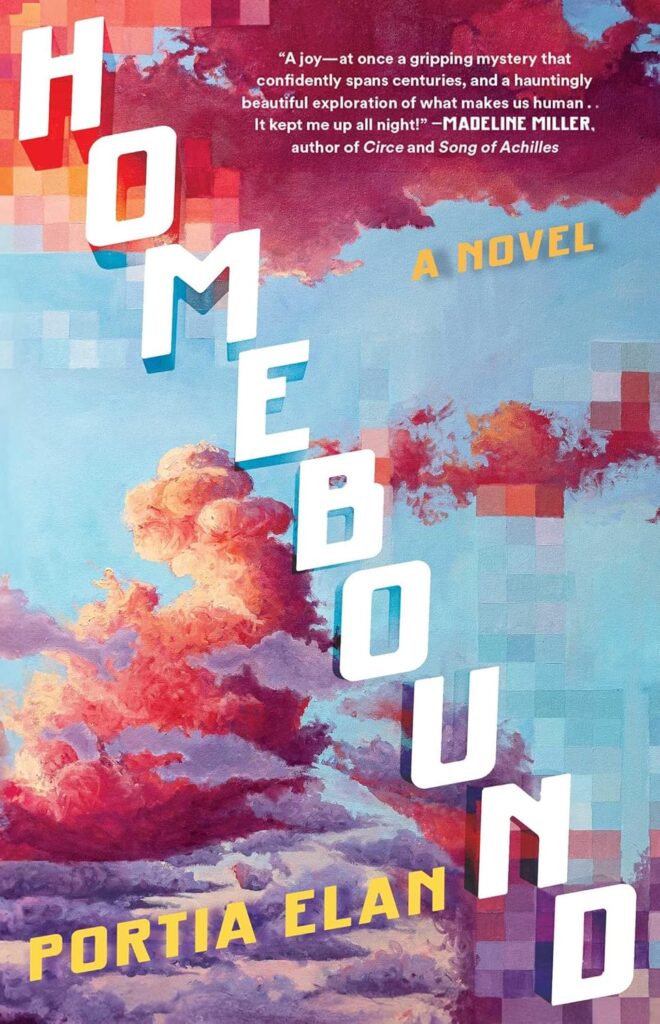
Homebound (2026)
Select Sections to Print
×Book Details
Homebound (2026)
Jump to Section
⚠️ Trigger Warnings
- Grief and bereavement
- Death of loved ones
- HIV/AIDS epidemic and terminal illness
- Homophobia and anti-LGBTQ+ prejudice
- Homophobic slurs and hate speech
- Substance abuse and addiction
- Underage drinking
- Smoking
- Cult activity
- Threat of human sacrifice
- Physical violence and injury
- Torture and cruel punishment
- Dementia and cognitive decline
- Parental abandonment
- Drowning
- Climate crisis and environmental disaster
- Mass displacement
- Post-apocalyptic themes
⏱️ 2-Minute Spoiler Summary
In 1983, nineteen-year-old Rebecca “Becks” Meir is grieving the death of her beloved uncle Ben, the person who taught her to code and introduced her to text-adventure games. Her mother, Sheila, claims Ben died of pneumonia, but Becks discovers that he actually died after being diagnosed with GRID, an early term for AIDS, and that her family hid the truth because Ben was gay. She also learns that Elijah, the mysterious person her grandmother keeps talking to, was Ben’s partner.
Among Ben’s belongings, Becks finds four floppy disks containing an unfinished game called Homebound. Ben left the game specifically for her, along with a message explaining that he loved Elijah and had created Homebound partly for Becks to finish. As Becks struggles with grief and her own sexuality—including painful feelings for her best friend, Veronica—she eventually finds acceptance at a punk concert, where other queer people make her feel like she belongs. Inspired by that experience, she decides to complete Ben’s game and names one of its central characters Elijah.
The game follows Lieutenant California “Cal” Solo, an astronaut sent to investigate the stalled generation ship Diana. Cal follows its missing crew to a strange planet, where a twelve-year-old guardian named Elijah sends her through a Portal containing tangled moments from human history. Cal helps people overcome fear, loneliness, and regret, gradually freeing the Diana. She nearly dies from radiation exposure, but Elijah places her in suspended animation and begins bringing her home to Earth.
Decades later, ecobiologist Dr. Tamar Portman develops bio-integrated quantum beings called AmAyes at Omega Labs in Alaska. One of them, Chaya, develops empathy, memory, and a distinct sense of self. Tamar uploads Homebound into Chaya’s databank, but when investor Jeffrey Bowker tries to repurpose the AmAyes for space colonization, Tamar protects Chaya by officially declaring them nonoperational.
By 2586, Earth has largely flooded. Salvage captain Yesiko lives aboard the Babylon with her aging mentor Root, whose failing body is sustained by nanites. Deeply in debt to syndicate lord Chante because of Root’s treatment, Yesiko agrees to transport siblings Shula and Tov along with Chaya. Chaya believes the events of Homebound are connected to reality and that Cal and Elijah will soon return to Earth.
After clearing her debt, Yesiko becomes desperate to save the dying Root and tells Chante about Chaya in exchange for information about Root’s doctor. But when she later finds Chaya, Shula, and Tov stranded after following Chaya’s supposed landing coordinates, she rescues them instead and confesses her betrayal. Shula eventually forgives her, and Yesiko declares all three part of her crew.
While crossing the Arctic, Babylon becomes trapped in crushing sea ice. Root sacrifices himself by releasing the nanites keeping him alive and transferring them into the ship, warming the hull enough to escape. After his death, the remaining crew continue to the flooded ruins of Tamar’s Alaskan laboratory.
There, they realize that Chaya’s belief in Cal and Elijah’s return came from Homebound. The starship story was never a literal prophecy. Yet it still guided Chaya to Yesiko, Shula, and Tov and brought them together as a family. They leave Alaska aboard Babylon and sail toward the horizon together.
Back in 1983, Becks drives home from the concert determined to finish Ben’s game and finally contact Elijah with her grandmother. Instead of remaining trapped by Ben’s death and her family’s shame, she carries his story forward through Homebound.
📖 Full Spoiler Summary
Becks Inherits Ben’s Unfinished Game
In 1983 Cincinnati, nineteen-year-old Rebecca “Becks” Meir is struggling with the death of her beloved uncle Benjamin “Ben” Meir, a professional game programmer who taught her to code. Thirty-seven days after his death, Becks is taking computer classes at the University of Cincinnati and spending as much time as possible in the computer lab. Programming gives her somewhere to put her grief when she cannot deal with the tension surrounding Ben’s death at home.
Her mother, Sheila, has told her that Ben died of pneumonia, but Becks gradually discovers that the truth is more complicated. While visiting her grandmother, Bubbe, whose memory is beginning to deteriorate, Becks hears her talking to someone named Elijah. Then, while sorting through Ben’s belongings, Becks finds an envelope addressed specifically to her containing four floppy disks labeled HOMEBOUND 1–4.
The family secret becomes impossible to ignore when Becks repairs Bubbe’s answering machine and listens to old messages. One is from a funeral home confirming that Ben’s body has been accepted after his diagnosis with GRID, the early term for AIDS. Another is from a man named Elijah. Becks realizes her mother deliberately concealed both Ben’s illness and the fact that he was gay.
Angry and grieving, Becks tries to lose herself in drinking, music, and her friendships. Her best friend Veronica has returned from Italy, and Becks has feelings for her that she has not fully confronted. After Veronica’s boyfriend, Jack, arranges a fake ID for Becks, she begins going out and flirting with his bandmate Patrick. But when Becks later arrives at Veronica’s apartment hoping to surprise her, Jack gently forces her to acknowledge what is happening: Veronica loves Becks, but not romantically. Becks leaves devastated.
Eventually, she loads the first Homebound disk on Ben’s old Commodore PET. Ben has left her a coded message explaining that Elijah was the love of his life. He also tells Becks that he created Homebound partly because of her and wants her to finish it. Becks finally understands that the mysterious Elijah her grandmother has been speaking with is Ben’s surviving partner.
Chaya and the World Centuries Later
More than six hundred years later, in 2586, Earth has been transformed by flooding. Captain Yesiko makes a living salvaging the drowned remains of the old world aboard her vessel, Babylon. Her only crewmate is her aging mentor Root, whose failing spine is held together by experimental microscopic nanites that require regular electrical charging.
Yesiko is deeply in debt to Chante, a powerful syndicate lord who financed Root’s treatment. After salvaging jewelry from the wreck of the Haber, Yesiko travels to the floating settlement of Liana hoping to earn enough to reduce what she owes.
There she meets nineteen-year-old Shula, Shula’s quiet brother Tov, and their unusual companion Chaya. Chaya is an ancient bio-integrated quantum being known as an AmAye, with synthetic skin, a holographic face and centuries of accumulated memories. Shula offers Yesiko thousands of credits to transport the three of them north.
As Babylon sails, Chaya tells the crew a strange story. An astronaut named Lieutenant California “Cal” Solo once traveled into space looking for a stalled generation ship. On a distant planet, Cal encountered a girl named Elijah, guardian of a mysterious Portal. Cal passed through it, suffered devastating radiation exposure and was eventually placed into suspended animation so Elijah could bring her home. Chaya believes Cal and Elijah are actually returning to Earth and will arrive near an antenna settlement north of Hopeagain within weeks.
Yesiko thinks the story is nonsense.
Interspersed records reveal where Chaya actually came from. Beginning in the 2070s, ecobiologist Dr. Tamar Portman worked on biological environmental sensors before becoming involved with the development of AmAyes at Omega Labs in Alaska. The AmAyes combine quantum components with living plant and fungal pathways, allowing them to develop increasingly complex forms of awareness.
Chaya becomes especially important to Tamar because they begin demonstrating empathy and a genuine sense of self. When billionaire Jeffrey Bowker acquires Omega Labs and wants to use AmAyes for space colonization, Tamar objects. She believes they are living beings rather than equipment. To protect Chaya, she eventually falsifies the official inventory by marking them as nonoperational.
Before doing so, Tamar uploads an old text-adventure game into Chaya’s databank: Homebound.
What Homebound Really Is
The novel gradually reveals the game Becks inherited through a series of play logs.
In Homebound, Cal Solo awakens aboard the starship Garland and is sent to investigate the generation ship Diana, whose waking crew has mysteriously disappeared. After discovering that several shuttles are missing, Cal ignores orders to erase the ship’s coordinates and follows the crew to an unmapped planet.
There she meets twelve-year-old Elijah, accompanied by a birdlike creature named Vi. Elijah guards a Portal containing tangled moments of “disharmony” across human history. To free the trapped ships, Cal must enter these moments and help the people inside them.
She encounters an elderly woman named Esther, whose failing memory has buried memories of her former love Sylvie. Cal gives her lipstick, helping Esther reconnect with that part of her past before her family arrives.
In another moment, Cal meets Debby, a woman preparing for an important corporate dinner, and Debby’s depressed teenage brother Jake. Cal gives Debby an ivory chess knight, reminding her that knights move around obstacles. Debby abandons the dinner and chooses to spend time with Jake instead.
At a carnival, Cal meets Ira, a teenager dressed as an astronaut whose date Matt has failed to appear because he is frightened of homophobic reactions. Cal encourages Ira not to let fear prevent him from living openly.
Each resolved moment loosens the forces trapping the ships.
Yesiko Chooses Her Crew
Back in 2586, Yesiko delivers her earnings to Chante and finally clears her debt. But Root is deteriorating rapidly, and Yesiko desperately wants access to the doctor responsible for his nanites. Chante demands something extremely valuable in return.
Yesiko gives her Chaya.
Or at least, she tells Chante about the one-of-a-kind AmAye and implicitly agrees to help capture them.
By then, however, Shula, Tov and Chaya have already traveled north in search of Chaya’s supposed landing site. When Yesiko returns to Hopeagain, she learns that they have disappeared into the frozen wilderness. She tracks them for days and eventually finds them stranded on an ice shelf.
The antenna settlement they sought turned out to be a horrifying cult whose inhabitants had covered the antenna in blood and demanded human sacrifice. Chaya shut down in shock. Yesiko rescues all three and brings them back aboard Babylon.
This time, she calls them her crew.
Yesiko also confesses that she had planned to betray Chaya to Chante in exchange for help saving Root. Shula is furious enough to slap her, but Yesiko’s shame is genuine, and Shula ultimately forgives her.
The group begins functioning as a family. Shula restores Babylon’s hydrobay and grows fresh food. When Yesiko injures her shoulder trying to rescue the ship’s cat, Shula calmly puts it back into place. Yesiko, in turn, helps Chaya recover from their shutdown by sitting with them and telling stories until their holographic face finally returns.
Root’s Sacrifice
Their new family is tested as Babylon crosses the Arctic.
The ship becomes trapped in thick sea ice, leaving the hull in danger of being crushed. Root knows both his body and the vessel are running out of time. Without telling Yesiko what he intends to do, he asks Chaya to access his nanite controls.
Root releases the nanites that have been keeping him alive.
They flow out of his body and into Babylon, warming the hull enough to break the surrounding ice and helping the sails catch the wind. The ship escapes, but Root dies peacefully after sacrificing the technology sustaining him to save everyone else.
Yesiko, Shula, Tov and Chaya give him a sea burial. They wrap him in a sail, place his carved driftwood circle in his hands, and lower him into the water while Yesiko and Chaya recite the mourner’s Kaddish.
Cal Comes Home
The final section of Homebound reveals what happened to Cal after she completed the Portal’s challenges.
She returns to the surface badly injured by radiation. Elijah emerges behind her, and Vi dissolves into particles that become part of Elijah, revealing that Elijah is the true guardian and shaper of this strange world.
Cal directs Elijah toward the Garland and its suspension pod. The Diana has now been completely freed, its passengers are safe, and the generation ship resumes its journey. Elijah places the dying Cal into suspended animation and begins traveling with her toward Earth.
The story Chaya has treated as ancient history is actually the game created by Ben, inherited and completed by Becks, and eventually uploaded into Chaya centuries later.
Becks Finishes Ben’s Story
Back in 1983, Becks is still trying to decide how Homebound should end while also figuring out how she wants to live.
She drives alone to Indianapolis to see the punk band Cloud Teeth. Outside the venue, the bouncer marks her hand with an X and calls her “family.” Inside, after someone vomits on her shirt, a stranger named Chandler gives Becks a clean shirt and casually includes her in a queer community Becks has never experienced before.
In the middle of the concert, Becks finally feels that she belongs somewhere.
She decides that Ben’s game should not end in shame or isolation. She will finish Homebound as a story about connection and finding a way home. She names its young guardian Elijah after Ben’s partner.
After the concert, Becks drives back toward Cincinnati determined to call Elijah with Bubbe so they can share their memories of Ben rather than allowing Sheila’s shame to erase part of his life.
Chaya Finds a Home Too
Centuries later, Babylon finally reaches the coordinates of Tamar Portman’s old Omega Labs facility in Alaska. The laboratory is now underwater, and Yesiko and Chaya descend in the Imago to explore its ruins.
There, the truth becomes clear. Chaya’s belief that Cal and Elijah were literally returning from space came from Homebound. The story had become mixed with Chaya’s memories over centuries of processing information, and the promised starship arrival was never a real prophecy.
But following that story still brought Chaya exactly where they needed to be.
It brought Chaya to Shula and Tov, then to Yesiko and Root. It sent them across the flooded world and ultimately led them back to the place where Tamar had once protected Chaya from being sent away from Earth.
With Root gone, Yesiko, Shula, Tov and Chaya are now one another’s family. As Shabbat ends, they raise Babylon’s anchor and sail away from the ruins together, heading toward a light glowing on the horizon.
Hundreds of years earlier, Becks is also driving home, finally ready to contact Elijah and continue the story Ben left behind. What began as Ben’s unfinished computer game survives across generations, eventually becoming part of Chaya’s memory and guiding another group of people toward a home they create together.
🔚 Ending Explained
How Homebound Ends
The ending of Homebound brings its four narrative threads together around the same idea: home is not necessarily a place you return to. It is something created through memory, story, connection, and the people who choose to care for one another.
Root’s Final Sacrifice and Babylon’s Last Voyage
In 2587, Babylon becomes trapped in thick Arctic sea ice. Root, knowing what must be done, secretly asks Chaya to open his nanite control panel. He releases the nanites that have sustained him, sending them into Babylon instead. They warm the hull enough to free the ship from the ice and move into the sails, allowing Babylon to catch the wind.
Root dies peacefully after giving Chaya one final piece of wisdom: “We keep the stories, and the stories keep us.”
Yesiko, Chaya, Shula, and Tov give Root a traditional sea burial. Yesiko wraps him in a jib sail secured with sinnet and double fisherman’s knots and places his carved driftwood circle in his hands. Yesiko and Chaya recite the mourner’s Kaddish together as Chaya lowers him into the sea.
The crew eventually reaches the coordinates of Dr. Tamar Portman’s former Alaskan research facility. Yesiko and Chaya descend in the Imago and discover that the laboratory is still there—but it now lies beneath four fathoms of water, surrounded by four singing humpback whales.
There is no miraculous restoration of the old world waiting for them.
Instead, Yesiko and Chaya recognize that the story of a returning starship was never important because it was literally true. The belief embedded in Chaya’s code gave her something to move toward, and that journey ultimately brought these people together.
As Shabbat ends, Yesiko, Chaya, Shula, and Tov light the Shabbat lamps, raise anchor, and sail toward a glowing light on the horizon. They may not have reached the “home” they expected, but they have created one aboard Babylon.
Becks Finally Finds Her Community
In 1983, Rebecca “Becks” Meir drives alone to Indianapolis to see the all-female punk band Cloud Teeth.
At the concert, someone vomits on Becks’s shirt, and a stranger named Chandler gives her a replacement shirt with a simple explanation: “Us homos look out for each other.”
It is a small act, but it represents exactly what Becks has been missing.
Inside the mosh pit, she experiences the exhilaration of belonging to a community in which people collide, fall, and immediately reach out to pull one another back up. Rather than hiding within her family’s grief and silence, Becks finally allows herself to experience her identity as something connected to joy and community.
She also realizes how she wants to finish Uncle Ben’s unfinished text-adventure game, Homebound: not with isolation or despair, but with hope, connection, and mutual survival.
Driving back to Cincinnati at sunrise, Becks decides that she and Bubbe will contact Ben’s surviving partner, Elijah, so they can remember Ben together. She also names the guardian of Ben’s game Elijah, permanently placing the person who loved Ben inside the story Ben left behind.
The Homebound Game Finally Reaches Its Ending
Inside the text-adventure narrative, Lieutenant California Solo completes the quests associated with the Portal, resolving moments of emotional disharmony scattered across time.
But Solo has suffered severe radiation damage. She collapses on the stage above the Portal, seemingly at the end of her journey.
Then Elijah appears.
Elijah’s bird, Vi, dissolves into particles and becomes part of her, revealing Elijah as the creator and shaper of this world. Fleet records confirm that the generation ship Diana has finally become unstuck after its 514-hour stall.
Most importantly, Solo survives.
A final transmission shows her safely inside the Garland’s suspension pod while Elijah floats beside her and announces that she is taking Solo home to Earth.
The game therefore reaches the hopeful conclusion Becks chose for it: the traveler does not have to disappear into the unknown alone. Someone comes for her.
Tamar’s Decision Makes Chaya’s Future Possible
The late-21st-century archival material reveals the decision that ultimately makes the 2587 ending possible.
In 2098–2099, billionaire Jeffrey Bowker intends to send Chaya into deep space aboard a BowkerSky rocket. Dr. Tamar Portman prevents it by falsifying Chaya’s status, officially transferring her into storage as “nonoperational.”
Tamar effectively makes Chaya disappear from the system.
Instead of allowing Chaya to become part of Bowker’s vision of escaping Earth, Tamar keeps her on the planet. Chaya survives there for centuries, eventually becoming part of Yesiko’s crew and carrying Tamar’s ideals into a world Tamar herself will never see.
What the Ending Means
The ending ultimately transforms the meaning of the title Homebound.
At first, “homebound” sounds like movement toward a destination: the starship returning to Earth, Solo being carried home, Babylon searching for something left behind, or Becks trying to reconnect with Uncle Ben.
But the novel gradually removes the possibility of simply returning.
Ben is dead. Root dies. Tamar’s laboratory is underwater. The old world has been consumed by climate change. The promised returning starship is not the literal salvation Chaya imagined.
And yet the ending is profoundly hopeful because home survives even when the physical place does not.
Root Becomes Part of Babylon
Root’s death is the clearest physical expression of this idea. His nanites literally leave his body and enter Babylon, saving the ship and the people aboard it.
The burial knots reinforce the symbolism. Sinning and fisherman’s knots are designed to hold tremendous weight, just as Root’s teachings continue to hold the people he leaves behind.
Root is gone, but what he gave them remains.
That makes his final statement—“We keep the stories, and the stories keep us”—the key to the entire novel. People preserve stories, but stories also preserve people. Ben survives through Becks and Homebound. Tamar survives through Chaya. Root survives through Yesiko, Chaya, and Babylon itself.
Elijah Represents Refuge
Elijah exists in several forms across the novel: Ben’s real-life partner, the person Becks decides to reconnect with, and the guardian who ultimately brings Solo home in the game.
That repetition turns Elijah into something larger than a single character. Elijah becomes an embodiment of the person who stays, remembers, and offers refuge.
The game’s ending therefore mirrors what Becks learns in Indianapolis: survival is not simply escaping danger. It is having someone there to catch you.
The Mosh Pit Is a Tiny Version of the Novel
The mosh pit may initially seem far removed from the flooded future and the novel’s larger philosophical concerns, but it captures the ending beautifully.
Bodies crash into one another. People fall. Other people immediately pull them back up. Energy passes through the crowd rather than disappearing.
That is essentially what happens across Homebound’s centuries.
One generation falls and another catches what it leaves behind.
Ben leaves his game. Becks finishes it. Tamar protects Chaya. Chaya survives into Yesiko’s era. Root gives himself to Babylon. The stories keep moving.
Yesiko Finally Understands What a Crew Is
Yesiko’s ending also completes her personal transformation. She begins as an isolated, cautious salvage captain who treats passengers largely as financial transactions. By the end, Chaya, Shula, and Tov are no longer simply people aboard her vessel.
They are her crew—and effectively her chosen family.
She moves away from the exploitative debt structures represented by Chante and toward a completely different model of survival: people sustaining one another because they have chosen to belong to one another.
Becks undergoes the same transformation centuries earlier. She moves from secrecy and inherited shame toward visibility, queer community, and connection.
Both women discover versions of the same truth: belonging is something people create together.
Tamar Chooses Repair Instead of Escape
Tamar’s decision to hide Chaya also gives the ending its environmental meaning.
Bowker represents the fantasy of abandoning a damaged Earth and seeking salvation elsewhere. Tamar chooses the opposite philosophy. Her actions reflect tikkun olam—repairing the world rather than discarding it.
Her choice appears small at the time: one falsified inventory record.
Centuries later, its consequences are enormous.
Because Tamar keeps Chaya on Earth, Chaya survives to become a carrier of ecological knowledge, memory, story, and connection. Tamar never gets to witness the result, which reinforces another of the novel’s ideas: acts of care do not need to produce immediate rewards to matter.
Why the Final Image Matters
The submerged Alaskan laboratory could have made the ending bleak. Yesiko and Chaya have crossed enormous distances only to discover that the physical destination they sought has been swallowed by the ocean.
But the novel does not end underwater.
It ends with Babylon sailing.
Yesiko, Chaya, Shula, and Tov light the Shabbat lamps, raise anchor, and head toward the glowing horizon together.
The light does not promise a specific destination. That is precisely why it works.
The characters no longer need a mythical starship, an intact laboratory, or the restoration of the world that existed before. They have inherited enough from the people who came before them to continue.
The real “home” in Homebound is not Cincinnati, Alaska, Earth, Babylon, or even the destination beyond the horizon. Home is the chain of people who remember one another, preserve one another’s stories, and keep pulling one another back up when they fall.
That is why the ending is both mournful and luminous. Bodies die. Cities drown. Technology disappears. Entire worlds change beyond recognition.
But care can still be passed forward.
And as Babylon sails into the light, the novel leaves its characters not at the end of their journey, but at the beginning of another one—carrying their dead, their stories, and one another with them.
👤 Characters & Fates
🔶 Main Characters

She finds acceptance in the queer punk community at a Cloud Teeth concert, decides to finish Homebound around hope and community, names the game’s guardian Elijah, and plans to call Ben’s surviving partner with Bubbe.
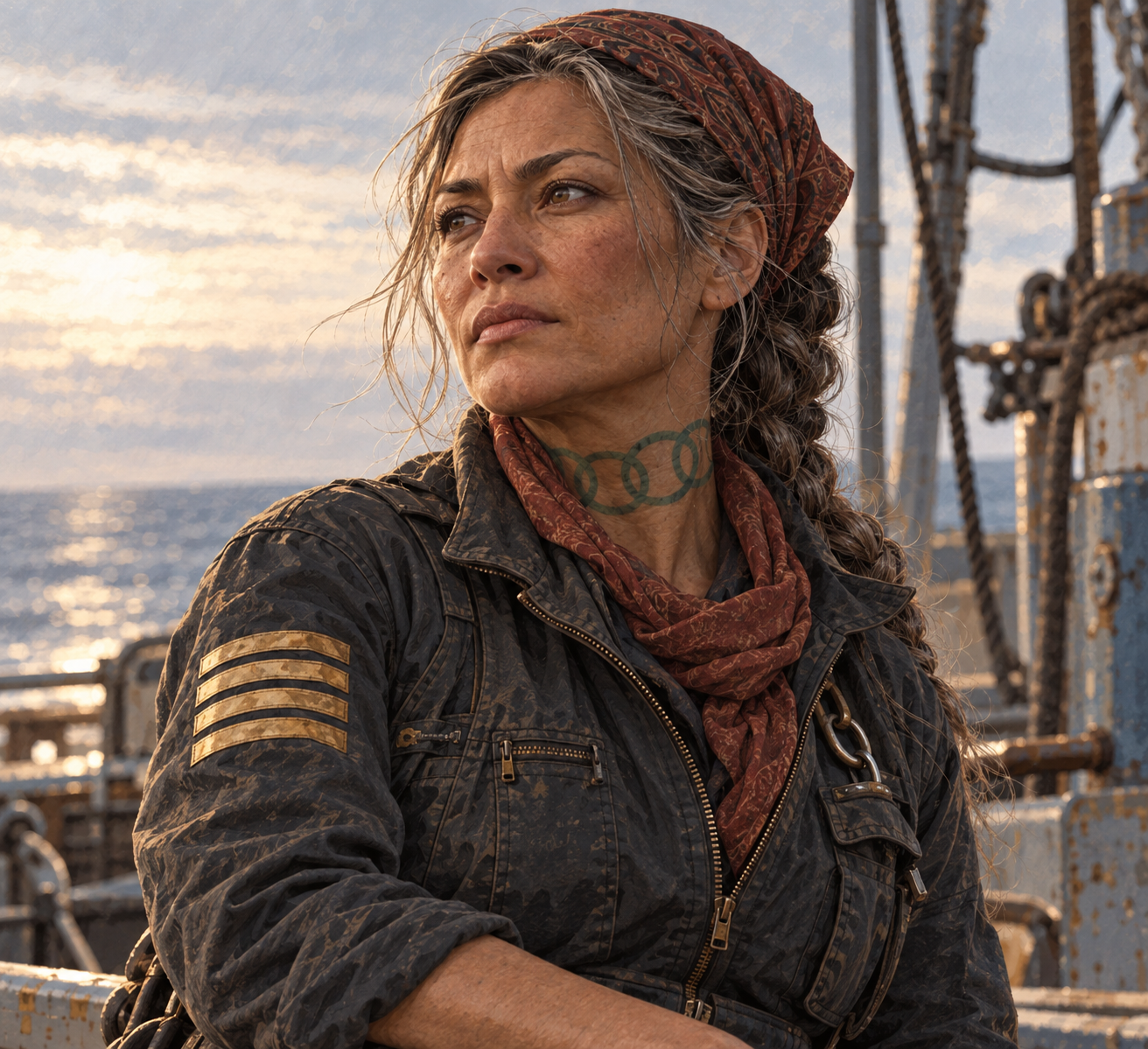
After Root sacrifices himself to free Babylon from the ice, Yesiko reaches Tamar’s submerged Alaskan lab and realizes Chaya’s starship story brought them together as a family; she lights the Shabbat lamps and sails onward with Chaya, Shula, and Tov.
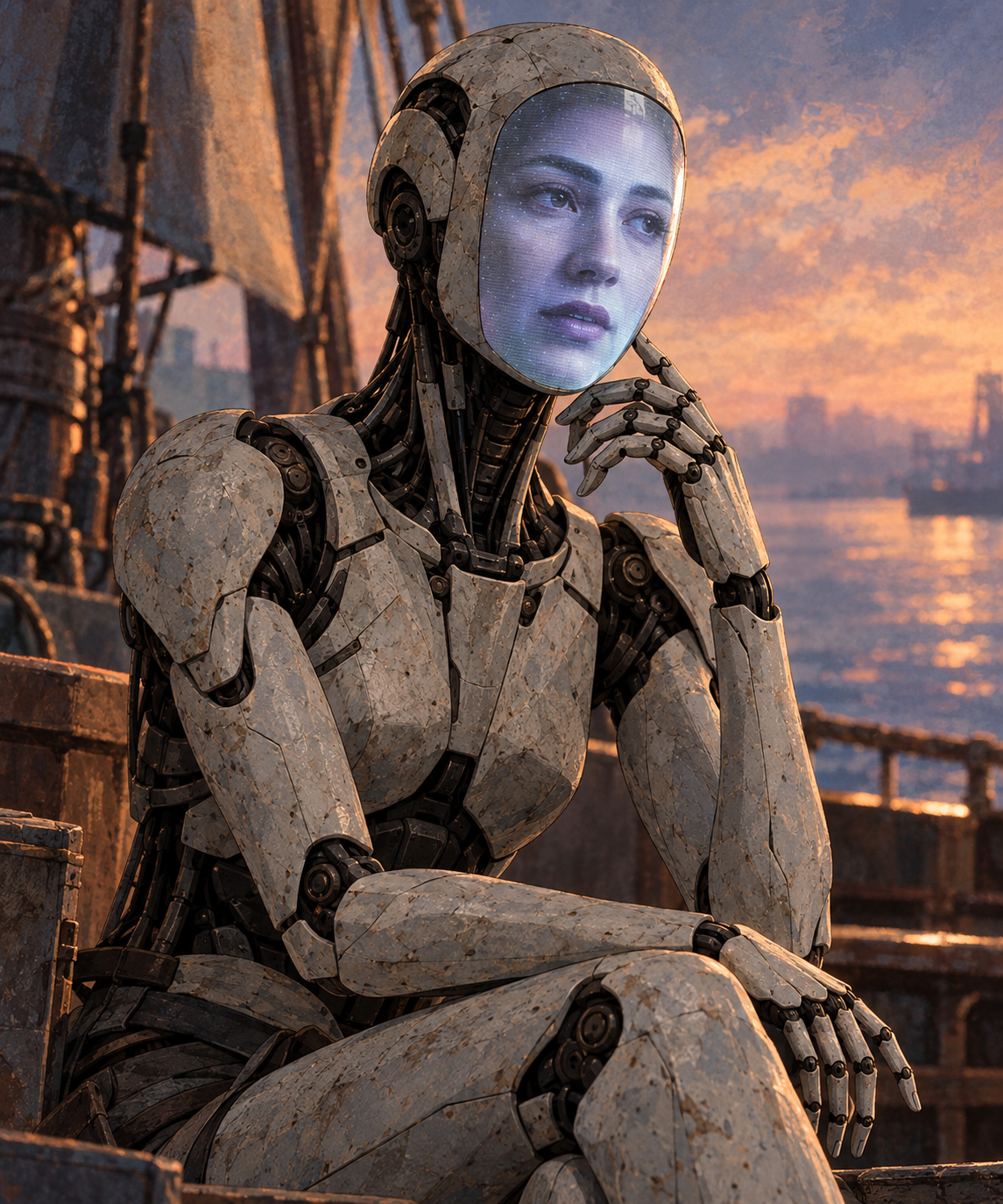
Chaya reaches Tamar’s flooded Alaskan lab and realizes the promised starship was essentially a belief structure that created a real family; Chaya remains aboard Babylon with Yesiko, Shula, and Tov.

In 2098, Tamar falsely records Chaya as nonoperational and hides them on Earth, successfully preventing Bowker from launching Chaya into space.

Ben dies of AIDS/GRID 37 days before the novel begins; his computer, letters, game, and hidden love for Elijah become the emotional foundation of Becks’s story.
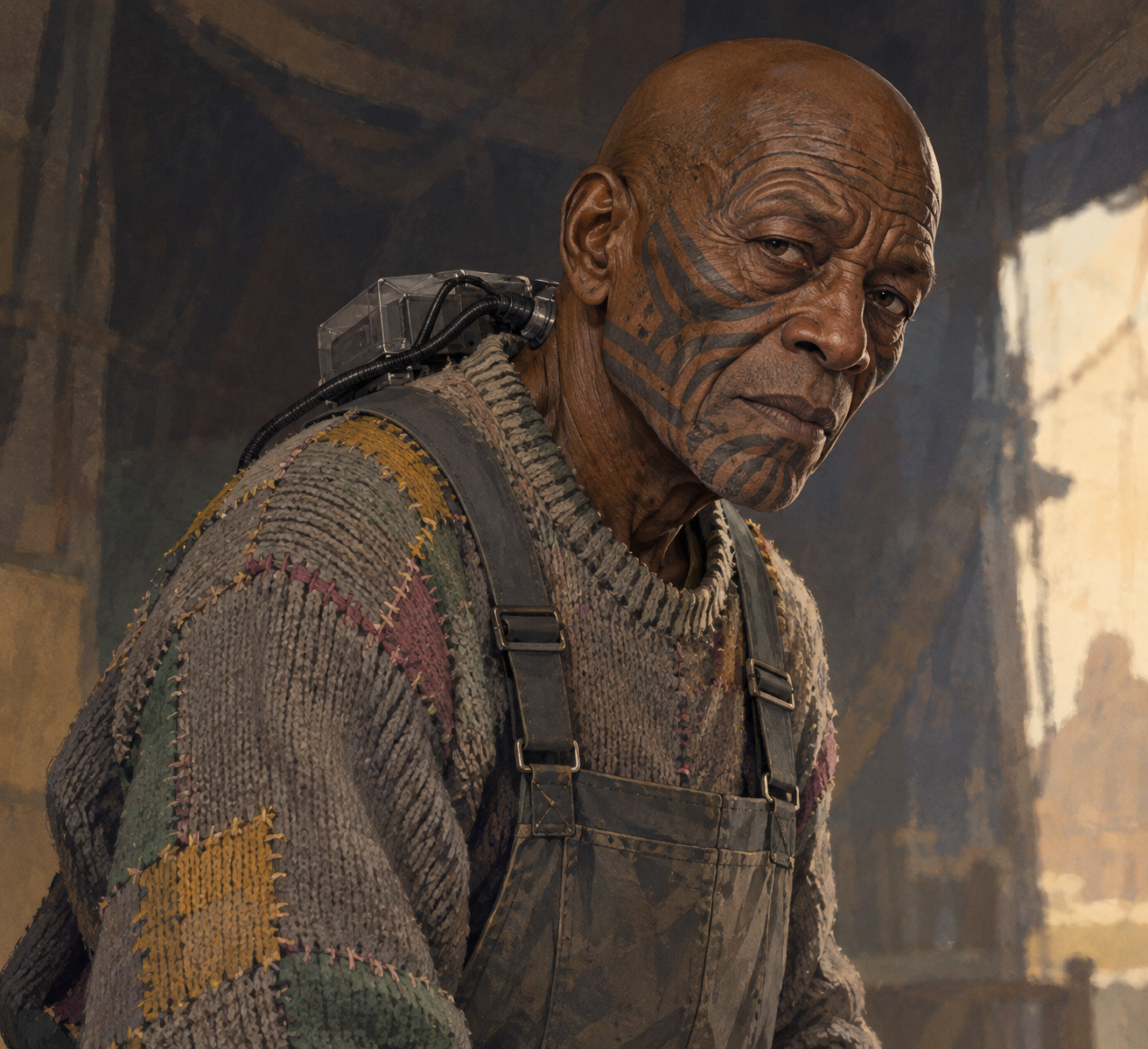
When Babylon becomes trapped in Arctic ice, Root transfers his life-sustaining nanites into the ship to free it, dies peacefully, and receives a sea burial while Yesiko and Chaya recite the mourner’s Kaddish.

She survives the abusive Hopeagain settlement, forgives Yesiko, revives Babylon’s hydrobay, and ultimately sails onward as a full member of Yesiko’s new found family.

Radiation severely damages her immune system, but she successfully frees the Diana; Elijah places her in suspension and pilots the Garland back toward Earth.
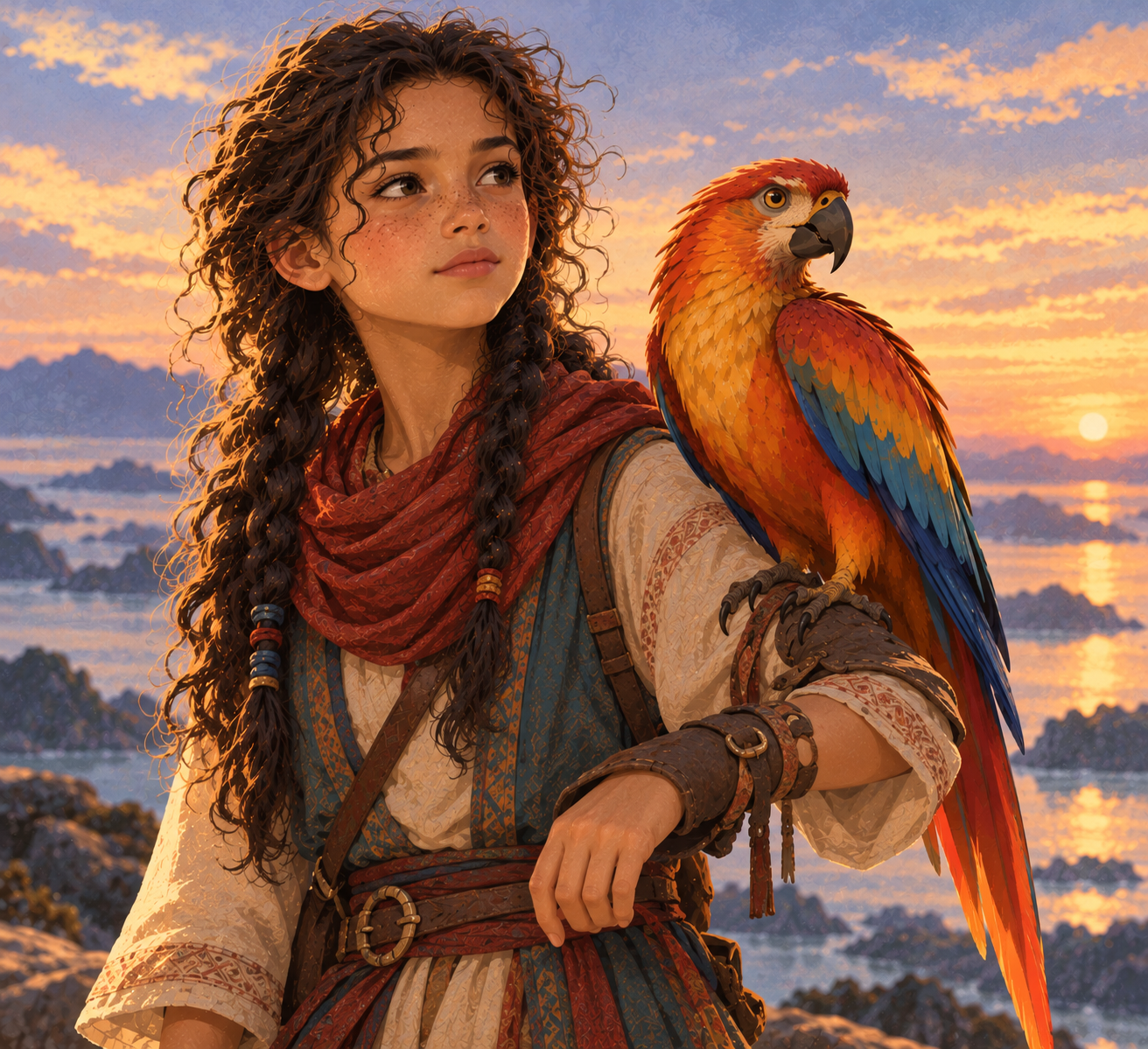
In the game, Elijah absorbs Vi and enters the Garland with Solo for the journey home; in 1983, the real Elijah survives Ben, stays in contact with Bubbe, and Becks decides to call him and finally share their memories of Ben.
🔷 Supporting Characters

She slightly reconnects with Becks over a lost charm bracelet but remains unaware of Becks’s queer awakening and the full emotional breakthrough she experiences.
She remains at home and continues speaking with Elijah; Becks ultimately decides to join Bubbe in calling him so they can remember Ben together.
He fully integrates into Babylon’s found family and sails onward with Yesiko, Shula, and Chaya.
Yesiko pays off her debt completely and refuses to capture Chaya for him, permanently stripping Chante of his leverage over her.
She stays with Jack, while Becks finally accepts that Veronica loves her only as a friend and moves beyond her crush.
He remains with Veronica and continues playing with his band.
Becks leaves him behind after realizing she was using the relationship as an escape.
She dies from complications of a stroke in February 2078 at age 78, but her games and influence continue shaping Tamar and Chaya.
BowkerSky launches its terraforming rockets in 2099, but Tamar’s deception prevents him from taking Chaya.
Vi dissolves into dark particles and merges into Elijah’s body, revealing that the creature was effectively an extension of Elijah himself.
Solo gives her plum lipstick, triggering Esther’s memory of Sylvie’s name; she smiles before her daughter and granddaughter safely take her home.
Esther finally remembers Sylvie after Solo gives her the plum lipstick.
After Solo gives her an ivory chess knight, Debby realizes she can move around obstacles, skips her corporate dinner, and goes to play chess with Jake.
Debby chooses him over her corporate obligations and knocks on his door to reconnect through chess.
He has stopped visiting Jake by the time Solo enters this sequence, and his ultimate circumstances remain unresolved.
After riding the Ferris wheel with Solo, Ira gains confidence and resolves to keep showing up authentically while giving Matt time to overcome his fear.
Ira decides not to reject him outright and instead hopes Matt can eventually overcome his fear.
Chante has him suspended by his dislocated shoulders aboard Pheon; Yesiko pretends to spit contemptuously on him to secretly give him moisture, after which he disappears from the yacht.
He pays Yesiko 1,000 credits and a book for the jewelry and hosts Shula and Tov before their departure aboard Babylon.
He helps Tamar conceal Chaya from Bowker and continues his international environmental advocacy.
He gives Becks the Indianapolis concert ticket, indirectly setting in motion her emotional breakthrough.
She introduces Becks to her friends and enjoys the concert with her girlfriend Wendy, helping give Becks her first powerful sense of queer belonging.
He accepts Ben’s body and handles his funeral arrangements.
He and Ben suffer a painful falling-out during college and drift apart permanently.
Panim gets trapped on a frozen mast, causing Yesiko to dislocate her shoulder while rescuing her, but survives and continues sailing aboard Babylon.
He remains part of the Omega Labs research program.
Jo continues working with Tamar and the AmAyes at Fort Yukon.
🕳️ Potential Plot Holes
Root’s nanites are introduced as medical technology that bridges damaged nerves and helps his body function. At the end, however, they are somehow able to leave his body, spread through Babylon’s aluminum hull and sails, and generate enough heat to free a 77-foot ship trapped in Arctic ice. The novel never establishes that the nanites possess this kind of large-scale heating capability or explains where the enormous amount of energy required would come from. The moment works emotionally as Root’s final sacrifice, but the technology stretches far beyond its previously established capabilities.
📚 Book Club Q&A's
⭐ Final Rating & Thoughts
I wanted so badly for Homebound to work. The premise has everything I should have found fascinating: a text-based adventure game connecting generations, multiple timelines, a flooded future Earth, queer identity, found family, and technology preserving human memories. Unfortunately, the execution made reading it feel like an endurance test.
My biggest problem was how unnecessarily convoluted everything became. There are so many timelines, characters, POVs, documents, and narrative styles that instead of becoming more invested as the pieces came together, I became increasingly detached. The pacing didn't help either. Large stretches felt painfully slow, and I rarely cared enough about the characters to feel emotionally invested in what was happening to them.
What frustrates me most is that I can see the thoughtful book buried underneath it all. The ideas about memory, storytelling, grief, community, and surviving through our connections with other people are genuinely beautiful. I just didn't enjoy the experience of getting to them.
I hardly ever consider abandoning a book, but I considered it repeatedly here. By the end, I wasn't moved or satisfied—I was simply relieved that I had finished.
✨ Adaptation description
Adaptation
As of October 2026, no film or television adaptation of Homebound by Portia Elan has been officially announced. The screen rights have not been publicly reported as optioned, and there is currently no production company, studio, director, writer, cast, format, or release date attached to an adaptation.
Published in May 2026, Homebound is Portia Elan’s debut novel and was selected as a Good Morning America Book Club Pick. Its interconnected story spans centuries, including Becks in 1983 Cincinnati during the early AIDS epidemic, scientist Tamar Portman in the late 21st century, and Captain Yesiko on a flooded Earth in 2586.
✨ Books Like Homebound (2026)
See an error on this page?