
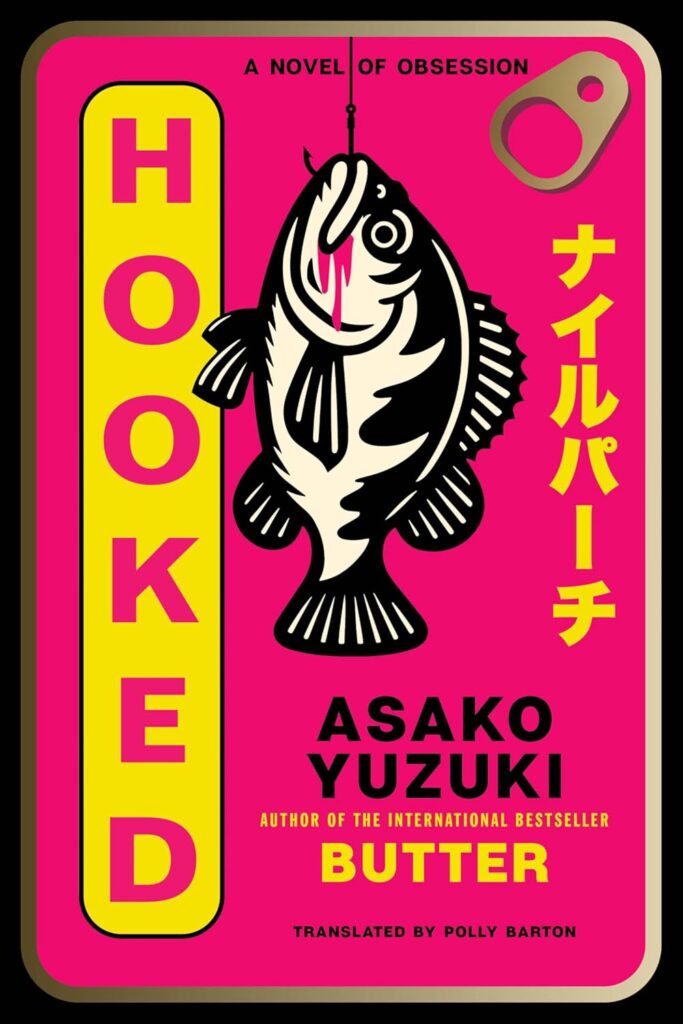
Hooked (2015)
Select Sections to Print
×Book Details
Hooked (2015)
Jump to Section
⚠️ Trigger Warnings
- Stalking & cyberstalking
- Harassment & obsessive behavior
- Blackmail & coercion
- Emotional & psychological abuse
- Physical violence & assault
- Parental physical abuse
- Self-harm / compulsive hair pulling (trichotillomania)
- Disordered eating & bulimia
- Self-induced vomiting / purging
- Sexual harassment
- Sexual coercion
- Unwanted sexual advances & touching
- Workplace harassment & abuse
- Infidelity & extramarital relationships
- Stroke & medical emergencies
- Hospitalization & physical restraint
- Parental neglect & abandonment
- Dysfunctional family relationships
⏱️ 2-Minute Spoiler Summary
Eriko Shimura is a successful 30-year-old sales executive at Nakamaru, a major Japanese trading company. Despite her impressive career and privileged upbringing, she has no close friends and struggles with loneliness. Her favorite escape is The Diary of Hallie B, The World’s Worst Wife, a popular blog written by Shōko Maruo, a married homemaker who shares amusing stories about her ordinary life with her husband, Kensuke.
When Eriko accidentally meets Shōko at a café, she is thrilled. The two begin spending time together, and a late-night meal at Denny’s followed by a bicycle ride leaves Eriko convinced she has finally found her best friend. But when Shōko disappears from her blog for four days and fails to answer Eriko’s messages, Eriko panics. She studies years of blog entries to locate Shōko’s apartment and shows up uninvited, frightening both Shōko and Kensuke.
Although Shōko initially tries to smooth things over, Eriko becomes increasingly possessive. She bombards Shōko with messages, tracks her movements, and refuses to accept that their friendship is falling apart. When Shōko finally calls her a stalker and demands that she never contact her again, Eriko lashes out, insulting Shōko’s marriage and lifestyle. She also begins anonymously attacking Shōko online.
Shōko eventually meets Keiko Ogasawara, Eriko’s former childhood best friend, who reveals that Eriko behaved similarly fifteen years earlier. When Keiko made other friends, Eriko stalked her and spread false rumors that she was engaging in compensated dating. The accusations led to Keiko being beaten by her father and Eriko becoming a social outcast.
Eriko’s professional life begins unraveling as well. After sleeping with her colleague Yasuyuki Sugishita, she learns he is engaged to a younger temporary employee, Maori Takasugi. When Eriko attempts to expose their encounter, Maori humiliates her and threatens to destroy her unless she sleeps with every man in their department. Eriko’s subsequent breakdown culminates in a disastrous encounter with her division manager at a love hotel, where he strikes her with a lamp and flees.
At the same time, Shōko becomes increasingly dissatisfied with her marriage as her blogging career gains attention. She begins spending time with Hashimoto, a young café waiter, and eventually kisses him during a date at an aquarium. Eriko, who has been monitoring Shōko’s online activity, secretly photographs the kiss.
Using the pictures as blackmail, Eriko forces Shōko to promise that they will be best friends forever. She takes control of Shōko’s blog and arranges an overnight trip to a hot spring resort in Hakone. The trip is miserable for Shōko, who eventually escapes and confesses everything to Kensuke. Devastated by her infidelity, he leaves her.
During a final encounter, Eriko demands another ride on Shōko’s bicycle. When they crash, Eriko sees their reflection in a shop window and finally recognizes how frightening and disheveled she has become. She deletes the incriminating photographs and releases Shōko from their forced friendship.
Both women’s lives fall apart before they begin rebuilding. Shōko returns to her hometown, where her father has suffered a stroke. She discovers that he has squandered his fortune and begins arranging his care while preparing to support herself financially. Kensuke visits, but their marriage remains unresolved.
Eriko returns to work only to face another humiliating confrontation with Maori, who attacks Sugishita and forces Eriko to resign. Back home, Eriko begins repairing her relationship with her mother.
The novel ends when Eriko discovers that Shōko has permanently deleted her blog. Wandering into a Denny’s at 3:30 a.m., she unexpectedly encounters Keiko, now working the night shift. The former friends share their first peaceful conversation in fifteen years. Eriko finally deletes Shōko’s contact information and decides to leave Setagaya to begin a new life.
📖 Full Spoiler Summary
Eriko Meets the Woman Behind Her Favorite Blog
At thirty, Eriko Shimura appears to have everything going for her. She is a successful sales executive at Nakamaru, a major Japanese trading company, where she manages imports of Nile perch from Tanzania’s Lake Victoria. She lives in an upscale apartment building in Tokyo’s Setagaya district and has built her life around professional achievement. But outside work, she is painfully lonely and has never managed to maintain close female friendships.
One of her favorite daily rituals is reading The Diary of Hallie B, The World’s Worst Wife, a humorous blog written by Shōko Maruo, a thirty-year-old homemaker who lives nearby. Shōko writes about her ordinary marriage to Kensuke, a supermarket manager she affectionately calls “The Demon King,” and her fondness for inexpensive food, particularly sushi from a revolving sushi restaurant called Smile Sushi.
Their lives unexpectedly intersect at Cafe Gisele, where Shōko is meeting Satoko Hanai, an editor interested in turning her popular blog into a book. Eriko happens to be there because her mother knows the café’s owner. Recognizing Shōko from their conversation, she excitedly introduces herself and gives Shōko her business card.
Shōko is flattered by the attention, although Kensuke later warns her to be cautious about strangers from the internet. She has already received some unsettling comments on her blog. Nevertheless, she writes enthusiastically about meeting her glamorous fan, and the two women arrange to see each other again.
Their first real outing takes place late at night at Denny’s. Eriko opens up about her complicated relationship with her parents and her lifelong difficulty making friends. Shōko listens sympathetically, and afterward she gives Eriko a ride home on the back of her bicycle.
For Eriko, the evening feels extraordinary. She believes she has finally found someone who genuinely understands her.
Unfortunately, Keiko Ogasawara, Eriko’s childhood friend and neighbor, witnesses their return. Keiko makes pointed remarks about Eriko’s inability to respect other people’s boundaries, hinting at a troubled history between them.
A Friendship Turns Into an Obsession
The trouble begins when Shōko travels to her rural hometown to help her father. Her stepmother, Urumi, has walked out, leaving the elderly man in a filthy, neglected house. Shōko spends several days cleaning while dealing with her passive father and unreliable younger brother, Yōhei.
She accidentally leaves her phone behind in Tokyo and doesn’t update her blog for four days.
To Eriko, the silence is terrifying. She sends ten messages without receiving a reply and convinces herself that Shōko might have been abducted by one of her online stalkers. Rather than waiting, she studies two years of Shōko’s blog posts, piecing together clues about her neighborhood until she identifies her exact apartment building.
When Eriko arrives unannounced, she encounters Shōko and Kensuke returning from a DVD rental outing. Instead of expressing relief, she angrily confronts Shōko for making her worry.
Both husband and wife are visibly disturbed. They barely know this woman, yet she has somehow located their home.
Hoping to clear up the misunderstanding, Shōko agrees to meet Eriko at Smile Sushi. But the conversation only makes matters worse. Eriko enthusiastically explains details of the seafood industry, including how inexpensive halibut is caught and processed. Shōko finds the information unpleasant and says she would rather enjoy her sushi without knowing those things.
Eriko feels humiliated by the rejection. At home, she begins compulsively pulling out her hair, a habit connected to a devastating experience fifteen years earlier.
Determined to repair their friendship, she sends more than twenty messages over the next forty-eight hours. Shōko becomes increasingly uncomfortable and discusses the situation with Kensuke and Satoko, both of whom suspect Eriko might resent Shōko’s married life.
Eventually, Eriko deliberately waits at Denny’s on a night when she knows Kensuke will be out. When Shōko arrives, Eriko approaches her, expecting another chance to reconcile.
Instead, Shōko calls her a stalker.
Furious, Eriko attacks Shōko’s character, accusing her of being lazy, cowardly, and ungrateful for her comfortable marriage. Shōko breaks down in tears and points out that they have only met five times. She demands that Eriko never contact her again.
Eriko cannot accept the rejection. She begins posting hostile comments online and creates a message-board discussion dedicated to criticizing Hallie B.
The Secret Behind Eriko’s Childhood
Seeking comfort, Eriko goes drinking with her colleague Yasuyuki Sugishita, who works in Nakamaru’s seafood division. He has noticed her obsession with Shōko and suggests that the two women simply have incompatible personalities.
He even compares Eriko to the Nile perch she imports: a species introduced into an unfamiliar environment that disrupts everything around it.
Desperate for affection, Eriko seduces him, and they spend the night together at a love hotel. The experience is painful and emotionally disappointing. Afterward, Sugishita makes an insensitive comparison between Eriko and a murdered female executive who had secretly worked as a prostitute.
Shōko, meanwhile, decides to visit Eriko’s apartment building in search of closure. There she encounters Keiko, who reveals what happened between her and Eriko fifteen years earlier.
The two girls had once been inseparable. But when Keiko began making other friends in high school, Eriko became intensely jealous. She followed Keiko, entered her bedroom without permission, and demanded information about her supposed boyfriend.
Trying to make Eriko leave her alone, Keiko invented a story about dating an older man through a telephone-dating service.
Eriko retaliated by spreading rumors that Keiko was engaging in compensated dating. She even sent accusations to school authorities. Keiko’s father believed the rumors and beat her, leaving a permanent scar.
Although the accusations were eventually disproven, the damage was done. Eriko was branded a stalker, ostracized by her classmates, and sent for counseling with Doctor Nishi.
For Shōko, the story confirms that Eriko’s frightening behavior is not new.
Eriko’s Career and Shōko’s Marriage Unravel
Eriko travels to Mwanza, Tanzania, to inspect Nile perch processing facilities. There she meets Naomi Akagi, an educated Japanese expatriate who helps coordinate her visit. They enjoy a friendly conversation over local food, but Eriko deliberately keeps her distance. After everything that has happened, she fears another friendship will end disastrously.
Back in Tokyo, Shōko’s blogging career is gaining momentum. Satoko invites her to a tasting event for Melanie magazine, where she meets Nori, a successful homemaker blogger whose polished lifestyle inspires her to become more ambitious.
Shōko begins preparing elaborate meals and pursuing magazine opportunities. When Yōhei calls to explain that their stepmother has permanently abandoned their father, she refuses to return home and take responsibility for him.
Her growing ambitions also create tension with Kensuke. When he questions her new priorities and goes out to eat alone, Shōko panics at the possibility of losing his affection.
She increasingly turns to Hashimoto, a friendly twenty-five-year-old waiter at Cafe Gisele. Eventually, she agrees to go with him to a new aquarium in Shinjuku.
Eriko’s own life is deteriorating much faster.
Returning to Nakamaru, she discovers that Sugishita is engaged to Maori Takasugi, a twenty-three-year-old temporary employee. Feeling betrayed, Eriko tries to warn Maori that Sugishita slept with her.
Maori responds with extraordinary hostility. She reveals that the temporary employees despise Eriko’s condescending, superior attitude. Then she threatens to ruin Eriko unless she sleeps with all twenty-three men in the sales division and produces photographic evidence.
Terrified, Eriko drops to her knees and begs for forgiveness. Maori strikes her head, leaving Eriko deeply shaken.
Exhausted by obsessive late-night internet activity and increasingly unstable, Eriko begins neglecting her job. She becomes fixated on satisfying Maori’s demand.
She invites her middle-aged division manager, a family acquaintance who has known her since childhood, out drinking. After becoming heavily intoxicated and vomiting in the street, she drags him into a love hotel.
Inside, her erratic behavior frightens him. She strips and taunts him until he strikes her forehead with a bedside lamp and flees.
Eriko returns home injured and retreats to her bedroom.
The Aquarium Blackmail and the Disastrous Hot Spring Trip
While recovering, Eriko continues monitoring Shōko’s social media activity. When she discovers that Shōko is visiting the Shinjuku aquarium, she rushes there in her pajamas despite her head injury.
Inside, she spots Shōko with Hashimoto. The two are holding hands and kissing in front of the Nile perch tank.
Eriko secretly photographs them.
When Hashimoto notices her and runs away, Eriko confronts Shōko and shows her the pictures. She threatens to send them to Kensuke and publish them online, destroying Shōko’s marriage and reputation.
Her price for silence is simple: Shōko must become her permanent best friend. She must promise never to ignore, dislike, or abandon Eriko again.
Terrified of losing Kensuke, Shōko agrees.
Eriko immediately begins controlling her life. She demands the password to Shōko’s blog and starts publishing entries under her name. She also arranges an overnight trip to a hot spring resort in Hakone, insisting that the two women travel together aboard the Romancecar train.
Shōko lies to Kensuke about the trip.
What Eriko imagines will be an intimate bonding experience becomes a nightmare for Shōko. Eriko insists they bathe naked together, prompting Shōko to pretend she is menstruating. Undeterred, Eriko offers her tampons and swims naked around the bath while Shōko watches in discomfort.
By the following morning, Shōko cannot tolerate another moment. She pretends to have severe cramps and returns to Tokyo alone.
Once home, she decides that continuing to lie will only make things worse. She confesses everything to Kensuke, including her romantic encounter with Hashimoto and Eriko’s blackmail.
Kensuke is devastated. He tells Shōko he can no longer live with her, packs his belongings, and leaves.
With her marriage collapsing, Shōko returns to her hometown.
The Bicycle Accident That Finally Ends Their Friendship
Before their relationship ends completely, Eriko and Shōko have one more encounter at Denny’s.
Afterward, Eriko demands another ride on the back of Shōko’s bicycle, hoping to recreate the wonderful evening that originally convinced her they were best friends.
But this ride is nothing like the first.
Shōko pedals listlessly while Eriko continues lecturing her. The bicycle becomes unstable and crashes, sending Eriko onto the asphalt and scraping her knees.
As they recover, Eriko catches sight of their reflection in an estate agency window.
For the first time, she sees how she actually appears beside Shōko. Instead of the polished, successful executive she still imagines herself to be, she sees an overweight, disheveled woman with frizzy hair looming aggressively over someone who is crying in fear.
She finally recognizes that Shōko is genuinely terrified of her and that no amount of pressure can force someone to become her friend.
Eriko takes out her phone and deletes the photographs of Shōko kissing Hashimoto. She tells Shōko that she no longer needs her and walks away.
Their relationship is finally over.
Shōko Faces Her Family’s Financial Collapse
Back in her hometown, Shōko discovers that her father has suffered a stroke and been hospitalized.
She also learns that the family’s finances are far worse than she realized. Her father has already sold his apartment building, parking lot, and farmland, squandering much of his fortune. The family home and remaining mountain property are among the few assets left.
With help from her uncle and a legal scrivener, Shōko begins making practical arrangements for her father’s future.
She reconnects with her cousin Miwa, a divorced mother raising a young son, and gradually accepts that she cannot continue waiting for her father to provide the affection and security she has always wanted.
Instead, she takes responsibility for his care. She tends to his neglected feet, considers selling the remaining family property, and begins planning how to support herself through independent employment.
Kensuke visits her at the hospital once. Their conversation is more honest than many of their previous exchanges, particularly when they discuss aging and financial security.
They do not reconcile, but neither does the conversation completely close the door on their marriage.
Eriko Loses Her Job and Confronts Her Past
Eriko briefly returns to Nakamaru, only to discover that her Nile perch project has been canceled.
Her remaining connection to Sugishita ends in another humiliating confrontation. In the staff kitchen, he approaches her in tears, complaining about his troubled engagement to Maori and declaring that he loves Eriko.
Maori walks in and explodes.
She attacks Sugishita by stabbing the back of his hand with a hard, sharp piece of imo-kempi, a sweet potato snack, causing him to bleed. She then viciously berates both of them, exposing Sugishita’s weakness and accusing Eriko of making everyone around her feel suffocated.
To further humiliate Eriko, Maori forces her to eat a piece of the bloodstained snack and demands that she resign immediately.
Eriko no longer has the strength to fight. She leaves Nakamaru, ending the career that once defined her entire identity.
At home, her mother finally breaks down under the strain of watching her daughter’s collapse. She throws a food tray against the wall, forcing Eriko to recognize how much her behavior has affected her parents.
Later, mother and daughter walk together in the park and speak more openly. Her mother admits that she has experienced struggles of her own and has sometimes depended on Keiko’s mother for support.
Their relationship begins to improve.
A Final Encounter at Denny’s
One night, at approximately 3:30 a.m., Eriko discovers that Shōko has permanently deleted The Diary of Hallie B, The World’s Worst Wife.
The blog that first brought Shōko into her life, and that Eriko obsessively followed for so long, is gone.
Unable to sleep, Eriko goes for a walk and eventually enters a twenty-four-hour Denny’s.
There she unexpectedly finds Keiko working the night shift.
Fifteen years after their friendship ended in accusations, humiliation, and violence, the two women finally sit together and have a peaceful conversation.
Keiko talks about how relationships can change or end without erasing the moments of happiness that once existed. For the first time, Eriko is able to listen without trying to reclaim their former closeness.
She decides that she needs to leave Setagaya and begin building a life that is no longer controlled by her childhood experiences or her obsession with Shōko.
Before the morning is over, Eriko takes out her phone and permanently deletes Shōko Maruo from her contacts.
As daylight arrives, she looks toward the morning and prepares to start again.
🔚 Ending Explained
How the Book Ends
The ending of Hooked brings both Eriko and Shōko to the same realization from very different directions: neither woman can keep using another person—or an invented version of herself—to avoid confronting her own life.
Eriko Leaves Nakamaru
When Eriko returns to work, she discovers that the Nile perch project in Tanzania has been taken away from her and put on hold. Her professional identity, one of the last things still giving her a sense of control, begins to collapse.
Things come to a head in the office kitchen when Sugishita grabs Eriko from behind while crying about his troubled engagement. Maori Takasugi walks in, sees them together, and reacts dramatically: she stabs Sugishita in the hand with a hard, sharp imo-kempi, leaving him bleeding on the floor.
But Maori’s real target is Eriko. She tells her exactly what no one else has been willing to say—that Eriko’s needy, relentless presence suffocates the people around her. Maori demands that she resign and even forces her to eat a piece of the blood-stained imo-kempi.
For once, Eriko does not fight to regain control. She recognizes that she needs what Maori calls a “change of tank.” She resigns from Nakamaru.
Eriko Finally Sees Her Mother
Eriko’s reckoning continues at home. Her mother finally explodes, throwing a food tray against the wall and crying that she is not a maid for Eriko and her father.
Later, mother and daughter walk together through the park, and Eriko learns something that challenges her isolated view of her family. Her mother once relied on Keiko and Keiko’s mother for emotional support, confiding in them about the difficulties of marriage and motherhood.
Eriko begins to understand that the people around her have always possessed complicated emotional lives of their own. Her obsession with controlling relationships has prevented her from truly seeing them.
Shōko Takes Responsibility for Her Life
Shōko undergoes a parallel reckoning.
After confessing both her date and kiss with Hashimoto and Eriko’s blackmail, Kensuke leaves her. Shōko then returns to her rural hometown, where she discovers that her father has suffered a stroke.
While investigating his finances, she learns that his situation is far worse than she realized. He squandered his fortune years earlier and secretly sold his apartment building, parking lot, and fields.
Kensuke unexpectedly comes to see her at the hospital. Their marriage is not magically repaired. He cannot immediately forgive her infidelity, but he tells her that her blog functioned as a kind of “talisman” that helped her remain connected to herself. Their conversation leaves open the possibility that their relationship might eventually survive.
Shōko then makes one of her most important decisions. While giving her father a pedicure and filing away the thick, fossilized skin on his feet, she calmly tells him what is going to happen: she will sell the family house and mountain, arrange long-term care for him, and find work of her own.
She will care for him—but she will not surrender her life to him.
The Final Meeting at Denny’s
The novel’s final resolution belongs to Eriko.
At 3:30 a.m., she wakes and discovers that Shōko has permanently deleted The Diary of Hallie B. The online version of Shōko that originally fascinated Eriko simply disappears.
Eriko walks through the silent streets of Setagaya and enters a 24-hour Denny’s beneath the train tracks. There she unexpectedly finds her childhood friend Keiko Ogasawara, working the night shift.
For the first time in fifteen years, they simply talk.
Keiko apologizes for lying to Eriko and avoiding her when they were fifteen. More importantly, she gives Eriko a radically different way of understanding relationships: something does not have to last forever to have been real or valuable. People can separate, friendships can end, and circumstances can change without erasing the genuine happiness that once existed between them.
That realization finally allows Eriko to let go.
She takes out her phone and deletes Shōko Maruo from her contacts.
As morning light begins filling the sky, Eriko looks outside and prepares to leave Setagaya and begin again.
What the Ending Means
The ending is ultimately about learning to let other people exist separately from you.
Eriko and Shōko spend much of the novel trying to escape loneliness through constructed identities and relationships. Eriko believes intimacy can be secured through persistence, rules, surveillance, and eventually coercion. Shōko retreats into Hallie B, creating an online version of herself that allows her to express feelings she struggles to confront in real life.
By the ending, both women dismantle those escapes.
Shōko deletes Hallie B.
Eriko deletes Shōko.
Those two acts mirror one another. Neither woman is erasing the past; she is accepting that the fantasy sustaining her can no longer substitute for an actual life.
The Nile Perch and the “Change of Tank”
The Nile perch is the novel’s central metaphor. It is an invasive predator that consumes its environment and, when trapped, can turn toward cannibalism. Eriko’s relationship with Shōko follows a similar pattern: her desperate hunger for connection becomes so consuming that she begins destroying the very intimacy she wants.
But the ending complicates that symbolism.
When Maori tells Eriko that she needs a “change of tank,” Eriko is no longer presented simply as a predator. She is also something trapped in an artificial environment that has encouraged her worst instincts.
Leaving Nakamaru and eventually Setagaya therefore represents more than running away. Eriko is abandoning the environments and identities within which she has repeatedly tried—and failed—to become the person she thinks she should be.
Shōko’s Father’s Feet
Shōko’s pedicure of her father’s thick, scaly feet is deliberately unpleasant, but it represents one of the healthiest choices anyone makes in the novel.
She does not abandon her father.
She also does not sacrifice herself to him.
Instead, she literally strips away the accumulated layers of neglect while explaining the boundaries of their future relationship. She will sell the property, arrange his care, get a job, and build an independent life.
It is the novel’s middle path between selfishness and self-erasure.
The Bicycle Crash
Eriko’s fantasy of riding on the back of Shōko’s bicycle evokes the kind of effortless female intimacy she has romanticized since adolescence. She wants friendship to feel like a permanent return to girlhood: closeness, laughter, sweetness, and absolute belonging.
The crash destroys that fantasy.
When Eriko sees their reflection in the estate agency window, she finally sees what the relationship actually looks like: she is a heavy, looming burden clinging to a crying Shōko.
It is a brutal moment of self-recognition. Eriko can no longer confuse her desire to be loved with Shōko’s willingness to love her.
The Imo-Kempi
The absurdity of Maori stabbing Sugishita with an imo-kempi is part of its power. Something ordinary, childish, and sweet suddenly becomes sharp enough to draw blood.
For Eriko, the food also reconnects her with memories of sweet potatoes, her mother, and Keiko. The confrontation breaks through the polished corporate identity she has built around herself and forces her back toward the messy emotional reality she has spent years trying to control.
Why Keiko Matters So Much in the Final Scene
Keiko provides the insight Eriko has been missing throughout the entire novel: impermanence does not make a relationship meaningless.
Eriko has treated friendship as something that must be secured permanently. Losing someone therefore feels like proof that the relationship failed—or that Eriko herself failed.
Keiko offers another possibility. A friendship can matter enormously and still end. People can hurt each other, drift apart, change, and move forward without invalidating everything that came before.
That is why Eriko can finally delete Shōko.
She does not need to possess Shōko in order for their connection to have mattered.
Where Eriko and Shōko End Up
Eriko’s future is deliberately uncertain. She has lost Nakamaru, Shōko, and the identity she built around professional excellence and social status. But for the first time, that uncertainty feels hopeful. Leaving Setagaya gives her the possibility of discovering who she is when she is no longer desperately trying to make another person complete her.
Shōko’s future is more concrete but equally difficult. She must manage her father’s care, dispose of the remaining family property, find employment, and determine whether her marriage can be repaired. Yet she is finally making decisions instead of drifting around them. Kensuke’s visit suggests reconciliation remains possible, but the ending wisely refuses to make romantic forgiveness the reward for Shōko’s growth.
The final mood is therefore quietly hopeful rather than triumphant.
Neither woman is suddenly healed. Neither receives the perfect relationship she once imagined. What they gain instead is something more valuable: the ability to tolerate uncertainty, separation, responsibility, and change.
And that makes the dawn in the final scene especially fitting. Eriko has spent the novel desperately trying to preserve relationships that cannot remain frozen in place. As daylight arrives, she finally accepts that moving forward does not require pretending the past meant nothing—it simply requires letting it be over.
👤 Characters & Fates
🔶 Main Characters

After blackmailing Shōko, suffering a breakdown, and being forced to resign by Maori, she reconciles with her mother, reconnects with Keiko, deletes Shōko's contact, and resolves to rebuild her life independently.

She confesses her infidelity to Kensuke, who leaves her, permanently deletes her blog, and returns home to confront her manipulative father. She takes control of the family property and begins building an independent future, with reconciliation with Kensuke still possible.

Works the night shift at Denny's, where she eventually reconnects with Eriko and helps her recognize the value of imperfect, temporary friendships.
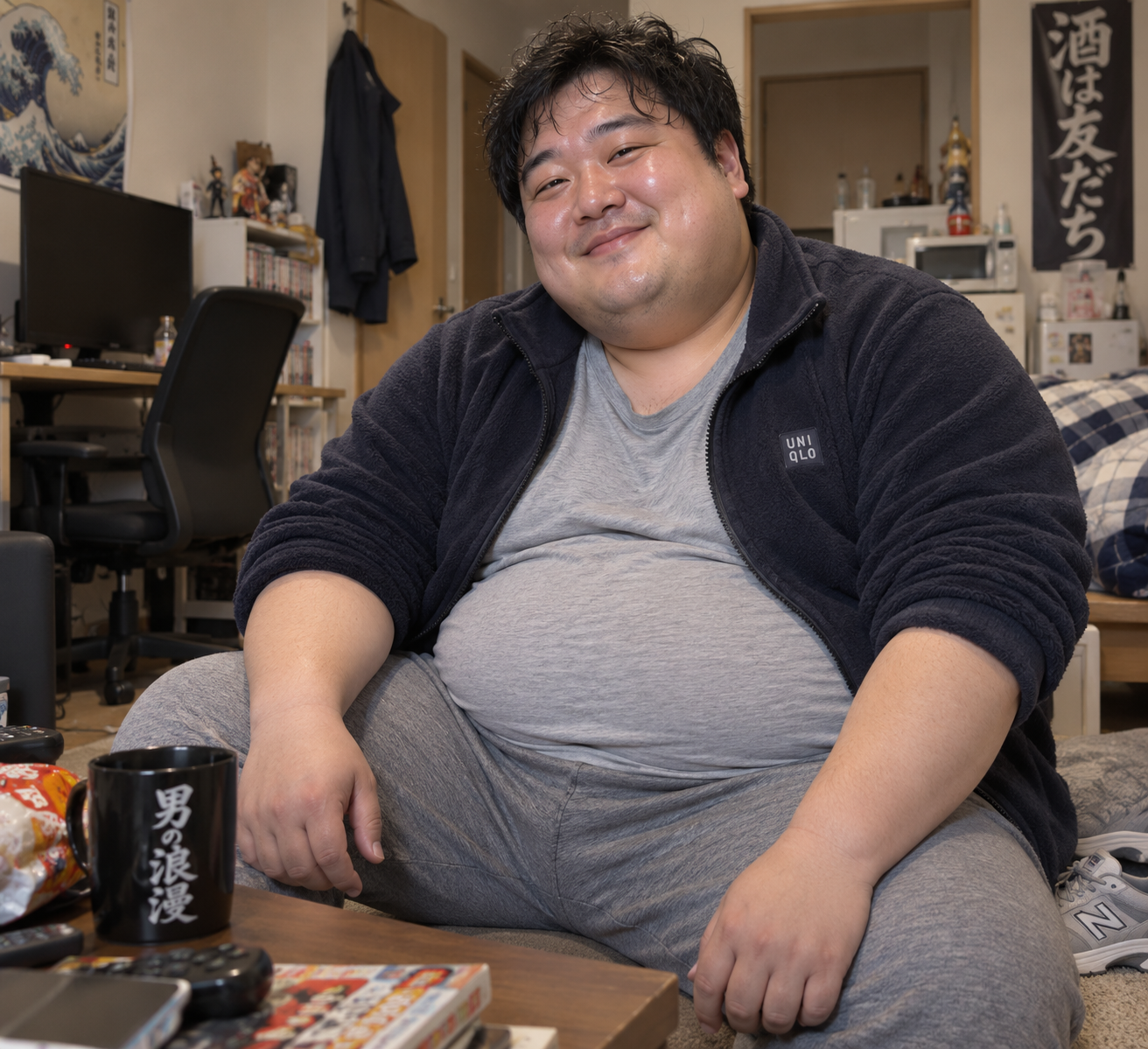
Leaves Shōko after learning about her infidelity but later visits her hometown. Although he cannot immediately forgive her, their messages suggest reconciliation remains possible.
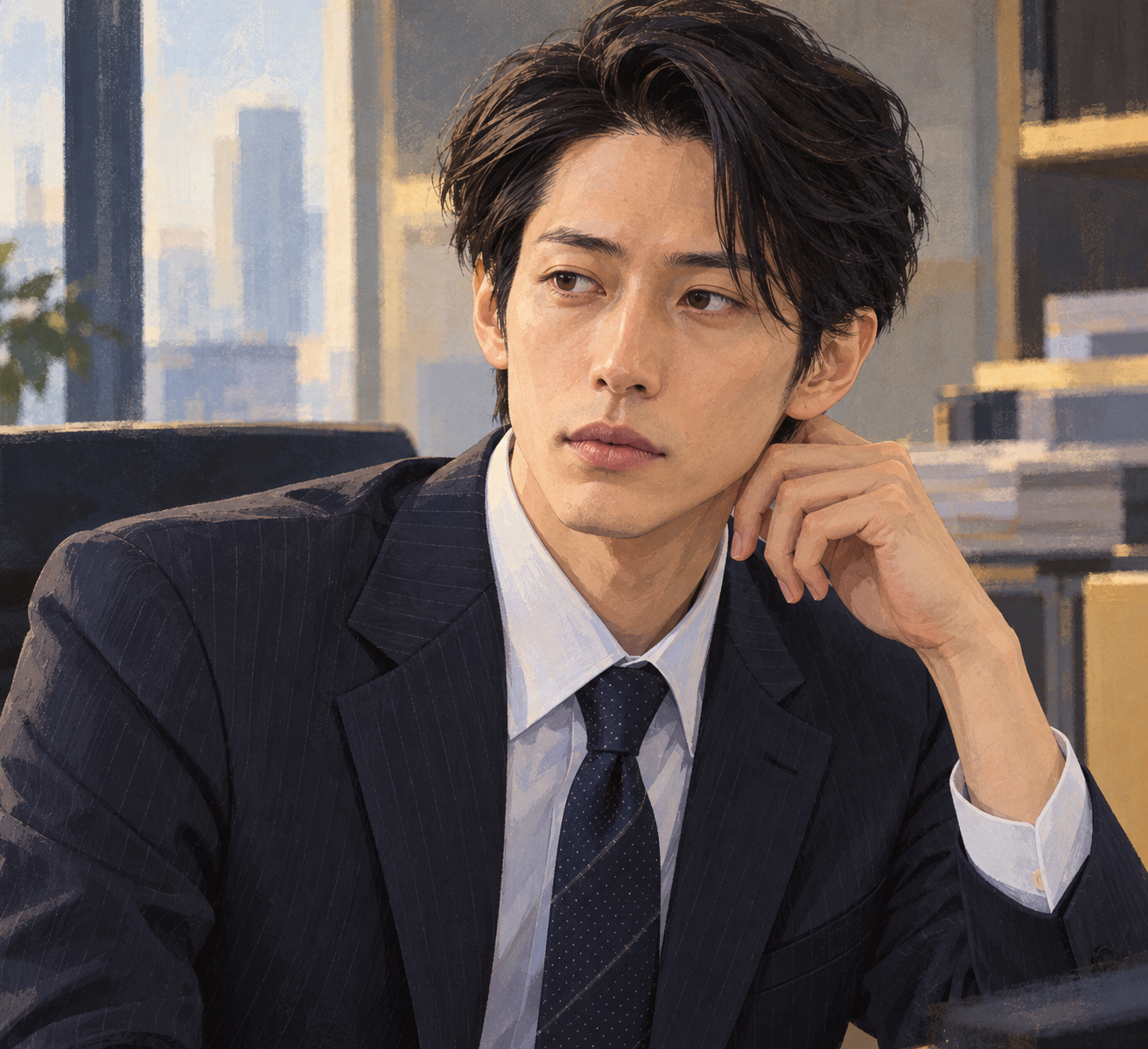
After becoming engaged to Maori, he approaches Eriko emotionally in the office kitchen, prompting Maori to stab his hand with a hardened sweet potato snack. He survives, bleeding and humiliated, while Maori gains leverage over him.
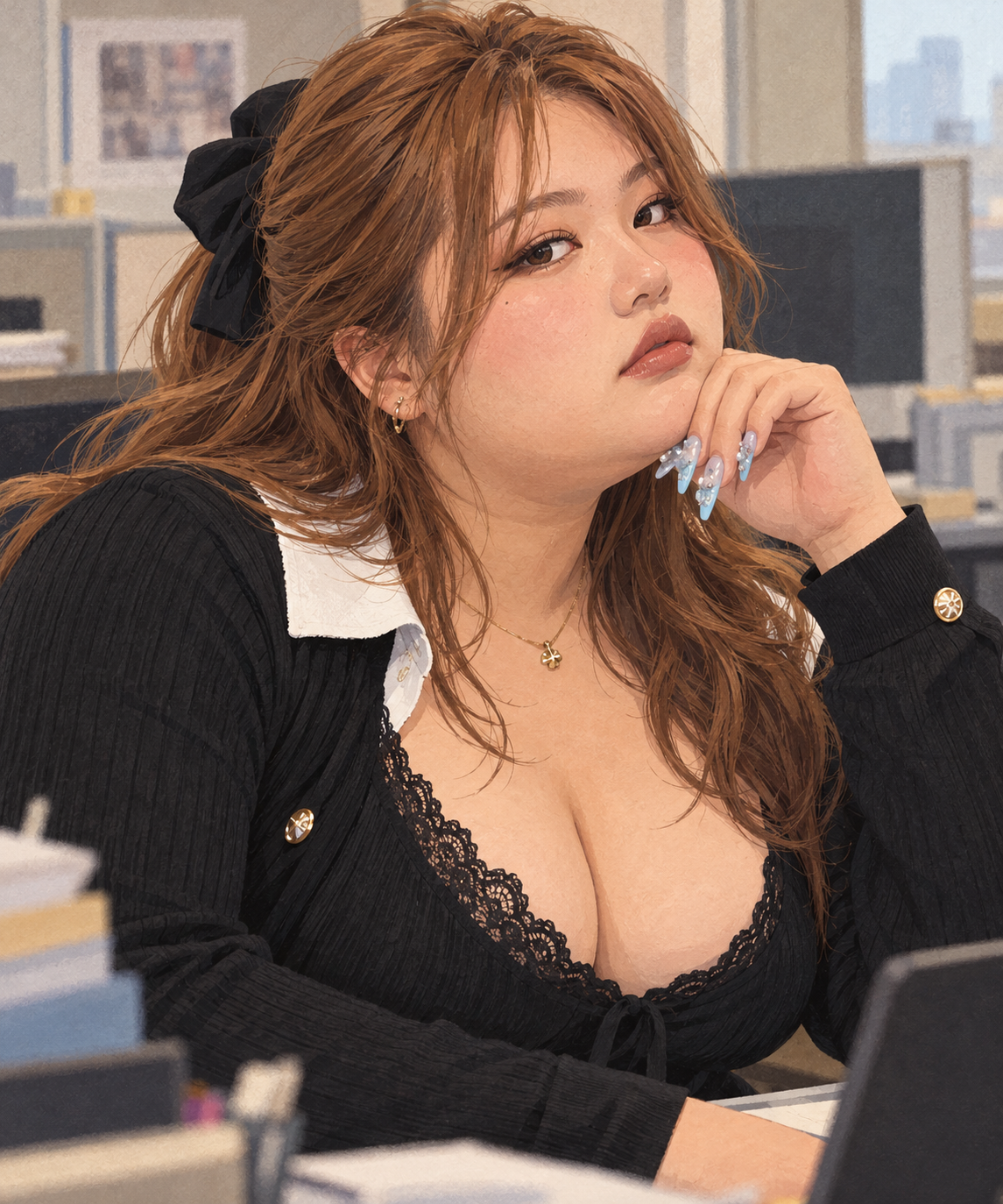
Demands Eriko sleep with 23 male colleagues, later stabs Sugishita's hand with an imo-kempi, forces Eriko to eat the bloodied snack, and demands her resignation. She retains control over her engagement and emerges victorious in their workplace power struggle.
🔷 Supporting Characters

Abandons the publishing project after Shōko harasses Nori with desperate messages and advises her to stop blogging.
Kisses Shōko at the aquarium but flees when Eriko confronts them. He later expresses concern about rumors before disappearing from Shōko's life.
Eriko deliberately avoids becoming too close to her, fearing another obsessive attachment. Naomi later expresses concern during Eriko's absence from work.
Reports Shōko's intrusive messages to editor Satoko and cuts off contact.
Suffers a stroke after squandering his wealth. Shōko takes control of selling his remaining property and plans to place him in long-term care rather than sacrifice her independence.
Attempts to transfer their father's care entirely to Shōko, but she refuses and forces him to share responsibility.
Finally abandons her husband, leaves signed divorce papers, and moves to Niigata.
Breaks down during Eriko's crisis but eventually shares her own emotional struggles, helping them establish a healthier mother-daughter relationship.
Watches helplessly as Eriko collapses psychologically and tearfully questions how they raised her.
Strikes Eriko with a bedside lamp after she drunkenly drags him into a love hotel. He later removes her from the Nile perch project and offers a gradual professional transition.
Informs Eriko that Sugishita and Maori are officially engaged.
Continues raising her son in her parents' home and helps Shōko reconnect with her family roots.
Informs Shōko that her father squandered his fortune and sold most of his properties years earlier.
Eriko's mother suggests returning to him during her breakdown, but Eriko refuses because she resents his earlier assessment of her family.
🕳️ Potential Plot Holes
Nakamaru is portrayed as an enormous, prestigious trading company, yet remarkably little institutional intervention occurs as Eriko’s behavior deteriorates. She misses important meetings, spends nights at work attacking Shōko online, becomes involved in a physical altercation with her manager, and eventually witnesses Maori stab Sugishita’s hand in the office kitchen. Maori then effectively orders Eriko to resign while Sugishita is left bleeding on the floor. Some of this can be attributed to the novel’s focus on interpersonal dynamics rather than corporate procedure, but the complete absence of HR, security, medical intervention, or disciplinary consequences is difficult to reconcile with a company of Nakamaru’s size.
After forcing Shōko to surrender her blog password, Eriko begins posting as Hallie B. Readers apparently continue following the blog even though Shōko recognizes that Eriko’s writing lacks the personality that made Hallie B popular. This may seem unlikely for a blog with devoted regular readers, but it is not necessarily an inconsistency. Readers have no reason to assume someone has hijacked the account merely because the writing changes, and the declining rankings suggest that they do notice something is wrong even if they cannot identify the cause. Kensuke also has little reason to scrutinize every post closely enough to immediately recognize another author. The episode is therefore more of a plausible identity-deception scenario than a genuine plot hole.
📚 Book Club Q&A's
⭐ Final Rating & Thoughts
Hooked was one of those books I’m not entirely sure I liked, yet I also couldn’t stop reading. Eriko is obsessive, invasive, delusional, and often downright frightening, but watching her unravel was strangely compelling. Yuzuki does an excellent job exploring loneliness, female friendship, and what happens when a one-sided sense of intimacy becomes something much more dangerous.
As a content creator, the blogging and parasocial relationship aspects especially got under my skin. The idea of someone analyzing every little detail you share online and believing they actually know you is genuinely unsettling, and those elements were easily the strongest part of the book for me.
Where it lost me somewhat was in the middle. The story becomes repetitive, some sections drag, and the recurring fish symbolism eventually felt a little heavy-handed. Still, I appreciated that the book never tried to make its characters easily likable or give their relationships simple answers. The quieter ending worked for me too.
Overall, this was strange, uncomfortable, occasionally frustrating, and completely fascinating. I’m glad I read it—even if “enjoyed” isn’t quite the word I’d use.
✨ Adaptation description
Adaptation Status: No Film or Television Adaptation Announced
As of October 2026, Asako Yuzuki’s Hooked has no officially announced film or television adaptation, and no production company, director, cast, or release date has been confirmed.
Originally published in Japan in 2015 as Nairu Pāchi no Joshikai (Nile Perch Women’s Club), the psychological novel was translated into English by Polly Barton and released in March 2026.
Although Hooked has not been adapted for the screen, several of Yuzuki’s other works have received adaptations, including The Many Faces of Ito (2017), which became both a Japanese television drama and a feature film.
For now, Hooked remains exclusively a literary work, with no confirmed screen adaptation in development.
✨ Books Like Hooked (2015)
See an error on this page?