

I Cheerfully Refuse (2024)
Select Sections to Print
×Book Details
I Cheerfully Refuse (2024)
Jump to Section
⚠️ Trigger Warnings
- Suicide and suicidal ideation
- Suicide involving children and families
- Drug-assisted suicide / lethal substance use
- Murder
- Graphic violence
- Gun violence
- Mob violence and lynching
- Child abuse and physical violence against children
- Child sexual abuse / inappropriate touching
- Child exploitation and trafficking
- Child endangerment
- Forced labor / indentured servitude
- Human experimentation
- Forced drug testing / medical abuse
- Death of a child
- Terminal illness and cancer
- Substance abuse
- Inhalant abuse / nitrous oxide use
- Drowning
- Shipwrecks and mass-casualty events
- Graphic descriptions of corpses and decomposition
⏱️ 2-Minute Spoiler Summary
In a near-future America where society is crumbling and powerful “astronaut” families control much of what remains, Rainier “Rainy” lives in Icebridge, Minnesota, with his beloved wife, Lark, who runs a bakery and used bookstore. Their lives change when they shelter Kellan, a young fugitive laborer who has escaped from a pharmaceutical ship. Unknown to them, Kellan has stolen thousands of doses of Willow, a widely circulating drug used for suicide, and hidden them aboard Rainy’s unfinished sailboat, Flower.
Kellan’s theft brings Werryck, a ruthless operative working for the wealthy elite, to Icebridge. After Rainy’s despairing friend Jack Labrino dies from Willow, Kellan disappears. Werryck’s men search Rainy’s home for him and the stolen drugs, murdering Lark in the process. Devastated and now being hunted himself, Rainy finishes Flower and escapes onto Lake Superior.
His voyage becomes both a flight from Werryck and a journey through the fractured communities surrounding the lake. After surviving storms and repairing Flower in the Canadian town of Jolie, Rainy discovers Kellan’s hidden cache of Willow aboard the boat. In Michigan, he rescues Sol, a fierce nine-year-old girl living under the control of an abusive man called King Richard, even sacrificing his treasured Fender bass guitar to secure her freedom. Sol becomes Rainy’s sailing companion, and the two encounter corruption and brutality along the lake, including a mob hanging three islanders from the Huffin Lift Bridge.
Eventually Werryck catches them with the help of the enormous pharmaceutical ship Posterity. Rainy and Sol are taken prisoner, and Rainy discovers that Kellan and eleven other escaped laborers have also been recaptured. Werryck bizarrely returns Rainy’s bass and forces him to play blues music to ease his chronic insomnia, while Rainy is otherwise treated as a convict and put to work with the ship’s prisoners.
A young janitor named Marcel, aided by other workers, organizes a mutiny. During the uprising, Werryck’s thug Tom Skint shoots Marcel, and Rainy kills Skint by throwing him from a catwalk. The prisoners seize Werryck’s cruiser and escape toward Canada, while Rainy rescues Sol and leaves aboard Flower. Werryck and Sol’s unreliable grandfather Papa Griff are locked in Posterity’s lower decks.
Rainy and Sol return to Jolie and build a new life with Dr. Girard and Evelyn, the couple who had helped Rainy earlier in his journey. They later learn that Posterity sank with Werryck and Griff still aboard, while the escaped prisoners reached safety. As the long-awaited Tashi Comet blazes across the sky, Rainy makes one last peaceful voyage to the Slate Islands, carrying his memories of Lark with him. He then returns to Jolie, where Sol is thriving and music is flourishing again, and chooses to step back onto land and embrace whatever life comes next.
📖 Full Spoiler Summary
Rainy and Lark’s Life in a Crumbling America
In a near-future America where infrastructure is failing, resources are scarce, and wealthy “astronaut” families increasingly operate above the law, Rainier “Rainy” lives a relatively peaceful life in Icebridge, Minnesota, near Lake Superior. A huge but gentle former house painter and woodworker, Rainy plays electric bass in a local band called Red Dog. His wife, Lark, is an obsessive reader who runs “Bread,” a combination bakery and used bookstore, with her friend Maudie Antoinette.
Their world is already showing signs of collapse. Rainy’s friend Jack Labrino, who owns The Lantern tavern, has become consumed by despair about society and the approaching Tashi Comet, which he sees as another omen that everything is falling apart.
Then a strange young man named Kellan arrives looking for somewhere to stay. Gaunt and scarred, with one burned hand curled into an unusable claw, Kellan is clearly hiding something. But he immediately wins Lark’s attention by bringing her an extraordinary gift: an advance galley of I Cheerfully Refuse, the unpublished final novel of the long-dead cult writer Molly Thorn. Lark has collected Thorn’s work for years and considers the lost book a literary treasure.
Rainy takes Kellan to the Greenstone Fair to find parts for Kellan’s antique Ford Ranchero. There they encounter the intimidating police officer Apeknuckle, who tries to bully an auto-parts vendor named Grabo until she fights back with a modified crankshaft. Kellan secretly steals the car parts he needs and later gives Rainy a small compass.
As Rainy and Lark get to know him, Kellan reveals pieces of his past. He is a fugitive “squelette,” one of the disposable laborers working aboard a medicine ship, and he is terrified of a man named Werryck. Kellan also repeatedly inhales nitrous oxide to calm himself, making it difficult for Rainy to know exactly how much danger he has brought to their door.
Lark Is Murdered
The danger arrives soon after Lark acquires an enormous collection of old books from a Duluth estate.
First, Labrino gives in to the despair that has been consuming him. He takes Willow, a widely available pharmaceutical used by people seeking death, and lies down to die. Rainy stays with his friend and plays bass for him as Labrino peacefully slips away.
Then Kellan abruptly disappears.
During a violent microburst, Rainy goes searching for Maudie’s missing dog, Vixen. When he returns home, he finds the house ransacked. Upstairs, Lark has been murdered in the attic with a lump hammer.
The police initially look suspiciously at Rainy, but he understands that Lark’s death is connected to Kellan. Whoever came into the house was searching for either the fugitive himself or something he had stolen. Rainy soon realizes that Werryck and his men are responsible.
With Lark gone and Werryck closing in, there is little left for Rainy in Icebridge. He turns his attention to Flower, an unfinished sailboat inherited from his late neighbor Erik Haflinger. After Werryck and his thugs confront him during a Red Dog performance at The Lantern and later track him to his home, Rainy launches Flower into Lake Superior during a brutal ice-and-snow gale.
Rainy Escapes Across Lake Superior
Rainy survives the storm and reaches Lightner, where he encounters Apeknuckle again. Surprisingly, the officer warns him that powerful outsiders connected to the wealthy astronaut class are hunting him. Apeknuckle also reveals that Tonio, one of the troubled children Rainy once taught music, is under his protection. Rainy leaves a harmonica for the boy before continuing his voyage.
He intends to reach Canada’s remote Slate Islands, a place he once visited with Lark. During that earlier trip, they met an elderly woman whom Lark suspected might actually have been Molly Thorn.
Before Rainy can reach the islands, Werryck contacts him on a prepaid phone and finally explains what Kellan stole. The young fugitive escaped with roughly 10,000 doses of Willow from a pharmaceutical production line and began using them as currency. Some of the drugs reached Labrino and young people around Icebridge. Werryck offers to clear Rainy if he helps find Kellan.
Rainy refuses and throws the phone into Lake Superior.
His journey soon nearly kills him. After passing the submerged ghost town of Gold, Ontario, Flower breaks a chainplate during a squall. At the same time, a wound on Rainy’s chin becomes badly infected. He manages to reach the town of Jolie, where welder Stevie agrees to make replacement chainplates if Rainy will play bass with her daughter Mina and the local band, the Indolent Vagrants, at a benefit concert for Nils, a father dying of cancer.
Rainy is cared for by the eccentric, nearly blind Dr. Girard and his wife, Evelyn, who lost their daughter Tinker to a fever. Girard treats Rainy’s infection, while Evelyn gives him clothes and hospitality. Rainy performs at the benefit, helping the community support Nils and his family.
Once Flower is repaired, Rainy resumes his journey toward the Slate Islands.
But Werryck has beaten him there.
Rainy spots Werryck’s dark motor cruiser anchored in the bay and is forced back into another violent storm. He is thrown overboard and survives only by grabbing a trailing sea-anchor rope and hauling himself back aboard. While investigating a mysterious clanking sound in Flower’s bilge afterward, he finally discovers why Werryck has pursued him so relentlessly: Kellan secretly hid a steel canister containing thousands of iridescent Willow doses aboard the boat.
Sol Joins the Voyage
Running low on food, Rainy stops in Winton, Michigan, where he meets Sol, a fierce nine-year-old girl living in an abusive household controlled by a paranoid man called King Richard. Richard presides over several young girls while sitting beside a machine-gun cross.
Sol secretly stows away aboard Flower. Rainy initially tries to return her because he does not want to be accused of kidnapping a child, but when Richard strikes Sol with a rock, Rainy can no longer leave her there. He gives Richard one of his most treasured possessions—his Fender Jazz bass guitar—in exchange for Sol’s freedom.
Sol and Rainy become companions aboard Flower. She tells him that she has a grandfather called Papa Griff, whom they might find in Redfield, and admits that she stole $422 from Richard before escaping.
Their next obstacle is the Huffin Lift Bridge, connecting Blinker and Brighton. Its corrupt operators, Alistair and Ricky, demand $370 for passage and then refuse to honor the permit the following morning.
With help from Essie, a bait vendor on the island side of the bridge, Rainy comes up with another plan. He floods Flower’s bilge enough to lower the boat in the water and then pulls the unmasted vessel beneath the bridge at night.
During their escape, Rainy and Sol witness something far worse than simple corruption: a mainland mob led by Alistair hangs three “pagan” islanders from the bridge structure. Before they get away, Sol manages a small act of revenge by stealing Alistair’s thick eyeglasses, effectively blinding him.
Werryck Captures Rainy and Sol
Rainy and Sol eventually find Papa Griff in Port Mineral. Unfortunately, Sol’s grandfather is a vain, smooth-talking former actor who proves almost immediately that he is not a dependable guardian. He cannot even handle Flower properly and accidentally opens a sea valve, flooding the cabin.
Before Rainy can figure out what to do next, Werryck catches up with them near Michipicoten Island. His cruiser is accompanied by Posterity, an enormous rusting pharmaceutical and hospital ship. Werryck’s thug Tom Skint cuts Flower’s anchor line, and Rainy and Sol are taken prisoner.
Rainy is thrown into a filthy cell in the lower decks, known as the Shambles. Werryck informs him that he has already been “convicted” through an expedited system that makes any meaningful legal process irrelevant.
Yet Werryck also does something bizarre: he gives Rainy back the Fender bass that Rainy surrendered to King Richard. Werryck suffers from decades-long insomnia and discovers that Rainy’s deep blues playing can calm him, so his prisoner becomes his unwilling personal musician.
The rest of Rainy’s existence aboard Posterity is far less comfortable. He is assigned to a paint crew with prisoners Beezie, Verlyn, Didier, and Harriet, guarded by the muscular Burke. He also meets Marcel, a charismatic young janitor who is quietly organizing resistance aboard the ship.
Then Kellan reappears.
He and eleven other escaped laborers—the group known as “the twelve”—have been recaptured. As punishment, Werryck locks all twelve inside an iron cage on an exposed raft during a freezing snowstorm. Against the odds, every one of them survives the night.
The Mutiny on Posterity
Marcel has been preparing to overthrow the people controlling the ship. With help from kitchen worker Tove and laboratory technician Pharma Luca, he launches a mutiny. Guards are drugged, prisoners rebel, and control of Posterity begins slipping from Werryck’s hands.
During the violence, Tom Skint shoots Marcel and a guard. Rainy attacks Skint, grabs him, and throws him over a catwalk railing to his death on the deck below.
The surviving prisoners and rebellious crew members seize Werryck’s dark cruiser and prepare to escape to Canada. Kellan chooses to remain with the other members of the twelve rather than leave them behind. Rainy also frees Burke, who has decided he wants a different life.
Rainy’s priority, however, is Sol. He finds her hidden in the wheelhouse stack and gets her safely back aboard Flower, which has been towed behind Posterity. He and Sol escape in the sailboat while the larger group departs aboard the cruiser.
Werryck and Papa Griff are left locked below in the Shambles.
Rainy Chooses to Keep Living
Rainy, Sol, and Burke make it safely back to Jolie. Burke eventually leaves in a van and heads west, while Rainy settles into the loft above Dr. Girard and Evelyn’s garage. Sol lives with Girard and Evelyn in the main house, where she learns math and begins scattering fruit and flower seeds into cracks in sidewalks and abandoned patches of ground throughout town.
Eventually The Mosquito newspaper brings news about the people they left behind. The escapees aboard the cruiser successfully reached Walda, but Posterity sank to the bottom of Lake Superior. Werryck and Griff were still trapped inside.
The long-awaited Tashi Comet finally reaches its brilliant perihelion, blazing across the night sky. Rather than treating it as the omen of doom that Labrino once feared, Rainy continues forward.
He takes Flower on one final peaceful voyage to the Slate Islands, the place so deeply connected to his memories of Lark. Although she is gone, Rainy still feels the warmth of the life they shared.
Then he sails back to Jolie.
Life there is continuing without him having to forget what came before. Sol is building a home. Music continues too: a gifted sixteen-year-old bass player named Rachel has joined the Indolent Vagrants. Rainy listens to the band, steps off Flower onto solid ground, and prepares to rejoin the world rather than keep sailing away from it.
🔚 Ending Explained
How the Book Ends
After the mutiny aboard the pharmaceutical ship Posterity, Rainier (“Rainy”), Sol, and Burke escape aboard Rainy’s sailboat, Flower, and make their way to Jolie. There, they find refuge with Dr. Girard and Evelyn. For the first time in a long while, their lives begin to settle into something resembling normalcy.
Burke stays with them for ten days before boarding a van headed west, leaving behind his former life as an enforcer on Posterity and setting out to build a new one. Rainy takes a delivery job with Stevie at the local welding shop and moves into the loft above the Girards’ garage. Sol stays in the main house with Dr. Girard and Evelyn, where Girard teaches her math and Rainy continues reading books to her.
Sol also begins a quiet project of her own. Using seeds Evelyn gives her, she secretly plants melons, sunflowers, and beans throughout Jolie—in sidewalk cracks, abandoned petrol stations, and even the crumbling chimneys of ruined buildings. In a town surrounded by evidence of decline, Sol literally begins planting new life.
Eventually, Harriet, the stoic former paint-crew leader from Posterity, passes through Jolie on her way to Vancouver and tells Rainy what happened after their escape. Posterity sank to the bottom of Lake Superior after its failing bilge pumps finally gave out, taking Werryck, Papa Griff, and the remaining guards with it. The people who escaped the ship reached Walda safely and then scattered. Kellan heads east, Marcel and Tove settle in Montreal, and Didier becomes an un-gloved beekeeper in the Maritimes.
Rather than simply disappearing, however, the survivors become part of what Harriet describes as an “alliance of kindness”—people dispersed across different places but carrying forward the generosity and mutual protection that allowed them to survive.
As the Tashi Comet reaches perihelion, its closest approach to the sun, Rainy takes Flower back to the Slate Islands alone. The Slates had long represented something almost mystical to him: a place where the boundary between the living and the dead seemed unusually thin, and where he hoped he might somehow find Lark again.
After a quiet night of rain, wine, and preserves, Rainy wakes with the sensation of warm pressure between his shoulder blades—the same place where Lark used to rest her palm against his back as she fell asleep.
What follows is less a literal reunion than a series of vivid glimpses of life continuing. Rainy sees Sol ten years older, laughing with friends in a park. He sees Kellan teaching a painting class, Burke carrying an old man to dinner, and even Molly Thorn anchored nearby. Instead of showing him a fixed destiny, the experience leads Rainy back to one of Lark’s deepest convictions: “the best futures are unforeseen.”
Rainy does not remain on the islands.
He sails back to Jolie.
He arrives during a town celebration beneath the blazing Tashi Comet and discovers that his old band, the Indolent Vagrants, has found a new bassist: Rachel, a sixteen-year-old prodigy. Rather than feeling replaced, Rainy is delighted by her playing. He no longer needs his old place in the world to remain empty in order for his past to matter.
As he steps ashore, Rainy realizes he might even dance.
That small possibility is the novel’s final victory.
What the Ending Means
At its heart, the ending is about Rainy choosing to remain among the living.
For much of the novel, his journey toward the Slate Islands is tangled up with grief. After Lark’s death, the islands offer the possibility of reaching something beyond ordinary life—a place where perhaps the distance between himself and Lark might disappear. But when Rainy finally returns there alone, the experience does not convince him to follow her. Instead, it gives him permission to leave.
The warmth of Lark’s palm against his back is important for precisely that reason. Lark does not need to become a literal ghost who accompanies Rainy forever. Her love has already become part of him. He can carry her without organizing the rest of his life around her absence.
That makes his return to Jolie more significant than the voyage itself. The true destination of Rainy’s journey is not the Slate Islands. It is back to the world.
Sol and the Seeds
Sol provides the ending’s clearest physical symbol of hope.
She begins the story as a child conditioned to expect danger, exploitation, and abandonment. In Jolie, she finally has adults teaching her, feeding her, reading to her, and expecting her to have a future.
And then she starts planting seeds.
She does not plant them only in gardens or other places where plants are supposed to grow. She pushes them into the cracks of a broken civilization—sidewalks, abandoned petrol stations, ruined chimneys.
The symbolism is beautifully simple: the world does not have to be repaired before life can begin again.
Sol does not wait for governments, corporations, or wealthy “astronauts” to rebuild society. She sees a crack and puts a seed in it.
That is essentially the philosophy of the entire novel in miniature.
The Tashi Comet
The Tashi Comet undergoes a similar transformation.
Earlier, Jack Labrino views its approach through the atmosphere of fear surrounding societal collapse. It becomes another possible omen that everything is ending. Yet when the comet finally reaches perihelion, the novel does not end in catastrophe.
It ends in celebration.
The comet therefore becomes less an image of apocalypse than one of perspective. Human institutions may collapse. Economies may fail. Ships may sink. People may die. But the universe continues moving, and extraordinary beauty can exist alongside terrible uncertainty.
The world is damaged, but it is not over.
Rachel Replacing Rainy
Rachel’s appearance in the final scene quietly completes Rainy’s transformation.
The sixteen-year-old bassist has taken what was once Rainy’s place in the Indolent Vagrants. An earlier version of Rainy might have experienced that as another loss. Instead, he hears her play and feels joy.
Life has continued without him—and he is finally okay with that.
Rachel represents renewal rather than replacement. Rainy does not need to reclaim exactly the life he had before Lark died. He can enter a world that has changed while he was grieving.
The same principle applies to Sol. The younger generation is not restoring the old world exactly as it was. They are creating whatever comes next.
“I Cheerfully Refuse”
The title ultimately becomes the novel’s philosophy of survival.
Molly Thorn’s idea is to “refuse Apocalypse in all its forms and work cheerfully against it.” That refusal does not mean pretending everything is fine. The novel’s world remains deeply damaged, and Rainy’s losses remain real.
The refusal is more stubborn than optimistic.
Rainy refuses despair. Sol refuses barrenness by planting seeds. Burke refuses the identity Posterity gave him. The former captives refuse isolation by forming an “alliance of kindness.” Communities refuse to disappear by feeding, sheltering, teaching, working, making music, and caring for one another.
Most importantly, the ending sets this philosophy against Willow and its promise of going “in search of better.”
Lark offers the opposite answer:
“Better is right here. Stay, and make it better.”
That may be the clearest statement of what the entire novel is trying to say. There is no perfect elsewhere waiting to rescue these characters—not across the lake, not aboard a ship, not among the wealthy astronaut families, and not in death.
Better has to be made here.
The Final Image
That is why Rainy thinking he might dance is such an understated but powerful ending.
He has not forgotten Lark. He has not solved the larger collapse of society. He does not suddenly believe that everything will turn out well.
He simply wants to participate again.
The man who sailed across Lake Superior carrying enormous grief returns to shore willing to work, read to a child, listen to someone else play his instrument, join a celebration, and perhaps dance beneath a comet.
The ending therefore isn’t really about recovering from grief so much as learning that grief and joy can occupy the same life. Lark remains with Rainy, but she no longer pulls him away from the world. Sol plants seeds in its cracks. Rachel plays the next song. The survivors spread outward in their small alliance of kindness.
The future remains uncertain—and that is precisely the point.
The best futures are unforeseen.
Rainy no longer needs to know what comes next.
He only needs to stay for it.
👤 Characters & Fates
🔶 Main Characters
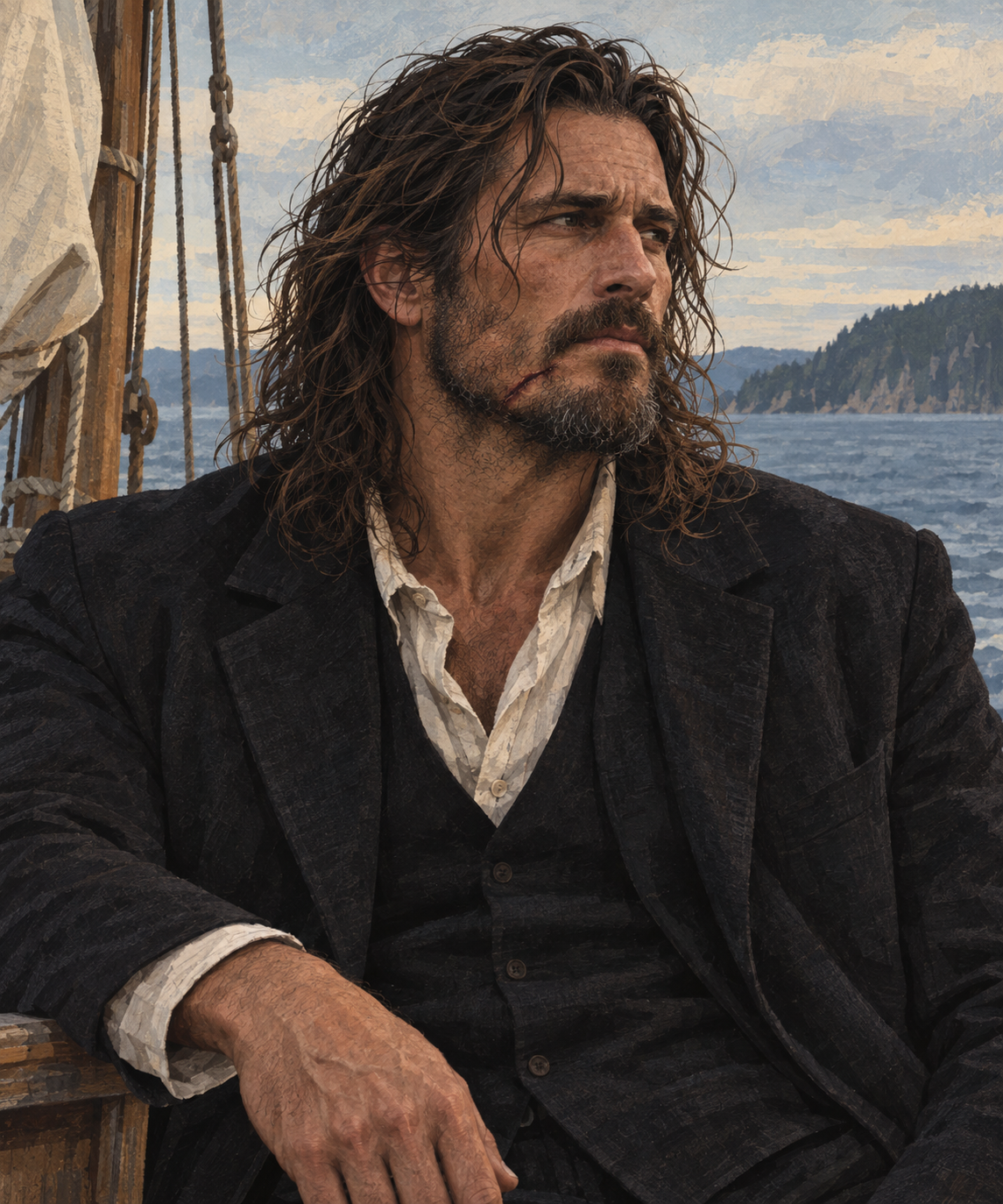
Rescues Sol, survives captivity and the mutiny aboard Posterity, and makes a final pilgrimage to the Slate Islands where he feels Lark’s presence. He returns to Jolie, lives above the Girards’ garage, works for Stevie, plays music, and embraces his new community and life with Sol.

Werryck’s men murder her during their search for Kellan and the stolen Willow, bludgeoning her to death with a lump hammer in the attic. Her ashes are scattered over Lake Superior toward the Slate Islands, and Rainy later senses her spiritual presence there.
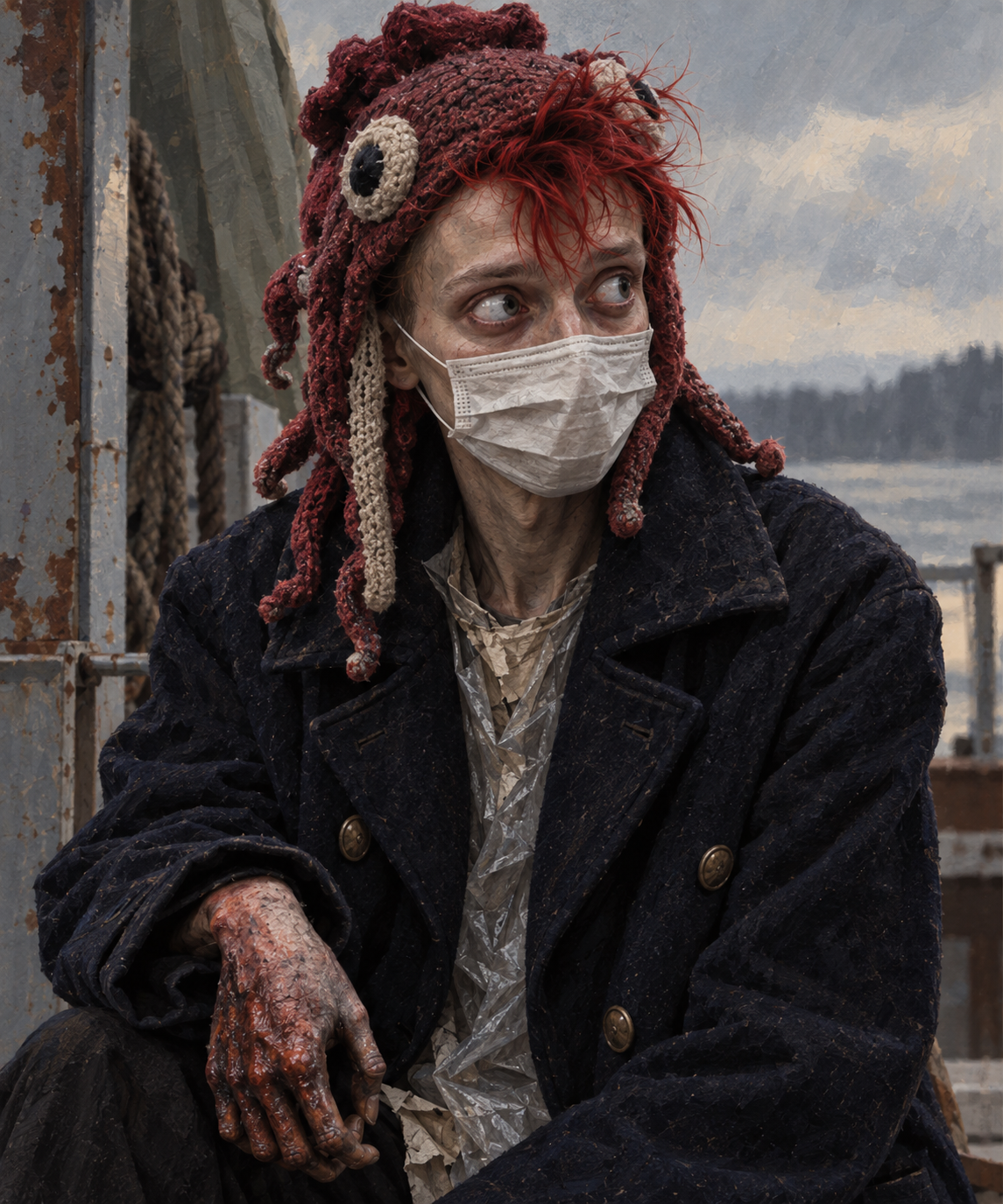
Flees before Lark’s murder but is eventually recaptured and imprisoned aboard Posterity, where Werryck leaves him exposed in a cage during a freezing storm. He survives, joins Marcel’s mutiny, escapes to Canada, and continues east through an “alliance of kindness.”
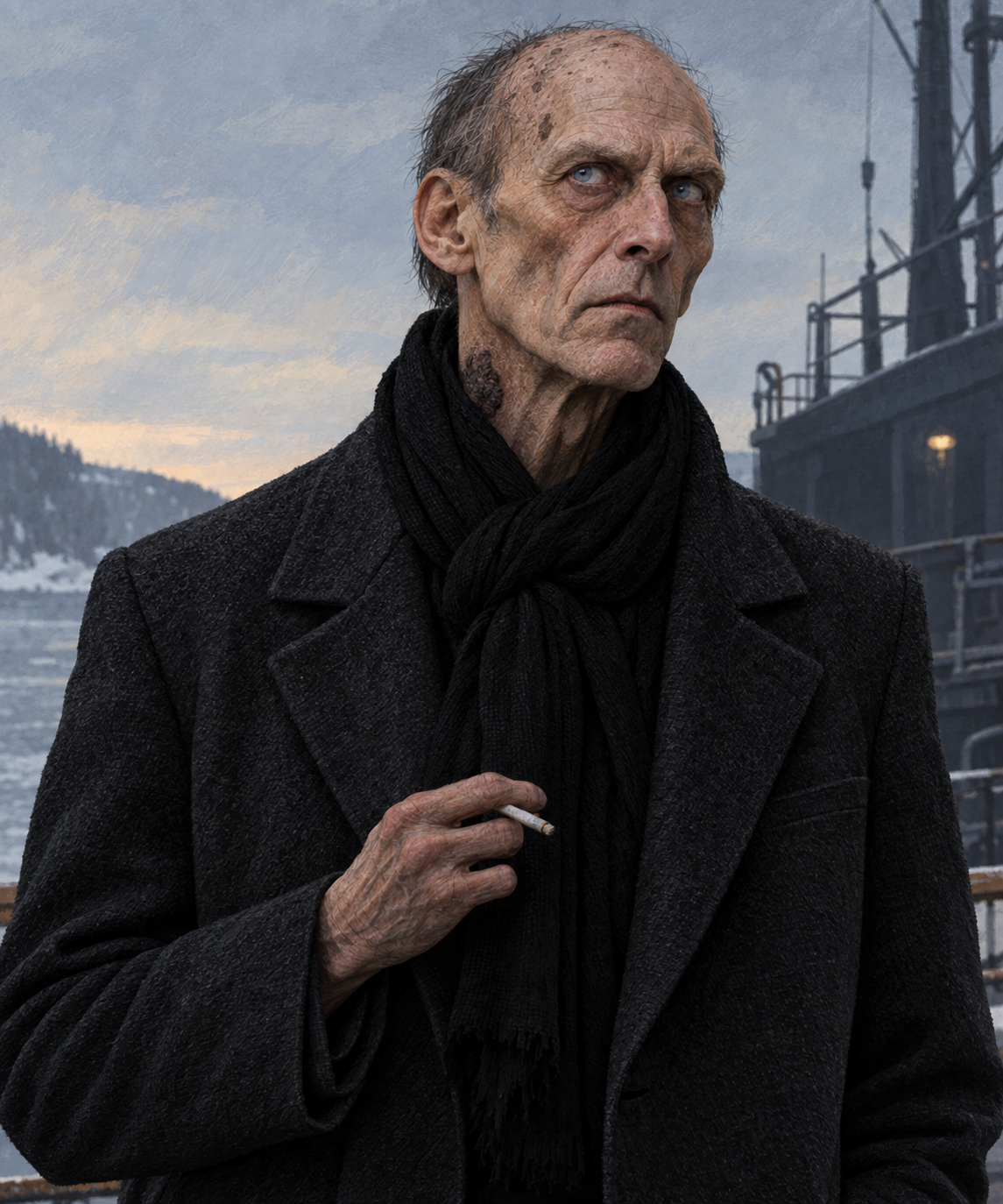
During Marcel’s mutiny, Werryck is locked in the Shambles below deck. Posterity later sinks when its bilge pumps fail, and Werryck drowns inside the ship at the bottom of Lake Superior.
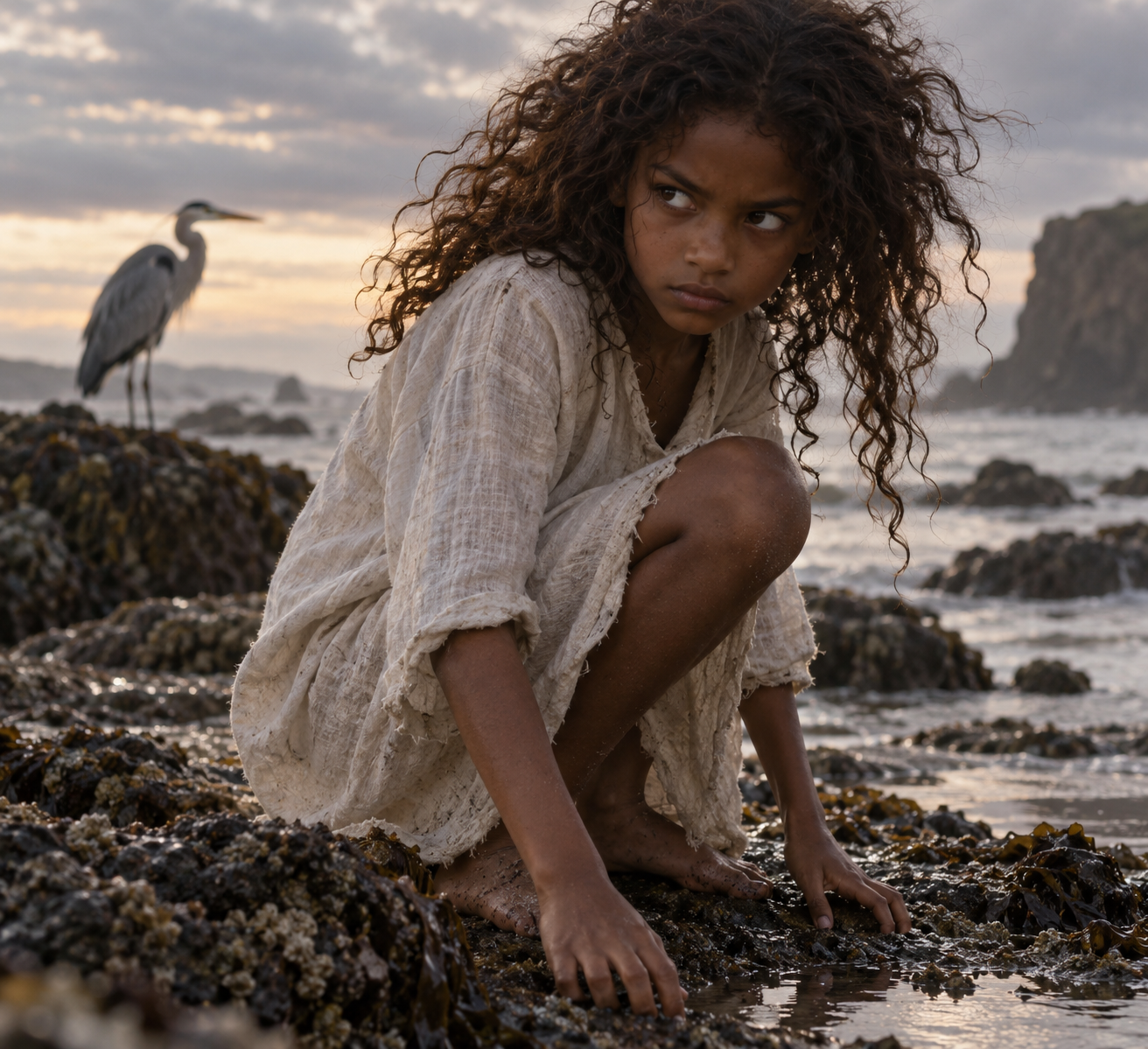
Rainy trades his Fender Jazz bass for her freedom, and she later survives Posterity with him. She settles with Dr. Girard and Evelyn in Jolie, studies mathematics, and secretly plants sunflowers, melons, and beans throughout the decaying town.
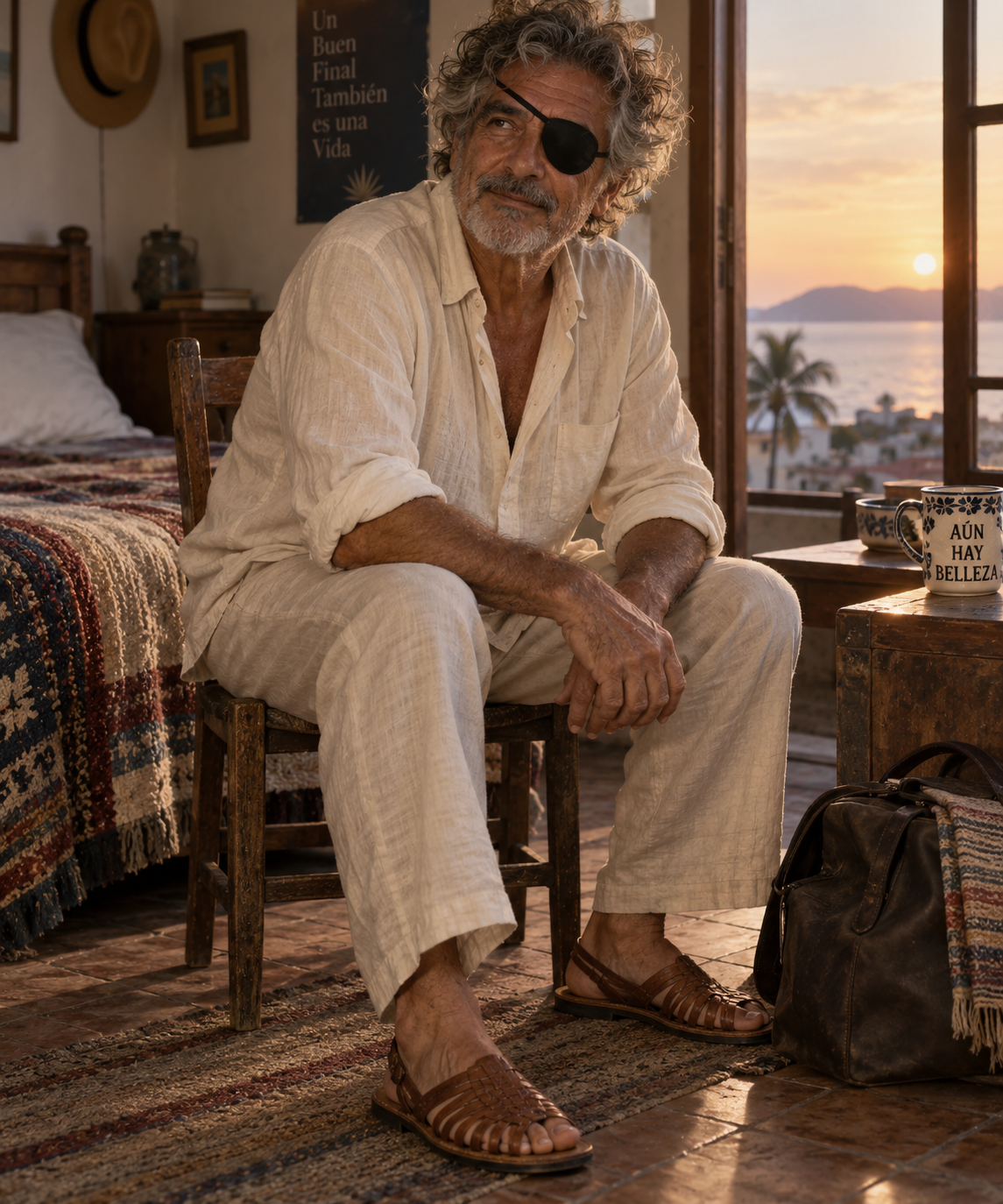
After cleaning his house and baking a berry pie, Jack takes Willow and dies peacefully on his couch while Rainy plays bass for him. He leaves his house to his son Edmund and the Lantern to Harry Lopes.
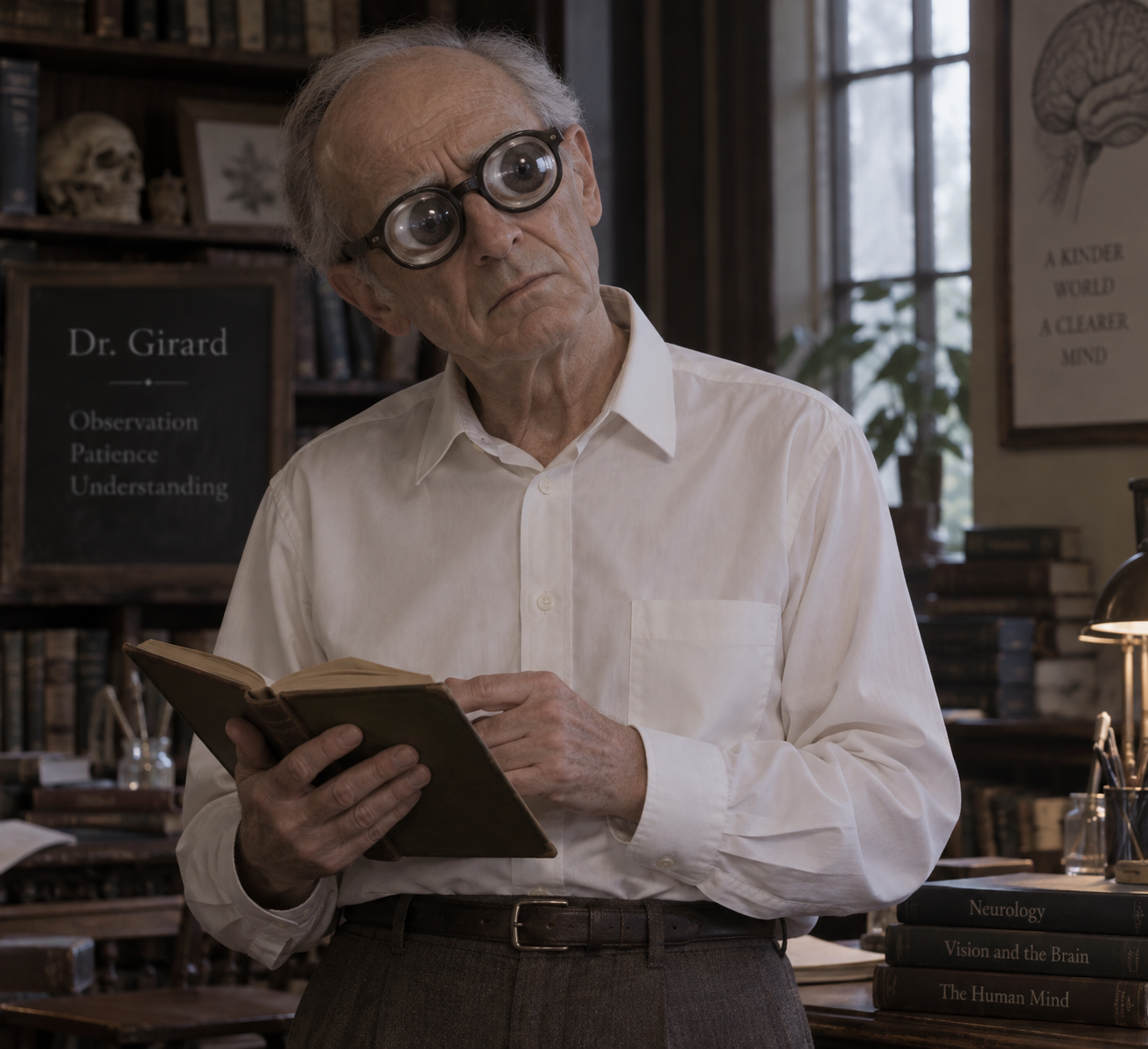
Remains in Jolie practicing medicine and caring for Evelyn, teaches Sol mathematics, and lets Rainy live in the apartment above his garage.

Takes Sol into her home and continues gardening and caring for the Jolie community alongside Dr. Girard.
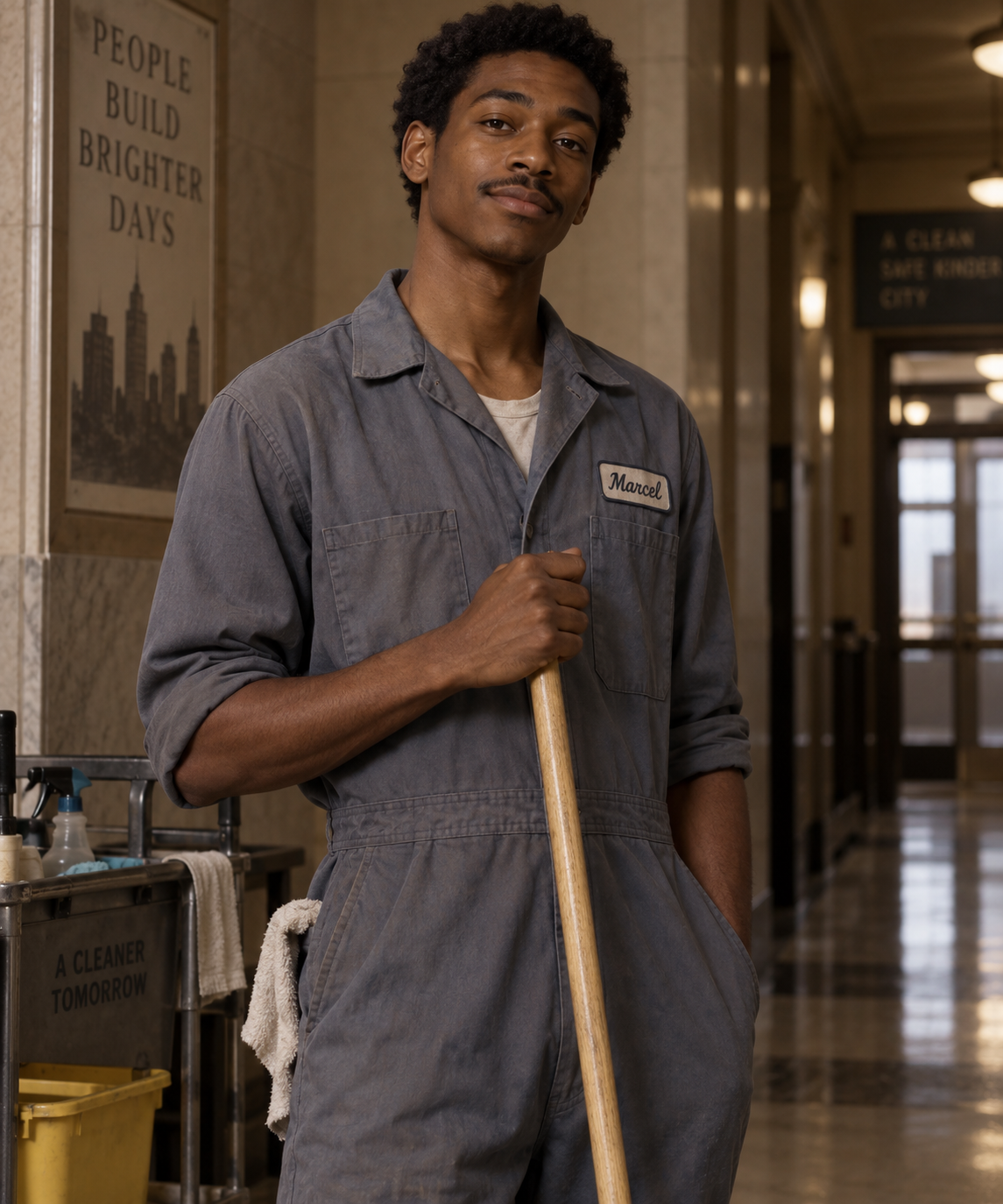
Tom Skint shoots and wounds him during the uprising, but Marcel survives. He escapes aboard the dark cruiser with the liberated prisoners and eventually moves to Montreal with Tove.
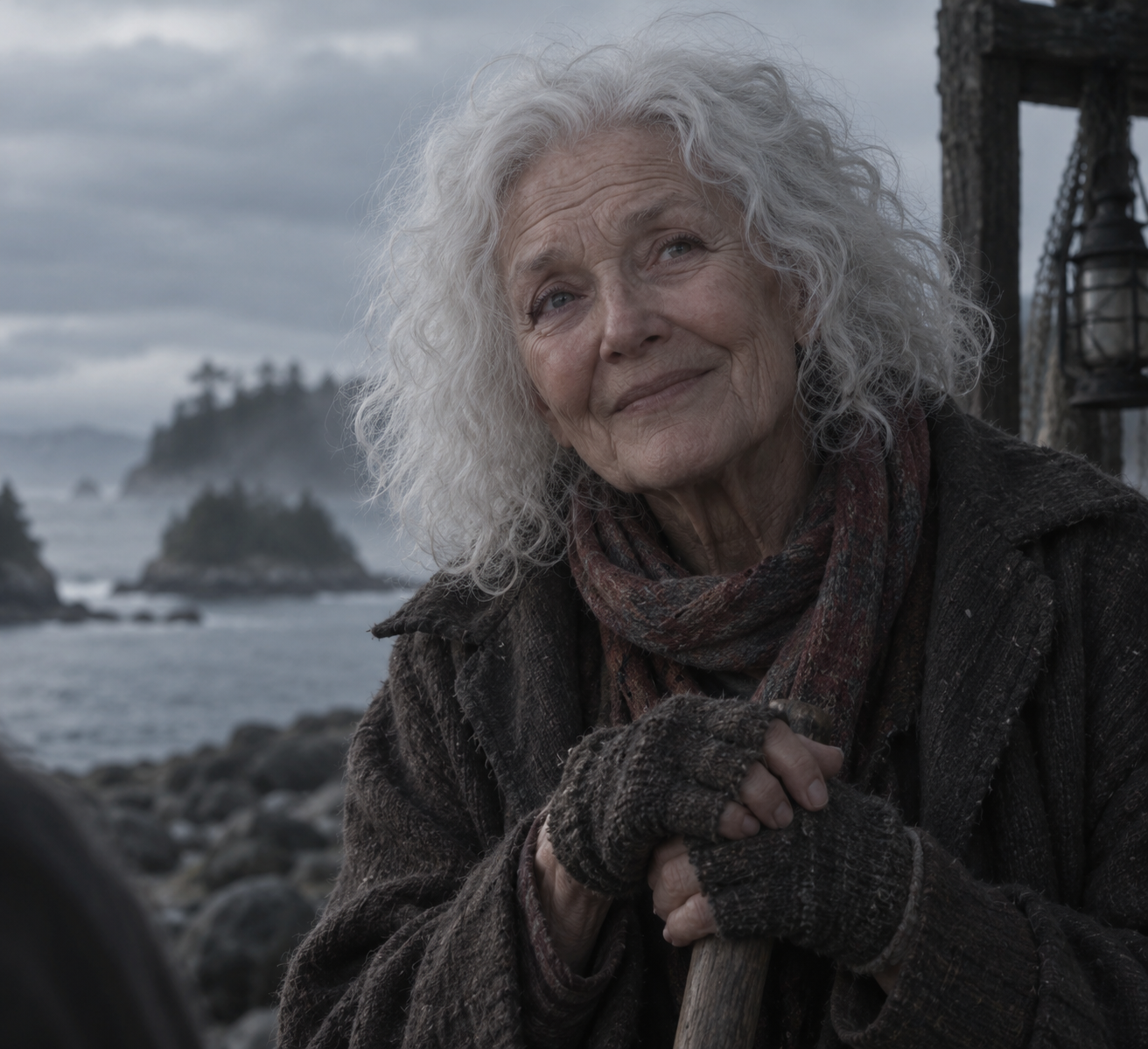
Died long before the main story, but her writing continues to guide Lark and Rainy, and Rainy experiences a mysterious sense of her presence alongside Lark at the Slate Islands.
🔷 Supporting Characters

After Grabo breaks his knee, he later encounters Rainy in Lightner, accepts Rainy’s harmonica for Tonio, and deliberately delays Werryck’s pursuers so Rainy can escape.
Uses a modified crankshaft to break Apeknuckle’s knee and remains a merchant at Greenstone.
Continues raising pigs and feeding his Greenstone community.
Remains at the children’s facility after Tonio is placed with Apeknuckle.
Leaves Cora’s care for his uncle Apeknuckle and receives Rainy’s blues harmonica.
Dies from illness before the main journey and leaves Flower to Rainy and Lark in his will.
Survives Lark and continues raising her daughter in Icebridge.
Continues operating the bakery in Icebridge after Lark’s death.
Survives and remains in Icebridge, traveling armed for protection.
Edmund lives in a tent on a Seattle landfill while paying off debt and inherits Jack’s house; Lacey’s ultimate whereabouts and fate remain unknown.
Renovates and operates the Lantern and persuades Rainy to return for its reopening.
Both survive and continue their lives in Icebridge.
Survives and remains part of the local music scene.
Returns injured but alive and ultimately remains safely with Maudie.
Remains behind in Icebridge after Rainy sails away.
Both remain in Lightner.
Continues running her welding business and hires Rainy to make deliveries.
Nils dies from cancer, while LaNona survives and continues raising their two daughters.
Survives and continues performing with the Indolent Vagrants.
Eventually winds up imprisoned in Posterity’s Shambles alongside Werryck and Papa Griff and drowns when the ship sinks.
Refuses Rainy’s final opportunity to escape, remains imprisoned with Werryck, and drowns when Posterity sinks.
Survives and remains in Brighton selling leeches.
Sol steals Alistair’s thick glasses during the bridge fire, leaving him nearly blind while the bridge piling burns; their later ultimate fates are not established.
His ultimate fate after the Posterity uprising is not clearly established.
They escape to Canada; Harriet later visits Rainy before heading toward Vancouver, Didier becomes a beekeeper in the Maritimes, and Beezie and Verlyn disperse safely elsewhere in Canada.
Rainy frees him, and Burke escapes aboard Flower. He stays with the Girards in Jolie for ten days before taking a van west to begin a new life.
Both escape to Canada aboard the dark cruiser; Tove eventually settles in Montreal with Marcel.
Survives and performs with the Indolent Vagrants at Jolie’s final town celebration.
🕳️ Potential Plot Holes
Rainy keeps his plan to sail Flower to the remote Slate Islands secret, yet Werryck’s cruiser is already anchored there when he arrives. Werryck later says he did not know Rainy had the stolen Willow and believed he was simply fleeing, so there is no clear reason he would know Rainy’s destination. The coincidence fits the novel’s fable-like, almost supernatural treatment of Werryck, but on a literal plot level, his ability to reach the exact remote islands Rainy secretly chose is never adequately explained.
Kellan hides 10,000 stolen Willow doses inside Flower while helping Rainy restore the boat. Werryck’s people are desperate enough to ransack Rainy’s house and ultimately kill Lark while searching for the drugs, yet apparently never investigate the nearby boat where Kellan had been spending time. Even stranger, Werryck later watches Rainy sail away from Icebridge without stopping or searching Flower. This becomes particularly difficult to reconcile with Werryck’s supposed determination to recover the Willow and his reputation as an exceptionally capable tracker.
Nine-year-old Sol swims across a freezing canal at night, starts a diversionary fire, steals Alistair’s thick glasses while he is trying to extinguish it, and swims back without being caught. This happens while the bridge area is occupied by an armed and violent mob. Nothing makes the sequence literally impossible, so it is better understood as an intentionally folk-tale-like episode rather than a true plot hole. Still, Sol’s ability to accomplish all of this unnoticed requires an extraordinary amount of luck and is one of the novel’s least realistic sequences.
Posterity brutally punishes escaped workers, yet its everyday security is loose enough for prisoners and low-level workers to move around the ship with potentially dangerous equipment. Rainy works with heavy painting tools and hot tar, while Marcel’s janitorial position gives him extraordinary access throughout the vessel. That freedom ultimately allows workers from different departments to coordinate a successful mutiny. Some mobility is necessary because Posterity depends on exploited workers to operate, so complete confinement would be impractical. Even so, the combination of extreme punishment for escape and remarkably poor internal monitoring makes the ease with which the rebellion develops feel conveniently engineered for the plot.
📚 Book Club Q&A's
⭐ Final Rating & Thoughts
There’s a lot to admire about I Cheerfully Refuse, even though I never quite enjoyed reading it. Leif Enger’s prose is easily the book’s greatest strength—lyrical, atmospheric, and occasionally gorgeous enough that I stopped just to appreciate a sentence. The Lake Superior setting is equally memorable, and I liked the idea of pairing a crumbling near-future America with a modern Orpheus-inspired journey through grief.
Unfortunately, beautiful writing wasn’t enough to keep me invested. The story moves very slowly, and Rainy’s journey often felt less like a developing plot and more like a series of loosely connected encounters. I kept waiting for the narrative to gather momentum, but it never really did. Even more importantly, I struggled to form an emotional connection with Rainy or the people he meets, which made a story centered on love, grief, and human connection feel strangely distant to me.
Still, I can absolutely understand why other readers love this. It’s thoughtful, hopeful, and beautifully written. For me, though, appreciating Enger’s writing and actually enjoying the experience of reading the book were two very different things.
✨ Adaptation description
As of September 2026, there is no official announcement of any screen adaptation of I Cheerfully Refuse.
✨ Books Like I Cheerfully Refuse (2024)
See an error on this page?