
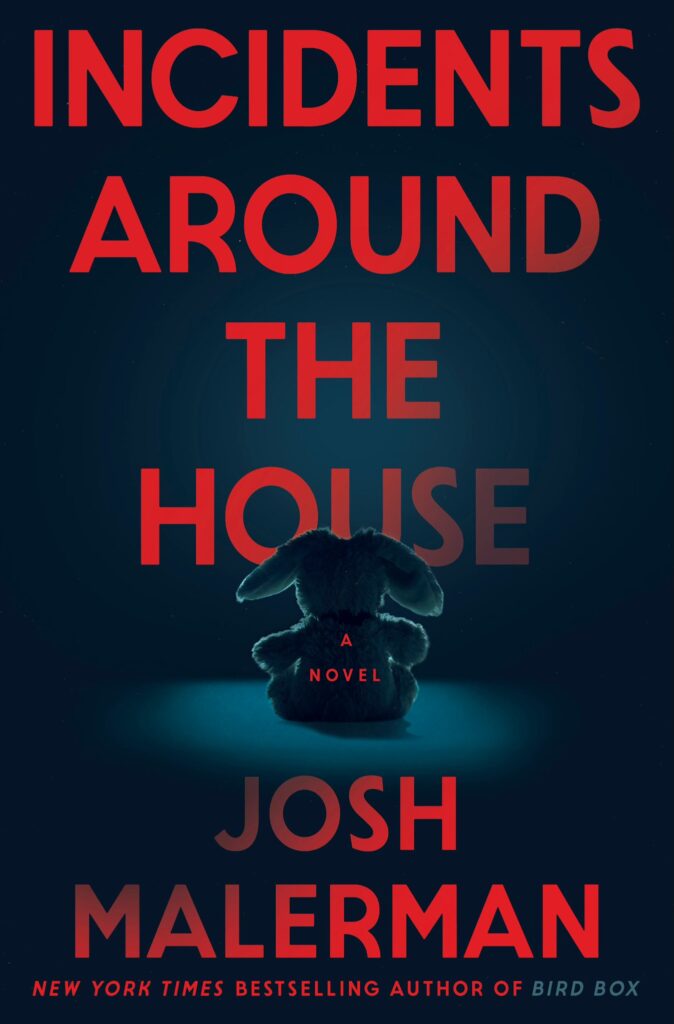
Incidents Around the House (2024)
Select Sections to Print
×Book Details
Incidents Around the House (2024)
Jump to Section
⚠️ Trigger Warnings
- Child endangerment and peril
- Child stalking and supernatural targeting
- Demonic/supernatural possession
- Body horror
- Disturbing imagery
- Infidelity
- Paternity deception
- Parental resentment and rejection
- Emotional neglect
- Alcohol abuse
- Marijuana use
- Murder and death
- Violence and physical altercations
- Blood and injury
- Death of a pet
- Gaslighting and disbelief
- Animal peril
- Panic attacks and extreme psychological distress
- Dysfunctional family dynamics
- Fear of abandonment
⏱️ 2-Minute Spoiler Summary
Eight-year-old Bela is haunted by Other Mommy, a monstrous entity that repeatedly asks permission to “go into” her heart. As the haunting intensifies, other people begin seeing the creature, forcing Ursula and Russ to accept that their daughter is telling the truth. They flee their home, attempt a spiritual banishment, hire a paranormal investigator, install security systems, and even bring in guard dogs, but nothing stops Other Mommy from following Bela.
Along the way, Bela is forced to confront devastating family secrets, including Ursula’s affair with Frank Doherty and the revelation that Russ is not her biological father. After Frank is found dead, Lois Anthony becomes convinced that Other Mommy is attracted to Bela’s innocence. Ursula and Russ therefore try to “revoke” that innocence by exposing Bela to the painful truths of their marriage and pasts, an experience so overwhelming that Bela attempts to drown herself.
The family briefly believes Other Mommy is gone, but after returning home, Bela discovers Grandma Ruth dead in a closet. Convinced that the entity will keep killing the people she loves until she gives in, Bela finally tells Other Mommy she can enter her heart. The truth is far worse than Bela realizes: they switch places. Other Mommy takes possession of Bela’s body and begins living as her, while the real Bela is cast into the entity’s empty, terrifying world and left trapped there.
📖 Full Spoiler Summary
Other Mommy Comes Out of the Closet
Eight-year-old Bela lives with her mother, Ursula, whom she calls Mommy, and her father, Russ, whom she calls Daddo. To everyone outside the family, Bela appears to have a normal childhood. Inside the house, however, she has been living with something terrifying.
At night, a creature Bela calls Other Mommy emerges from her bedroom closet. Other Mommy is vaguely human but horribly wrong, with dark hair covering parts of her body and features that seem to shift into unnatural positions. Again and again, she asks Bela the same question: “Can I go into your heart?”
Bela always refuses.
At first, Ursula and Russ assume Other Mommy is an imaginary friend, even though unsettling things begin happening around the house. There are unexplained noises, creaks, and a foul sewer-like smell that seems to accompany the entity. Bela knows Other Mommy is real, but because her parents don’t believe her, she is largely left to deal with the creature herself.
The haunting soon follows Bela outside her bedroom. During a trip to the park with her friend Deb and Deb’s mother, Carly, Bela sees Other Mommy hiding inside a wooden play structure. She panics, falls, and hits her head. Dr. Smith finds no serious physical injury, but he is concerned by Bela’s obvious distress when she talks about her supposed imaginary friend.
Other People Begin Seeing Her
At the same time, Bela is absorbing problems within her family that she doesn’t fully understand. Ursula is deeply unhappy in her marriage and is having an affair with Frank Doherty, a family friend. Bela notices enough of the adults’ conversations and behavior to understand that something is wrong, even when nobody explains it to her.
The supernatural threat becomes impossible to dismiss during a party at Bela’s house. A guest named Marsha suddenly screams after seeing a strange monster with dark blue hair. Bela immediately recognizes the description: Marsha has seen Other Mommy.
Another guest, Lois Anthony, takes the situation particularly seriously. Lois considers herself a “Sensitive” and believes in supernatural forces. She also senses something unusual about Bela herself and wonders whether the girl has some kind of spiritual sensitivity that makes her especially vulnerable to the entity.
After the party, Other Mommy grows bolder. She appears during a family trip to the zoo and begins manipulating Bela more aggressively. One night, she even imitates Ursula’s voice. The attacks finally reach the point where Ursula sees Other Mommy herself.
There is no longer any possibility of pretending Bela invented her.
The Family Runs, but Other Mommy Follows
Ursula and Russ grab Bela and flee the house, hoping distance will protect them. They initially stay with their friends Amanda and Dan, but the arrangement quickly deteriorates. Ursula and Russ are terrified and behaving erratically, while strange disturbances suggest that whatever is haunting Bela has followed them.
Amanda and Dan become frightened enough that they eventually ask the family to leave.
Their next refuge is the home of Bela’s grandmother, Ruth. As the adults struggle to understand what is happening, Ursula begins revealing secrets that have been hidden from Bela. She tells her daughter that Russ is not actually her biological father. Bela’s biological father is Douglas Cain, a man Ursula was married to before she met Russ.
For Bela, who has always understood Russ simply as Daddo, the revelation destabilizes the family she thought she knew. It also becomes part of a much larger pattern: as the haunting worsens, the adults increasingly believe that secrets, lies, and innocence somehow matter to whatever Other Mommy wants from her.
Lois Tries to Banish Other Mommy
Lois Anthony decides that a direct supernatural intervention may be their best chance. She gathers a circle of spiritualists—Kyle, Duane, Mary, Adina, and Ashley of the Moon—to perform a ritual intended to drive Other Mommy away from Bela.
Instead, the ritual goes disastrously wrong.
Kyle appears to fall under the entity’s influence and sabotages the attempt. He cryptically announces that Other Mommy has left Bela a “present.” Soon afterward, they discover what he means: Frank Doherty is dead, his body hidden inside a closet.
Frank’s death makes the danger unmistakable. Other Mommy isn’t simply frightening Bela anymore. People connected to the family can die.
Ursula, Russ, and Bela briefly take shelter at Frank’s house, hoping the entity might somehow be tied to their own home rather than to Bela herself. It doesn’t work. They can still sense Other Mommy’s presence, forcing them to accept that running from house to house isn’t going to solve anything.
Wherever Bela goes, Other Mommy can follow.
They Turn Their Home Into a Fortress
With nowhere safe to hide, the family returns home and tries a completely different approach. They fortify the house with sophisticated security equipment and bring in two enormous Cane Corso guard dogs, Kami and Kamael, hoping physical protection might accomplish what the spiritual ritual could not.
They also hire Brian, a paranormal investigator.
Brian, however, is far more interested in proving that a supernatural “event” exists than in protecting Bela. When Other Mommy violently manifests in the dining room, his reaction is almost ecstatic. He finally has the evidence he has wanted and even manages to physically interact with the entity.
Then, having gotten his paranormal experience, he leaves.
The family is once again on its own, and by now it is clear that cameras, locks, dogs, investigators, and rituals aren’t going to stop Other Mommy. The entity wants something very specific from Bela, and she has been telling them exactly what it is from the beginning: she wants Bela to let her “go into” her heart.
Ursula and Russ Try to Destroy Bela’s Innocence
Lois eventually proposes a far more disturbing solution. She calls it “revoking innocence.”
Her theory is that Other Mommy is attracted to Bela because of her childhood innocence. If Bela is forced to understand the ugliness and complexity of the adult world, perhaps she will no longer possess whatever quality makes her desirable to the entity.
Ursula and Russ take Bela to Sleeping Bear Dunes, where they begin telling her truths no eight-year-old should have to carry. They expose the failures, betrayals, resentments, and lies within their marriage. Ursula’s infidelity becomes part of a much larger confession about the instability Bela has sensed around her for years.
Instead of protecting Bela, her parents deliberately tear down her understanding of them and of the family itself because they believe doing so might save her life.
The emotional damage is devastating. Overwhelmed by what she has learned and by the relentless terror surrounding her, Bela goes into the lake and tries to drown herself.
She is rescued before she dies.
Despite how horribly the experiment has affected their daughter, the adults begin to hope that Lois’s theory may have worked. Bela now knows the painful truths they had kept from her. Her innocence, at least in the way Lois defined it, has been shattered.
For a brief time, it seems possible that Other Mommy is finally gone.
Bela Says Yes
After the failed attempt to “revoke” Bela’s innocence at Sleeping Bear Dunes, Bela, Ursula, Russ, and Grandma Ruth return home exhausted and emotionally shattered. The plan has not driven Other Mommy away. Instead, Bela is left more frightened than ever, knowing that the adults around her have no way to protect her.
That night, Grandma Ruth stays awake with Bela while Ursula and Russ sleep downstairs. Bela works on a Michigan puzzle as Ruth keeps her company, but something about the conversation begins to feel wrong. Ruth starts talking about the rooms inside a person’s heart and the things that can hide in those rooms, echoing the same ideas Other Mommy has spoken about throughout the haunting.
As the night continues, Bela experiences strange shifts in time and growing confusion. The woman beside her looks and sounds like Grandma Ruth, but Bela slowly realizes that something is terribly wrong.
She runs to the foyer closet and discovers Grandma Ruth’s dead body inside.
The horrifying truth becomes clear: the person who had been sitting with Bela all night was never Grandma Ruth. Other Mommy had taken Grandma Ruth’s form and used her voice to get close to Bela.
Then Bela hears Grandma Ruth’s voice coming from upstairs. She rushes to her bedroom and finds an even greater nightmare waiting for her. Ursula and Russ are dead, their bodies lying on the carpet.
Other Mommy has eliminated every person who might save Bela. Her parents, her grandmother, and every source of comfort she had are gone. The eight-year-old is completely alone.
For the final time, Other Mommy asks the question she has repeated since the beginning:
“Can I go into your heart?”
This time, Bela says yes.
Only now does Bela understand what Other Mommy truly wanted. The entity was never asking to become a small part of Bela’s life. She wanted Bela’s entire existence. She wanted the body, identity, and life that belonged to her.
When Bela gives permission, the two switch places. Other Mommy enters Bela’s body, finally becoming a living human being. She takes Bela’s appearance, her voice, and her place in the world, allowing her to live as “Bela” among the people who remain.
The real Bela is pushed out of her own body and sent into the strange place where Other Mommy came from—a vast, empty, terrifying space with no family, no home, and no way back.
The entity gets the life it has been seeking from the beginning.
Bela loses hers.
🔚 Ending Explained
The ending of Incidents Around the House is as horrifying as it is tragic: after spending the entire novel resisting Other Mommy, Bela finally lets the entity into her heart—and loses her body and her life to it.
How Does Incidents Around the House End?
After the disastrous attempt to “revoke” Bela’s innocence at the beach, Bela, Ursula, Russ, and Grandma Ruth return home emotionally and physically exhausted. The ritual has failed to drive Other Mommy away. If anything, Bela is now more frightened and vulnerable than before.
That night, Grandma Ruth stays awake with Bela while Ursula and Russ sleep downstairs. As Bela works on a Michigan puzzle, however, reality begins to fracture. Grandma Ruth starts talking strangely about the rooms inside a person’s heart and the things that can hide within them. Bela experiences confusing jumps in time and gradually realizes that something is terribly wrong.
She runs to the foyer closet—and finds Grandma Ruth’s body inside.
The woman Bela thought she had been sitting with was never Grandma Ruth at all. It was Other Mommy impersonating her.
Bela then hears Grandma Ruth’s voice upstairs. By the time she reaches her bedroom, Ursula and Russ are dead, their bodies lying on the carpet. Other Mommy has stripped Bela of everyone who might protect her, leaving the eight-year-old completely alone.
And then comes the question that has haunted the entire novel:
Can I go into your heart?
This time, Bela says yes.
The meaning of Other Mommy’s question finally becomes clear. She never merely wanted Bela’s affection or permission to possess some small part of her. She wanted Bela’s life.
The two switch places. Other Mommy enters Bela’s body and becomes “Bela,” gaining everything she has coveted throughout the novel: a physical body, a voice, movement, and a place in the living world.
The real Bela is expelled into the place Other Mommy came from—a vast, empty, seemingly infinite space with no family, no house, and no home.
Other Mommy becomes Bela, and Bela becomes the ghost.
What Does Bela’s “Yes” Mean?
Bela’s final answer is especially devastating because Other Mommy does not truly defeat her through physical force. She spends the novel wearing Bela down until Bela is willing to surrender.
By this point, Bela has watched her family collapse. She has learned painful truths about her parents, endured increasingly terrifying encounters with Other Mommy, survived the traumatic beach ritual, lost her grandmother, and finally discovered her parents dead.
There is simply nothing left for her to hold on to.
Her “yes” can therefore be read as both surrender and sacrifice. Bela understands that Other Mommy will continue hurting people as long as she refuses. In the mind of a terrified child, giving the entity what it wants becomes the only remaining way to make the violence stop.
That is what makes the ending so cruel. Other Mommy engineers circumstances in which Bela’s consent is technically given but is anything but freely chosen.
The House and the Heart
The novel repeatedly connects the idea of a house with the human heart. Grandma Ruth describes the heart as containing different rooms and hidden corners, places where memories, emotions, secrets, and unwanted things can live.
Other Mommy turns that metaphor into something horrifyingly literal.
Throughout the story, she occupies the family’s physical house much as she gradually occupies Bela’s emotional world. She begins at the edges—in closets, shadows, and hidden spaces—and steadily moves closer.
Eventually, she does not simply want permission to enter another room.
She wants the whole house.
Bela’s body becomes the final house Other Mommy enters and claims. At the same time, Bela is sent somewhere where there is “no house” and “no home.” She has lost both her literal family home and the metaphorical home of her own body.
Why the Beach Ritual Makes Everything Worse
The failed “revoking innocence” ritual is one of the darkest ironies of the ending.
The adults believe Bela’s innocence is what makes her vulnerable, so Ursula and Russ attempt to destroy that innocence by revealing ugly truths about themselves and their marriage. Instead of strengthening Bela, however, their confessions destroy some of the security she still associates with her parents.
Bela discovers that the adults she depends upon are frightened, ashamed, deceptive, and deeply flawed.
The supernatural horror therefore becomes inseparable from the domestic horror. Other Mommy is the literal monster, but the secrets and betrayals inside Bela’s family create cracks that the monster can exploit.
The adults try to save Bela by forcing her into their complicated adult world. Instead, they leave her even less certain of what—or whom—she can trust.
The Failure of Parental Protection
At its core, the ending is also about the terrifying limitations of parents.
Ursula and Russ love Bela. They desperately try to save her. Yet love alone proves insufficient. Their panic sends them from one increasingly desperate solution to another, and some of those attempts inadvertently make Bela’s situation worse.
That doesn’t mean the novel equates Ursula and Russ with Other Mommy. The entity is deliberately predatory in a way Bela’s parents are not. But the story does draw an uncomfortable connection between supernatural monsters and the emotional damage adults can inflict on children without intending to.
Bela sees far more than the adults realize. She absorbs their arguments, lies, fears, resentments, and secrets even when she cannot fully understand them.
The haunting externalizes that vulnerability.
Why the Ending Is So Bleak
There is no last-minute rescue and no suggestion that Bela will somehow reclaim her body.
Other Mommy wins.
The entity has spent the novel longing to experience physical existence—to walk, speak, touch, and participate in the human world. By taking Bela’s body, she finally gets exactly what she wanted.
Bela suffers the inverse fate.
She began the novel as a living child haunted by something nobody else fully understood. She ends it as the unseen presence trapped somewhere beyond ordinary reality, inhabiting the kind of existence Other Mommy once occupied.
The hunted has effectively taken the place of the hunter.
That reversal gives the ending its final, chilling implication: to everyone who encounters her afterward, Bela may appear to have survived. But Bela is gone.
Something else is wearing her life.
And somewhere in an endless empty space, the real Bela remains alone—the final “incident” around the house becoming one nobody in the living world may ever know occurred.
👤 Characters & Fates
🔶 Main Characters
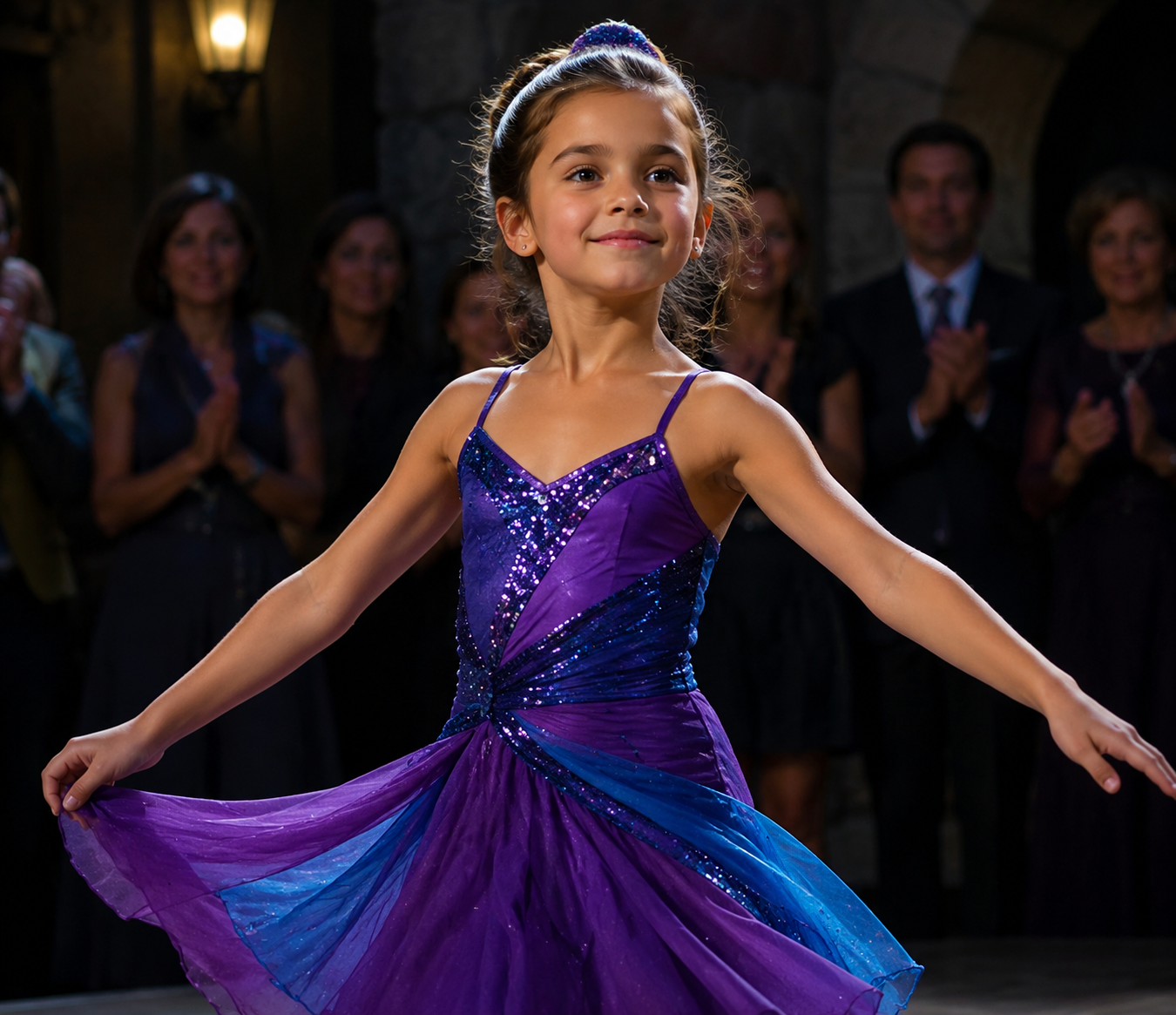
After Other Mommy murders her parents and grandmother, Bela finally says “yes” to letting it into her heart. Other Mommy takes over Bela’s body while Bela’s consciousness is cast into an endless empty void.
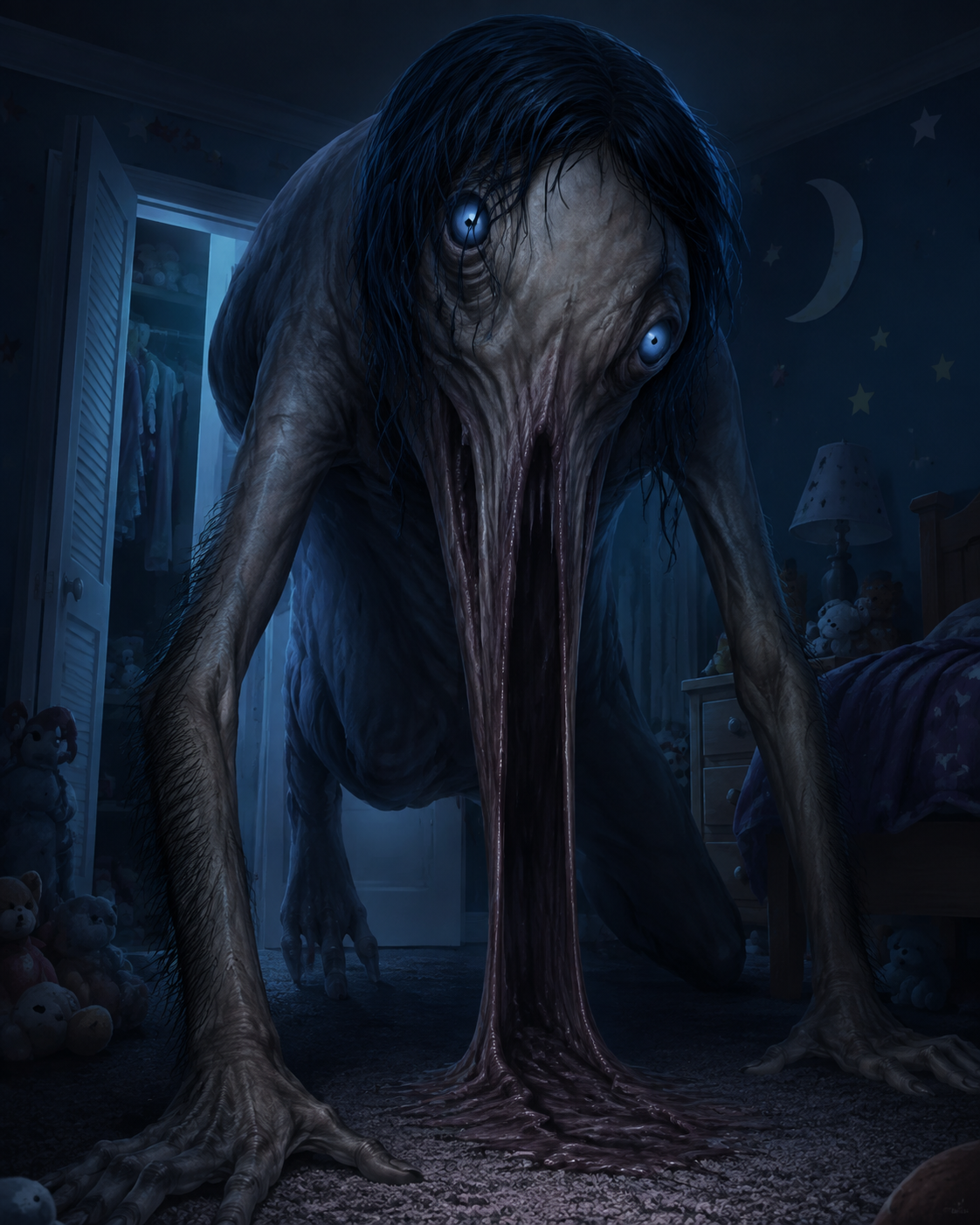
It wins: Bela gives permission, allowing Other Mommy to possess her body and live in the human world as “Bela,” while the real Bela is trapped in the other place.
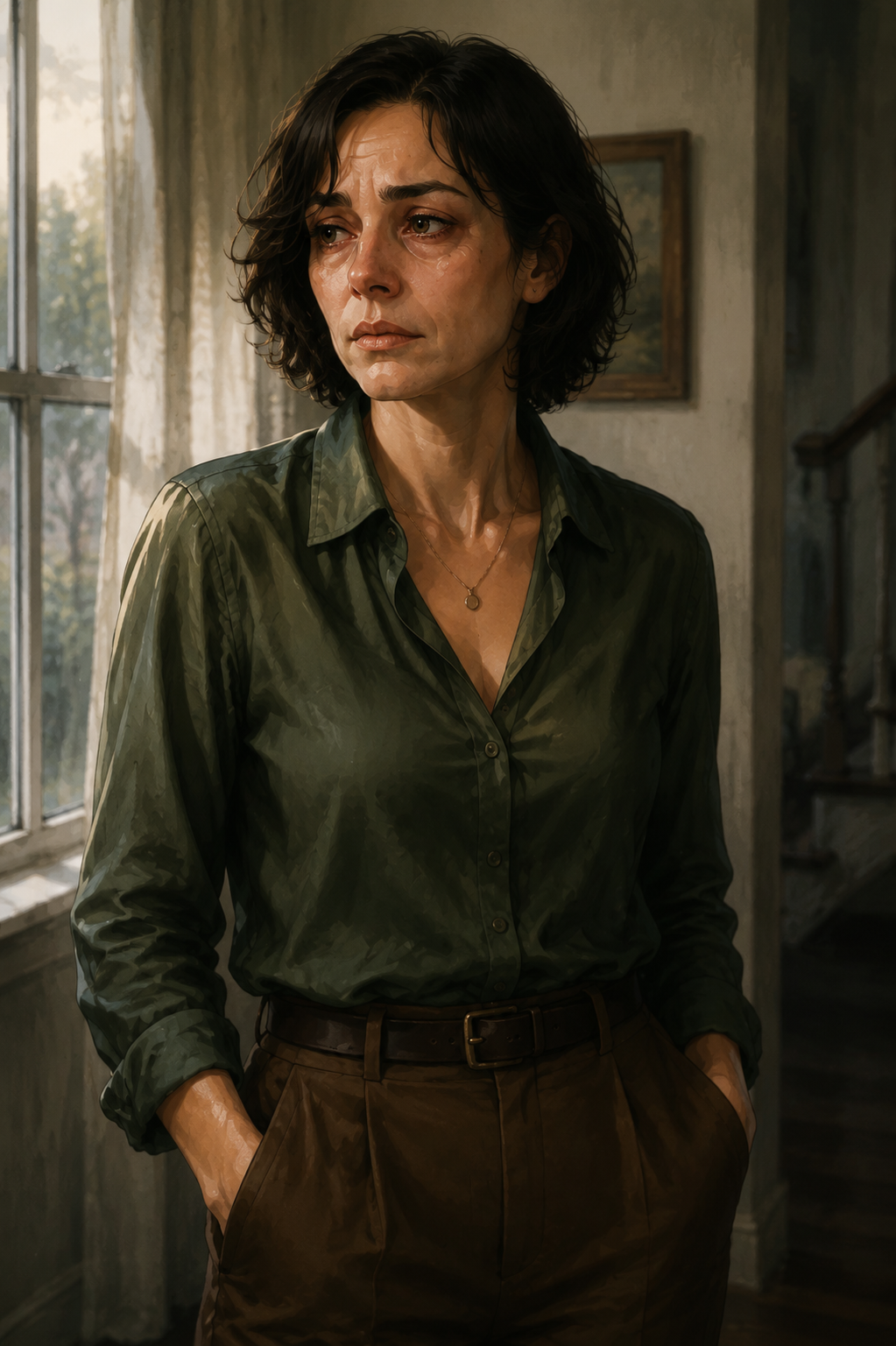
Other Mommy murders Ursula in Bela’s bedroom shortly before possessing Bela.
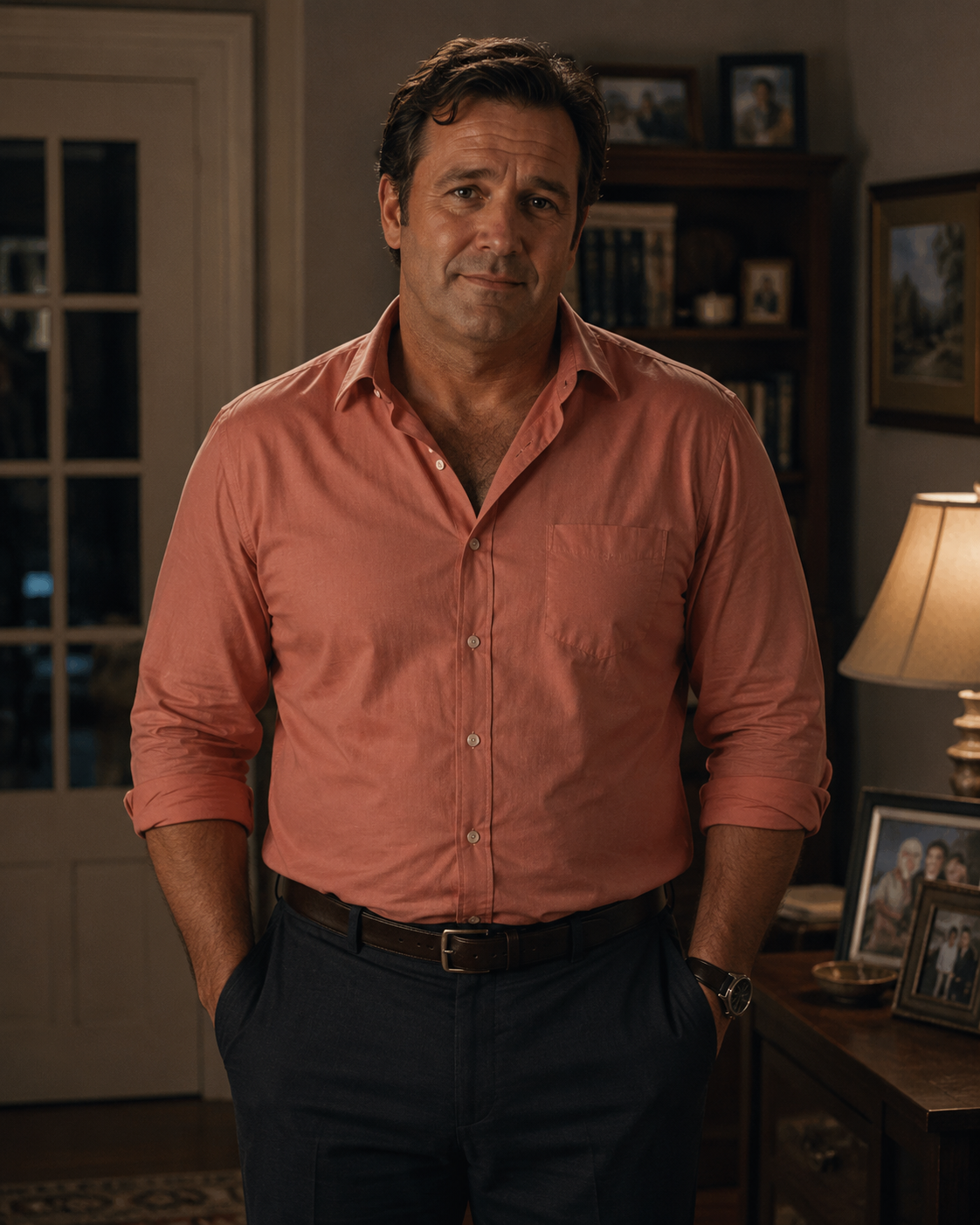
Other Mommy murders Russ alongside Ursula in Bela’s bedroom, leaving Bela completely alone.
🔷 Supporting Characters
Her “revoking innocence” plan psychologically devastates Bela and fails to stop Other Mommy; Lois leaves after Ursula slaps her at the beach.
Other Mommy murders her and hides her body in the foyer closet, then impersonates her; Bela discovers Ruth’s corpse shortly before her parents are killed.
He is found dead inside a closet at his home, apparently murdered by Other Mommy as a “present” for Bela.
He abandoned Ursula and Bela after discovering Ursula’s affair with Russ and learning that Bela was biologically his daughter.
After finally touching Other Mommy, he gets what he wanted, punches Russ, and drives away exhilarated, abandoning the family.
She runs away terrified after the park encounter and disappears from Bela’s life afterward.
She is last seen comforting Deb after Bela’s fall and terrifying behavior at the park.
He finishes Bela’s examination and documents her physical coordination and mental state, but plays no further role.
Traumatized by seeing the blue-haired “monster,” she flees and hides at her brother’s house.
He is last seen sitting alone at Lois’s house after the ritual collapses.
They abandon the family after the ritual turns frightening and Kyle sabotages it.
After the entity begins manifesting in their home, they throw Bela and her parents out in the middle of the night to protect their baby.
Their trainers eventually remove them shortly before the family heads to the dunes, leaving the family without their protection.
The real Kelvin disappears from the narrative once the family isolates itself and his ultimate fate is unknown.
He died in a car accident at seventeen, long before the events of the novel.
🕳️ Potential Plot Holes
The entity can physically interact with people and objects, but the novel never explains why security cameras are unable to capture any evidence of it. Its ability to touch people, move objects, and cause physical harm suggests it exists in the physical world, making its complete absence from recorded footage difficult to reconcile.
Other Mommy knows deeply personal secrets that Bela could not have known, including Ursula’s infidelity and family revelations. While the entity may have supernatural knowledge, the book never clearly establishes the limits of its abilities, making its access to private information feel inconsistent with the mystery surrounding it.
The entity appears to remain connected to Bela throughout the story, following her wherever the family goes. However, while it is present during the ritual at Lois Anthony’s house, it somehow also travels to Frank Doherty’s home, kills him, and leaves his body as a “present” for Bela. The book never explains how it can be in multiple places at once.
The final sequence requires Other Mommy to kill Grandma Ruth, arrange her body in the closet, and then quickly attack Bela’s parents upstairs. The speed and movement required are far beyond anything previously shown, creating a gap between the entity’s earlier slow, physical movements and its abilities during the climax.
📚 Book Club Q&A's
⭐ Final Rating & Thoughts
Incidents Around the House had all the ingredients for a horror novel I should have loved: a creepy house, a terrifying entity lurking around a child, dysfunctional family secrets, and an increasingly claustrophobic sense that something awful is coming. And when it comes to atmosphere, Josh Malerman absolutely delivers. Other Mommy is genuinely unsettling, and some scenes gave me that deliciously uncomfortable feeling of wanting to look over my shoulder while reading.
Unfortunately, the narration kept me from fully connecting with the story. Bela’s childlike retelling of conversations—with the constant repetition of who said what—became tedious, and I never felt particularly invested in the adults around her. I also struggled with the ambiguity surrounding what the book ultimately wanted me to take away from everything.
There’s a fascinating concept underneath it all, particularly in the way childhood fear, family dysfunction, and supernatural horror intertwine. I just wanted a tighter execution and a more satisfying payoff. Creepy? Absolutely. Memorable? Definitely. But for me, 3 stars feels right: great premise and fantastic atmosphere, but a frustrating reading experience.
✨ Adaptation description
Film Adaptation: Other Mommy (2026)
Josh Malerman’s 2024 supernatural horror novel Incidents Around the House was adapted into the 2026 film Other Mommy, directed by Rob Savage (Host, The Boogeyman) and written by Nathan Elston (Succession).
Produced by Blumhouse Productions and Atomic Monster, with James Wan serving as producer, the film was distributed by Universal Pictures and released theatrically on October 9, 2026.
Main Cast:
- Jessica Chastain — Ursula and Other Mommy
- Arabella Olivia Clark — Bela
- Jay Duplass — Russell (“Daddo”)
- Karen Allen — Grandma Ruth
- Dichen Lachman and Arian Moayed — Supporting roles
The adaptation retains the novel’s central premise: eight-year-old Bela is terrorized by a supernatural entity that repeatedly asks for permission to enter her heart. However, the film makes substantial changes to the storytelling, supernatural encounters, and ultimate fate of Bela’s family.
Key Differences Between the Book and Movie
1. Perspective and Narrative Structure
- Book: Told entirely through eight-year-old Bela’s first-person perspective. Readers experience the haunting through her limited understanding, gradually recognizing dangers and family problems that Bela cannot fully comprehend.
- Movie: Uses a broader cinematic perspective, allowing viewers to observe supernatural activity and adult interactions beyond Bela’s immediate awareness. Visual scares replace some of the novel’s psychological uncertainty.
2. Other Mommy’s Appearance
- Book: Other Mommy is an unsettling, shape-shifting entity with birdlike characteristics, distorted facial features, and a foul odor. Her appearance is difficult to define, contributing to the story’s ambiguity.
- Movie: Jessica Chastain portrays both Ursula and Other Mommy, making the entity a disturbing physical double of Bela’s mother. Subtle differences in facial expressions, movements, and posture distinguish the creature from Ursula.
3. The Séance
- Book: The family consults spiritualists who attempt to communicate with the entity but ultimately acknowledge that they cannot help.
- Movie: The supernatural investigation becomes a more violent confrontation, with ghost hunters encountering the entity’s deadly powers.
4. Frank’s Death
- Book: Frank’s death occurs off-page. Ursula informs Bela that he was discovered dead in a closet.
- Movie: His death becomes an explicit horror sequence in which Other Mommy manipulates Bela and violently destroys Frank’s head.
5. The Ending — Major Spoilers
The most significant departure concerns Bela’s fate.
- Book: Other Mommy kills and impersonates Grandma Ruth before luring Bela’s parents to their deaths. Completely isolated and desperate for companionship, Bela finally agrees to let Other Mommy into her heart. The entity takes possession of her body, while Bela’s consciousness becomes trapped in a vast, empty space. The novel ends with Bela effectively losing her identity and freedom.
- Movie: Bela ultimately refuses to surrender herself to Other Mommy. By confronting the painful reality of her parents’ imperfections, she resists the entity’s manipulation and survives. Russell and Ursula also remain alive, allowing the family to reunite. However, their emotional problems are not entirely resolved, and a post-credits scene suggests that the supernatural threat may still exist.
Tone and Thematic Changes
The novel emphasizes psychological dread, childhood vulnerability, and the devastating consequences of emotional isolation. Bela’s inability to understand her parents’ troubled relationship makes her especially susceptible to Other Mommy’s promises of unconditional love.
The film emphasizes visual horror, maternal identity, and supernatural confrontation. Jessica Chastain’s dual performance transforms Other Mommy into a literal imitation of Bela’s mother, strengthening the connection between the creature and Bela’s complicated relationship with Ursula.
The film also expands the physical violence and supernatural spectacle, while softening the novel’s uncompromising conclusion.
Overall Adaptation Approach
Other Mommy preserves the central supernatural threat and the troubled family dynamics of Incidents Around the House, but shifts the story from an intimate, child-centered psychological nightmare toward a more visually explicit supernatural horror film.
The contrasting endings create the largest thematic distinction: the novel concludes with Bela’s complete loss of autonomy, while the film allows her to resist possession and survive, leaving the possibility of lingering danger.
✨ Books Like Incidents Around the House (2024)
See an error on this page?