
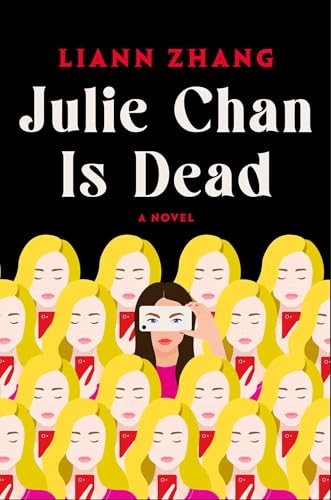
Julie Chan Is Dead (2025)
Select Sections to Print
×Book Details
Julie Chan Is Dead (2025)
Jump to Section
⚠️ Trigger Warnings
- Death of family members
- Grief
- Murder
- Decapitation
- Arson
- Cults
- Brainwashing
- Coercive rituals
- Animal cruelty
- Consumption of live animals
- Drugging
- Poisoning
- Substance abuse
- Laxative abuse
- Miscarriage
- Pregnancy loss
- Identity theft
- Blackmail
- Extortion
- Domestic violence
- Child abuse
- Physical abuse
- Starvation
- Police-related trauma
- Physical restraint
- Imprisonment
- Eating disorders
- Extreme dieting
- Body dysmorphia
⏱️ 2-Minute Spoiler Summary
Julie Chan has spent most of her life resenting her identical twin sister, Chloe Van Huusen. After their parents died in a drunk-driving accident when they were three, the twins were separated: Julie was raised by her miserly Auntie and grew up poor, while Chloe was adopted by wealthy New Yorkers and became a massively successful lifestyle influencer. Chloe eventually tracked Julie down and filmed their emotional reunion for YouTube, even buying her a house, but then promptly disappeared from Julie’s life after making a fortune from the viral video.
Three years later, Julie receives a strange phone call from Chloe, who sounds terrified, apologizes, and says something about a “mistake” before the call cuts off. Julie travels to Chloe’s Manhattan apartment and finds her twin dead. When Julie discovers just how much money Chloe made—including $125,000 from exploiting their reunion—years of resentment boil over. When police arrive and mistake her for Chloe, Julie makes an impulsive decision: she claims the dead woman is Julie and assumes Chloe’s identity.
Suddenly, Julie has Chloe’s money, apartment, career, millions of followers, and glamorous influencer friends. She is pulled into the orbit of Bella Marie Melniburg, an enormously wealthy model who leads an exclusive influencer clique called the Belladonnas. Julie also has a new problem: Auntie and her cousin Patrick figure out the identity swap and blackmail her for $1.56 million plus interest.
As Julie digs into Chloe’s past, she discovers that Chloe had secrets of her own. Her adoptive parents are comatose after a mysterious hit-and-run, Chloe had been blaming herself for what happened to them, and a New Yorker writer named Jessica Peters had been working with Chloe on some kind of exposé. Chloe’s journals also reveal that she genuinely wanted a relationship with Julie before something changed after her first Belladonnas retreat.
Julie attends the group’s annual retreat on Bella Marie’s private island and finally learns what Chloe became involved with. The Belladonnas worship Eto, a mysterious deity that supposedly rewards sacrifice with wealth and success. Julie participates in increasingly disturbing rituals, including chewing and swallowing a live newborn mouse. When Angelique Gray suffers a miscarriage, Bella Marie is delighted by how much money Angelique earns livestreaming the aftermath, calling it a sacrifice to Eto.
Then Iz Harris, one of the few Belladonnas Julie genuinely likes, disappears. Julie finds her tied to a bed after challenging the group’s behavior and realizes the women may never let either of them leave the island. Julie drugs the other Belladonnas with sedative gummies and prepares to burn their bungalow down.
Bella Marie catches her and finally reveals the truth about Chloe: Chloe planned to expose the cult, so Bella Marie secretly drugged her water, knowing the drugs would interact fatally with Chloe’s antidepressants. Chloe’s final desperate phone call to Julie came as she was dying.
When Bella Marie attacks, Julie kills her with an axe, ultimately decapitating her. She then sets fire to the bungalow containing the other sleeping Belladonnas, killing all seven women inside.
Julie wakes two weeks later in a hospital, charged with identity fraud, arson, theft, obstruction, and eight murders. Her defense attorney, Shannon, turns the case around by portraying Julie as a woman who infiltrated a murderous cult to uncover her sister’s killer. Iz supports her story, Auntie is arrested for extortion, and groundskeeper Viktor publicly calls Julie his “liberator,” transforming her into an internet antihero.
Rather than retreating from the attention, Julie embraces it. Convinced that fame itself is Eto’s reward, she launches a livestream watched by more than 600,000 people. Now more famous than Chloe ever was, Julie looks into the camera and begins telling her own version of the story with one crucial declaration: she did not kill her twin sister.
📖 Full Spoiler Summary
Julie and Chloe’s Very Different Lives
At twenty-four, Julie Chan is broke, bitter, and working as a cashier at SuperFoods while living in a deteriorating house. Her life could hardly be more different from that of her identical twin, Chloe Van Huusen, a glamorous lifestyle influencer with millions of followers.
The sisters started in the same place. Their biological parents died in a drunk-driving accident when the girls were three, and the state separated them. Julie was taken in by their Cantonese Auntie, a penny-pinching woman who eventually stole Julie’s savings and raised her alongside her lazy son, Patrick. Chloe, meanwhile, was adopted by wealthy New Yorkers Charles and Margaret Van Huusen and grew up surrounded by privilege.
When the twins were twenty-one, Chloe hired a private investigator to find Julie. Rather than arranging a private reunion, she turned it into content, surprising Julie at SuperFoods with cameras rolling. Chloe bought her a cheaply renovated house and posted Julie’s emotional reaction online in a video called Finding My Long-Lost Twin and Buying Her a House #EMOTIONAL. It attracted tens of millions of views and lucrative sponsorships. Then Chloe essentially disappeared from Julie’s life again.
Julie never stopped resenting her for it.
Julie Finds Chloe Dead—and Becomes Her
Three years later, Julie is working at SuperFoods when Chloe unexpectedly calls. She sounds distressed, gasping and coughing as she repeatedly says “mistake.” Before the connection dies, Chloe calls her “Ju-Ju” and apologizes.
Julie discovers Chloe hasn’t posted online for two weeks. Because a frightening encounter with police during a high school wellness check left her distrustful of law enforcement, she decides against calling 911. Instead, she finds Chloe’s Manhattan address through the deed to Julie’s house and takes a bus to New York.
At Chloe’s luxury apartment building, security guard Ramos naturally assumes the identical Julie is Chloe and lets her upstairs. Inside, Julie discovers Chloe’s decomposing body behind the kitchen island.
Julie uses her own face to unlock Chloe’s phone and calls 911. While waiting, she starts looking through Chloe’s emails—and discovers just how profitable her sister’s life really was. Chloe regularly earned more than $100,000 a month through brand deals. Even worse, she received $125,000 for the sponsored reunion video featuring Julie.
Then the police arrive.
When an officer who happens to be a Chloe fan assumes Julie is Chloe, Julie makes a split-second choice that changes everything. She confirms that she is Chloe Van Huusen and claims the dead woman is her troubled twin, Julie, who had been house-sitting. She invents a history of depression and drug addiction for “Julie,” encouraging authorities to believe she overdosed on Elavil and helping prevent an autopsy that could expose the truth.
Chloe is now officially dead under Julie’s name—and Julie becomes Chloe.
Welcome to Influencer Paradise
Chloe’s talent manager, Fiona, has no idea about the switch. She helps “Chloe” announce Julie’s death online, and the supposed grieving twin receives an enormous wave of public sympathy.
Julie quickly discovers that Chloe’s life comes with expectations. Fiona sends her to an event for superstar model and socialite Bella Marie Melniburg, forcing Julie through an exhausting beauty routine so she can squeeze into a $16,000 designer dress.
There she meets Bella Marie’s exclusive circle of influencers, the Belladonnas. They include baker and author Angelique Gray, who privately reveals that she is pregnant; veteran creator Kelly Hart; controversial mommy blogger Lily Schmidt; former Olympic volleyball player Sophia Chambers; beauty guru Maya; vain poet Ana Klein; Bella Marie’s wealthy cousin Emmeline; and Isla “Iz” Harris, a single mother and writer who escaped an abusive relationship.
Julie especially connects with Iz. For the first time, she begins to experience the glamorous world Chloe inhabited from the inside.
But Auntie and Patrick soon ruin the fantasy.
They know Julie isn’t dead. “Chloe” spoke Cantonese on the phone, something that immediately gave her away, and they also know Julie would never have voluntarily swallowed the pills supposedly responsible for her death. Worse, they have recorded Julie admitting to the identity theft.
Auntie demands $1.56 million, plus five percent monthly compound interest.
Julie agrees to pay. She also arranges to have Chloe’s body cremated, destroying potential DNA evidence, and even turns scattering her sister’s ashes into sponsored content.
Chloe Was Hiding Something
Living as Chloe makes Julie increasingly curious about what her sister had been doing before she died.
She discovers that Chloe’s adoptive parents are no longer living in their Upper West Side brownstone. Following financial records to Kennedy Nursing Home, Julie finds Charles and Margaret Van Huusen lying comatose after an August hit-and-run accident.
Security footage from their room reveals something even stranger: Chloe visited them and sobbed that the accident was her fault.
Then journalist Jessica Peters from The New Yorker begins contacting Julie about a story Chloe had been pitching involving her parents. Julie panics and shuts her out.
Her impersonation is also becoming harder to maintain. A former Chloe fan named Samantha posts an elaborate seventy-minute YouTube investigation arguing that Chloe is actually Julie. Julie fights back by going live and tearfully claiming grief has changed her appearance. Chloe’s devoted followers—and the Belladonnas—attack Samantha until she deletes the video and her accounts.
Eventually, Julie finds Chloe’s old Moleskine journals. They show that Chloe really did want to reconnect with Julie years earlier. But the entries abruptly stop just before Chloe attended her first Belladonnas island retreat in June 2018.
When Julie receives an invitation to the same annual retreat, she goes.
The Belladonnas’ Secret
The ten Belladonnas fly aboard Bella Marie’s private jet to her secluded island near Saint Martin. Their phones are confiscated, there is no internet or cell service, and Bella Marie immediately begins testing their obedience.
Inside the island mansion, Julie learns about Bella Marie’s ancestor Nikolai Melniburg, who supposedly sacrificed an eye to a strange deity called Eto in exchange for wealth and good fortune.
It quickly becomes clear this isn’t simply a bizarre family legend.
The Belladonnas worship Eto.
During one ritual, everyone writes down something they want to leave behind. Julie writes “Aunt.” When her paper fails to burn properly, Bella Marie forces her to confess that Auntie is blackmailing her. The women perform an elaborate “exorcism” of Julie’s problem.
Then comes the real initiation.
Bella Marie produces live newborn mice and tells the women that Eto rewards devotion and sacrifice. Each Belladonna must put a mouse into her mouth, chew it, and swallow it alive.
Julie is horrified. But after spending her entire life excluded from wealth, success, and belonging, she desperately wants to remain part of the group.
She eats the mouse.
The retreat becomes even more disturbing when pregnant Angelique suffers a sudden, bloody miscarriage. Julie insists Bella Marie summon a rescue helicopter. Afterward, however, Bella Marie proudly shows everyone the analytics from Angelique’s social media. Angelique livestreamed her miscarriage and earned more than $15,000 in only a few hours.
Bella Marie calls it a “holy sacrifice to Eto.”
Julie Learns Who Killed Chloe
Soon afterward, Iz disappears.
Julie searches for her and finds Iz’s bungalow padlocked from the outside. After smashing the lock with an axe, she discovers Iz tied to the bed with Hermès scarves and gagged with tape. Iz explains that the other women attacked her after she criticized their white privilege.
Julie finally understands that this isn’t merely an eccentric influencer clique. She and Iz may not be allowed to leave alive.
Julie tells Iz to reach the main house and call for help. She then uses her non-FDA-approved SLEEPY BEARS gummies to heavily sedate the remaining Belladonnas and prepares to burn their bungalow.
But Bella Marie secretly spat out the gummies.
She catches Julie—and finally tells her what happened to Chloe.
Chloe had decided to expose the Belladonnas and their cult to Jessica Peters. Bella Marie stopped her by putting drugs into Chloe’s water, knowing they would interact with Chloe’s antidepressants and kill her. She didn’t even remain to watch Chloe die because she had a Vogue photo shoot.
Chloe’s mysterious final call suddenly makes sense. She was dying when she called Julie to apologize.
Bella Marie attacks, and Julie grabs the wood-chopping axe. She strikes Bella Marie in the neck and then swings again, completely decapitating her.
Julie then drops Iz’s golden lighter onto the fuel she has spread around the bungalow. The building erupts in flames with Kelly, Sophia, Lily, Ana, Maya, Emmeline, and the other sleeping Belladonnas trapped inside. The roof eventually collapses, killing all seven.
Julie makes it to the beach before collapsing from smoke inhalation.
Julie Chan Becomes More Famous Than Chloe
Two weeks later, Julie wakes in a Saint Martin hospital chained to the bed.
Her deception is over. Iz told investigators that the cult members called “Chloe” by the name Julie, exposing the identity swap. Julie is extradited to the United States and charged with identity fraud, theft, obstruction of justice, arson, and eight counts of first-degree murder.
Fiona hires an aggressive defense attorney named Shannon, who begins transforming what looks like an indefensible case into a very different story.
The defense argues that Julie killed the Belladonnas in self-defense after discovering a dangerous cult. Iz supports her account, as does Bella Marie’s captive mother, Mrs. Melniburg. Shannon also reframes Julie’s identity theft, claiming Julie assumed Chloe’s identity because she was secretly trying to discover who murdered her sister.
Auntie’s blackmail is exposed as well, leading police to raid her home and arrest her for extortion and financial crimes.
Then Julie helps create the perfect publicity moment. She convinces island groundskeeper Viktor to appear on Dateline NBC with Keith Morrison. During the interview, Viktor describes Julie as his “liberator,” claiming she saved him from forced sexual slavery on Bella Marie’s island.
Public opinion swings dramatically. Instead of simply being viewed as an identity thief and mass murderer, Julie becomes an internet antihero.
Her attorney wants her to remain quiet.
Julie has other plans.
She begins to believe that the extraordinary fame surrounding her is the reward Eto has given her. After spending her life watching Chloe receive the money, attention, privilege, and admiration Julie believed should have been equally hers, Julie finally possesses something even bigger.
She launches a simultaneous livestream across Instagram, TikTok, YouTube, and Twitch. More than 600,000 people tune in while donations pour into her account.
Julie looks directly into the camera, smiles, and begins telling the world her story.
There is one thing she wants everyone to understand from the start:
Julie Chan did not kill her twin sister.
🔚 Ending Explained
How the Book Ends
The ending of Julie Chan Is Dead turns Julie’s apparent downfall into the very thing she has wanted all along: visibility.
After escaping the Belladonnas, Julie locks all seven cult members—Bella Marie, Kelly, Sophia, Lily, Ana, Maya, and Emmeline—inside her bungalow, douses it with lighter fluid, and sets it on fire. She collapses on the beach afterward and wakes two weeks later in a hospital in Saint Marten, handcuffed and under police guard.
Julie is extradited to the United States and charged with identity fraud, arson, theft, obstruction of justice, and eight counts of first-degree murder: the seven Belladonnas and Chloe. Her impersonation has finally been exposed because Isla Harris, or Iz, whom Julie freed before starting the fire, tells authorities that the Belladonnas had been calling Chloe’s supposed twin “Julie.”
But Julie quickly begins rewriting the story.
Her talent manager, Fiona, hires Shannon, a ruthless, high-powered defense attorney who gets Julie conditionally released to house arrest. Shannon builds Julie’s defense around two narratives. First, Julie killed the Belladonnas in self-defense while escaping a dangerous, drug-fueled cult, an account supported by Iz and Bella Marie’s captive mother. Second, Julie assumed Chloe’s identity not for personal gain, but because she was trying to discover who murdered her sister and bring Chloe’s killer to justice.
Julie also eliminates another threat by giving police evidence that Auntie had been blackmailing her. Authorities raid Auntie’s home and arrest her for extortion and financial crimes, severing Julie’s final connection to the powerless life she once lived.
The real turning point, however, happens in the court of public opinion. Julie gives Viktor an eBay replica of a 2010 Olympic gold medal and persuades him to appear on Dateline NBC with Keith Morrison. Viktor publicly describes Julie as his “liberator,” claiming she rescued him from forced sexual slavery.
The interview goes viral.
Suddenly, Julie is no longer merely an accused murderer. She becomes an internet anti-hero. Fans calling themselves “Julie’s Jewels” rally around her, petitions circulate in her defense, and publishers and Hollywood begin competing for the rights to her story.
Shannon advises Julie to stay quiet while awaiting trial. Julie does exactly the opposite.
She interprets her exploding fame as proof that Eto—the strange deity worshipped by the Belladonnas—has rewarded her sacrifice. She launches a livestream simultaneously across Instagram, Twitch, YouTube, and TikTok, with monetary gifts enabled. More than 600,000 people tune in.
Julie looks into the camera, smiles, and begins telling her story:
“One thing needs to be made clear: I did not kill my twin sister.”
The novel therefore ends exactly where Julie’s version of the story begins.
Ending Explained
The final twist isn’t really about whether Julie will escape conviction. It is that Julie has already won the thing she wanted most.
At the beginning, Julie is invisible. She is poor, working as a cashier, resentful that Chloe has transformed their shared face into fame, money, beauty, and cultural relevance while Julie barely seems to exist. Taking Chloe’s identity initially appears to be Julie’s attempt to steal her sister’s life. By the ending, however, she has created something even more powerful: a public identity entirely her own.
And horrifyingly, murder only makes that identity more valuable.
The livestream completes Julie’s transformation. Instead of feeling remorse for killing seven people or terror over potentially spending her life in prison, she sees the entire ordeal as content. The murders, cult, identity theft, trauma, and criminal trial have become the origin story of her personal brand.
That makes Eto one of the novel’s most important symbols. Eto can be read as the embodiment of the algorithm itself—an unknowable god that demands increasingly extreme sacrifices in exchange for attention. The Belladonnas believe they must sacrifice themselves to Eto to maintain their success. Julie ultimately does something even more extreme: she sacrifices them. And immediately afterward, she receives the greatest amount of attention she has ever experienced.
From Julie’s perspective, the bargain worked.
The novel repeatedly reinforces the idea that modern identity is surprisingly easy to manufacture. Julie can unlock Chloe’s phone with her face, inhabit her online presence, and convince people to accept her as Chloe because identity has become something determined by images, branding, storytelling, and audience perception. The Face ID motif makes that idea literal: the technology recognizes the surface and cannot distinguish the person underneath it.
The fake Olympic medal Julie gives Viktor works similarly. It looks like a symbol of achievement and value, but it is merely an inexpensive replica used to manipulate him. That mirrors the larger world of the novel, where appearances repeatedly become more powerful than authenticity.
Iz provides an important contrast. By revealing Julie’s real name to authorities, she chooses reality over the manufactured narrative surrounding the Belladonnas. Julie moves in precisely the opposite direction. Given the opportunity to finally become Julie Chan again, she doesn’t return to an authentic self. She instead creates another, even more carefully marketed version of Julie Chan.
That is what makes the ending so darkly triumphant. Julie may be facing eight murder charges, but the novel refuses to give her a conventional moral reckoning. Instead, the machinery of internet celebrity rewards her. Trauma becomes entertainment. Murder becomes branding. Victimhood becomes marketing. Even a criminal prosecution becomes an opportunity for engagement.
Most importantly, Julie has learned the lesson she once resented Chloe for understanding: the internet doesn’t necessarily reward truth. It rewards the best story.
The final line drives that point home. “I did not kill my twin sister” sounds like a declaration of innocence, but it is also a hook—the perfect opening sentence for a livestream, memoir, documentary, interview, or true-crime phenomenon. Julie is no longer simply defending herself. She is producing herself.
The circular ending suggests that the entire novel can effectively be understood as Julie’s version of events: the story she wants the audience to hear.
And her future remains deliberately unsettling. Julie may still be convicted. She may be acquitted. But in one sense, the verdict almost doesn’t matter anymore. With hundreds of thousands of followers, passionate supporters, media attention, and book and film offers, she has converted her crimes into cultural currency.
Julie began the story terrified of disappearing behind Chloe.
She ends it with 600,000 people watching her face—and waiting for her to speak.
👤 Characters & Fates
🔶 Main Characters

Survives the island massacre after killing Bella Marie and burning the other Belladonnas alive; she is arrested on multiple charges but manipulates the media and public into viewing her as a cult survivor and antihero, ultimately embracing her viral infamy.

Bella Marie murders her with drug-laced water because Chloe planned to expose the cult; Julie later has her body cremated to destroy DNA evidence and dumps her ashes in the Hudson River.
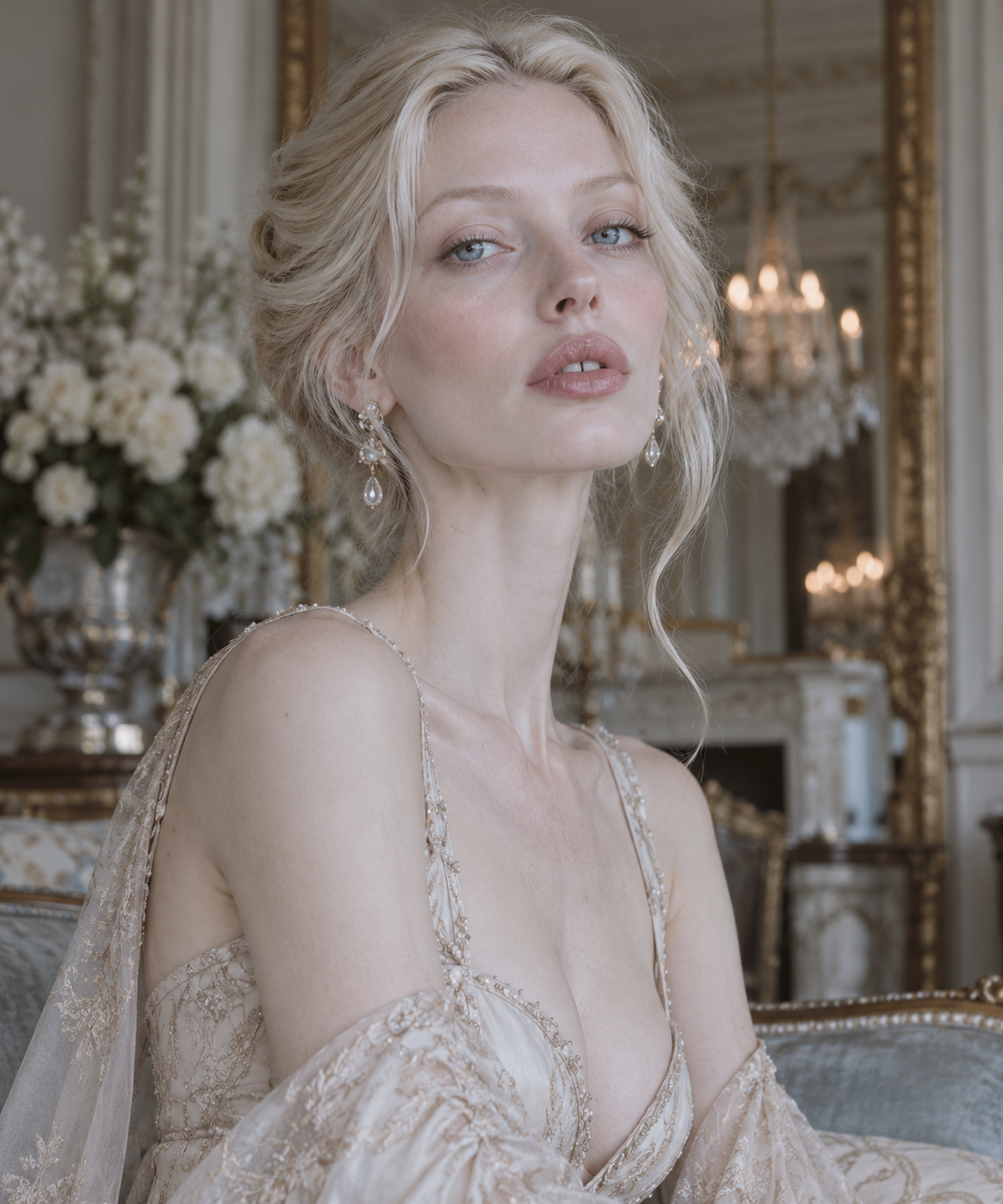
Confesses to murdering Chloe; Julie attacks her with a wood-chopping axe, completely decapitates her, and later burns her body and head in the bungalow fire.

The Belladonnas bind and gag her, but Julie frees her before the fire; Iz exposes Julie’s real identity to authorities yet later testifies for her defense and lands a lucrative book deal.
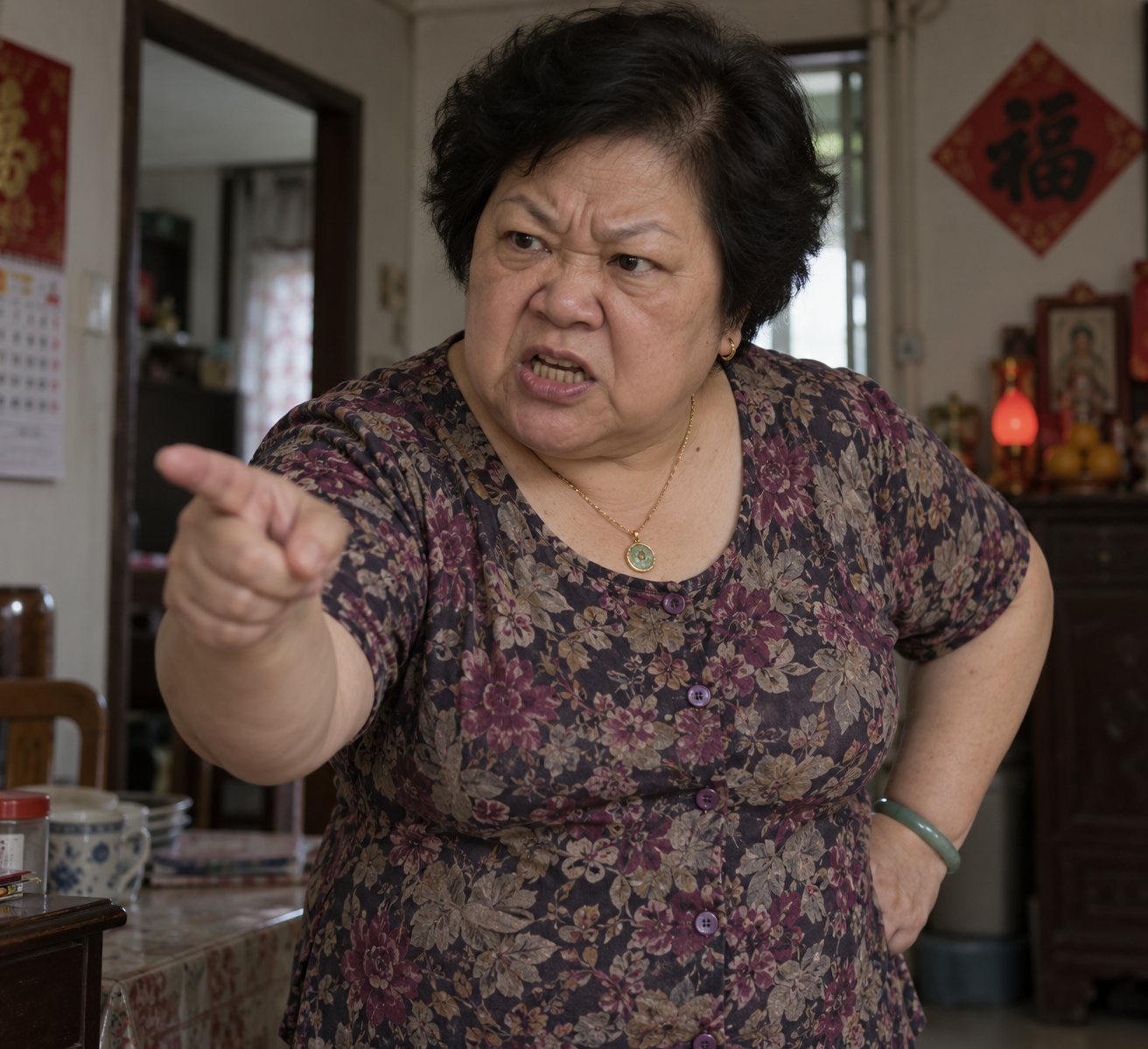
Extorts Julie for $1.56 million plus 5% monthly compounding interest, but Julie eventually gives police evidence against her, leading to Auntie’s arrest for blackmail and financial crimes.

Stays with Julie even after her arrest because she loves true crime and the clout of representing an alleged mass murderer, helping coordinate Julie’s media strategy with Shannon.
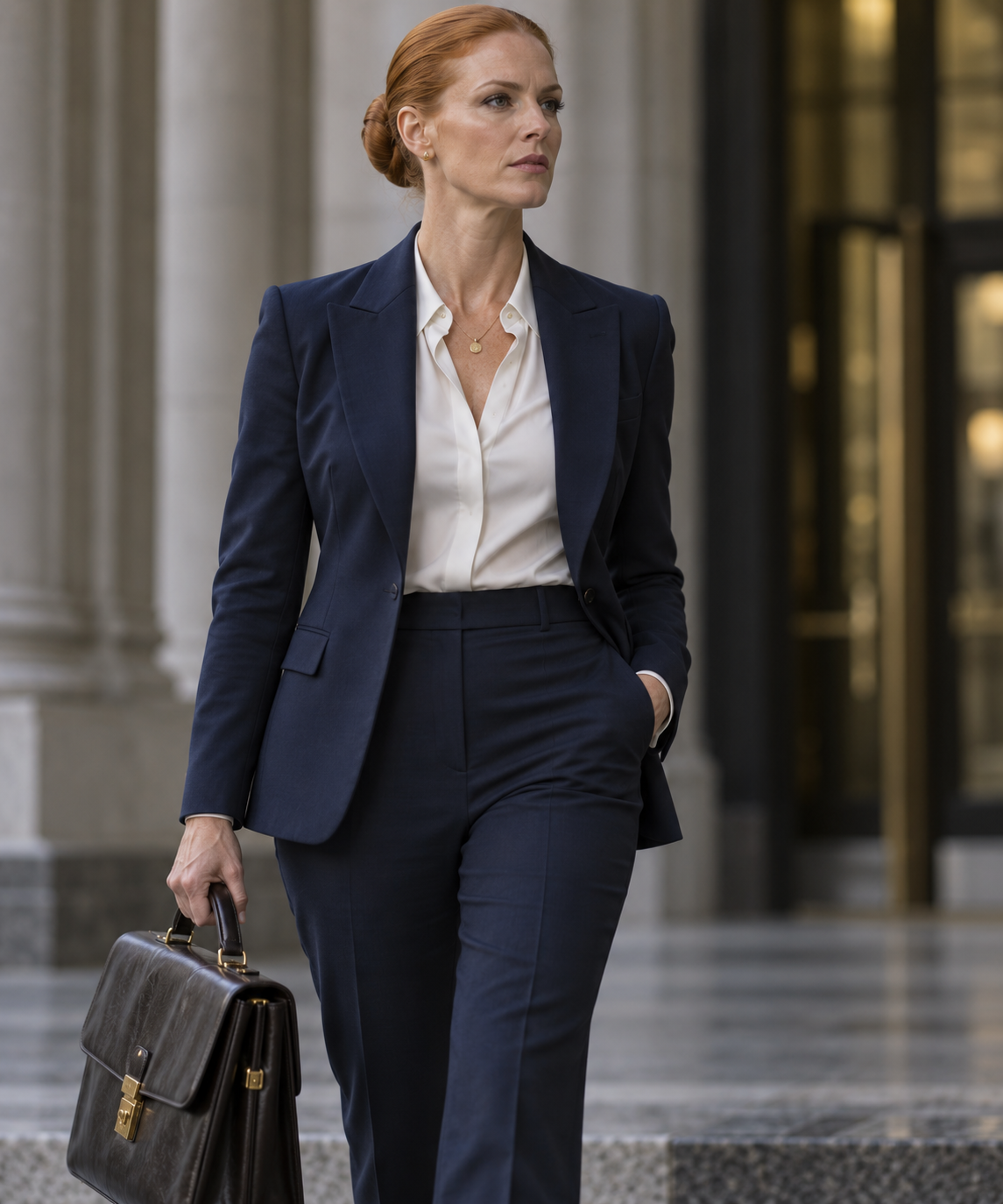
Gets Julie released to house arrest while awaiting trial and engineers a media campaign that dramatically shifts public opinion in Julie’s favor.
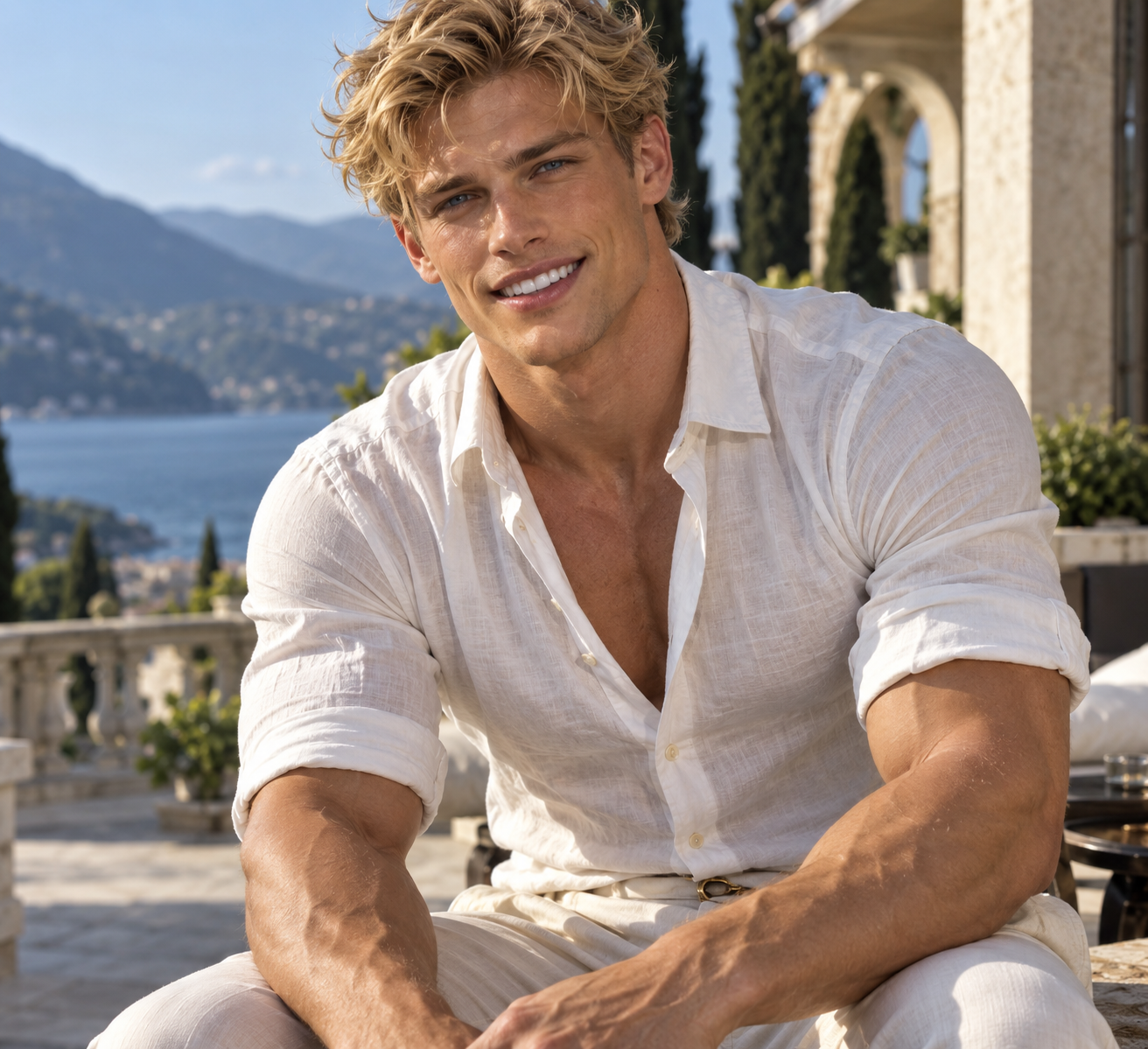
Survives the fire; Julie manipulates him with a fake Olympic gold medal, and he later tells Keith Morrison on Dateline NBC that Julie was his “liberator,” helping transform her public image.
🔷 Supporting Characters

Julie sedates her with SLEEPY BEARS gummies and burns her alive with the other Belladonnas inside the bungalow. Pasted text
Julie sedates her with SLEEPY BEARS and burns her alive inside the bungalow.
Julie sedates her with SLEEPY BEARS and burns her alive inside the bungalow.
Julie sedates her with SLEEPY BEARS and burns her alive inside the bungalow.
Julie sedates her with SLEEPY BEARS and burns her alive inside the bungalow.
Julie sedates her with SLEEPY BEARS and burns her alive inside the bungalow.
Julie sedates her with SLEEPY BEARS and burns her alive inside the bungalow.
Becomes implicated when police raid the family home while investigating Auntie’s blackmail and financial crimes.
Her investigation stalls after Chloe’s death, but her communications with Chloe become evidence of what Chloe intended to expose.
Both are left comatose and vegetative after a mysterious hit-and-run and remain in Kennedy Nursing Home funded by Chloe’s trust.
Survives the island fire, is rescued, and agrees to testify about her daughter’s cult, brainwashing, and captivity.
Julie weaponizes her followers against Samantha, who is doxed and cyberbullied until she deletes the exposé, privates her accounts, and apologizes. Pasted text
Remains working at SuperFoods while Julie escapes poverty by stealing Chloe’s identity and fortune.
Later testifies that “Chloe” arrived at the building on the night Julie discovered the corpse.
🕳️ Potential Plot Holes
When Julie reports Chloe’s decomposing body, the responding officer accepts Julie’s claim that she is Chloe and that the dead woman is Julie, supposedly killed by an Elavil overdose. This is one of the book’s biggest procedural stretches. An unattended, decomposing death would normally involve the medical examiner, formal identification, and likely toxicology. Julie could not realistically prevent that process simply by claiming her twin had a history of addiction. Because the twins are identical, visual identification could initially cause confusion, but fingerprints, dental records, or other records could eventually reveal that the deceased woman was actually Chloe.
Auntie and Patrick demand $1.56 million from Julie while threatening to expose a recording proving that Julie is impersonating Chloe. The leverage is shakier than Julie seems to realize because the same evidence could potentially expose Auntie and Patrick’s own extortion scheme. However, this is not a complete plot hole. Criminals frequently possess incriminating evidence against one another, and Auntie could potentially provide authorities with only the portions establishing Julie’s crimes while concealing evidence of her own demands. Julie also has far more to lose at that moment, making the threat effective even if Auntie is taking a substantial legal risk.
After Julie is extradited, she faces eight murder charges along with arson, identity fraud, theft, and obstruction charges, yet Shannon manages to get her released to house arrest. Given the number and severity of the accusations, Julie’s international flight history, use of a false identity, and obvious flight risk, her release is extraordinarily convenient. A judge could theoretically grant bail depending on the exact charges, jurisdiction, evidence, and applicable law, so it is not literally impossible, but the book makes the outcome far easier than such a case would realistically be.
Julie manages to completely sever Bella Marie’s head with only two swings of a wood-chopping axe despite being exhausted and having no established expertise with the weapon. Decapitation with an axe is physically possible, but accomplishing it so cleanly and quickly would require considerable force, favorable positioning, and some luck. It works within the book’s deliberately exaggerated horror-comedy style, although the ease of the killing stretches physical plausibility.
📚 Book Club Q&A's
⭐ Final Rating & Thoughts
Julie Chan Is Dead was such a fun surprise. It’s sharp, darkly funny, completely chaotic, and one of the more entertaining takes on influencer culture I’ve read. Liann Zhang absolutely nails the absurdity of living for likes, followers, sponsorships, and carefully manufactured authenticity, while also digging into loneliness, privilege, identity, and that very human desire to belong.
I especially loved the humor. The banana PLU joke alone took me straight back to my cashier days—4011 is apparently a number you never forget. 😂 The satire consistently worked for me without overwhelming the actual story, and the increasingly unhinged direction kept me flying through the pages.
My biggest issue was the logic surrounding the mistaken identity. I simply could not understand why authorities would so quickly accept that the body was Julie when it was found in Chloe’s home and everyone knew she had an identical twin. That required a pretty generous suspension of disbelief.
Still, I had a blast. Even the paranormal-ish elements, which normally aren’t my thing, worked surprisingly well here. Twisty, funny, weird, and ridiculously bingeable.
✨ Adaptation description
Adaptation
There is currently no officially announced film or television adaptation of Julie Chan Is Dead by Liann Zhang. As of October 2026, no studio, production company, streaming service, cast, director, or screenwriter has been publicly attached to the novel.
The book has attracted fan interest as a potential adaptation, including dream-casting discussions online, but no screen rights deal or adaptation is currently confirmed.
✨ Books Like Julie Chan Is Dead (2025)
See an error on this page?