
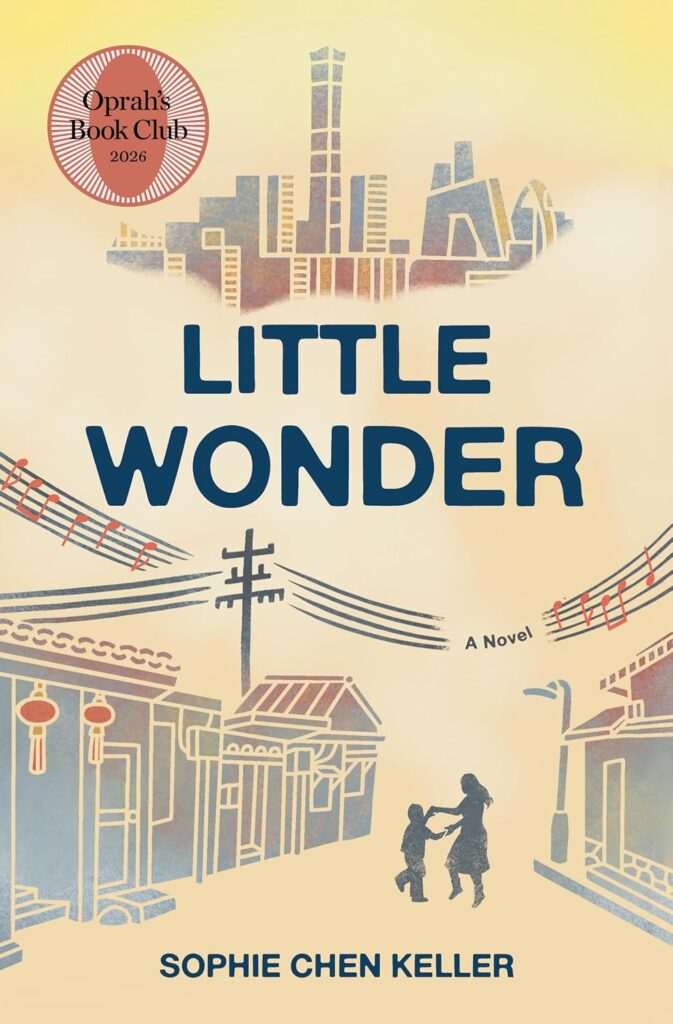
Little Wonder (2026)
Select Sections to Print
×Book Details
Little Wonder (2026)
Jump to Section
⚠️ Trigger Warnings
- Child separation & disappearance
- Child endangerment & stalking
- Severe asthma & breathing difficulties
- Medical emergency & collapse
- Medication misuse
- Terminal cancer
- Parental death
- Fatal workplace accident
- Grief & bereavement
- Physical abuse & corporal punishment
- Extreme poverty & housing insecurity
- Labor exploitation
- Corruption & systemic injustice
- Police intimidation & abuse of authority
- COVID-19 pandemic
- Quarantine & lockdowns
- Hospital overcrowding
- Dementia & cognitive decline
⏱️ 2-Minute Spoiler Summary
Little Wonder is told in third-person limited perspective, alternating between Song (Wang Lisong), a poor single mother from Northeastern China, and her musically gifted son, River (Wang River). The story moves between the years before their separation and the five years afterward.
Song has spent River’s entire life fighting to give him opportunities she never had. After dropping out of school and working low-paying jobs, she marries Blue, a construction worker who dies in a scaffold accident when River is young. Song raises River alone in Harbin, where his severe pollution-induced asthma threatens his health but his extraordinary musical ability offers a possible way out of poverty. Professor Li, his piano teacher, recognizes that River has perfect pitch and calls him a “little wonder.” But when Li secretly gives River a beta-blocker before a competition and nearly kills him because of his asthma, Song fires him and decides to take River to Beijing to find a better teacher.
In February 2016, Song and 11-year-old River arrive at the massively crowded Beijing Railway Station. River drops his Tchaikovsky score, lets go of Song’s hand to retrieve it, and is swallowed by the crowd. By the time Song fights her way back, he is gone.
River narrowly escapes the Narrow Man, a stranger who tries to lure him away, and eventually hides inside the railway station with Guo Bing (“Bing”), a compassionate janitor who feeds and protects him. Song searches desperately, but thieves steal the phone containing her money, River’s photographs, and her old contact information. She becomes a food delivery driver so she can search Beijing while earning enough to survive.
Weeks pass without either finding the other. River discovers an old piano inside the station, where his playing attracts Phyllis, a former world-famous concert pianist. When station authorities discover River, Phyllis offers him a home. She eventually becomes his guardian and piano teacher while caring for her husband, Eight, a former actor with progressive dementia.
Song, meanwhile, builds a makeshift family among other delivery workers and courtyard residents, including White Dragon, a widower who eventually becomes her romantic partner; Jade and her boyfriend Blackberry; and Bubbles, a delivery driver with a disabled leg. They spread River’s photograph throughout their delivery networks, but years pass without a breakthrough.
River struggles with the belief that Song has abandoned him and briefly wants to quit piano. His friend and fellow prodigy Mini becomes an important part of his life, and River eventually realizes that becoming a famous pianist may be his best chance of making himself visible enough for Song to find him. He decides to compete in the prestigious World Chopin Competition, hoping to “start a fire big enough for Mama to see.”
Then COVID-19 shuts down Beijing. Song continues working as a delivery driver until, in 2021, she begins coughing up blood and learns she has terminal lung cancer caused by years of exposure to industrial smog and road pollution. She has only weeks or months left.
Just when Song believes she may die without ever knowing what happened to River, Blackberry shows her a live television broadcast of the World Chopin Competition. Seventeen-year-old River is on-screen, telling the audience that he is playing for his missing mother and wishes she could hear him. Song finally knows her son survived.
River gives a triumphant final performance of Tchaikovsky’s Piano Concerto No. 1. Afterward, delivery drivers who recognize him from Song’s years of missing-person flyers tell him that his mother is alive—but dying.
River races across Beijing on Monkey King’s delivery scooter. Song’s alley is under COVID lockdown, but with help from Phyllis, Eight, Mini, Phyllis’s dog Precious, and a sympathetic guard, River gets through the barricade.
Mother and son finally reunite after nearly six years apart. River tells Song, “We did it, Ma. We won,” and places the two wooden clothespin dolls Blue once carved for their family together on the windowsill. Song thanks Phyllis for raising her son and listens as River talks about the future they might have had.
Then River fulfills a promise from childhood: he holds his mother and dances with her. Song dies peacefully in his arms, knowing that River survived, became the pianist they dreamed he could be, and never stopped searching for her either.
📖 Full Spoiler Summary
The Story and Timeline
Little Wonder is told in third-person limited perspective, alternating between Song (Wang Lisong) and her son, River (Wang River). The novel moves back and forth in time, gradually revealing how Song and River came to Beijing before following the nearly six years they spend separated from each other.
Song Builds a Life Around River
Long before River disappears, Song grows up poor in the rural Northeastern Chinese village of Lakeyard. Her older brother once had the chance to attend university for mathematics, but a corrupt township leader steals his place for his own son. Her brother is left unemployed and drinking, while Song drops out of middle school and goes to work in a frozen chicken factory to help support the family.
Song later meets Blue, a quiet construction worker, while selling pineapples from a cart in Harbin. When urban management officers harass her, Blue steps in to protect her. They marry, and in July 2004, Song gives birth to River on the family’s brick hearth bed.
Blue names their son River because “rivers stretch on forever.”
Money is desperately tight. Song threads beaded skull earrings for twelve cents a pair while caring for the baby, and Blue leaves for construction jobs far from home. Before going, he carves two wooden clothespin dolls, a boy and a girl, representing their little family.
Song’s strict mother soon demands that she leave River behind and return to Harbin to earn money. Song refuses. After discovering that classical music—particularly Debussy’s Arabesque No. 1—can soothe River, she packs the baby into a wooden drawer strapped to her scooter and takes him to Harbin herself.
There she rents a freezing room from a landlord she calls Lizard Man and struggles to find work while caring for an infant. A compassionate older cleaning woman helps her find employment through Mrs. Zhang’s cleaning agency.
Then Blue is killed in a construction scaffold accident during a storm in Shenyang.
Song is suddenly raising River entirely alone. Her mother responds to Blue’s death by advising Song to sue for compensation, but Song has a more immediate problem: River is becoming seriously ill. At two and a half, he suffers a terrifying breathing crisis during a harsh Harbin winter. A community clinic doctor diagnoses him with pollution-induced asthma and gives him a rescue inhaler.
River Becomes a “Little Wonder”
When River is four, he encounters an upright piano in one of the apartments Song cleans and immediately begins picking out melodies by ear. Song takes him to Professor Li, a demanding piano teacher who quickly realizes River has perfect pitch. After River reproduces part of Tchaikovsky’s Piano Concerto No. 1 simply from hearing it, Li calls him a “little wonder.”
Song becomes convinced that music can give River the life poverty has denied him.
River begins entering competitions, but performing is difficult because of his intense stage fright. Professor Li suggests beta-blockers to control the physical symptoms of his anxiety. Song refuses, insisting River must learn to be brave without medication.
Years later, however, Li secretly gives 11-year-old River a beta-blocker before a major competition at the Harbin Conservatory. River suffers a catastrophic asthma attack and collapses onstage. A doctor explains that the drug can dangerously worsen asthma and could have killed him.
Song immediately fires Professor Li.
At the competition, River has met Mini, a talented Beijing pianist nicknamed “the Bachist,” whose teacher, Professor Tiger, chairs a department at the prestigious Central Conservatory of Music. Hearing about the opportunities available in Beijing convinces Song to take River there and find him a better teacher.
Song and River Lose Each Other
In February 2016, Song and 11-year-old River arrive at Beijing Railway Station just before Lunar New Year. The station is packed with travelers.
As they are swept along by the crowd, River drops his score for Tchaikovsky’s Piano Concerto No. 1. He lets go of Song’s hand to retrieve it.
That tiny decision separates them.
River is knocked down and trampled before crawling beneath an escalator. A suspicious stranger, the Narrow Man, approaches and offers to take him to a car where he can supposedly use a phone. River senses something wrong and runs. Outside, a kind Sweet Potato Woman gives him food, but the Narrow Man follows and falsely claims River is his son. River escapes again.
Song, meanwhile, fights desperately against the crowd trying to get back to him. Two thieves steal her phone, taking with it her money, photographs of River, and saved messages from Blue. A police officer she calls Granite Block refuses to help and throws her out of the station.
The Sweet Potato Woman tells Song she saw River running away from a man. Then Song finds River’s discarded asthma inhaler.
Now she knows her sick child is somewhere in Beijing without his medicine.
River Finds Phyllis While Song Searches Beijing
River eventually gets back inside the station, where he meets Guo Bing (“Bing”), a gentle night janitor. Bing feeds him tea eggs, gives him somewhere to sleep, and secretly allows him to remain in the station.
River tries calling Song, but their attempts to reconnect repeatedly fail. Song buys another phone but cannot recover her old number or data. Eventually her old service is disconnected entirely.
Weeks turn into months.
Song meets White Dragon, a food delivery driver who helps her join the delivery network. She realizes the job will allow her to search Beijing’s neighborhoods while earning money. She moves into a shared courtyard populated by other struggling workers, including Jade, Jade’s boyfriend Blackberry, and Bubbles, a kind delivery driver with a withered leg. Once they learn about River, the entire group begins spreading his photograph through their networks.
Inside the station, River discovers a neglected upright piano and begins playing. His music attracts Phyllis, a former world-renowned concert pianist.
When the station supervisor discovers River and threatens to call the police, Phyllis intervenes and offers to take him home.
Phyllis lives comfortably with her husband, Eight, a former television actor whose dementia is progressively worsening. She becomes River’s legal guardian, gets him into school, and begins rebuilding his piano technique from the ground up.
River also develops an affectionate relationship with Eight, sometimes pretending to be Eight’s childhood friend “Little Red” when the confused older man needs comfort.
Years Pass Without a Reunion
River never stops wondering why Song has not found him.
At twelve, overwhelmed by the pressure of a recital, he reconnects with Mini and runs away with her to Beijing Railway Station. He hopes to find Bing, only to learn that Bing left after rescuing a woman from the train tracks and eventually marrying her.
River declares that he wants to quit piano. If he stops trying to become great, he thinks, perhaps he can also stop waiting for Song.
Phyllis understands more than he expects. She tells River that she once ran from her own concert career, but that genuine talent cannot simply be discarded. River ultimately returns to music.
Song continues searching. Her relationship with White Dragon gradually becomes romantic, and she learns that his wife died in a flood years earlier. He has remained estranged from his daughter because he is terrified she will reject him.
By 2018, River is attending a Beijing middle school and hiding his impoverished background. After disrespecting Pigsy, a kind Northeastern lunchman, to impress wealthy classmates, River is ashamed and deliberately begins eating Pigsy’s buns every day as a way of reclaiming the identity he tried to hide.
River Decides to Make Himself Impossible to Miss
By 2019, River is fifteen. Mini remains close to him, and their friendship becomes romantic.
One night they watch emergency vehicles racing toward a fire in a migrant neighborhood. River suddenly realizes Song could have been living in places like that all along.
He changes his approach to finding her.
Instead of searching street by street, River decides to become so successful that Song cannot possibly miss him. He will compete in the World Chopin Competition and “start a fire big enough for Mama to see.”
Then COVID-19 reaches China.
White Dragon travels to Wuhan after his daughter breaks her ankle, arriving just as the outbreak begins. Beijing enters lockdown, but Song and the other delivery workers continue riding through the deserted city, bringing people food.
River continues growing into a serious pianist under Phyllis’s guidance.
Song Finally Sees River Again
In 2021, River is seventeen and preparing intensely for the World Chopin Competition.
Song, however, has begun coughing up blood. During a routine COVID test, a health worker notices. Medical examinations reveal the devastating truth: years of breathing industrial smog and road pollution have left Song with late-stage lung cancer.
She has only weeks or months to live.
After searching for River for almost six years, Song faces the possibility that she will die without ever learning what happened to him.
Then Blackberry rushes into her room with a live CCTV broadcast.
River is on the screen.
He is competing in the World Chopin Competition, and during the broadcast he tells the audience that he is playing for his mother. He still thinks about her when he plays and wishes she could hear him.
Song breaks down crying.
Her son is alive.
River Comes Home to Song
Song’s friends want to take her to the concert, but her alley is suddenly sealed under strict COVID restrictions. She is forced to watch River’s performances on a phone while trapped behind barricades.
River reaches the final stage and performs Tchaikovsky’s Piano Concerto No. 1 with the orchestra—the piece that has followed him throughout his life.
His performance earns a standing ovation.
Outside the hall, a group of delivery drivers led by Monkey King recognizes River from the missing-person flyers Song has spent years distributing.
They tell him the news he has been waiting almost six years to hear.
His mother is alive.
But she is dying.
Monkey King races River across Beijing on his scooter. Phyllis, Eight, Mini, and Phyllis’s dog Precious follow in a van. When they reach Song’s locked-down alley, Precious steals a guard’s pork knuckle and creates enough chaos for River to get through. The guard recognizes River from television and deliberately looks the other way.
River enters the courtyard.
There, after almost six years, he finally finds his mother.
Song meets the seventeen-year-old version of the little boy she lost at the railway station. River tells her, “We did it, Ma. We won.”
He places Blue’s two wooden clothespin dolls together on the windowsill.
Song puts on red lipstick and speaks to Phyllis over video, thanking the woman who took in her lost child and raised him when she could not. River stays beside his mother and talks about the future, describing the life they might still share even though both understand how little time she has left.
As Song grows weaker, River holds her.
Years earlier, he had promised that they would dance together. Now he gently sways with his mother in his arms.
With River finally beside her and music surrounding them, Song dies peacefully in her son’s arms.
River is left beneath a blue sky carrying forward the love, sacrifices, and music that connected them even during all the years they were apart.
🔚 Ending Explained
How Does Little Wonder End?
The ending of Little Wonder brings Song and River’s five-year separation to an emotional close, but their reunion comes just before Song’s death.
Seventeen-year-old River Wang reaches the finals of the World Chopin Competition in Beijing. Rather than treating the competition simply as a chance to prove himself as a pianist, River turns his performance into a message to his missing mother. Before the finals, he says on television that he is playing for his Ma and hopes she can somehow hear him.
River chooses Steinway #301 and performs Tchaikovsky’s Piano Concerto No. 1 with the orchestra. The piece has particular significance because it has been tied to River and Song since the day they became separated. River pours everything he has into the performance, essentially using his music as a beacon calling his mother home. The audience responds with a thunderous standing ovation.
And Song does hear him.
By this point, Song is living in a small courtyard room in Beijing and is dying from late-stage lung cancer after years of exposure to industrial smog and road pollution. Her found family of food delivery workers helps her watch River’s performances on a phone. But just as River is finally within reach, Song’s alley is placed under a strict COVID lockdown.
The delivery-driver community ultimately becomes the bridge between them. After seeing Song’s missing-person alerts, an army of drivers gathers outside the concert hall. Their leader, Monkey King, finds River and tells him the devastating truth: his mother is alive, waiting for him—and dying.
Monkey King races River through Beijing on his scooter to Song’s alley. Phyllis, Eight, Mini, and Precious arrive to help, but the lockdown barricade still stands between River and his mother. Precious causes enough chaos to distract the guards, and Guard Smalls, who recognizes River from his televised performance, deliberately looks the other way. River is finally allowed through.
Inside the courtyard, River follows the sound of Tchaikovsky until he reaches Song’s room. He meets Bubbles, Jade, Blackberry, and White Dragon, the delivery workers who became Song’s surrogate family during the years she spent searching for him.
Then, after five years apart, River and Song are finally reunited.
River tells her, “We did it, Ma. We won.” He places the two wooden clothespin dolls—the boy and girl originally carved by his father, Blue—together on the windowsill. Their reunion matters more than the actual competition result: this is the victory River has truly been pursuing.
Song puts on her red lipstick before video-calling Phyllis. Rather than resenting the woman who effectively became River’s second mother, Song thanks her for protecting him and teaching him during the years she could not.
Mother and son are given two days together.
They spend those final days filling in the missing years, telling stories and imagining a future they both understand they will never actually have. They talk about seeing panda triplets in Chengdu, driving a red sports car along the California coast, and traveling to Iceland to see the lights. For a brief period, the tiny room becomes larger than their circumstances. They finally have the time together that both have spent years trying to recover.
As Song weakens, the relationship between mother and child beautifully reverses. River feeds her sugar water from a spoon, just as Song once fed him sugar water during his childhood asthma attacks. He repeats the comforting words she once said to him:
“When you wake, it will be morning. There will be music. There will be nothing but blue-blue sky… And where you are, I will always be there.”
Song then asks River to dance.
River wraps his dying mother in her blankets, lifts her into his arms, and gently rocks and sways with her. In doing so, he finally fulfills the childhood promise that he would someday dance with her.
Song dies peacefully in River’s arms, surrounded by music and the image of the “blue-blue sky.”
What the Ending Means
The ending is devastating, but it is deliberately not an ending about failure. Song does not survive, and River cannot recover the five years they lost. What they do recover is their connection. Neither dies—or continues living—believing the other abandoned them.
The two clothespin dolls make that idea visible. Blue originally carved them before leaving for construction work, so they carry the memory of the family River lost piece by piece: first Blue through death, then Song through separation. When River finally places the boy and girl together on Song’s windowsill, the broken family is symbolically reunited. Blue may be dead and Song may be dying, but the love binding the three of them has survived.
Tchaikovsky’s Piano Concerto No. 1 similarly changes meaning. It begins as part of River’s musical identity and becomes associated with the traumatic moment when mother and son are separated. At the competition, River reclaims it. Music is no longer merely the thing that might make him successful; it becomes his way of reaching Song. His greatest performance is therefore meaningful not because thousands of strangers applaud it, but because his mother hears it.
The sugar water creates one of the ending’s most intimate circles. When River was helpless, Song cared for him. Now that Song is helpless, River cares for her in exactly the same way. The reversal shows that her sacrifices have not produced a child who simply escaped poverty and became successful. They have produced a son capable of returning the extraordinary tenderness he received.
Song’s red lipstick is equally important. Even as cancer has stripped away her strength, she chooses how River and Phyllis will see her. She wants to meet this monumental moment as herself—with pride and dignity—not merely as a dying woman.
And then there is the blue-blue sky, perhaps the ending’s most powerful image. Song and River have spent much of their lives literally struggling to breathe. River suffers severe pollution-induced asthma, while years of polluted air ultimately contribute to Song’s fatal cancer. Against that background, the clear blue sky represents something almost unreachable: clean air, freedom, possibility, and a world beyond the conditions that have constrained them.
That makes Song’s death beneath the imagined blue-blue sky especially poignant. She is finally beyond the polluted environment, poverty, exhausting labor, frantic searching, and physical suffering that defined so much of her life.
The ending also expands the meaning of family. River reaches Song not because a powerful institution finally fixes what happened, but because ordinary people decide to help. Monkey King and the other delivery drivers transform Song’s solitary search into a communal one. Phyllis and Eight protect River. Mini stands beside him. Even Guard Smalls chooses compassion over the rules. The people living around the margins of the city become the network that finally reunites mother and son.
Most importantly, River’s future is fundamentally changed by the reunion. Song dies, but River is no longer a lost child searching for his mother. He knows what happened to her. He knows she never stopped looking for him. And Song dies knowing that River survived, became the musician she always believed he could become, and never stopped loving her either.
So the novel’s final victory isn’t River winning a piano competition. It is mother and son finding each other before time runs out.
The imagined trips they discuss during those final two days underscore the bittersweet nature of that victory. Song will never see Iceland or ride beside River down the California coast. But she leaves him something more enduring: the certainty that wherever his life takes him, the love that formed him goes with him.
That is why her final reassurance—“where you are, I will always be there”—works almost like the novel’s promise for River’s future. Song’s physical search has ended, but her presence continues through him: in his compassion, his memories, and especially in his music.
Song dies, but River finally comes home.
👤 Characters & Fates
🔶 Main Characters
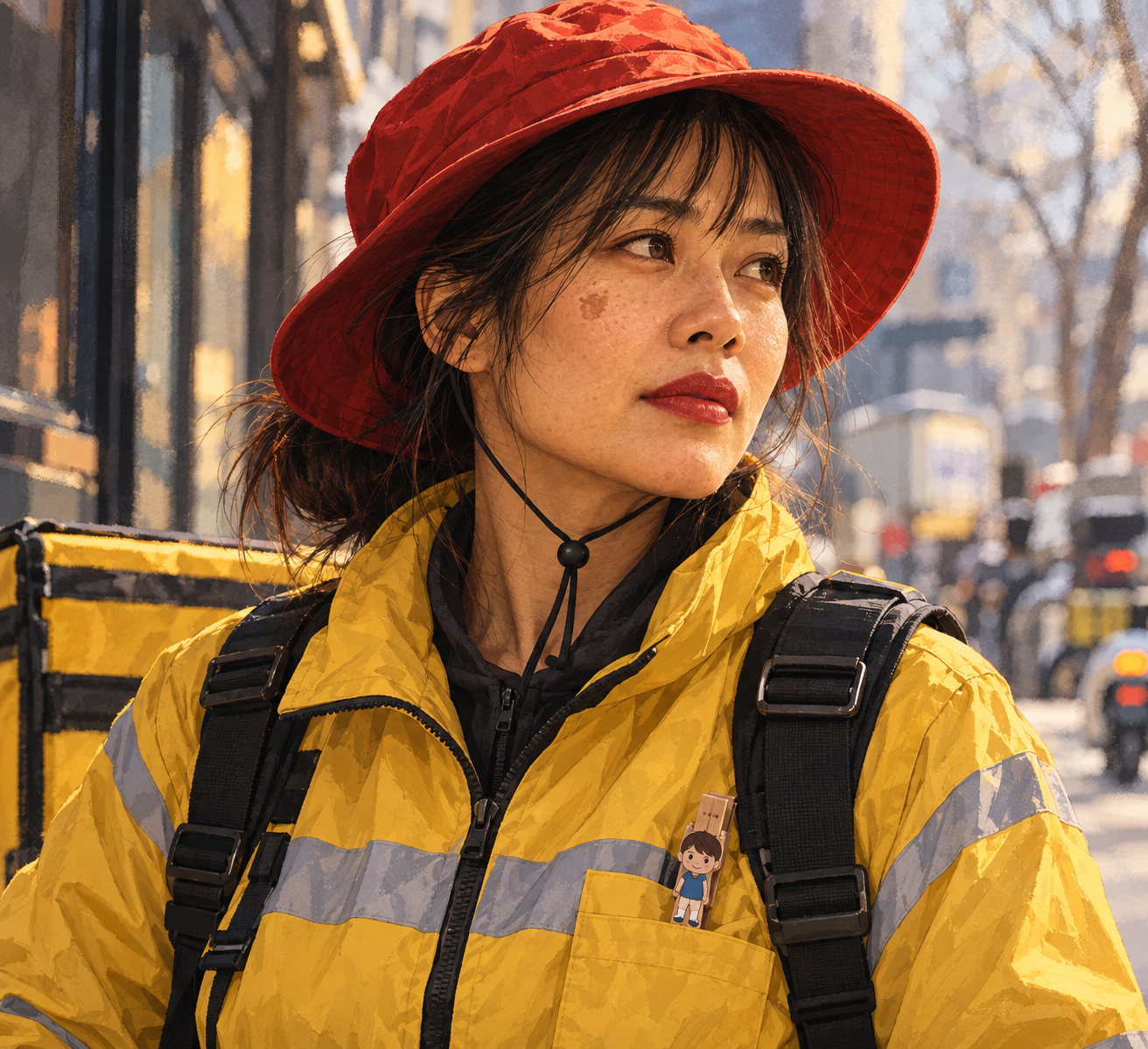
Develops terminal lung cancer after years of pollution exposure. During COVID lockdown, she watches River perform in the World Chopin Competition, finally reunites with him, spends two days together imagining their future, and dies peacefully in his arms during a final dance.
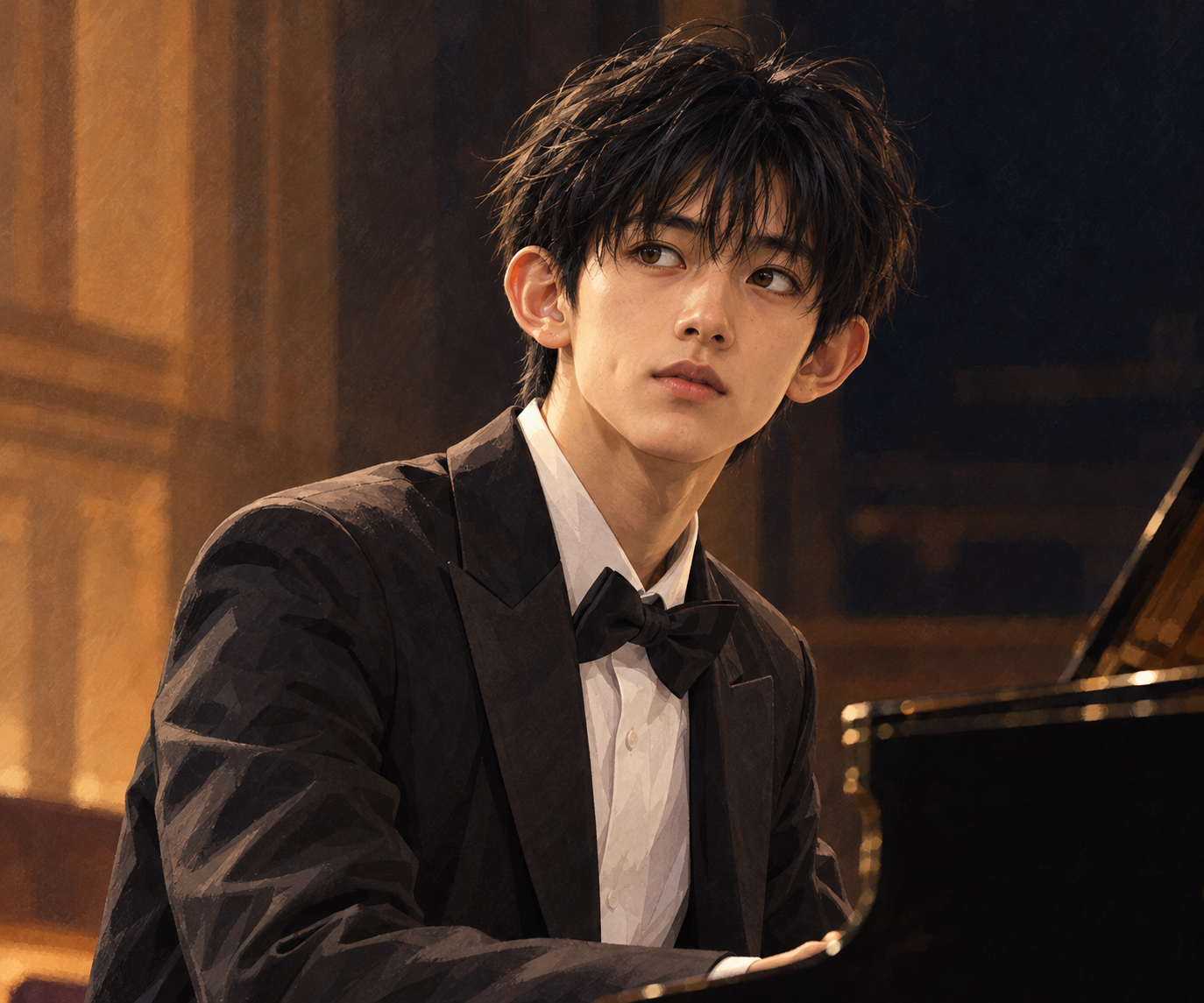
Survives months secretly living inside Beijing Railway Station before Phyllis takes him in. He eventually returns to piano, reaches the World Chopin Competition finals at 17, then learns Song is dying, races across Beijing, breaches her locked-down alley, reunites with her, tells her “We won, Ma,” and holds her as she dies.

Leaves for construction work when River is an infant and dies in January 2007 after falling from scaffolding during a storm. His death leaves Song to raise River alone, and his memory remains important to both of them.
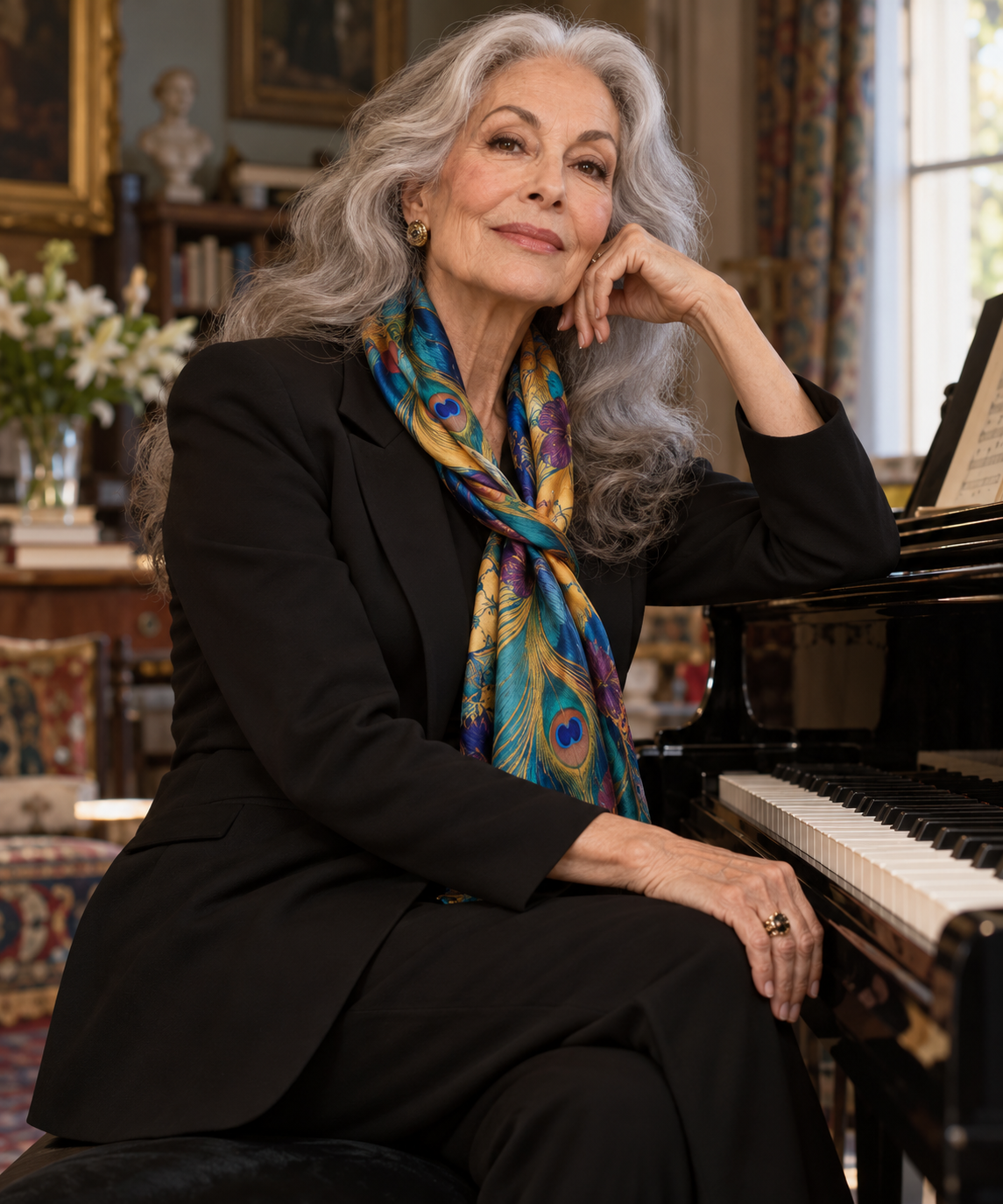
Coaches River to the World Chopin Competition finals and helps him reach Song during the lockdown. She speaks with the dying Song by video call, accepts her gratitude, and remains River’s devoted surrogate family.
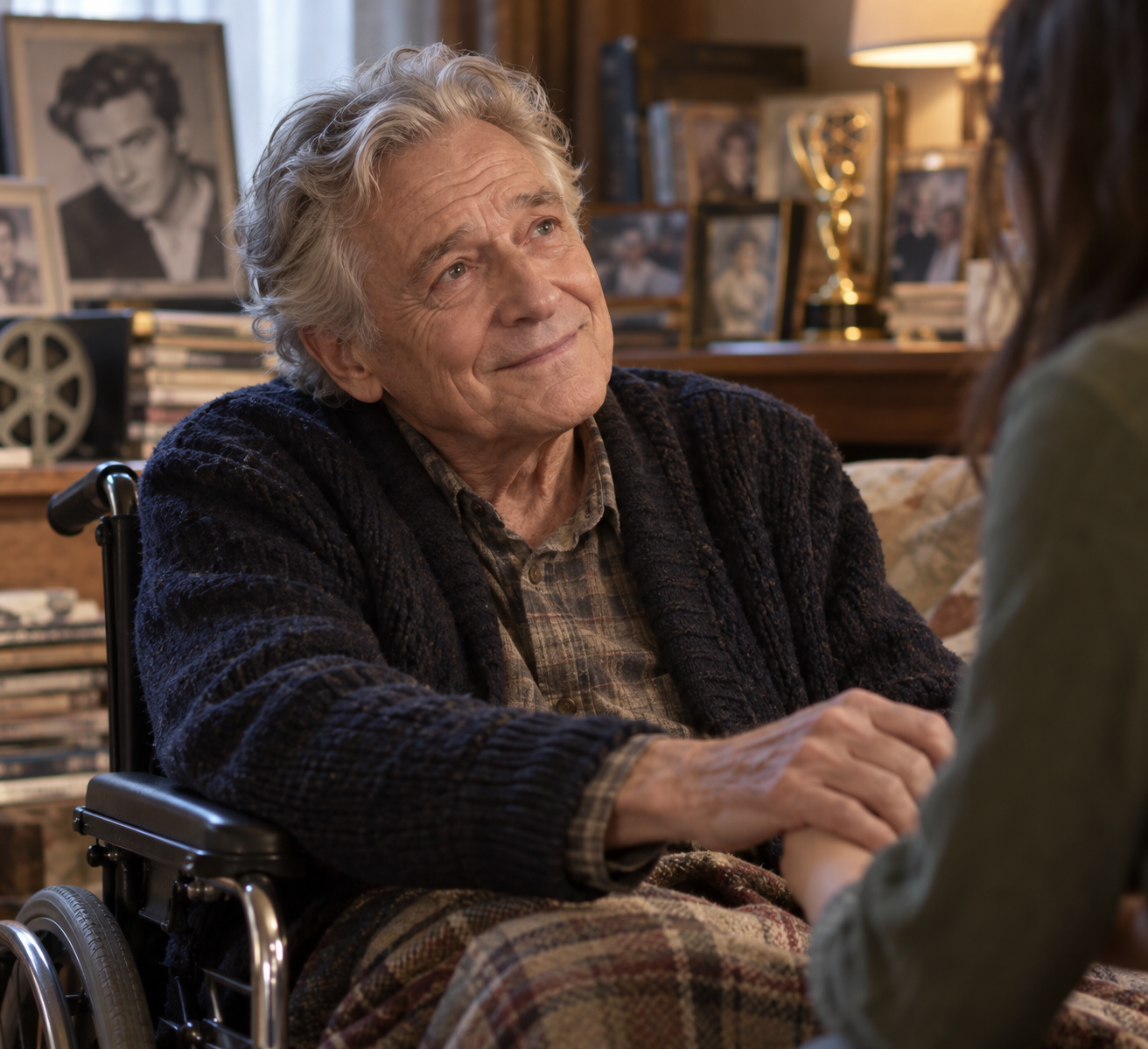
Remains lovingly cared for by Phyllis and Susan and accompanies Phyllis to Song’s alley during River’s desperate attempt to reunite with his mother.

Reveals that his wife died in a Wuhan flood and that he became estranged from his daughter. Song convinces him to reconcile with her; he later returns to Beijing and helps care for terminally ill Song through her final days.

Remains with River through the pandemic and helps create the distraction that allows him through Song’s COVID barricade. She becomes his girlfriend and stays beside him during Song’s final days.
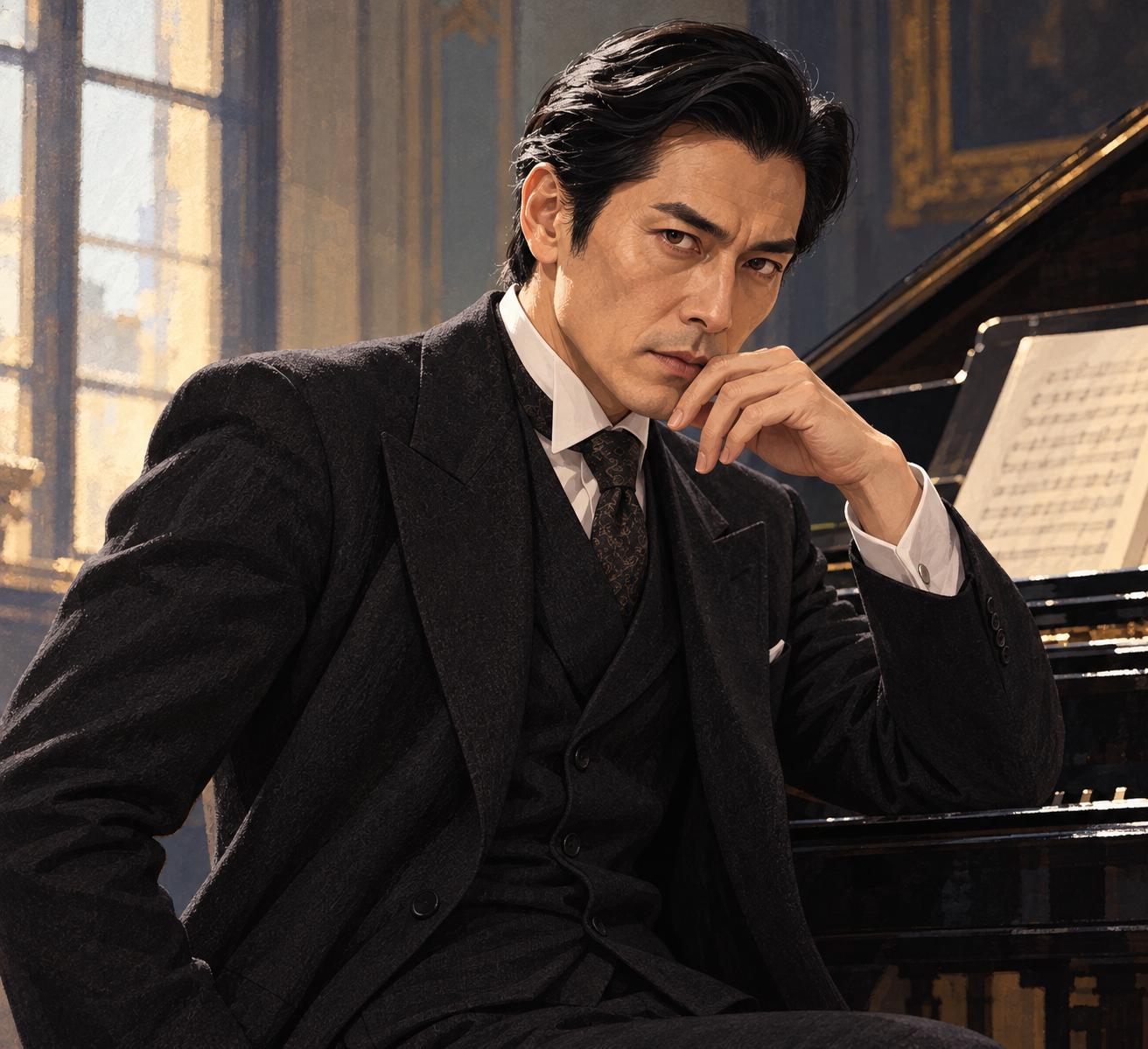
Secretly gives 11-year-old River a beta blocker before a competition, triggering a potentially fatal asthma attack. An enraged Song fires him immediately, permanently ending his place in River’s life.
🔷 Supporting Characters
Saves a woman who falls onto the train tracks, later marries her, quits the station, and moves away to begin a new family.
Builds a distribution business with Blackberry, gives terminally ill Song a makeover before River’s televised performance, and remains beside her as part of her surrogate family.
Continues his business with Jade and helps the courtyard community support Song and River’s eventual reunion.
Sets up the livestream that allows dying Song to watch River perform and remains part of her loyal courtyard family.
After losing her husband and becoming increasingly alone, she reconciles with Song shortly before Song’s death by sending treasured homemade fermented bean paste and a note reminding her daughter that she can always come home.
Dies suddenly of heart failure in spring 2012.
Spends years unemployed and drinking in Lakeyard before eventually marrying and moving away.
Remains an influential Beijing piano professor and an old friend of Phyllis.
The Sweet Potato Woman sees through him, deliberately sends him in the wrong direction, and he rides away without River.
Successfully drives off River’s would-be predator and helps Song realize River escaped deeper into Beijing.
Threatens Song with arrest and forcibly removes her from the station, facing no consequences for his behavior.
Escape without punishment after Granite Block sides against Song.
Takes her money without sympathy and disappears from the story.
Eventually leaves Harbin to return to her village and care for her sick mother.
Continues operating her cleaning business after Song’s story moves elsewhere.
Remains a minor physician figure, but his diagnosis foreshadows River’s continuing health struggles.
River regrets initially looking down on him and begins eating his buns daily and treating him with genuine respect.
Continues attending school as one of its top students.
Is eventually released from quarantine and joyfully reunited with Precious.
Steals Smalls’s pork knuckle and creates the distraction River needs to slip through the barricade before later being reunited with Mr. Xu.
Continues playing saxophone on the bridge.
Races River across Beijing on his scooter and helps the delivery-driver network get him to Song in time for their final reunion.
Smalls deliberately looks away and allows River to slip through the barricade, making his final reunion with Song possible.
Continues faithfully caring for Eight and supporting Phyllis’s household.
🕳️ Potential Plot Holes
River remembers Song’s phone number by associating it with the notes of Debussy’s Arabesque No. 1, but the mechanics are somewhat unclear because musical notes do not directly correspond to telephone digits.
📚 Book Club Q&A's
⭐ Final Rating & Thoughts
Few books have hit me emotionally as hard as Little Wonder. The story completely pulled me into Song and River’s relationship, and I became so invested in their love for each other that by the end, I was absolutely sobbing. Not a few tears—full-on ugly crying.
What made this book so powerful for me was how vividly Sophie Chen Keller captured both the setting and the emotions. The descriptions of China, particularly the overwhelming crowds and chaos of the train station during Chunyun, felt incredibly authentic and immediately drew me into the story. But it was the mother-son relationship that truly made this unforgettable. Song’s fierce determination to give River a better life, and River’s complicated relationship with his musical gift, gave the novel so much heart.
I also loved the supporting characters and the sense of found family surrounding Song. They added warmth to a story that could otherwise have been unbearably sad.
This was heartbreaking, beautiful, hopeful, and devastating all at once. I finished it emotionally wrecked—and I loved every minute of it. Bring tissues. Lots of them.
✨ Adaptation description
🎬 Film Adaptation — In Development (Unconfirmed)
Sophie Chen Keller’s 2026 novel Little Wonder, an Oprah’s Book Club selection, has reportedly been greenlit for a feature film adaptation.
According to Readers With Wrinkles, filmmaker Lan Hongchun, known for Dear You, is attached to direct. However, as of October 2026, the project has not been independently confirmed by a major entertainment trade publication or production studio.
Adaptation Details:
- Format: Feature film (reported)
- Director: Lan Hongchun (reported)
- Production Company: Not confirmed
- Cast: Not announced
- Release Date: Not announced
- Status: Reportedly in development; awaiting official confirmation
The proposed adaptation would follow Song, a widowed Chinese mother working to support her extraordinarily gifted 11-year-old son, River. When they become separated at Beijing Railway Station, their lives take dramatically different paths as they spend years struggling to find each other.
The story explores maternal devotion, separation, poverty, resilience, and the extraordinary power of music.
✨ Books Like Little Wonder (2026)
See an error on this page?