
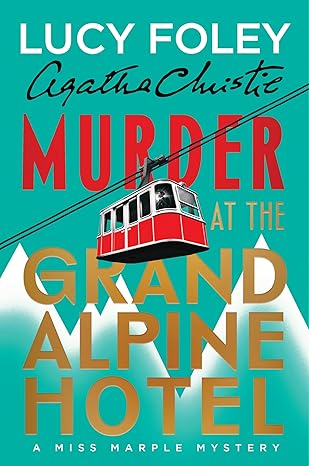
Murder at the Grand Alpine Hotel (2026)
Select Sections to Print
×Book Details
Murder at the Grand Alpine Hotel (2026)
Jump to Section
⚠️ Trigger Warnings
- Murder
- Fatal violence
- Gun violence
- Domestic violence
- Intimate partner abuse
- Physical assault
- Strangulation/choking
- Drowning/near-drowning
- Suicide and self-harm (discussion)
- Poisoning
- Severe food allergy/anaphylaxis
- Substance abuse
- Cocaine use
- Alcohol abuse
- Prescription drug misuse
- Gambling addiction
- Unplanned teenage pregnancy
- Infant loss
- War violence
- Execution
- Nazi occupation and war trauma
- Train derailment
- Avalanche
- Extreme peril
- Death from falling from height
⏱️ 2-Minute Spoiler Summary
Set in the snowbound Swiss Alps in 1950, the story opens with a body being discovered aboard the gondola at the Grand Alpine Hotel, then jumps back two days to reveal how the murder happened. The story alternates between four first-person narrators—Diana Glass, Catherine Narracott, Sylvia Sinclair, and Bruno Crane—with occasional third-person sections.
Diana Glass, a former WWII SOE radio operator now working as a companion to wealthy widow Mrs. Dolly Bantry, arrives at the Grand Alpine with Bantry and her observant friend Miss Jane Marple. Among the other guests are rising Conservative politician and decorated war hero Anthony Narracott; his young wife, Catherine; Anthony’s desperate former wartime companion Bruno Crane; and glamorous Hollywood actress Sylvia Sinclair. Almost immediately, it becomes clear that Anthony has plenty of secrets. Someone leaves rat poison in his room, Catherine is warned about his past, and Anthony nearly dies after being served a nut dessert despite his severe allergy.
Anthony’s heroic reputation is also a lie. During the war, he and Bruno stole Nazi gold, murdered members of a French Resistance group, and fabricated Anthony’s war injury. Anthony is also secretly having an affair with Sylvia, whom he violently attacks when she demands that he leave Catherine. Catherine soon discovers the affair and publicly throws a martini in Sylvia’s face. At the same time, Anthony takes Bruno across the glacier to retrieve their hidden Nazi gold.
The following morning, Anthony boards the gondola after leaving his coffee flask at Reception to be refilled. He is found dead when the cabin reaches the summit. His flask smells of coffee and nusstorte, and the supposed French detective Christophe Moreau determines that Anthony died from an allergic reaction after almond oil was deliberately added to his drink.
The murders continue. Bruno discovers that the Nazi gold has disappeared and attacks Catherine while searching for it. After a disastrous attempt to escape by train leaves the hotel completely cut off, Bruno blackmails whoever stole the gold. He is lured into the woods and bludgeoned to death. Soon afterward, Christophe is pushed from Mrs. Bantry’s third-floor balcony.
Miss Marple eventually reveals that Christophe was actually Kristoph Mauer, a Swiss banker hunting the stolen Nazi gold. Diana also confesses that she came to the hotel because Anthony and Bruno massacred her French Resistance group, Les loups des montagnes, during the war. She wants to expose Anthony’s treason and recover the gold, but she is not the murderer.
The real killers are Catherine and Sylvia, whose public hatred was an act. After discovering Anthony was deceiving both of them, the two women secretly fell in love and devised a plan to murder him and steal his gold. They used wigs, clothing, and disguises to create false alibis: Catherine impersonated Sylvia in the spa while Sylvia slipped almond oil into Anthony’s coffee. Sylvia later killed Bruno, while Catherine killed Kristoph after he uncovered their identities.
Catherine and Sylvia escape across the mountains with the gold, pursued by Diana. Catherine shoots Diana in the side, but moments later an avalanche engulfs the fugitives. They appear to have died—until two women disguised as nuns board the Simplon-Orient-Express in Venice. Catherine and Sylvia survived and believe they have escaped, only for Italian police to enter their compartment and arrest them as part of a trap arranged by Miss Marple.
A month later, Catherine is on trial at the Old Bailey. Diana has survived her gunshot wound and prepares to begin a new job at the Foreign Office. She also decides to publish the photographs proving Anthony’s wartime treason, finally exposing the celebrated war hero for what he really was.
📖 Full Spoiler Summary
A Body on the Gondola
The story takes place during the winter of 1950 at the Grand Alpine Hotel, an isolated Gothic resort high in the Swiss Alps. It is told through alternating first-person accounts from Diana Glass, Catherine Narracott, Sylvia Sinclair, and Bruno Crane, with occasional third-person sections. The timeline begins with the murder itself before jumping back two days to show how everyone reached that point.
At 9:25 one morning, the attendant at the summit gondola station watches a red cabin arrive. A passenger inside appears strangely motionless. When the doors open, the figure topples onto the metal floor, dead.
Two days earlier, Diana Glass, a multilingual woman in her twenties, arrives aboard the Grand Alpine Express with her employer, wealthy widow Mrs. Dolly Bantry, and Bantry’s elderly friend Miss Jane Marple. Diana appears to be an ordinary secretary and companion, but during WWII she worked for the SOE and FANY as a radio operator in occupied Europe.
The hotel is filled with equally colorful guests. Anthony Narracott is a handsome rising Conservative politician and War Office official who received the Victoria Cross during the war. His beautiful twenty-two-year-old wife, Catherine, is a former debutante whose polished appearance conceals an increasingly unhappy marriage. Anthony’s old wartime companion Bruno Crane is also there, although unlike Anthony, Bruno has emerged from the war shabby, broke, and involved in black-market dealings.
Then there is thirty-five-year-old Hollywood star Sylvia Sinclair, born Sally Simmons, who arrives with her enormous Irish wolfhound, Herb. Sylvia drinks heavily, uses cocaine, and still carries grief from a secret teenage pregnancy and the loss of her baby.
Trouble begins almost immediately. Catherine discovers a jar marked RAT POISON in her room, but Anthony dismisses it as intimidation from communist activists. Anthony then meets Bruno and forces him to accompany him on an ice climb. He points out an isolated refuge hut across the glacier and tells Bruno that they will retrieve something hidden there when the moon is full. Anthony is also furious to learn that Sylvia is staying at the hotel.
Watching the climbers through binoculars, Diana sees one man move behind the other and raise his hands as though preparing to push him over the edge. He stops before doing it.
Anthony’s Secrets Begin to Surface
That evening, Catherine is approached by Charlie Levitt, a dishevelled twenty-year-old medical student who warns her that Anthony has a dark past. At dinner she also encounters former schoolmate Harriet Hodgson, whose comments revive memories of an old scandal involving a gardener named Kit.
Anthony is served nusstorte, a caramel nut tart, and immediately suffers a severe allergic reaction. His hidden nut allergy suddenly becomes known to people around him.
More disturbing revelations follow. Anthony visits Bruno’s room, where their argument exposes the truth behind Anthony’s celebrated wartime heroism. Anthony once shot Bruno in the head, taking off part of his ear, and deliberately shot off one of his own toes to manufacture his supposedly heroic war wound. Bruno still carries a cyanide suicide capsule from the war and drunkenly talks about throwing himself from the balcony.
Anthony is also having an affair with Sylvia. He secretly enters her bathroom while she is bathing, and Sylvia demands that he stop hiding their relationship. Instead, Anthony insults her. When she throws an ashtray at him, he attacks her, grabbing her throat and forcing her beneath the bathwater until she nearly drowns.
Bruno, meanwhile, goes gambling and briefly wins more than £5,000—enough to escape his debts and perhaps Anthony’s control. Instead of leaving with the money, he wagers everything on roulette and loses it all.
The following day, Catherine and Anthony go skiing. Diana notices Charlie following them. On the slopes, Catherine encounters Sylvia and recognizes her distinctive perfume as the same scent she noticed after a mysterious woman telephoned Anthony’s London apartment. Catherine now realizes Sylvia is Anthony’s mistress.
Her distrust of her husband becomes even worse when she nearly skis over a huge cliff in thick cloud. Anthony had a map and knew the drop was there, yet failed to warn her. Catherine begins to wonder whether her husband actually wanted her dead.
That night, Sylvia makes sure her bruised neck will be noticed by deliberately cutting the strap of her dress. Catherine confronts Anthony with a diamond earring she found in their bed and, after Sylvia taunts her, throws a martini into the actress’s face. Anthony responds by violently grabbing Catherine’s wrists hard enough to bruise them.
It appears that Catherine and Sylvia despise each other.
Nazi Gold and Murder
Under the full moon, Anthony and Bruno cross the glacier to the refuge hut. They break through the cemented floor and uncover a metal chest filled with Nazi gold bars stolen during the war.
Their conversation reveals an even uglier history. Anthony insists Bruno murdered a young French Resistance fighter in 1943, although Bruno remembers Anthony firing the fatal shot. Anthony has spent years manipulating Bruno’s memories and using their shared crimes to control him.
The next morning, a black flag bearing a white triangle and howling wolf is raised above the hotel. Anthony recognizes the emblem of Les loups des montagnes, a French Resistance group, and is visibly terrified.
At 9:00 a.m., Anthony leaves his coffee flask at Reception to be filled. A fake telegram call draws him away briefly. He then boards the 9:10 gondola alone.
At the summit, the attendant discovers Anthony dead inside the cabin. His body is curled into a fetal position, and the empty flask beneath him smells of coffee and caramelized nusstorte.
When his body is returned to the hotel, Catherine faints and strikes her head. Charlie rushes to help and produces a medical kit containing morphine, adrenaline, and various poisons.
Bruno has more immediate concerns. He returns to the refuge hut expecting to steal the Nazi gold for himself and discovers that the entire chest has been emptied. Convinced Catherine knows something, he breaks into her suite, chokes her, and tears through her belongings. Diana and Charlie intervene before he can seriously injure her.
Bruno flees toward the railway carrying two gold bars he had previously taken. He knocks out the train driver and starts the engine, with Diana leaping aboard after him. Their struggle ends catastrophically when Bruno falls against the accelerator and the train crashes inside the mountain tunnel. The wreckage seals the tunnel, leaving everyone trapped at the Grand Alpine.
Miss Marple Starts Putting the Pieces Together
A guest named Christophe Moreau now identifies himself as an inspector with the Paris Judiciaire and asks Miss Marple to assist him. Anthony, he explains, was murdered with almond oil placed inside his coffee flask, triggering his fatal allergy.
The interrogations expose several secrets. Catherine says she was in the spa when Anthony’s flask was poisoned, and Sylvia confirms seeing her there. Charlie’s communist magazine initially makes him look suspicious, but Miss Marple notices his physical resemblance to Anthony and realizes the truth: Charlie is Anthony’s illegitimate son. Charlie admits he followed Anthony hoping to obtain money for his gambling debts, only to be rejected.
Sylvia freely admits to the affair. Bruno claims he slept through the morning, but Miss Marple catches him lying because housekeeping had already cleaned his room. His wartime cyanide capsule has also mysteriously disappeared.
Knowing someone at the hotel stole the gold, Bruno sends the thief an anonymous note demanding one-third of it in exchange for his silence. The response tells him that “silence is indeed golden” and orders him to await instructions.
Those instructions lead him to an isolated pine copse during the hotel’s toboggan competition. A grotesque troll mask hanging from a tree briefly frightens him, but the real danger approaches from behind. Bruno recognizes the person and manages only a confused response before he is struck violently in the head, splitting his skull.
His frozen body is soon discovered. A ski trail leads away from the scene down a steep couloir toward the hotel.
Another Body in the Snow
Catherine searches Anthony’s belongings and discovers a shocking photograph of someone currently staying at the Grand Alpine.
Diana, meanwhile, has grown close to Christophe. After drinking together, they sleep together in his room. When Diana’s ring rolls beneath his bed, she discovers photographs developed from film that was stolen from her camera. Christophe admits taking it. The pictures show Anthony and Bruno near the refuge hut—and a mysterious third person nearby.
The following morning brings another death. A maid screams after discovering Christophe’s body in the snow beneath Mrs. Bantry’s third-floor balcony. Someone stole Mrs. Bantry’s room key, sent Christophe a fake note signed “JM,” and arranged for Mrs. Bantry to be away on a sleigh ride.
Miss Marple now reveals that Christophe was lying about his own identity. He was actually Kristoph Mauer, a Swiss banker trying to intercept the stolen Nazi gold.
Then she turns her attention to Diana.
Diana’s fluent French, expensive underwear, French engagement ring, and unusual interest in Anthony have all told Miss Marple that Diana is hiding something. Diana finally confesses the truth. During the war, she served as an SOE radio operator alongside Les loups des montagnes. Anthony and Bruno massacred members of her Resistance group while stealing Nazi gold. Diana came to the Grand Alpine to expose Anthony’s treason and recover the stolen gold.
She wanted justice, but she did not murder Anthony, Bruno, or Kristoph.
Catherine and Sylvia’s Real Plan
The final clue comes when Sylvia disappears. Her abandoned room contains black hair dye, allowing Miss Marple to reconstruct a far more elaborate conspiracy.
The apparent hatred between Catherine and Sylvia was fake.
Weeks earlier, the two women discovered that Anthony had been deceiving both of them. Instead of becoming rivals, they formed a relationship, fell in love, and decided to kill Anthony and steal his hidden fortune.
Their public confrontations—including Catherine throwing the martini into Sylvia’s face—were designed to convince everyone that they despised one another.
On the morning Anthony died, the women used disguises to create Catherine’s alibi. Catherine dressed as Sylvia, complete with an ermine coat and platinum wig, and made herself visible in the spa. Sylvia disguised herself in a loose nun’s habit, allowing her to move through the hotel unnoticed and put almond oil into Anthony’s coffee flask.
The same partnership explains the later murders. Sylvia killed Bruno in the pine copse and escaped down the steep couloir on skis. Catherine stole Mrs. Bantry’s room key and pushed Kristoph from the balcony after he discovered who they were.
With Anthony, Bruno, and Kristoph dead, Catherine and Sylvia take the Nazi gold and flee across the mountains toward Italy.
The Escape—and the Trap
Diana pursues them on skis. She nearly catches the pair, but Catherine turns and shoots her in the side. Diana collapses bleeding into the snow while Catherine and Sylvia continue their escape.
Then the mountain itself seems to stop them. An avalanche breaks loose above the women and roars down the slope, engulfing them completely.
It appears that Catherine and Sylvia have died with the gold.
Two days later, however, two nuns arrive at Venice Santa Lucia station and board the Simplon-Orient-Express. Once safely inside their first-class compartment, they reveal themselves as Catherine and Sylvia. They survived the avalanche, successfully crossed into Italy, and believe they have finally escaped.
They are wrong.
The compartment door opens and Italian police officers enter. Miss Marple anticipated their escape and, through Sir Henry Clithering and Interpol, arranged a trap. Catherine and Sylvia are arrested before they can disappear with the gold.
One month later, back in St Mary Mead, Mrs. Bantry reads newspaper reports about Catherine Narracott’s trial at the Old Bailey.
Diana has survived as well. The gondola attendant found her after Catherine shot her, and she recovered from the wound. Before beginning a new position at the Foreign Office, she visits Miss Marple and makes one final decision about Anthony Narracott.
Rather than allowing the dead politician to retain his reputation as a decorated war hero, Diana intends to publish her photographs and expose his wartime treason. After surviving the Grand Alpine and confronting the men responsible for destroying her Resistance group, she chooses to return to a useful, adventurous life rather than retreat into safety.
🔚 Ending Explained
How the Book Ends
The novel’s climax begins after the death of Kristoph Mauer, the Swiss banker who had been posing as Inspector Moreau. Miss Jane Marple gathers the surviving guests and finally reveals the truth: Catherine Narracott and Sylvia Sinclair are the killers, secretly working together as both partners in crime and lovers.
Their vicious public feud had been an elaborate performance. Weeks earlier, Catherine and Sylvia discovered that Anthony Narracott had been abusing and manipulating both of them. Their shared hatred of Anthony brought them together, but their desire to escape him soon expanded into something darker: a plan to murder him and steal the Nazi gold he had hidden.
On the morning Anthony dies, the women use disguises to manufacture their alibis. Catherine wears Sylvia’s distinctive silver mink coat and platinum wig so that witnesses will believe Sylvia is safely at the hotel spa. Meanwhile, Sylvia disguises herself in a loose nun’s habit and secretly slips fatal almond oil into Anthony’s coffee flask.
But Anthony’s murder creates further problems. When Bruno Crane attempts to blackmail them, Sylvia skis down the dangerous couloir and bludgeons him to death. Later, when Mauer works out their identities, Catherine steals Mrs. Bantry’s room key and pushes him from the balcony.
Once Miss Marple exposes the entire scheme, Catherine and Sylvia refuse to surrender. They strap the stolen gold into their packs and flee the hotel on skis, attempting to cross the high Alpine pass into Italy.
Diana Glass follows them, determined both to recover the gold and to bring them to justice. She catches up with them on the exposed mountainside, but Catherine pulls a pistol and shoots Diana in the side, leaving her bleeding in the snow.
For a moment, Catherine and Sylvia believe they have won. Then the mountain itself seems to intervene. A massive avalanche breaks loose above them and engulfs both women.
Yet the avalanche does not kill them.
Two days later, Catherine and Sylvia reach Venice. Once again disguised as nuns, they board the Simplon-Orient-Express at Santa Lucia station. Sitting together in their first-class compartment, they believe they have finally escaped and can begin their new life together.
Then the compartment door opens.
Italian police enter and arrest them. Miss Marple had anticipated their escape and arranged an international trap through her connection with Sir Henry Clithering at Interpol. Catherine and Sylvia may have escaped the mountain, but they cannot escape justice.
The Epilogue
One month later, the novel returns to St Mary Mead and Miss Marple’s cottage, restoring the familiar domestic calm after the violence of the Alps.
Mrs. Bantry reads newspaper reports about Catherine Narracott’s sensational trial at the Old Bailey. Meanwhile, Diana is revealed to have survived the shooting. The gondola attendant found her wounded in the snow and rescued her.
Diana visits Miss Marple before beginning a new job at the Foreign Office. More importantly, she has decided what to do with the wartime photographs that reveal Anthony Narracott’s true history. She will publish them, exposing his betrayal of the French Resistance and destroying the heroic public identity he constructed after the war.
Rather than retreating into safety after everything she has endured, Diana chooses an active and potentially dangerous future. She will no longer simply observe history from the sidelines.
What the Ending Means
At its heart, the ending is about the impossibility of permanently disguising the truth. Almost every major element of the mystery involves concealment: Catherine and Sylvia disguise themselves, Anthony disguises treason as heroism, Mauer disguises himself as a policeman, and snow repeatedly covers tracks, blood, bodies, and evidence. Miss Marple’s role is to strip those disguises away.
That makes the avalanche especially fitting. Snow has functioned throughout the story as something that conceals wrongdoing, but in the climax the snow itself becomes destructive. Catherine and Sylvia believe the vast white landscape will allow them to disappear, only for the mountain to collapse around them. Symbolically, the past has accumulated too much weight to remain buried.
Their survival makes the conclusion even more pointed. The avalanche is not their punishment. The law is. They survive nature’s apparent judgment only to walk directly into Miss Marple’s carefully arranged trap in Venice. Their arrest prevents their story from becoming the romantic ending they have imagined for themselves.
The nun disguises reinforce that idea. Catherine and Sylvia repeatedly hide violence beneath an image associated with innocence, morality, and sanctuary. Their disguises embody one of the novel’s central ideas: appearances—whether those of respectable politicians, glamorous actresses, grieving wives, policemen, or nuns—cannot be trusted as proof of character.
The Simplon-Orient-Express adds another layer. For Sylvia especially, the train represents the glamorous, cinematic escape she wants her life to become. She and Catherine imagine themselves as heroines in a romantic thriller, escaping across Europe with gold and each other. The police entering their compartment abruptly destroys that fantasy. They cannot write themselves a glamorous ending simply because they believe their crimes were justified.
That distinction is crucial because the novel does not deny what Anthony did to them. Catherine and Sylvia begin as victims of his manipulation and abuse. Their desire for freedom is understandable. What condemns them is the point at which liberation becomes entitlement to murder. They kill Anthony, then continue killing anyone who threatens their escape.
Catherine and Sylvia vs. Diana
The ending deliberately contrasts their choices with Diana’s.
All three women have suffered because of men and because of the war. But Catherine and Sylvia attempt to reclaim control through secrecy, violence, revenge, and stolen wealth. Their agency ultimately reproduces the brutality from which they were trying to escape.
Diana chooses a different path.
She has every reason to want revenge after losing her fiancé and her Resistance comrades because of Anthony’s betrayal. Yet her final act is not to execute anyone. Instead, she chooses to make the truth public.
That is why the photographs matter so much. Anthony has spent years rewriting his own history, transforming himself from traitor into decorated war hero and politician. The photographs cannot undo the deaths he caused, but they can destroy the lie that allowed him to prosper afterward. Diana therefore achieves something more lasting than revenge: she restores the historical truth.
Her decision to join the Foreign Office completes that transformation. She begins the story carrying the emotional wreckage of the war; she ends it choosing to participate actively in shaping the postwar world. Survival is no longer enough for her. She wants purpose.
The Final Meaning
The ending ultimately argues that the past does not disappear simply because people bury it.
Anthony buries treason beneath medals and political respectability. Catherine and Sylvia bury murder beneath disguises and carefully constructed alibis. Nazi crimes survive in the form of stolen gold. Wartime betrayals continue damaging people years after the fighting has ended.
But everything eventually resurfaces.
Miss Marple uncovers the crimes. The police catch Catherine and Sylvia. Diana survives. The photographs will expose Anthony. Even the stolen Nazi gold fails to become the foundation of the romantic new life Catherine and Sylvia imagined.
There is also a distinctly postwar quality to the conclusion. The war may officially be over, but its moral consequences remain unfinished business. Justice requires confronting what happened rather than allowing society to cover uncomfortable truths with respectable new identities.
And that is why Diana, rather than Miss Marple or the killers, provides the emotional resolution. Catherine and Sylvia try to escape their past. Anthony tried to rewrite his. Diana chooses to face hers and do something with it.
The return to Miss Marple’s quiet cottage in St Mary Mead therefore feels deliberately reassuring without being sentimental. After a story filled with treason, abuse, greed, murder, and deception, ordinary life resumes—but not because the darkness never existed. It resumes because the truth has finally been brought into the light.
Catherine and Sylvia’s story ends with imprisonment. Anthony’s ends with disgrace. Diana’s ends with possibility.
👤 Characters & Fates
🔶 Main Characters
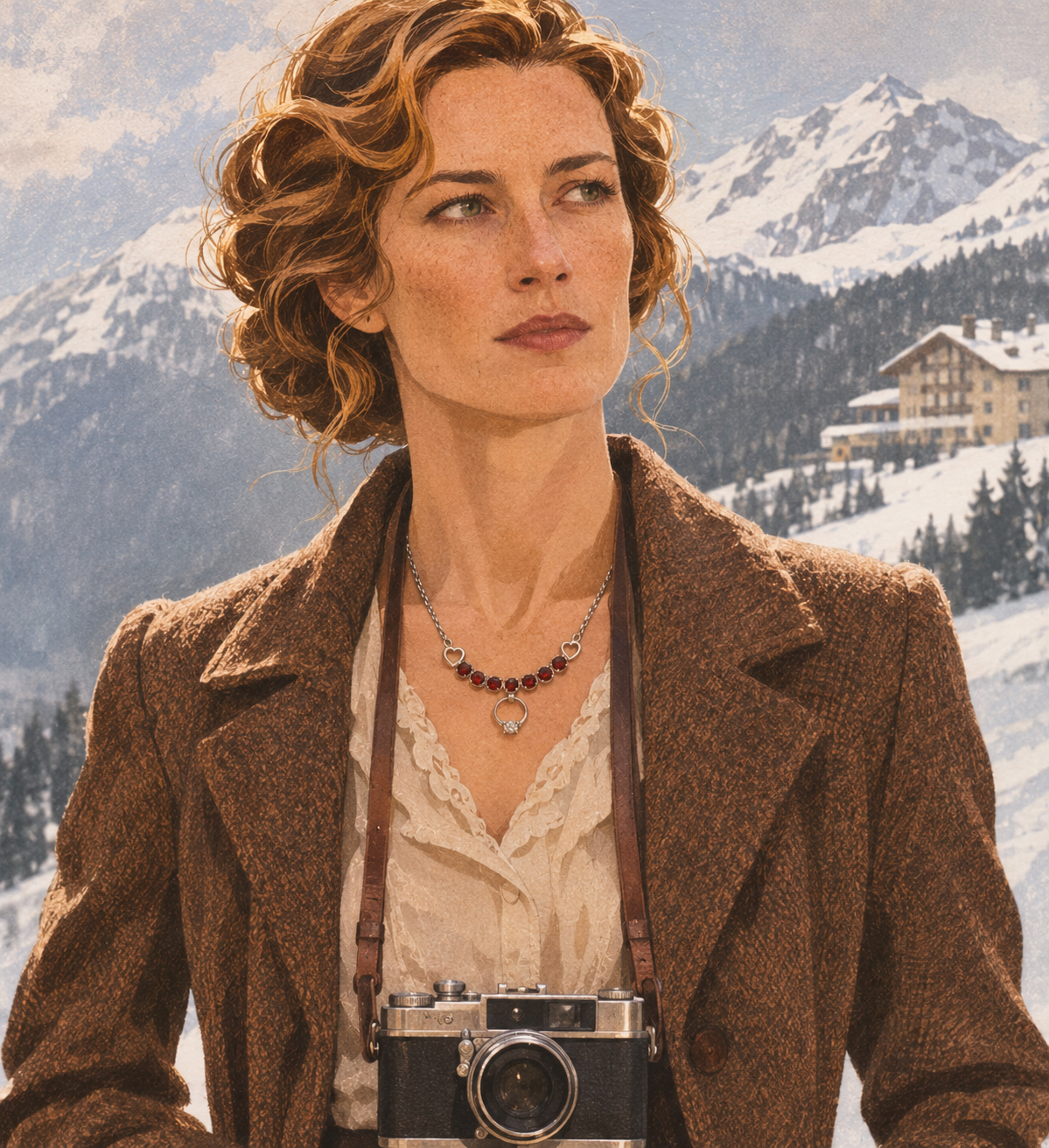
Catherine shoots her while she pursues Catherine and Sylvia with the stolen Nazi gold, but the gondola attendant rescues her. She survives, takes a Foreign Office job, and plans to publish the photographs exposing Anthony’s betrayal.

She survives an avalanche and escapes to Venice with Sylvia disguised as a nun, but Italian police arrest them aboard the Simplon-Orient-Express on an Interpol warrant. She is sent back to England to stand trial for capital murder at the Old Bailey.
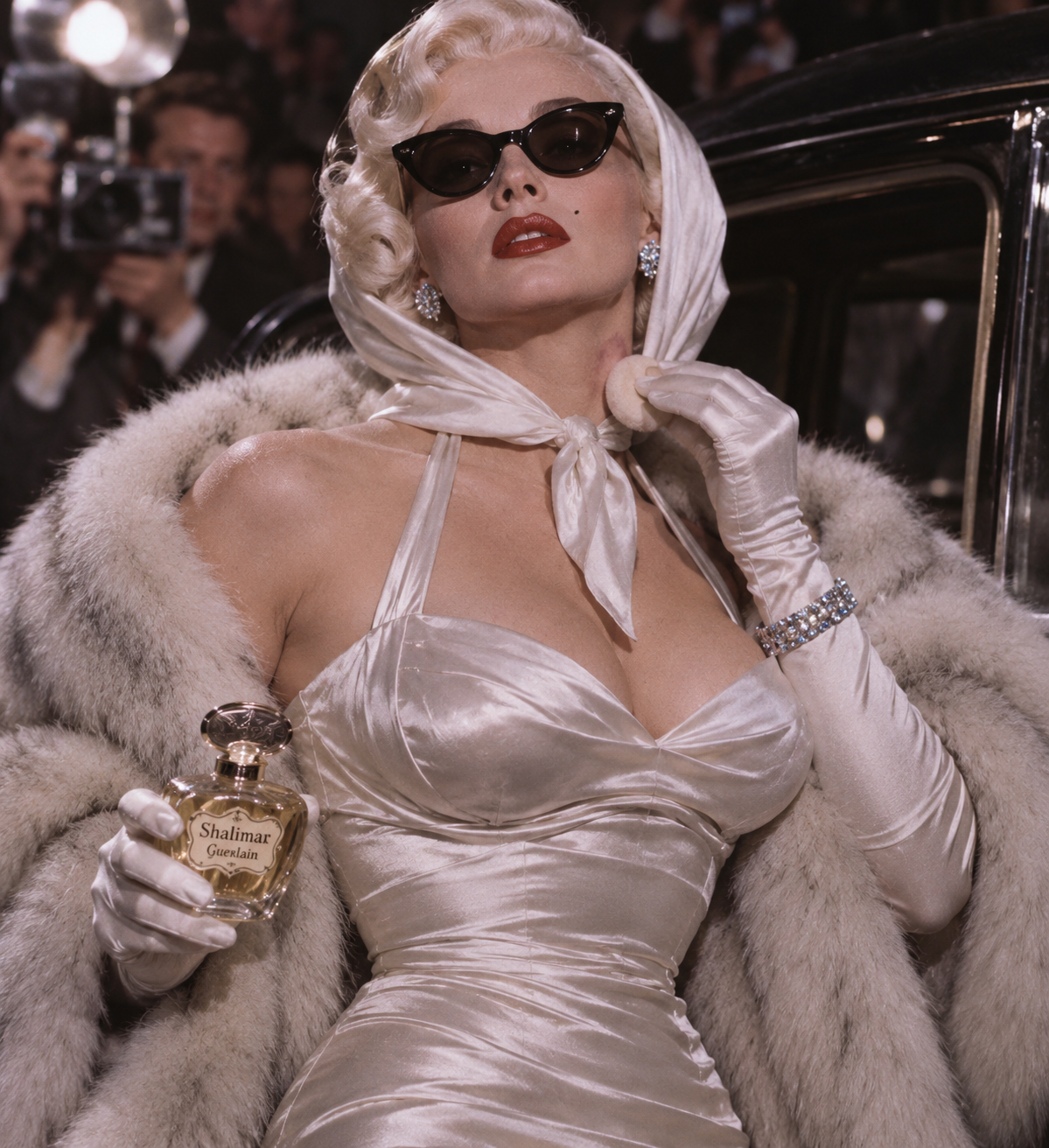
She survives the avalanche and flees to Venice with Catherine disguised as a nun, but their escape ends when Italian police enter their Simplon-Orient-Express compartment and arrest them.
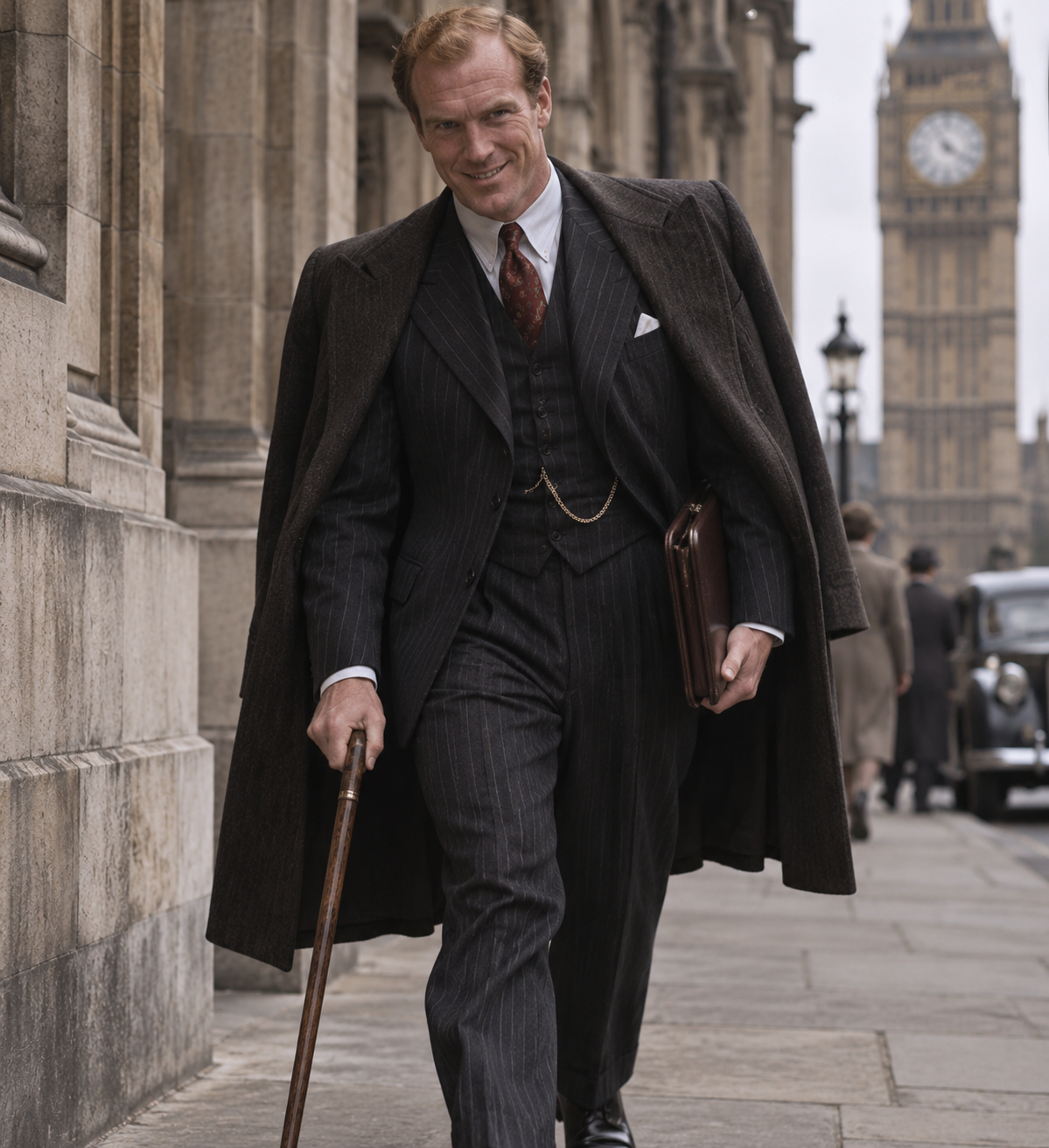
Sylvia secretly puts almond oil in his coffee, triggering his severe nut allergy and killing him aboard the gondola. Diana later plans to publish photographic evidence proving his wartime treason, destroying his posthumous reputation.
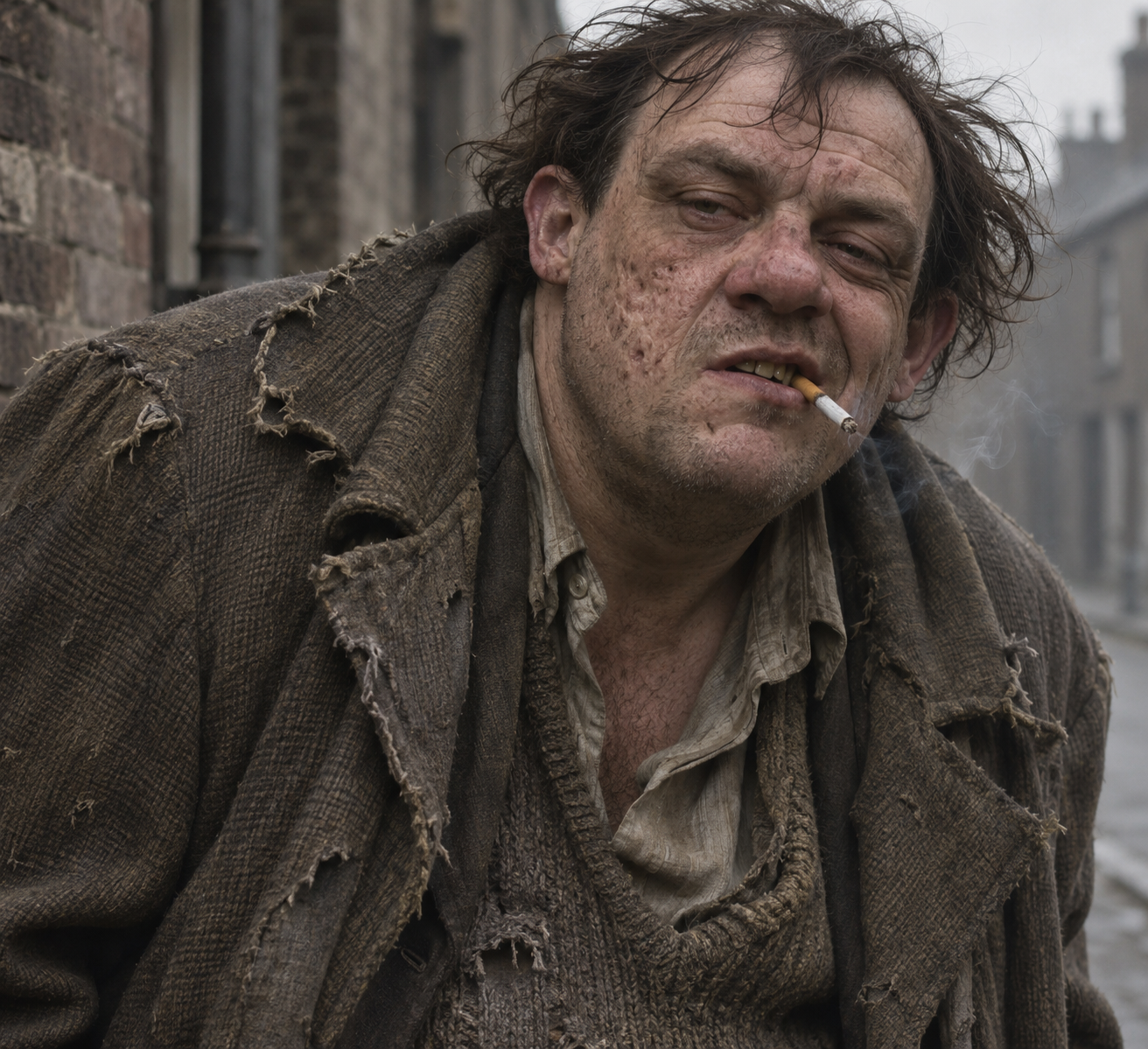
After causing a mountain-train derailment while escaping with two gold bars, he follows the killers’ instructions to an isolated pine copse, where Sylvia bludgeons him and fractures his skull. His frozen corpse is later discovered beneath circling ravens.
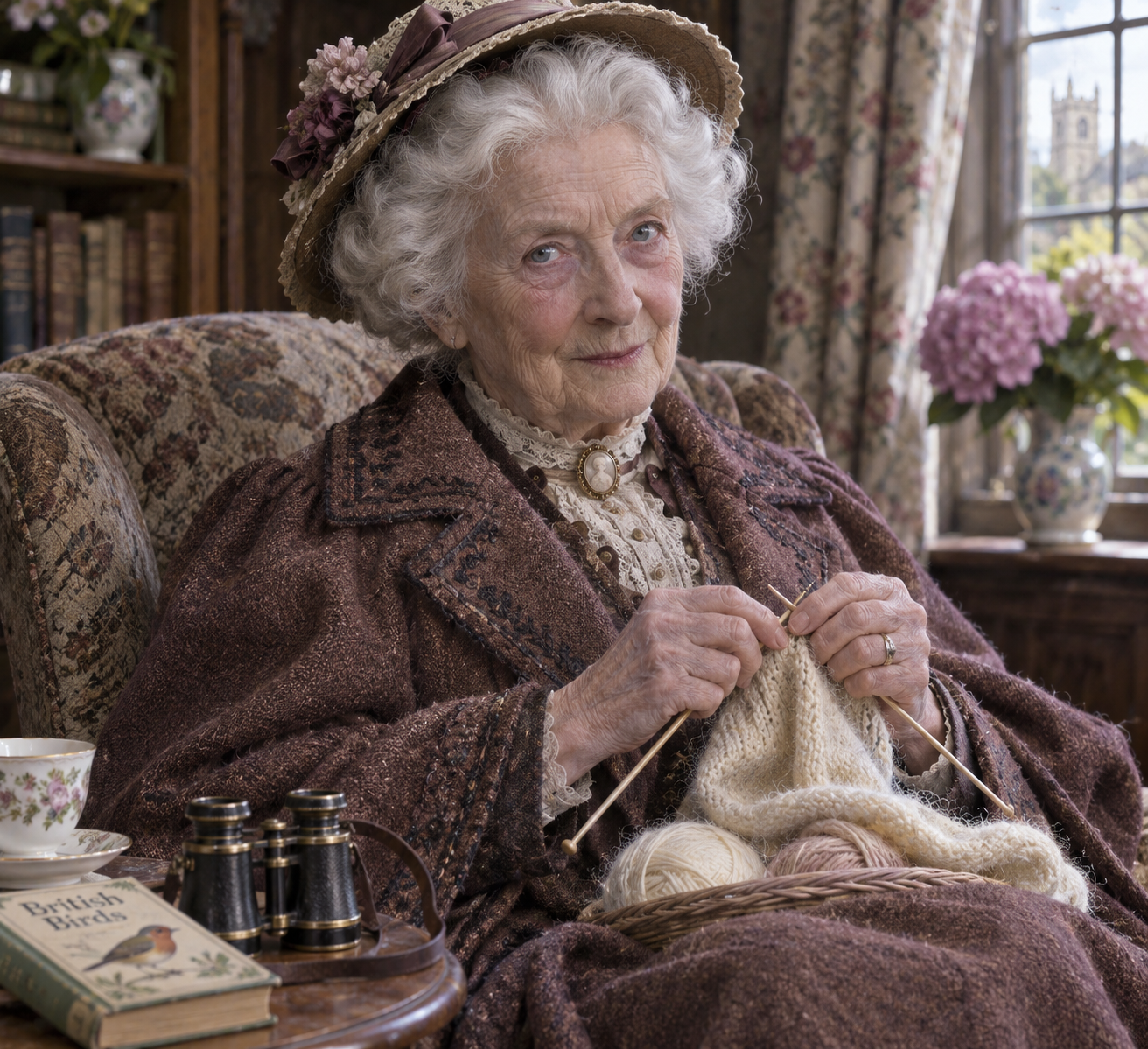
She contacts Sir Henry Clithering, enabling Interpol and Italian police to arrest Catherine and Sylvia in Venice, then safely returns to St Mary Mead and later hosts Diana.
🔷 Supporting Characters

She survives the murderous holiday, returns safely to England, and later reads about Catherine’s Old Bailey trial with Miss Marple.
Catherine steals Mrs. Bantry’s key, lures Mauer onto her balcony with a fake note, and pushes him three stories to his death.
He tearfully reveals that Anthony was his father and rejected him; Miss Marple connects them through their cleft chins and inherited nut allergies, and Charlie is cleared when the real killers are exposed.
He survives the blizzard and later finds and rescues Diana after Catherine shoots her, saving Diana’s life.
He remains safe and unharmed throughout the murders and hotel lockdown.
He survives the disastrous week but is left dealing with the aftermath and publicity surrounding three murders at his hotel.
He survives the entire hotel lockdown unharmed.
She remains unharmed throughout the murders and lockdown.
Sylvia leaves him behind when she flees with Catherine, and he is cared for after her escape and eventual arrest.
He works behind the scenes with Interpol and Italian authorities, successfully arranging Catherine and Sylvia’s arrest aboard the Simplon-Orient-Express.
🕳️ Potential Plot Holes
Sylvia, disguised as a nun, manages to add almond oil to Anthony’s coffee flask while it is being handled by Reception. The novel leaves the mechanics of this surprisingly vague. If the flask was behind the Reception counter, Sylvia would have needed access to a staff area without being challenged. If it was sitting somewhere accessible to guests, she still had to open it, add the oil, and replace it without anyone noticing. The busy morning lobby and the unusual sight of a nun tampering with another guest’s flask make the murder depend heavily on nobody looking in the right direction at exactly the right moment.
📚 Book Club Q&A's
⭐ Final Rating & Thoughts
Murder at the Grand Alpine Hotel was exactly what I want from a classic whodunit: atmospheric, clever, fast-paced, and genuinely difficult to solve. I was completely hooked by the snowbound Swiss Alps setting and the growing sense of claustrophobia as the suspects were trapped together and the bodies started piling up.
What impressed me most was how well the mystery was constructed. There were plenty of clues and red herrings, and I did not feel like the solution came out of nowhere. I was confidently pointing my finger in the wrong direction for a good portion of the book—which made the eventual reveal even more satisfying. I love when a mystery makes me want to go back and see all the things I missed.
Miss Marple does spend more time on the sidelines than some readers may expect, but that didn't bother me. The other characters and their secrets were compelling enough to carry the story, and when Marple finally stepped forward, it felt worth the wait.
This gave me the classic Agatha Christie feeling I was hoping for, while still feeling fresh and incredibly readable. An addictive, wonderfully twisty mystery that I couldn't put down.
✨ Adaptation description
Adaptation
As of October 2026, there is no officially announced film or television adaptation of Murder at the Grand Alpine Hotel by Lucy Foley.
Published in September 2026, Murder at the Grand Alpine Hotel is the first full-length authorized Miss Marple novel in 50 years, commissioned with the approval of Agatha Christie Limited. Foley places Miss Marple at an isolated luxury hotel in the Swiss Alps in 1950, where a murder and an incoming snowstorm trap the guests together. agathachristie.com
Because the novel uses Agatha Christie’s established Miss Marple character, any future screen version would involve rights beyond Foley’s novel itself. Agatha Christie Limited maintains specific rules governing new uses of Marple; Foley has explained that the estate imposed boundaries on her continuation, including that Marple cannot be significantly de-aged, given a romantic interest, killed, made the murderer, or brought together with Hercule Poirot. The Times
✨ Books Like Murder at the Grand Alpine Hotel (2026)
See an error on this page?