
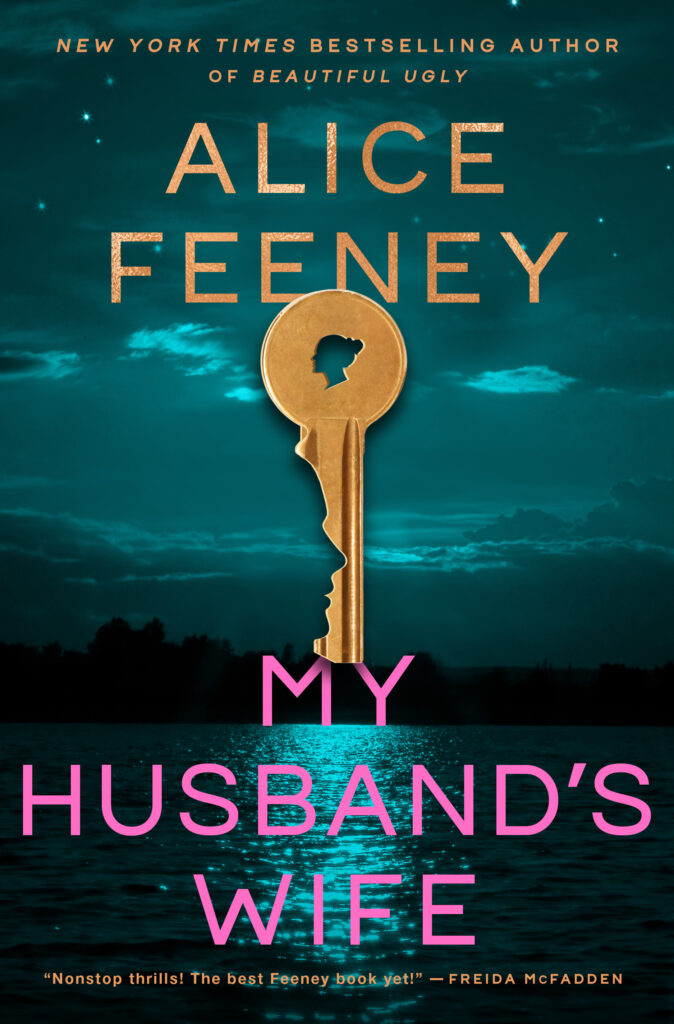
My Husband’s Wife (2026)
Select Sections to Print
×Book Details
My Husband’s Wife (2026)
Jump to Section
⚠️ Trigger Warnings
• Terminal illness / cancer
• Death and grief
• Suicide and suicidal ideation
• Drug overdose
• Child endangerment and injury
• Child abuse
• Foster care abuse
• Emotional and verbal abuse
• Violence and murder
• Graphic descriptions of a decomposed body
• Gaslighting and psychological manipulation
• Identity theft
• Mental illness and psychiatric institutionalization
• Selective mutism
• Infidelity
• Animal death
⏱️ 2-Minute Spoiler Summary
Eden Fox comes home from a run to discover that her husband, Harrison Woolf, has replaced her with an impostor and convinced everyone in Hope Falls that the other woman is his real wife. The impostor is actually Mary Kendall, and the entire scheme was organized by Harrison, Mary, and Harrison’s first wife, Olivia “Birdy” Bird.
Birdy recently discovered that ten years earlier, Eden had pushed Birdy and Harrison’s eight-year-old daughter, Gabriella, over a banister after Gabriella caught Eden having an affair with Harrison. Eden then moved the badly injured child into the road to make it look like a hit-and-run. Birdy had spent the following decade wrongly blaming herself for Gabriella’s injuries.
Birdy plans to lure Eden to a waterfall and kill her, but Eden disappears before Birdy can do it. A badly damaged body is later found on the beach, and Birdy and Harrison manipulate the DNA investigation to keep its identity uncertain.
The final twist reveals that Jane Carter, the wife of local police officer Luke Carter, actually killed Eden. Eden had been having an affair with Luke, and Jane pushed her from the cliff in a jealous rage. Jane also found Birdy after Birdy attempted suicide but deliberately left her to die.
One year later, Birdy’s supposedly terminal cancer has gone into remission, and she lives at Spyglass while rebuilding her relationship with Gabriella. Harrison and Mary live in Switzerland. Luke has been promoted and remains happily married to Jane, completely unaware that his wife is Eden’s killer.
📖 Full Spoiler Summary
Eden Fox Comes Home to Find Another Woman Living Her Life
In the quiet Cornish village of Hope Falls, Eden Fox returns from an evening run to her beautiful home, Spyglass, only to discover that her key no longer works. She assumes there must be some mistake—until she knocks on the door and a woman answers who looks remarkably like her.
The stranger claims that she is Eden Fox.
The situation becomes even more terrifying when Eden’s husband, Harrison Woolf, appears behind the woman. Rather than acknowledging his wife, Harrison acts as though he has never seen Eden before. He puts a protective arm around the impostor, treats the real Eden like a dangerous stranger, and calls the police.
Sergeant Luke Carter, a relatively inexperienced local officer, arrives to find what appears to be a wealthy married couple being harassed by an unstable woman insisting she lives in their house. Harrison is the CEO of Thanatos, a secretive pharmaceutical technology company, and he has enough money and influence to make his version of events convincing.
More importantly, this has not been arranged overnight. For weeks, Harrison has been quietly introducing the other woman around Hope Falls as his wife. People at the bakery recognize her. Diana Harris, who owns the local gallery, knows her as Eden. By the time the real Eden tries to reclaim her identity, everyone around her already believes someone else is Mrs. Woolf.
Desperate to prove who she is, Eden eventually breaks into Spyglass looking for something—anything—that will establish that this is her home. Instead, she discovers just how thoroughly Harrison has erased her. Her belongings are gone, and even the photographs have been replaced with images of Harrison and the other Eden.
It begins to look as though Eden Fox has somehow been removed from her own life.
Birdy Comes to Hope Falls With Secrets of Her Own
At the same time, DCI Olivia “Birdy” Bird arrives in Hope Falls and presents herself as Luke Carter’s new superior officer. But Birdy is hiding almost as much as Harrison.
She is actually a retired detective, and she is dying of cancer.
Birdy came to Hope Falls because of Thanatos. The company sent her a disturbing letter predicting when she would die, and Birdy has reason to take the prediction seriously: Thanatos had previously predicted the death date of her grandmother with frightening accuracy.
Her connection to Harrison, however, goes far beyond his company.
Birdy was Harrison Woolf’s first wife.
She is also the biological mother of his daughter, Gabriella Woolf, who has spent the last six months living at The Manor, a discreet mental health facility on the remote Blackmoor National Park where she is receiving specialized treatment.
Ten years earlier, Birdy’s life was destroyed by what she believed was a horrific accident involving eight-year-old Gabriella. The child was found badly injured in the road and survived with severe physical injuries. Afterward, Gabriella developed selective mutism and largely stopped speaking.
Birdy believed she was responsible for what had happened. Crushed by guilt, she left her family and spent the next decade living in London while Harrison raised Gabriella with his second wife, Eden—the woman who had once worked as the family’s nanny.
But shortly before coming to Hope Falls, Birdy learned that the story she had believed for ten years was a lie.
Gabriella had not simply been the victim of a tragic road accident. She had caught Harrison and Eden having sex while Harrison was still married to Birdy. To keep the child quiet, Eden pushed Gabriella over a banister. Then, rather than getting help and admitting what she had done, Eden moved Gabriella’s badly injured body into the road so that it would appear she had been struck by a car.
Birdy had spent ten years blaming herself for something Eden had deliberately done.
And once she learned the truth, she wanted revenge.
The Fake Eden Is Part of a Revenge Plot
The woman living inside Spyglass is eventually revealed to be Mary Kendall, the longtime caregiver of Birdy’s grandmother.
Mary, Birdy, and Harrison have all been working together.
After learning the truth about Gabriella’s injuries, Harrison’s love for Eden turns to hatred. He realizes she deliberately pushed his eight-year-old daughter over the banister after Gabriella caught the affair, then staged the injuries as a hit-and-run and allowed him to believe for years that it had all been a tragic accident. Convinced Eden deserves to die, he joins Birdy in plotting his wife’s downfall.
Mary has reasons of her own for helping. She spent twenty years caring for Birdy’s grandmother, believing she would one day inherit Spyglass, only to discover the house had been left to Birdy instead. Harrison offers her the house, a generous lifetime salary, and the chance to become Gabriella’s full-time caregiver if she agrees to impersonate Eden.
The arrangement gradually becomes more than a business deal. As Mary forms a close bond with Gabriella—eventually becoming the first person to coax the girl into whispering again—Harrison falls in love with her. Together they begin planning a future as a family, making the real Eden’s permanent disappearance essential to their plans.
Their scheme is far more ambitious than simply murdering Eden. They first erase her identity, convincing the entire village that Mary is the real Mrs. Woolf. Then, after Eden flees, Harrison secretly tracks her movements and lures her to the clifftop overlooking Hope Falls with a fake text message declaring his love. Birdy is supposed to meet her there and push her to her death, completing the plan.
But when Birdy arrives at the cliffs, the plan has already gone disastrously wrong.
Eden is nowhere to be found.
Soon afterward, a woman’s body is discovered on the beach below. Her face is so badly damaged that she cannot immediately be identified, and the obvious assumption is that the dead woman is Eden.
That conclusion, however, is deliberately kept uncertain. Birdy and Harrison interfere with the DNA evidence so that the identification remains inconclusive, adding another layer of confusion to a case already built on false identities and carefully constructed lies.
The biggest problem is that although Birdy planned to murder Eden, she insists she never actually got the chance.
Someone else reached Eden first.
Luke Discovers Who Birdy Really Is
As Luke Carter continues investigating, he begins uncovering the truth behind the bizarre events at Spyglass. He discovers Birdy’s real connection to Harrison and Gabriella, as well as the fact that she is terminally ill.
Eventually, Birdy admits that she was involved in the elaborate scheme against Eden. She wanted revenge for what happened to Gabriella and fully intended for Eden to die.
But Birdy continues to insist on one crucial point: she did not kill Eden.
While Luke continues piecing the case together, Harrison prepares to flee to Switzerland with Mary after collecting Gabriella from The Manor, the secluded mental health facility where she has been receiving treatment. But Gabriella is no longer simply the silent child everyone believes she is. After years of selective mutism, she has begun whispering again. During the final confrontation, she slips away from The Manor and hides in Mary’s car, placing her in a position to witness the adults’ final desperate moves.
And there is still one secret nobody has uncovered.
Jane Carter Killed Eden
The final revelation has nothing to do with Harrison’s elaborate plan or Birdy’s intended revenge.
The person who actually killed Eden Fox was Jane Carter, Luke’s seemingly ordinary wife.
Eden had been having an affair with Luke.
Jane knew.
When Jane encountered Eden at the waterfall, her jealousy and rage took over. She pushed Eden from the cliff, killing her and unintentionally completing the murder Birdy had been planning to commit herself.
Later that day, Jane goes to Spyglass and finds Birdy unconscious in the library after Birdy has attempted to end her own life by overdosing on pills. Convinced Birdy is already beyond saving, Jane quietly walks away instead of calling for help, leaving her to die.
Jane therefore walks away from Hope Falls carrying two enormous secrets: she murdered Eden, and she knowingly abandoned Birdy to die.
Neither Luke nor the other investigators realize what she has done.
One Year Later
A year later, the lives of everyone involved have settled into an uneasy new arrangement.
Despite Thanatos predicting her death and her own belief that her cancer was terminal, Birdy survives. Her cancer has gone into remission, and she now lives at Spyglass—the house at the center of everything that happened.
Her relationship with Gabriella has also begun to heal. Gabriella visits her biological mother once a month, giving Birdy a chance to rebuild a connection with the daughter she lost ten years earlier.
Harrison and Mary have left England and are living in Switzerland.
Luke Carter, meanwhile, emerges from the investigation with his career improved rather than destroyed. He receives a promotion and continues his life with Jane in a mortgage-free home.
He still has no idea that his wife murdered Eden.
That leaves Jane Carter as the person who truly gets away with murder. While everyone else’s secrets have been exposed, investigated, or transformed into new lives, Jane’s remains hidden. She continues watching Birdy from the shadows, secure in the knowledge that nobody suspects what she did.
The story ends by turning its central question of marital suspicion on its head. Everyone knows how quickly suspicion falls on a husband when a wife disappears.
But sometimes, as Jane knows better than anyone, it’s the wife.
🔚 Ending Explained
The ending of My Husband’s Wife reveals that nearly everyone has been lying, but the final deception comes from the person no one thought to suspect. What initially looks like an elaborate revenge plot against Eden Fox ultimately becomes something more unsettling: the people orchestrating the mystery were not actually responsible for Eden’s death at all.
How the Book Ends
In the final chapters, DCI Olivia “Birdy” Bird finally tells Sergeant Luke Carter the truth about her connection to Harrison Woolf. Birdy was Harrison’s first wife and is the biological mother of Gabriella, the daughter Eden nearly killed ten years earlier.
When Gabriella was eight, Eden pushed her over a banister and then placed the injured child in the road, staging the scene to look like a hit-and-run. Gabriella survived but was left severely traumatized and eventually placed at The Manor, a secure care facility.
Years later, Harrison and Birdy decided Eden deserved punishment. Harrison enlisted Mary Kendall, who had worked as a carer for Birdy’s grandmother, to impersonate Eden and help convince the real Eden that she was losing her mind. Mary had her own reason for joining the scheme: after caring for Birdy’s grandmother for twenty years, she expected to inherit Spyglass, only to discover that the house had been left to Birdy instead. Harrison offered Mary financial security and a permanent role caring for Gabriella, giving her both an incentive to participate and the future she felt she had been denied.
Over the course of their scheme, however, Harrison and Mary’s relationship developed beyond their original arrangement and became genuinely romantic.
Birdy was involved as well. Her investigation into Eden’s disappearance was never entirely legitimate; she already knew far more than she admitted and was protecting Harrison, Gabriella, and their revenge plot. Birdy eventually confesses that she planned to kill Eden herself by pushing her from the cliff. But when Birdy arrived, Eden had already disappeared.
Convinced that Thanatos, Harrison’s death-prediction company, was correct and that November 2 is destined to be the day she dies, Birdy retreats to the library at Spyglass and deliberately overdoses on pills.
Then the novel delivers its final twist.
Jane Carter—Luke’s seemingly ordinary, overlooked wife—is the person who actually killed Eden.
Jane had discovered that Luke was having an affair with Eden. When Jane encountered Eden at the waterfall, her anger and jealousy overwhelmed her, and she pushed Eden from the cliff. Later, Jane found Birdy unconscious after her overdose and deliberately left her there, hoping Birdy would die as well.
The woman everyone underestimated turns out to be one of the most dangerous people in the story.
One Year Later
Against the odds, Birdy survives. Even more remarkably, her cancer goes into remission, proving that Thanatos’s prediction of her death was wrong. She moves into Spyglass, finally reclaiming the house that belonged to her family and the identity she spent much of the novel hiding.
Harrison sells Thanatos for billions and leaves the country with Mary. The two settle in Switzerland together, with Mary becoming Harrison’s partner as well as Gabriella’s permanent carer.
Gabriella, now nineteen, visits Birdy once a month. Their reunion offers Birdy some measure of the motherhood she lost, but Gabriella remains psychologically unsettling. She wears Birdy’s clothes, imitates aspects of her behavior, and locks doors from the inside, suggesting that surviving what happened to her did not mean escaping it.
Luke Carter remains oblivious to the truth about Jane. He has been promoted and is financially comfortable after Harrison effectively buys his silence, never realizing that the woman sharing his home is Eden’s murderer.
And Jane is still watching Birdy.
Her secret remains intact.
What the Ending Means
The final twist works because My Husband’s Wife repeatedly encourages us to look for danger in the wrong places. Harrison is manipulative. Birdy is deceptive. Mary literally assumes another woman’s identity. Eden is cruel and predatory. Gabriella is deeply unsettling.
Jane, meanwhile, appears almost painfully ordinary.
That is precisely why she matters.
The book spends so much time exposing elaborate lies and carefully constructed identities that the reader naturally assumes Eden’s death must be part of the same complicated conspiracy. Instead, Eden dies for a brutally simple reason: a wife discovers her husband’s betrayal and snaps. The grand revenge scheme obscures a much smaller domestic crime happening underneath it.
The Bird, the Fox, and the Wolves
The novel’s animal imagery reinforces the shifting relationship between predator and prey.
Birdy, the bird, is repeatedly associated with leaving and returning. Like the swallows connected to her childhood and her mother, she eventually circles back to Spyglass. Restoring the bird-shaped door knocker therefore represents more than taking possession of a house. Birdy is reclaiming the identity, family history, and home she once abandoned.
Eden, the fox, initially appears to be the predator. She infiltrates Harrison’s family and nearly destroys Gabriella’s life. Yet the fox eventually becomes prey herself, surrounded by people quietly plotting against her.
The wolf imagery surrounding Harrison and Gabriella reflects something different: fierce familial loyalty. Harrison’s love for his daughter becomes almost feral. Everything he builds—the impersonation, the gaslighting, the manipulation—is ultimately directed toward punishing the woman who harmed Gabriella and ensuring his daughter remains protected.
Revenge Becomes Its Own Form of Corruption
Almost everyone believes their actions are justified by love.
Harrison wants justice for Gabriella. Birdy wants to protect her daughter. Mary wants compensation for years she believes were wasted. Jane wants to preserve her marriage and family.
But the novel repeatedly shows how easily protection becomes possession and justice becomes revenge.
Birdy is perhaps the clearest example. Her involvement in the investigation is compromised from the beginning because she is simultaneously a police officer, a mother, and a participant in the conspiracy. She is not really searching for an impartial truth. She is trying to control which version of the truth survives.
Jane takes that idea to its darkest extreme. Her family is not merely something she loves—it is something she considers hers, and Eden’s intrusion becomes a threat she feels entitled to eliminate.
Thanatos and the Illusion of Certainty
Birdy’s survival delivers the novel’s most important rejection of certainty.
Thanatos claims that death can be reduced to data. Once people believe they know exactly when they will die, however, that knowledge begins changing how they behave. Instead of liberating them, certainty distorts their choices.
Birdy becomes so convinced that November 2 is her final day that she helps fulfill the prediction herself by taking the pills. Her survival breaks that cycle.
Harrison’s eventual decision to sell Thanatos therefore carries an important irony: the man who built a fortune predicting death ultimately learns that knowing—or believing you know—the future can be more dangerous than uncertainty itself.
“Everybody Lies and Everybody Dies”
The recurring idea that “everybody lies and everybody dies” captures the book’s cynical worldview, but the ending quietly complicates both halves of that statement.
Everybody certainly lies. Birdy lies to Luke. Harrison lies to Eden. Mary lives under another woman’s identity. Luke lies to Jane through his affair. Jane hides the biggest secret of all.
But everybody does not die when they are supposed to.
Birdy survives.
Her survival undermines Thanatos and leaves room for something the novel rarely allows its characters: an unpredictable future.
Why the Ending Is Still Unsettling
Birdy’s survival and return to Spyglass could have created a conventional happy ending. Instead, the novel deliberately leaves several threats unresolved.
Gabriella remains deeply affected by what happened to her, suggesting that revenge cannot undo trauma. Harrison and Mary escape into an extraordinarily comfortable new life despite everything they have done. Luke receives professional and financial rewards without ever discovering the truth about his own marriage.
Most importantly, Jane gets away with murder.
The final irony is that Luke has spent his career investigating dangerous people while failing to recognize the danger sitting beside him at home. Jane’s continued surveillance of Birdy suggests that she is not simply relieved to have escaped detection; she remains watchful, possessive, and potentially dangerous.
That leaves the novel exactly where its themes suggest it should end: with the mystery solved for the reader but not for the characters.
Birdy has reclaimed her home. Harrison has secured Gabriella’s future. Eden is gone. Thanatos has been proven fallible.
Yet the greatest remaining threat is still hiding behind the appearance of an ordinary wife.
And nobody except the reader knows it.
👤 Characters & Fates
🔶 Main Characters

She attempts suicide by overdose after believing Thanatos correctly predicted her death, but Luke revives her. Her cancer unexpectedly goes into remission, and she remains at Spyglass, finally reunited with Gabriella.

After being gaslit for months as part of Harrison and Birdy's revenge, she flees to the cliffs but is actually pushed to her death by Jane Carter. Her decomposed, unrecognizable body later washes ashore.
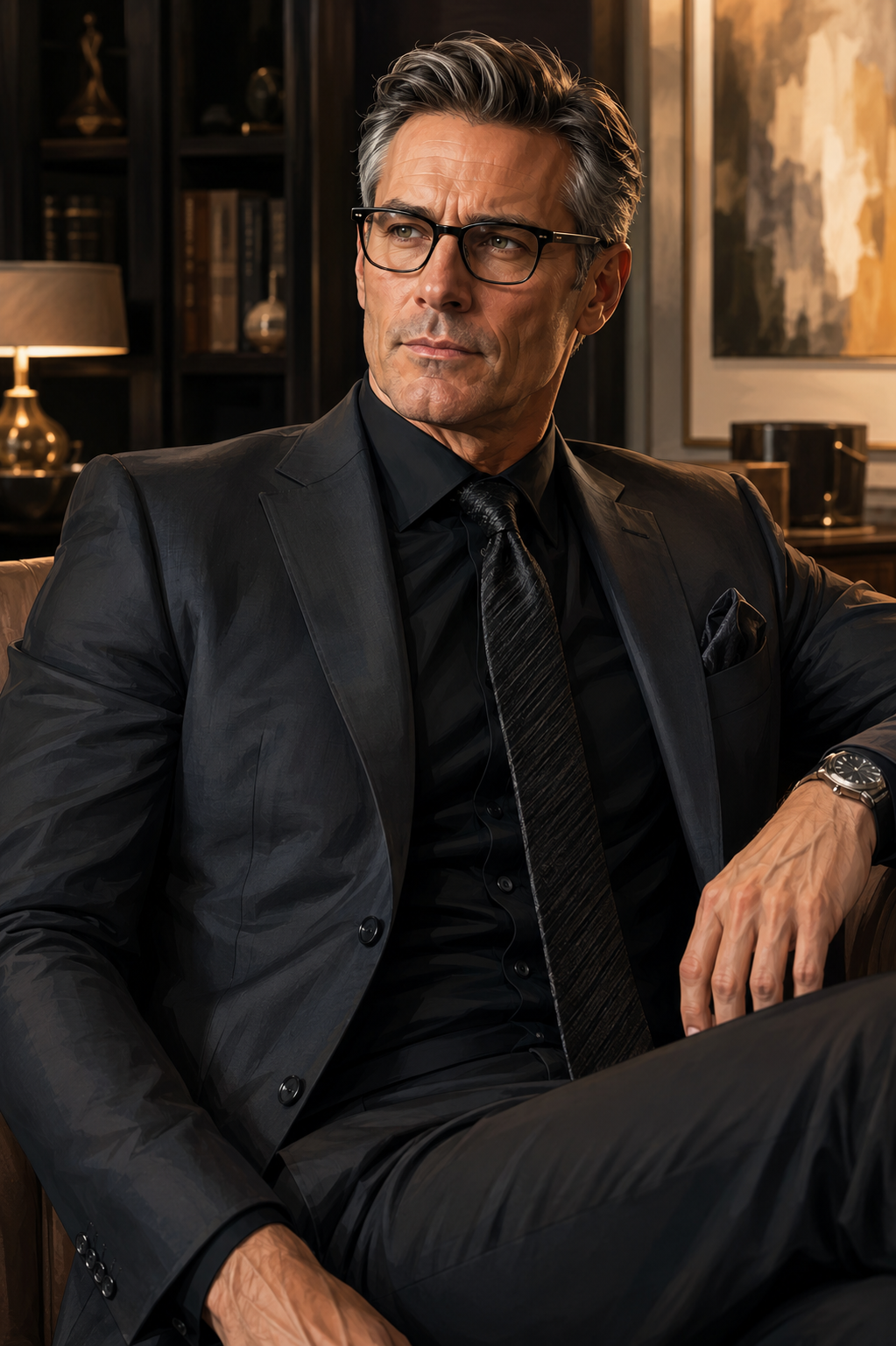
After realizing the dangers of Thanatos, he sells the company for $10 billion, pays off Luke's mortgage as hush money, and moves to Switzerland with Mary and Gabriella to begin a new life.
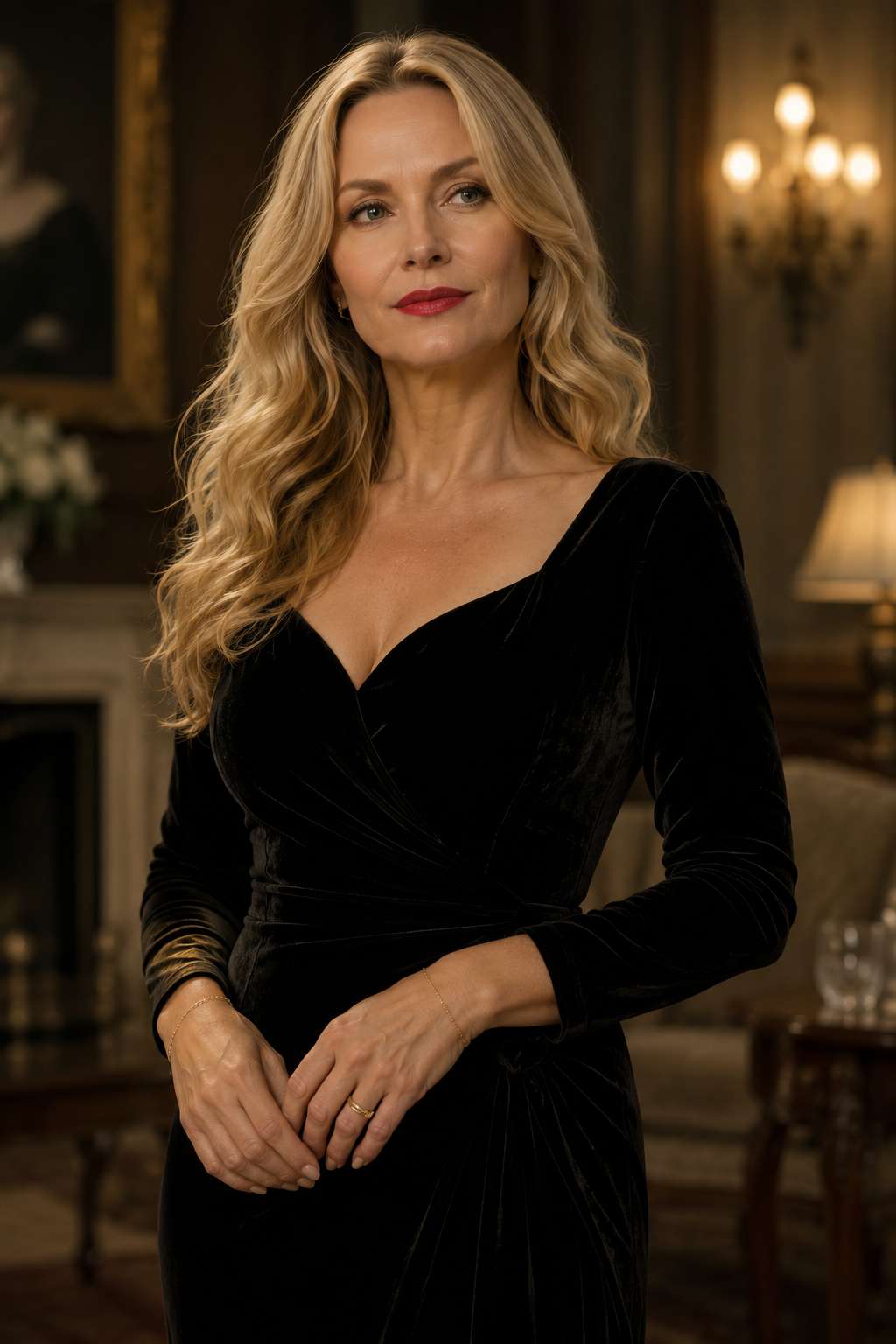
She falls in love with Harrison, joins him and Gabriella in Switzerland, and successfully escapes any consequences for her role in the conspiracy.
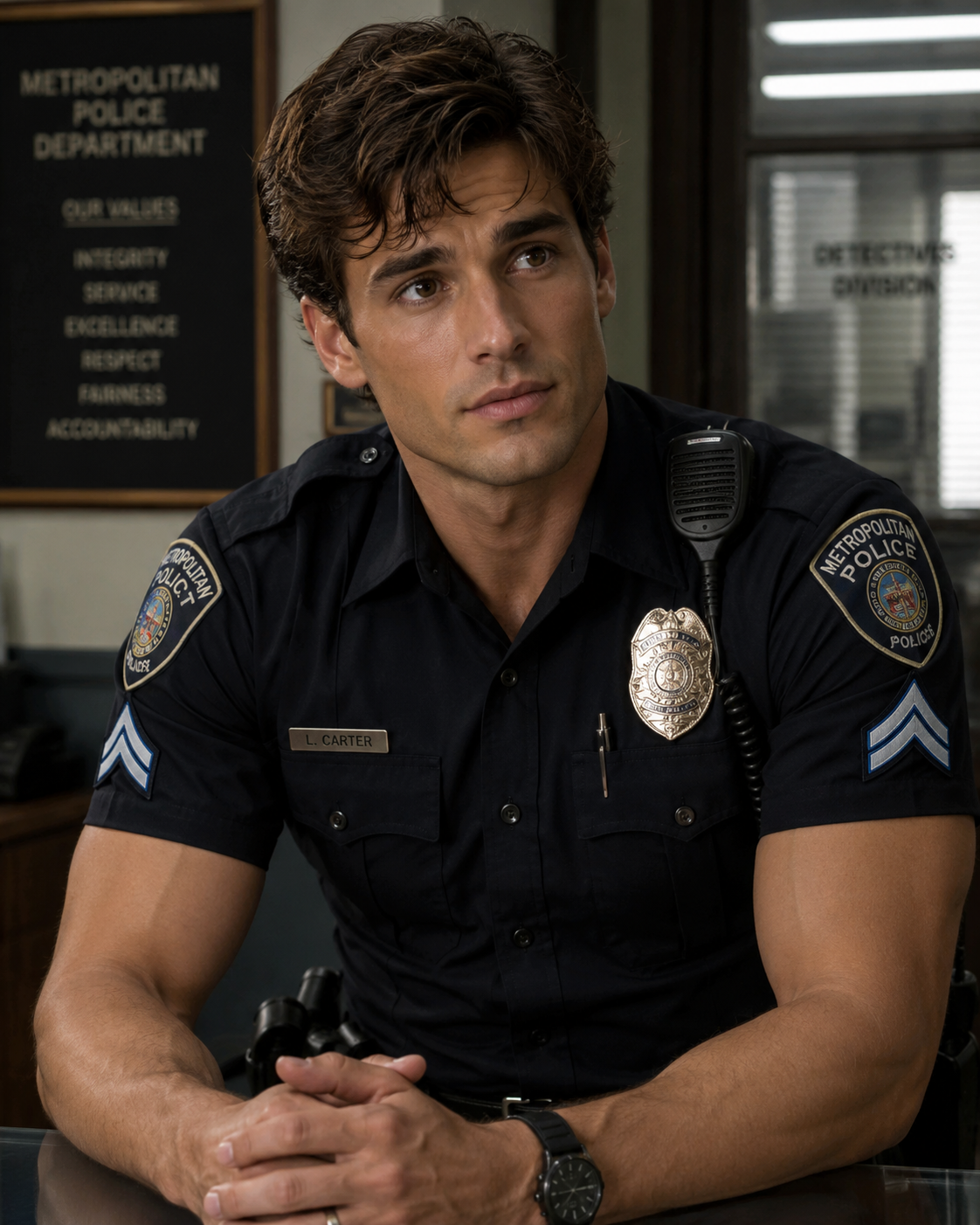
He is promoted to detective, has his mortgage secretly paid off by Harrison, saves Birdy's life, and never discovers that his own wife murdered Eden.

After discovering Luke's affair, she pushes Eden off the cliffs, remains completely undetected, and ominously reminds readers that "sometimes it's the wife" who is the real monster.
🔷 Supporting Characters

She slowly regains her voice, moves to Switzerland with Harrison and Mary, visits Birdy regularly, and continues displaying eerie behaviors like wearing Birdy's clothes.
After Harrison purchases the pub for the family, she becomes its landlady once again.
She remains in Hope Falls, continuing her quiet life and looking after neighbors.
He later retracts the claim and continues living peacefully in the village with his dogs.
She dies after correctly predicting her own death through Thanatos and is buried in the village.
He survives the novel and continues living with Birdy at Spyglass.
🕳️ Potential Plot Holes
Birdy retired from the police months earlier, yet she is able to arrive in Hope Falls, present herself as DCI Bird and Carter’s new superior, and effectively take control of a murder investigation. Carter apparently never receives official confirmation of her appointment, and no one from the wider police force notices that a retired officer is issuing orders and handling evidence. Poor communication might explain a short delay, but Birdy maintaining this deception throughout an active murder investigation without her credentials or assignment being verified is a genuine hole in the plot’s procedural logic.
Birdy deliberately submits DNA from Mary’s hairbrush for comparison with the unidentified body, knowing it will not match because the body is the real Eden. But Harrison, Mary, and Birdy’s entire scheme depends on convincing everyone that Mary is Eden so that nobody realizes Eden has disappeared. By intentionally producing a DNA mismatch, Birdy creates forensic evidence that the dead woman is someone other than the supposedly living Eden, which gives police a reason to investigate the victim’s identity rather than close the case. If the conspirators wanted Eden’s death discovered and treated as a suicide, supplying Eden’s real DNA would make sense; if they wanted her disappearance unnoticed, introducing DNA evidence that proves the body belongs to another woman works directly against their plan. The story does not adequately explain why Birdy would intentionally create this contradiction.
When Birdy first travels from London to Hope Falls, she specifically says the village is too far away to reach on her Vespa, so she takes the train and then a taxi. Later, however, her red Vespa is suddenly available in Hope Falls and she uses it for transportation there. Unless the scooter was transported separately or Birdy later made the journey on it despite her earlier statement, the book never explains how the Vespa got from London to Cornwall.
📚 Book Club Q&A's
⭐ Final Rating & Thoughts
I absolutely flew through My Husband's Wife, and it reminded me why Alice Feeney has such a devoted following among thriller fans. This is the kind of psychological thriller that keeps you questioning every character, every conversation, and even your own theories. I went into it expecting a big twist, so I spent the entire book trying to outsmart the author—and failed spectacularly. That's exactly what I want from this genre.
Everything is carefully constructed here, and the story rewards readers who pay attention without making the ending predictable. I never lost interest. The mystery kept evolving, the tension never let up, and I couldn't wait to see how all the seemingly disconnected pieces would fit together. When a thriller manages to surprise me while still feeling completely believable, it's an easy five-star read. My Husband's Wife delivered exactly the kind of clever, addictive reading experience I hope for every time I pick up a psychological thriller.
✨ Adaptation description
My Husband’s Wife — TV Adaptation
Alice Feeney’s 2026 psychological thriller My Husband’s Wife is officially in development as a television series from Carnival Films, the production company behind Downton Abbey and All Her Fault. The adaptation was announced in January 2026, around the novel’s publication.
Production Overview
- Source novel: My Husband’s Wife by Alice Feeney
- Publication: January 2026
- Format: Television series
- Production company: Carnival Films
- Screenwriter: Emilia di Girolamo, whose credits include Three Pines
- Executive producers: Gareth Neame, Nigel Marchant, Emilia di Girolamo, and Alice Feeney
- Status: In development
- Cast: Not yet announced
- Network/streaming service: Not yet announced
- Release date: Not yet announced
The adaptation centers on Eden Fox, an artist on the verge of the biggest break of her career. After going for a run, Eden returns to her London home and discovers that her key no longer works. A woman answers the door—and claims that she is Eden’s husband’s wife. Eden’s husband then insists he has never seen Eden before.
From there, the story expands beyond the apparent impostor mystery into a much larger web involving marriage, identity, obsession, betrayal, revenge, and murder.
What We Know About the Adaptation
Alice Feeney is working as an executive producer which means the novel’s author is formally involved with the television project, while Emilia di Girolamo is responsible for translating the story to the screen.
The book’s structure gives the adaptation considerable material to work with: shifting perspectives, concealed identities, past and present storylines, and revelations that repeatedly change the audience’s understanding of earlier events. Until scripts, casting information, or a fuller series synopsis emerge, however, it’s too early to say whether the show will preserve that structure or reorganize it for television.
One important distinction: this project has no connection to Jane Corry’s 2016 novel My Husband’s Wife. That separate book was optioned years earlier by Big Talk Productions and Mr. Mudd. The Carnival Films project is specifically an adaptation of Alice Feeney’s My Husband’s Wife.
✨ Books Like My Husband’s Wife (2026)
See an error on this page?