
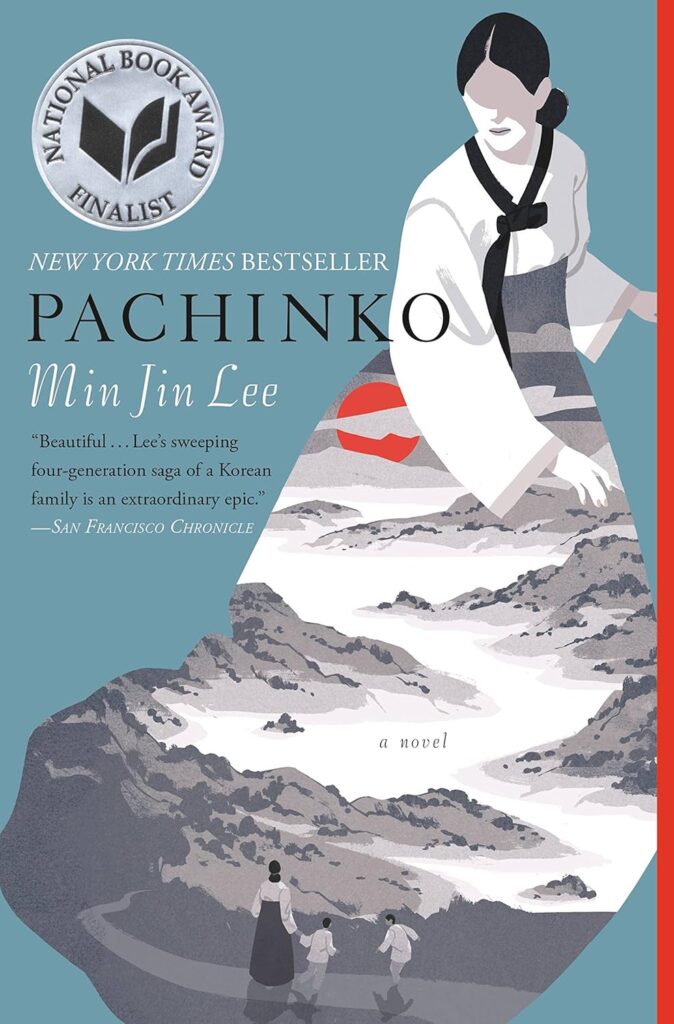
Pachinko (2017)
Select Sections to Print
×Book Details
Pachinko (2017)
Jump to Section
⚠️ Trigger Warnings
- Suicide
- Youth suicide
- Self-harm
- Gun violence
- Racism and xenophobia
- Racial slurs and hate speech
- Racially motivated bullying
- Systemic discrimination
- Sexual harassment
- Sexual assault
- Sexual assault of a minor
- Sex work and sexual exploitation
- Human trafficking
- Military sexual slavery / “comfort women”
- War and wartime violence
- Atomic bombing and radiation trauma
- Aerial bombing and civilian casualties
- Political executions and mass graves
- Prison abuse and torture
- Police and state violence
- Physical assault and severe violence
- Domestic violence
- Graphic injuries, burns, and disfigurement
- Death and grief
- Death of a child
- Fatal pedestrian accident
- Terminal illness
- Tuberculosis
- HIV/AIDS
- Cancer
- Epidemics and infectious disease
- Infant mortality
- Miscarriage
- Stillbirth
- Pregnancy-related stigma and discrimination
⏱️ 2-Minute Spoiler Summary
Pachinko follows four generations of a Korean family from 1910 to 1989, beginning in Japanese-occupied Korea and continuing through decades of life in Japan, where ethnic Koreans face discrimination even after generations of living there.
The story begins with Sunja, the daughter of Hoonie and Yangjin, who run a boardinghouse near Busan, Korea. At sixteen, Sunja falls in love with Koh Hansu, a wealthy Korean businessman based in Japan. When she becomes pregnant, she discovers that Hansu already has a Japanese wife and three daughters. He offers to support her as his mistress, but she refuses. Instead, Baek Isak, a kind Protestant minister recovering from tuberculosis, offers to marry Sunja and raise her unborn child as his own.
Sunja moves to Osaka with Isak, where they live with his brother Yoseb and sister-in-law Kyunghee in an impoverished Korean neighborhood. She gives birth to Noa, Hansu’s biological son, and later has a second son, Mozasu, with Isak. When Japanese authorities imprison Isak because of a church worker’s refusal to honor the Emperor, Sunja and Kyunghee begin selling kimchi to support the family. Isak is eventually released after more than two years, but he is so weakened by imprisonment that he dies shortly afterward.
During World War II, Hansu reappears and reveals that he has secretly been financing the restaurant where Sunja works. He evacuates her family before Osaka is bombed and reunites her with Yangjin. After the war, Noa becomes an outstanding student, while Mozasu struggles academically and eventually finds success working for Goro, a Korean pachinko parlor owner.
Hansu pays for Noa to attend Waseda University in Tokyo. But in 1962, Noa discovers that Hansu, whom he suspects of having yakuza connections, is actually his biological father. Devastated, he abandons university and disappears. He moves to Nagano, changes his name to Nobuo Ban, and passes as Japanese. He marries a Japanese woman, Risa, and has four children, never revealing his Korean heritage.
In 1978, Hansu finally locates Noa and takes Sunja to see him. Noa explains that exposing his Korean identity would destroy the life he has built. He promises to visit her, but shoots himself minutes after she leaves. Hansu tells Sunja the following morning. She deliberately stays away from Noa’s funeral to protect his secret from his wife and children.
Mozasu, meanwhile, becomes a wealthy pachinko businessman and marries Yumi, a Korean seamstress. They have a son, Solomon, but Yumi is killed by a taxi after pushing their three-year-old boy to safety. Sunja helps raise Solomon, who eventually attends Columbia University and becomes an international investment banker.
As a teenager, Solomon has a relationship with Hana, the daughter of Mozasu’s Japanese girlfriend, Etsuko. Hana later runs away and enters Tokyo’s sex trade, where she contracts HIV from a Japanese customer. By 1989, she is dying of AIDS.
That same year, Solomon works for an investment bank in Tokyo. When a major property deal collapses after an elderly Korean landowner dies, his boss Kazu blames him and fires him. During her final days, Hana urges Solomon to stop seeking acceptance from a Japanese corporate world that will always treat him as an outsider. After Hana dies, Solomon’s Korean-American girlfriend, Phoebe, also leaves him and returns to America. Solomon ultimately joins Mozasu in the family’s pachinko business.
The novel ends with Sunja visiting Isak’s grave in Osaka. The cemetery groundskeeper reveals that Noa secretly visited Isak’s grave every month for fifteen years, right up until his death. Sunja realizes that despite abandoning his family, Noa never stopped loving the man who raised him. She buries a small photograph of Noa beside Isak’s tombstone, leaving her son beside his father.
📖 Full Spoiler Summary
Sunja’s Childhood and Her Affair with Hansu
Pachinko begins in 1910 in Yeongdo, a small fishing village near Busan, Korea, around the time Japan annexes the country. Hoonie, a gentle, hardworking man born with a cleft palate and twisted foot, helps run his family’s modest boardinghouse. He marries Yangjin, a young woman from a poor farming family. After losing three babies in infancy, they finally have a surviving daughter, Sunja, who becomes the center of Hoonie’s life.
When Sunja is thirteen, Hoonie dies of tuberculosis. Yangjin continues running the boardinghouse with Sunja’s help, assisted by two orphaned sisters, Bokhee and Dokhee.
In 1932, sixteen-year-old Sunja regularly shops at the Busan fish market. There she attracts the attention of Koh Hansu, a wealthy Korean seafood broker who lives in Osaka, Japan. Hansu first gains her trust by intervening when three Japanese schoolboys harass her. He begins courting her, giving her expensive gifts, including an imported silver pocket watch, and meeting her secretly along the coast.
Sunja falls in love with Hansu and becomes pregnant. Only then does he reveal that he already has a Japanese wife, Mieko, and three daughters in Osaka. He refuses to marry Sunja but offers to provide a house and financial support if she becomes his mistress. Deeply hurt, Sunja rejects his offer and cuts off contact with him.
Around this time, Baek Isak, a young Protestant minister traveling from Pyongyang to Osaka, arrives at the boardinghouse gravely ill with tuberculosis. Sunja and Yangjin nurse him back to health. When Isak learns about Sunja’s pregnancy, he offers to marry her and raise her unborn child as his own. Grateful for his kindness, Sunja accepts.
They marry quietly and leave for Japan. Before their departure, Yangjin uses her savings to buy white rice for their final meal together and gives Sunja two family gold rings. Sunja also secretly packs Hansu’s pocket watch in case she needs money.
Marriage, Poverty, and Isak’s Imprisonment
In 1933, Sunja and Isak arrive in Osaka, where they move in with Isak’s older brother, Yoseb, and his wife, Kyunghee. The couple lives in Ikaino, an impoverished Korean neighborhood where immigrants face discrimination and limited opportunities.
Isak begins working at a Korean church, while Yoseb supports the household through his factory job. Sunja soon discovers that Yoseb borrowed money from loan sharks to pay for their journey to Japan. To repay the debt, Sunja and Kyunghee secretly sell Hansu’s pocket watch to a pawnbroker. Yoseb is furious and humiliated when he discovers what they have done.
That same day, Sunja gives birth to Noa, Hansu’s biological son, whom Isak lovingly accepts as his own. Several years later, Sunja and Isak have another son, Mozasu.
In 1939, their lives are shattered when Hu, a young Chinese worker at Isak’s church, refuses to recite a pledge honoring the Japanese Emperor during a mandatory Shinto ceremony. Japanese authorities arrest Hu, the church’s senior pastor, and Isak. Isak spends more than two years imprisoned without trial.
With Isak gone, the family struggles financially. Sunja begins selling homemade kimchi at the train station, eventually joined by Kyunghee. Their food attracts the attention of Kim Changho, who manages a Korean barbecue restaurant. He offers both women jobs preparing kimchi and candy for the restaurant.
In 1942, Isak is finally released from prison, but he is terribly weak and dying. He spends his remaining days with his family, blessing his sons and urging Noa to study diligently, remain humble, and show compassion even toward his enemies. He dies shortly afterward, leaving Sunja a widow with two young children.
Hansu’s Secret Protection During World War II
As World War II intensifies, Hansu unexpectedly reappears in 1944. He reveals that he secretly owns the restaurant where Sunja and Kyunghee work, along with the moneylending business connected to it. Hansu explains that he tracked Sunja down eleven years earlier after she sold his silver pocket watch. Without her knowledge, he has been financing the business that supports her family.
Warning that American bombers will soon attack Osaka, Hansu arranges for Sunja, her children, Kyunghee, and Yoseb to evacuate to a sweet-potato farm operated by Tamaguchi-san. He also brings Yangjin from Korea so she can reunite with Sunja.
Yoseb, however, has taken a better-paying job supervising Korean workers at a factory in Nagasaki. When the atomic bomb strikes the city, he suffers devastating burns and injuries. Hansu’s men eventually locate him and bring him to the farm, where he remains severely disfigured and bedridden.
During a visit, Yoseb notices how closely Noa resembles Hansu. When confronted, Hansu admits that he is Noa’s biological father. Hansu also tells Yoseb that communist forces in North Korea have executed landowners, falsely claiming that Yoseb and Kyunghee’s parents are dead. He wants to discourage the family from attempting to return to Korea.
After Japan’s surrender, the family returns to Osaka and rebuilds their lives with Hansu’s financial assistance. Changho becomes part of the household and secretly falls in love with Kyunghee, although she remains devoted to her injured husband. Eventually, Changho joins a repatriation program to North Korea. Yoseb even offers to let Kyunghee leave with him, but she refuses.
Noa’s Education and Mozasu’s Pachinko Career
As the boys grow older, their personalities become increasingly different. Noa is quiet, intelligent, and academically gifted. He wants to succeed through education and become a respectable member of Japanese society. Mozasu, on the other hand, dislikes school, fights with boys who insult his Korean heritage, and struggles academically.
Mozasu befriends Haruki Totoyama, a Japanese boy whose mother runs a uniform-making workshop. In 1955, after Mozasu gets into trouble for defending a girl selling socks at the market, Goro, a successful Korean pachinko parlor owner, intervenes and offers him a job.
Mozasu leaves school and discovers that he has a talent for the pachinko business. He works hard and gradually becomes a successful manager.
Noa takes a different path. In 1956, he earns admission to prestigious Waseda University in Tokyo. Sunja cannot afford the tuition, so she visits Hansu, who agrees to pay for Noa’s education and living expenses. Sunja insists on treating the money as a loan, but Hansu privately refuses because he considers it his responsibility to provide for his son.
At university, Noa studies English literature and successfully passes as Japanese. He begins dating Akiko Fumeki, a wealthy Japanese student who takes an intense interest in his Korean background.
In 1962, Akiko unexpectedly joins Noa for one of his regular lunches with Hansu. Afterward, she suggests that Hansu is connected to the yakuza and may actually be Noa’s father.
Shocked, Noa travels to Osaka and confronts Sunja. She finally admits that Hansu is his biological father and that Isak knowingly married her while she was pregnant.
The revelation devastates Noa. He believes Hansu’s criminal associations have permanently tainted him and accuses Sunja of ruining his life. Unable to reconcile his identity with the truth about his parentage, he drops out of university and disappears, cutting off contact with everyone he knows.
Noa Disappears and Builds a Secret Japanese Life
Unknown to his family, Noa moves to Nagano and assumes the Japanese name Nobuo Ban. He claims his parents are dead and takes a bookkeeping job at a pachinko business called Cosmos Pachinko.
In 1969, he marries Risa Iwamura, a Japanese woman whose father, a doctor, committed suicide following a medical scandal. They eventually have four children. Neither Risa nor their children know that Noa is Korean.
Back in Osaka, Sunja desperately searches for her missing son. Even Hansu cannot initially locate him. Although Noa secretly sends Sunja money each month, he never reveals where he lives.
Meanwhile, Mozasu marries Yumi, a Korean seamstress who works for Haruki’s mother. In 1968, they have a son named Solomon.
Three years later, tragedy strikes when a taxi swerves onto a sidewalk. Yumi pushes three-year-old Solomon out of its path but is struck and killed herself.
Devastated, Mozasu asks Sunja to help raise Solomon. The family moves to Yokohama as Mozasu continues expanding his pachinko business.
Sunja Finds Noa, but Their Reunion Ends in Suicide
In 1978, Hansu’s private investigators finally locate Noa in Nagano. Hansu drives Sunja there so she can see the son she has spent sixteen years searching for.
Sunja approaches Noa at his workplace. He speaks politely but explains that he has built an entirely new life. He is now legally Japanese, and his wife, children, and employer believe he is Japanese by birth. If his Korean background becomes known, he fears losing everything.
Noa promises to call Sunja that evening and visit her in Yokohama the following week. She leaves hoping that they might finally reconnect.
But just minutes after Sunja leaves, Noa sits at his office desk and shoots himself.
The following morning, Hansu calls Sunja and tells her that Noa has committed suicide. She is devastated but deliberately stays away from his funeral. Attending would risk exposing his Korean identity to Risa and their children, destroying the secret he had worked so hard to protect.
Sunja continues grieving Noa for the rest of her life, privately speaking to him in her thoughts and prayers whenever she visits Isak’s grave.
More losses follow. Yoseb dies in 1979, and Sunja returns to Osaka to care for her dying mother, Yangjin. During her final days, Yangjin bitterly blames Sunja’s youthful relationship with Hansu for the suffering that followed, particularly Noa’s fate. Sunja tearfully asks her mother’s forgiveness before Yangjin dies.
At Yangjin’s funeral, Hansu approaches Sunja again. He is now widowed, ill, and walking with a cane. He asks Sunja to marry him, but she firmly refuses.
Solomon’s Childhood, Hana, and His Banking Career
While Sunja mourns her family, her grandson Solomon grows up in the relative comfort created by Mozasu’s successful pachinko business.
As a teenager, Solomon becomes sexually involved with Hana, the rebellious daughter of Mozasu’s Japanese girlfriend, Etsuko. Their relationship begins when Solomon is fifteen, but Hana eventually runs away from home and enters Tokyo’s nightlife and sex trade.
During this period, Hana contracts HIV from a Japanese customer who owns an old trading company and later dies. Her life becomes increasingly difficult as her illness progresses.
Solomon, meanwhile, follows a more conventional path toward success. He attends Columbia University in New York and, after graduating in 1985, joins Travis Brothers, an international investment bank. He also begins dating Phoebe, a wealthy Korean-American woman.
While Solomon is in New York, Hana calls him, sounding sick and desperate. Despite their separation, she remains an important part of his life.
By 1989, Solomon has transferred to the bank’s Tokyo office, where he works under Kazu, a Japanese managing director. Solomon hopes that his prestigious education and international banking career will finally allow him to succeed in Japanese society without being judged primarily by his Korean heritage.
Kazu assigns him an important real estate transaction involving a Japanese golf course client. The deal depends on purchasing land owned by Matsuda-san, a ninety-three-year-old Korean woman who refuses to sell to Japanese buyers.
Solomon devises a solution. He asks Goro, his father’s longtime friend and former employer, to act as an intermediary. Matsuda-san agrees to sell the land to Goro, who will then resell it to the bank’s client.
The arrangement initially succeeds, but shortly after signing the contract, Matsuda-san dies of a heart attack. The client becomes nervous about the timing of her death and fears accusations that she was pressured into selling.
The client cancels the transaction, and Kazu fires Solomon to protect the bank. He suggests that Goro or his possible yakuza connections may have been involved in coercing Matsuda-san, even though there is no evidence of wrongdoing.
Solomon loses the career he believed would secure his place in Japanese society.
Hana’s Death and Solomon’s Decision
Around the same time, Hana is dying of AIDS in a Tokyo hospital. Solomon visits her regularly during her final days.
Hana tells Solomon that no matter how successful or educated he becomes, Japanese society will continue treating him as a foreigner, or gaijin. She urges him to stop seeking approval from people who will never fully accept him and instead consider joining Mozasu’s pachinko business.
Hana dies shortly afterward.
Solomon’s relationship with Phoebe also falls apart. She refuses to remain in Japan, where she would face discrimination, and she does not support his decision to enter the pachinko industry. She breaks up with him and returns to America.
Having lost his banking career, Hana, and Phoebe, Solomon decides to join his father in managing the family’s pachinko business. Rather than continuing to pursue acceptance in the corporate world, he chooses to work in the industry that has supported his family for decades.
Sunja’s Final Visit to Isak’s Grave
The novel concludes with Sunja visiting Isak’s grave in Osaka.
At the cemetery, she meets Uchida-san, the groundskeeper, who recognizes her and reveals something astonishing about Noa.
For fifteen years, beginning in 1963 and continuing until his death in 1978, Noa secretly visited Isak’s grave on the last Thursday of every month. During those visits, he befriended Uchida, encouraged him to read, and gave him translated novels by Charles Dickens.
Sunja had believed Noa had completely abandoned his family after discovering the truth about Hansu. Now she learns that he continued visiting and honoring Isak, the man who raised him, throughout his years in hiding.
Overcome with emotion, Sunja takes out a small photograph of Noa attached to her key ring. Using her bare hands, she digs a hole beside Isak’s marble tombstone and buries the photograph there.
After years of separation, secrecy, and loss, Sunja leaves Noa’s photograph beside the grave of the father he never stopped loving.
🔚 Ending Explained
How Pachinko Ends
In 1989, seventy-three-year-old Sunja Baek travels from Yokohama to Osaka to visit the grave of her late husband, Baek Isak. Her mother, Yangjin, has recently died of stomach cancer, while her grandson Solomon has decided to remain in Japan and join his father, Mozasu, in the family pachinko business.
At the cemetery, Sunja cleans Isak’s white marble tombstone, which bears his name in both Japanese and Korean. There she meets the groundskeeper, Uchida, who recognizes her and mentions that Mozasu still visits the grave every month or two.
Then Uchida tells Sunja something she never knew.
For fifteen years, from 1963 until his death in 1978, Noa secretly visited Isak’s grave on the last Thursday of every month. During those years, Noa was living in Nagano as “Nobuo Ban,” passing as Japanese and keeping his Korean ancestry hidden even from his wife and children. Although he had severed contact with Sunja and the rest of his family, he had never severed his connection to Isak.
Uchida remembers Noa as a kind and thoughtful man. Noa encouraged him to attend adult night school and gave him Japanese translations of Charles Dickens novels, beginning with David Copperfield.
The revelation overwhelms Sunja. Noa had spent years trying to escape the truth of his birth and his biological connection to Koh Hansu, but he had continued returning to the grave of the man he regarded as his real father.
Sunja takes out her house keys, which hold a small acrylic frame containing photographs of Noa and Mozasu. With her bare hands, she digs a hole about a foot deep at the base of Isak’s tombstone. She places the photographs inside, covers them with earth and grass, and presses the ground flat.
Then, with dirt still beneath her fingernails, Sunja gathers her things and returns home, where Kyunghee is waiting for her.
Ending Explained
The final revelation about Noa transforms what initially seems like one of the novel’s greatest tragedies. Noa spent the last fifteen years of his life separated from his mother and living under a Japanese identity, but his monthly pilgrimage to Isak’s grave proves that he never truly abandoned his family or his past.
More importantly, Noa chose Isak as his father.
Koh Hansu was Noa’s biological father and could provide money, influence, and protection, but those things were never enough to define family for Noa. Isak was the man who accepted Sunja when she was pregnant, gave Noa his name, raised him as his own son, and modeled kindness, faith, dignity, and compassion. Noa may have spent his adult life desperately trying to escape Hansu’s bloodline, but he continued returning to Isak.
That makes Sunja’s final act especially powerful.
Because Noa was cremated by his Japanese wife in Nagano, Sunja has no grave where she can mourn him. By burying his photograph beside Isak’s tombstone, she creates one herself. Symbolically, she returns Noa to the father he chose and reunites the family that history, prejudice, shame, and death had torn apart.
The photographs also connect both of Sunja’s sons to Isak. Noa is dead; Mozasu survives. One tried desperately to assimilate into Japanese society, while the other built a successful life within the marginalized pachinko world. Their lives took radically different paths, but Sunja places them together beneath the earth at their father’s grave.
The dirt beneath Sunja’s fingernails is a fitting final image for her. Her entire life has been defined by physical labor—cooking, selling food, working in markets, raising children, and doing whatever was necessary to keep her family alive. Even her final gesture of love is something she performs with her own hands. She does not merely contemplate Noa’s memory; she physically makes a place for him.
Noa’s gift of Charles Dickens novels to Uchida carries that legacy beyond the Baek family. Noa encourages an ordinary working man to educate himself and shares literature with him, demonstrating the compassion and respect for human dignity that Isak had instilled in him. Isak’s influence therefore survives not only through his family but through people he never even met.
There is also a striking contrast between Isak and Hansu. Hansu possesses enormous wealth and power, yet ends his life sick in a Tokyo hospital surrounded by paid caregivers. Isak died decades earlier with little material wealth, yet his grave remains a place that his family repeatedly returns to. The contrast reinforces the novel’s distinction between possessing power and leaving behind something worth loving.
Solomon’s decision to join Mozasu in the pachinko business extends this idea into the next generation. After trying to succeed within Japanese corporate society and being scapegoated and rejected, Solomon stops treating assimilation as the only path toward legitimacy. Joining Mozasu does not erase the discrimination surrounding pachinko, but it allows Solomon to embrace the complicated inheritance his family has created rather than continually seeking acceptance from institutions that may never fully accept him.
That is why pachinko itself remains such an appropriate metaphor at the end of the novel. The family cannot control the historical circumstances into which they are born any more than a player can completely control where a pachinko ball lands. Colonialism, war, poverty, racism, migration, and chance repeatedly redirect their lives. What they can control is how they respond—working, adapting, loving, surviving, and continuing to play.
The ending is therefore melancholic but deeply consoling. Sunja has endured extraordinary go-saeng—suffering—and has buried or outlived many of the people she loved. Yet she recognizes that her life was never composed solely of suffering. It also contained moments of beauty, love, dignity, and even glory.
Most importantly, the people she lost have not disappeared from her life.
Noa spent fifteen years silently returning to Isak. Sunja carries photographs of her sons on her keys. Mozasu continues visiting his father’s grave. And Sunja finally places Noa beside Isak, creating in death the reunion that could never happen in life.
The novel ultimately suggests that identity cannot be reduced to blood, nationality, paperwork, or the judgment of society. Noa could call himself Nobuo Ban, live as Japanese, and hide his Korean ancestry, but the person he loved as his father remained Isak. Sunja could lose her homeland and nearly everyone from her youth, yet the people she loved remained part of her.
The final image of Sunja leaving the cemetery with earth beneath her fingernails captures the entire novel in miniature: a woman shaped by displacement and suffering continues forward, carrying the dead with her while returning home to the living.
And Kyunghee is there waiting.
👤 Characters & Fates
🔶 Main Characters
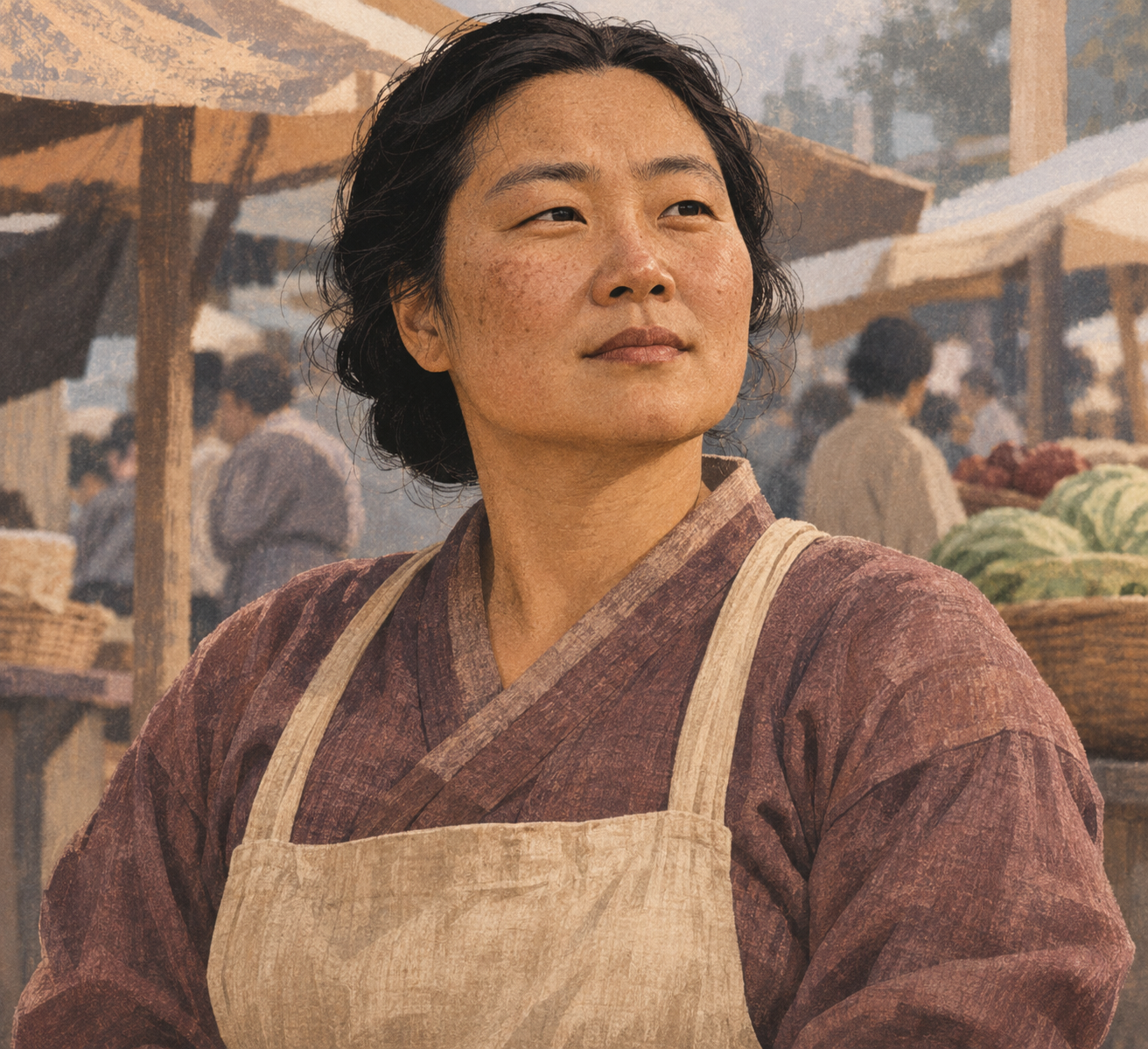
Outlives Isak, Noa, Yangjin, and Yoseb and helps raise Solomon. At Isak's grave in 1989, she learns Noa secretly visited it monthly for fifteen years before his suicide; she buries Noa's photograph beside Isak's grave and finds quiet solace.
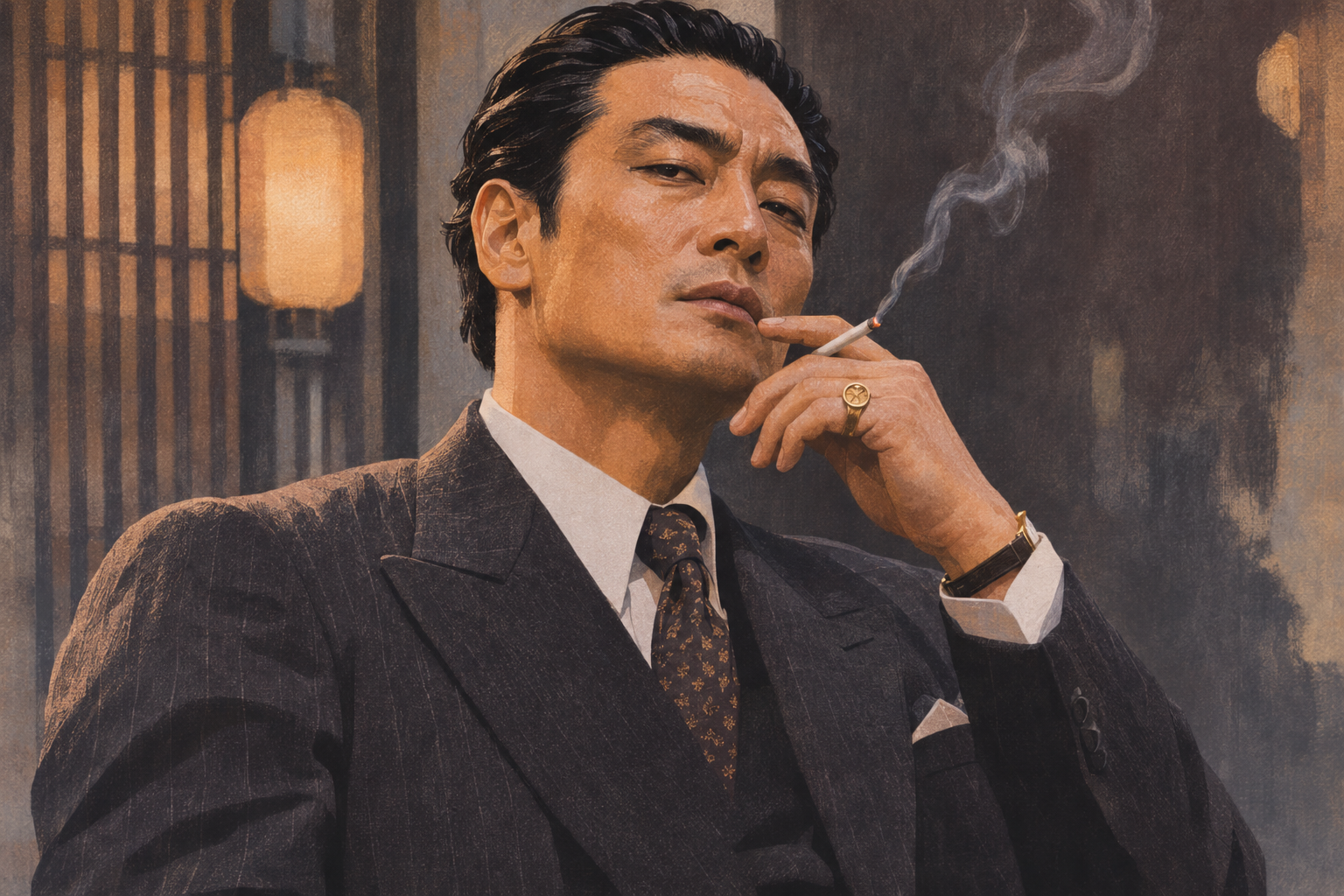
Develops prostate cancer and later tracks down Noa, helping set in motion the events leading to Noa's suicide. Widowed by 1979, he proposes to Sunja at Yangjin's funeral but is rejected and spends his final years ill in a Tokyo hospital.
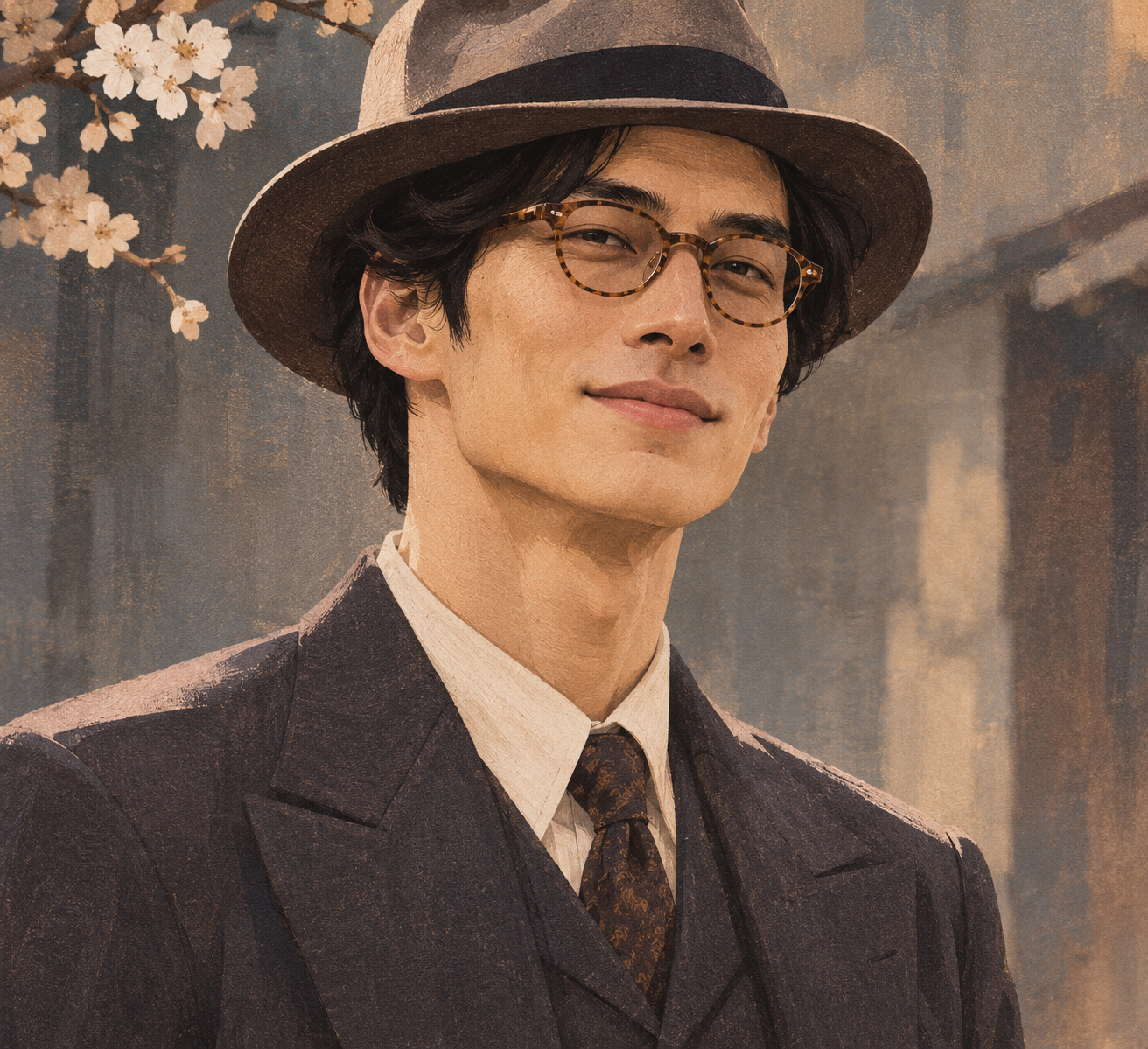
Arrested in 1939 after his church refuses the Shinto shrine pledge and imprisoned without trial for more than two years. Released emaciated and gravely ill in 1942, he returns home, blesses his sons, and dies shortly afterward.
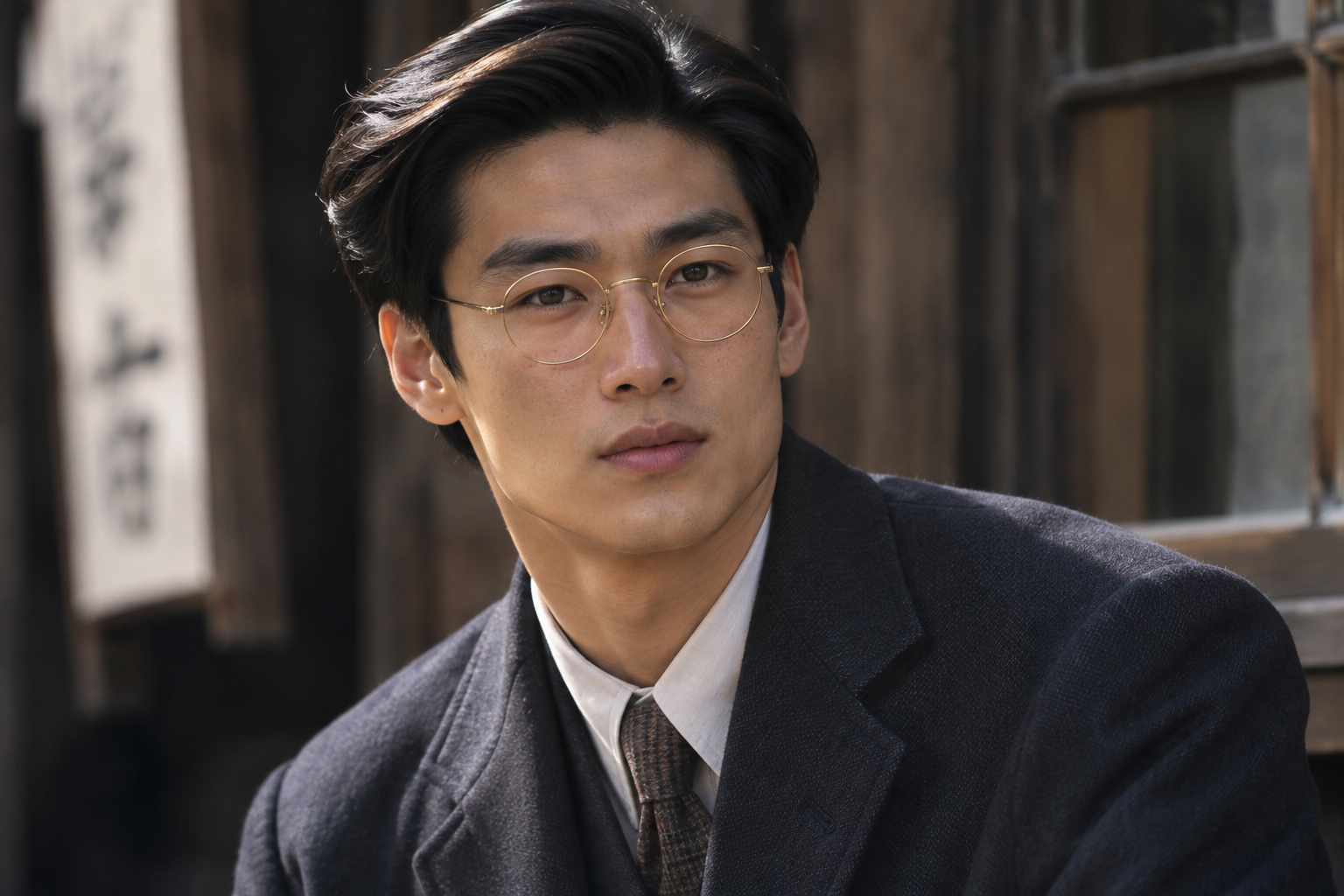
After learning Hansu is his yakuza-connected biological father, he leaves Waseda, disappears, becomes "Nobuo Ban," marries Risa, has four children, and passes as Japanese for sixteen years. Sunja finds him in 1978; minutes after she leaves his office, he shoots himself dead.
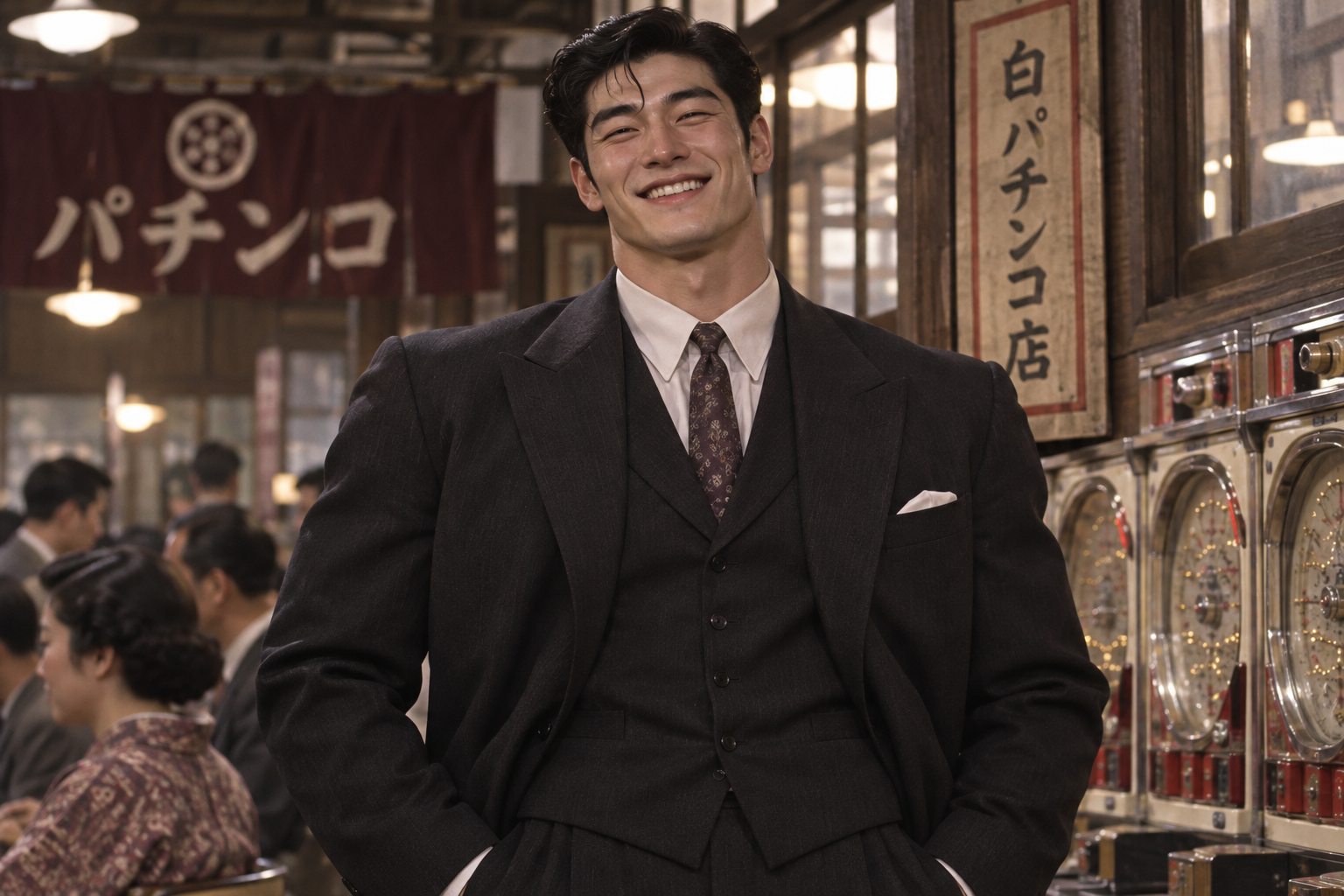
Builds a successful pachinko empire, loses his wife Yumi in a traffic accident, raises Solomon with Sunja's help, and forms a long-term relationship with Etsuko. By the end, Solomon joins him in the family pachinko business.
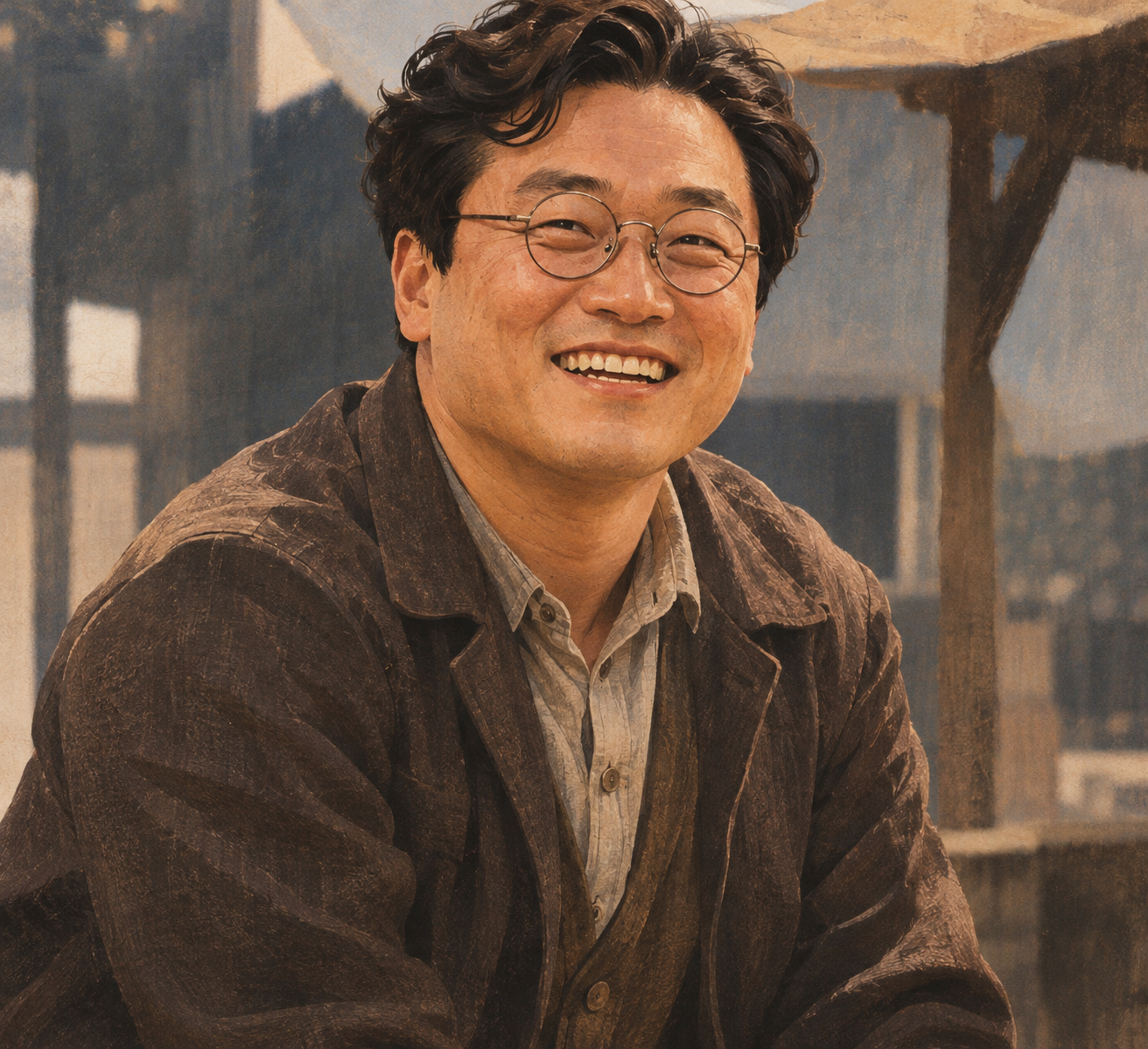
Is horribly burned and permanently disabled while working in Nagasaki during the 1945 atomic bombing. Kyunghee cares for him through decades of pain and disability until his death in 1979.
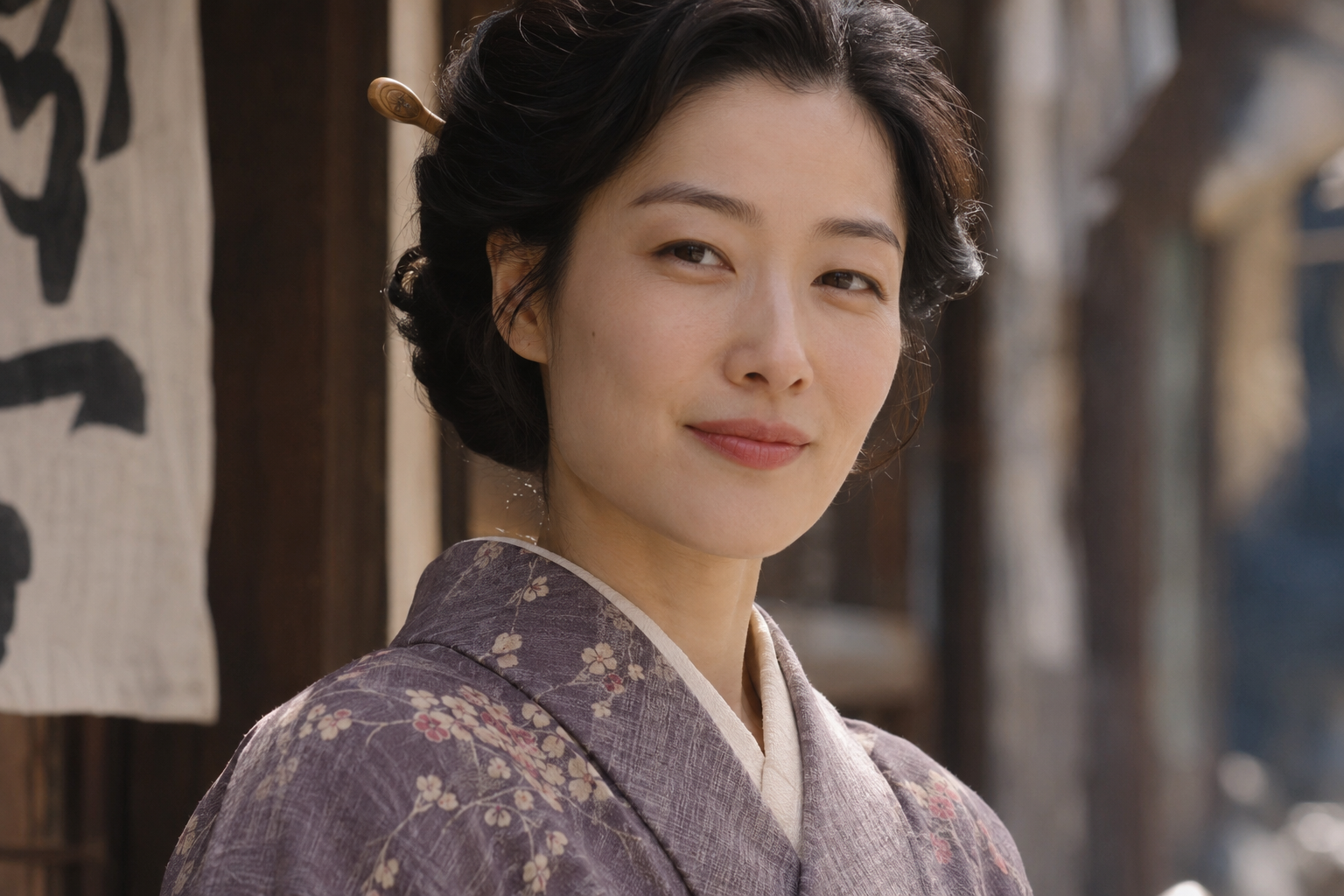
Rejects Kim Changho's offer to leave Yoseb and move to North Korea despite their emotional bond. She cares for Yoseb until his death and remains in Osaka afterward, supported and visited by Sunja and Mozasu.
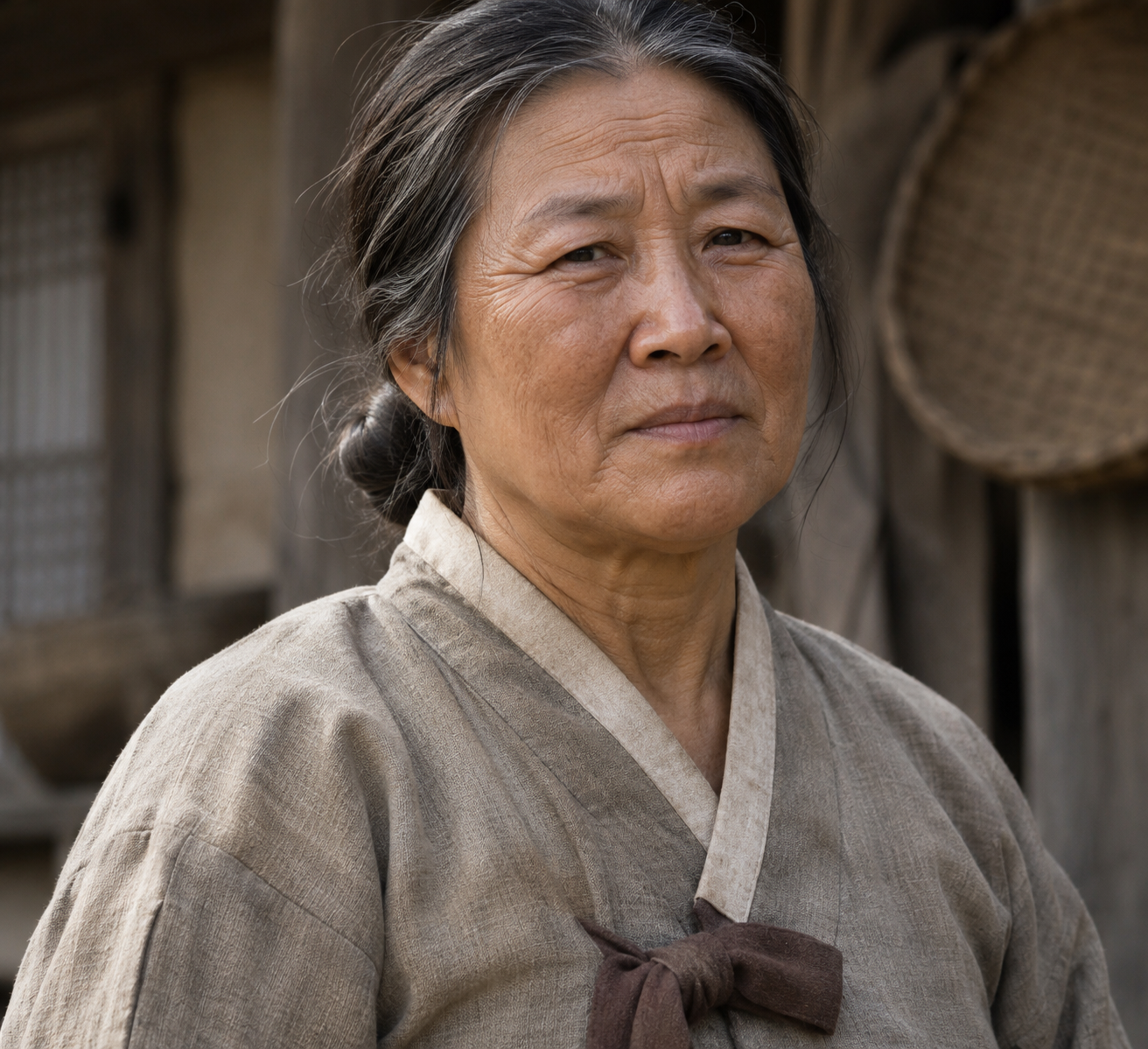
Hansu brings her from Korea to Japan during WWII, reuniting her with Sunja. She lives with the family for decades before dying of stomach cancer in Osaka in 1979.
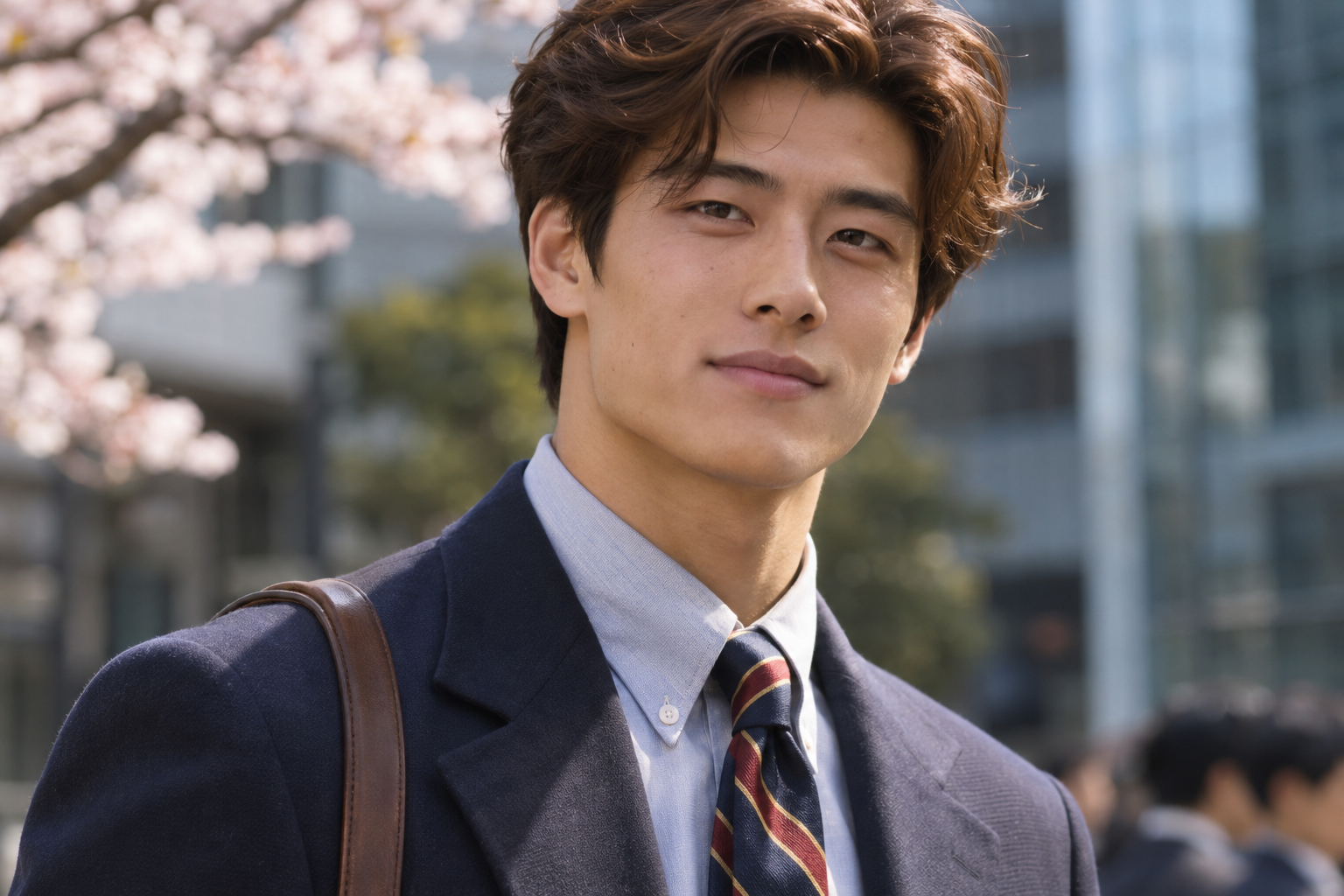
Is fired from Travis Brothers after the Matsuda land deal collapses and becomes the bank's scapegoat. After Hana urges him to stop being ashamed of pachinko, he breaks up with Phoebe and joins Mozasu in the family business.

Runs away, enters Tokyo's nightlife and sex trade, and contracts HIV/AIDS from a Japanese customer. Terminally ill in 1989, she urges Solomon to join Mozasu's pachinko business before dying in a Tokyo hospital.
🔷 Supporting Characters

Dies of tuberculosis when Sunja is thirteen.
Leaves for supposed factory work in Manchuria/China during WWII and disappears; her fate is unknown, with the implication that she may have been forced into Japanese military sexual slavery.
Leaves with Bokhee for supposed factory work in Manchuria during the war and is never heard from again.
Remain fishermen in Yeongdo; Fatso gives Sunja two yen as a heartfelt wedding gift before she leaves Korea.
Continues operating his pharmacy in Busan.
Continues serving his Busan church.
Continues supporting his family through his shop.
Continues delivering coal in Yeongdo.
Arrested with Isak and Hu in 1939 and dies in Japanese prison after brutal mistreatment.
Is imprisoned in 1939 and dies from torture and mistreatment.
Continues working as a midwife in Ikaino.
Asks Kyunghee to leave Yoseb and go with him to North Korea, but she refuses. He joins the North Korean repatriation program alone in 1959, leaving his ultimate fate unknown.
Survives the war and continues farming.
Remains on the farm with her family.
Remain on the farm during the war while longing for the pleasures of city life.
Marries Ayame and lives a conventional outward life while concealing his homosexuality. He remains close to Mozasu and his family and eventually lives in Yokohama.
Expands her workshop into a successful redbrick factory before eventually dying.
Moves to Yokohama with Haruki and Ayame and remains safely in their care.
Continues working at her grandparents' sock shop.
Eventually sells his pachinko parlors and moves into real estate while remaining wealthy and influential in Mozasu and Solomon's lives.
Noa dumps her and cuts all ties with Waseda when he disappears to Nagano.
Lives with Hansu in great wealth and dies before 1979, leaving Hansu widowed.
Is eventually promoted to oversee Cosmos businesses in Nagoya.
Continues running his café near the Nagano station.
After Noa shoots himself in 1978, she cremates him and raises their four children as Japanese, never knowing the full truth about the life he concealed.
Remains with Risa and her grandchildren in Nagano.
In 1971, she pushes three-year-old Solomon out of the path of an out-of-control taxi, saving his life but suffering fatal injuries herself.
Remains with Mozasu and continues operating her Yokohama restaurant while enduring Hana's terminal illness and eventual death.
Breaks up with Solomon after they realize they want fundamentally different lives; she rejects his decision to enter pachinko and returns to America.
Fires Solomon and makes him the scapegoat when the land deal collapses, protecting the bank and continuing his own lucrative career.
Dies suddenly of a heart attack only days after signing the sale, causing the transaction to collapse and contributing directly to Solomon's firing.
Continues working at the cemetery after revealing Noa's secret to Sunja, giving her a final piece of her son's hidden life.
🕳️ Potential Plot Holes
Before Sunja even arrives in Japan, Yoseb borrows 120 yen from an Osaka moneylender to cover Isak and Sunja’s travel expenses. That lender happens to be connected to the Morimoto syndicate run by Koh Hansu’s father-in-law—the same Hansu who impregnated Sunja in Korea. This coincidence ultimately allows Hansu to discover that Sunja is living in Osaka after Yoseb uses Hansu’s distinctive watch to repay the debt. It is possible that Hansu’s organization controlled a substantial portion of the local lending business, making the connection less random than it initially appears, but the novel never establishes that clearly. As written, Yoseb choosing precisely the lender connected to Hansu is an unusually convenient coincidence that brings Hansu back into Sunja’s life.
After leaving Waseda, Noa moves to Nagano, adopts the name Nobuo Ban, conceals his Korean background, marries a Japanese woman, and eventually becomes a naturalized Japanese citizen. His ability to pass socially as Japanese is believable, but formally becoming a citizen would have required government documentation and scrutiny of his background. Noa could not simply invent an entirely new legal history with deceased Japanese parents. The novel never explains what documents he supplied, whether officials knew he was Korean despite his secrecy toward everyone else, or how his legal identity was reconciled with the fictional history he presented to his wife and employer. This does not make his naturalization impossible—he could have naturalized under his real Korean records while adopting a Japanese legal name—but the book glosses over a bureaucratic process that would have complicated his carefully constructed identity.
📚 Book Club Q&A's
⭐ Final Rating & Thoughts
Pachinko absolutely earned five stars from me. I love historical fiction that teaches me something while still making me completely invested in the characters, and this did exactly that. I knew very little about the discrimination Koreans faced in Japan before reading this, and I found that entire aspect of the novel fascinating—and heartbreaking.
What impressed me most was how readable it was despite covering generations of one family and nearly eighty years of history. Multigenerational sagas can sometimes overwhelm me with characters, but I never felt lost here. I cared deeply about Sunja and became completely invested in what happened to her children and grandchildren.
And wow, this book is sad. There is so much loss, sacrifice, prejudice, and heartbreak, but it never felt like misery just for the sake of making the reader cry. There’s also an incredible amount of resilience and love running through the story.
I cried, I learned a lot, and I became completely absorbed in this family’s lives. Pachinko is beautifully written, emotionally devastating, and one of those rare books I know I’ll still be thinking about long after finishing it.
✨ Adaptation description
📺 Pachinko — Book vs. TV Adaptation (Season 1)
Min Jin Lee’s 2017 novel Pachinko was adapted into an Apple TV+ drama series created, written, and executive produced by Soo Hugh. Season 1 premiered on March 25, 2022, and consists of eight episodes, directed by Kogonada and Justin Chon. The series is produced by Media Res with Blue Marble Pictures and stars Youn Yuh-jung as older Sunja, Minha Kim as teenage Sunja, Lee Min-ho as Koh Hansu, Jin Ha as Solomon, Steve Sanghyun Noh as Isak, and Anna Sawai as Naomi.
Season 1 does not attempt to adapt the entire novel. Instead, it draws primarily from the earlier portion of Sunja’s story while simultaneously bringing Solomon’s much later storyline forward. The result is a substantially restructured adaptation that tells Sunja and Solomon’s stories in parallel rather than following the novel’s generations chronologically.
🔄 Key Differences
The largest difference is when the stories are told. Lee’s novel progresses chronologically across generations, beginning with Sunja’s parents and gradually moving through Sunja, her children, and eventually her grandson Solomon. The television series immediately places young Sunja’s life under Japanese colonial rule alongside Solomon’s life in 1989 Japan. Apple itself describes the series as juxtaposing Sunja’s story with Solomon’s in the 1980s.
This means characters and conflicts that do not become important until much later in the novel—including Solomon’s professional life—are central to Season 1.
🎭 Tone Changes
The novel uses a relatively restrained, sweeping third-person narrative to chronicle decades of hardship, discrimination, family conflict, and survival.
Season 1 makes the story considerably more immediate, emotional, and cinematic. Music, close-ups, changes in language, visual symbolism, and the constant movement between generations turn individual experiences into echoes of one another.
The series retains the novel’s historical scope but gives the material a more intimate emotional presentation—something reflected in Apple’s own description of the adaptation as both “epic in scope” and “intimate in tone.”
🧩 Structural Changes
The novel is largely chronological, while Season 1 is deliberately nonlinear.
Episodes move between Sunja’s childhood and young adulthood in Korea and Japan and Solomon’s experiences in 1989. Older Sunja also becomes an active presence much earlier than she does within the novel’s chronology.
This structure allows events separated by decades to comment on one another. Sunja experiences colonialism and displacement directly, while Solomon experiences their legacy generations later as a Korean Japanese man navigating Japanese corporate culture.
Season 1 therefore functions less like “the first section of the book put onscreen” and more like a reorganization of material from different parts of the novel around shared themes of identity, belonging, family, and survival.
👥 Character Changes
Solomon Baek receives one of the largest rewrites. He appears much earlier and becomes essentially a co-protagonist alongside Sunja. His corporate storyline and the Korean landowner he is attempting to persuade to sell her property provide Season 1 with one of its major present-day conflicts. His American girlfriend Phoebe, who appears in the novel, is absent, while Naomi, his ambitious Japanese colleague, is a character created for the television adaptation.
Koh Hansu is given substantially more background and interiority. Most notably, Episode 7 leaves the main storyline to explore Hansu’s experiences during the 1923 Great Kantō Earthquake, creating a backstory that is not presented this way in Lee’s novel.
The series also initially presents Sunja and Hansu’s relationship as more conventionally romantic, allowing the imbalance in their relationship and Hansu’s controlling qualities to emerge gradually.
Isak is given a stronger connection to resistance against Japanese colonial rule. By the Season 1 finale, his arrest becomes a major storyline, with Sunja desperately searching for him.
Meanwhile, several members of the younger generations who eventually become extremely important in the novel have not yet reached their major adult storylines by the end of Season 1.
🔍 What the Adaptation Emphasizes
Season 1 places especially strong emphasis on Korean identity in Japan across generations.
By pairing Sunja with Solomon, the series directly connects Japanese colonialism with the discrimination and questions of belonging faced by later generations of Zainichi Koreans. Solomon may be wealthy, internationally educated, and professionally successful, but the series continually demonstrates that assimilation has not erased the history carried by his family.
The adaptation also emphasizes female endurance and domestic labor. Sunja, Yangjin, Kyunghee, and older Sunja are repeatedly shown surviving through work, sacrifice, caregiving, and adaptation. Their seemingly ordinary acts become part of the series’ larger depiction of cultural and familial survival.
Language reinforces this theme. Season 1 is performed across Korean, Japanese, and English, allowing changes in language to communicate identity, power, assimilation, and belonging rather than treating the characters as though they all inhabit a single linguistic world.
✂️ What Season 1 Expands, Removes, or Softens
📈 EXPANDS: Hansu receives an extensive invented backstory centered on his experiences during the 1923 Great Kantō Earthquake. Solomon’s 1989 corporate storyline is also dramatically expanded and elevated into one of the season’s two principal narratives. The series gives considerably more immediate attention to the generational consequences of Japanese colonialism and the Korean experience in Japan.
✂️ REMOVES OR DELAYS: Solomon’s girlfriend Phoebe is removed from Season 1, while Naomi takes on a major role that does not come from the novel. Much of the material involving the adult lives of Sunja’s sons, Noa and Mozasu, is postponed because Season 1 stops well before completing their stories.
🕊️ SOFTENS: Sunja and Hansu’s earliest relationship is presented with more overt romance than in the novel. The series initially allows their connection to resemble a love story before increasingly revealing the disparities in age, experience, wealth, knowledge, and power between them.
➕ ADDS: The adaptation creates scenes and encounters that allow characters and generations to interact thematically—or literally—in ways the novel’s chronological structure does not. These additions help transform the story from a straightforward multigenerational chronology into two interconnected timelines.
Overall, Season 1 of Pachinko preserves the novel’s central story of family, migration, discrimination, survival, and generational identity, but substantially changes how that story is delivered. Rather than moving steadily from one generation to the next, the adaptation places Sunja’s past beside Solomon’s future, using their experiences to show how one family’s history continues to reverberate decades later.
✨ Books Like Pachinko (2017)
See an error on this page?