

So Old, So Young (2026)
Select Sections to Print
×Book Details
So Old, So Young (2026)
Jump to Section
⚠️ Trigger Warnings
- Death
- Grief
- Funeral & memorial scenes
- Alcoholism & substance abuse
- Alcohol relapse & blackouts
- Cocaine use
- Marijuana use
- Miscarriage / pregnancy loss
- Fertility treatments & surrogacy
- Depression
- Infidelity
- Marital conflict
- Sexual harassment / unsolicited explicit images
- Verbal abuse & bullying
- Car accident & serious injury
- Medical procedures
- Strong language / profanity
⏱️ 2-Minute Spoiler Summary
Mia, Sasha, Richie, Marco, and Adam begin adulthood as a close-knit group of friends in New York, but their relationships gradually fracture under the weight of addiction, romantic breakups, infidelity, career disappointments, and years of accumulated resentment. Mia and Marco fall in love but break up when their futures diverge; Richie struggles with alcohol and cocaine and has a turbulent relationship with Adam; and Sasha’s seemingly perfect marriage to Theo deteriorates until she begins an affair.
At a disastrous Halloween party in 2022, Richie drunkenly exposes Sasha’s affair, and Adam finally condemns the group’s constant cruelty and walks away from them. Less than two years later, Adam suddenly dies from hypertrophic cardiomyopathy while biking with his partner, Rami.
His memorial reunites the surviving friends. Mia reconnects with Marco, Sasha and Theo attempt to repair their marriage, and Richie discovers that Adam left behind hundreds of photographs documenting their years together. The novel ends with the group looking through Adam’s pictures, accepting that they have changed enormously but recognizing that their shared history still connects them.
📖 Full Spoiler Summary
Grant Ginder’s So Old, So Young follows a group of college friends across nearly twenty years, moving back and forth through the moments that brought them together, slowly pulled them apart, and eventually forced them to confront how much their relationships had changed.
Mia Heads Home for a Funeral
In April 2024, Mia Hoffmann is flying from London to New York for the memorial service of one of her oldest friends. While scrolling through her phone, she tries to find the last photograph of their entire group together before everything fell apart.
She eventually lands on a picture from Labor Day weekend in 2019. Everyone is standing together on a sunny lawn in Amagansett, looking happy enough that no one seeing the photograph would guess how complicated their friendships had already become.
When Mia’s seatmate asks about the picture, she admits why she is traveling: someone close to her has died.
The novel then moves backward through the group’s history, revealing who died and how these once-inseparable friends reached the point where some of them were barely speaking.
The Night It All Began
On New Year’s Eve 2007, the friends are still in their twenties and living the messy, exciting lives they once imagined would last forever. Richie Fournier and Marco Bernardi are throwing a party at their run-down Orchard Street apartment. Richie is funny, impulsive, and already prone to taking things too far, while Marco has recently returned from Colombia after studying there as a Fulbright scholar.
Mia arrives with her best friend, Sasha Karlsson-Lee. Mia is working near the bottom of the publishing world as an editorial assistant at Details, while Sasha seems to possess the kind of life other people envy. Beautiful, wealthy, and socially confident, Sasha is dating the devoted Theo Wingate.
But Sasha has a private escape from the carefully constructed life everyone sees. She occasionally sneaks into expensive New York hotels and exclusive spaces, inventing a glamorous alter ego named “Annie.” Pretending to be someone else gives her a feeling of freedom and invincibility she doesn’t experience in her ordinary life.
At Richie’s chaotic party, where alcohol and cocaine are flowing freely, Mia meets Marco in the kitchen. Their attraction is immediate, and at midnight they kiss outside on the stoop, beginning a relationship that will become one of the defining relationships of Mia’s adult life.
Also part of the group is Adam Parker, the dependable friend everyone trusts. Raised by his beloved Aunt Patty, Adam has recently come out as gay. Over the years, he becomes the person who keeps everyone connected—the friend who listens, remembers, takes pictures, and repeatedly absorbs everyone else’s problems.
Love, Breakups, and a Disaster in Cancun
By June 2014, adulthood has begun changing the group.
They reunite in Cancun for the wedding of their college acquaintance Courtney Paulson, whose elaborate celebration brings old friends and old resentments together. Mia and Marco are no longer a couple. After three and a half years together, their relationship ended when Marco accepted a job with the World Bank in Washington, D.C., and Mia refused to uproot her own life to follow him.
Marco has since moved on with Emily, a surgical resident. Mia is forced to confront just how serious their relationship has become when Marco reveals that he and Emily are engaged.
Richie’s life is considerably messier. He and Adam have had an unstable romantic relationship marked by repeated breakups and reconciliations. During the wedding trip, Richie gets cocaine from his dealer, Jackie Miami, starts drinking heavily, and spirals.
His behavior becomes particularly ugly around Nina Guzman, a socially anxious woman from their college circle. Richie humiliates Nina by dredging up her uncomfortable romantic history with Courtney, turning private information into entertainment.
For Adam, the episode is another reminder of how exhausting loving Richie has become. By the end of the trip, he tells Mia that he and Richie are finally over.
The Secrets Everyone Is Keeping
Years later, the friends gather in Amagansett for Richie’s thirty-fifth birthday. On the surface, they appear to have settled into adulthood. Underneath, almost everyone is hiding something.
Richie is sober and attending Alcoholics Anonymous, where he has met his new partner, Rami. His sobriety suggests that he has finally begun escaping the cycle that caused so much damage in his twenties and early thirties.
Mia is now involved with Lev Archaki, a prestigious journalist at The New Yorker. Their relationship looks impressive from the outside, but Lev can be condescending, and Mia often feels diminished around him. She is also carrying grief that she hasn’t fully been able to share with him: she became pregnant and lost the pregnancy at ten weeks.
Sasha and Theo have built the kind of conventional adult life their younger selves were supposedly heading toward. They have a son, Ethan, but their marriage is struggling. Theo has fallen into a deep depression after losing his job in real estate, and Sasha has responded to the unhappiness in her marriage by beginning an affair with Mitch Reynolds, an obnoxious finance guy they have known since college.
The secret nearly explodes when Nina arrives unexpectedly and walks in on Sasha and Mitch having sex. What had been a private betrayal is now something another person in their social circle knows.
The weekend becomes another snapshot of the group pretending to be closer and happier than they really are. Their shared history still binds them together, but increasingly, history is the main thing they have in common.
The Halloween Party That Destroys the Group
By Halloween 2022, the friendships are barely holding together.
Sasha and Theo are living in Montclair, New Jersey, and host a Halloween party at their new suburban home. Mia arrives already hurt by Sasha. She has discovered that Sasha lied about why she couldn’t take a planned trip to Miami with her—she claimed childcare issues, when in reality, the trip conflicted with Sasha’s plan to help Emily in Washington.
Mia is also struggling personally. Her relationship with Lev has ended, and her career isn’t where she hoped it would be. The accumulated disappointments make Sasha’s lie feel like evidence that their supposedly lifelong friendship no longer means what Mia thought it did.
The tension finally erupts in Sasha’s kitchen.
Richie, despite having been sober, starts drinking from a tray of Jell-O shots. Old resentments come pouring out with the alcohol, and he reveals the secret that has been hanging over Sasha’s marriage: her affair with Mitch.
Theo learns about his wife’s infidelity in front of their friends.
Humiliated and furious, Sasha throws everyone out.
Outside the house, however, the group’s biggest rupture comes from Adam. For years, he has been the person holding these friendships together while everyone else judges, betrays, insults, and disappoints one another. He has watched them repeatedly justify their own behavior while condemning everyone else’s.
Finally, he has had enough.
Adam tells them he is tired of their habitual cruelty and moral superiority. He doesn’t want to keep participating in a friendship that so often seems to bring out the worst in them.
He tells them he’s done and walks away.
No one realizes how little time they have left with him.
Adam’s Death Brings Them Back Together
In April 2024, the novel finally returns to the funeral that brought Mia back to New York.
The dead friend is Adam.
His death was sudden and completely unexpected. While riding Citi Bikes through Prospect Park with Rami, Adam died from hypertrophic cardiomyopathy. After spending so much of his adult life keeping everyone else connected, he is now the reason the fractured group is gathering again.
At Adam’s memorial, the surviving friends are forced into the same room after years of resentment and distance.
Mia also sees Marco again. Their lives went in different directions after their breakup, but the connection between them never completely disappeared. Outside after the service, Marco finally tells Mia that he never stopped loving her, reopening a relationship that began on an Orchard Street stoop almost seventeen years earlier.
Sasha and Theo are still together, although their marriage remains damaged. After Sasha suffers a serious car accident, the two begin couples therapy and are cautiously attempting to repair their relationship rather than simply pretending everything is fine.
Richie receives something even more personal from Adam. Years earlier, Adam gave him an old shoebox. Inside is a flash drive containing hundreds of photographs Adam took throughout their friendship.
The pictures preserve versions of them that no longer exist: younger, messier, hopeful, selfish, affectionate, drunk, heartbroken, in love, and convinced that their friendships would somehow remain unchanged forever.
At the memorial reception, Mia, Sasha, Richie, and Marco sit together and look through Adam’s photographs.
They cannot undo the betrayals, addiction, failed relationships, cruelty, or years of distance that separated them. Adam’s death doesn’t magically restore the friendship they once had. But looking through his photographs reminds them that their shared past is real, even if the people in those pictures have changed.
The surviving friends recognize that they are no longer strangers to one another. After nearly twenty years of growing together and apart, they find a fragile sense of peace in being together again—and in the simple fact that they are still alive.
🔚 Ending Explained
So Old, So Young ends on April 27, 2024, at the reception following Adam Parker’s funeral. His sudden death from hypertrophic cardiomyopathy brings Mia, Sasha, Richie, and Marco back together and forces them to confront how much has changed since they were young—and how much of their shared history still binds them.
How Does So Old, So Young End?
The final chapters follow the friends through the day of Adam’s memorial.
Before the service, Mia meets her ex-boyfriend Lev for breakfast. Their conversation gives her an unexpected sense of closure. She can finally recognize that although their relationship was painful and complicated, Lev remains part of the person she became. She doesn’t need to erase him from her past in order to move beyond it.
Meanwhile, Sasha and Theo attend couples therapy, where Sasha admits that their recent burst of sexual intimacy wasn’t the result of some newfound emotional connection. She had simply been desperate to feel something other than grief. Their marriage isn’t magically repaired, but the honesty suggests they may finally be confronting their problems instead of pretending they aren’t there.
At Adam’s memorial, Marco thinks about his failed marriage to Emily and realizes that she understood something about him that he refused to admit: he never really stopped loving Mia.
After the service, Marco and Mia find each other outside. Their reunion is understated rather than dramatically romantic, but the feelings between them are unmistakable. Instead of walking into the reception separately, they decide to go in together, opening the possibility that their relationship may not be entirely in the past.
Inside the bar, Richie is facing a crisis of his own. He sits alone with a triple bourbon in front of him, dangerously close to abandoning his sobriety. But when Mia and Marco arrive, Richie ultimately pushes the drink away without taking it. It is a small action with enormous significance: for once, Richie chooses not to self-destruct.
Then he reveals something Adam left behind.
Years earlier, Adam had given Richie an old Nike shoebox. Inside it, Richie has now discovered a flash drive containing hundreds of photographs Adam took of their friends over nearly twenty years.
The pictures capture everything from their reckless, hopeful younger years to marriages, children, arguments, disappointments, and middle age. Looking at them is almost like looking at strangers. The people in those early photographs are still Mia, Sasha, Richie, Marco, and Adam—but they are versions of themselves that no longer exist.
As the group looks through Adam’s photographs, Mia and Sasha finally reconcile. Their friendship had been badly damaged by years of resentment and judgment, but Adam’s death makes the endless accounting of old grievances suddenly feel pointless. Sasha apologizes to Mia, and Mia allows herself to accept it.
The novel closes with the surviving friends recognizing that the endless possibility of youth is gone. They cannot return to the people in Adam’s photographs, nor can they restore their friendship exactly as it once existed.
What they have instead is something simpler and more precious: the miracle of still being alive.
What Does the Ending Mean?
The ending is ultimately about accepting the death of your younger self without treating adulthood as a failure.
Throughout the novel, the characters measure their present lives against the enormous expectations they once had. Careers disappoint them. Relationships collapse. Friendships fracture. Bodies age. People become parents, addicts, spouses, ex-spouses, and versions of themselves their younger selves might barely recognize.
Adam’s death makes that comparison suddenly irrelevant.
The question is no longer whether their lives turned out the way they imagined. The question is what they are going to do with the time they still have.
That is why Adam’s photographs are so important. He has preserved all the versions of them that disappeared along the way. The photographs prove that those younger people were real, but they also reveal the impossibility of becoming them again. Mia looks at the girls in the old pictures and sees almost complete strangers.
Adam, fittingly, becomes the keeper of their collective memory. Throughout their friendship, he was often the listener and observer—the person absorbing everyone else’s secrets and crises. Even after his death, he gives the group one final gift: their own history.
There is also a grim resonance to the manner of Adam’s death. He dies from hypertrophic cardiomyopathy, a condition involving abnormal thickening of the heart muscle. For a character who spent so much of his life quietly carrying other people’s emotional burdens, the image of a heart that has become too thick to function carries an unavoidable symbolic weight.
Other characters make quieter choices that reinforce the same theme.
Richie refusing the bourbon may be the most hopeful moment in the ending. His old pattern is to fall apart spectacularly. Grief gives him every excuse to do it again. Instead, he chooses survival. His problems haven’t disappeared, and the book doesn’t pretend his sobriety is secure forever. What matters is that, in this particular moment, Richie chooses to remain present.
Mia and Sasha’s reconciliation works similarly. Neither woman can undo what happened between them. Forgiveness doesn’t erase the cruelty, resentment, or years apart. What changes is their willingness to stop keeping score. Adam’s death exposes how little value there is in winning an argument if the price is losing someone permanently.
Sasha’s scars from the car accident reinforce that idea. They are physical evidence of mistakes that cannot simply be rewritten. Her future with Theo may remain uncertain, but she can no longer construct a version of herself in which the damage never happened. Moving forward requires living with the marks left behind.
And Marco’s admission that he still loves Mia represents another rejection of performance. His marriage to Emily failed partly because he attempted to build the life he thought he was supposed to want while a significant part of him remained emotionally attached to Mia. By finally acknowledging that attachment, he stops lying to himself.
Do Mia and Marco End Up Together?
Not officially—but the ending strongly leaves the door open.
Marco recognizes that he never stopped loving Mia, and the two reconnect after Adam’s memorial. Their decision to enter the reception together functions as a tentative first step toward something new.
Importantly, the novel doesn’t give them a sweeping romantic reunion. That would undermine much of what the ending is saying. Mia and Marco are no longer the young people they once were. If they do build a relationship, it will have to be between the people they are now, not an attempt to resurrect the past.
What Happens to Everyone After the Ending?
The characters’ futures remain deliberately unresolved, but each is pointed toward some form of continuation.
Mia and Marco appear capable of exploring whether their old love can become something new. Sasha and Theo remain together and in therapy, although their marriage is still fragile. Richie chooses sobriety at the moment when relapse would have been easiest, suggesting that Adam’s death may strengthen rather than destroy his will to survive.
Meanwhile, Rami is left to raise Lucy, who has Adam’s eyes. Adam is gone, but his presence survives both literally through his daughter and figuratively through the enormous archive of photographs he leaves his friends.
That is why the ending is bittersweet rather than purely tragic.
Adam’s death permanently changes the shape of the group. There will never again be another photograph containing all five of them. But his final collection of pictures reminds the survivors that a friendship does not become meaningless simply because it changes—or even because it ends.
The title So Old, So Young captures that contradiction. They feel impossibly far removed from the young people they once were, yet from another perspective they are still young, still unfinished, still capable of changing their lives.
The ending isn’t really asking them to reclaim their youth.
It asks them to stop mourning it long enough to appreciate that they are still here.
👤 Characters & Fates
🔶 Main Characters
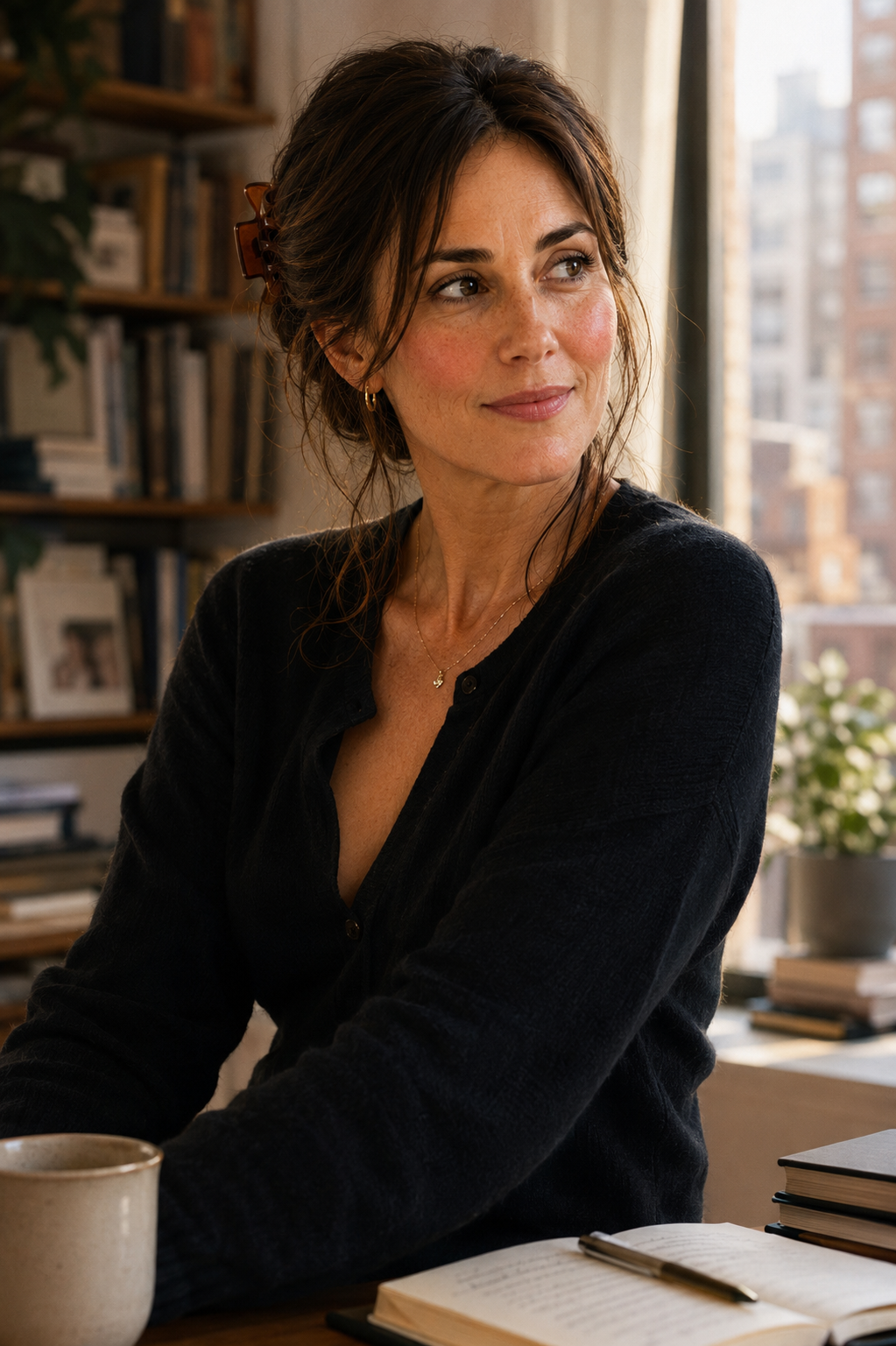
Returns from London for Adam’s funeral, reconciles with Sasha, and reconnects with Marco; they admit their feelings never fully disappeared and head to the reception together.

Survives a serious car accident and remains with Theo in couples therapy; at Adam’s memorial, she apologizes to Mia and ends their two-year estrangement.
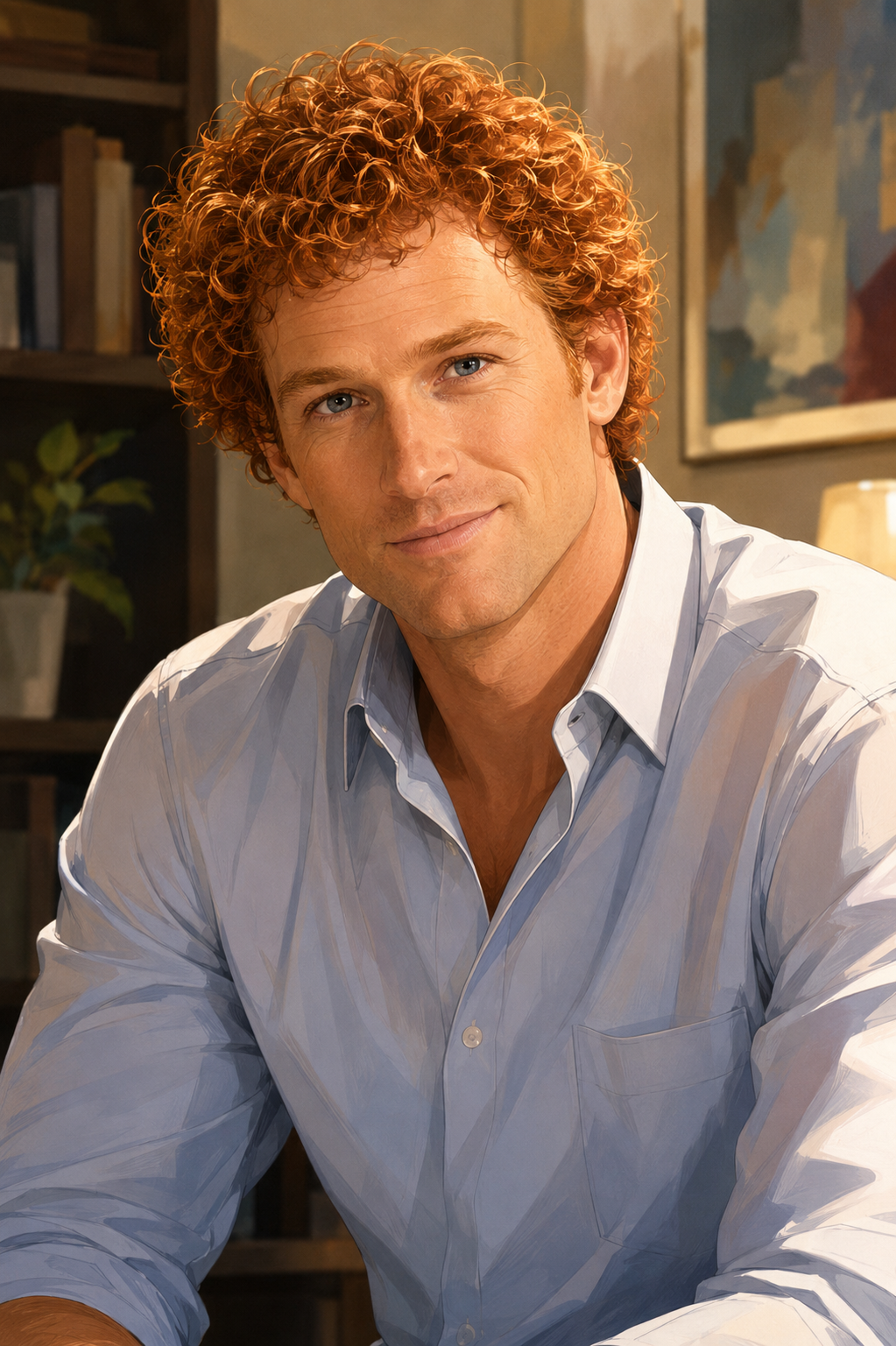
Dies suddenly from hypertrophic cardiomyopathy while Citibiking through Prospect Park with Rami, leaving behind Rami and their young daughter Lucy.
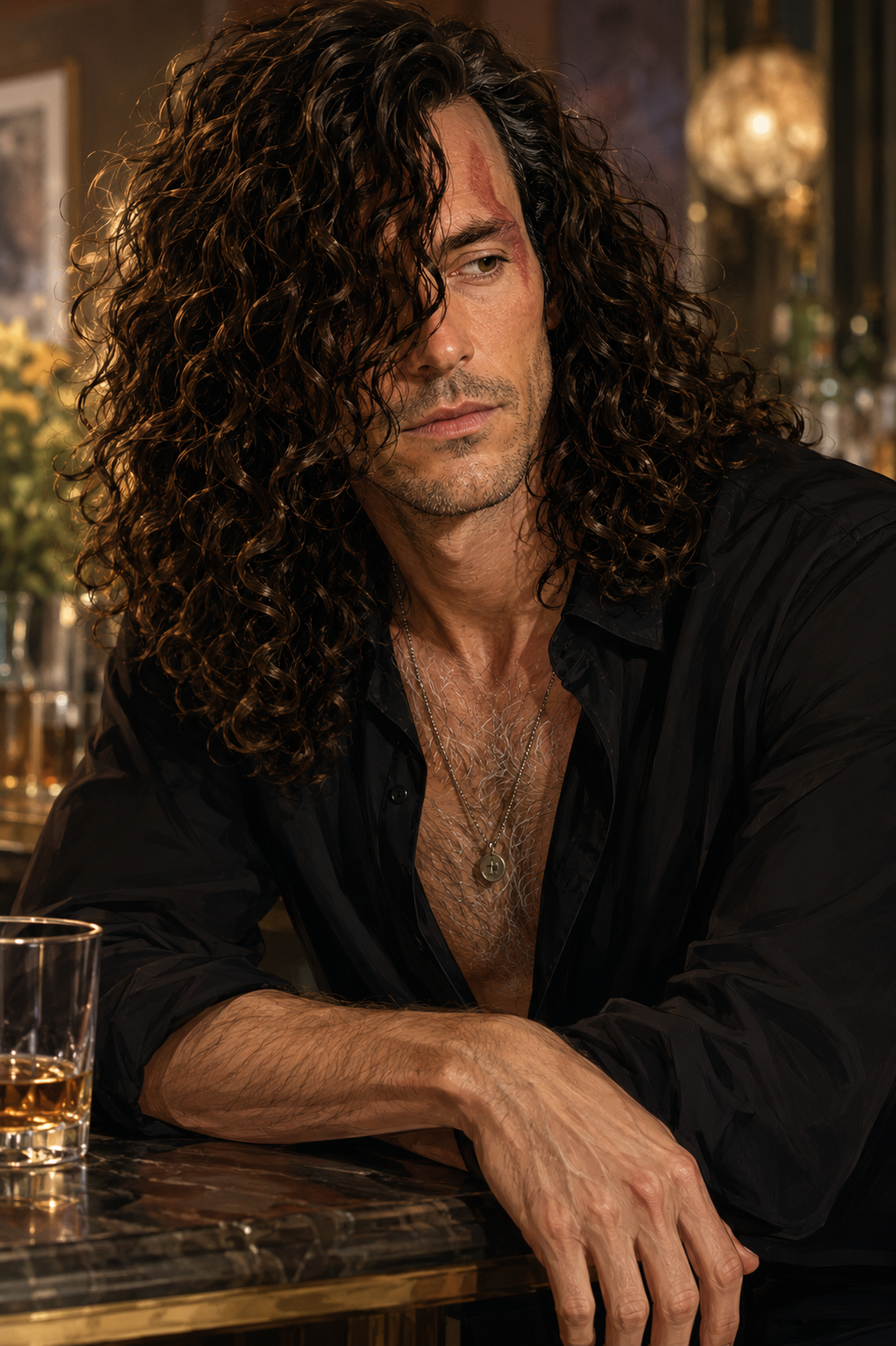
Relapses but returns to sobriety; after finding Adam’s flash drive full of their old photos, he attends the memorial and ultimately refuses a triple bourbon, choosing recovery over another relapse.
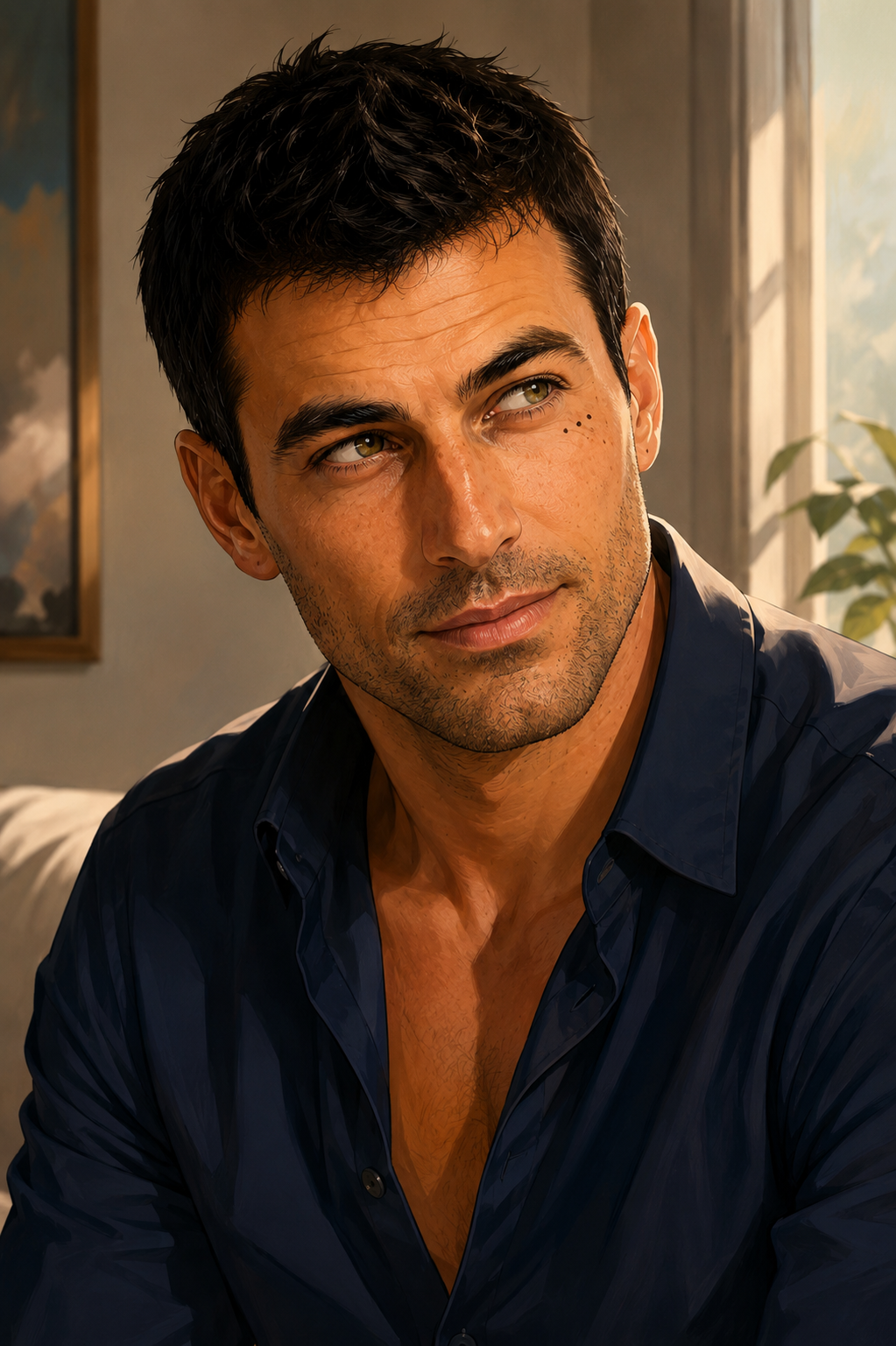
Divorces Emily and admits at Adam’s memorial that he never stopped loving Mia; the novel ends with the two reconnecting and going to the reception together.
🔷 Supporting Characters

Stays with Sasha after learning the truth and, following her car accident, throws himself into “Fixing Things” while they attend couples therapy and attempt to repair their marriage.
Divorces Marco and begins dating fellow surgeon David; instead of attending Adam’s funeral, she goes sailing with David on his yellow-Maserati-owning lifestyle adventure.
Breaks up with Mia after her article is optioned by Warner Bros.; by 2024 he is dating a much younger Vanity Fair writer, and Mia finally gains some closure about their relationship.
Attends Adam’s memorial and finally stands up to Courtney, calling her miserable and declaring that Courtney’s baby looks like Winston Churchill.
Is with Adam when he suddenly dies and is left to raise their daughter Lucy, who notably has Adam’s eyes.
Richie publicly exposes and humiliates him at the Halloween party, after which Mitch is effectively expelled from the group’s lives.
Divorces Geoff and marries dentist Kyle; she appears at Adam’s funeral still making vicious comments about everyone’s aging until Nina finally puts her in her place.
No longer speaks to Courtney but attends Adam’s funeral, where she takes communion despite not being religious because she is so hungry she fears she might pass out.
Remains on the periphery of the group and is last seen offering to go to Miami with Mia after Sasha cancels.
Survives Adam and attends his memorial, where she poignantly observes how many friends he had.
Continues treating Sasha and Theo as they acknowledge that their marriage may never be perfect but decide to keep “hobbling along” together.
Leaves her husband for a fitness influencer and eventually wrecks her carefully cultivated professional image by posting bizarre inflammatory material about trans kids.
Remains married to Courtney in suburban Connecticut, apparently unaware that her decision to marry him was heavily influenced by her age and fear of ending up alone.
They remain at the center of their surviving parents’ lives; most poignantly, Adam’s daughter Lucy has his eyes, leaving Rami and the others with a living reminder of him.
🕳️ Potential Plot Holes
The same Amagansett Labor Day gathering is dated two different years. In the 2024 opening, Mia finds a photo explicitly dated “Amagansett. Labor Day, 2019,” yet the chapter depicting the trip is titled “Amagansett: Labor Day, 2018,” and Mia later remembers it as taking place on Labor Day 2018. Since these references appear to describe the same gathering and the book provides no explanation for the conflicting dates, this appears to be a genuine timeline error.
At the April 2024 memorial, Sasha says she crashed her Volvo and broke four bones in her hand “two years ago,” which would place the accident around spring 2022. However, she is still driving the Volvo without any apparent hand injuries at Halloween in October 2022. The book also refers to the surgery that put titanium screws in her hand as occurring “last year,” suggesting 2023 instead. These details give conflicting dates for when the accident occurred.
📚 Book Club Q&A's
⭐ Final Rating & Thoughts
So Old, So Young really made me think about how friendships change as we get older. I loved the way Grant Ginder captures something that feels incredibly true: most friendships don’t end because of one huge falling-out. Sometimes people simply grow up, move away, get married, have kids, build careers, and slowly become different versions of themselves.
That part of the book really worked for me. Where it lost me was the sheer number of characters and side stories. With six main characters plus all of their partners, families, coworkers, and acquaintances, I sometimes struggled to remember who everyone was. Some storylines also felt like unnecessary detours that pulled me away from the friendships I cared about most.
Still, the emotional core is strong. It’s thoughtful, bittersweet, and a very relatable look at growing older and realizing that friendships have to change along with us.
✨ Adaptation description
As of August 2026, there is no official announcement of any screen adaptation of So Old, So Young.
✨ Books Like So Old, So Young (2026)
See an error on this page?