
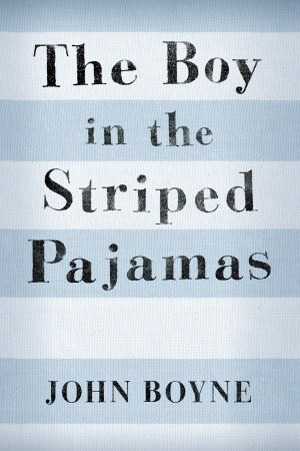
The Boy in the Striped Pajamas (2006)
Series
Select Sections to Print
×Book Details
The Boy in the Striped Pajamas (2006)
Series
Jump to Section
⚠️ Trigger Warnings
- Holocaust atrocities / concentration camps
- Antisemitism and Nazi ideology
- Dehumanization and racial/religious bigotry
- Child imprisonment
- Extreme hunger and malnutrition
- Physical abuse and beatings
- Violence against prisoners
- Gun violence
- Self-harm
- War-related trauma and severe mental distress
- Animal cruelty / death of a dog
- Forced family separation
- Missing family members
- Child death
- Gas chambers
- Implied mass execution / mass murder
- Death and grief
⏱️ 2-Minute Spoiler Summary
Nine-year-old Bruno is forced to leave his comfortable life in Berlin when his Nazi officer father, Ralf, is appointed Commandant of Auschwitz, which Bruno mishears as “Out-With.” From his new bedroom, Bruno can see a concentration camp filled with prisoners wearing striped uniforms, but he is too sheltered to understand what the camp actually is or why the people are imprisoned there.
While exploring the fence, Bruno meets Shmuel, a Jewish boy his exact age who is imprisoned inside the camp. The two become secret friends, meeting almost every day on opposite sides of the fence. Although Shmuel tells Bruno about being forced from his home, transported in a crowded train, separated from his mother, starved, and abused, Bruno never fully grasps the reality of what is happening.
After Bruno’s mother convinces Ralf to send the family back to Berlin, Bruno learns that Shmuel’s father has disappeared. For one final adventure, Shmuel brings Bruno a striped uniform so Bruno can crawl beneath the fence and help search for him.
Once inside, Bruno finally sees the horrific conditions of the camp firsthand and wants to leave. Before he can escape, however, soldiers sweep Bruno and Shmuel into a group of prisoners being marched to a gas chamber. Believing they are merely being taken inside out of the rain, Bruno stays beside Shmuel. When the doors close and the room goes dark, Bruno holds his friend’s hand and tells him that Shmuel is his best friend for life. Both boys are killed.
Bruno’s family initially has no idea what happened. Nearly a year later, Ralf discovers the opening beneath the fence and realizes that Bruno crawled into the camp and was killed by the same extermination system Ralf commanded. Months later, Allied soldiers take Ralf away, and he goes without resistance, no longer caring what happens to him.
📖 Full Spoiler Summary
Bruno Is Forced to Leave Berlin
Nine-year-old Bruno comes home from school one day to discover the family maid, Maria, packing everything he owns. His father, Ralf, has received an important new military assignment, which means Bruno, his mother Elsa, and his twelve-year-old sister Gretel must leave Berlin immediately.
Bruno is devastated. He loves their enormous five-story house, especially its banister, but what he really hates is leaving his three best friends, Karl, Daniel, and Martin. No one seems interested in what Bruno wants, however. His father is a powerful Nazi officer, and his new position as Commandant has come directly from Adolf Hitler, whom Bruno misunderstands as “the Fury.”
Their new home is a miserable place Bruno calls “Out-With.” It is isolated, gloomy, and surrounded by soldiers. There are no neighboring houses and, as far as Bruno can tell, no children to play with.
Then Bruno and Gretel look out his bedroom window.
Beyond the garden is an enormous barbed-wire fence. Behind it are wooden huts, smokestacks, soldiers, and hundreds of men and boys. Everyone on that side wears the same grey striped pyjamas and cap. Bruno cannot understand what kind of place he is looking at, and Gretel is equally confused.
When Bruno asks Father who the people beyond the fence are, Ralf tells him that they aren’t really people, “at least not as we understand the term.” Bruno doesn’t understand what he means.
Bruno Begins Seeing What Happens at Out-With
Although Bruno knows his father only as a stern military man, Maria gives him a more complicated picture. Years earlier, Ralf paid for Maria’s mother’s medical treatment and funeral and later gave Maria a job when she needed one. Because of that kindness, Maria remains intensely loyal to him even though she clearly seems uncomfortable with what is happening around them.
Bruno also meets Lieutenant Kurt Kotler, a nineteen-year-old Nazi officer who spends a great deal of time around the house. Kotler is arrogant and cruel, particularly toward the prisoners forced to work for Bruno’s family.
One of those prisoners is Pavel, a frail older man who prepares vegetables and waits on the family at dinner. After Bruno builds a tyre swing and falls from it, badly cutting his knee, Pavel rushes outside and treats the wound. He reveals that before coming to Out-With, he was a doctor.
Bruno can’t understand how a doctor could have become a servant who peels vegetables.
His mother is disturbed when she learns Pavel treated Bruno. She tells Pavel that if Ralf asks about the injury, they will say she cleaned and bandaged it herself. Bruno assumes she simply wants credit for Pavel’s work, unable to understand that she may actually be protecting him.
Bruno’s confusion about his father’s work is reinforced by memories of his grandmother Nathalie. At their last Christmas together, Bruno’s grandfather Matthias proudly celebrated Ralf’s promotion and Germany’s growing power. Nathalie reacted very differently. Horrified by her son’s uniform and allegiance to the Nazis, she accused him of becoming a “puppet on a string” and participating in terrible things.
At Out-With, however, Bruno receives the opposite message. His new tutor, Herr Liszt, dismisses the adventure stories Bruno loves and concentrates instead on German history and geography, teaching him about the supposed injustices committed against the Fatherland.
Bruno Meets Shmuel
With no friends and nothing interesting to do, Bruno eventually decides to become an explorer. He follows the enormous fence until, after walking for about an hour, he sees a tiny figure sitting on the ground on the other side.
The boy introduces himself as Shmuel.
Shmuel is painfully thin, with greyish skin and enormous sad eyes. He wears the striped clothes Bruno has seen from his window and an armband bearing the Star of David. Despite the fence separating them, the boys quickly discover something remarkable: both were born on April 15, 1934.
Their lives, however, could hardly be more different.
Shmuel tells Bruno that he once lived in Cracow with his parents and brother Josef. His father was a watchmaker and his mother a teacher. Then the family was forced to wear armbands. After that, they were removed from their home and crowded into a room with other people. Eventually soldiers packed them onto a train and brought them to Out-With, where Shmuel’s mother was separated from the rest of the family.
Bruno listens without truly comprehending what Shmuel is describing. He has been so sheltered that he doesn’t understand why Shmuel is imprisoned or what the camp actually is.
The reader already knows something Bruno doesn’t: his father’s promotion was responsible for bringing the family here. Before leaving Berlin, the Fury himself came to dinner with Eva Braun. Bruno thought Hitler was short, rude, and unpleasant, while Eva was friendly toward him and Gretel. After the dinner, Bruno overheard his parents arguing about the assignment. Elsa clearly never wanted her family brought anywhere near Out-With.
Their Secret Friendship Grows
Bruno begins visiting Shmuel almost every afternoon. He brings food when he can, and the boys sit on opposite sides of the fence talking about their lives.
Their friendship exposes how little Bruno understands about the world around him. Shmuel describes hunger, imprisonment, disappearing family members, and violence, while Bruno continues comparing Shmuel’s experiences to his own relatively trivial problems. He even tells Shmuel that he wants to become a soldier like his father, unable to connect the soldiers he admires with the suffering happening directly in front of him.
Inside Bruno’s house, that cruelty becomes increasingly impossible to ignore.
During dinner one evening, Pavel is so weak that his hands shake as he serves Lieutenant Kotler. Kotler is already under pressure because Ralf has been questioning him about his father, a professor who fled Germany for Switzerland in 1938. The implication that Kotler’s father might oppose the Nazi regime leaves the young lieutenant terrified about what this could mean for his own career.
When Pavel accidentally spills wine on him, Kotler explodes. He brutally attacks the elderly prisoner while Bruno’s family does nothing to stop him. Pavel subsequently disappears from the household.
Bruno Betrays Shmuel
One afternoon, Bruno is stunned to find Shmuel inside his family’s kitchen. Kotler has brought him from the camp because his tiny fingers make him suitable for polishing dozens of small glasses.
Shmuel is desperately hungry, so Bruno gives him some chicken. He devours it almost instantly.
Then Kotler enters.
When he realizes Shmuel has been eating, Shmuel explains that Bruno gave him the food because Bruno is his friend. Terrified that Kotler will punish him too, Bruno panics and denies everything. He claims he has never seen Shmuel before.
Shmuel disappears from their usual meeting place for several days. Bruno is overwhelmed with guilt. When Shmuel finally returns, his face is badly bruised. Bruno apologizes repeatedly for betraying him, and Shmuel forgives him. For the first time, they reach beneath the fence and shake hands.
Their friendship continues as Bruno’s own family begins falling apart. His grandmother dies in Berlin. Kotler is eventually transferred away. Elsa becomes increasingly miserable, while Gretel, now thirteen, abandons her dolls and begins following the war on maps.
Gretel also finally explains something Bruno has never understood: the people behind the fence are Jews, while their family is part of what Bruno mishears as “the Opposite.” The fence exists specifically to keep the two groups separated.
Around the same time, lice spread through the household, and Bruno’s head is shaved. When he looks at himself afterward, he realizes he suddenly looks much more like Shmuel.
Bruno Crosses the Fence
Eventually Elsa insists that she cannot continue living at Out-With. Even Ralf concedes that the camp is no place for children, and it is decided that Elsa, Bruno, and Gretel will return to Berlin.
Bruno should be thrilled. Instead, after nearly a year at Out-With, he realizes he doesn’t want to leave Shmuel.
Their approaching separation becomes even more painful when Shmuel reveals that his father has disappeared after leaving for a work assignment. No one will tell Shmuel what happened to him.
The boys decide on one final adventure.
Because Bruno’s shaved head makes him look like the prisoners, Shmuel will bring him a spare pair of striped pyjamas. Bruno will crawl underneath the fence, disguise himself, and help search for Shmuel’s father.
The next afternoon, Bruno leaves his clothes and boots beside the fence, changes into the striped uniform, and squeezes underneath.
For the first time, he sees Out-With from the inside.
Bruno had imagined that the people he watched from his window might live somewhat normal lives when the soldiers weren’t around. Instead, he finds starving, hollow-eyed prisoners packed together in filthy conditions while armed soldiers scream at and terrorize them.
Bruno immediately wants to go home.
He stays because he promised Shmuel they would search for his father, but they find no sign of him. Before Bruno can return to the fence, soldiers surround a large group of prisoners that includes both boys and order everyone to march.
Bruno and Shmuel are trapped inside the crowd.
Rain begins pouring down as they are herded into a long, enclosed room. Bruno assumes they have been brought inside to escape the storm and is relieved to be somewhere warm.
Then the doors are locked.
The room goes completely dark. People begin panicking around them, but Bruno refuses to release Shmuel’s hand. He tells Shmuel that he is his best friend for life.
The boys are still holding hands when they are killed together in the gas chamber.
Bruno’s Family Discovers What Happened
Bruno simply disappears.
His family searches desperately, but the only clue is the pile of clothes and boots found beside the fence. Elsa remains at Out-With for months hoping Bruno will somehow return, then eventually goes back to Berlin, clinging to the impossible hope that he might have gone there on his own. Gretel goes with her and spends much of her time grieving alone.
Ralf remains Commandant.
Nearly a year after Bruno’s disappearance, he returns to the place where his son’s clothes were found. This time, he notices the gap underneath the fence. Following the evidence, he finally understands what Bruno must have done.
He realizes that his own son crawled into the concentration camp he commanded and was swept into the machinery of extermination operating there.
Ralf collapses.
Several months later, Allied soldiers arrive and take him away. By then, the loss of Bruno has left him so broken that he offers no resistance and no longer cares what happens to him.
The novel ends after Bruno and Shmuel’s deaths, with Bruno’s family destroyed and Ralf finally forced to understand that the system of dehumanization and murder he helped operate ultimately killed his own child.
🔚 Ending Explained
How the Book Ends
The ending of The Boy in the Striped Pajamas begins on a cold, rainy Friday afternoon, when Bruno finally crosses the fence that has separated him from Shmuel for nearly a year.
After a lice outbreak leaves Bruno with a shaved head, Shmuel brings him a dirty pair of striped pyjamas so he can blend in with the prisoners. Bruno leaves his clothes and boots behind, changes into the uniform, and crawls beneath a loose section of the fence. He sees it as one last adventure before his family leaves Auschwitz: he and Shmuel will finally explore together, and Bruno will help search for Shmuel’s father, who disappeared after leaving for work several days earlier.
The moment Bruno enters the camp, however, the imaginary world he has constructed in his head disappears. From his bedroom window, he had wondered why the people on the other side never seemed to have fun. Now he sees the reality up close: crowds of thin, frightened people with shaved heads, miserable huts, mud everywhere, and armed soldiers watching over them. There are no cafés, shops, games, or happy families. Bruno quickly becomes frightened and tells Shmuel that he wants to go home.
But before the boys can make it back to the fence, a whistle sounds.
Soldiers surround a large group of prisoners, Bruno and Shmuel among them, and force them to march together. Rain begins pouring down as the group is herded into a long, enclosed room. Bruno still doesn’t understand what is happening. He assumes they have been brought inside because of the storm and is relieved to be somewhere warm and dry.
Then the heavy metal door closes behind them.
The room goes completely dark, and panic erupts around the boys. Bruno reaches for Shmuel’s hand and holds it tightly. In their final moment together, he tells Shmuel, “You’re my best friend, Shmuel… My best friend for life.” Bruno refuses to let go of his hand.
Nothing more is ever heard of either boy.
Bruno’s family has no idea what happened to him. His abandoned clothes are eventually discovered beside the fence, but no one initially understands what they mean. Mother remains at Auschwitz for several months, desperately hoping Bruno will somehow return, before eventually going back to Berlin. Gretel goes with her and spends much of her time alone in her room, grieving for her brother.
Father stays behind.
Nearly a year after Bruno disappears, he returns to the place where his son’s clothes were found. This time, he notices the gap beneath the fence. He pieces together what Bruno must have done and finally understands where his son went—and what must have happened to him.
The realization destroys him.
The commandant of Auschwitz has spent his life enforcing the distinction between the people on his side of the fence and those imprisoned on the other. Now he understands that his own son crossed that boundary and was killed by the same machinery of death Father helped operate. He collapses to the ground.
Months later, when Allied soldiers arrive and order Father to accompany them, he no longer cares what happens to him. He goes without resistance.
The novel ends with one final, deliberately unsettling observation: all of this happened a long time ago, and surely nothing like it could ever happen again.
“Not in this day and age.”
What the Ending Means
The ending is built around one devastating idea: the divisions people create between one another are artificial, but the consequences of believing in them can be horrifyingly real.
The Striped Pyjamas
The striped uniform initially represents everything that separates Bruno from Shmuel. Bruno has clothes, shoes, food, a home, and freedom; Shmuel has been reduced to a number and a uniform shared by thousands of other prisoners.
But when Bruno puts on the pyjamas and Shmuel looks at him, something remarkable happens: the distinction almost disappears. With both boys bald and dressed alike, Shmuel observes that they look almost exactly the same.
That is the cruel point.
Nothing fundamental ever separated them in the first place. They are both nine-year-old boys. The enormous difference in how the Nazi system values their lives exists only because adults have constructed categories around them.
Once Bruno loses the outward signs of his privilege, the system cannot distinguish the commandant’s son from the Jewish child it intends to murder.
Crossing the Fence
For most of the novel, the fence represents the physical and ideological boundary between Bruno’s world and Shmuel’s. Bruno lives beside unimaginable suffering while remaining almost completely protected from understanding it.
Crossing underneath the fence destroys that protection.
Bruno has spent months looking at the camp without truly seeing it. Only after entering Shmuel’s world does he discover how wrong his imagined version of it was. His abandoned clothes and expensive boots become symbols of the privileged identity he has temporarily left behind.
The tragedy is that Bruno learns the truth only when it is too late to escape it.
Bruno’s Final Choice
Bruno does want to leave. Once he sees what the camp is actually like, his adventurous excitement disappears almost immediately.
Yet he doesn’t simply abandon Shmuel.
He crossed the fence because he promised to help find Shmuel’s missing father, and his loyalty to his friend keeps him there longer than his fear otherwise would have. That decision ultimately leads him into the group being sent to the gas chamber.
His final act is therefore not one of understanding but of friendship. Bruno never comprehends the ideology that condemned Shmuel. He simply knows that Shmuel is his friend.
That makes the image of their clasped hands especially important. In a place designed around categorizing, separating, and dehumanizing people, the boys’ final instinct is to hold onto one another.
Father’s Realization
Father’s fate delivers the novel’s harshest form of tragic irony.
Earlier, when Bruno asks who the people beyond the fence are, Father tells him that they are not really people—at least not according to the worldview Father has accepted.
The ending forces him to confront where that belief leads.
The gas chamber does not recognize Bruno as the commandant’s son. Once he is bald, barefoot, and wearing striped pyjamas, he becomes indistinguishable from the children Father has allowed to be murdered.
And Father’s own intelligence ultimately becomes his punishment. He carefully reconstructs Bruno’s movements, notices the opening beneath the fence, and works out exactly what happened. The man responsible for maintaining an efficient system of extermination is forced to understand that the same system killed his child.
His collapse is therefore more than grief. It is the destruction of the boundary on which his entire worldview depended.
The Tragic Irony of Bruno’s Death
The reader understands Bruno’s fate long before Bruno does.
He thinks the prisoners’ uniforms are pyjamas. He thinks Auschwitz is “Out-With.” He interprets the gas chamber as somewhere the prisoners have been taken to escape the rain.
That gap between what Bruno believes is happening and what the reader knows is happening creates the ending’s unbearable tension.
His innocence cannot protect him from the consequences of the adult world around him. In fact, it makes him especially vulnerable to it.
The Final Line
The closing sentence changes the ending from a historical tragedy into a warning.
When the narrator says that something like this could never happen again—“Not in this day and age”—the statement is deliberately ironic. The reader is not supposed to accept it.
Boyne is challenging the comforting belief that atrocities belong safely to the past.
The Holocaust did not emerge from nowhere. It depended upon dehumanization, obedience, prejudice, indifference, and ordinary people accepting increasingly extreme divisions between those considered worthy of protection and those who were not.
That makes the fence the novel’s most important image. It is not merely the physical barrier surrounding Auschwitz. It represents the psychological boundaries people construct between “us” and “them.”
Bruno spends almost the entire novel on one side of that fence and Shmuel on the other. Yet the moment the external markers separating them disappear, they are revealed for what they always were: two remarkably similar little boys.
And in the darkness, when every other distinction has finally become meaningless, the last thing that matters is that they are still holding hands.
👤 Characters & Fates
🔶 Main Characters
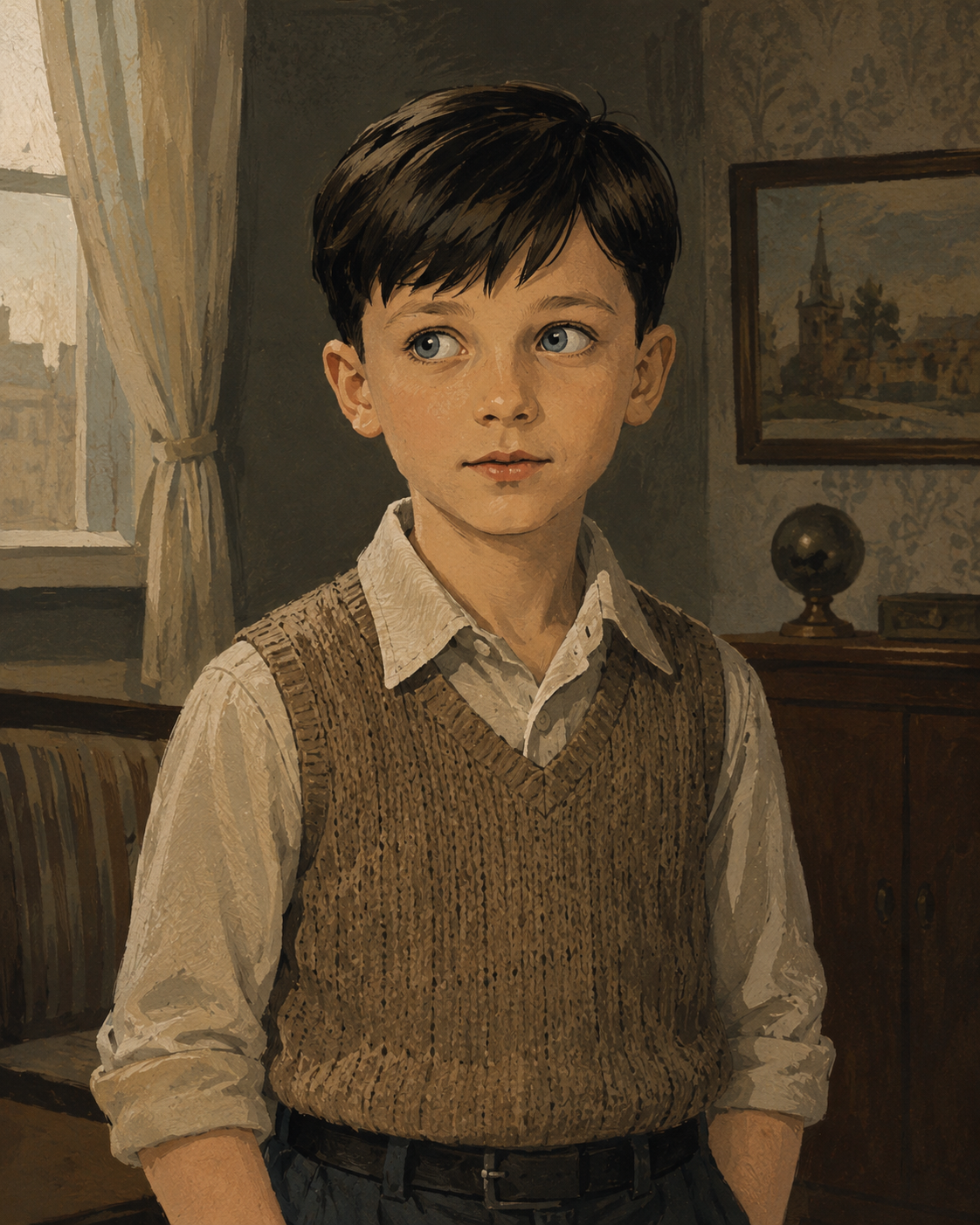
Crawls beneath the fence disguised in striped pajamas to help Shmuel find his missing father. He is caught in a forced march and dies holding Shmuel’s hand inside a gas chamber; his father later realizes he unknowingly ordered his own son’s death.
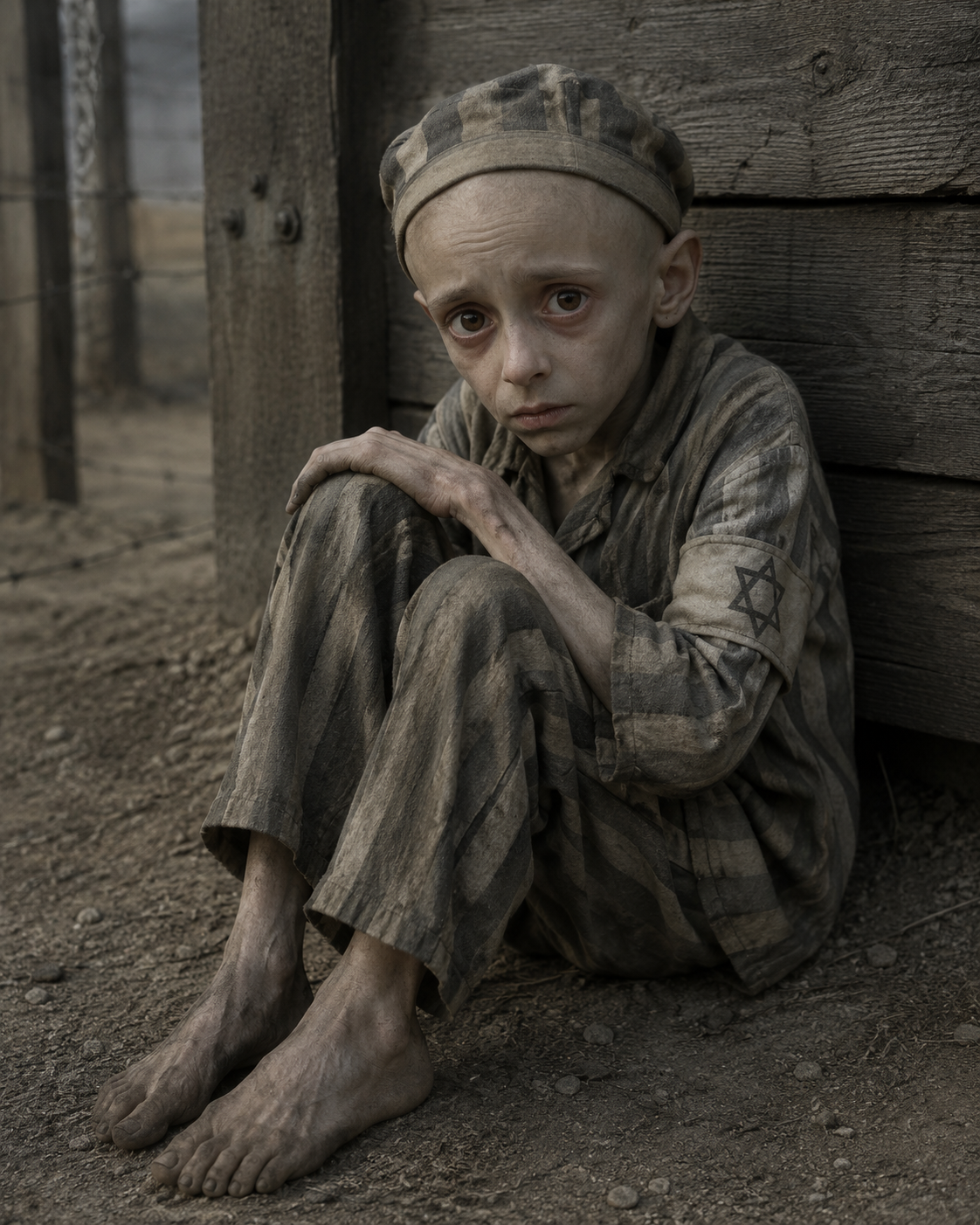
Endures starvation, abuse, and separation from his family before his father disappears. Bruno enters the camp to help search for him, but both boys are swept into a gas chamber and killed while holding hands.
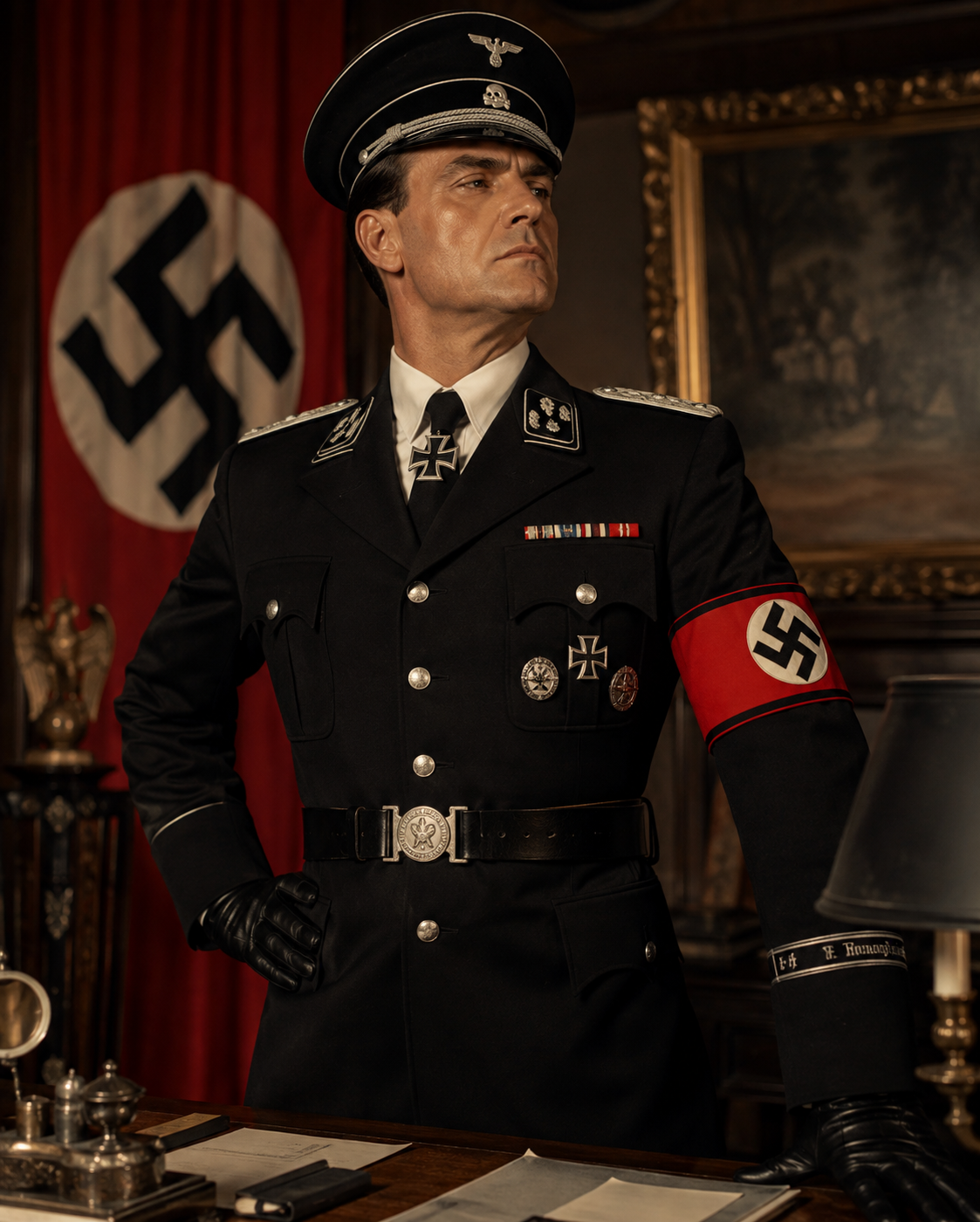
After Bruno disappears, he discovers the opening beneath the fence and realizes Bruno entered the camp and was killed in a gassing he helped oversee. Completely broken, he remains at Auschwitz until Allied soldiers take him away, offering no resistance.
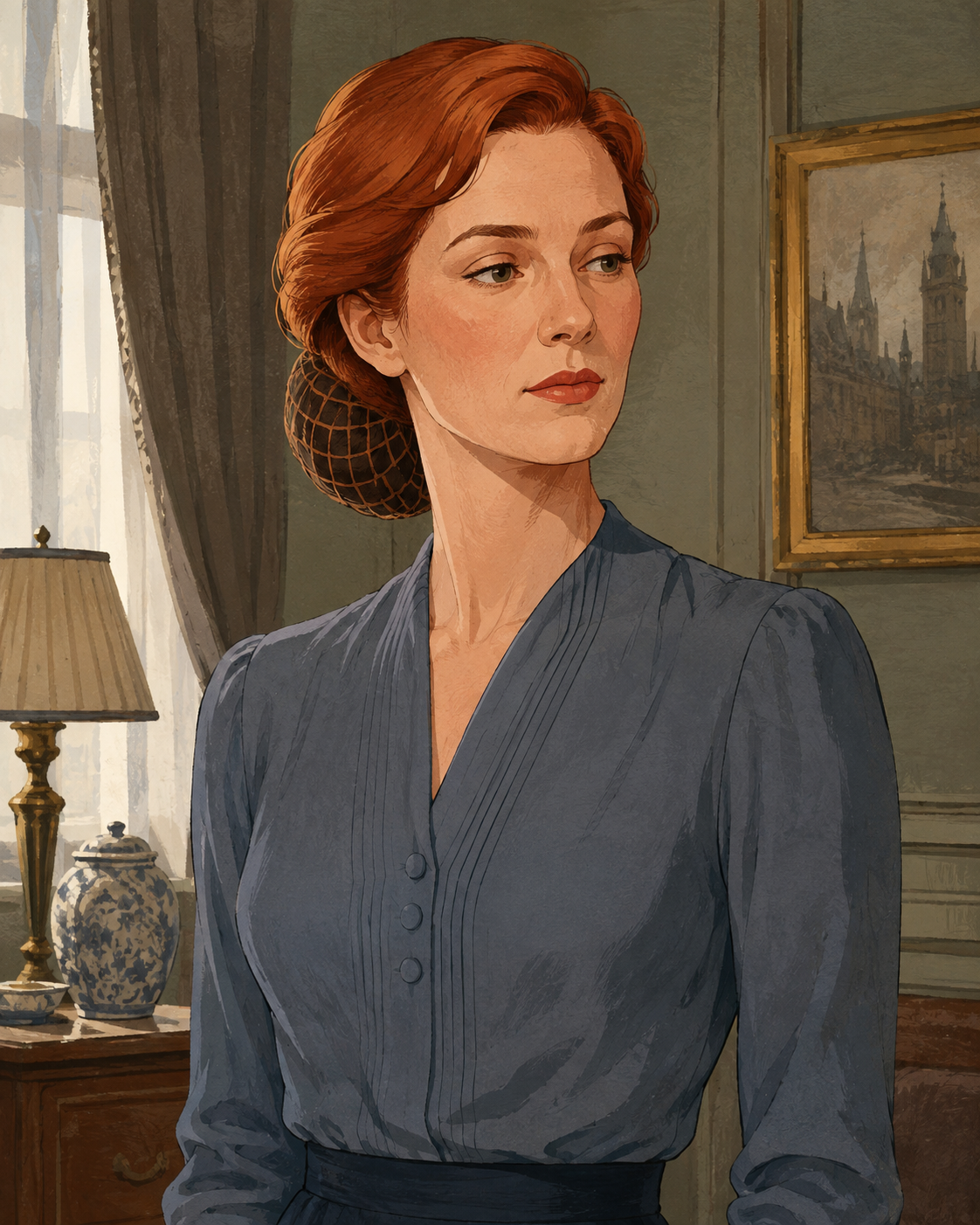
Finally convinces Ralf to let her take the children back to Berlin, but Bruno disappears before they leave. She remains near Auschwitz for months searching for him before returning to Berlin, still desperately hoping he somehow went home alone.
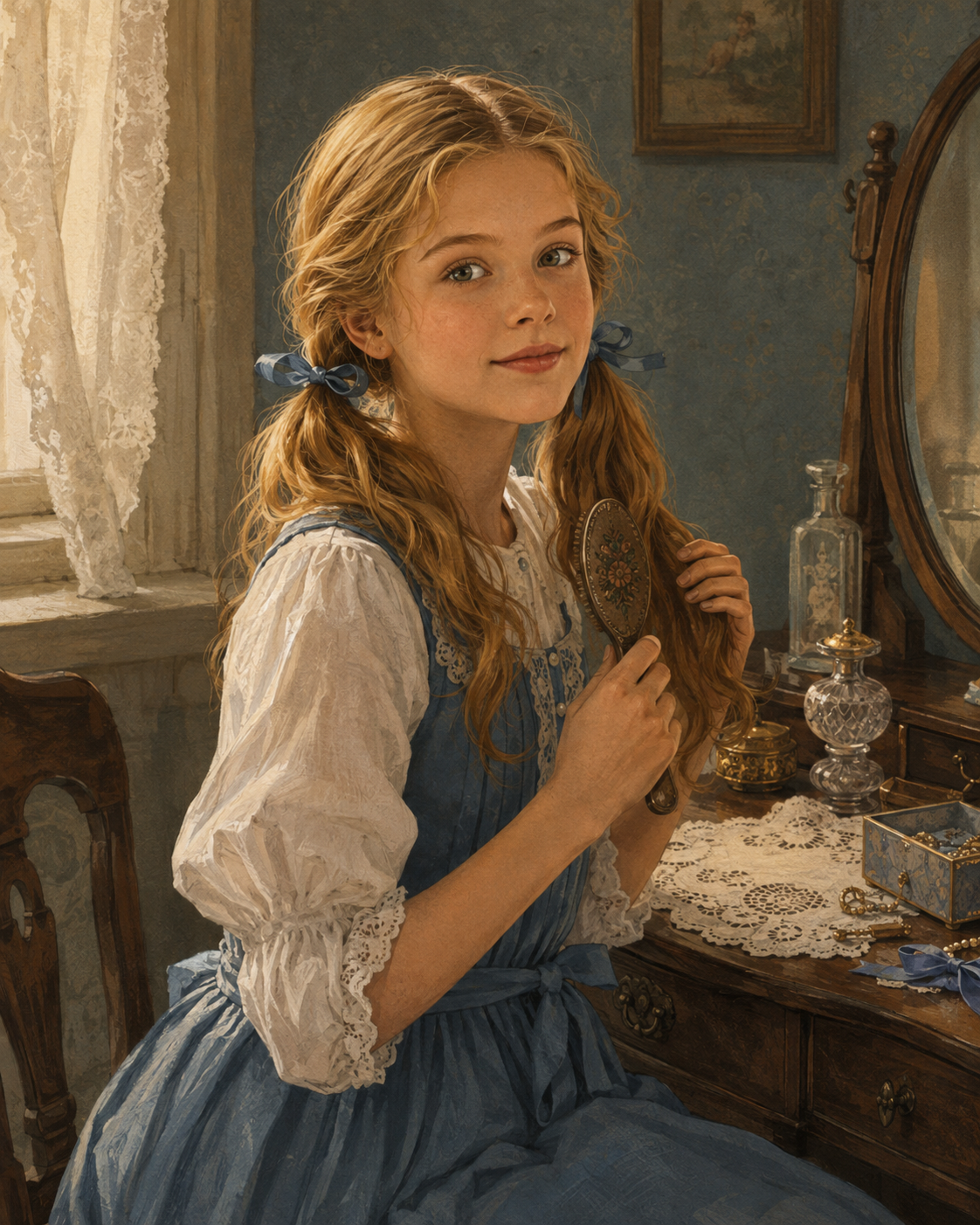
Returns to Berlin with Mother after Bruno disappears. Devastated by his presumed death, she spends hours alone crying in her room.
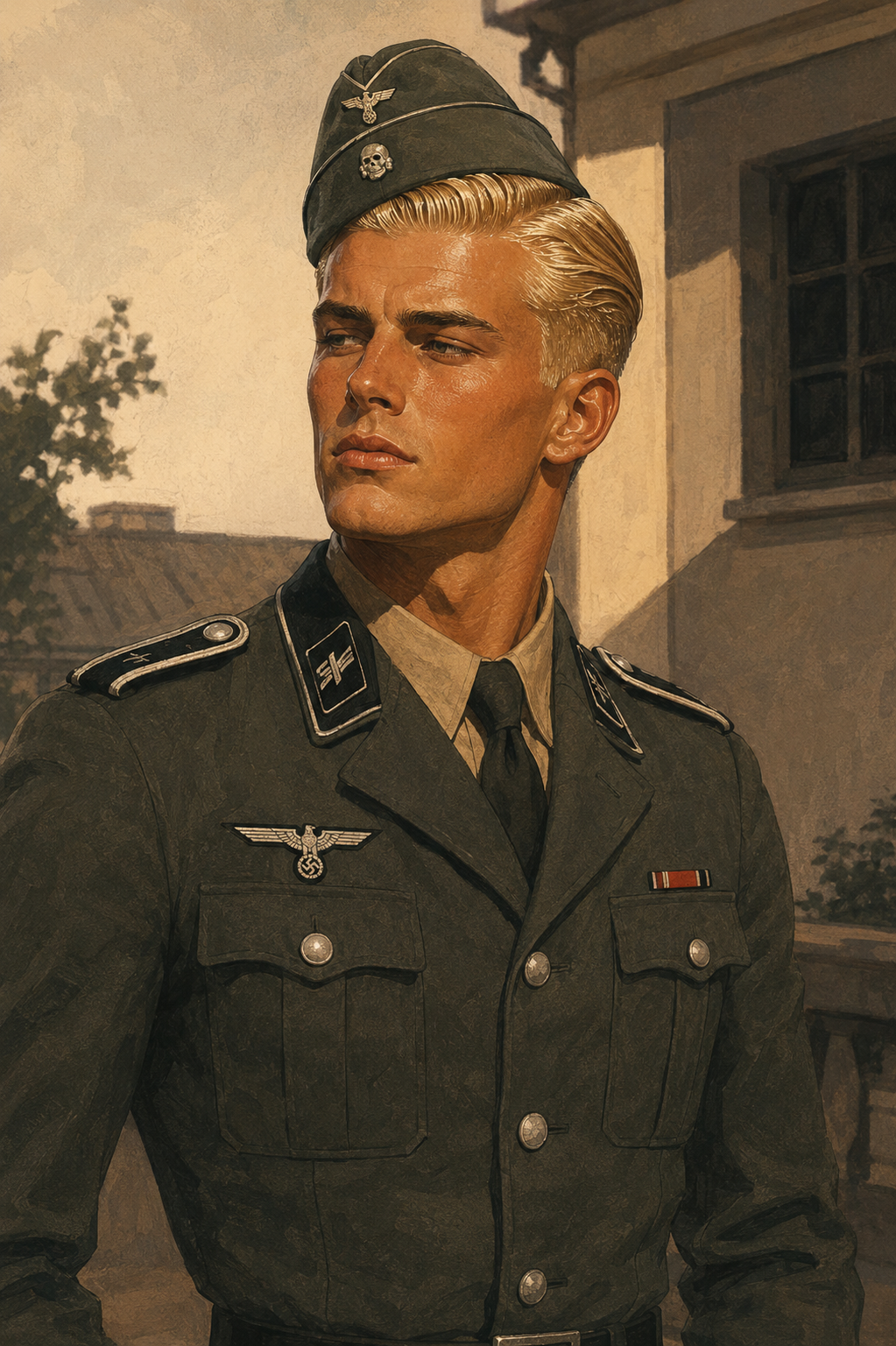
Brutally beats Pavel after the elderly prisoner spills wine and abuses other prisoners without remorse. After Ralf discovers that Kotler’s father fled Germany for Switzerland, Kotler is abruptly transferred away; the novel also strongly hints at an inappropriate intimacy between him and Elsa.
🔷 Supporting Characters

Continues serving the family at Auschwitz and survives within the events covered by the novel.
Continues working for the family at Auschwitz; no later fate is given.
Remains in Berlin and gradually fades from Bruno’s memory during his year away.
Remains in Berlin and is eventually almost completely forgotten by Bruno.
Remains in Berlin and fades from Bruno’s memory; by Bruno’s final moments, his old friends are essentially forgotten.
Remains in Berlin, attends his wife’s funeral, and is later described by Ralf as having become senile.
Becomes estranged from Ralf after denouncing him and later dies in Berlin. Hitler sends a wreath to her funeral, which Elsa remarks would have made her furious.
Treats Bruno’s injured knee after his swing accident but becomes progressively weaker from starvation. After accidentally spilling wine on Kotler, he is savagely beaten and never appears again, strongly implying that the beating kills him.
Remains in Berlin, where his war injuries continue to cause bizarre and distressed behavior.
Continues teaching the children until plans are made for Bruno and Gretel to return to Berlin.
Remains Germany’s dictator during the novel and sends a wreath to Grandmother’s funeral; his historical death occurs beyond the story’s depicted events.
Leaves with Hitler after dinner and otherwise disappears from Bruno’s story.
His ultimate fate is never revealed after the family’s imprisonment.
Disappears from Shmuel’s story after the ghetto period; his ultimate fate is unknown.
His ultimate fate is never revealed.
🕳️ Potential Plot Holes
Bruno is nine years old, has grown up in Berlin during the Nazi regime, and is the son of a high-ranking SS officer who is personally promoted by Hitler. Yet he apparently does not know what a Jew is, does not understand what his father does, and repeatedly hears “Führer” as “the Fury” and “Auschwitz” as “Out-With.” A sheltered child could certainly fail to understand the Holocaust, but Bruno’s near-total ignorance of the basic political vocabulary surrounding his own family and everyday life is difficult to reconcile with his upbringing.
Bruno is able to walk along the perimeter of Auschwitz, eventually reaching an isolated section where he meets Shmuel. He then returns almost every afternoon for roughly a year, sitting beside the fence and talking to a prisoner without either boy ever being discovered. The climax requires the same stretch of logic: Bruno changes clothes beside the fence and crawls underneath it through an unsecured gap. For the friendship at the center of the novel to exist, the perimeter of one of Nazi Germany’s most important concentration and extermination camps effectively has to remain unguarded whenever the plot requires it.
Shmuel is a Jewish child imprisoned at Auschwitz, yet he can repeatedly leave wherever he is supposed to be, travel to an isolated stretch of the perimeter, and spend long periods sitting beside the fence. He apparently does this almost every afternoon without guards noticing his absence or discovering him. The novel never provides a convincing explanation for why a severely malnourished nine-year-old prisoner has this extraordinary degree of freedom inside the camp.
Before Bruno enters the camp, Shmuel obtains an entire spare set of striped prisoner clothing approximately Bruno’s size and carries it to their meeting place. This requires a child prisoner to locate stored clothing, take it without being noticed, conceal it, and transport it across the camp to the fence. Combined with Shmuel’s already remarkable freedom of movement, the theft is another major convenience necessary to make the ending possible.
The novel places the Commandant’s family home close enough to the prisoners that Bruno can see the camp from his bedroom and simply walk from his garden until he reaches the fence. The real Auschwitz complex did include an SS commandant’s residence near Auschwitz I, but the geography and security arrangements were not equivalent to the fictional setup that allows a commandant’s child to wander directly to an accessible prisoner perimeter and establish an undetected friendship there. The fictional geography compresses and rearranges Auschwitz to make Bruno and Shmuel’s meetings possible.
One of the largest historical problems with the premise is Shmuel himself. Auschwitz was not simply a prison where Jewish families arrived and children lived indefinitely alongside their parents. During the period represented by the novel, Jewish deportees underwent selection, and young children were overwhelmingly among those considered unable to work and murdered shortly after arrival. A nine-year-old like Shmuel surviving long enough to spend roughly a year casually meeting Bruno requires an exceptional circumstance that the novel never supplies.
The novel visually reduces Auschwitz to a strikingly simple division: Bruno and the German world on one side of the fence, Shmuel and the Jewish prisoners on the other. The actual Auschwitz complex was divided into different camps, compounds, barracks, work areas, security zones, and restricted SS spaces. The idea that the Commandant’s young son could stroll from his house to a fence directly bordering an area where a Jewish child could freely sit every day drastically simplifies the physical organization of the camp.
After crawling beneath the fence, Bruno changes into prisoner clothing and spends time walking around Auschwitz with Shmuel. He is then swept into a group of prisoners being taken to a gas chamber without anyone identifying him as an outsider. For this to happen, no guard notices a child entering beneath the perimeter fence, no one notices his abandoned civilian clothing and boots outside it, no one notices two children wandering around searching for Shmuel’s father, and no one questions the presence of an unidentified child during the prisoners’ movement. The ending works emotionally, but mechanically it depends upon nearly every layer of camp security failing simultaneously.
Bruno’s mother and the other civilians surrounding the Commandant are portrayed as remarkably insulated from what is occurring at Auschwitz, helping create the impression that even people intimately connected to senior Nazi officials might have had little understanding of the persecution happening around them. This is not simply dramatic license involving Bruno. It reinforces the broader historical misconception that ordinary Germans were largely unaware of Nazi persecution and therefore primarily passive or deceived bystanders.
Because the story must allow Shmuel to survive, wander around, converse with Bruno, and search for his missing father, the camp functions much more like a loosely controlled prison than Auschwitz actually did. The mechanisms of deportation, selection, forced labor, systematic murder, prisoner categorization, surveillance, and mass killing are largely removed from Shmuel’s experience until the ending. That simplification is especially significant because Auschwitz was both a concentration-camp complex and the largest Nazi killing center.
The novel’s final horror is structured around Bruno accidentally suffering the fate intended for Jewish prisoners. His father searches desperately for him, eventually realizes what happened, and the reader is invited to experience the catastrophe through the destruction of Bruno’s family. Shmuel, his father, and the other murdered Jewish prisoners effectively disappear from the narrative. This is not a literal continuity error, but it is one of the book’s most controversial historical and narrative distortions: the Holocaust becomes emotionally comprehensible through the imagined suffering of a Nazi perpetrator’s family rather than through the millions of actual victims.
Bruno’s ignorance is understandable as a literary device, but when combined with Mother’s sheltered existence and the household’s limited acknowledgment of what is happening nearby, the novel creates a world in which Nazi persecution seems almost secret. The Holocaust was not simply an isolated operation occurring behind concentration-camp fences. Jews had already been publicly excluded from German schools, professions, businesses, neighborhoods, and civic life; antisemitic propaganda and legislation were pervasive; deportations occurred in public view; and persecution had escalated over years. Bruno might not have understood what Auschwitz was, but the complete absence of Jews and antisemitism from his understanding of Germany is historically implausible.
📚 Book Club Q&A's
⭐ Final Rating & Thoughts
I wanted to be devastated by The Boy in the Striped Pajamas. Instead, I spent most of the book frustrated by how much disbelief the story required from me.
I understand that this is fiction—and that John Boyne intended it as a fable about innocence, friendship, and prejudice rather than a historically accurate account of Auschwitz. But once you choose a real concentration camp as the setting, I don't think you can completely separate the story from the history. Too many of the events necessary for this plot to work depend on Auschwitz functioning in ways it simply didn't.
That might bother me less if this were just a novel adults picked up for entertainment. But knowing how frequently it's assigned to children as part of Holocaust education makes those inaccuracies much harder for me to overlook.
The basic idea had the potential to be incredibly moving, and I can understand why the ending has affected so many readers. Unfortunately, I was so distracted by the implausibility of everything leading up to it that the emotional impact never landed for me.
I didn't finish this heartbroken. I finished it irritated—and wondering why, with so many extraordinary books about the Holocaust available, this is the one so many classrooms continue to choose.
✨ Adaptation description
John Boyne’s 2006 novel The Boy in the Striped Pajamas was adapted into the 2008 historical drama film The Boy in the Striped Pyjamas, released in North America as The Boy in the Striped Pajamas. The film was written and directed by Mark Herman, produced by David Heyman, and produced through Heyday Films, with Miramax involved in its release.
The film stars Asa Butterfield as Bruno, Jack Scanlon as Shmuel, Vera Farmiga as Bruno’s mother Elsa, David Thewlis as his father Ralf, Amber Beattie as Gretel, and Rupert Friend as Lieutenant Kotler.
Although the film preserves the novel’s central story and ending, it makes several changes to the characters, pacing, and presentation of Nazi persecution.
Key Differences
Bruno’s age is changed. Bruno is nine years old in the novel but eight in the film. The change reinforces his youth and makes his lack of understanding somewhat easier to accept on screen.
The opening is expanded. The novel begins with Bruno returning home and discovering Maria packing his belongings because the family is moving. The film first shows Bruno running through Berlin with his friends, surrounded by Nazi banners and soldiers, before he returns home and learns about the move. The film therefore establishes Nazi Germany visually before Bruno understands that his own life is about to change.
The family’s departure from Berlin is dramatized. Rather than relying as heavily on Bruno’s memories of Berlin, the film shows more of the family’s transition from their comfortable urban life to the isolated house near the camp.
Tone Changes
The novel presents itself as “A Fable” and filters almost everything through Bruno’s extraordinarily limited understanding. Much of the horror therefore exists in the gap between what Bruno thinks he sees and what the reader understands is actually happening.
The film retains Bruno’s limited perspective but cannot reproduce that device as completely. The audience can directly see the barbed-wire fence, starving prisoners, armed guards, violence, smoke from the camp, and Shmuel’s deteriorating physical condition.
As a result, the film becomes a more conventional historical drama, while the novel relies more heavily on allegory, linguistic misunderstanding, and dramatic irony.
Structural Changes
The novel contains numerous memories and retrospective passages about Bruno’s former life in Berlin. The film streamlines much of this material and follows a more immediately chronological progression.
One particularly important omission is Hitler and Eva Braun’s visit to the family home. In the novel, Bruno remembers the Führer coming to dinner before Father receives his new assignment. That encounter does not appear as a corresponding scene in the film.
The film also substantially restructures the final sequence. The novel reveals Bruno’s disappearance and death and then continues into the aftermath, describing how his clothes are eventually discovered beside the fence and how his family deteriorates following his disappearance.
The movie instead turns Bruno’s disappearance into a cross-cut race against time. While Bruno and Shmuel are being herded toward the gas chamber, Elsa discovers that Bruno is missing, Ralf organizes a search, and the family traces his route toward the camp. Ralf ultimately realizes what has happened only after it is too late.
The film therefore makes the same basic outcome considerably more immediate and suspenseful.
Character Changes
Elsa is expanded significantly. The film gives Bruno’s mother a much more visible confrontation with what her husband’s work actually entails. Lieutenant Kotler makes a remark about the smoke from the camp, causing her to realize that people are being burned there. Her horror at the camp and growing conflict with Ralf subsequently become a substantial subplot.
The novel also depicts Mother becoming increasingly miserable at Out-With and eventually insisting that she and the children return to Berlin, but the film makes her moral revulsion and confrontation with her husband much more explicit.
Gretel’s indoctrination becomes much more visual. Her growing attraction to Nazi ideology exists in the novel, particularly through her interest in maps, current events, and Lieutenant Kotler. The film translates this into striking visual shorthand: her dolls disappear and her room becomes covered with Nazi imagery and propaganda.
Ralf becomes more directly associated with the machinery of the camp. Because the audience can see his military environment and his family’s reactions to it, his position as commandant becomes more concrete than it is through Bruno’s deliberately confused narration.
Shmuel receives less narrative space. The essential friendship remains, including Bruno bringing him food, Shmuel working inside Bruno’s house, Bruno denying knowing him when Kotler discovers them, and Bruno later entering the camp to help search for Shmuel’s father. But the compression required by the film reduces some of the boys’ conversations and the gradual development of their friendship.
What the Adaptation Emphasizes
The film places considerably more emphasis on Nazi propaganda and indoctrination.
Bruno and Gretel receive lessons from Herr Liszt, whose teaching promotes Nazi racial ideology. Gretel increasingly accepts what she is being taught, while Bruno struggles to reconcile those claims with the Jewish boy he actually knows.
The film also adds an especially significant sequence involving a propaganda film about the concentration camp. Bruno sees images presenting camp life as comfortable and humane. Because he has been disturbed by what Herr Liszt teaches about Jews, the propaganda reassures him that his father must actually be a good man.
This makes Bruno’s misunderstanding less dependent on the novel’s wordplay and more explicitly connected to state propaganda and deliberate deception.
What the Film Softens, Removes, or Expands
Removes or reduces: Much of Bruno’s internal narration, many of his repetitive observations, portions of his memories of Berlin, and the novel’s extended post-disappearance epilogue are eliminated or compressed.
Softens: The novel’s unusually exaggerated childlike language and misunderstandings are less dominant on screen. Bruno remains sheltered and naive, but the film relies more on what he fails to understand visually than on the novel’s linguistic conceit.
Expands: Elsa’s discovery of the camp’s purpose, the conflict between Bruno’s parents, Gretel’s ideological indoctrination, Nazi propaganda, and the family’s frantic search for Bruno during the climax all receive greater dramatic emphasis.
The Ending
The fundamental ending is not changed: Bruno disguises himself in striped prisoner clothing, crawls beneath the fence, enters the camp to help Shmuel search for his missing father, and the two boys are ultimately taken into a gas chamber and killed.
What changes is whose experience dominates the ending.
The novel continues beyond Bruno’s death and describes its consequences for his family. The film instead allows the audience to experience the catastrophe almost simultaneously with Ralf. He reaches the camp, follows Bruno’s discarded clothing to the fence, and realizes where his son has gone while the extermination process is already underway.
The final images then linger on the empty changing room and discarded prisoner uniforms, ending the story immediately around the deaths rather than following the family months into the future.
That distinction is important: the film doesn’t really change Bruno’s fate; it changes the dramatic machinery surrounding it.
✨ Books Like The Boy in the Striped Pajamas (2006)
See an error on this page?