
The Frozen River (2023)
Select Sections to Print
×Book Details
The Frozen River (2023)
Jump to Section
⚠️ Trigger Warnings
- Sexual assault
- Attempted sexual assault
- Rape
- Physical violence
- Murder
- Hanging
- Graphic injuries and gore
- Mutilation (castration)
- Death
- Stillbirth
- Infant death
- Child death
- Childbirth trauma
- Medical trauma
- Medical malpractice
- Invasive medical procedures
- Animal death
- Animal butchery
- Hunting
- Animal attack
- Disease and epidemics
- Epilepsy and seizures
- Chronic illness (migraine)
- War atrocities
- Scalp-taking
- Violence against Indigenous people
- Misogyny
- Sexism
- Victim blaming
- Historical discrimination against women
- Forced displacement of Indigenous people
- Grief
- Loss of children
⏱️ 2-Minute Spoiler Summary
During the brutal Year of the Long Winter in 1789–1790, midwife Martha Ballard determines that violent troublemaker Joshua Burgess was murdered, but powerful official Joseph North suppresses her findings because Burgess was his accomplice in the rape of Rebecca Foster. North manipulates the courts, has Martha’s mute son Cyrus arrested, and repeatedly uses his influence to escape justice. After North attempts to assault Martha, she fights back and castrates him with a draw blade called Revenge. Later, Sam Dawin confesses he and Jonathan Ballard killed Burgess to avenge Burgess’s rape of Sam’s fiancée, and Martha keeps their secret. Rebecca gives birth to Burgess’s child, whom Martha secretly gives to Sarah White instead of abandoning. Sarah reunites with Major Henry Warren, Jonathan marries Sally Pierce, and as the river finally thaws, the Ballards keep their land while Martha’s journals preserve the truth that the courts refused to acknowledge.
📖 Full Spoiler Summary
Martha Declares a Murder
In November 1789, an unusually brutal early freeze grips Hallowell, Maine, beginning what locals will later call the Year of the Long Winter. The harsh weather affects every aspect of life as rivers freeze solid, travel becomes dangerous, and the isolated community grows increasingly tense.
At the center of the story is Martha Ballard, a respected 54-year-old midwife, healer, and keeper of meticulous daily journals documenting births, illnesses, deaths, and the lives of everyone around her. Martha is first called to help Betsy Clark deliver a baby. Betsy’s husband, Charles Clark, desperately hopes for a son who can eventually help run his blacksmith forge, reflecting the importance of family labor in the frontier settlement.
Not long afterward, James Wall and tavern owner Amos Pollard summon Martha to examine a body trapped beneath the ice of the Kennebec River. The dead man is identified as Joshua Burgess, a violent troublemaker recognizable by the distinctive strawberry-shaped birthmark on his body.
While others assume Burgess simply drowned after drinking too much, Martha carefully examines the corpse and notices injuries that tell a very different story. She concludes that Burgess was beaten, hanged, and only afterward thrown into the river, making his death an unmistakable murder.
Her professional opinion is immediately dismissed by Dr. Benjamin Page, a young Harvard-trained physician who arrogantly insists Burgess died accidentally. Although Martha has decades of practical experience examining bodies and delivering babies, local officials value the opinion of the educated male doctor over hers. Colonel Joseph North, one of the town’s most powerful men, accepts Dr. Page’s conclusion and effectively buries Martha’s findings.
For Martha, the ruling is especially disturbing because Burgess was already connected to another terrible crime. Months earlier, Rebecca Foster, wife of the former minister Isaac Foster, accused both Burgess and Joseph North of breaking into her home and raping her. Martha personally treated Rebecca’s injuries after the attack and knows the assault truly happened, making Burgess’s suspicious death seem anything but accidental.
A Town Divided During the Long Winter
As the endless winter continues, fear, gossip, and suspicion spread through Hallowell.
One frequent target is Sarah White, a young unmarried mother whose child was fathered by a Boston militia officer. Many townspeople, particularly Clarissa Stone, Peggy Bridge, and Rachel Blossom, openly judge and ridicule Sarah for her situation. Martha refuses to join in their cruelty. Instead, she befriends Sarah and begins teaching her to read using a New England Primer, believing literacy will help Sarah build a more independent future.
Meanwhile, Martha’s own family becomes entangled in Burgess’s death.
Her son Cyrus Ballard, who lost his ability to speak after a childhood illness, had publicly fought Burgess shortly before the murder. During a community dance, Burgess aggressively pursued Martha’s daughter Hannah Ballard, forcing Cyrus to physically intervene. The fight becomes widely known, giving authorities an obvious suspect once Burgess is found dead.
Even though Cyrus cannot easily defend himself because he is mute, Martha knows her son acted only to protect his sister. Still, the combination of Burgess’s death and Cyrus’s recent confrontation makes the Ballard family increasingly vulnerable as powerful men begin steering the investigation.
The Trials Become Political
The approaching court proceedings reveal that justice in Hallowell depends less on truth than on influence.
The rape case begins to unravel when Sally Pierce, the young servant working for the Fosters, claims she overheard Rebecca Foster confess that her husband Isaac Foster murdered Joshua Burgess. Whether Sally misunderstood what she heard or intentionally altered the story remains unclear, but her testimony provides Joseph North with exactly what he needs to undermine Rebecca’s credibility.
North then exploits another legal advantage. Under the doctrine of coverture, a married woman cannot testify independently if her husband is unavailable. Hoping to silence Martha before the rape trial, North pressures Martha’s husband, Ephraim Ballard, into accepting a lengthy land survey during the dead of winter. The exhausting assignment keeps Ephraim away from home and prevents Martha from fully participating in the legal proceedings.
With Ephraim absent, matters grow even worse.
Barnabas Lambard, a court officer from Vassalboro, arrives with orders to arrest Cyrus Ballard for Joshua Burgess’s murder. The charge is largely the result of Joseph North’s political influence rather than solid evidence. Although Barnabas simply carries out his duties, the arrest devastates Martha’s family and nearly destroys his growing romance with Martha’s youngest daughter, Dolly Ballard, who cannot forgive him for taking her brother away in chains.
Throughout these events, Martha continues recording everything in her journals, believing that careful documentation may someday succeed where the courts have failed.
Secrets Finally Surface
In April 1790, the Supreme Judicial Court convenes in Pownalboro, with distinguished justices including Robert Treat Paine presiding over the proceedings.
Martha finally has the opportunity to testify, and her detailed diaries are admitted into evidence, giving official recognition to years of careful observations. Despite this, the trial ends in bitter disappointment. Rebecca Foster is heavily pregnant and still traumatized by her assault, making her unable to testify effectively in person. Without her direct testimony, Joseph North is acquitted of attempted rape despite the substantial evidence against him.
The legal system has once again protected a powerful man while abandoning his victim.
Around the same time, Ephraim returns from Boston carrying alarming news. During his travels, he uncovered evidence suggesting Joseph North had been secretly plotting to seize the Ballards’ property. The investigation also strengthens suspicions that North wanted Joshua Burgess silenced because Burgess knew too much about both the rape and North’s broader schemes. Whether Burgess was becoming a liability or simply another obstacle, his death increasingly appears connected to North’s ambitions.
Revenge at the Ballard Mill
The story reaches its climax when Martha discovers Joseph North inside the Ballard mill, secretly reading through her personal journals.
North no longer bothers hiding behind respectability. He openly admits his role in Rebecca Foster’s assault and attempts to attack Martha as well, intending to silence the one woman whose records threaten to expose him permanently.
This time, however, Martha refuses to become another victim.
She grabs Ephraim’s hooked draw blade, appropriately named “Revenge,” and fights back. During the struggle, she uses the blade to castrate North, leaving him gravely wounded before he can overpower her.
Soon afterward, Ephraim arrives and finds the horrific aftermath. Rather than letting North bleed to death on their property and risking legal consequences, Martha and Ephraim stabilize his injuries. They later claim he suffered a terrible woodworking accident, concealing exactly what happened inside the mill.
Although North survives, he is permanently broken, and Martha has finally defended herself against the man who had terrorized so many women.
The Truth About Joshua Burgess
With North defeated, the remaining mystery surrounding Joshua Burgess’s murder is finally resolved.
Sam Dawin, who nearly died after falling through the frozen river earlier in the winter, privately confesses the truth to Martha. Burgess had also raped Sam’s fiancée, May Dawin, leaving Sam consumed by grief and rage. Unable to trust the courts to punish such a powerful and violent man, Sam decided to take justice into his own hands.
With help from Martha’s son Jonathan Ballard, Sam captured Burgess and hanged him, ending the man’s reign of violence once and for all.
After hearing the full story, Martha chooses not to reveal their secret. She understands that the legal system repeatedly protected Burgess and Joseph North while failing every woman they harmed. Keeping silent becomes her own act of justice.
New Beginnings After the Ice Melts
The final chapters bring healing after months of suffering.
Rebecca Foster gives birth to a baby girl bearing the same distinctive strawberry birthmark that marked Joshua Burgess, proving beyond doubt that Burgess fathered the child through rape. Overwhelmed by trauma, Rebecca cannot bear to raise the infant and asks Martha to dispose of the baby.
Instead, Martha entrusts the child to Sarah White, giving both the unwanted baby and the ostracized young mother a chance at a new life. Sarah’s own fortunes improve further when Major Henry Warren, the father of her first child, returns to Hallowell intending to purchase Samuel Coleman’s store. The two reunite and finally marry, creating the stable family Sarah had long hoped for.
Elsewhere, Jonathan Ballard marries Sally Pierce after Sally identifies him as the father of her newborn son, bringing another branch of the Ballard family into a hopeful future.
As spring finally arrives and the Kennebec River begins to thaw, the seemingly endless winter comes to an end. The Ballards remain on the land they fought so hard to protect, now secure in their legal ownership. Although many crimes officially go unpunished, Martha preserves the truth in her journals, ensuring that the real story of the Long Winter—and the people who survived it—will not be forgotten.
🔚 Ending Explained
The novel ends with justice being achieved—not through the courts, but through the courage and determination of the Ballard family and the people willing to protect one another.
How the Book Ends
The climax begins when Martha Ballard returns to the mill and finds Joseph North waiting for her. Having escaped punishment for raping Rebecca Foster, North reveals the full extent of his corruption. He admits to the assault and explains that he intended to silence Joshua Burgess by using the Ballards’ land lease as leverage, allowing him to seize the family’s property.
When North attacks her, Martha refuses to become another victim. She grabs Ephraim’s hooked draw blade, appropriately named “Revenge,” and castrates him in self-defense. Shortly afterward, Ephraim returns from Boston and finds Martha standing over the wounded North. Rather than letting him die on their land, the couple treats his injuries before claiming they were caused by a woodworking accident.
With North neutralized, Martha finally uncovers the truth behind Joshua Burgess’s murder. She confronts Sam Dawin, who admits that he and Martha’s son, Jonathan, hanged Burgess after Burgess raped Sam’s fiancée, May, during the autumn Frolic. Knowing the legal system had repeatedly failed women like Rebecca and May, Martha chooses to keep their secret, viewing their actions as justice rather than murder.
The remaining storylines are tied together as hope slowly returns to Hallowell:
- Cyrus Ballard is completely cleared after Ephraim brings home proof that North’s lawyer forged the warrant for his arrest.
- After fulfilling the required twelve years on their lease, the Ballards finally gain legal ownership of their farm, with Ephraim becoming the new agent for the Kennebec Proprietors.
- Rebecca Foster gives birth to a daughter carrying Burgess’s distinctive strawberry birthmark. Unable to bear the reminder of her trauma, Rebecca begs Martha to dispose of the baby. Instead, Martha secretly entrusts the child, Emmeline, to Sarah White, giving the infant a chance at a safe life.
- Sarah White marries Major Henry Warren, who purchases Samuel Coleman’s store.
- Jonathan Ballard publicly acknowledges that he fathered Sally Pierce’s child, and the two are married.
Ending Explained
Justice Beyond the Law
The novel’s central message is that legal justice and moral justice are often not the same thing.
Throughout the story, women repeatedly tell the truth about rape, abuse, and violence, only to be ignored or disbelieved. Joseph North is acquitted despite overwhelming evidence, while other guilty men also escape meaningful punishment because the legal system values male status over female testimony.
By the end, justice is delivered outside the courtroom. Martha permanently stops North herself, while Jonathan and Sam eliminate Burgess before he can harm another woman. Although these acts exist outside the law, the novel presents them as responses to a system that consistently refuses to protect its victims.
Martha’s “Severe Mercy”
Martha’s decision to castrate North instead of killing him represents a complicated form of justice.
Ephraim later describes it as “severe mercy.” Martha refuses to become an executioner, but she ensures North can never again use sexual violence as a weapon. It marks the moment when the healer temporarily becomes an instrument of justice, protecting future women while still preserving life.
Her compassion appears again with Rebecca’s baby. Rather than honoring Rebecca’s desperate request to kill the infant, Martha secretly arranges for the child to be raised by Sarah White. The deception allows both mother and daughter a chance to heal.
The River’s Symbolism
The Kennebec River reflects the emotional state of the novel.
During the brutal winter, its frozen waters mirror a community trapped beneath fear, grief, and injustice. Secrets remain buried beneath the ice just as the truth surrounding Burgess’s death remains hidden.
As spring arrives and the river finally thaws, it symbolizes release. Long-hidden truths emerge, the waterwheel begins turning again, and life resumes. The flowing river suggests that healing does not erase suffering, but it allows life to continue moving forward.
Tempest the Fox
The silver fox, Tempest, serves as a quiet symbol of endurance and renewal.
She appears during moments of danger and transition throughout the novel, almost acting as a guardian spirit watching over Martha. In the final chapter, Tempest is seen with her newborn kits beneath the ancient oak where the Ballards placed memorial stones for their three daughters who died.
The image connects death and new life in the same place, reinforcing one of the novel’s central ideas: loss never disappears, but it does not prevent hope from returning.
The Final Tone
The ending is bittersweet but hopeful.
Many wounds remain. Rebecca’s trauma cannot be undone, innocent lives have been lost, and the failures of the justice system are never fully corrected. Yet the Ballards emerge stronger than they began. Their land is finally theirs, their children have futures, and Martha’s work as a midwife and diarist ensures that ordinary lives—and the injustices they endured—will not be forgotten.
The novel closes on an optimistic note, suggesting that while suffering leaves permanent scars, communities can endure through compassion, resilience, and the determination to protect one another. The thawing river and Tempest’s playful fox kits remind readers that after even the harshest winter, life begins again.
👤 Characters & Fates
🔶 Main Characters
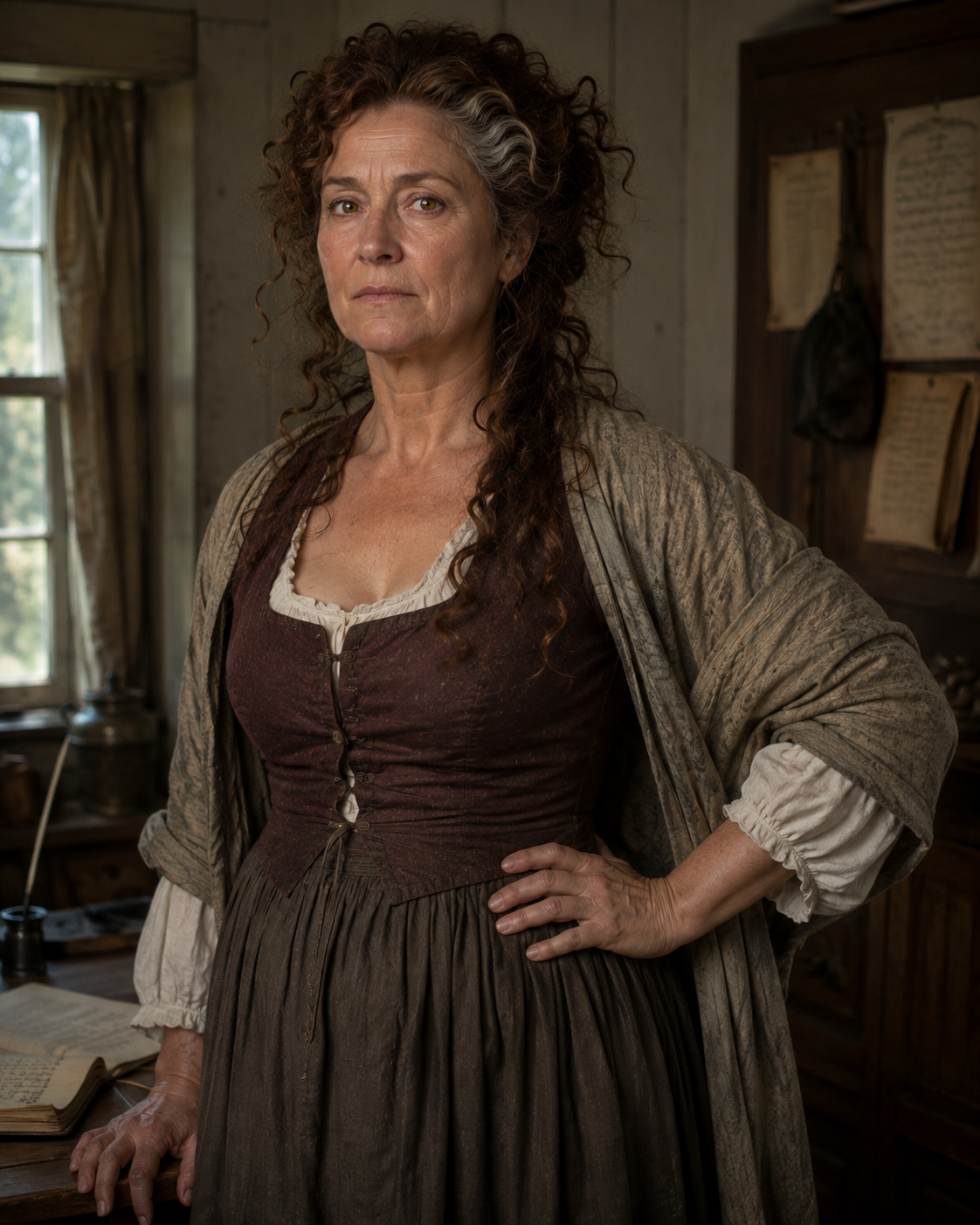
After castrating Joseph North in self-defense, she secures her family's future and continues her work until her death in 1812.

Becomes the new agent for the Kennebec Proprietors, securing the Ballards' property.
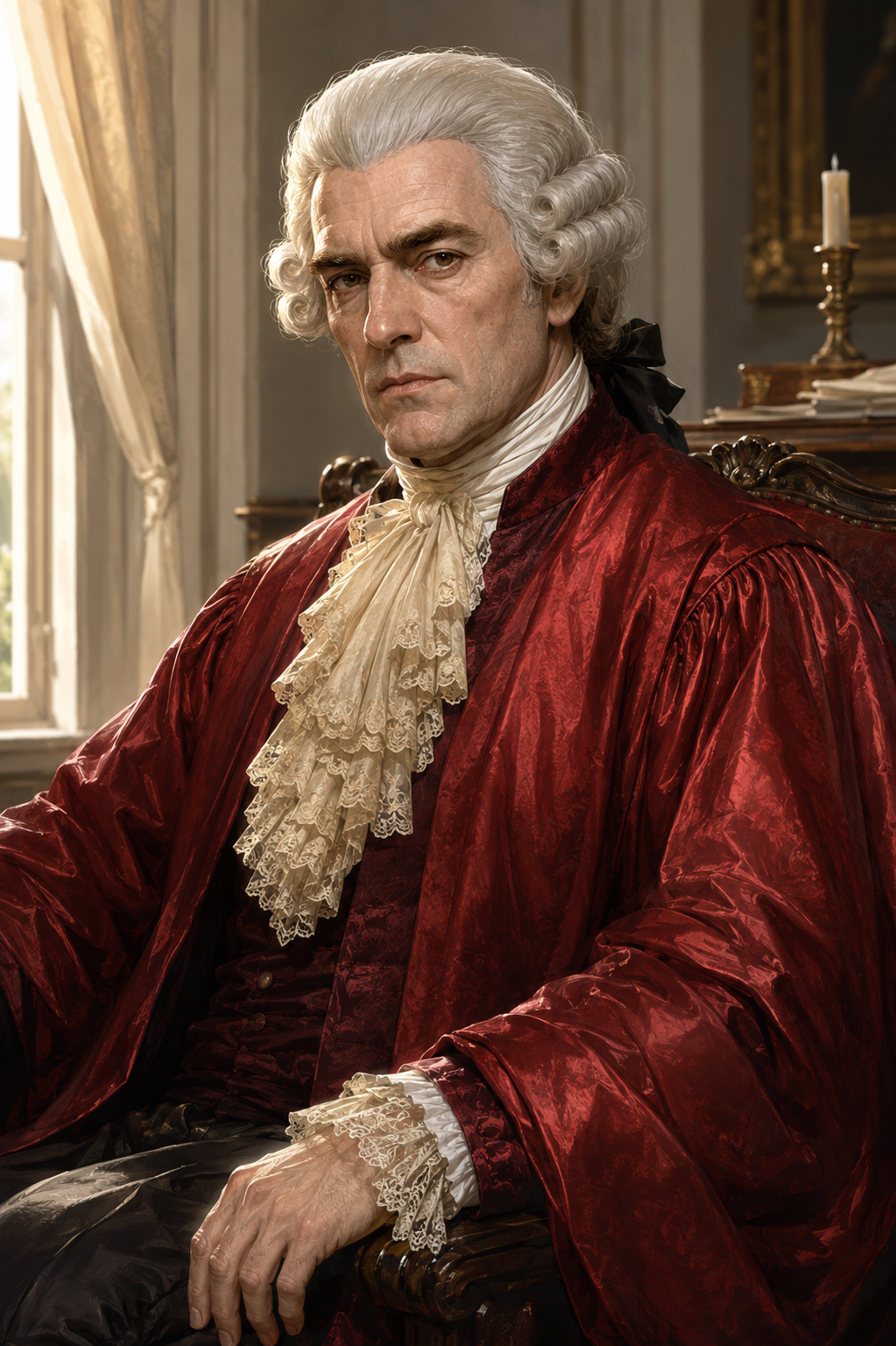
Acquitted in court but castrated by Martha in self-defense and forced to live in disgrace.
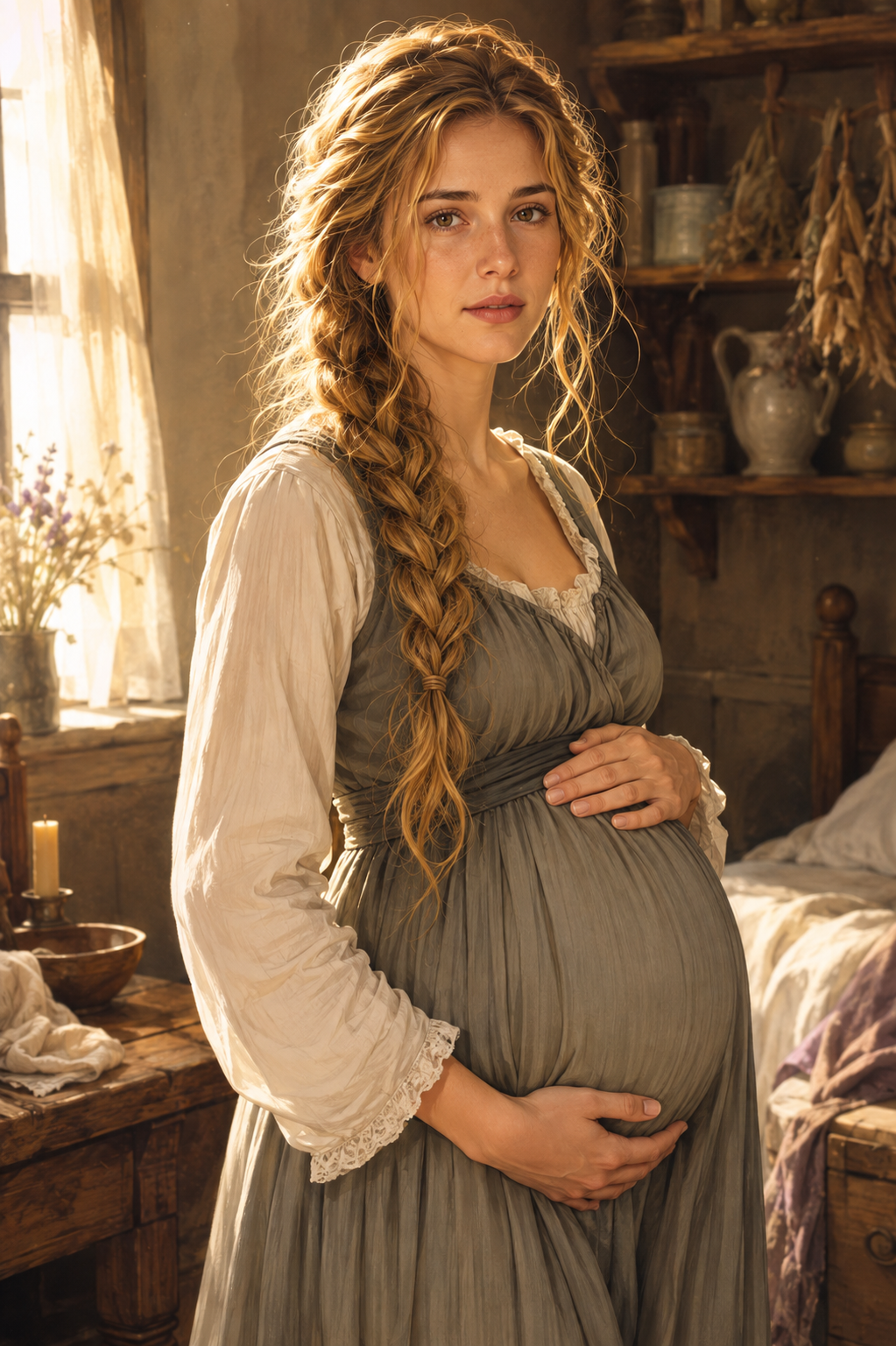
Gives birth to Emmeline, leaves Hallowell with her husband, and receives North’s severed genitals as grim justice.
🔷 Supporting Characters
Killed by Sam Dawin and Jonathan Ballard and buried in an unmarked grave.
Exonerated and remains unmarried in the Ballard household.
Marries Sally Pierce after fathering her child, and they build a large family.
Marries Henry Warren and adopts Rebecca’s daughter, Emmeline.
Marries May and remains in Hallowell.
Eventually marries Dolly and raises a large family.
Marries Barnabas Lambard and inherits Martha’s journals.
Marries Moses Pollard and opens a tavern at Fort Western.
Is banned from attending future births after his incompetence is exposed.
Marries Jonathan and ultimately reconciles with Martha.
Settles his lawsuit and leaves Hallowell with his family.
Continues traveling while keeping her true identity hidden.
Sells his store to Henry Warren.
Remains as caretaker to her disgraced husband while relying on Martha’s medicine.
🕳️ Potential Plot Holes
The novel appears to treat the strip of lace taken from Rebecca Foster's shift as a single piece of evidence. However, the prologue states that Sam and Jonathan recovered the lace from Burgess after the murder, Martha later finds what is presented as that same strip of lace in Burgess's saddlebag, and Sam ultimately produces the lace from his own pocket during his confession. Unless there were multiple nearly identical strips of lace, these events cannot all be true.
After Martha castrates Joseph North with a draw blade, he returns to preside over court only ten days later. Although the novel notes that he looks pale and requires a cushion to sit, such a rapid recovery from a catastrophic injury—without modern surgery, antibiotics, or pain management—is medically difficult to reconcile. While not impossible, it stretches plausibility enough to stand out as a genuine inconsistency.
📚 Book Club Q&A's
⭐ Final Rating & Thoughts
Despite a few small frustrations, The Frozen River completely pulled me in. Ariel Lawhon blends historical fiction, mystery, and courtroom drama into a story that feels both immersive and incredibly tense from beginning to end. I was fascinated by the historical setting and loved seeing a capable, determined heroine navigate a society stacked against her. Martha Ballard is the kind of character you can't help but root for, and her intelligence, resilience, and compassion made this an unforgettable read. The mystery kept me guessing, the pacing never dragged, and the ending delivered a satisfying payoff that made the journey worthwhile. My only real complaint was that a handful of romantic scenes felt unnecessary and briefly interrupted the momentum of the central mystery. Even so, they weren't enough to diminish my overall enjoyment. This is the kind of historical fiction that reminds you real history can be every bit as compelling as fiction. If you enjoy atmospheric mysteries, strong female protagonists, and stories inspired by true events, I highly recommend giving this one a try.
✨ Adaptation description
Adaptation Overview
- Title: The Frozen River
- Based on: The Frozen River (2023) by Ariel Lawhon
- Format: Feature film
- Status: In development (film rights optioned)
- Production Company: Maven Screen Media
- Producers: Trudie Styler and Celine Rattray
- Executive Producer: Linda Rosensweig
- Announced: January 28, 2026 (Yahoo)
Since the project has just entered development, there are no announced writers, directors, cast members, or release date. At this stage, Maven Screen Media has secured the film rights and is beginning development. (Yahoo)
For now, the official synopsis closely follows the novel: in 1789 Maine, midwife Martha Ballard investigates the death of a man found frozen in the Kennebec River while her diary becomes central to a murder investigation and a rape case that threatens powerful men in the community. (Yahoo)
This is exciting news—it means The Frozen River has officially moved beyond the rights stage and into active film development. Given how well the novel has sold (nearly two million copies as of early 2026), it’s one of the more promising historical fiction adaptations currently in the pipeline. (en.wikipedia.org)
✨ Books Like The Frozen River (2023)
See an error on this page?