
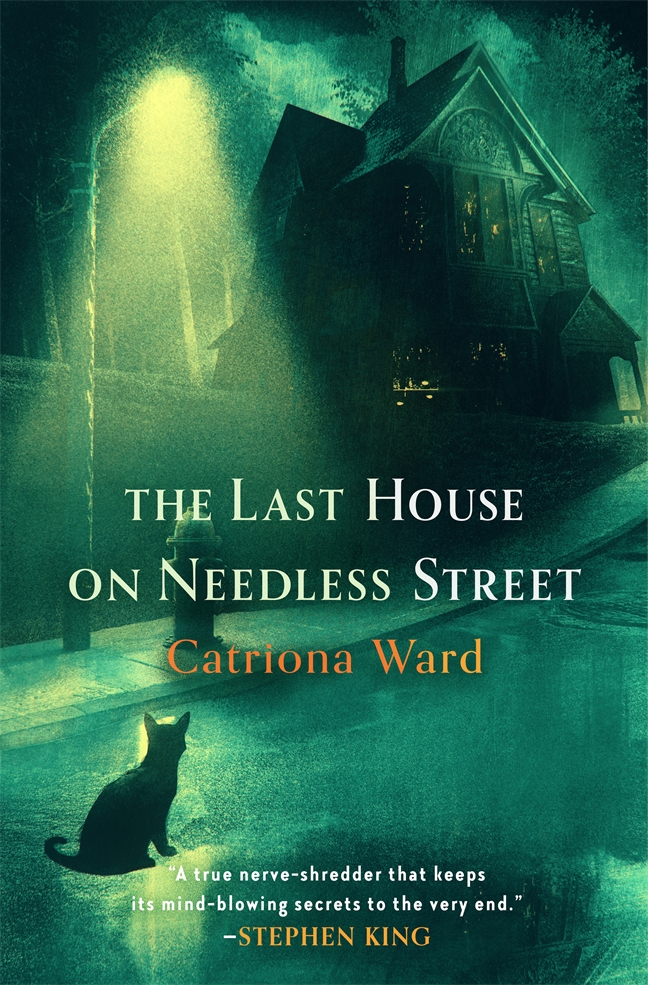
The Last House on Needless Street (2021)
Select Sections to Print
×Book Details
The Last House on Needless Street (2021)
Jump to Section
⚠️ Trigger Warnings
- Extreme child abuse
- Child abduction
- Child murder
- Serial murder
- Animal cruelty
- Animal death
- Suicide
- Graphic violence
- Gore
- Stabbing
- Blood
- Medical trauma
- Dissociative Identity Disorder (DID)
- Mental illness
- Alcoholism
- Substance abuse
- Grief
- Death of a sibling
- Death of a parent
- Emotional abuse
- Physical abuse
- Child neglect
- Domestic abuse
- Torture
- Kidnapping
- Fear of snakes (ophidiophobia)
- Self-harm
- Death of a child
- Gaslighting
- Trauma
- PTSD
- Memory loss
- Gas chamber euthanasia of animals
- Declawing of a cat (mentioned)
⏱️ 2-Minute Spoiler Summary
Ted Bannerman lives alone on Needless Street, struggling with severe memory loss, while Dee Walters moves in next door convinced he kidnapped her younger sister, Lulu, who vanished eleven years earlier. As Dee spies on Ted, the story follows Ted, his cat Olivia, and his rebellious “daughter” Lauren, whose increasingly strange perspectives hint that something is deeply wrong inside the house.
The truth is that Ted has Dissociative Identity Disorder, and Olivia, Lauren, and the others are alternate personalities created to protect him from horrific childhood abuse. Ted’s abusive mother, Mommy, was the real serial killer who murdered Lulu and several other children, while Ted spent years unknowingly carrying the trauma and guilt.
When Lauren convinces Olivia to stab Ted in an attempt to end their suffering, Dee follows him into the woods but dies from a rattlesnake bite before learning the full truth. Ted survives, recovers long-buried memories, and realizes Lulu’s body is buried beneath a neighbor’s storm cellar. After her remains are recovered, Ted begins healing, accepting his remaining alters as part of himself while finally escaping the shadow of his mother’s crimes.
📖 Full Spoiler Summary
Life on Needless Street
The story opens on Needless Street, where Ted Bannerman lives alone in a boarded-up house with his cat, Olivia. Ted’s daily life is governed by strict routines. He feeds the neighborhood birds, shops at the same stores, and carefully avoids attracting attention. He also struggles with serious gaps in his memory. Entire days disappear from his mind, and he often has no idea what he has done or where he has been. Lately, someone has been killing the birds he feeds, convincing Ted that a murderer is lurking nearby.
The house itself feels unsettling. Ted’s thoughts jump unpredictably, he speaks about things that don’t quite make sense, and he becomes increasingly worried that something terrible is happening inside his own home.
Next door, a new neighbor arrives.
Dee Walters, whose real name is Delilah, has spent eleven years obsessed with the disappearance of her younger sister, Laura “Lulu” Walters. She has never accepted the official investigation and remains convinced that Ted kidnapped and murdered Lulu. Renting the abandoned house beside his, Dee plans to watch him constantly until she uncovers proof.
Her obsession comes from overwhelming guilt. On the day Lulu disappeared at the lake, Dee left her little sister alone so she could flirt with a college student named Trevor. Ever since, she has blamed herself for everything that happened.
Strange People Inside the House
The story alternates between several seemingly unrelated narrators.
Besides Ted, readers meet Olivia, his unusually articulate and deeply religious cat. Olivia worries constantly about sin, scripture, and protecting Ted from evil.
There is also Lauren, a difficult teenage girl whom Ted insists is his daughter. She rarely leaves her bedroom, hates Ted with an intensity that seems impossible to explain, and believes he deserves to die. Ted often worries that Lauren has violent tendencies, although he cannot remember many of the incidents he attributes to her.
As the chapters continue, these perspectives become increasingly confusing. Characters seem to know things they should not know. Time skips without explanation. Some events contradict one another.
Meanwhile, Dee becomes more convinced than ever that Ted is hiding something horrific.
Dee Hunts for the Truth
Living next door allows Dee to observe Ted’s strange behavior every day.
She notices his rigid routines, his habit of disappearing into the nearby woods, and his increasingly erratic conversations. Every odd action seems like another piece of evidence proving he is Lulu’s killer.
At the same time, Ted regularly visits a therapist he privately calls the Bug Man. Instead of describing his own life, Ted tells elaborate stories about a fictional television show involving a troubled teenage daughter. The Bug Man encourages him to continue talking, hoping Ted will eventually uncover memories he has buried for years.
Neither Ted nor the reader fully understands why his memories are so fragmented.
The mystery deepens as more hints emerge about Ted’s childhood. He remembers almost nothing about growing up except flashes of terror involving his mother, whom he simply calls Mommy.
The Truth About Ted
Eventually, the novel reveals that Ted is not sharing his house with separate people at all.
Olivia, Lauren, Night-time, and Little Teddy are all alternate personalities created by Ted’s mind after years of unimaginable childhood abuse. Ted suffers from Dissociative Identity Disorder, and each personality protects him from memories too painful for the host to survive alone.
Lauren carries much of Ted’s anger and physical pain.
Olivia represents another protective part of his mind, trying to impose order through religion and routine.
Night-time is a predatory, instinctive alter.
Little Teddy holds the memories everyone else has spent decades avoiding.
The horrifying truth about Ted’s childhood slowly comes into focus.
His mother was an abusive nurse who performed grotesque “repairs” on him using surgical instruments, vinegar, and torture disguised as medical treatment. The abuse fractured Ted’s identity into multiple personalities, allowing him to survive experiences that would otherwise have destroyed him psychologically.
Lauren Decides Ted Must Die
As buried memories begin resurfacing, Lauren becomes convinced that Ted himself is the problem.
She believes the only way to end everyone’s suffering is to kill the host permanently.
Eventually, Olivia is persuaded to help.
While Ted is alone in the woods moving what he calls “the gods”—hidden objects connected to his mother’s death and burial—Olivia manages to take control of the body. She stabs Ted in the abdomen, believing she is saving everyone by ending his life.
Ted collapses, gravely wounded.
Dee’s Final Search
At the same time, Dee has secretly followed Ted into the forest.
Certain that she is finally about to discover Lulu alive—or at least uncover proof of her murder—she tracks him through the trees using fluorescent trail markers.
Instead, tragedy strikes.
A rattlesnake bites Dee, and the venom quickly begins taking effect. As she stumbles deeper into the woods, she finds Ted bleeding to death.
Rather than confessing to murdering Lulu, another personality begins speaking through Ted’s body.
Lauren insists that Ted is not the monster Dee has spent eleven years hunting. The real battle has always been happening inside him.
Unable to escape the forest and overcome by the snake venom, Dee eventually dies alone, never learning the complete truth.
Little Teddy Remembers
Ted survives because Rob, a friendly park ranger and neighbor whom Ted privately thinks of as the “orange-juice-hair man,” follows Dee’s trail markers into the woods and finds him before it is too late.
The near-death experience finally breaks down the barriers between Ted’s personalities.
Little Teddy releases the memories everyone else has spent decades hiding.
Ted realizes that he never abducted Lulu.
His mother did.
Mommy was responsible not only for Lulu’s murder but also for the disappearances of several local boys over many years. Ted had unknowingly lived his entire life carrying guilt for crimes committed by the person who abused him.
He also discovers that Lulu’s body was hidden beneath the storm cellar of a nearby neighbor known as the Chihuahua Lady.
Once authorities recover Lulu’s remains, her family finally receives the answers they have spent more than a decade searching for.
A New Beginning
The investigation also uncovers another disturbing revelation. The Bug Man, who had presented himself as Ted’s therapist, had actually been attempting to blackmail him before mysteriously disappearing.
Although Ted can never recover the years stolen by trauma, he finally understands what happened to him.
Rather than trying to erase his remaining personalities, Ted accepts that they are all parts of himself. Together they begin learning how to live as one person sharing a single life.
With Rob’s friendship and support, Ted slowly transforms the house on Needless Street. He removes the boards from the windows, replaces the blue rug that reminded him of his mother, and allows sunlight back into a home that had been sealed off from the world for years.
For the first time since childhood, Ted is no longer trapped by memories he could not face. Lulu’s family finally has answers, the truth about Mommy is uncovered, and Ted begins the long process of healing alongside the personalities that once existed only to help him survive.
🔚 Ending Explained
The ending of The Last House on Needless Street finally uncovers the truth behind Lulu Walters’s disappearance while bringing Ted’s long psychological struggle toward healing.
The Ending Explained
The climax takes place in the woods, where Olivia, one of Ted’s alters, takes control of his body and stabs him in the abdomen. The act isn’t an attempt at murder in the traditional sense—it is Olivia’s desperate attempt to end what she believes is an endless cycle of pain and suffering within their shared mind.
At the same time, Dee, who has spent years convinced Ted kidnapped and murdered her younger sister Lulu, tracks him into the forest. Already suffering from a fatal rattlesnake bite, Dee finds Ted bleeding on the ground. Before losing consciousness, Lauren speaks through Ted’s body, insisting that Ted is “not a monster” and that what happened is an internal matter between the personalities living inside him. Unable to let go of her hatred, Dee tries to smother Ted before collapsing herself. She dies alone from the snake venom, never learning that Ted was innocent.
Ted survives after Rob discovers him, thanks to his dog following the scent of blood. While recovering in the hospital, doctors discover that the medication Ted had been taking—supplied by the mysterious “Bug Man”—was outdated and known to cause hallucinations and memory loss. They also recognize the horrific scars covering Ted’s body, confirming the severe abuse he endured as a child.
The stabbing also triggers a breakthrough within Ted’s mind. Through Little Teddy, the alter who has been protecting the deepest memories, Ted finally remembers what really happened to Lulu. It was never Ted who killed her. His abusive mother, known only as Mommy, abducted and murdered Lulu before hiding her body inside the elderly neighbor’s storm cellar while the neighbor was away.
Ted tells the police everything he remembers, allowing Lulu’s remains to be recovered and finally giving her family the answers they had searched for over eleven years.
What the Ending Means
The novel’s biggest twist completely reframes the story. Throughout the book, readers are encouraged to suspect Ted, but the ending reveals he was never the monster everyone believed him to be. Instead, he was another victim—someone whose mind fractured into multiple personalities to survive unimaginable childhood abuse.
Rather than portraying Dissociative Identity Disorder as something frightening, the novel presents it as an extraordinary survival mechanism. Ted’s alters were never his enemies; they each existed to protect him from memories too painful for one child to bear. Healing doesn’t come from eliminating them but from allowing them to coexist, communicate, and share control.
Dee’s storyline serves as a tragic contrast. Her obsession with revenge becomes all-consuming. Although her grief is understandable, it prevents her from recognizing the truth when it is literally spoken to her. She dies believing she has confronted her sister’s killer, never realizing the real murderer had been dead for years.
Symbolism
Several recurring symbols take on new meaning by the novel’s conclusion:
- The blue rug represents the lifeless, oppressive world created by Mommy’s abuse. Ted eventually replaces it with a brightly colored rug, symbolizing acceptance, healing, and a future no longer defined by trauma.
- The plywood covering the windows reflects Ted’s emotional isolation and the barriers between his alters. Removing the boards allows light into the house, representing honesty, openness, and recovery.
- The strawberry and vinegar sandwich transforms from a reminder of Mommy’s abuse into something Ted chooses for himself. By preparing it with kitchen knives he no longer fears, he demonstrates that objects once associated with violence have lost their power over him.
- Mommy’s buried belongings symbolize the lingering influence of his abuser. Ted deliberately leaves them buried, refusing to let them remain powerful symbols in his life. They become ordinary objects rather than emotional idols.
Themes
The ending reinforces the novel’s central themes:
- Trauma and survival: Ted’s fractured identity is presented as a child’s remarkable strategy for surviving unbearable abuse.
- Truth and memory: The mystery is solved only when Ted is finally able to recover memories his mind had hidden for decades.
- Healing instead of revenge: Dee’s pursuit of vengeance destroys her, while Ted begins to heal by accepting himself instead of continuing to suppress the past.
- Bearing witness: By recovering Lulu’s body and helping identify the other victims of his mother, Ted ensures they are finally seen, acknowledged, and mourned.
Is It a Happy Ending?
The ending is bittersweet but ultimately hopeful.
Lulu cannot be brought back, Dee dies without learning the truth, and the horrors committed by Mommy can never be undone. Yet justice is finally possible. Lulu’s family receives answers, Ted is freed from the false belief that he was a killer, and he begins living a healthier life with support from Rob.
Most importantly, Ted no longer fears disappearing into darkness. Rather than trying to erase his alters, he learns to live alongside them, suggesting that recovery from profound trauma is possible—even if complete healing remains a lifelong journey.
👤 Characters & Fates
🔶 Main Characters
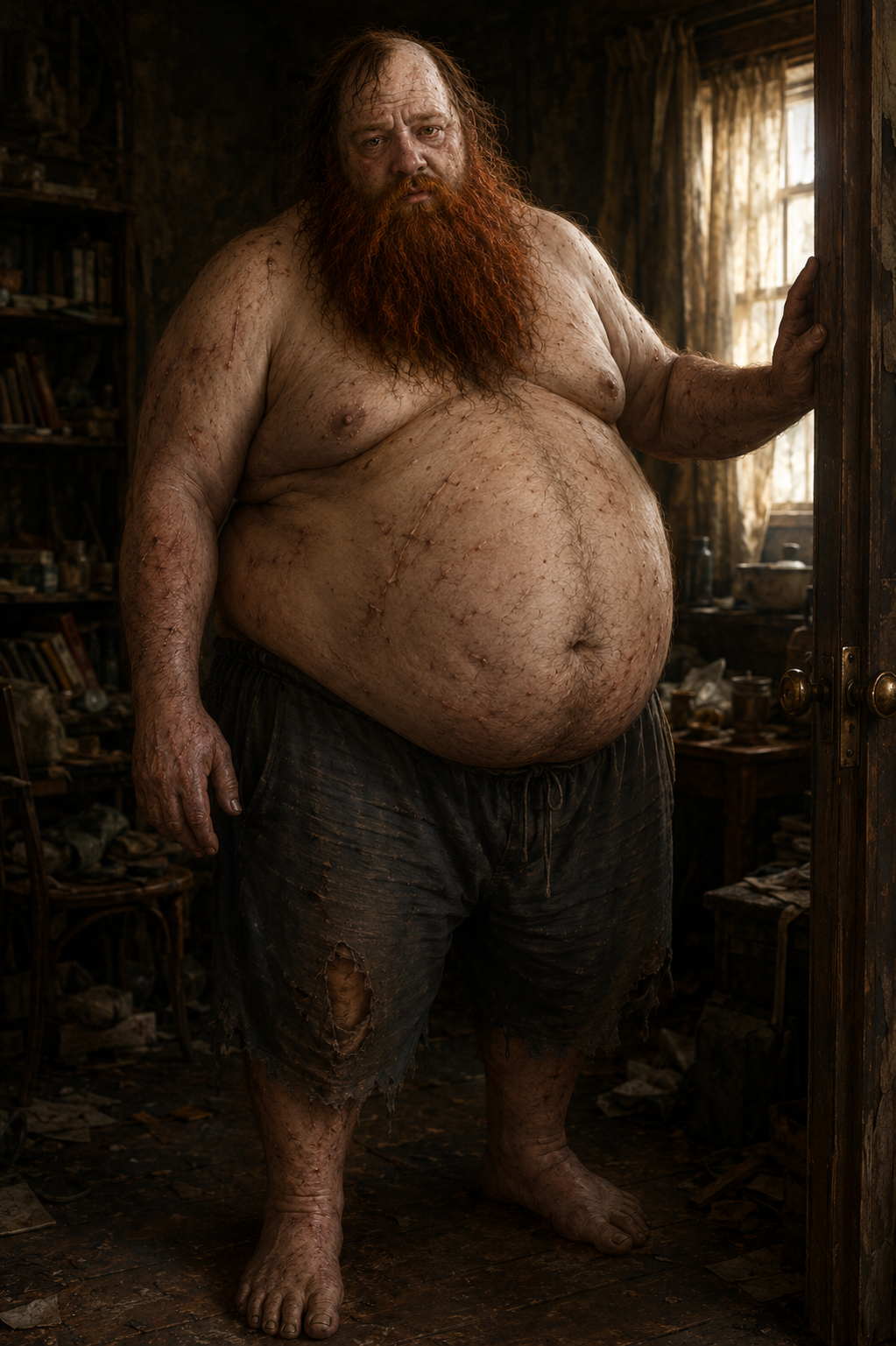
Begins healing through integration, finds work at a diner, and starts a relationship with Rob.

Dies alone in the woods after a rattlesnake bite while hallucinating.
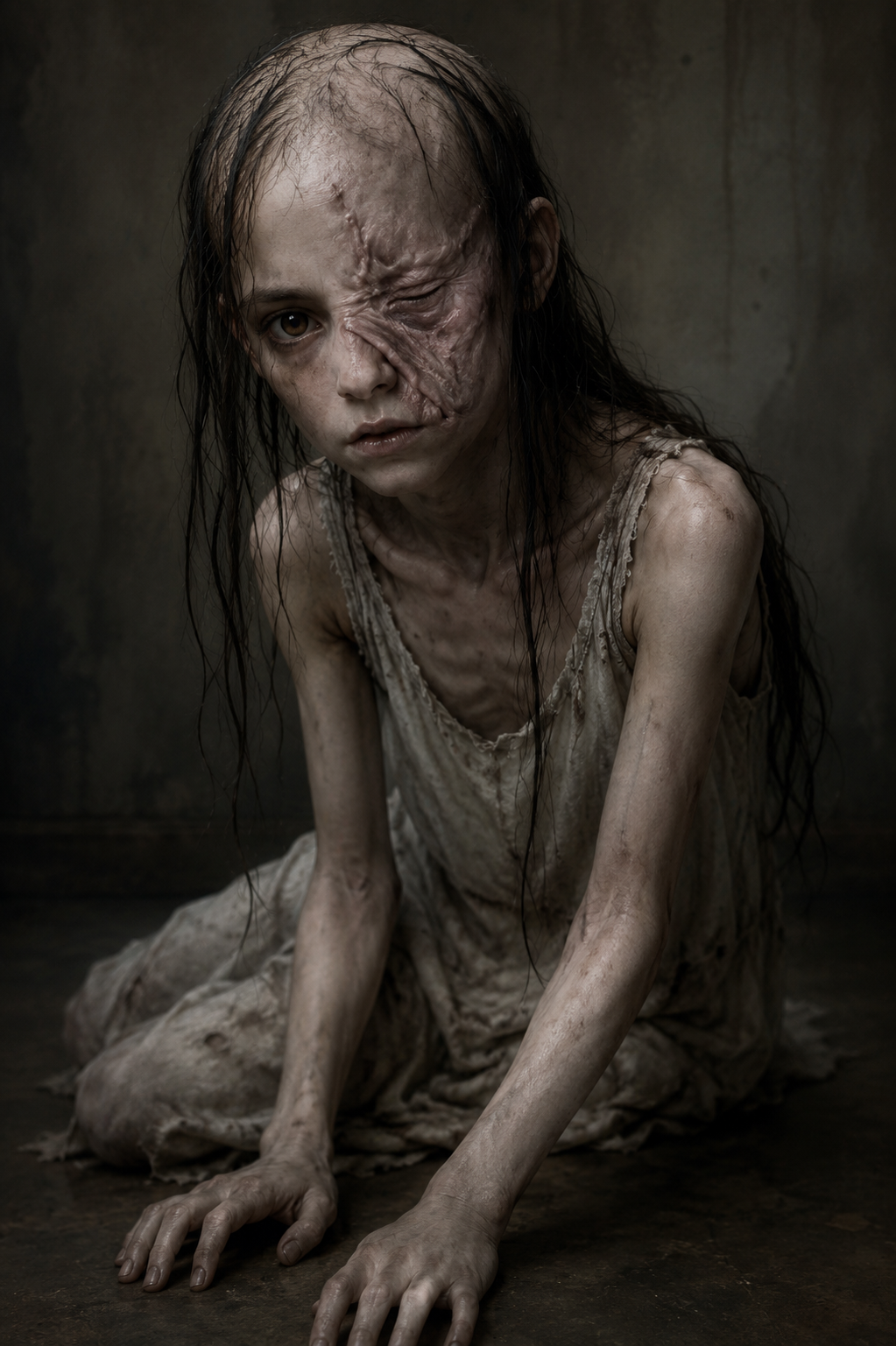
Becomes a cooperative, integrated part of the system.
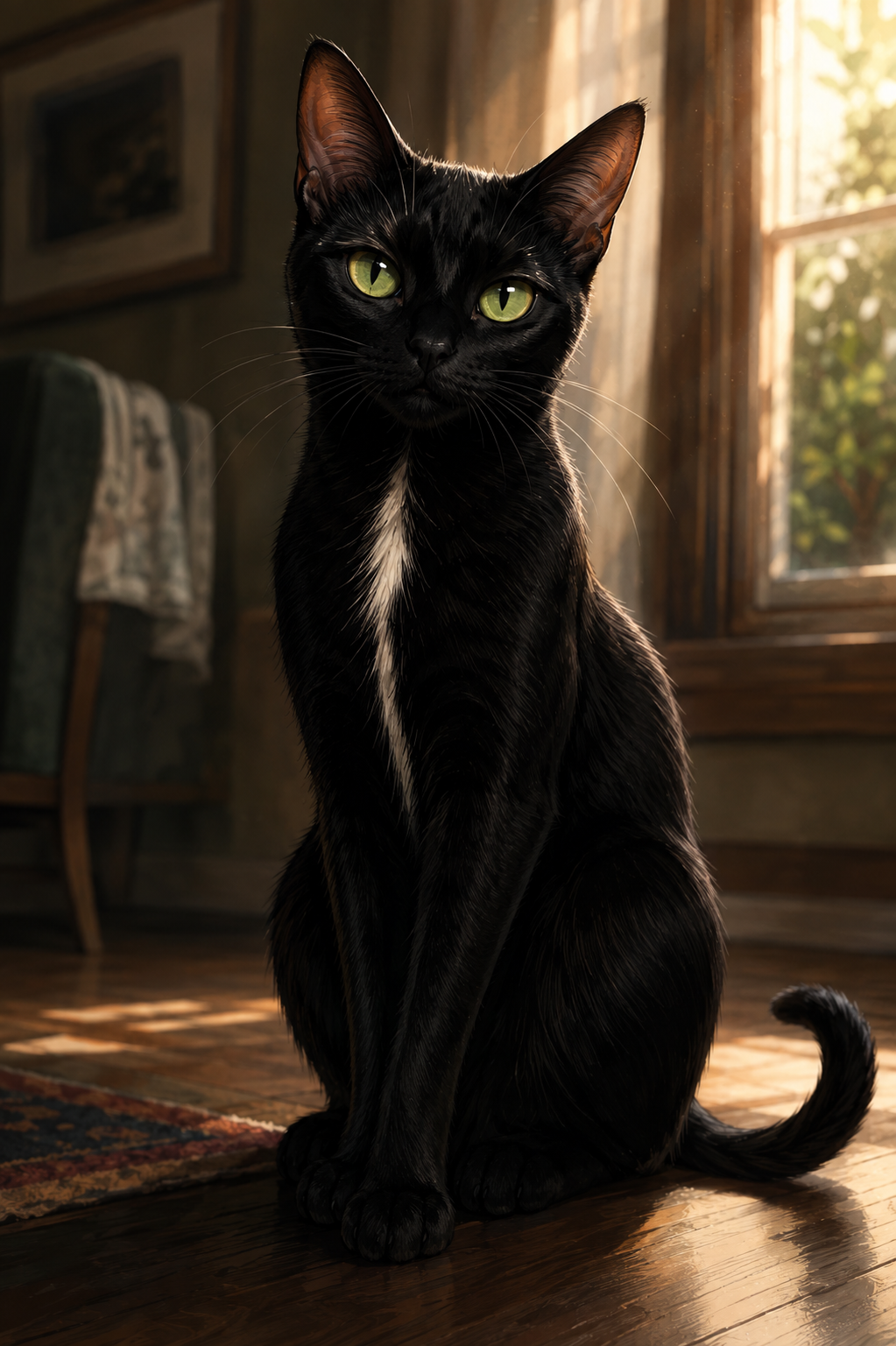
Remains part of Ted’s integrated consciousness.
🔷 Supporting Characters

Died by suicide years before the story begins.
Builds a loving relationship with Ted as he recovers.
Disappears after Ted attacks him, abandoning his plans.
Her remains are discovered, finally solving the case.
Becomes an integrated part of Ted’s consciousness.
Continues to exist within the integrated system.
Continues investigating the additional victims connected to Mommy.
🕳️ Potential Plot Holes
I actually think most of these aren't plot holes once you separate what the characters believe from what objectively happens. Here are a few plot points that made me ponder.
The Bug Man is a licensed therapist who appears to recognize Ted's severe mental illness, yet he concludes Ted is secretly keeping children in his house and chooses to blackmail him rather than contact police or social services. Even if he heard multiple voices, there is little evidence that an experienced mental health professional would mistake symptoms of DID for evidence of kidnapped children. His actions seem driven more by the needs of the plot than by believable professional judgment.
The novel never fully explains the origin of the white flip-flop found beneath Ted's refrigerator. The object appears to exist physically—Ted finds it and throws it away—but later memories connect a similar flip-flop to Mommy's crimes years earlier, while Lulu's original flip-flop was reportedly discovered elsewhere after her disappearance. Whether these are meant to be the same object or different ones is never clarified, leaving an unresolved continuity issue.
Dee ultimately identifies Ted through a supposedly one-of-a-kind newspaper photograph owned by a collector. Since Ted had already been investigated in a nationally reported missing-child case, it seems unlikely that police records, newspaper archives, or other public sources would not preserve the same information. The photograph feels like a convenient shortcut for the investigation.
📚 Book Club Q&A's
⭐ Final Rating & Thoughts
The Last House on Needless Street is one of those books I can admire without necessarily enjoying. Catriona Ward creates an unsettling, atmospheric psychological horror story that is meticulously crafted, and it's clear just how much thought went into every clue and every narrative choice. Looking back, many of the seemingly bizarre moments fit together in clever ways, rewarding attentive readers.
That said, the reading experience itself wasn't a great fit for me. The constantly shifting perspectives, fragmented storytelling, and intentionally confusing narrative made it difficult for me to stay engaged. While I understand that the structure reflects the protagonist's state of mind—and it accomplishes that remarkably well—it also left me feeling disconnected from the story for much of the book. I found myself spending more time trying to piece everything together than enjoying the journey.
If you love psychological puzzles, unreliable narrators, and books that demand close attention, this could easily become a favorite. For me, though, I appreciated the craftsmanship more than I enjoyed the experience, making this a solid but ultimately average three-star read.
✨ Adaptation description
Upcoming Film Adaptation
Source Material: The Last House on Needless Street by Catriona Ward
Format: Feature film
Production Company: Imaginarium Productions
Rights Acquired: March 2021 (prior to the novel’s publication)
Status: In development
Catriona Ward’s acclaimed psychological horror novel The Last House on Needless Street is being adapted into a feature film by Imaginarium Productions, the production company founded by Andy Serkis and Jonathan Cavendish. Ward is attached to the project as an executive producer, giving the author a creative role in the adaptation’s development.
Current Status
The film rights were acquired in March 2021, and the project remains in development. As of now, no director, screenwriter, cast, production start date, or release date has been officially announced.
✨ Books Like The Last House on Needless Street (2021)
See an error on this page?