
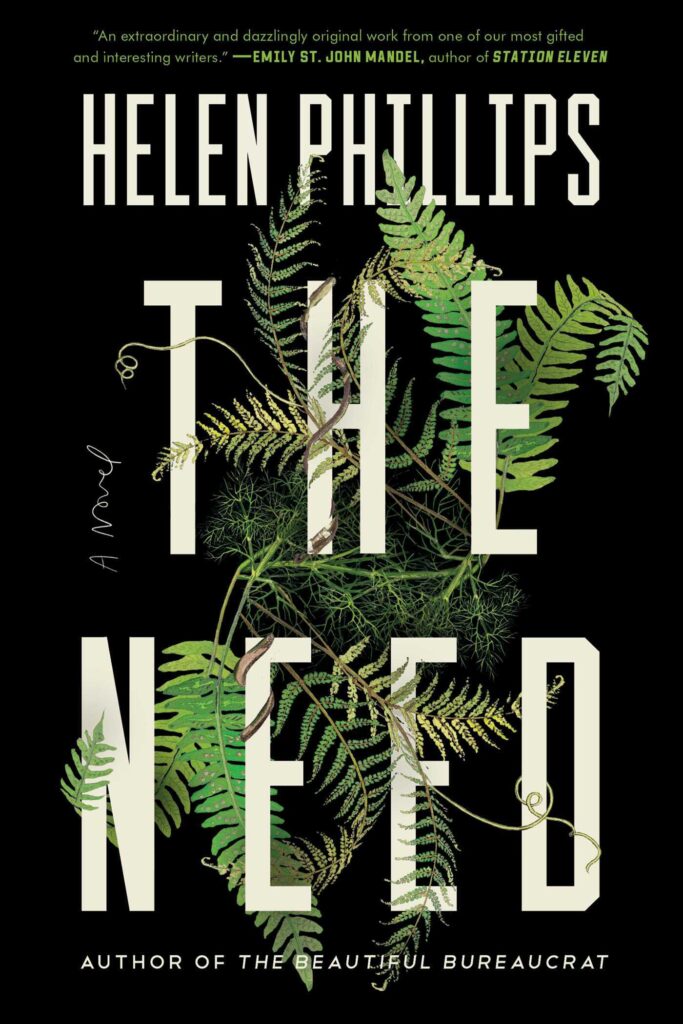
The Need (2019)
Select Sections to Print
×Book Details
The Need (2019)
Jump to Section
⚠️ Trigger Warnings
- Death of children / child loss
- Terrorism / suicide bombing
- Mass casualty event
- Grief and bereavement
- Home invasion
- Stalking
- Kidnapping / abduction
- Threats and coercion
- Sexual deception / impersonation
- Child endangerment
- Child injury
- Blood
- Vomiting / severe gastrointestinal illness
- Medical distress / dehydration
- Suicidal ideation
- Starvation / extreme deprivation
- Religious extremism
- Hate mail / harassment
- Death threats
⏱️ 2-Minute Spoiler Summary
Molly Nye is an exhausted paleobotanist raising four-year-old Vivian and eleven-month-old Ben with her musician husband, David. At the fossil quarry where Molly works, she has been finding impossible objects buried in ancient geological layers: a strangely designed Coca-Cola bottle and Altoids tin, a toy soldier with a monkey tail, an old potsherd, a Bible that refers to God exclusively as female, and a brand-new penny from the current year.
While David is away on tour, Molly discovers a masked intruder hiding inside her house. The stranger knows intimate details about Molly’s life, even her ATM PIN, and forces her to go to her absent Aunt Norma’s house. There, the intruder removes her mask and reveals that she is Moll—another version of Molly from a parallel universe.
Moll explains that the quarry is a “seam” connecting alternate realities, which is why impossible objects sometimes appear there. In Moll’s universe, a woman who had previously visited the quarry returned with a bomb and blew up the facility. The explosion killed several people, including Moll’s versions of Viv and Ben. Devastated, Moll fell into the Pit and crossed into Molly’s reality, where she discovered that another version of herself still had two living children.
Moll has already been secretly watching the family and even sneaking into the house to nurse Ben. Now she demands access to the children. Molly refuses, but Moll keeps inserting herself into their lives. During Viv’s fourth birthday party, Moll secretly takes over Erika the babysitter’s fish costume so she can play with the children. She then blackmails Molly with a separation letter Molly once drafted to David, forcing her into a bizarre shared-custody arrangement.
The two women begin taking turns caring for Viv and Ben while hiding their arrangement from everyone else. Molly becomes increasingly terrified that the bomber from Moll’s reality might also attack the quarry in hers. She removes the strange artifacts from public display, but her boss dismisses her fears. Moll then leaves Molly the blood-soaked clothes she was wearing when her own children died, making the reality of her loss horrifyingly tangible.
When David returns home, the situation becomes even more disturbing: he encounters Moll without realizing she isn’t his wife and sleeps with her while Molly watches from hiding.
Soon afterward, Molly and both children become violently ill with a stomach virus. Moll takes over their care, patiently tending to the sick children and nursing Ben. She later reads Molly the story of King Solomon from the female-God Bible—the story of two mothers both claiming the same child—and lies beside Molly with their bodies perfectly aligned.
The next morning, Molly wakes feeling extraordinarily strong and renewed. Moll is gone, although the novel never definitively establishes whether she returned to her universe, disappeared, or somehow merged with Molly.
Molly gathers the anomalous objects and Bible, straps Ben against her chest, puts Viv in the stroller, and heads out on foot. As she walks, she repeatedly checks the children’s pulses, reassured by the beating of their hearts. She now seems to carry the combined energy, love, grief, and fierce protectiveness of both versions of herself as she moves forward with her children.
📖 Full Spoiler Summary
Strange Things Are Coming Out of the Ground
Molly Nye is a paleobotanist, wife, and exhausted mother whose life revolves around four-year-old Vivian, eleven-month-old Ben, and the constant fear that something terrible could happen to either of them. Her husband, David, is a musician who frequently travels for performances, leaving Molly to handle the children alone.
Molly works at an unusual fossil quarry known as the Pit, located behind an abandoned Phillips 66 gas station. The site is scientifically important because some of its plant fossils don’t correspond to anything in the known geological record. But lately, Molly has been finding something even stranger: human-made objects buried where they couldn’t possibly belong.
The discoveries include a Coca-Cola bottle with its familiar lettering slanting the wrong way, an unusually shaped Altoids tin, a plastic soldier with a monkey tail, an ancient potsherd, and a Bible in which every reference to God uses female pronouns. Then Molly finds the most impossible object yet—a newly minted penny from the current year.
Her archaeologist friend Shaina and coworker Corey suspect an elaborate hoax, but no one can explain how the objects got there. The female-God Bible becomes especially controversial after being displayed publicly, drawing enormous crowds along with religious hate mail. Molly also remembers an ordinary-looking woman in a baseball cap and sweatshirt who once stared intensely at the Bible exhibit.
Then the strangeness follows Molly home.
The Woman Behind the Deer Mask
With David away on a week-long tour in Argentina, Molly is home alone with the children when she becomes convinced someone else is inside the house. She initially blames her exhaustion, but there really is an intruder—someone who has been hiding inside the family’s hollow wooden coffee table.
The figure emerges wearing black clothes and a papier-mâché deer mask that David himself made for Molly. Rather than immediately attacking her, the intruder gives Viv a copy of The Why Book and leaves Molly a numbered list of instructions. Molly must feed the children, put them to bed, wait for their babysitter Erika to arrive, and then come outside alone. If she refuses, the note warns, she will regret it forever. Going to the police won’t help because they will think she’s crazy.
Molly obeys.
The masked stranger is waiting in Molly’s car and drives her to an ATM. Molly discovers just how much this person knows when the stranger correctly enters Molly’s private PIN and withdraws $200. After buying wine, the intruder blindfolds Molly and drives her to Aunt Norma’s empty house.
There, the mask finally comes off.
Molly is staring at herself.
The woman calls herself Moll, and she isn’t merely someone who happens to look identical to Molly. She is Molly—from another reality.
Moll Lost Everything Molly Still Has
Moll explains that the Pit is actually a “seam” between parallel universes. Objects sometimes cross from one reality into another, accounting for the impossible artifacts Molly has been excavating.
Moll crossed over too, but only after her life was destroyed.
In her universe, the unremarkable woman Molly remembers from the quarry returned to the Phillips 66 display room and detonated a suicide bomb. The explosion killed tourists and employees, including Corey and Erika. Most devastatingly, Moll’s Viv and Ben were also killed.
Overwhelmed by grief, Moll eventually fell into the Pit and passed through the seam into Molly’s world. There she discovered an alternate version of her own life in which Viv and Ben were still alive.
Since arriving, Moll has been secretly watching Molly’s family. She has hidden outside their home, wandered the streets, and hand-expressed breast milk into public sinks because she is still producing milk for the baby she lost. More disturbingly, she has already sneaked inside the house at night, nursed Molly’s Ben, and even climbed into bed beside a sleeping David.
Now Moll wants what Molly has.
She insists that Molly share the children with her because Molly’s children are alive while hers are dead. Horrified, Molly refuses and escapes back home, locking every possible entrance behind her.
But keeping Moll outside proves impossible.
Two Mothers for the Same Children
The next day is Viv’s fourth birthday, and Molly tries desperately to pretend life is normal. Instead, ordinary parenting problems become almost unbearable. She panics after breaking energy-efficient lightbulbs because of possible mercury exposure. Viv has a spectacular grocery-store meltdown. Later, Molly lets the children play on a grassy median, only for a passing driver to scream at her when Viv gets too close to traffic.
Molly calls David in Argentina but can’t bring herself to explain what’s happening. He and his fellow musicians sing “Happy Birthday” to Viv over the phone while Molly continues carrying her secret alone.
That afternoon, guests arrive for Viv’s birthday party. Erika comes dressed in an elaborate fish costume to entertain the children. At some point, however, Moll secretly takes Erika’s place inside the costume.
Molly realizes that the person playing with Viv and Ben is her double.
After everyone leaves, Moll corners her and reveals another weapon: a separation letter Molly once drafted to David during a period of postpartum rage. Moll threatens to show it to him unless Molly gives her access to the children.
Molly reluctantly agrees.
The result is a bizarre secret custody arrangement between two versions of the same mother. When one woman is with Viv and Ben, the other must disappear, sometimes hiding at Aunt Norma’s house or even in the bushes outside Molly’s home.
Molly cannot actually trust Moll enough to stay away. When Moll takes the children to a playground and carousel, Molly follows and watches from behind trees. What she sees is painful because Moll is patient, playful, and completely devoted to them.
Afterward, Moll realizes Molly followed her and threatens to kill her if she ever does it again. Yet the confrontation collapses into mutual grief. The two women cry together and share a strange kiss, confronting the surreal reality that each is looking at another version of herself.
Molly Becomes Terrified Her World Is Next
Back at work, Molly can’t stop thinking about Moll’s warning. If the same woman exists in both realities, what is preventing the bombing from happening here too?
Molly removes the female-God Bible and the other strange artifacts from public display and hides them under her desk. Dr. Roz Moto, her boss, and Corey object because the exhibits are attracting paying visitors. Roz treats Molly’s fears as irrational and encourages her not to let fear control her life.
Then Molly receives an even more horrifying reminder of the other reality.
Inside her work locker is a bundle of stiff, blood-soaked clothing. Molly recognizes the black shirt and jeans as Moll’s. The dried blood comes from the aftermath of the explosion—the day Moll’s children died.
Unable to bear looking at them, Molly drives to a bridge and throws the clothes into the reservoir.
David soon returns home early, creating another problem: there are now two identical women secretly moving through his house.
That night, David encounters Moll without realizing she isn’t his wife. He sleeps with Moll while Molly watches from the cellar stairs, unable to reveal herself without exposing everything that has happened.
Moll Becomes the Mother Molly Needs
Before Molly can decide what to do, the household is struck by a severe stomach virus. Molly, Viv, and Ben become violently ill. Molly is so sick that she can barely function, much less take care of two vomiting children.
Moll takes over.
She changes dirty sheets, cleans up vomit, gives the children Gatorade, comforts them, and nurses Ben. For once, Molly doesn’t have to do everything herself because another version of herself is there to do it.
As Molly lies feverish and exhausted, Moll reads aloud from the female-God Bible. She chooses the Judgment of King Solomon—the story of two women both claiming the same living child, forcing Solomon to determine which one is truly the child’s mother.
The parallel is impossible to miss: Molly and Moll are two mothers laying claim to the same children, except both of them genuinely love Viv and Ben because, in a sense, both are their mother.
Moll then places the mysterious current-year penny in Molly’s palm and lies beside her. Their bodies align completely, “lungs to lungs, womb to womb, teeth to teeth.”
Molly falls asleep.
Molly Wakes Up Alone
When Molly wakes the following morning, her fever has broken.
More than that, she feels extraordinarily alive. She has energy and strength unlike anything she has experienced in years.
Moll is gone.
The novel never gives a concrete explanation for what happened. Moll may have returned through the seam, vanished somehow, or become integrated with Molly during their final night together. Whatever happened, Molly feels as though she now possesses the strength of two mothers rather than one.
David has already left for another short performance trip, this time to Sacramento.
Molly packs a large backpack with everything she needs for the children. She also takes the strange artifacts from the Pit—the Coca-Cola bottle, Altoids tin, toy soldier, potsherd, penny, and female-God Bible.
Viv and Ben have recovered from their illness and are energetic again. Molly can’t find her car, but for once this doesn’t send her spiraling. She simply straps Ben against her chest, puts Viv into the stroller, and starts walking.
As they move through the neighborhood, Molly repeatedly reaches for the children’s wrists.
She checks their pulses.
Again and again, she feels their hearts beating beneath her fingers.
Viv and Ben are here. They are alive.
And Molly walks forward carrying them—and seemingly carrying something of Moll with her.
🔚 Ending Explained
How The Need Ends
The climax of The Need comes not through a final confrontation, but during an ordinary domestic catastrophe. Molly, Viv, and Ben are all struck by a severe stomach virus, leaving Molly so sick and exhausted that she can barely care for her children. As Viv and Ben vomit throughout the night, Molly reaches the point of complete physical collapse.
That is when Moll takes over.
Moll changes the filthy bedding, bathes the children, gives them Gatorade, nurses Ben, and restores order to the house. For once, Molly is able to stop functioning as the endlessly responsible mother and simply lie in bed while someone else carries the burden.
As Molly recovers, Moll sits in the moonlight and reads from the strange Bible in which God is referred to with female pronouns. The passage she chooses is the Judgment of King Solomon: two women claim the same living child after one woman’s baby dies during the night. Solomon proposes dividing the child, prompting the true mother to surrender her claim rather than allow the child to be harmed.
Afterward, Moll places the anomalous current-year penny in Molly’s hand and reflects on the bond between mothers and children: “The umbilical cord runs both directions. The mother keeps the children alive and the children keep the mother alive.”
Then something extraordinary happens.
Moll climbs onto the bed and lies directly on top of Molly, aligning their bodies perfectly—“lungs to lungs, womb to womb, teeth to teeth.” Molly feels an immense, almost sacred pressure as the two women seem to merge.
The next morning, Molly awakens transformed. Her fever is gone, Moll has disappeared without a trace, and Molly feels an almost unnatural surge of energy and vitality.
With David away performing in Sacramento, Molly packs a large backpack with supplies and all six anomalous artifacts from the Pit: the Coca-Cola bottle, Altoids tin, monkey-tailed toy soldier, potsherd, penny, and the female-God Bible.
Outside, Molly cannot remember where she parked her car. Instead of panicking, she simply changes plans. She gets the stroller and baby carrier, straps Ben against her chest, settles Viv into the stroller, and begins walking.
She feels as though her strength has doubled.
As Molly carries her children forward, she repeatedly touches their wrists to feel their pulses, reassuring herself that they are alive, present, and safe.
And that is where the novel leaves her: moving into an uncertain future with both children physically attached to her, carrying the evidence of other possible worlds on her back.
What the Ending Means
The ending strongly suggests that Molly and Moll have merged.
Moll does not simply leave the house or disappear back into another reality. Her final act is to place her body directly over Molly’s, matching every part of herself to her double. When Molly awakens, Moll is gone—but Molly possesses a strength and vitality she did not have before. Her sense that her energies have been “doubled” reinforces the idea that Moll has become part of her.
That makes the resolution surprisingly compassionate. Moll is not ultimately treated as a monster who must be defeated. She is another version of Molly: a mother whose children died and whose love for them survived their deaths. Her grief has transformed that love into obsession, desperation, and extreme vigilance.
Rather than destroying Moll, the ending allows Molly to absorb what she represents.
Molly gains Moll’s ferocious protective instinct and strength, while Moll finally finds a way to continue mothering—not by replacing Molly or taking possession of her children, but by becoming part of the version of herself whose children are still alive.
The Judgment of Solomon
The Solomon story makes that choice explicit.
Like the two women in the Biblical story, Molly and Moll are two mothers laying claim to the same children. But the story defines true maternal love through sacrifice rather than possession. The real mother would rather surrender her child than see the child destroyed.
Moll ultimately makes a similar choice.
She cannot recover the Viv and Ben she lost in her own reality. Trying to claim Molly’s children as replacements would only fracture another family. Instead, she gives herself up.
The female-God Bible adds another layer to the scene. Throughout the novel, motherhood is presented as both mundane and almost impossibly enormous: feeding, cleaning, nursing, worrying, carrying, protecting, and constantly keeping another human being alive. By placing feminine language for God beside Moll’s final act, the novel elevates that exhausting physical labor into something almost sacred.
Motherhood becomes both burden and creation—a kind of “god-weight.”
The Umbilical Cord
Moll’s statement that the umbilical cord runs in both directions captures one of the novel’s central ideas.
Children depend on their mothers for survival, but mothers can also construct enormous parts of their identities around keeping those children alive. The dependency is emotional as well as physical.
That idea becomes literal in the final scene. Ben is strapped against Molly’s chest while Viv is directly in front of her in the stroller. Molly repeatedly checks their pulses.
She isn’t merely remembering that she loves them.
She needs to physically confirm that they are alive.
After encountering a version of herself who experienced the unimaginable alternative, Molly can never again take their existence entirely for granted.
Why Molly Takes the Artifacts
Molly’s decision to carry all five anomalous objects—and the Bible—is also significant.
She no longer treats the alternate reality as something that can be neatly sealed away. She carries its evidence with her.
The objects represent other possibilities: worlds almost identical to Molly’s own but subtly or catastrophically different. By taking them with her, Molly accepts that the reality she inhabits is only one possible version of her life.
That knowledge is terrifying, but it also makes her intensely aware of what she still has.
Why She Walks
Molly’s inability to find the car initially seems like one more moment of confusion, but her response shows how much she has changed.
Earlier Molly is overwhelmed by exhaustion, anxiety, domestic chaos, and the constant possibility that something terrible might happen. Now, when something goes wrong, she adapts immediately.
No car? She walks.
Ben goes against her chest. Viv goes into the stroller. The supplies and artifacts go onto her back.
The image is almost primal: Molly physically carrying her family and everything she has learned into whatever comes next.
The Meaning of the Final Pulse Checks
The repeated pulse checks are both reassuring and unsettling.
Molly has become extraordinarily strong, but she has not become carefree. If anything, Moll’s experience has permanently altered her understanding of how fragile her children’s lives are.
She knows there is a world in which they died.
So she touches them.
She feels their pulses.
And then she keeps moving.
That gesture captures the paradox at the heart of The Need: loving another person means experiencing enormous joy while simultaneously knowing how devastating their loss would be.
The Ending’s Tone
The epilogue shifts dramatically away from the feverish claustrophobia that dominates much of the novel. Molly emerges into the outside world energized and purposeful, almost mythically strong.
But the ending isn’t purely triumphant.
Her new strength comes from having confronted the darkest possible version of motherhood: the loss of her children. Moll’s grief has disappeared as a separate physical presence, but it now exists within Molly’s understanding of the world.
The final mood therefore mixes empowerment with unease.
Molly is stronger because she understands exactly what she could lose.
What Happens After the Ending?
The novel deliberately leaves the mechanics of Molly and Moll’s merging unexplained. What matters more is the transformation it produces.
Molly moves forward carrying both realities within her: the life in which Viv and Ben survived and the knowledge of another in which they did not.
The passing fire-truck siren suggests that danger has not disappeared from the world. Accidents, illness, violence, and random catastrophe remain possible. Molly cannot guarantee her children’s safety forever.
What has changed is her relationship to that uncertainty.
She is no longer frozen by it.
The final image of Molly pushing Viv, carrying Ben, bearing the artifacts on her back, and repeatedly checking her children’s pulses turns motherhood itself into an act of forward motion. She cannot control every possible future. She can only carry her children toward it, protect them while she can, and remain intensely aware that—right now—they are here.
That is ultimately the significance of Moll’s statement about the umbilical cord: Molly keeps her children alive, but in a profound sense, they keep her alive too.
👤 Characters & Fates
🔶 Main Characters
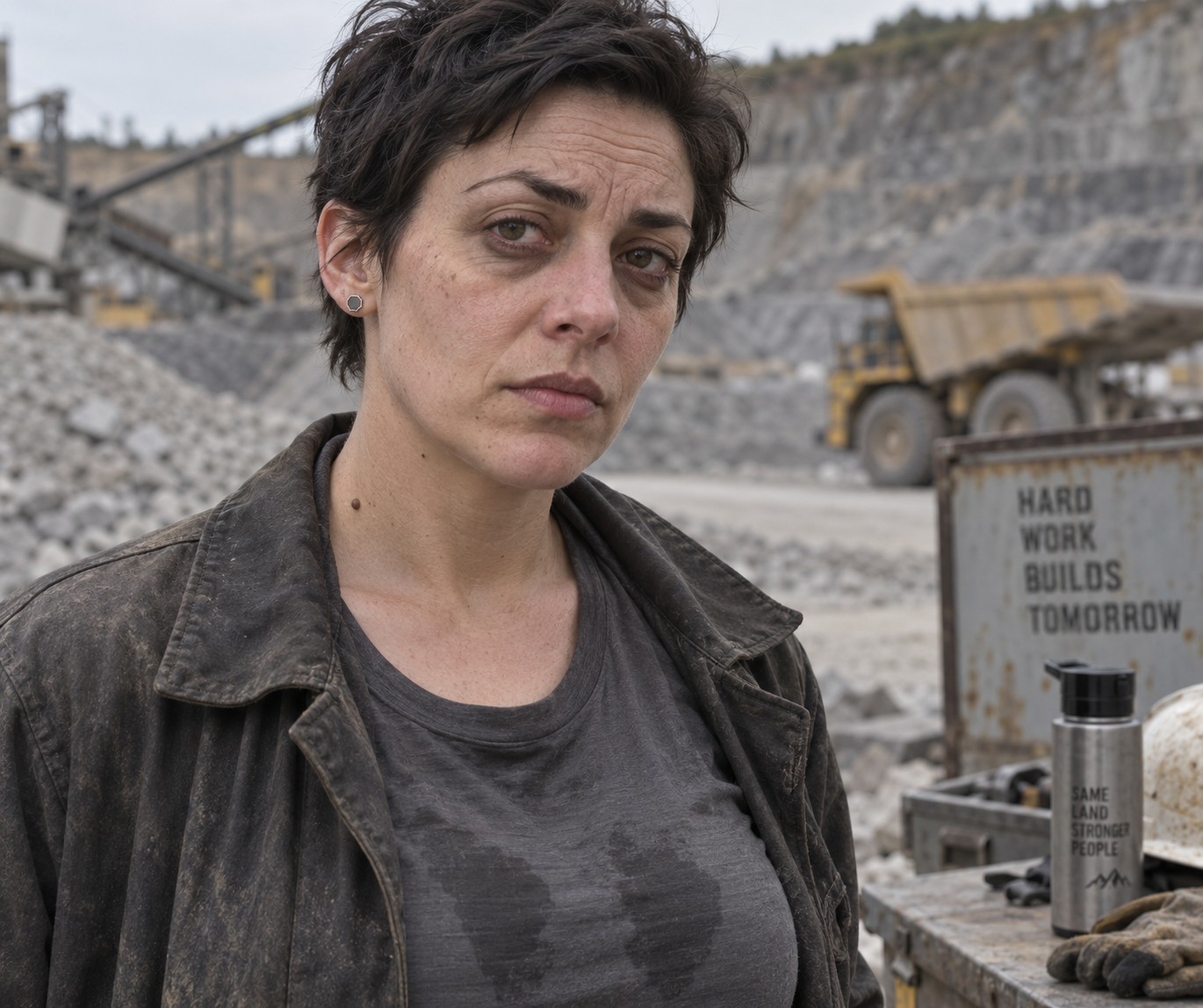
Appears to merge with Moll at the end, awakening fever-free with “doubled energies”; she packs the anomalous artifacts and female-God Bible into a backpack and walks away with Viv and Ben, repeatedly checking their pulses.
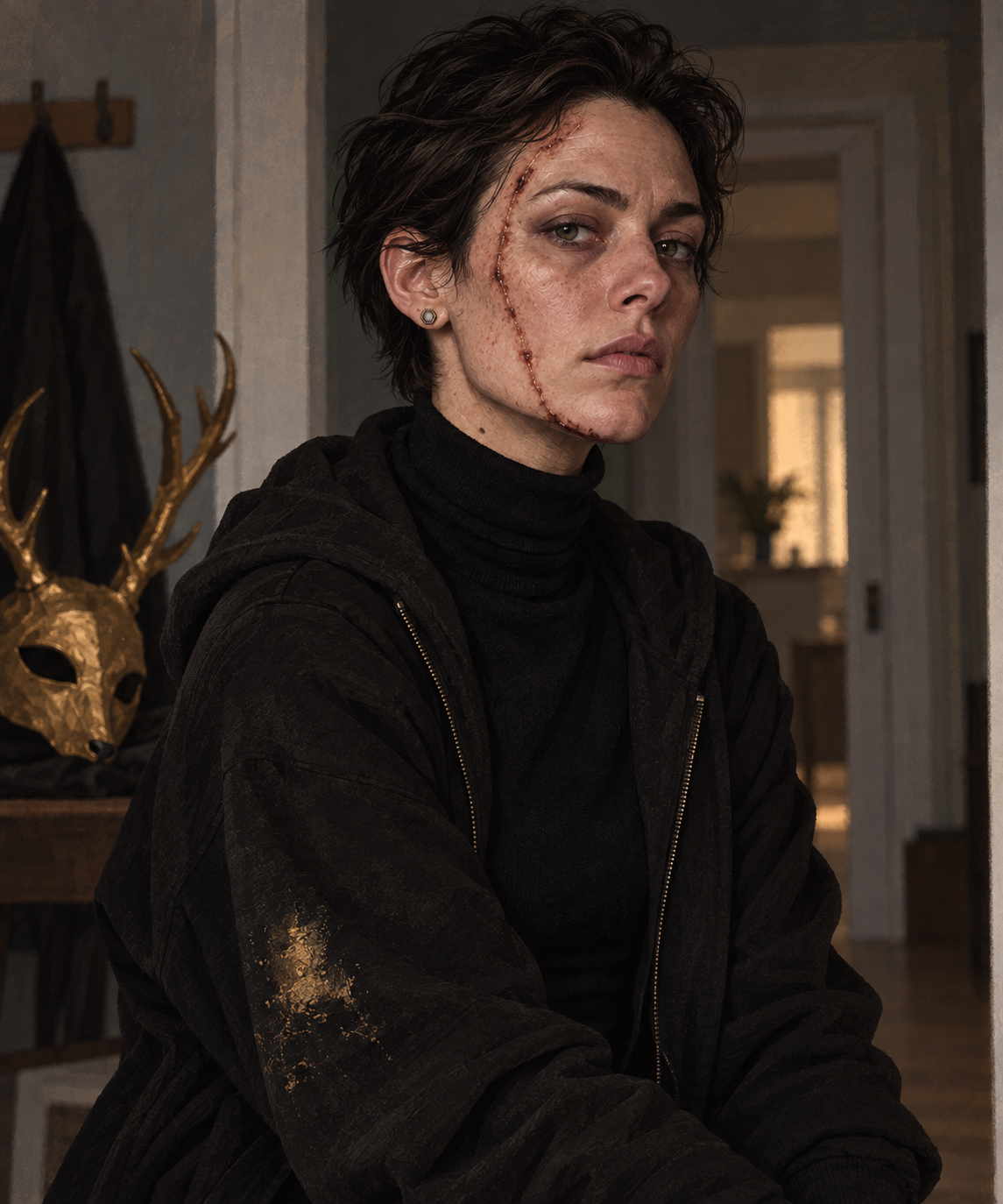
After caring for the family during their stomach virus and reading the Judgment of Solomon, she lies directly atop Molly and disappears. The ending strongly suggests that the two women merge, though the novel leaves the mechanics ambiguous.
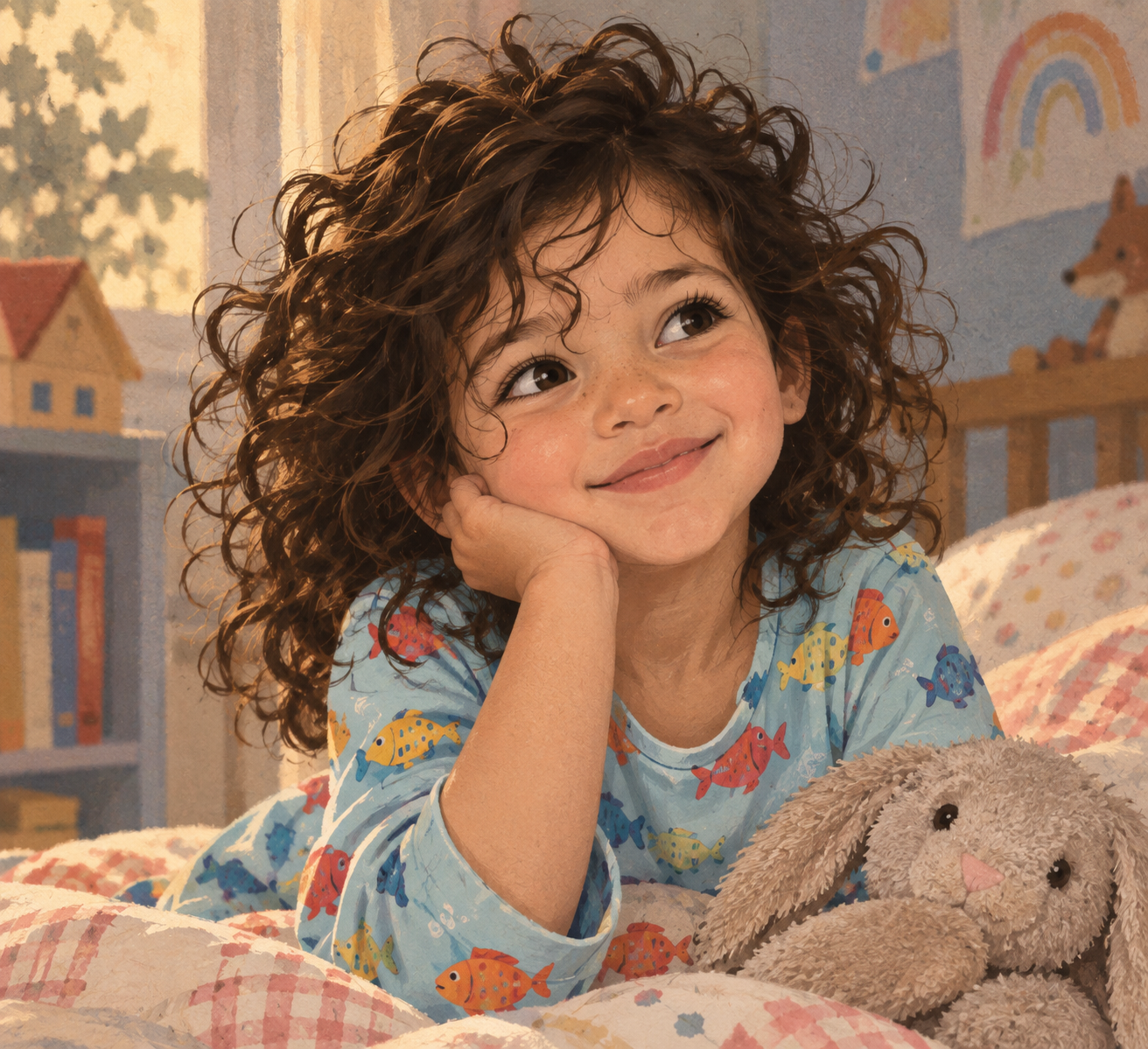
Unlike her alternate counterpart, Viv survives; after her fourth birthday and a severe stomach virus, she leaves with Molly in a stroller at the novel’s end.

He survives the novel’s accidents and stomach virus and ends the book strapped to Molly’s chest as she walks away with both children.

He unknowingly has sex with Moll in his basement studio believing she is Molly, then leaves for another performance trip and never learns that his wife’s alternate-universe double lived in their home.
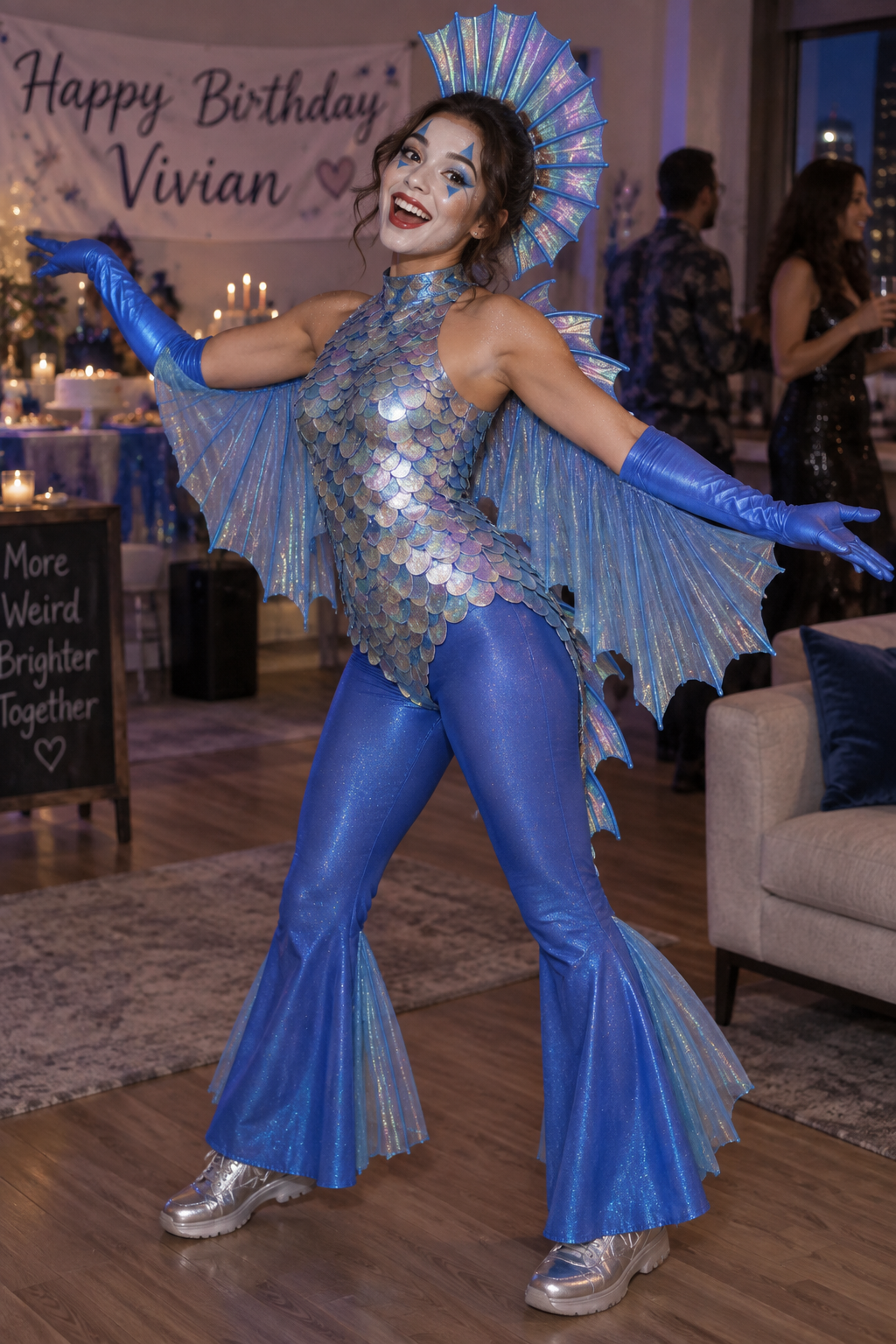
She survives in Molly’s timeline, performs as an iridescent “mime fish” at Viv’s birthday party, later catches the stomach virus, and remains unaware that her alternate self was killed.
🔷 Supporting Characters

Her facility is destroyed in Moll’s reality, but in Molly’s timeline she continues operating the quarry and displaying the controversial artifacts.
He is killed in the quarry bombing in Moll’s universe but remains alive in Molly’s, covering Molly’s tours while she withdraws from them.
In Molly’s reality she appears near the same display but leaves in a black rental car without detonating a bomb, allowing everyone who died in the alternate timeline to survive.
She maintains that the artifacts are probably the work of an elaborate high-tech hoax rather than evidence of another reality.
She returns from medical testing in Arizona and jokes about Molly neglecting her plants, never realizing an alternate version of her niece occupied her home.
He successfully calms Viv by kneeling beside her and offering her a lollipop, then disappears from the larger story.
She notices something is strange but dismisses her confusion as forgetfulness, never discovering that she actually saw two Mollys.
🕳️ Potential Plot Holes
Moll and Molly are physically identical because their realities diverged only about two weeks earlier, which explains Moll’s knowledge of Molly’s PIN, possessions, family, and intimate details. However, Moll has acquired visible injuries since the divergence, including a long facial scab and other wounds. David nevertheless has sex with Moll without realizing that she is not his wife. Their near-identical appearance makes the deception possible, but his failure to notice Moll’s prominent recent injuries during such an intimate encounter strains plausibility.
In Moll’s reality, an unidentified woman detonates a bomb at the quarry, killing Moll’s children and creating the crucial divergence between the two timelines. In Molly’s reality, the same woman appears poised to do something at the female-God Bible display but ultimately leaves without attacking. The novel never reveals who she is, why she targets the quarry or Bible, or what causes her decision to differ between the two realities. This is less a contradiction than an intentionally unresolved mystery, but readers may reasonably expect more explanation because the bombing causes virtually everything that follows.
📚 Book Club Q&A's
⭐ Final Rating & Thoughts
The Need is one of those strange, unsettling books that I didn’t necessarily love every minute of reading, but I couldn’t stop thinking about afterward. Helen Phillips blends psychological suspense, speculative fiction, and the realities of motherhood into something that feels completely unique—and deeply uncomfortable in the best way.
What really elevated this book for me was how accurately it captured the anxiety and exhaustion of being a new mother. The constant fear, second-guessing, sleep deprivation, and feeling that you’re somehow losing pieces of yourself felt painfully familiar. I connected with Molly in a way I wasn’t expecting, and that emotional connection made the book hit much harder than the bizarre premise alone ever could.
It’s definitely weird, and readers looking for straightforward explanations or a neatly wrapped-up ending may find it frustrating. I also didn’t love every part of the journey. But I loved how much it made me think, especially about motherhood, identity, and the conflicting emotions that can exist alongside enormous love for your children.
This won’t be for everyone, but for me, its weirdness is exactly what made it memorable.
✨ Adaptation description
✨ Books Like The Need (2019)
See an error on this page?