
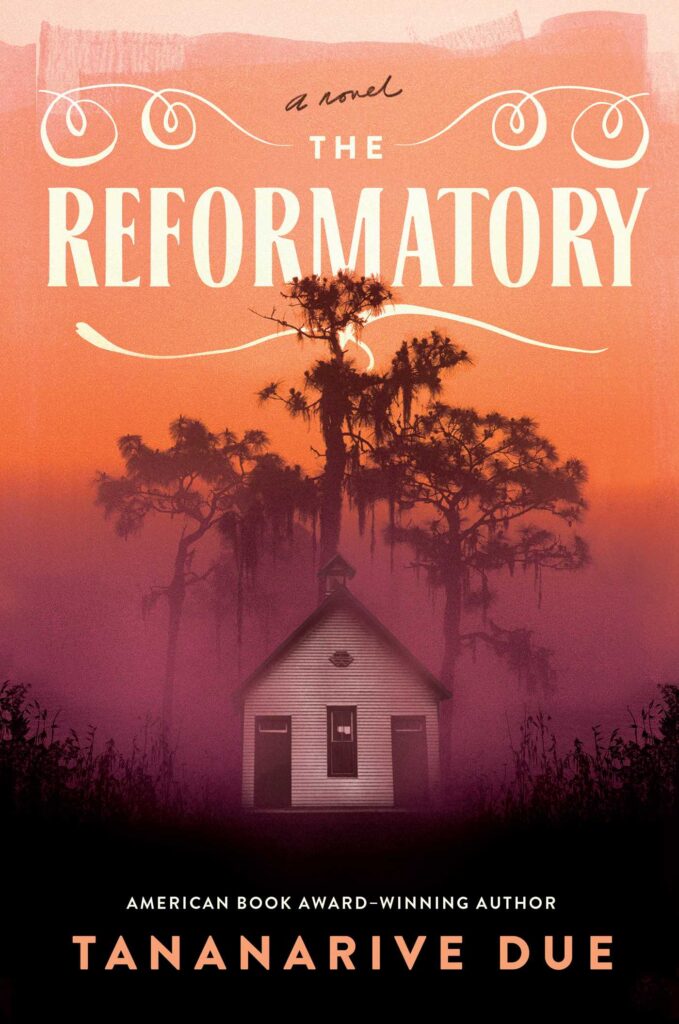
The Reformatory (2023)
Select Sections to Print
×Book Details
The Reformatory (2023)
Jump to Section
⚠️ Trigger Warnings
- Racism, racial slurs, segregation, and Jim Crow–era white supremacy
- Racial violence and hate crimes
- Ku Klux Klan activity and terrorism
- Lynching and references to historical lynchings
- False rape/sexual assault accusations motivated by racism
- Arson and destruction of a family home
- Threats of mob violence
- Severe child abuse and institutional abuse
- Corporal punishment and brutal flogging of children
- Physical assault and beatings of children
- Solitary confinement and inhumane confinement
- Child imprisonment/incarceration
- Child death and murder
- Institutional murder and cover-ups
- Children dying in a fire
- Sexual abuse and exploitation of children
- Sexual harassment and predatory sexual behavior
- Rape and references to sexual violence
- Graphic violence and gore
- Severe wounds and bleeding
- Stabbing
- Fatal animal attack/dog mauling
- Cancer and parental death
- Pneumonia and childhood death
- Infant death
- Grief and bereavement
- Paranormal activity and ghosts
- Disturbing imagery of dead, burned, stabbed, and mutilated children
⏱️ 2-Minute Spoiler Summary
In 1950s Jim Crow Florida, 12-year-old Robert “Robbie” Stephens Jr. lives with his 16-year-old sister, Gloria, after their mother dies of cancer and their father, Robert Stephens Sr., is forced to flee to Chicago. Their lives fall apart when a white teenager, Lyle McCormack, sexually harasses Gloria and shoves Robbie. Robbie kicks Lyle while defending his sister, but because Lyle comes from a powerful white family, Robbie is arrested. After a sham trial, Judge Morris sentences him to six months at the brutal Gracetown School for Boys, known as the Reformatory.
Robbie quickly discovers that the school is essentially a prison run by sadistic Warden Fenton Haddock and his enforcer Boone. Boys are beaten in a whipping shed called the Funhouse and locked in a tiny solitary-confinement cage called the Box. Robbie befriends Redbone, another 12-year-old inmate, and a mischievous Bahamian boy named Blue. But Robbie has always been able to see “haints,” or ghosts, and he eventually realizes that Blue is one of them. His real name is Kendall Sweeting, and he died decades earlier in a 1920 fire at the school that killed 25 boys.
After Blue plays a prank involving a walk-in freezer, Haddock and Boone accuse Robbie and Redbone of attempting to escape and brutally whip them. While Robbie recovers, Mrs. Marian Crutcher Hamilton, the school’s Black band director, discovers his musical talent and teaches him trumpet. But Haddock also discovers Robbie’s supernatural ability and forces him to help capture the Reformatory’s ghosts, promising to sign a petition for Robbie’s early release if he cooperates.
Outside the school, Gloria refuses to abandon her brother. With help from their godmother, Miz Lottie Mae Powell, she contacts NAACP lawyer John Dorsey and Florida NAACP president Harry T. Moore. Judge Morris still refuses to release Robbie, and the effort brings retaliation: Klansmen burn down the Stephens family cabin, while Sheriff “Bird” Posey pressures Gloria to reveal where her father is hiding. Gloria finally realizes the legal system will not save Robbie and begins planning an escape with Miz Lottie and her relatives Uncle June and Waymon.
Inside the Reformatory, Robbie becomes increasingly horrified by Haddock’s ghost-catching. Blue tells him that Haddock keeps photographs documenting murdered boys in his desk and urges Robbie to steal them. Then Boone locks Redbone in the Box and later puts the violent bully Cleo in there with him. The two fight in the darkness, and Cleo kills Redbone. Devastated, Robbie plays “Taps” at his friend’s unmarked burial and decides he has nothing left to lose. He steals Haddock’s incriminating photographs and the jar containing the trapped haints.
On the day of the escape, Blue starts a fire in the freezer as a distraction. Uncle June has already cut a hole through the Reformatory fence before he and Waymon are arrested. Robbie covers himself in Vaseline to confuse the bloodhounds, escapes through the cornfield, and reaches the creek, where he smashes Haddock’s jar and releases the trapped spirits.
Haddock and Boone pursue him with bloodhounds. When Haddock corners Robbie near the creek, Gloria is waiting nearby with a pistol and fires a warning shot. Haddock shoots back and prepares to recapture or kill Robbie, but the supernatural forces surrounding the Reformatory intervene. Colonel, Haddock’s tracking dog, suddenly turns on his master and mauls him to death.
Percy Crutcher, one of the dorm masters, arrives afterward and allows Robbie and Gloria to escape. Miz Lottie drives them to Tallahassee, gives them money and train tickets, and sends them north. Gloria takes Haddock’s photographs with her so they can be given to the NAACP as evidence of what happened at the Reformatory.
After a two-day journey, Robbie and Gloria finally reach Chicago and reunite with their father. Robbie is carrying a portrait of Redbone as a reminder of the friend he could not save. As the Stephens family embraces at the station, Robbie sees one last haint: the smiling spirit of his dead Mama, watching him now that he is finally free.
📖 Full Spoiler Summary
Robbie Is Sent to the Reformatory
In the summer of 1950, 12-year-old Robert “Robbie” Stephens Jr. and his 16-year-old sister, Gloria Stephens, are essentially taking care of themselves in Jim Crow-era Gracetown, Florida. Their mother has died of cancer, while their father, Robert Stephens Sr., a respected union organizer, has been forced to flee to Chicago after white supremacists falsely accused him of raping a white woman named Lorraine. Gloria has taken on a maternal role toward her younger brother, making what happens next even more devastating.
While the siblings are walking along McCormack Road, they encounter Lyle McCormack, a white teenager from an influential local family. Lyle makes predatory sexual advances toward Gloria and shoves Robbie. Robbie instinctively defends his sister by kicking Lyle in the knee with his oversized leather boot.
In another place, it might have been treated as a child defending his sister. In Gracetown, Robbie is a Black boy who has struck a white boy whose father, “Mister Red” McCormack, is a wealthy landowner and Ku Klux Klan figure.
Robbie is arrested the following morning. Judge Morris gives him neither a jury nor a meaningful defense and quickly sentences him to six months at the Gracetown School for Boys, presenting the sentence as merciful because the alternative could have been adult prison.
A white social worker named David Loehmann drives Robbie to the school and quietly warns him that the place is essentially a prison. His best chance, Loehmann says, is to make himself invisible. Gloria and their elderly godmother, Miz Lottie Mae Powell, follow in Miz Lottie’s old red truck, Ole Suzy, but they are allowed only a brief goodbye before Robbie disappears behind the gates.
Robbie Discovers the Living—and the Dead
Robbie quickly learns why Loehmann warned him. The Reformatory is controlled by Warden Fenton J. Haddock, a sadistic superintendent who rules through terror. His most brutal enforcer is Boone, a Black dorm master who willingly participates in Haddock’s abuse, while another dorm master, Percy Crutcher, is less vicious but still goes along with the system.
Haddock makes sure Robbie understands the punishments awaiting boys who disobey. There is the Funhouse, where boys are brutally whipped, and the Box, a tiny, filthy solitary-confinement cage.
Assigned to Lincoln Wing and put to work in the kitchen, Robbie meets Redbone, whose real name is August Montgomery, a street-smart 12-year-old from St. Augustine imprisoned for joyriding. He also meets Blue, a small, funny Bahamian boy with a mischievous streak. The two become Robbie’s closest companions, especially after an older bully named Cleo beats Robbie up at school.
But Robbie has an ability almost no one around him understands: he can see and feel “haints,” the restless spirits of the dead.
The Reformatory is full of them.
He sees Clint Newsome, the ghost of a barefoot white boy with a butcher knife protruding from his back. In another part of the grounds, Robbie experiences phantom heat and hears screams connected to a horrific 1920 fire in which 25 Black and white boys were trapped and killed.
Eventually, Robbie realizes something even more startling. Blue is not another prisoner at all. He is one of the haints.
Blue’s real name is Kendall Sweeting. He came from Bimini in the Bahamas and died in the 1920 fire. For decades, his spirit has remained at the school, walking among generations of boys who usually cannot even see him.
The Funhouse and Haddock’s Ghost Hunting
Blue’s mischievousness eventually gets Robbie and Redbone into serious trouble. As a joke, he locks Robbie, Redbone, and a shy boy named Troy inside the Reformatory’s new zero-degree walk-in meat freezer. Blue eventually lets them out, but Boone decides the boys were planning an escape.
Robbie and Redbone are dragged to the Funhouse.
There, Haddock, Boone, and the other guards strip them and force them to bite down on pieces of wood while they are beaten with a heavy leather strap. Redbone receives 30 lashes. Robbie receives 15, leaving his back torn open.
While Robbie is recovering in the infirmary, he encounters yet another ghost, this one the floating spirit of a boy who died of pneumonia. But he also meets someone who gives him one of his few sources of genuine hope: Mrs. Marian Crutcher Hamilton, Percy Crutcher’s sister and the director of the Negro Boys’ Marching Band. Mrs. Hamilton recognizes Robbie’s musical ability and begins teaching him to play the trumpet.
Unfortunately, Boone also notices Robbie reacting to things no one else can see.
When Boone tells Haddock, the warden reveals his own obsession with the supernatural. Haddock believes ghosts can be trapped and reduced to ash, and he wants Robbie to become his personal ghost detector. He shows Robbie a typed Petition for Early Release bearing Robbie’s name and promises to sign it if Robbie cooperates.
Desperate to go home, Robbie agrees.
With Robbie identifying the haints, Boone uses “grave dust” or “haint dust” to trap them inside a glass mason jar. Robbie soon realizes that the promise of freedom comes at the cost of helping Haddock destroy the spirits of the Reformatory’s dead boys.
Gloria Tries to Bring Robbie Home
While Robbie struggles to survive inside, Gloria refuses to accept his sentence.
She works cooking and cleaning for Miss Anne Powell and Anne’s senile mother, Old Lady Powell, enduring racist insults from Anne’s brother Fred and his wife Nell. Through Channing Holt, a white woman secretly living as Miss Anne’s romantic partner, Gloria also learns more about the racial and political forces operating around Gracetown.
With Miz Lottie beside her, Gloria travels to Live Oak to seek help from John Dorsey, a young NAACP attorney from New York, and Harry T. Moore, president of the Florida NAACP. They eventually accompany Gloria and Miz Lottie back to Judge Morris.
The judge refuses to reconsider Robbie’s sentence. Instead, he warns them that bringing the NAACP into Gracetown will only provoke white violence. An angry white mob outside the courthouse reinforces exactly what he means.
The retaliation soon becomes much worse. Klansmen burn the Stephens family cabin to the ground, while Sheriff “Bird” Posey tries to intimidate Gloria into revealing where her father is living in Chicago.
By now, Gloria understands that following the rules will not get Robbie home. If the law will not free her brother, she will have to get him out herself.
She and Miz Lottie enlist Uncle June, a World War II veteran who once worked as a groundskeeper at the Reformatory, and Waymon, another Army veteran fiercely loyal to the family. Together, they begin planning Robbie’s escape.
Redbone’s Death Changes Everything
Back at the Reformatory, Haddock’s ghost hunting becomes increasingly horrifying. During a Sunday church service, Robbie identifies the haint of Robicheaux, a former guard who died in the 1920 fire. Boone traps the spirit at the altar, and Robbie watches in horror as Robicheaux is pulled into the jar and reduced to ash.
Blue has had enough. He tells Robbie to stop helping Haddock and reveals that the warden keeps something even more important locked in his desk: graphic photographs documenting boys who have been murdered at the school. If Robbie can steal those photographs, there will finally be evidence of what has happened there.
Then Robbie suffers his worst loss.
After Robbie fails to locate a ghost at an old well, Boone decides to punish him indirectly by throwing Redbone into the Box. Later, Boone puts Cleo into the same cramped cage. Trapped together in complete darkness, the two boys fight violently.
Cleo kills Redbone.
Robbie is devastated. Mrs. Hamilton arranges for him to play “Taps” on his trumpet as Redbone is buried without a proper marker at Boot Hill, the Reformatory’s lonely cemetery.
After losing his best friend, Robbie no longer has any reason to trust Haddock’s promises. Blue has hidden the key to Haddock’s desk beneath the bass drum in the band room. Robbie retrieves it, sneaks into the warden’s office, and steals both the envelope of incriminating photographs and the mason jar containing the trapped spirits.
Now he only has to get out alive.
Robbie Escapes and Haddock Comes After Him
The escape is set for Friday.
Blue creates the necessary distraction by starting a fire inside the walk-in freezer. Outside the Reformatory, the plan has suffered a serious setback: deputies have arrested Uncle June and Waymon for “vagrancy.” Fortunately, before being arrested, Uncle June managed to cut a hole through the school’s outer barbed-wire fence.
Gloria and Miz Lottie head toward the rendezvous point near an abandoned railroad trestle and dry creek bed while Robbie makes his move.
Remembering a trick meant to throw off bloodhounds, Robbie covers himself with Vaseline. He races through the cornfield, reaches the opening Uncle June created, and escapes beyond the fence.
When he reaches the creek, Robbie smashes Haddock’s mason jar.
The trapped haints are finally released.
Haddock, Boone, and Crutcher quickly discover that Robbie is gone and organize a manhunt. They bring bloodhounds, including their powerful tracking dog Colonel, and Haddock and Boone follow Robbie’s trail toward the creek.
Haddock finally corners the 12-year-old in the mud.
But Gloria is nearby, hiding in the brush with a pistol Miz Lottie gave her. She fires a warning shot. Haddock responds by firing toward Gloria, his bullet tearing through the trees near her.
As Haddock closes in on Robbie, something supernatural takes hold around them. The water begins to churn. Then Colonel, the dog brought to hunt Robbie down, suddenly turns on Haddock.
The animal attacks its own master and brutally mauls the warden to death in the creek bed.
Robbie and Gloria Finally Reach Their Father
When Percy Crutcher arrives and sees Haddock’s body, he also recognizes the evidence of the warden’s atrocities. Instead of stopping Robbie and Gloria, he tells them to run.
The siblings scramble up the embankment toward the abandoned railroad trestle, where Miz Lottie is waiting with Ole Suzy. She drives them all the way to the Tallahassee train depot and gives them money and tickets to Illinois.
Miz Lottie cannot go with them. Uncle June and Waymon have been arrested, and she still has responsibilities and a home in Florida. After a tearful goodbye, Gloria and Robbie board a northbound train without her.
They travel for two days through Georgia, Tennessee, and Missouri. Robbie carries a hand-drawn portrait of Redbone that another boy from the Reformatory, Owl, gave him. Gloria keeps Haddock’s photographs safely hidden in her bag. She intends to give them to John Dorsey and the NAACP so there will finally be evidence of the boys who suffered and died at the school.
At last, their train pulls into Chicago.
Waiting at the station is Robert Stephens Sr.
Robbie and Gloria step onto the platform and are finally reunited with their father after everything that has separated their family. And in the middle of the crowded station, Robbie sees one more ghost.
Standing in a shaft of sunlight is the smiling spirit of his dead Mama.
Robbie has escaped the Reformatory. He is back with his father and sister, Redbone’s memory travels with him, and the evidence of Haddock’s crimes has made it out too. As Mama’s spirit watches the family reunite, Robbie is finally free.
🔚 Ending Explained
How The Reformatory Ends
The ending of The Reformatory brings Robbie Stephens’s imprisonment to a violent but ultimately hopeful conclusion, combining a physical escape from the Reformatory with a supernatural reckoning for the boys who never escaped it.
Twelve-year-old Robert “Robbie” Stephens Jr. realizes that his only real chance at freedom is to run. Rather than accept Warden Fenton J. Haddock’s offer to become his permanent “haint catcher” in exchange for an early release, Robbie decides to escape—and to take something with him that might finally expose what has been happening at the school.
Using a small brass key he recovered from beneath the bass drum in the band room, Robbie slips through an open window into Haddock’s office. From the warden’s desk, he steals an envelope filled with photographs documenting years of abuse, torture, and murdered boys. He also takes a mason jar containing the ashes of imprisoned haints.
Robbie covers himself in petroleum jelly in an attempt to confuse the tracking dogs and escapes through a hole his Uncle June has cut in the barbed-wire fence near the Funhouse. Once he reaches the creek, Robbie smashes Haddock’s mason jar against the rocks, releasing the trapped spirits into the water.
But Haddock quickly discovers what Robbie has done. He sounds the runaway alarm and pursues him into the swamp with dorm master Percy Crutcher and a pack of tracking dogs led by his prized bloodhound, Colonel.
Haddock eventually corners Robbie in the creek. When Crutcher begins questioning Haddock’s brutality, Haddock shoots him in the chest. He then turns his attention back to Robbie, threatening to unleash a German shepherd on the boy.
What Haddock does not know is that Gloria is hiding nearby, armed with the .22 pistol Miz Lottie gave her. She fires a warning shot, and Haddock fires back toward her hiding place.
Then the dead intervene.
The ghost of Kendall Sweeting—“Blue,” the Bahamian boy killed in the 1920 reformatory fire—appears beside the creek. The previously still water suddenly becomes icy and turbulent, and a spectral wind tears through the trees. Kendall places his hand on Colonel’s head.
The bloodhound turns on his master.
Colonel attacks Haddock and tears into his throat, killing the warden in the creek. The man who spent years controlling both children and ghosts is ultimately destroyed when one of those ghosts turns his own instrument of pursuit against him.
Crutcher survives his gunshot wound and finally rejects the institution he helped enforce. He tells Robbie and Gloria to escape while he deliberately confuses their tracks and sends the search party in the wrong direction. Most importantly, he tells them to get Haddock’s photographs to John Dorsey and the NAACP.
Gloria and Robbie scramble up an embankment toward an abandoned railroad trestle, where Miz Lottie is waiting with Ole Suzy, her red 1939 Ford truck. When another dog comes after them, Robbie kicks it away with the oversized boots his father sent him from Chicago. The very boots that once made him awkward and helped precipitate the trouble that sent him to the Reformatory now help him escape it.
Miz Lottie drives them to the Tallahassee train station. There, she tells Gloria that she cannot accompany them. She must remain behind for June and Waymon, who have been jailed on false vagrancy charges, and because Gracetown is her ancestral home. Her role has been to get Robbie and Gloria to the threshold of freedom; now Gloria must take responsibility for her brother.
With money supplied by Miss Anne Powell, the siblings board a train for Illinois.
During the two-day journey north, Robbie holds onto Owl’s drawing of his murdered friend Redbone, while Gloria guards the photographs that could expose the Reformatory. In the integrated dining car, a Black chef from Marianna serves them a warm meal and welcomes them North—a small but powerful indication that they are entering a different world from the one they have fled.
Finally, they arrive at Union Station in Chicago.
Their father, Robert Stephens Sr., is waiting.
The three collapse together on the station floor, crying and embracing. Robbie then sees one final figure: his dead mother, Mama, standing in a shaft of bright light in a white dress.
The novel closes with Robbie understanding that the dead remain beside the living—and that sometimes the dead can help the living fly.
What the Ending Means
The ending is ultimately about escape without erasure. Robbie gets out of the Reformatory, but the novel refuses the simpler idea that freedom means leaving the past behind. He literally carries the dead with him: Redbone through the drawing, the murdered boys through the photographs, and Mama through his final vision of her.
That makes the haints much more than a supernatural horror device. They embody people whose suffering has been deliberately hidden. Haddock can imprison their ashes in jars just as the Reformatory can hide abused and murdered boys behind its walls, but neither institution can make those lives disappear. When Robbie breaks the jar, he is symbolically refusing the erasure of the dead.
Haddock’s death completes that reversal. Throughout the novel, he controls children, employees, dogs, and even ghosts. In the creek, all of those systems of control collapse. Kendall does not attack Haddock directly; instead, he touches Colonel, and Haddock’s own tracking dog kills him. The instrument he used to terrorize escaping boys becomes the means of his destruction.
The creek therefore functions as both a place of escape and transformation. Robbie uses water to evade the dogs, releases the imprisoned spirits into it, and witnesses Haddock’s destruction there. It becomes almost baptismal: Robbie enters it as a hunted prisoner and emerges from it on his way toward freedom.
The oversized boots complete a similar transformation. At first they are a burden—too large for Robbie, much like the adult dangers and responsibilities being forced upon a twelve-year-old boy. By the climax, Robbie has effectively grown into what they represent. He uses one of those boots to kick away the pursuing dog and save himself. Something that once caused him to stumble now helps carry him out.
Gloria undergoes her own transformation. She has spent much of the story trying to work through systems that are supposedly designed to provide justice. By the ending, she understands that those systems have been constructed to deny Robbie justice in the first place. Her decision to participate in his escape is therefore not simply desperation; it represents her recognition that obeying an unjust system will not necessarily protect the innocent.
Crutcher’s decision is important for the same reason. He has participated in the institution without possessing Haddock’s cruelty. But passive participation still helps keep the Reformatory functioning. Only at the end does he actively choose a side, risking his life and then misleading the searchers so the children can escape.
The photographs may be the most important object Robbie carries out. Haddock regarded them as trophies of domination. Robbie and Gloria transform them into evidence. The same images that once demonstrated Haddock’s power can now testify against the institution that protected him. Robbie therefore does more than save himself: he carries the possibility that what happened to the other boys will finally be seen.
That distinction gives the ending its bittersweet quality. Robbie survives, but Redbone does not. Kendall cannot be restored to life. The abused and murdered children cannot simply be rescued retroactively. Even Miz Lottie cannot leave with Robbie and Gloria; she remains connected to the people and history of Gracetown.
So Chicago is not presented as magical erasure of everything that came before. It represents possibility.
Robbie and Gloria have their father again. Gloria may be able to pursue her education. Robbie may have the opportunity to pursue music. The photographs offer the possibility of exposing the Reformatory’s crimes. For the first time, their futures are no longer completely controlled by the racist institutions that determined their lives in Florida.
And Robbie’s final vision of Mama ties all of those ideas together beautifully. The dead in The Reformatory are frightening because of what happened to them, not because they are inherently frightening themselves. They are witnesses. They remember what institutions would prefer forgotten.
Robbie begins the story burdened by his ability to see the dead. By the end, he understands that this connection can also be a source of protection, memory, and strength.
That is why the final image is hopeful without pretending the horror has disappeared: Robbie escapes because the past is not forgotten. The dead cannot reclaim the lives stolen from them, but through Robbie, Gloria, the photographs, and the surviving witnesses, their stories can travel beyond the Reformatory’s walls.
👤 Characters & Fates
🔶 Main Characters
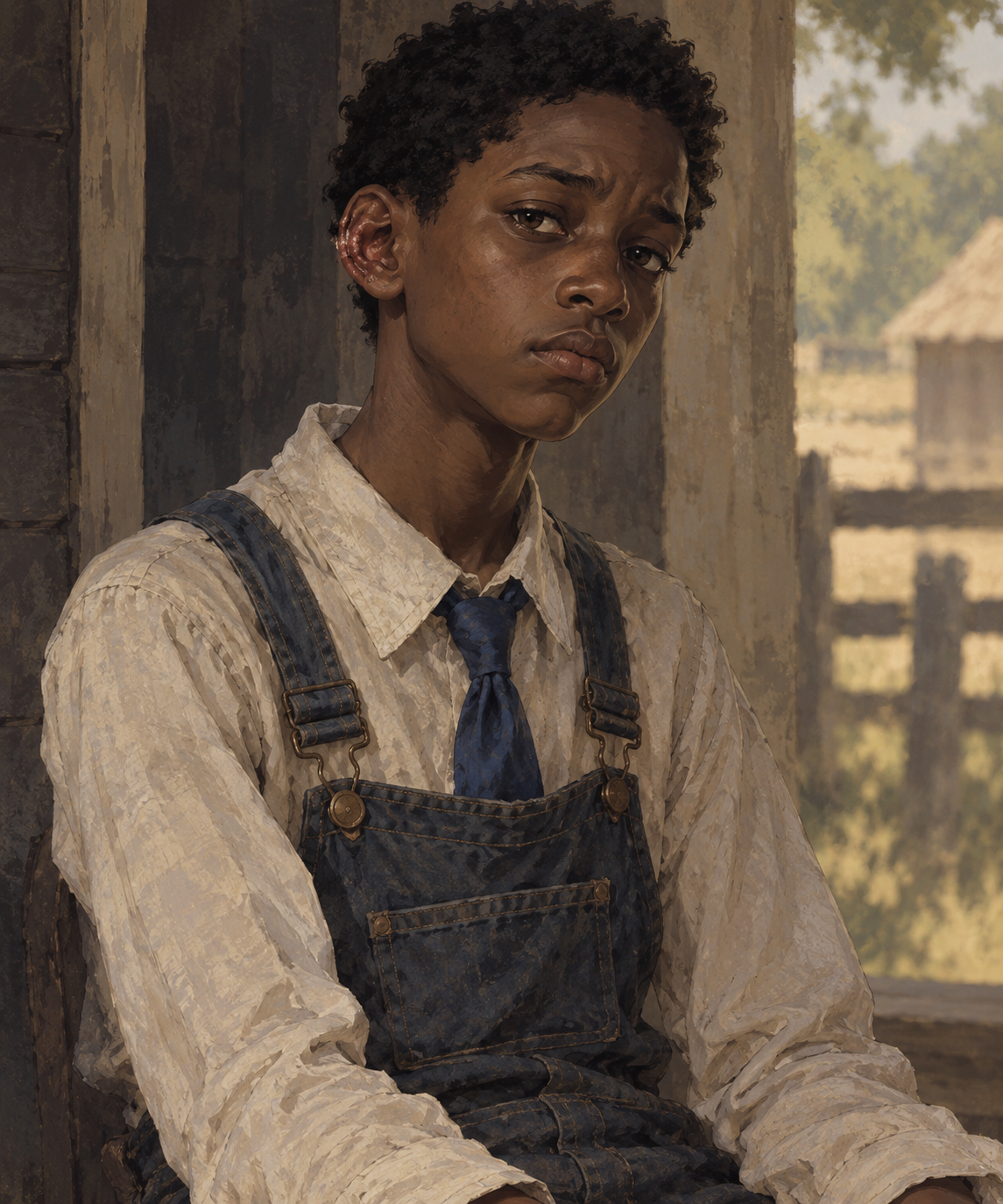
Steals Haddock’s photographs documenting the school’s abuse and his jar of trapped haints, escapes through the fence, and releases the spirits. After Blue causes Colonel to maul Haddock to death, Robbie escapes with Gloria to Chicago, reunites with his father, and sees his dead mother’s spirit smiling over them.
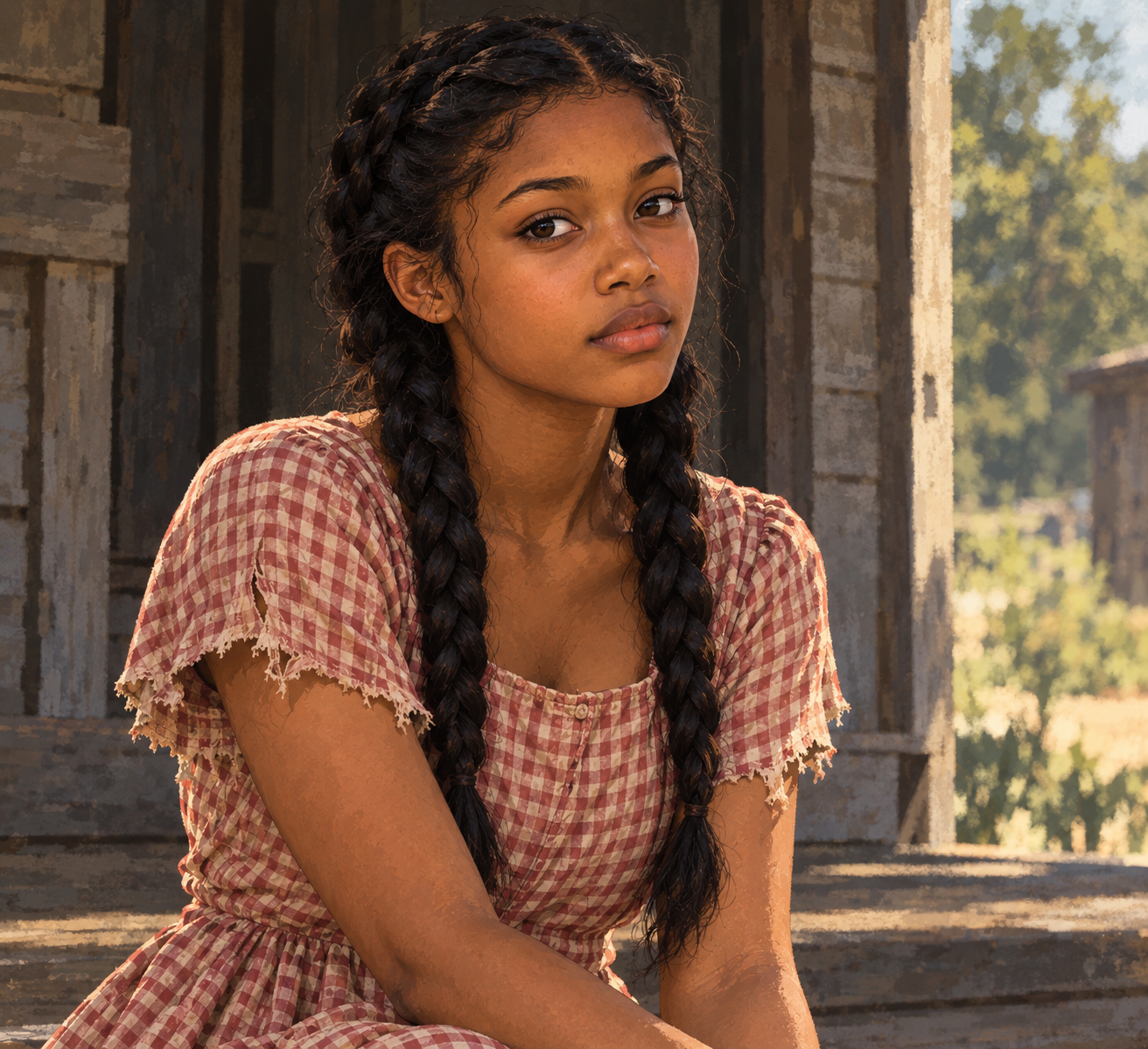
Rescues Robbie during his breakout and flees with him to Chicago, taking Haddock’s incriminating photographs to give to the NAACP. She reunites with their father and is finally free to pursue higher education.
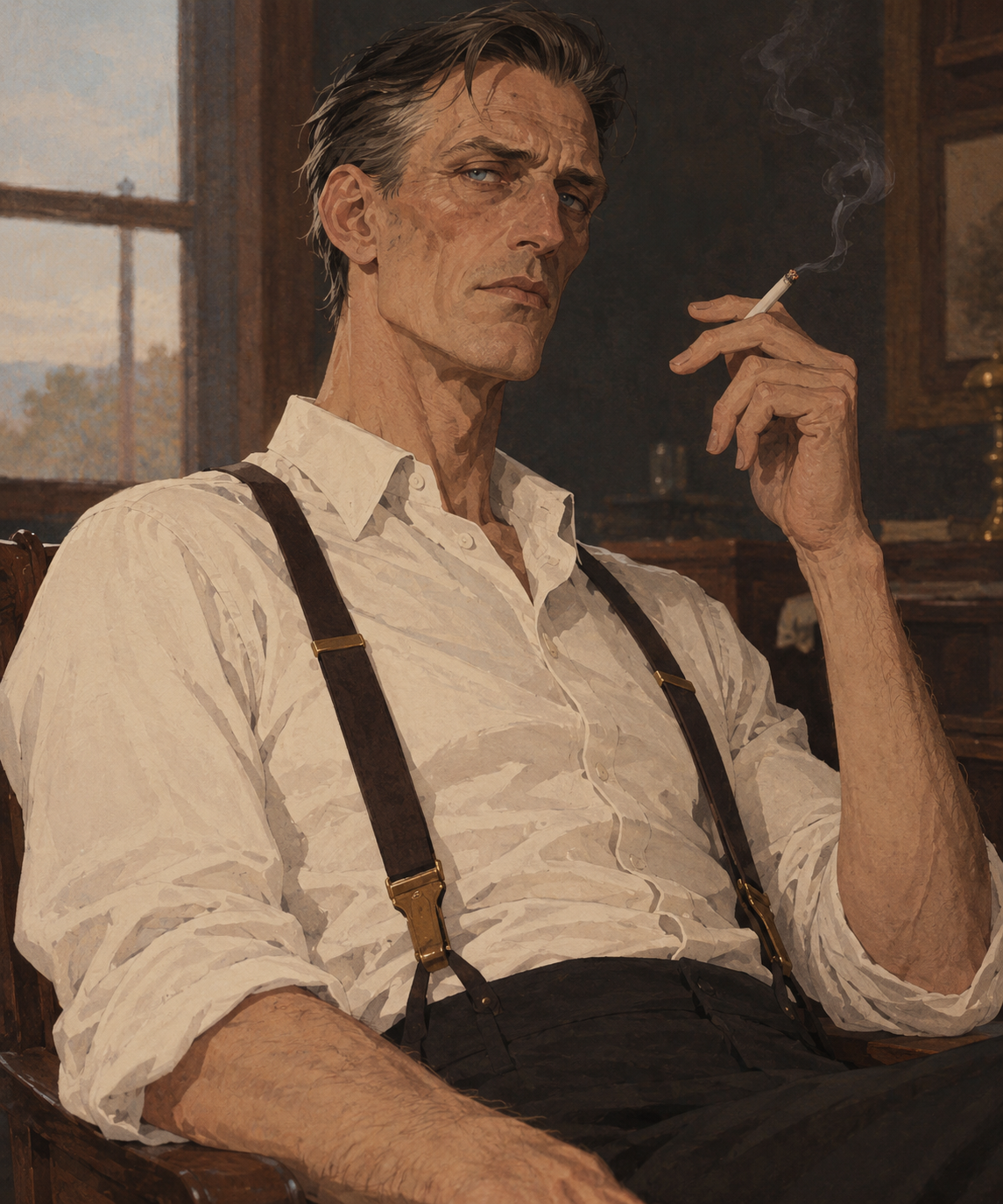
Chases Robbie into the swamp, but Blue supernaturally influences Haddock’s prized bloodhound Colonel, who turns on Haddock and mauls him to death in the creek.
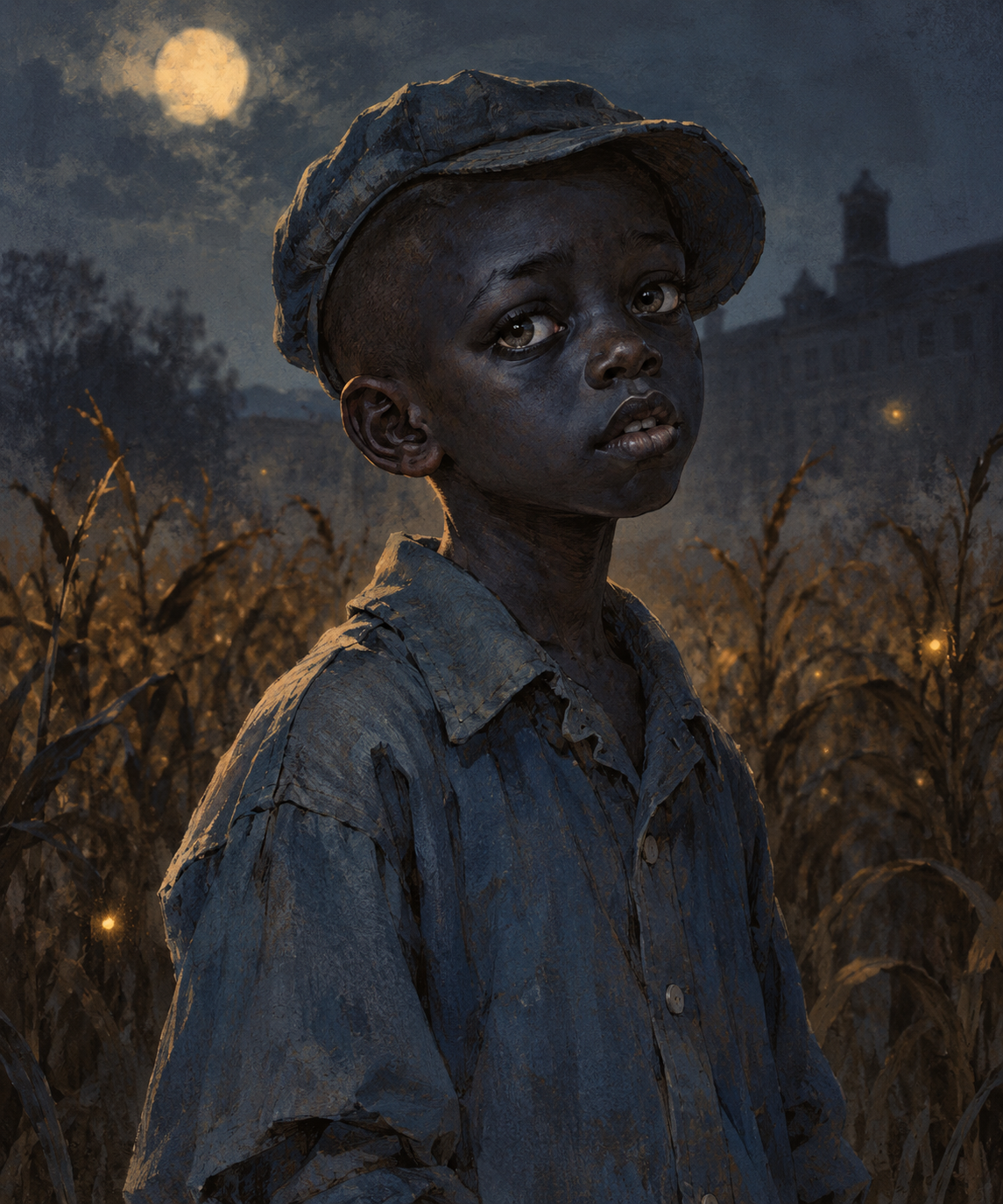
Creates the distraction needed for Robbie’s escape and causes Colonel to kill Haddock. Once Haddock dies and the trapped haints are released, Blue finally flies away into the afterlife.
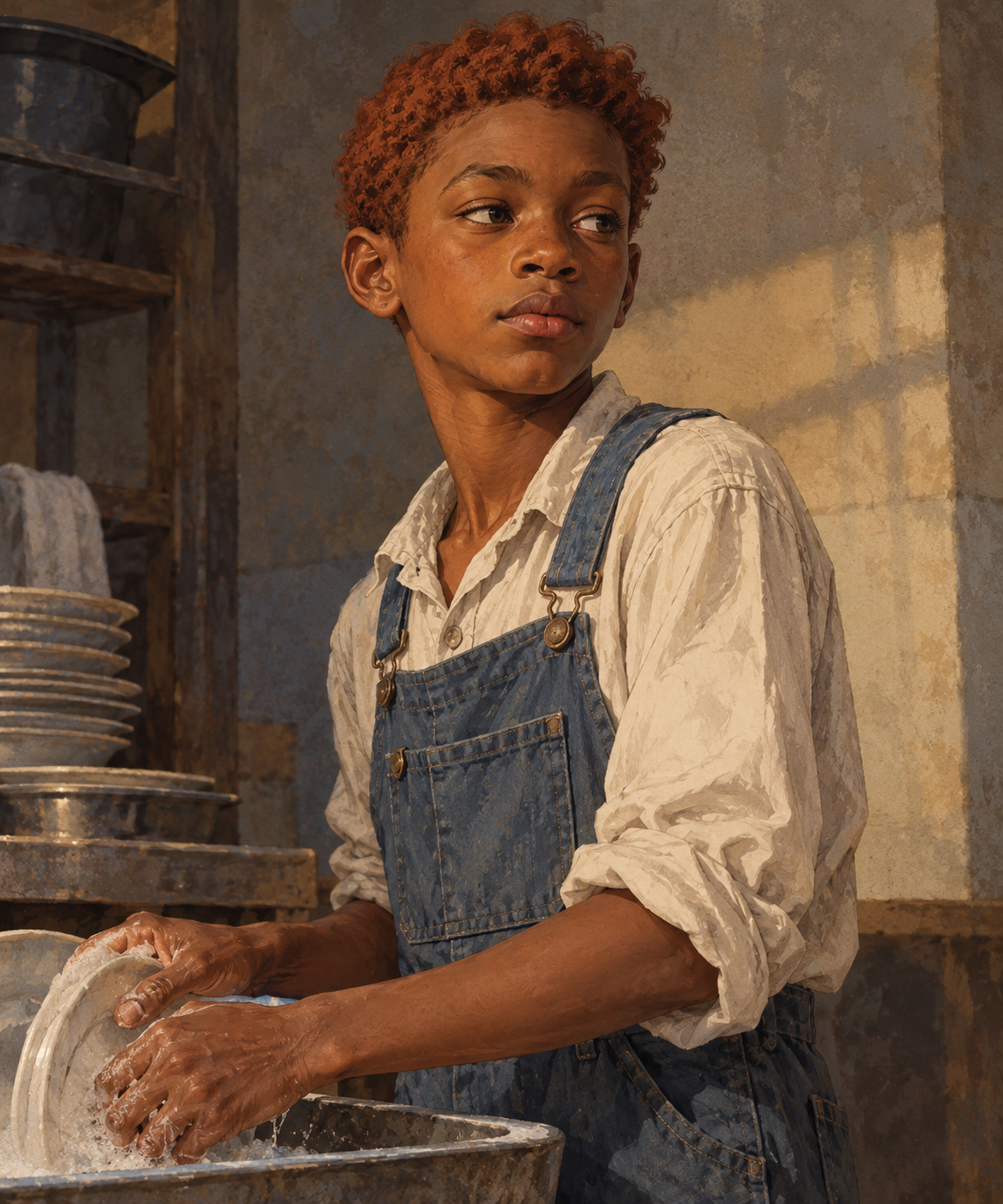
Boone locks Redbone in “The Box” with Cleo, who kills him during a struggle. Robbie plays “Taps” at his unmarked grave, and Redbone later appears in Robbie’s dream to urge him to trust Blue and escape.
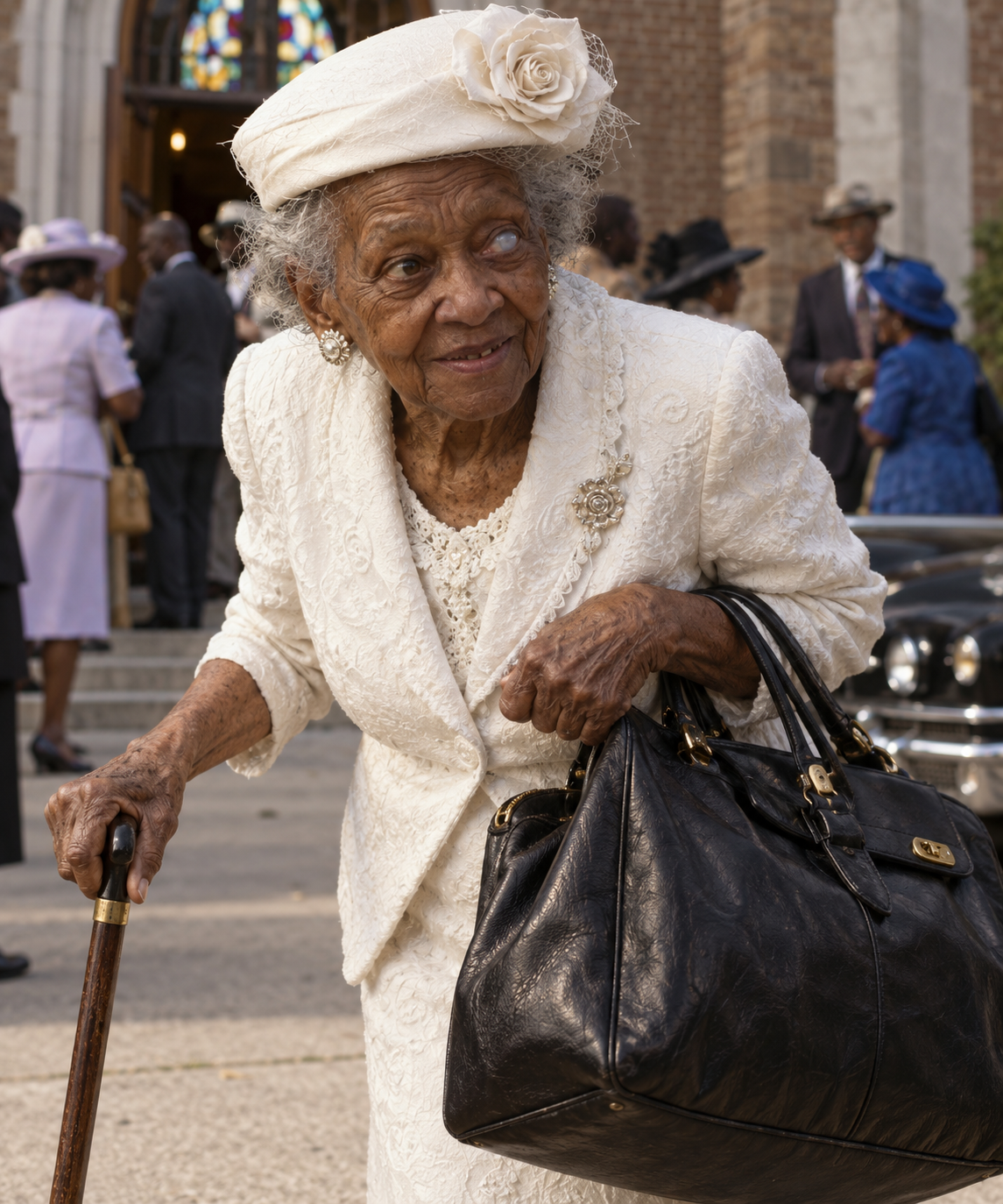
Drives Robbie and Gloria to the Tallahassee train station after the escape and tearfully sends them north to freedom, then returns to Gracetown to care for June and Waymon and her community.
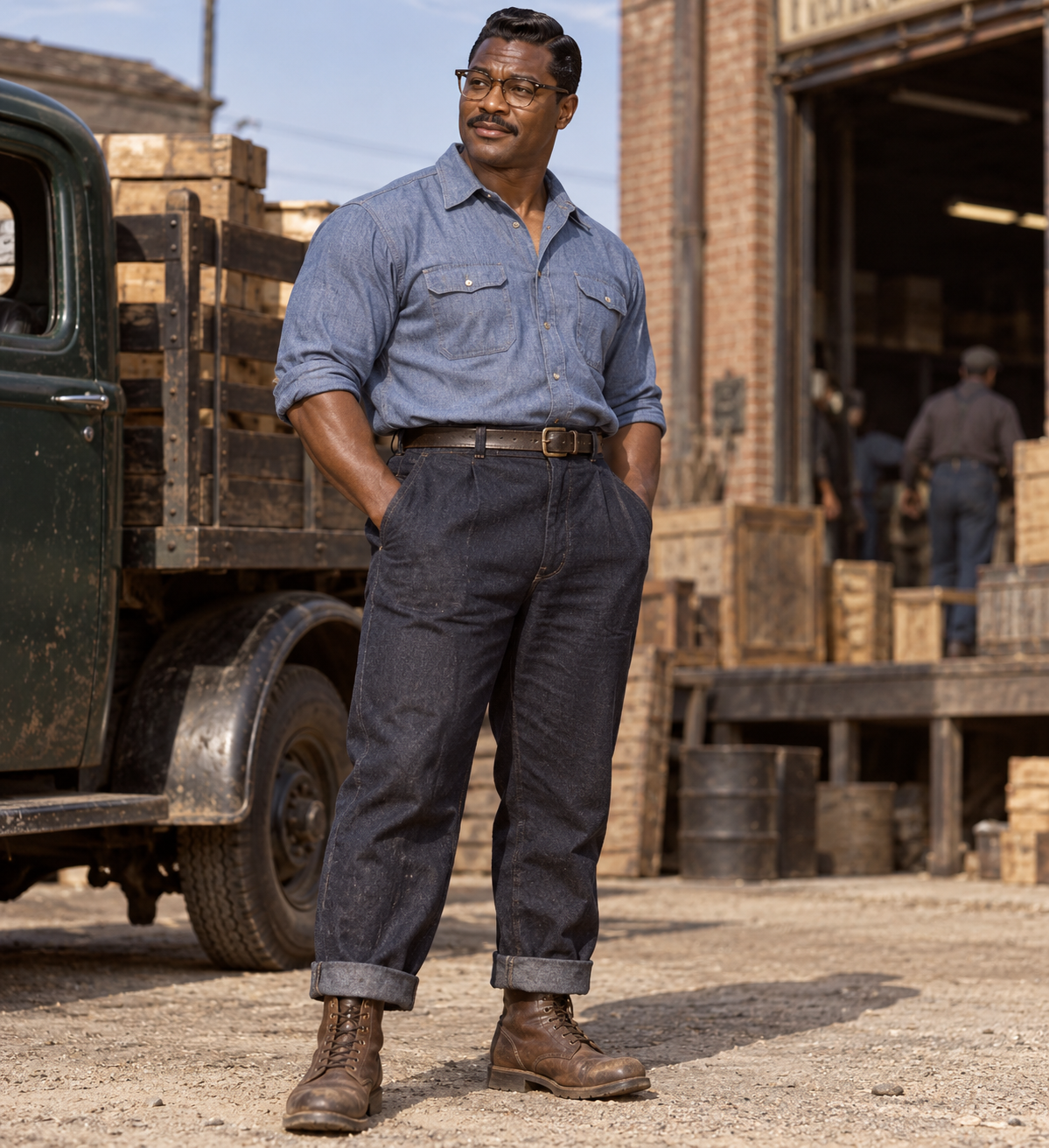
Successfully hides in Chicago while authorities hunt him and is finally reunited with Robbie and Gloria at Union Station after their escape from Florida.
🔷 Supporting Characters

Suffers only a bruised knee and later tries to blackmail Gloria into kissing him; he ultimately remains in Gracetown under his abusive father’s control.
Retains his power in Jackson County but fails to capture Robert Sr. or prevent Robbie and Gloria from escaping north.
Survives the ending but is left at the Reformatory facing the fallout from Haddock’s death and the loss of his powerful protector.
Haddock shoots him in the chest, but he survives and deliberately misdirects the search party, helping Robbie and Gloria escape and urging them to take Haddock’s evidence to the NAACP.
Survives and remains in Gracetown as an advocate for vulnerable young people.
Fails to win Robbie’s release legally, but Gloria later sends Haddock’s photographic evidence to the NAACP so it can be used against the institution.
Continues his civil-rights work, with the novel foreshadowing his real-life assassination in a Klan bombing on Christmas night in 1951.
Remains in Children’s Services, sympathetic to marginalized children but unable to meaningfully challenge the larger system.
Kills Redbone with scrap metal during their struggle and is eventually released back into the general population, traumatized by what happened.
Remains on the bench enforcing Jim Crow justice while continuing to view himself as merciful.
Remains sheriff but fails to capture Robert Sr. or stop Robbie and Gloria from escaping.
Is arrested on false vagrancy charges before the escape, but the opening he created allows Robbie to get out; he remains jailed while Miz Lottie plans to bail him out.
Is arrested with June on false vagrancy charges and beaten in jail but remains triumphant knowing Robbie escaped.
Remains in Gracetown with her secret partner Channing Holt while caring for her elderly relative.
Continues living discreetly with Miss Anne in Gracetown.
Remains in Suwannee County, while Gloria senses the tragic future in which Ruby will shoot a white doctor in self-defense.
Continues teaching at the segregated Reformatory schoolhouse.
Survives and remains at the Reformatory serving his sentence.
Boone captures Clint’s spirit with goofer dust, reducing his essence to ash inside Haddock’s jar; Robbie finally frees him when he smashes the jar during his escape.
Remains incarcerated at the Reformatory, retaining his artistic gift despite his surroundings.
Her spirit appears in sunlight at Chicago’s Union Station, smiling down on her husband and children after their reunion and escape to freedom.
Remains in Gracetown under the influence of the local power structure. Pasted text
Survives and remains an administrator at the institution after Haddock’s reign ends.
Remains bedridden in Miss Anne’s home.
Remains in Gracetown, continuing to depend on his sister.
Continues living with Fred and working at the diner.
Boone traps his spirit in Haddock’s jar, but Robbie releases him along with the other haints when he smashes it during his escape.
🕳️ Potential Plot Holes
Blue sometimes seems almost fully physical: he can move the freezer latch, carry food, grab Robbie, and touch Colonel. At other times, Robbie’s foot passes straight through him. This can be partially explained by ghosts having variable strength and Blue exerting more effort when he needs to affect the living world, but the novel never clearly establishes those rules. Because his physical abilities change so dramatically from scene to scene, the mechanics can feel inconsistent.
Uncle June cuts through the Reformatory’s perimeter fence and leaves the opening concealed only by propping the loose section back into place. Despite guards, groundskeepers, dogs, and regular activity around the institution, no one discovers the damage before Robbie uses it to escape. The coincidence becomes even harder to overlook because June and Waymon are arrested on the road immediately outside the Reformatory, yet their suspicious presence does not prompt anyone to inspect the nearby perimeter.
📚 Book Club Q&A's
⭐ Final Rating & Thoughts
The Reformatory is a powerful, heartbreaking blend of historical fiction and supernatural horror that becomes even more disturbing because of the real history behind it. Tananarive Due does an incredible job making Robbie’s experience at the reformatory feel terrifyingly immediate, and the cruelty and injustice he faces are often far more horrifying than any of the ghosts.
I was completely invested in Robbie’s story, especially his relationships with Blue and Redbone and the growing danger inside the school. The historical elements are devastating, and the novel succeeds at showing how racism and institutional power could make escape or justice feel nearly impossible.
What kept this from being a five-star read for me was the pacing. Gloria’s chapters became repetitive and frequently pulled me away from the part of the story I found most compelling. I also had mixed feelings about the supernatural elements. They’re meaningful and atmospheric, but at times they felt slightly at odds with the intensely realistic historical story.
Still, this is haunting, emotional, and incredibly memorable—a difficult book, but absolutely worth reading.
✨ Adaptation description
Screen Adaptation
The Reformatory by Tananarive Due is in development for a screen adaptation through SK Global and The Mazur Kaplan Company. The project was announced in November 2020, several years before the novel was ultimately published in 2023, as one of five literary properties included in a first-look development partnership between the two production companies. PublishersWeekly.com
Tananarive Due is attached to adapt the novel with her husband and longtime creative collaborator, author and screenwriter Steven Barnes. Due and Barnes have previously written together for television, including The Twilight Zone. PublishersWeekly.com
The adaptation was announced as being developed for television or feature film. There is no publicly announced director, cast, network/streaming service, production start date, or release date as of October 2026. PublishersWeekly.com
Adaptation Status: 🟡 In Development
Production Companies: SK Global / The Mazur Kaplan Company
Writers: Tananarive Due & Steven Barnes
Format: Television or feature film — not yet confirmed
Cast: Not announced
Release Date: Not announced
✨ Books Like The Reformatory (2023)
See an error on this page?