
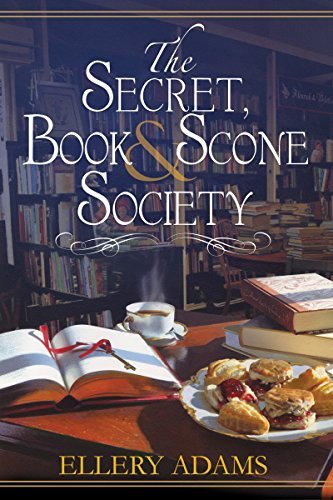
The Secret, Book & Scone Society (2017)
Series
Select Sections to Print
×Book Details
The Secret, Book & Scone Society (2017)
Series
Jump to Section
⚠️ Trigger Warnings
- Drunk driving
- Severe car accident
- Severe burns
- Medical trauma
- Suicidal thoughts / wishing for death
- Domestic abuse
- Child abuse
- Physical violence
- Gun violence
- Murder
- Physical assault
- Attempted sexual assault
- Arson
- Attempted murder
- Death by fire
- Poisoning
- Suffocation
- Suicide (suspected/referenced)
- Teen pregnancy
- Forced relinquishment of a child
- Emotional abuse
- Parental shame
- Parental grief
- Family estrangement
- Financial hardship
⏱️ 2-Minute Spoiler Summary
Burn-scarred bookstore owner Nora Pennington joins Hester, June, and Estella to investigate the murder of businessman Neil Parrish, who was pushed in front of a train after developing a conscience about a massive mortgage-fraud scheme involving Pine Ridge Properties, a corrupt banker, and the local sheriff.
When another conspirator, Fenton Greer, is murdered and Estella is framed, the women uncover the truth: bartender Bob Loman, who is obsessed with Estella, committed both murders for the conspirators. Construction boss Collin Stone is one of the masterminds behind the larger fraud and eventually kills Bob before trying to burn Nora, Hester, and June alive. Jed Craig and Deputy Andrews rescue them, and hidden recordings Bob left behind provide evidence against the conspirators.
After the case is solved, Nora finally reveals why she is scarred. Years earlier, after discovering her husband’s affair, she drove drunk and caused a fiery head-on collision. She saved the mother and child in the other vehicle but was severely burned in the process. By sharing the truth with her friends, Nora finally allows them to know the person she had been hiding beneath her scars. The novel ends with the Society helping Miracle Springs recover and Nora offering food and work to another vulnerable young woman who arrives at her bookstore looking for a fresh start.
📖 Full Spoiler Summary
A Stranger Comes to Miracle Springs
Nora Pennington runs Miracle Books, a cozy bookstore inside an old train depot in Miracle Springs, North Carolina, a mountain town known for its healing hot springs. Nora understands why people come there hoping to start over. Four years earlier, something terrible happened to her, leaving extensive burn scars across her face, neck, and arm. She now lives alone in a converted train car called Caboose Cottage and keeps almost everyone at a distance.
At her bookstore, Nora has developed her own form of bibliotherapy. People tell her what they’re struggling with, and she recommends books she believes might help them through it.
One day, she meets Neil Parrish, an anxious businessman who admits that he’s made choices that violated his principles. Nora agrees to help him, but Neil says there’s something he needs to take care of first. He plans to buy a comfort scone from the Gingerbread House and return after meeting business associates arriving on the 3:00 train.
He never comes back.
Neil is pushed in front of the train and killed.
The death brings Nora together with three other women: Hester Winthrop, owner of the Gingerbread House; June Dixon, who works at the Miracle Springs Thermal Pools and originally sent Neil to Nora; and Estella Sadler, the glamorous owner of Magnolia Salon and Spa.
Local sheriff Todd Hendricks, whom the women privately call “Sheriff Toad,” seems determined to dismiss Neil’s death as suicide. Nora doesn’t believe it. Neil had been troubled, but he had also been planning to fix whatever he’d done wrong.
That night, the four women gather at Miracle Books and decide to investigate for themselves. But if they’re going to trust one another with something this dangerous, they agree there can be no secrets between them. Each woman will eventually have to reveal the worst thing she’s been hiding.
And with that, the Secret, Book, and Scone Society is born.
The Women Begin Digging Into Pine Ridge
Neil worked with Pine Ridge Properties, the company developing a huge housing project called the Meadows. The project involves construction company owner Collin Stone, public-relations executive Vanessa MacCavity, nervous senior partner Fenton Greer, realtor Annette Goldsmith, and Dawson Hendricks, Sheriff Hendricks’s brother and a loan officer at the local bank.
The Society quickly suspects Neil’s death is connected to the development.
Estella is the first to honor their pact by revealing her past. She grew up with an abusive stepfather who regularly beat both her and her mother. During one particularly violent attack, Estella’s biological father appeared and shot her stepfather dead to save her. He went to prison, and Estella has remained near Miracle Springs largely so she can stay close to him.
She then puts her flirtation skills to work at the Oasis Bar, where several Pine Ridge partners are drinking. Estella manages to steal a napkin belonging to Fenton Greer with several cryptic notes on it, including “DHCB,” “A.G.,” and “Buford.” The women eventually realize the initials point to Dawson Hendricks and Annette Goldsmith, while “Buford” is an insulting nickname for Sheriff Hendricks.
Nora and Hester visit the Meadows model home pretending to be potential buyers. While Hester keeps Annette occupied, Nora breaks into her office and photographs financial documents connected to Neil.
Nora then tests the mortgage process herself. Despite having terrible credit and virtually nothing that should qualify her for a large loan, Dawson Hendricks eagerly tells her he can make it happen. It becomes clear that Pine Ridge wants people approved whether they can afford the houses or not.
During another Society meeting, June reveals her own secret. Years earlier, she worked as a caregiver in New York and took several neglected elderly residents to a carnival without permission. One resident suffered a fatal heart attack on a ride. The resulting lawsuit destroyed June financially and shattered her family, and her son, Tyson, cut her out of his life.
Their investigation becomes much more dangerous when Estella arranges an after-hours meeting with Fenton at the thermal pools. Nora, June, and Hester secretly stay nearby in case she needs help. Fenton admits that Neil developed an “idiotic crisis of conscience,” confirming that Neil had been threatening the others’ plans. But when Estella rejects Fenton’s advances, he becomes violent and grabs her by the neck.
June turns on the lights, frightening him away. During the chaotic escape, Nora falls while wearing Estella’s heels and badly twists her ankle.
That’s how she meets paramedic Jedediah “Jed” Craig.
There’s an immediate attraction between them, although Nora is uncomfortable letting anyone get too close, especially physically. Jed nevertheless becomes increasingly interested in her.
Another Death Puts Estella in Jail
Soon afterward, Collin Stone visits Miracle Books. He presents himself as thoughtful and charming, even discussing The Little Prince with Nora, but she doesn’t trust him.
Her suspicions deepen when Fenton Greer is found dead at the thermal pools.
Worse, Estella is arrested for his murder.
Jed later visits Nora’s bookstore, supposedly looking for books that might help with his partially blind Rhodesian Ridgeback, Henry Higgins. Their relationship continues to grow, and one evening he brings wine and crimson Shakespeare roses to Caboose Cottage.
He also quietly gives Nora information that could threaten his career: Fenton’s body was moved. The physical evidence shows he died while seated somewhere else before being placed where police found him.
Estella is being framed.
Nora keeps digging into her suspicious mortgage approval and discovers that important paperwork has been withheld from her. Then she returns to Miracle Books and finds a single Shakespeare rose lying across the cash register. This one isn’t from Jed.
It’s from Collin.
The message is obvious: he knows she’s investigating him.
Nora refuses to stop. While bicycling toward the Meadows to question Annette, a dark car deliberately accelerates toward her and knocks her off the road. She crashes over the guardrail but survives, and Jed comes to her rescue.
That night, Hester finally tells the others her secret. At seventeen, she became pregnant. Her father sent her away to live with a cruel aunt, and after Hester gave birth, her baby girl was taken from her. She has carried the grief and shame of losing her daughter ever since.
The Society began as four lonely women investigating a stranger’s murder, but by now they’ve become genuine friends.
The Mortgage Scam Comes Into Focus
Hester learns from Deputy Andrews that Vanessa MacCavity is the supposed eyewitness whose testimony helped put Estella in jail.
The women decide to search Vanessa’s hotel suite during a crowded party at the lodge. While Nora keeps Jed distracted, June and Hester sneak upstairs using a key card obtained from bartender Bob Loman. They photograph Vanessa’s appointment book, and Nora plants a hidden recording device.
What they uncover finally reveals the larger scheme.
Pine Ridge Properties isn’t really building communities. The conspirators find inexpensive land near small towns, obtain large amounts of investment money, clear some lots, and construct enough to make the development appear legitimate. Dawson then approves mortgages for buyers who shouldn’t qualify, allowing the conspirators to collect additional money.
The houses are never meant to be completed.
Collin and Vanessa intend to take the money and flee to the Cayman Islands.
Neil Parrish apparently discovered what was happening and developed a conscience. His desire to expose the fraud is what got him killed.
The women confront Annette Goldsmith at the model home and tell her that Collin plans to abandon her and escape with Vanessa. Faced with evidence that she could go to prison for participating in the fraud, Annette finally breaks. She also reveals something crucial: Collin borrowed her car around the time Nora was deliberately run off the road.
Annette agrees to contact federal authorities.
She doesn’t get the chance.
The Murderer Is Revealed
Collin Stone and Sheriff Hendricks suddenly enter the model home. Collin takes June’s phone, restrains Nora, June, and Hester with zip ties, and reveals just how deeply the sheriff is involved.
Then the person who actually killed Neil is exposed.
It was Bob Loman, the seemingly friendly Oasis bartender.
Bob is obsessed with Estella and has been secretly working with the conspirators. He pushed Neil in front of the train after tricking him into looking down at the tracks. Later, when Fenton became a liability, Bob poisoned him with potassium chloride, moved his body, exposed him to carbon monoxide, and helped arrange the scene to frame Estella.
Framing Estella also served Bob’s own twisted purpose: he resented her for rejecting him.
But Bob has protected himself. He recorded conversations and kept evidence of the conspirators’ crimes, planning to use it as insurance.
When Collin orders Bob to help burn the bound women alive, Bob refuses and threatens to expose everyone.
Collin attacks and kills him.
He then pours gasoline through the model home’s kitchen and sets the house on fire, leaving Nora, Hester, and June trapped inside.
As smoke fills the room, Nora fights desperately to escape. Collin tries to force her back toward the flames, but help arrives before he can finish the job. Deputy Andrews had been listening through Hester’s phone and raced to the Meadows with Jed.
Andrews tackles Collin while Jed gets Nora out of the burning house.
She loses consciousness.
Nora Finally Tells the Truth
Nora wakes three days later in a hospital in Asheville with Jed beside her.
The conspiracy has collapsed. Federal authorities have arrested Collin, Vanessa, Sheriff Hendricks, and Dawson Hendricks. Estella is cleared of Fenton’s murder. Bob died in the fire, but something he said before his death continues to bother Nora: “Down the swift dark stream you go.”
She recognizes the words as a reference to The Hobbit and realizes Bob was giving them a clue about where he’d hidden his evidence.
At Bob’s cabin, the Society finds a vintage Coca-Cola bank shaped like a barrel. Hidden inside is a USB drive containing recordings of the murders and the conspiracy, giving authorities the evidence they need to prosecute the people behind Pine Ridge.
With the mystery finally solved, there’s still one promise left to fulfill.
Nora must tell the Society her secret.
Four years earlier, she wasn’t the quiet bookstore owner they know now. She was a wealthy suburban wife who discovered that her husband was having an affair and that his mistress was pregnant. Enraged and devastated, Nora drank heavily, tracked them down, and then drove away while intoxicated.
She crashed head-on into another vehicle carrying a mother and her young child.
The other car caught fire.
Despite being drunk and responsible for the collision, Nora rushed into the flames and pulled the mother and child to safety, suffering the terrible burns that permanently scarred her face and body.
Her scars aren’t simply evidence of something horrible that happened to her. They’re also a constant reminder of something horrible she did.
Afterward, Nora abandoned her old life and eventually came to Miracle Springs, where she began trying to help other wounded people while refusing to forgive herself.
Now, for the first time, she has friends who know the entire truth and stay anyway.
A month later, the Society turns its attention toward helping Miracle Springs recover. The collapse of the local bank and Pine Ridge scheme has financially devastated many residents, so Nora, Hester, June, and Estella create anonymous “hope bags” filled with bread, books, aromatherapy items, and other small comforts for struggling neighbors.
Then another wounded stranger appears at Miracle Books.
A painfully thin young woman wearing a hospital bracelet approaches Nora carrying the bookstore’s Help Wanted sign. She quietly says that she needs a job.
Nora takes her hand and leads her into the back of the store to give her something to eat.
The Society’s first mystery is over, but Nora’s bookstore has become exactly what she once needed herself: a place where someone who’s broken can walk through the door and be given a chance to begin again.
🔚 Ending Explained
How Does The Secret, Book & Scone Society End?
The ending of The Secret, Book & Scone Society brings the murder mystery to a fiery conclusion, clears Estella’s name, and—more importantly—finally reveals the secret Nora has been carrying since she arrived in Miracle Springs.
How the Book Ends
Nora, June, and Hester confront realtor Annette Goldsmith at the Meadows model home with evidence connecting Collin Stone, Vanessa MacCavity, Dawion Hendricks, and Sheriff Todd Hendricks to the mortgage fraud scheme that has been quietly destroying people’s lives. Annette is devastated when she realizes Collin has been using her and intends to disappear to the Cayman Islands with Vanessa. She agrees to cooperate and is preparing to contact federal authorities when everything goes wrong.
Collin Stone and Sheriff Hendricks arrive and ambush the women. Nora, June, and Hester are restrained with zip ties while Collin explains how he plans to get rid of them: he’ll burn down the model home with them trapped inside and make the fire look like the work of delinquent teenagers.
Then Bob Loman shows up.
Bob is revealed to have been the man who actually carried out the murders of Neil Parrish and Fenton Greer on behalf of the conspirators. But killing three bound women is a line even he refuses to cross. He also reveals that he secretly recorded his dealings with Collin and the others as insurance against being betrayed.
Collin attacks Bob, and the fight ends with Bob’s death. Collin then pours gasoline through the house and sets it on fire, leaving Nora, June, and Hester inside.
As smoke fills the kitchen, Nora struggles toward the sliding-glass door but eventually loses consciousness. Fortunately, Hester had managed to keep her phone connected, allowing Deputy Andrews and Jed Craig to hear what was happening. They arrive in time to break into the burning house, overpower Collin, and rescue the women.
Nora wakes up three days later in an Asheville hospital with Jed beside her. She learns that federal authorities have arrested Collin, Vanessa, and the Hendricks brothers—and, most importantly, that Estella has been cleared and released from jail.
But there’s still one final piece of evidence to find.
Before Bob died, he told Collin, “Down the swift dark stream you go.” Nora recognizes the words as a reference to The Hobbit, specifically the escape involving barrels. She realizes Bob was giving them a clue about where he hid the evidence he had collected against his employers.
After Nora leaves the hospital, the women accompany Deputy Andrews to Bob’s cabin. There they discover a vintage Coca-Cola bank shaped like a barrel. Hidden inside are Bob’s written confession and a USB drive containing recordings connected to the murders. It’s the evidence authorities need to make sure the surviving members of the conspiracy won’t be walking free anytime soon.
The criminal mystery is solved—but Nora still has one secret left.
Back at Miracle Books, she gathers June, Hester, and Estella around the mirrored coffee table in her home. For the first time, she opens its hidden compartment and removes a shoebox containing a pair of tiny, charred children’s sneakers.
Then she tells them the truth about her scars.
Four years earlier, Nora had been living an entirely different life as a wealthy suburban wife. After discovering her husband’s affair, she became furious, got drunk, and drove recklessly while going to confront him. She crashed head-on into a car carrying a mother and her young child.
Nora managed to pull them from the burning vehicle, suffering the terrible burns that scarred her face and body in the process. But saving them never erased her guilt over causing the crash in the first place. Unable to live with what she’d done—or with the person she’d once been—she abandoned her old life and eventually came to Miracle Springs.
Showing her friends those tiny shoes is Nora’s way of finally allowing someone else into the darkest part of her past.
And they stay.
The Epilogue
A month later, Miracle Springs is dealing with the fallout from the corruption scandal. The local bank has collapsed, and many residents have lost money and security along with it.
Rather than retreat into their own problems, the four women decide to help.
They anonymously leave “hope bags” around town containing something from each member of the Society: Hester’s bread, June’s aromatherapy socks, Estella’s lotions, and books chosen by Nora. It’s a small gesture, but it shows just how much the women have changed. They aren’t simply four wounded people who found one another anymore. They’ve become a source of comfort for other people who are hurting.
The novel ends back at Miracle Books.
Nora places a Help Wanted sign in the window. Soon afterward, a painfully thin young woman enters the store carrying the sign. Nora notices that she’s still wearing a hospital identification bracelet.
The woman quietly tells her, “Please, I need a job.”
Nora doesn’t interrogate her or demand an explanation. She takes her hand and leads her inside, offering her something to eat.
And that’s where the book leaves us: with another broken person arriving in Miracle Springs—and Nora becoming for someone else what the town once was for her.
What the Ending Really Means
The murder mystery may provide the climax, but Nora’s confession is the real ending of the book.
For most of the story, Nora has been very good at recognizing pain in other people. She can look at a stranger, understand something of what they’re carrying, and prescribe exactly the right book. What she can’t do is extend that same compassion to herself.
Her scars aren’t the thing she’s truly hiding. She’s hiding why she has them.
That’s why the charred children’s shoes matter so much. Nora has kept them hidden inside a secret compartment, just as she’s kept the worst part of herself locked away from everyone around her. Opening that compartment in front of June, Hester, and Estella means accepting the terrifying possibility that people can know what she did and still love her.
And they do.
Fire and Nora’s Hair
The second fire also deliberately echoes the fire that created Nora’s scars.
The first one destroyed her old identity. The second nearly kills her, but she emerges from it surrounded by people who care about her.
There’s also a smaller but especially meaningful consequence: Nora loses the long braid she has used to conceal the scarred side of her face. Afterward, she’s forced into a shorter haircut that leaves her face more exposed.
It’s a wonderfully simple visual representation of what’s happening emotionally. Nora has spent years hiding. By the end, she can no longer hide in quite the same way—and she’s beginning to realize she doesn’t have to.
Jed’s description of her as a phoenix, reborn through fire, makes the symbolism explicit. Nora isn’t returning to the woman she was before the accident. She’s becoming someone new because of what she survived.
Why the Hope Bags Matter
The hope bags show how the Secret, Book & Scone Society has evolved.
Each woman contributes the thing she uses to comfort others: Hester provides food, June provides soothing scents and warmth, Estella provides self-care, and Nora provides books.
Earlier in the novel, those talents largely function as ways for the women to cope with their own wounds. By the ending, they’re using them collectively to care for an entire community.
Their pain hasn’t disappeared. They’ve simply stopped allowing it to be the end of their stories.
Bob’s Tragic Ending
Bob is much darker evidence of what can happen when loneliness and fantasy aren’t confronted.
His feelings for Estella become tangled up with an imagined version of their relationship. Rather than accepting reality, he clings to the life he wants to believe could exist. That makes him an interesting counterpoint to Nora.
Both are lonely. Both retreat into private worlds. Both desperately want something their real lives haven’t given them.
But Nora eventually chooses truth and connection. Bob doesn’t.
Estella’s reaction to his confession is therefore surprisingly compassionate. She doesn’t excuse what he did, but she can acknowledge that there was once something genuine between them. The book allows Bob to be both a murderer and a deeply damaged human being without pretending those two truths cancel each other out.
Books as More Than Escapism
Deputy Andrews’ experience with Ender’s Game reinforces one of the novel’s biggest ideas: books don’t merely help people escape reality—they can change how they understand it.
Nora spends the entire novel prescribing books because she believes the right story can reach someone in a way ordinary advice sometimes can’t. Andrews becomes proof that she’s right. Reading pushes him to reconsider truth, deception, and his own assumptions about the people around him.
It’s essentially the novel making its argument for bibliotherapy through the mystery itself.
Nora and Jed
The ending also leaves the door open for Nora and Jed.
His vigil beside her hospital bed and his request for another book recommendation suggest their relationship is only beginning. More importantly, Jed doesn’t represent someone who will magically erase Nora’s past.
He represents the possibility that Nora can have a future despite it.
That’s a much more meaningful kind of romance for her.
Why the Final Stranger Matters
The unidentified young woman in the final scene completes Nora’s transformation.
At the beginning of her own journey, Nora was the wounded stranger who arrived in Miracle Springs carrying a past she couldn’t talk about. Now another woman appears at her door fresh from a hospital, frightened, fragile, and obviously desperate for somewhere to land.
Nora recognizes her immediately—not because she knows her story, but because she recognizes the look of someone who needs a second chance.
And instead of asking questions, she lets her in.
That’s the perfect ending for a novel built around damaged people finding one another. Healing doesn’t mean forgetting what happened or becoming the person you were before. Nora’s scars remain. Her guilt remains. The other women still carry their own histories.
What changes is what they do with those wounds.
By the final page, Nora has gone from hiding from her past to using everything she’s learned from it to help someone else begin again. The Society isn’t really about keeping secrets anymore. It’s about creating a place where people can finally feel safe enough to reveal them.
👤 Characters & Fates
🔶 Main Characters

Survives Collin Stone’s attempt to burn her alive and finally confesses that her scars came from a drunk-driving crash she caused. She begins opening herself to a romance with Jed and takes in a vulnerable young woman at the end.
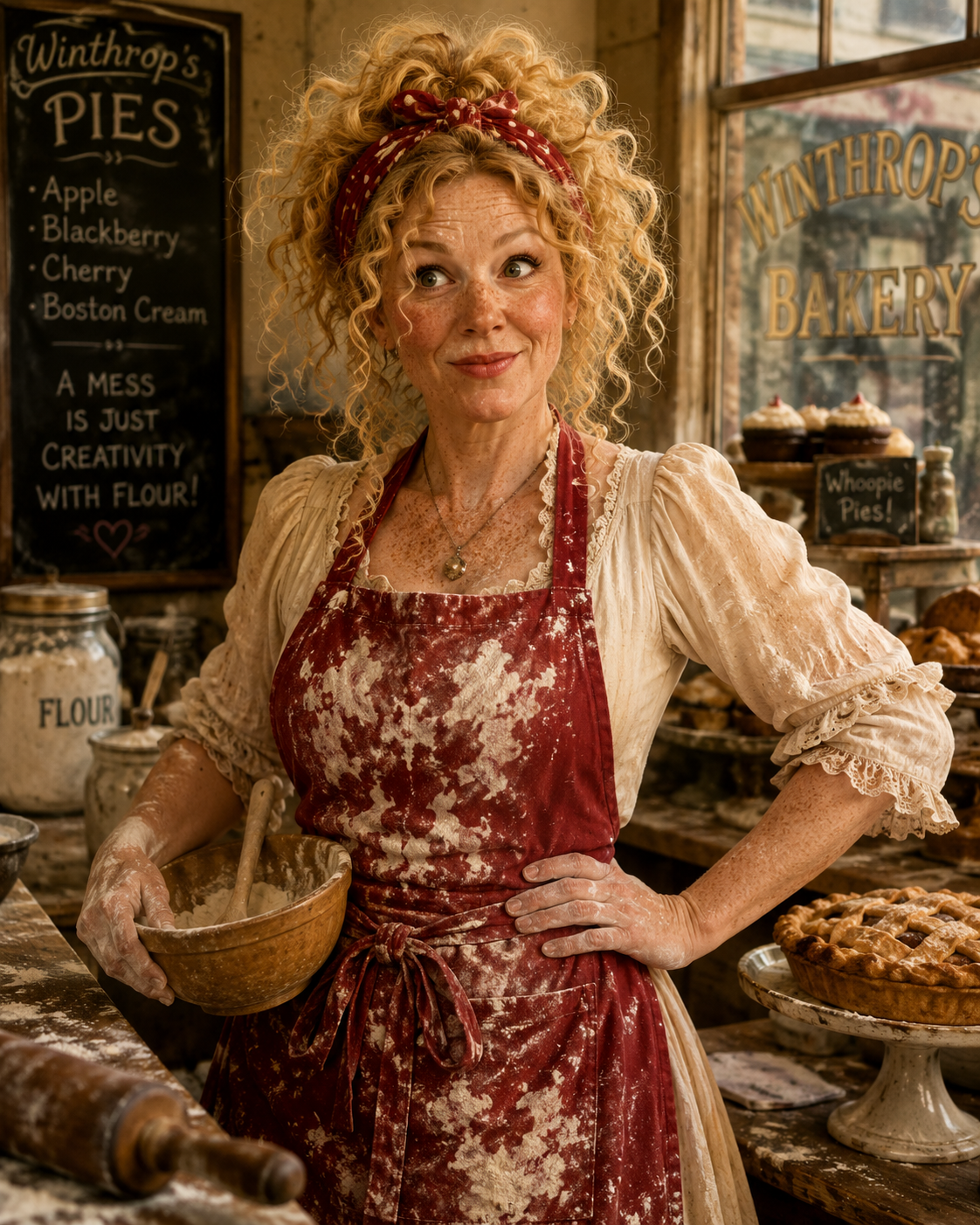
Survives the model-home fire, begins dating Deputy Andrews, helps organize “hope bags” for fraud victims, and hopes the Society can eventually help find her daughter.

Is framed for Fenton’s murder but completely exonerated by Bob Loman’s confession and USB evidence. She mourns Bob despite learning he was a murderer and expands her salon business.

Survives the model-home fire, becomes manager of the thermal pools, and helps the Society support residents financially devastated by the fraud scheme.

Rescues Nora from the burning model home, stays beside her in the hospital, and begins developing a genuine romantic relationship with her.

Refuses Collin’s order to burn Nora, Hester, and June alive and is murdered by Collin. His hidden confession and USB drive expose the conspiracy and clear Estella.

Deputy Andrews tackles and arrests him, and Collin is taken into federal custody for mortgage fraud and conspiracy to commit murder.
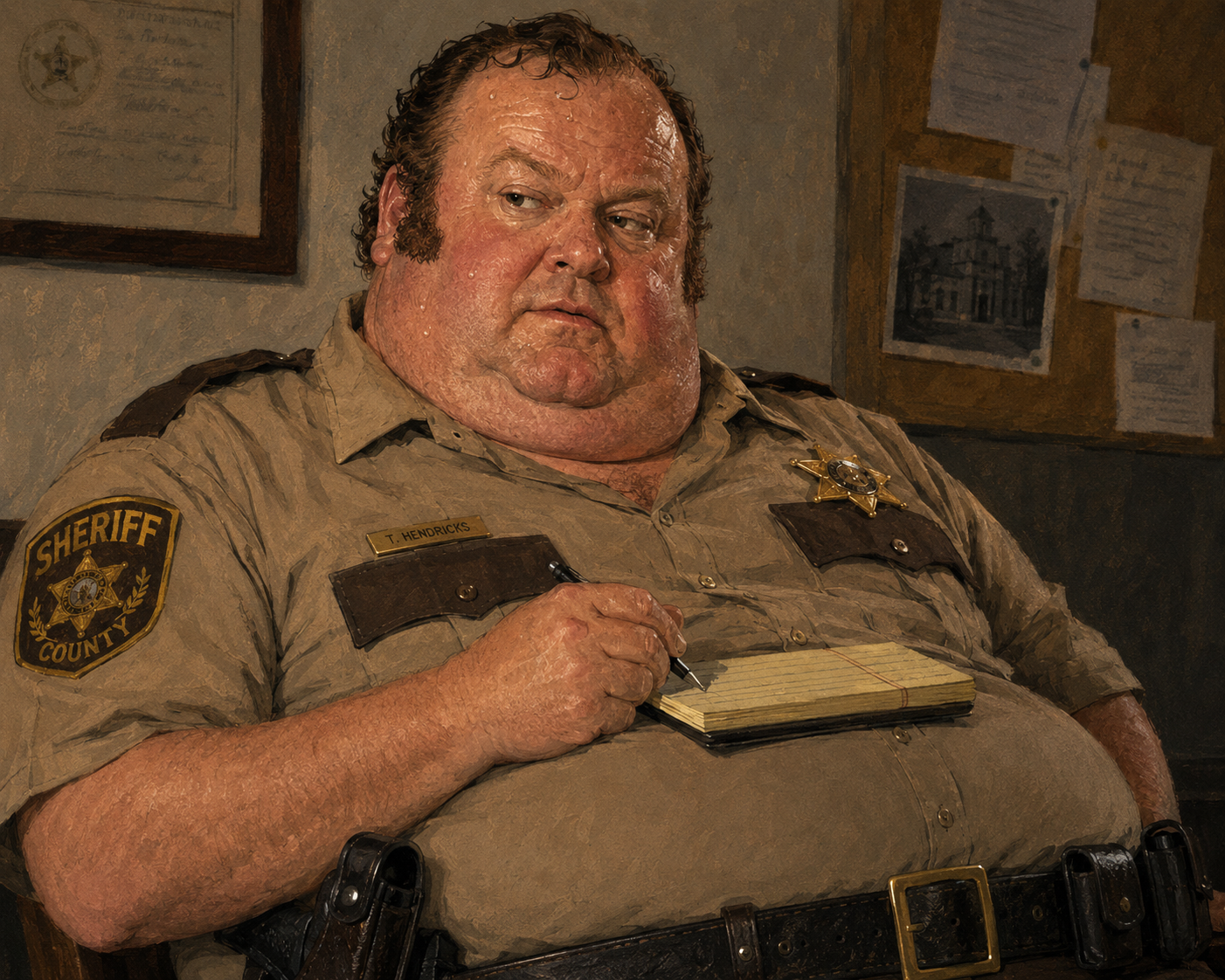
His corruption is exposed, and he is taken into federal custody for mortgage fraud and conspiracy to commit murder.
🔷 Supporting Characters

Bob Loman tricks him with the padlock legend and pushes him in front of the 3:00 PM train.
Bob Loman murders him with potassium chloride and carbon monoxide and tries to frame Estella.
Federal agents arrest her for mortgage fraud and conspiracy to commit murder.
Breaks down after the Society exposes Collin’s betrayal and is later indicted for mortgage fraud.
Federal authorities arrest him, and he goes to prison as the scandal ultimately causes the bank to collapse.
Tackles Collin at the model home, emerges as a local hero, and begins dating Hester.
Remains safely cared for by Jed and Jed’s mother while receiving a natural diet and extra attention.
Lives in Los Angeles working as a nightclub bouncer and continues refusing June’s letters and attempts at reconciliation.
Loses her job when the bank collapses because of the fraud scandal.
Continues operating his successful restaurant and supporting the community.
Joins Jed for drinks while questioning the sheriff’s suspicious version of events and remains instrumental in exposing the truth.
His reputation is tarnished when Hendricks’ corruption and criminal conspiracy are exposed.
His reputation suffers along with the sheriff’s department after Hendricks’ arrest.
Continues operating his military-surplus business.
Continues organizing her book club while Nora eventually finds companionship through the Society instead.
Returns to the facility after the disastrous outing.
Returns to the assisted-living facility afterward.
Suffers a fatal heart attack while riding the Tilt-A-Whirl, leading to the wrongful-death lawsuit that bankrupts June.
Leaves with books Nora hopes will help him communicate with his daughter and promises to send her updates.
His embarrassed mother takes him away after he comments on Nora’s scarred “scary face.”
Continues working as the lodge’s head valet.
Continues working at the lodge after the case is resolved.
Continues visiting the salon.
Remain ordinary residents caught in the community surrounding the bank scandal.
Continues operating the local veterinary practice.
🕳️ Potential Plot Holes
Neil supposedly sent his business partners a group text shortly before his death saying that he needed to “face the mistakes he’d made head-on.” That message becomes convenient evidence that Neil intentionally stepped in front of the train. But Bob later reveals that the partners hired him to murder Neil because Neil was threatening to expose their crimes. The book never explains whether the conspirators fabricated the text or whether Neil just happened to send an incredibly convenient message immediately before they had him killed.
📚 Book Club Q&A's
⭐ Final Rating & Thoughts
I’m usually pretty skeptical when it comes to cozy mysteries. Too often, they’re a little too cutesy for me, with ridiculous plots and characters I don’t really care about. So I went into The Secret, Book & Scone Society expecting more of the same—and somehow, this one completely won me over.
The biggest surprise was how much depth there was beneath all the bookshops, baked goods, and small-town charm. These women have genuinely painful pasts, and their friendship and gradual willingness to trust each other gave the story way more emotional weight than I expected. I also loved the whole bibliotherapy angle because, obviously, I’m never going to complain about a book that talks about other books.
The mystery kept me interested, the pacing was good, and Miracle Springs was such a fun setting. Yes, some of it gets a little over-the-top, and I could’ve done without the slightly awkward romance, but those were minor complaints.
Apparently, I can like a cozy mystery. Who knew? 😂
✨ Adaptation description
As of September 2026, there is no official announcement of any screen adaptation of The Secret, Book & Scone Society.
✨ Books Like The Secret, Book & Scone Society (2017)
See an error on this page?