
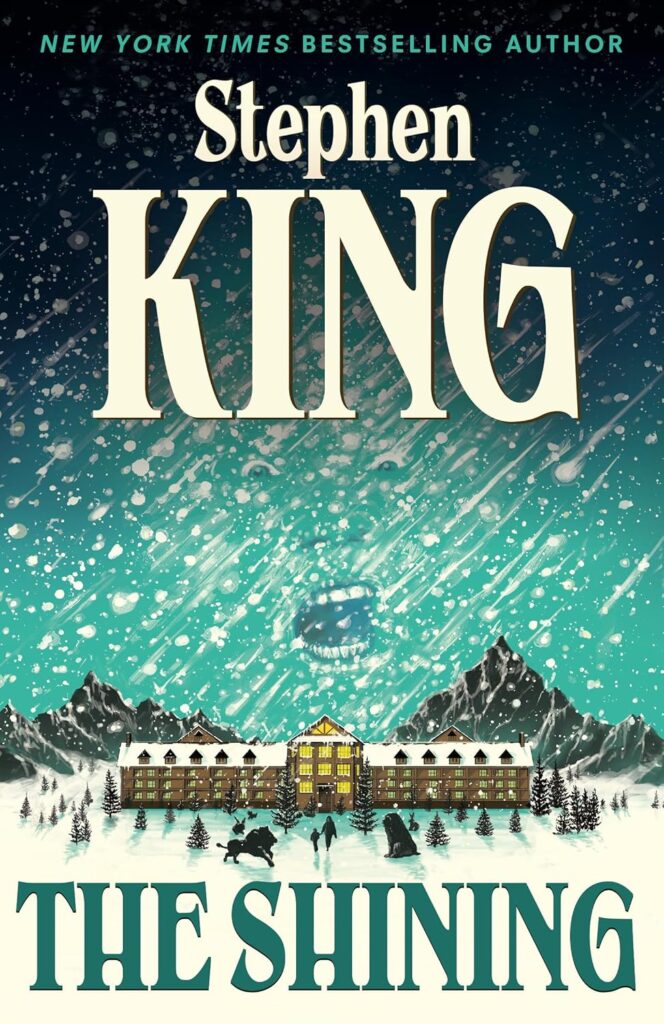
The Shining (1977)
Series
Select Sections to Print
×Book Details
The Shining (1977)
Series
Jump to Section
⚠️ Trigger Warnings
- Child abuse
- Domestic violence
- Familicide
- Murder
- Child murder
- Suicide
- Suicidal ideation
- Alcoholism
- Substance abuse
- Fatal drug overdose
- Drunk driving
- Hit-and-run involving a child
- Mental illness and psychosis
- Hallucinations and paranoia
- Childhood trauma
- Graphic violence and gore
- Blood and corpses
- Strangulation
- Blunt-force violence
- Gun violence
- Racism and racial slurs
- Insect swarms and wasp stings
- Supernatural horror
- Supernatural animal attacks
⏱️ 2-Minute Spoiler Summary
Jack Torrance takes a job as the winter caretaker of the isolated Overlook Hotel in Colorado, hoping the months of solitude will give him a chance to repair his life. A recovering alcoholic and aspiring playwright, Jack has already nearly destroyed his family through his temper. Two years earlier, he drunkenly broke the arm of his five-year-old son, Danny, and he later lost his teaching job after brutally beating a student while sober. His wife, Wendy, still loves him but knows their marriage may not survive another violent episode.
Danny also has an unusual psychic ability. His invisible companion, Tony, shows him visions of the future, including the mysterious word REDRUM. When the family arrives at the Overlook, head chef Dick Hallorann immediately recognizes Danny’s gift because he possesses it too. Hallorann calls the ability “the shining” and warns Danny that the hotel contains frightening remnants of its violent past. Most importantly, he tells him never to enter Room 217. Hallorann also promises that if Danny ever needs him, he can call for help through the shine.
Once the hotel closes and the Torrances are alone, its supernatural activity steadily increases. Jack discovers a scrapbook detailing decades of suicides, scandals, murders, and mob activity at the Overlook and becomes obsessed with the hotel’s history. Danny begins seeing increasingly dangerous manifestations, culminating in his decision to enter Room 217, where the corpse of Mrs. Massey, a former guest who died by suicide in the bathtub, comes alive and strangles him.
Wendy initially thinks Jack has hurt Danny again, but Jack realizes something supernatural really is happening when he enters Room 217 himself. Instead of admitting it, he lies to Wendy. When she wants the family to escape on the hotel’s snowmobile, Jack—now increasingly under the Overlook’s influence—secretly disables it. He later destroys their CB radio, eliminating their last connection to the outside world.
The hotel begins working directly on Jack, exploiting his alcoholism, resentment, violent childhood, and fear of failure. Its empty bar appears fully stocked, and the ghostly bartender Lloyd serves him alcohol. Jack then encounters Delbert Grady, a former caretaker who murdered his wife and daughters before killing himself. Grady convinces Jack that Wendy and Danny must be “corrected” and warns him that Danny is using his psychic ability to summon outside help.
That help is Hallorann. While in Florida, he receives Danny’s desperate psychic call and immediately begins a dangerous journey back to Colorado. At the Overlook, meanwhile, Jack takes a roque mallet and attacks Wendy. She manages to knock him unconscious and locks him inside the food pantry, but Grady’s ghost releases him after Jack promises to kill Wendy and surrender Danny to the hotel.
Now fully possessed, Jack brutally attacks Wendy, leaving her badly injured, before hunting Danny. Hallorann reaches the Overlook but is attacked by Jack almost immediately. Danny is eventually cornered on the third floor, but instead of running, he tells the creature that it isn’t really his father.
For a moment, the real Jack breaks through the hotel’s control. He tells Danny to run and remember that he loves him. The Overlook quickly takes possession again, forcing Jack to smash his own face apart with the mallet until almost nothing recognizable remains.
Then Danny remembers something crucial: Jack has neglected the Overlook’s aging boiler. Its pressure has been building dangerously because Jack hasn’t dumped it. The hotel realizes its mistake too late and races Jack’s body to the basement. Before it can release the pressure, the boiler explodes, destroying the Overlook in a massive fire.
Danny escapes with the badly injured Wendy and Hallorann. The following summer, the three are living in Maine while Wendy recovers and prepares to begin a new life. Danny still grieves for his father, and Hallorann comforts him, encouraging him to keep living, care for Wendy, and “shine on.”
📖 Full Spoiler Summary
Jack Torrance Gets One Last Chance
Jack Torrance arrives at the isolated Overlook Hotel in the Colorado Rockies hoping the winter caretaker job can give his family a fresh start. The hotel’s manager, Stuart Ullman, isn’t impressed with him. Jack is a recovering alcoholic who recently lost his teaching position at Stovington Prep, and Ullman only hires him because Jack’s wealthy friend and former drinking companion, Al Shockley, sits on the hotel’s board.
Ullman also makes sure Jack knows what happened to a previous caretaker. Delbert Grady spent a winter snowed in with his wife and two daughters, went insane, murdered his family, and killed himself.
Jack insists isolation won’t be a problem, but his own history makes that far from certain. Two years earlier, while drunk, he lost his temper when his young son, Danny, spilled beer on his manuscript and broke the boy’s arm. Jack stopped drinking afterward, but sobriety didn’t eliminate his violent temper. While teaching at Stovington, he savagely beat student George Hatfield after catching George vandalizing his car, costing Jack his career.
His wife, Wendy Torrance, hasn’t forgotten any of this. She loves Jack and wants their marriage to survive, but she remains wary of his temper and the possibility that he could start drinking again.
Five-year-old Danny has another problem entirely. He possesses a powerful psychic ability that allows him to sense thoughts and glimpse future events. His mysterious invisible companion, Tony, appears during trances and shows him disturbing visions connected to the Overlook, including the word REDRUM.
Danny Learns About the Shining
On September 30, the Torrances move into the Overlook as its employees and guests leave for the winter. Before departing, head chef Dick Hallorann immediately recognizes something unusual about Danny because Hallorann has the same psychic ability.
Privately, he explains that his grandmother called the gift “the shining.” It allows people like them to sense thoughts, see things that happened in the past, and sometimes glimpse the future.
Hallorann knows the Overlook contains frightening traces of its violent history, but he tells Danny that these manifestations are usually like scary pictures that cannot truly hurt him. He gives him one very specific warning, however: stay away from Room 217.
Earlier that year, an elderly guest named Mrs. Massey died by suicide in that room after her teenage lover abandoned her. She took sleeping pills with alcohol and died in the bathtub, where chambermaid Delores Vickery eventually discovered her decomposing body.
Before Hallorann leaves, he tells Danny that if he ever finds himself in real danger, he should use the shining to call him.
Then the Overlook closes, leaving Jack, Wendy, and Danny alone.
The Overlook Begins to Wake Up
The first unmistakably strange incident begins with something seemingly ordinary. While repairing the roof, Jack finds a wasps’ nest and kills the insects with a bug bomb. He gives the empty nest to Danny as a paperweight, only for the supposedly dead wasps to emerge during the night and repeatedly sting him.
Danny’s trances also worsen. After one episode leaves him muttering strange words including “roque,” “stroke,” and “REDRUM,” Jack and Wendy take him to pediatrician Dr. Bill Edmonds. The doctor finds no neurological explanation and concludes that Danny’s episodes may be his way of coping with his parents’ troubled marriage and the trauma of Jack breaking his arm. He also points out that “Tony” likely comes from Danny’s middle name, Anthony.
Back at the hotel, Jack discovers something that draws him deeper into the Overlook’s world. Hidden in the basement is an old scrapbook chronicling the hotel’s history, including scandals, suicides, mob connections, and the 1966 murder of gangster Vito Gienelli and his bodyguards in the Presidential Suite.
Jack becomes obsessed. He decides he could write a book exposing the Overlook’s secrets and calls Ullman to taunt him about what he has found. Ullman complains to Al Shockley, who orders Jack to abandon the project or risk losing his job.
Jack agrees, but his anger and resentment continue growing.
The Family Becomes Trapped
By late November, enormous snowstorms have buried the mountain roads. The phone lines go down, leaving only a CB radio as the Torrances’ connection to the outside world.
At the same time, the hotel’s supernatural manifestations become increasingly physical. Jack notices the hedge animals on the grounds changing positions whenever he looks away. Danny eventually disobeys Hallorann’s warning and enters Room 217, where he finds Mrs. Massey’s corpse waiting in the bathroom. The bloated dead woman rises from the bathtub and grabs Danny around the neck.
Wendy finds her son traumatized and bruised. Given their history, she immediately suspects Jack has attacked him again. Jack angrily denies it and investigates Room 217 himself. Although he senses the dead woman and realizes Danny was telling the truth, he returns to Wendy and claims nothing was there.
Wendy wants them to leave immediately using the hotel’s snowmobile. Jack could save his family at this point, but the Overlook already has too much influence over him. Terrified of losing his job and returning to a life of poverty and failure, he secretly removes the snowmobile’s magneto and throws it into the snow.
The manifestations intensify. Danny is chased by the living hedge animals and returns with scratches and torn clothing. Jack later slaps him during an argument. At night, the hotel’s elevator begins running by itself, accompanied by sounds of parties from another era.
Then Jack hears the voice of his abusive dead father, Mark Anthony Torrance, speaking through the CB radio. In a rage, Jack destroys the radio with a chair.
The family now has no easy way to escape and no way to call for help.
The Overlook Takes Jack
On December 1, Danny winds the ballroom’s clock. When it strikes midnight, the Overlook’s past seems to come fully alive.
Jack enters the Colorado Lounge and discovers the formerly empty bar stocked with alcohol. Behind it stands the ghostly bartender Lloyd, who serves him drink after drink. Although Jack has been sober, he becomes thoroughly drunk.
He then encounters Delbert Grady, the caretaker who murdered his own family. Grady tells Jack that Wendy and Danny are interfering with his responsibilities and must be “corrected.” He also reveals that Danny is attempting to bring an outsider to the hotel.
Grady is right.
Thousands of miles away in Florida, Hallorann receives Danny’s desperate psychic cry for help. Realizing the boy is in immediate danger, he flies to Denver, drives through worsening weather to Sidewinder, and obtains a snowmobile from garage owner Larry Durkin for the final journey up the mountain.
At the Overlook, Jack retrieves a heavy roque mallet and attacks Wendy. She fights back and smashes a glass bottle over his head, knocking him unconscious. With Danny’s help, she drags Jack into the food pantry and locks him inside.
It appears they have finally stopped him.
Then Grady’s voice speaks to Jack through the pantry door. Jack promises that he will kill Wendy and give Danny to the hotel. The locked bolt mysteriously slides open.
Jack Hunts His Family
Free again, Jack pursues Wendy with the roque mallet. He brutally beats her, leaving her with severe injuries, but she manages to stab him in the lower back with a kitchen knife before crawling into the bathroom and locking herself inside.
Hallorann finally reaches the Overlook and battles his way past the animated hedge animals. But as soon as he enters the hotel, Jack ambushes him with the mallet, badly injuring his face and knocking him unconscious.
Jack then turns his attention to Danny.
He corners his son on the third floor, but Danny finally understands what he is facing. Instead of fleeing, he tells the blood-covered figure that it isn’t his father at all. The Overlook is simply using Jack’s body.
For one brief moment, Danny reaches the real Jack beneath the hotel’s control. Jack lowers the mallet and tells his son to run away and remember how much he loves him.
The hotel immediately takes control again. Using Jack’s own hands, it repeatedly smashes the roque mallet into his face, destroying it until the thing standing before Danny barely resembles Jack anymore.
Danny still refuses to surrender.
Then he realizes the Overlook has made a catastrophic mistake.
The Overlook Burns
Throughout the winter, Jack has been responsible for regularly dumping the pressure from the hotel’s ancient boiler. Consumed by the Overlook and his pursuit of Danny, he has forgotten to do it.
The boiler is about to explode.
Danny tells the creature wearing his father’s body what it has forgotten. The Overlook immediately understands the danger and races to the basement, desperately trying to release the pressure.
Danny uses the opportunity to escape. He wakes the injured Hallorann, and together they help the badly wounded Wendy outside.
In the basement, the possessed remains of Jack struggle with the boiler’s valve, but there isn’t enough time. The boiler explodes, setting off the hotel’s gas lines and engulfing the Overlook in flames.
The building that spent the winter trying to possess Danny is destroyed along with Jack.
Hallorann, Wendy, and Danny escape on Hallorann’s snowmobile as the hotel collapses behind them. Partway down the mountain, they encounter rescuers led by Larry Durkin and Dr. Edmonds.
Danny and Wendy Begin Again
By the following summer, Hallorann is working as head chef at the Red Arrow Lodge in Maine. Wendy is still recovering from the serious injuries Jack inflicted on her and plans to move to Maryland, where Al Shockley has arranged a secretarial job for her.
Danny has survived the Overlook, but he hasn’t stopped loving or mourning his father.
While Hallorann takes him fishing, Danny begins to cry. Hallorann comforts him and acknowledges that the world can be cruel and indifferent, but reminds him that love and memory remain. Danny still has his mother, and he still has his extraordinary gift.
Hallorann tells him to keep going, look after Wendy, and “shine on.”
Danny catches a fish, and he, Wendy, and Hallorann spend the summer afternoon together, the three survivors finally safe from the Overlook.
🔚 Ending Explained
How The Shining Ends
By the end of The Shining, Jack Torrance has essentially been consumed by the Overlook Hotel. Armed with a heavy brass roque mallet, he hunts Danny through the hotel until he corners him on the third floor. But instead of running, Danny finally stands his ground. He tells the thing pursuing him that it isn’t really his father—it’s only a “false face,” a monster wearing Jack’s face.
Danny’s words briefly reach the real Jack beneath the Overlook’s control. Jack lowers the mallet and tells Danny to run, reminding him that his father loves him. It is his final moment of genuine fatherhood.
The Overlook immediately takes control again. In a horrifying act that effectively destroys what remains of Jack, the entity uses the roque mallet to smash Jack’s own face until it is unrecognizable.
But Danny has realized something the hotel has forgotten: the boiler.
Jack was supposed to regularly release its mounting pressure, but in his obsession with killing Danny, he neglected it. Danny tells the Overlook that the boiler is going to explode. The entity panics and races to the basement, desperately trying to dump the pressure. It reaches the boiler and turns the valve—but it’s too late.
The boiler explodes, destroying the Overlook Hotel.
The blast tears through the cellar and ignites the gas lines, engulfing the hotel in flames. The building—and the supernatural evil that has accumulated inside it—is finally destroyed.
Danny manages to reach Dick Hallorann, who had previously been badly injured by Jack. Together they rescue Wendy, who is suffering from serious injuries from Jack’s attack. Hallorann carries Wendy and Danny through the snow to his snowmobile, and the three escape down the mountain as the Overlook burns behind them.
The Epilogue
The story then jumps to the following summer.
Wendy and Danny are staying at the Red Arrow Lodge in Maine, where Hallorann is working as head chef. Wendy is still recovering from her injuries and preparing to begin a new life in Maryland.
Danny and Hallorann go fishing together. Away from the snow, isolation, violence, and darkness of the Overlook, Danny finally allows himself to grieve. He cries for his father.
Hallorann doesn’t pretend that what happened can be neatly fixed. Instead, he tells Danny that the world can be difficult and indifferent and that terrible things happen—but people still have to keep going. Danny has his mother, Hallorann, and his extraordinary psychic gift.
His task now is simply to “shine on.”
What the Ending Means
The ending is ultimately about breaking a cycle that Jack could not break himself.
The Overlook is supernatural, but Jack’s destruction also reflects problems that existed long before he arrived there: alcoholism, rage, shame, abuse, and the violence he inherited from his own father. The hotel doesn’t simply create Jack’s weaknesses. It finds them, magnifies them, and eventually uses them against the people he loves.
That makes the boiler one of the novel’s most important symbols. Jack spends the winter responsible for periodically “dumping the pressure” so it doesn’t become dangerous. His own emotional life works exactly the same way. He is filled with resentment, anger, addiction, humiliation, and suppressed violence. He repeatedly fails to release or control that pressure safely.
Eventually, both Jack and the boiler explode.
There’s also a bitter irony in how the Overlook is defeated. The hotel becomes so consumed with possessing Jack and obtaining Danny that it forgets the mundane responsibility keeping itself alive. Danny doesn’t overpower the Overlook. He recognizes its mistake.
Jack’s Final Moment Matters
Jack’s brief return before his death complicates the ending considerably.
For most of the climax, Danny is no longer really dealing with his father. That’s why his description of Jack as a “false face” matters so much. The Overlook has hollowed Jack out and turned him into an instrument of its own violence.
Yet Jack isn’t completely gone.
For one moment, his love for Danny breaks through. He tells his son to run and reminds him that he loves him. Jack cannot ultimately save himself, but some part of him still tries to save Danny.
That doesn’t erase the terrible things Jack has done. Instead, it makes his ending more tragic: the loving father and the violent father existed inside the same man, and in the end, Jack recognizes what he has become only when it is too late to undo the damage.
The roque mallet reinforces this idea. It begins as the physical weapon through which Jack’s rage is directed toward his family, but the Overlook eventually turns it against Jack himself, destroying his face and therefore his remaining identity.
Danny Breaks the Cycle
Danny’s victory isn’t simply surviving the hotel.
Jack grew up with an abusive father and ultimately repeated that violence with his own child. Danny has every reason to carry that legacy forward—but the ending gives him another possibility.
Hallorann becomes the alternative father figure Jack could not consistently be.
Hallorann listens to Danny, believes him, risks his life for him, comforts him, and teaches him how to live with the shining rather than fear it. His relationship with Danny suggests that inherited trauma does not have to determine what someone becomes.
Danny can remember and even love his father without becoming him.
Why the Final Scene Is So Different
The contrast between the climax and epilogue is enormous and intentional.
The Overlook’s final moments are violent, frantic, fiery, and chaotic. The epilogue is warm, quiet, melancholy, and almost peaceful. Winter has become summer. The enclosed hotel has become an open lake. Danny is no longer trapped inside someone else’s nightmare.
But the ending isn’t completely happy.
Jack is dead. Wendy carries lasting physical injuries. Danny is grieving. Surviving the Overlook doesn’t magically erase what happened there.
Instead, the ending offers something more modest: life continues after trauma.
Hallorann’s advice captures the novel’s final philosophy. The world itself may be indifferent to suffering, but people don’t have to be indifferent to one another. Danny survived because people loved him—and his future depends on continuing to love, endure, and live despite what happened.
That makes “shine on” more than a reference to Danny’s psychic ability. It becomes the final message of the novel: Danny’s gift, sensitivity, and capacity for connection are not weaknesses to be extinguished by the violence he inherited. They are precisely what he must carry forward.
Future Implications
Wendy’s future suggests that the Torrance family can finally build a life outside Jack’s destructive cycle. She remains physically scarred and in pain, but she has financial support and a new job waiting in Maryland. She and Danny are moving toward stability rather than remaining trapped by the past.
Danny will continue to possess the shining, and he will continue to mourn his father. But unlike Jack, Danny doesn’t have to face his darkness alone. Hallorann remains someone he can turn to—a mentor who understands both his gift and what he survived.
So the Overlook is destroyed, but the deeper victory is that Danny survives without allowing the Overlook—or his father’s legacy—to define who he will become. The novel ends not with the eradication of trauma, but with the possibility of living beyond it.
👤 Characters & Fates
🔶 Main Characters
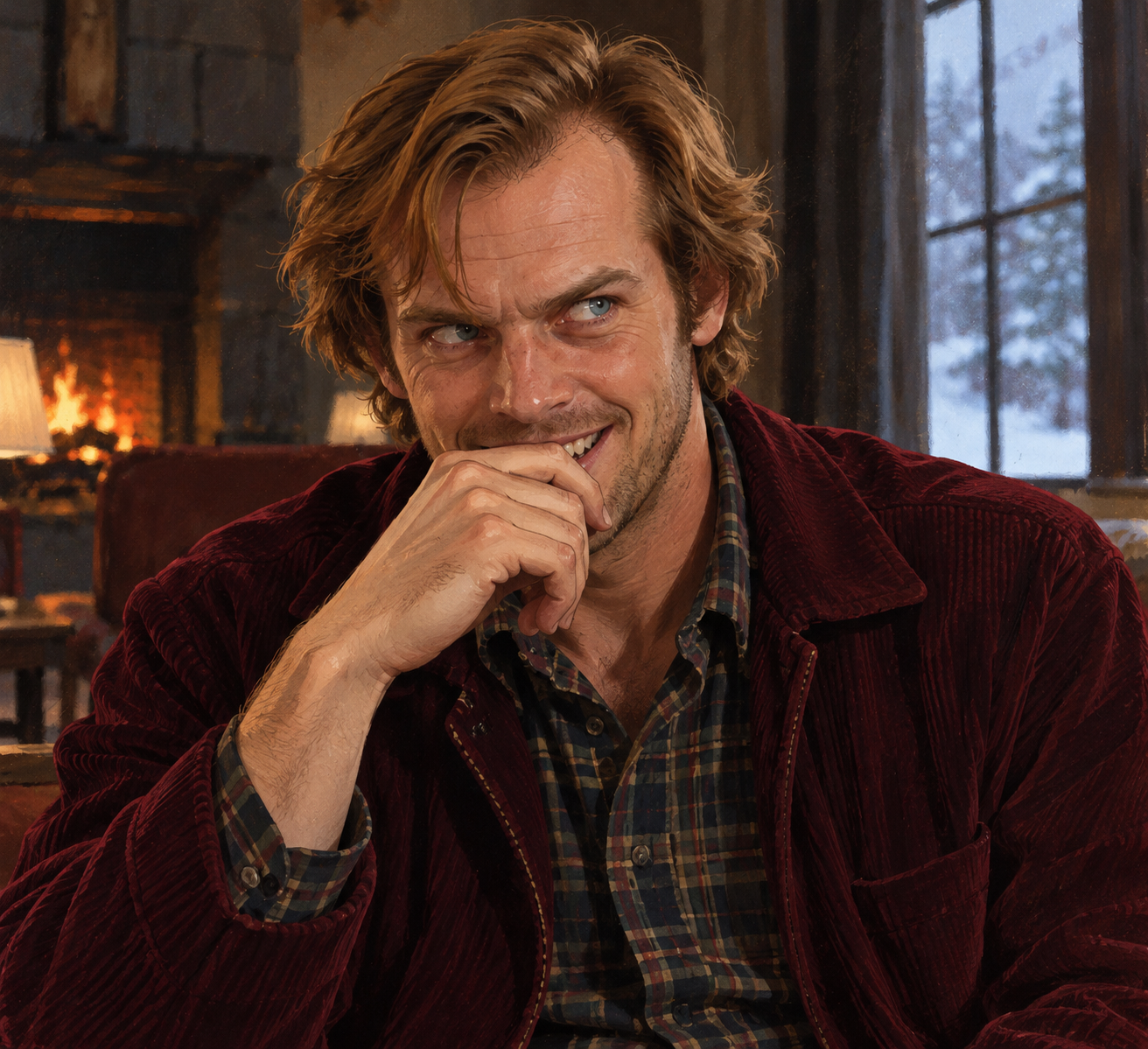
The hotel fully possesses Jack and forces him to hunt Danny with a roque mallet; Jack briefly regains himself to tell Danny he loves him before the entity makes him smash his own face apart. He races to the basement after realizing he neglected the boiler, but it explodes before he can release the pressure, killing him and destroying the Overlook.

Jack brutally attacks her, leaving her with fractured ribs, damaged vertebrae, and a broken leg, but she stabs him and survives. Hallorann gets her and Danny away before the hotel explodes; she later receives a settlement, recovers, and builds a new life with Danny.
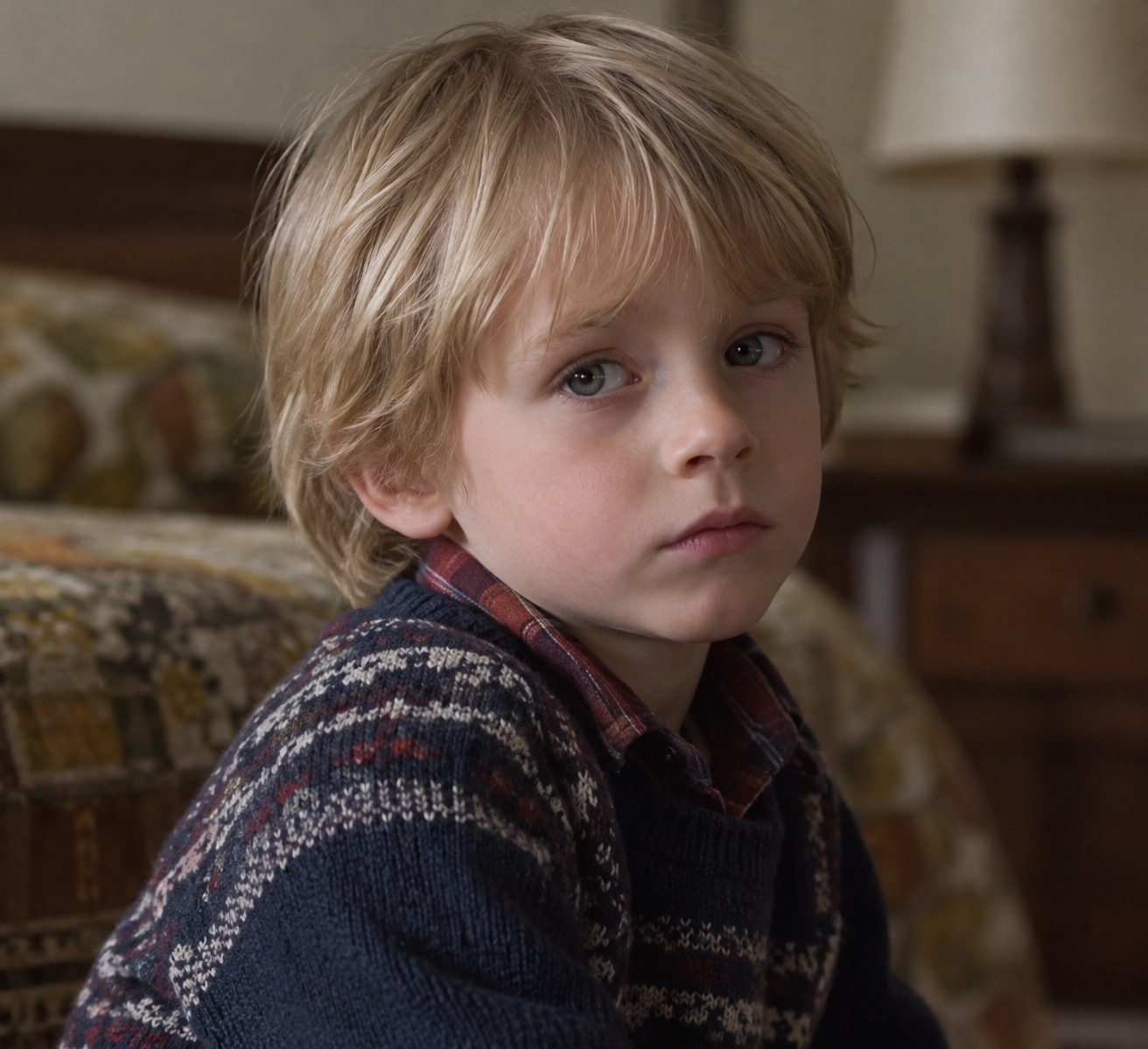
Danny confronts the possessed Jack and realizes the hotel has forgotten about the dangerously pressurized boiler. He escapes the resulting explosion with Wendy and Hallorann and, in the epilogue, begins processing his grief with Hallorann’s help.
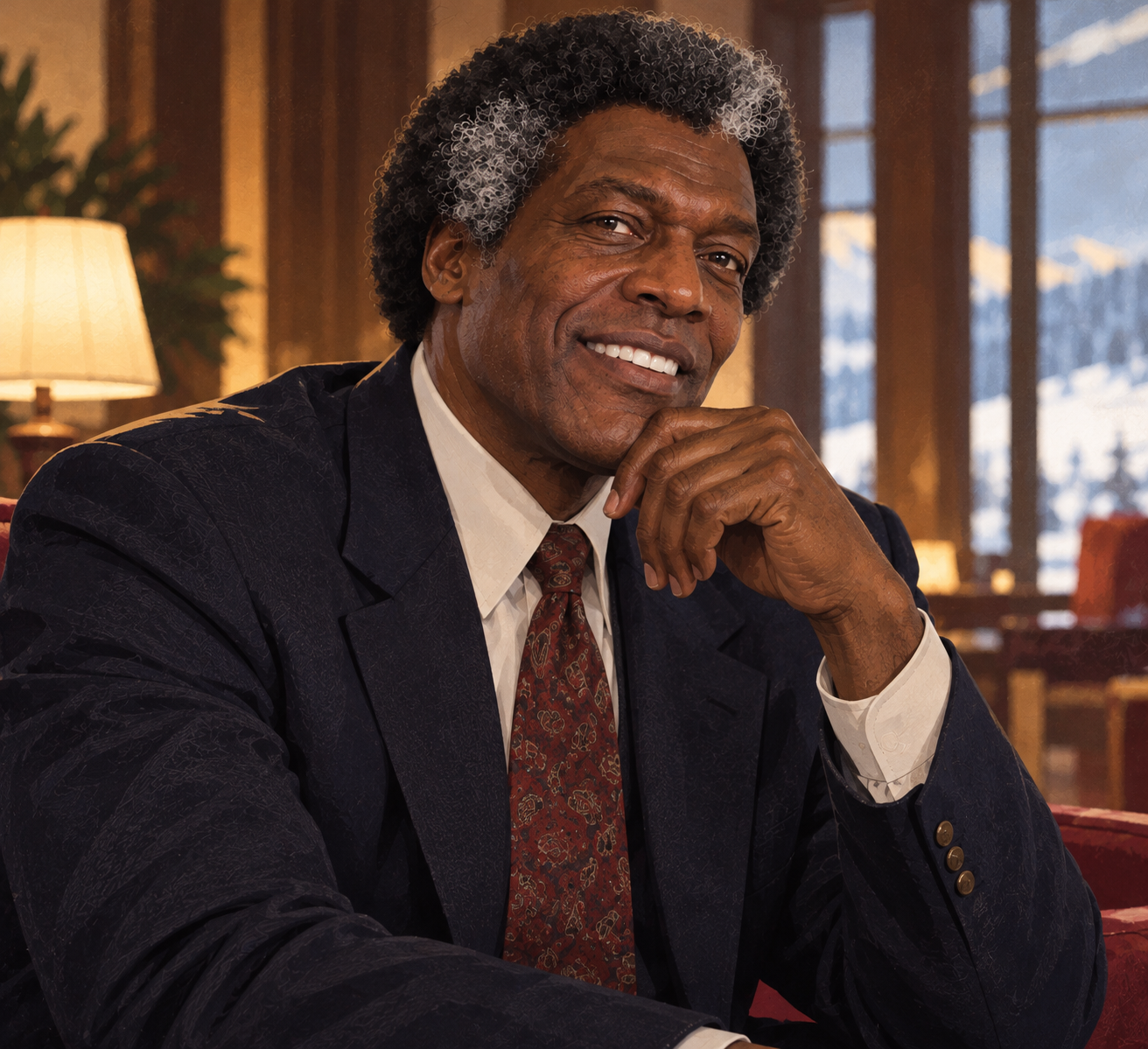
Hallorann travels from Florida through a deadly blizzard to reach Danny, only to have Jack smash his face and jaw with the roque mallet. He survives, rescues Wendy and Danny before the explosion, and remains an important father figure in Danny’s life.
🔷 Supporting Characters

Ullman spends the winter safely managing a Florida resort and survives while the Overlook is destroyed.
Al survives the disaster and afterward helps Wendy obtain a financial settlement and find secretarial work in Maryland.
Already dead by the novel’s events, Grady’s supernatural presence is ultimately consumed with the Overlook when the boiler explodes.
Tony gives Danny the crucial clue to “remember what your father forgot,” leading Danny to realize Jack neglected the boiler, then effectively merges back into Danny.
She died after overdosing on sleeping pills and alcohol; her manifestation is destroyed with the Overlook, although Danny later briefly fears her presence before mentally locking her away.
Watson leaves on closing day and spends the winter safely away from the Overlook.
Edmonds later accompanies the rescue party that encounters Hallorann, Wendy, and Danny after the Overlook explodes.
George survives Jack’s beating with a concussion and scalp injury, while his image later resurfaces in Jack’s increasingly disturbed mind.
He died years earlier from a massive stroke; the hotel later imitates his voice to encourage Jack to murder Wendy and Danny.
Derwent is already dead by the novel’s main events, and his spectral presence disappears when the Overlook is destroyed.
Vito and two bodyguards were murdered with shotguns in 1966, leaving behind a supernatural imprint of the massacre.
Ullman fires her in July 1977 and gives her two weeks’ severance pay.
Lloyd eventually fades back into the hotel’s supernatural world and is destroyed along with the Overlook.
Larry survives and leads the rescue party that meets Hallorann, Wendy, and Danny after their escape.
She leaves safely in her chauffeur-driven car before the Torrances are isolated at the Overlook.
He receives a payoff connected to the cover-up and uses the money to purchase a Chrysler.
Howard survives the storm and continues working the mountain roads.
Staunton remains safely on duty while Hallorann continues toward the hotel alone.
Grady murders his daughters with a hatchet and his wife with a shotgun before killing himself; their frozen bodies are later discovered at the hotel.
🕳️ Potential Plot Holes
Jack drinks alcohol served by the ghostly bartender Lloyd even though the Colorado Lounge was emptied before winter. Wendy later finds Jack smelling strongly of gin, suggesting the alcohol has physically manifested rather than existing only in Jack’s mind. This may seem inconsistent with the earlier, more vision-like hauntings, but it is probably intentional rather than a plot hole. As the Overlook grows stronger through Danny’s presence, its supernatural manifestations increasingly affect the physical world. The alcohol is one of the first signs that the hotel is becoming powerful enough to make its ghosts—and what they provide—physically real.
Jack thoroughly poisons the wasps’ nest, shakes the dead insects out, and gives the apparently empty nest to Danny, yet live wasps emerge from it that night and sting him. There is no realistic biological explanation for poisoned wasps suddenly regenerating, especially in cold autumn weather. However, the incident is clearly supernatural: the Overlook restores or recreates the wasps as part of its growing ability to manipulate the physical world. The impossibility is therefore deliberate, although the precise mechanics are never explained.
Wendy locks Jack inside the pantry with a heavy exterior bolt, but Delbert Grady’s ghost later releases him by manipulating the lock from outside. This can initially seem inconsistent because the hotel’s ghosts mostly appear as visions and psychological influences. However, by this stage the Overlook has become substantially more powerful, and the pantry scene confirms that its manifestations can now physically affect the environment. The apparent inconsistency is better understood as an escalation of the hotel’s supernatural power rather than a true plot hole.
Watson warns Jack that the old boiler must be dumped several times every day or its pressure will become dangerously high. Yet Jack sometimes goes long periods without attending to it without any apparent consequences, while during the climax forgetting it for a relatively short period causes the pressure to rise rapidly enough to destroy the hotel. The novel never establishes a consistent rate at which the pressure builds, making the boiler operate largely according to the needs of the plot. This is one of the stronger practical inconsistencies in the story.
After Jack destroys the Overlook’s CB radio, park personnel attempting to contact the hotel simply assume the Torrances have turned it off or gone to bed. This is not really a plot hole. The rangers have no reason to know Jack deliberately smashed the radio, and a destroyed receiver would simply prevent the Torrances from hearing or answering transmissions. The lack of a response would not necessarily tell an outside caller whether the radio had been switched off, damaged, or was simply being ignored.
The novel can make the Overlook’s master keys difficult to track, with Danny obtaining a passkey for Room 217, Jack later possessing keys, and Wendy eventually taking Jack’s key ring before leaving it accessible through the damaged bedroom door. However, this does not necessarily establish that there is only one master key in existence. A large hotel would reasonably have multiple master or passkey sets, and the novel does not explicitly state otherwise. The bookkeeping around the keys is occasionally vague, but there is not enough contradiction to call it a definite plot hole.
📚 Book Club Q&A's
⭐ Final Rating & Thoughts
Stephen King’s The Shining is horror perfection for me. Yes, it’s a slow burn, but that’s exactly why it works so well. King gives the dread time to build gradually, until the Overlook feels less like a setting and more like a living, breathing presence you’re trapped inside with the Torrance family.
What really elevates this beyond a traditional haunted-house story is the emotional horror underneath the supernatural scares. King’s portrayal of addiction, anger, guilt, and the damage they inflict on a family is painfully convincing. Jack’s struggles make the story heartbreaking as well as terrifying, and Danny brings an emotional vulnerability that makes everything feel even more threatening.
I also love how immersive this book is. King has a way of creating places that stay lodged in my brain long after I finish reading, and the Overlook may be one of his greatest creations. Having actually stayed at the Stanley Hotel made this reread even more deliciously creepy.
Atmospheric, psychologically complex, genuinely frightening, and unforgettable—this is exactly what I want from Stephen King.
✨ Adaptation description
Adaptation
Stanley Kubrick’s 1980 film The Shining adapts Stephen King’s 1977 novel as a psychological horror film starring Jack Nicholson as Jack Torrance, Shelley Duvall as Wendy Torrance, Danny Lloyd as Danny Torrance, and Scatman Crothers as Dick Hallorann. Directed and co-written by Kubrick with Diane Johnson, the film was produced by Hawk Films and distributed by Warner Bros. While both versions follow the Torrance family during an isolated winter at the haunted Overlook Hotel, the film substantially changes the novel’s characterization, supernatural mythology, and ending.
Key Differences: The novel presents the Overlook Hotel itself as the primary supernatural threat, gradually exploiting Jack’s alcoholism, anger, family history, and insecurities until it effectively possesses him. The film makes the supernatural forces more ambiguous and places considerably more emphasis on Jack himself as the immediate danger to his family.
Tone Changes: King’s novel is a supernatural family tragedy with considerable attention given to Jack’s internal struggle, his love for Danny, and the deterioration of the Torrance family. Kubrick’s film adopts a colder, more detached and psychologically unsettling tone, emphasizing isolation, repetition, visual unease, and domestic violence.
Structural Changes: The book spends substantial time exploring the Overlook’s violent history and Jack’s growing obsession with it. The film dramatically reduces this material and uses time cards, increasingly disorienting imagery, long tracking shots, and visual symbolism to convey the family’s psychological deterioration. The endings are completely different: in the novel, Jack briefly breaks through the hotel’s control before the neglected boiler explodes and destroys the Overlook. In the film, Jack pursues Danny through a hedge maze, where Danny escapes and Jack freezes to death.
Character Changes: Jack Torrance is considerably more sympathetic in the novel, where his deterioration is gradual and he ultimately manages a brief final act of resistance against the Overlook. The film presents Jack as volatile and threatening much earlier. Wendy is more assertive and physically capable in the novel, while the film emphasizes her fear and desperation as Jack becomes increasingly dangerous. Danny has a more developed understanding of his psychic abilities in the book, while the film makes his shining more mysterious and visually unsettling. The largest change involves Dick Hallorann: he survives and helps Wendy and Danny escape in the novel, but Jack kills him with an axe shortly after he reaches the hotel in the film.
What the Adaptation Emphasizes: Kubrick expands the story’s visual and psychological horror, introducing or transforming several elements that became synonymous with the film, including the blood pouring from the elevators, the Grady girls appearing together in the hallway, Jack’s endlessly repeated “All work and no play” manuscript, and the enormous hedge maze. The film also increases the ambiguity surrounding exactly what the Overlook is and how much of what occurs should be interpreted as supernatural.
What It Softens, Removes, or Expands: The film removes much of Jack’s childhood history, the Overlook’s extensive backstory, and the detailed mythology surrounding Danny’s shining. The novel’s supernatural topiary animals are eliminated and replaced by the hedge maze, while Jack’s roque mallet becomes an axe. The movie also abandons the novel’s boiler storyline and Jack’s more explicit final moment of redemption. In exchange, Kubrick expands the Overlook into a visually disorienting environment and leaves its supernatural history and ultimate intentions much less clearly explained.
✨ Books Like The Shining (1977)
See an error on this page?