
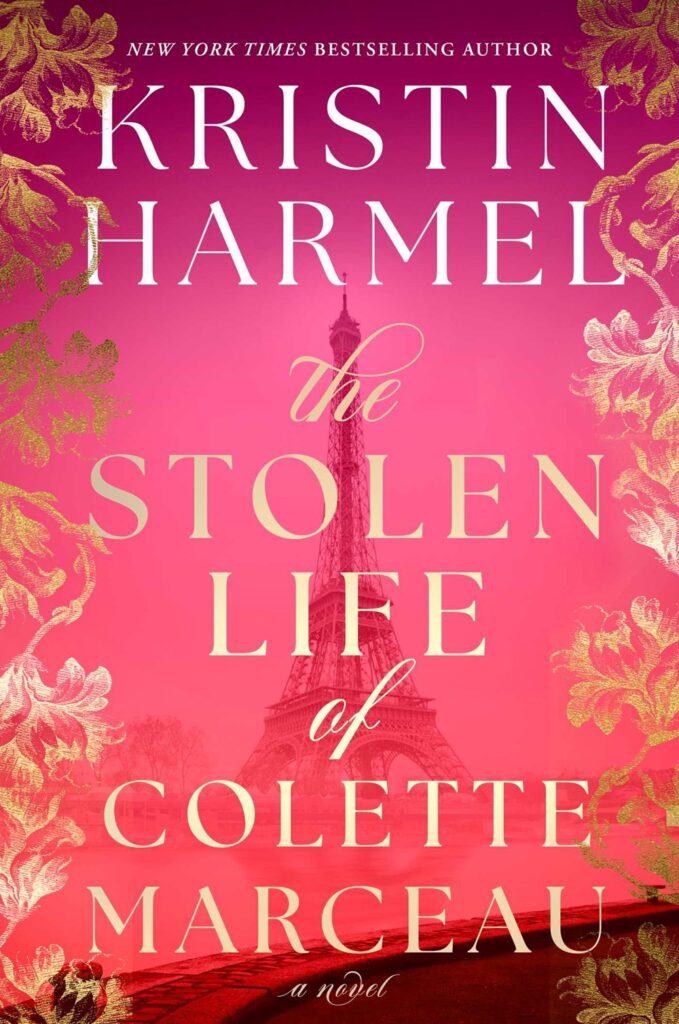
The Stolen Life of Colette Marceau (2025)
Select Sections to Print
×Book Details
The Stolen Life of Colette Marceau (2025)
Jump to Section
⚠️ Trigger Warnings
- Holocaust
- Nazi occupation
- Antisemitism
- Hate speech and slurs
- Jewish persecution
- Mass roundups and deportation
- Concentration and death camps
- Child kidnapping
- Child endangerment
- Physical violence
- Torture and beatings
- Murder
- Death of loved ones
- Parental abandonment
- Infant death
- Miscarriage
- Cancer
- Medical trauma
- Heart attacks
- Dementia and cognitive decline
- Infidelity
⏱️ 2-Minute Spoiler Summary
In 1942 Paris, teenage Colette Marceau helps her Resistance-fighter mother, Annabel, steal valuables from Nazis and collaborators to fund the French Resistance. Annabel recovers two priceless butterfly bracelets stolen from the Jewish Rosman family and hides one in Colette’s nightgown and the other in Colette’s sister, four-year-old Liliane’s. Soon afterward, Annabel is arrested and killed by the Gestapo, while Liliane disappears during the raid and is reported dead. Colette also loses contact with Tristan, the Jewish boy she has fallen in love with.
In 2018, eighty-nine-year-old Colette is still secretly stealing from people she considers morally deserving targets and donating the proceeds to good causes. When her friend Marty Weaver discovers the matching butterfly bracelet in a museum magazine, Colette and her surrogate daughter Aviva Haskell begin investigating its history.
They eventually meet Holocaust survivor Daniel Rosman, who reveals himself to be Tristan, Colette’s teenage love. Both had been falsely led to believe the other was dead.
The biggest revelation comes when Colette recognizes Bill Carpenter, whose real name is Guillaume Charpentier, as the man who took Liliane during the 1942 raid. Guillaume admits that he kidnapped Liliane and raised her in America as Anne Carpenter, using her hidden butterfly bracelet to help secure his escape from Europe.
Liliane is still alive.
After seventy-six years, Colette and Liliane reunite, recognizing each other through their childhood bird calls. Colette also discovers that museum director Lucas O’Mara is Liliane’s son. Finally reunited with both her sister and her first love, Colette marries Daniel in a backyard ceremony surrounded by their newly connected family. She returns Daniel’s mother’s emerald ring to him and plans to leave her butterfly bracelet to Aviva, bringing the story of the stolen jewels—and the families connected to them—full circle.
📖 Full Spoiler Summary
The Butterfly Bracelets
The story begins in Paris in 1927, when wealthy diamond merchant Salomon Rosman asks master jeweler Max Besner to create a special gift for his wife, Hélène, following the birth of their twins, Daniel and Ruth. Max designs two diamond butterfly bracelets that interlock, creating a single piece when placed together. They become a symbol of the Rosman family—one that will eventually connect several lives across decades.
By 1942, Paris is under Nazi occupation, and the Rosmans are in terrible danger because they are Jewish. Their family is arrested by Sturmbannführer Gustav Möckel, a brutal German officer who steals the valuable bracelets before the Rosmans are deported.
The bracelets disappear, but their story is far from over.
Colette Learns the Family Business
At the same time, teenage Colette Marceau is growing up with her younger sister, Liliane, and their parents, Annabel and Roger Marceau. Annabel is British-born, fearless, and secretly involved with the French Resistance. She is also an accomplished thief.
The Marceau family has a tradition of what Annabel considers ethical theft: stealing from people who have acquired wealth through cruelty or injustice and using the proceeds to help those who need it. Annabel begins teaching Colette the same skills.
Roger is much less comfortable with the risks his wife and daughter are taking. He wants to protect his family and fears Annabel’s Resistance activities will eventually bring the Germans to their door.
Annabel works with an underground network led by Docteur Robillard, known as Le Paon, helping finance Resistance operations through the valuables she steals. Colette becomes involved as well. After stealing a bangle from Nazi collaborator Madame Virlogeux, she meets a Jewish teenage boy who calls himself Tristan. He helps her hide the stolen jewelry behind a loose brick in a neighborhood wall.
The hiding place becomes their secret place. Colette and Tristan begin leaving messages for each other there, and their secret friendship gradually turns romantic. Neither realizes how little time they have.
The Roundup Changes Everything
During the mass arrests surrounding the Vélodrome d’Hiver roundup, Colette witnesses the Rosman family being taken away. Hélène Rosman, desperate to preserve at least something belonging to her family, manages to pass an emerald ring to Annabel before she is deported.
Annabel refuses to let Möckel profit from what he has stolen. She discovers that the Rosman butterfly bracelets have ended up with his mistress, Octavie Duplessis, and Annabel steals them back.
But possessing such recognizable jewels is incredibly dangerous. Annabel divides the bracelets and secretly sews them into the nightgowns belonging to Colette and four-year-old Liliane, hoping the girls can keep them safe until the war ends.
Soon afterward, the Gestapo raids the Marceau home.
Annabel is arrested and taken away. Möckel’s men torture and beat her so severely that she eventually dies from her injuries. During the raid, Colette also sees a man in a dark uniform take Liliane through a bedroom window.
Afterward, the building’s concierge, Madame Nadaud, tells the devastated family that Liliane’s body has been found in the Seine.
Colette believes her mother and little sister are both dead.
Her father is destroyed by the losses. Rather than bringing him and Colette closer, grief makes Roger increasingly bitter and distant, and he eventually abandons his daughter. Colette spends the rest of the war sheltered by family friends Uncle Frédéric and Aunt Marie, before eventually going to England to live with Uncle Leo.
Her relationship with Tristan disappears along with the rest of her old life. Colette assumes that he, too, has been killed.
Colette Becomes a Thief Again
More than seventy years later, in 2018, eighty-nine-year-old Colette lives in Boston. Outwardly, she appears to be an ordinary elderly woman who volunteers at the Boston Center for Holocaust Education. In reality, she has continued the tradition Annabel taught her.
Colette is still a thief.
With help from her longtime friend and fence, Marty Weaver, she targets people she believes have benefited from hatred, corruption, or injustice, sells what she steals, and quietly directs the money toward worthy causes.
One of her latest targets is Linda Clyborn, a wealthy neo-Nazi sympathizer. Colette steals Clyborn’s valuable yellow diamond ring and uses the proceeds to benefit the Holocaust education center.
The theft attracts the attention of Detective Aldo Damien, but Colette knows exactly how people see an eighty-nine-year-old woman. When Damien questions her, she plays into his assumptions, pretending to be confused and senile until he dismisses her as harmless.
Colette’s surrogate daughter and protégée, attorney Aviva Haskell, is not nearly so easy to fool. Aviva has become suspicious of Colette’s secretive behavior and begins realizing that the elderly woman she loves has a much more complicated life than she has admitted.
Then Marty discovers something that makes Colette’s past impossible to ignore.
The Missing Butterfly Appears
While looking through a magazine from the Boston Diamond Museum, Marty spots a piece of jewelry Colette never expected to see again: the matching half of the Rosman butterfly bracelet.
Aviva begins investigating the bracelet and becomes acquainted with the museum’s director, Lucas O’Mara. The attraction between them grows as they work together to trace the jewelry’s history.
The bracelet apparently came through Lucas’s late wife, Vanessa Verdier O’Mara, and her family. It belonged to Vanessa’s grandfather, Hubert Verdier.
Colette and Marty visit Hubert, who is living in a memory-care facility, hoping to discover how he obtained a bracelet stolen during the Nazi occupation. Hubert clearly knows more than he is saying, but before he can fully explain himself, he suffers a fatal heart attack.
For a moment, it seems as though the truth has died with him.
Then another survivor comes forward.
Tristan Returns After Seventy-Six Years
Daniel Rosman, now ninety-one and living in America, survived Auschwitz. After seeing Aviva’s article about the butterfly bracelet, he contacts the Holocaust center.
When Daniel meets Colette, decades of confusion finally begin to unravel. He and Colette knew each other as teenagers in Paris, but she knew him only by his chosen name: Tristan.
The boy Colette loved during the war was Daniel Rosman.
Both had spent most of their lives believing the other was dead. Their separation was not simply the result of war. Madame Nadaud had deliberately given them false information, helping convince each that the other had disappeared forever.
Colette travels to Paris, where she and the others continue investigating the bracelets. André Besner, the great-nephew of Max Besner, helps them obtain documents establishing the jewelry’s history and provenance.
While visiting her old neighborhood, Colette checks the loose brick where she and Tristan once hid jewelry and exchanged messages. Inside, she discovers a note Daniel left for her in 1952.
He came back.
Years after the war, Daniel had returned to the place they once shared and left a message hoping Colette might someday find it. She never did—until more than sixty years later.
Their reunion gives Colette back one person she believed the war had taken from her. But the greatest shock is still coming.
What Really Happened to Liliane
At Hubert Verdier’s funeral, Colette sees Lucas’s elderly grandfather, Bill Carpenter, and recognizes him.
His real name is Guillaume Charpentier.
He is the man Colette saw taking Liliane through the window during the Gestapo raid in 1942.
Guillaume finally tells the truth. He and his wife, Francine, had suffered repeated miscarriages and infant losses and desperately wanted a child. During the raid, Guillaume took four-year-old Liliane. He tells himself that he rescued her from the Gestapo, but instead of returning her to her surviving family, he kept her.
Guillaume and Francine raised Liliane as their own daughter under a new name: Anne Carpenter.
They allowed Colette and Roger to believe Liliane had died. The story about her body being recovered from the Seine was false.
The butterfly bracelet hidden inside Liliane’s nightgown also stayed with Guillaume. He eventually used it to bribe Hubert Verdier, securing the help he needed to escape Europe and build a new life in America with Francine and the stolen child.
Now, after seventy-six years, Guillaume reveals the one thing Colette never imagined she would hear.
Liliane is still alive.
Colette Gets Her Sister Back
Colette travels to Vermont to meet the woman she has mourned since childhood. Liliane Marceau, now known as Anne Carpenter, has spent almost her entire life unaware of the truth about how she came to be raised by Guillaume and Francine.
When the sisters meet, the decades between them fall away through an intimate memory from childhood: the bird calls their family once used with each other. The familiar sounds confirm what documents and confessions already have.
Colette has finally found her little sister.
The revelation also transforms Lucas’s understanding of his own family. Liliane is his mother, making Colette his aunt and connecting him directly to the history he and Aviva have been investigating. Lucas’s daughter, Millie O’Mara, becomes part of the extended family Colette thought she had lost forever.
Guillaume dies two weeks after confessing what he did, having finally revealed the secret he carried for most of his life.
Colette and Daniel Finally Get Their Ending
Colette’s reunion with Liliane is followed by another kind of second chance.
She and Daniel, separated as teenagers by the Holocaust and by the lies of people around them, decide not to waste whatever time they have left. More than seventy years after falling in love as Colette and “Tristan,” they marry in a backyard ceremony surrounded by the family and friends who have become part of their lives.
Aviva and Lucas, whose relationship developed while they investigated the bracelet, have also fallen in love. Colette now has Liliane, Lucas, Millie, Aviva, and Daniel around her—a family created from people whose histories were unknowingly intertwined for generations.
Colette returns Hélène Rosman’s emerald ring to Daniel, restoring one of the last surviving pieces of his mother’s life to the Rosman family.
The butterfly bracelets have also finally completed their long journey. Created in 1927 to symbolize a family’s connection, they were stolen during the Holocaust, separated, hidden, traded, and carried across an ocean before ultimately bringing the surviving members of several families back together.
Colette intends for her half of the bracelet to go to Aviva, passing forward both the jewelry and the complicated legacy that began with her mother.
After spending most of her life believing that the people she loved in wartime Paris were dead, Colette reaches the end of the story with both of them beside her: the little sister stolen from her family and the boy she once knew as Tristan.
🔚 Ending Explained
How Does The Stolen Life of Colette Marceau End?
The ending of The Stolen Life of Colette Marceau brings Colette’s story full circle, returning to the love, family, and identity stolen from her during the war.
The biggest revelation comes during a dinner Colette hosts for Liliane, Lucas, Millie, Aviva, and Daniel Rosman. While talking about their childhood in Paris, Liliane remembers the poems Colette used to write for a boy named Tristan.
That’s when Daniel realizes the truth.
Daniel is Tristan.
“Tristan” was simply the romantic name Daniel used as a fifteen-year-old boy. To prove it, he recites lines from the poem Colette once hid inside a wall:
Je pense à ce que ça ferait / Avoir ta main dans la mienne.
Colette and Daniel finally understand what happened to them. Neither abandoned the other. For decades, each believed the other had died, thanks to the lies told by Madame Nadaud during the war. Their love story wasn’t something that ended—it was something interrupted.
Two months later, Colette and Daniel get married in a small backyard ceremony in Quincy. Liliane walks Colette down the aisle, while Aviva and Millie are her bridesmaids. Marty Weaver retrieves Hélène Rosman’s emerald-and-diamond ring, which Daniel gives Colette as her wedding ring.
Daniel also returns the two halves of the butterfly bracelets to Colette and Liliane. The bracelets were originally created for the Rosman twins, but after surviving theft, war, separation, and decades of secrets, they have finally brought the two families back together.
Colette also makes an important decision about her own legacy. She decides that the Marceau tradition of stealing jewels in order to right old wrongs will end with her. She once feared that having no biological children meant there would be no one to carry on her family, but she now understands that Aviva is her daughter in every way that matters.
Colette plans to leave her half of the butterfly bracelet to Aviva, while Liliane’s half will eventually go to Millie. Instead of passing down a tradition of theft, they will pass down the story of the women who survived.
Meanwhile, Guillaume Charpentier dies two weeks after turning himself in. His confession finally reveals that although kidnapping Liliane caused enormous damage, he believed he was saving her life. His ending reinforces one of the novel’s recurring ideas: the past rarely divides neatly into heroes and villains.
And Colette finally gets something she had stopped believing was possible.
She gets Tristan back.
She becomes Mrs. Daniel Rosman, reclaiming a love—and in many ways a life—that history stole from her.
What the Ending Means
The butterfly bracelets are the clearest symbol of the ending. They were designed as two pieces that fit together, and their journey mirrors the families themselves: separated by violence, scattered across decades, and eventually reunited. By the end, their value has almost nothing to do with diamonds. They have become physical witnesses to everything the families lost and everything they managed to recover.
That makes Daniel returning the bracelets especially meaningful. Their journey is finished. They have, as he puts it, essentially done their job.
The hazel and honeysuckle Colette plants for the wedding adds another layer. They evoke the legend of Tristan and Isolde, whose lives and love are represented by intertwined plants. But Colette and Daniel receive a gentler version of that story. They were separated for most of their lives, yet unlike the doomed lovers of legend, they are given time—however little remains—to be together.
Colette’s decision to stop stealing is just as important. For years, theft was her way of fighting a world in which justice had failed spectacularly. But she no longer needs to define her family through retaliation. Her inheritance becomes memory rather than revenge.
That is why Aviva matters so much to the conclusion. Colette begins the story worried that she has no descendants to inherit what she carries. By the end, she realizes family does not have to follow a bloodline. Aviva is part of her legacy because Colette chose her and loved her.
The developing relationship between Aviva and Lucas extends that idea into the future. The families that history tore apart are now becoming intertwined again in completely unexpected ways.
The recurring idea that diamonds witness both the past and an unimaginable future ultimately captures the novel’s attitude toward memory. People disappear. Stories become distorted. Families lose one another. But objects—and the stories attached to them—can survive long enough to reconnect people who thought those connections were gone forever.
The ending is therefore less about recovering stolen jewelry than recovering stolen lives.
Colette cannot get back the decades she lost with Liliane or Daniel. She cannot undo the Holocaust, her mother’s death, or everything that happened afterward. The novel doesn’t pretend otherwise. What she can do is refuse to let those losses dictate the ending of her story.
And that’s what makes the final marriage so satisfying: Colette doesn’t get her old life back. She gets the chance to finish it differently.
👤 Characters & Fates
🔶 Main Characters
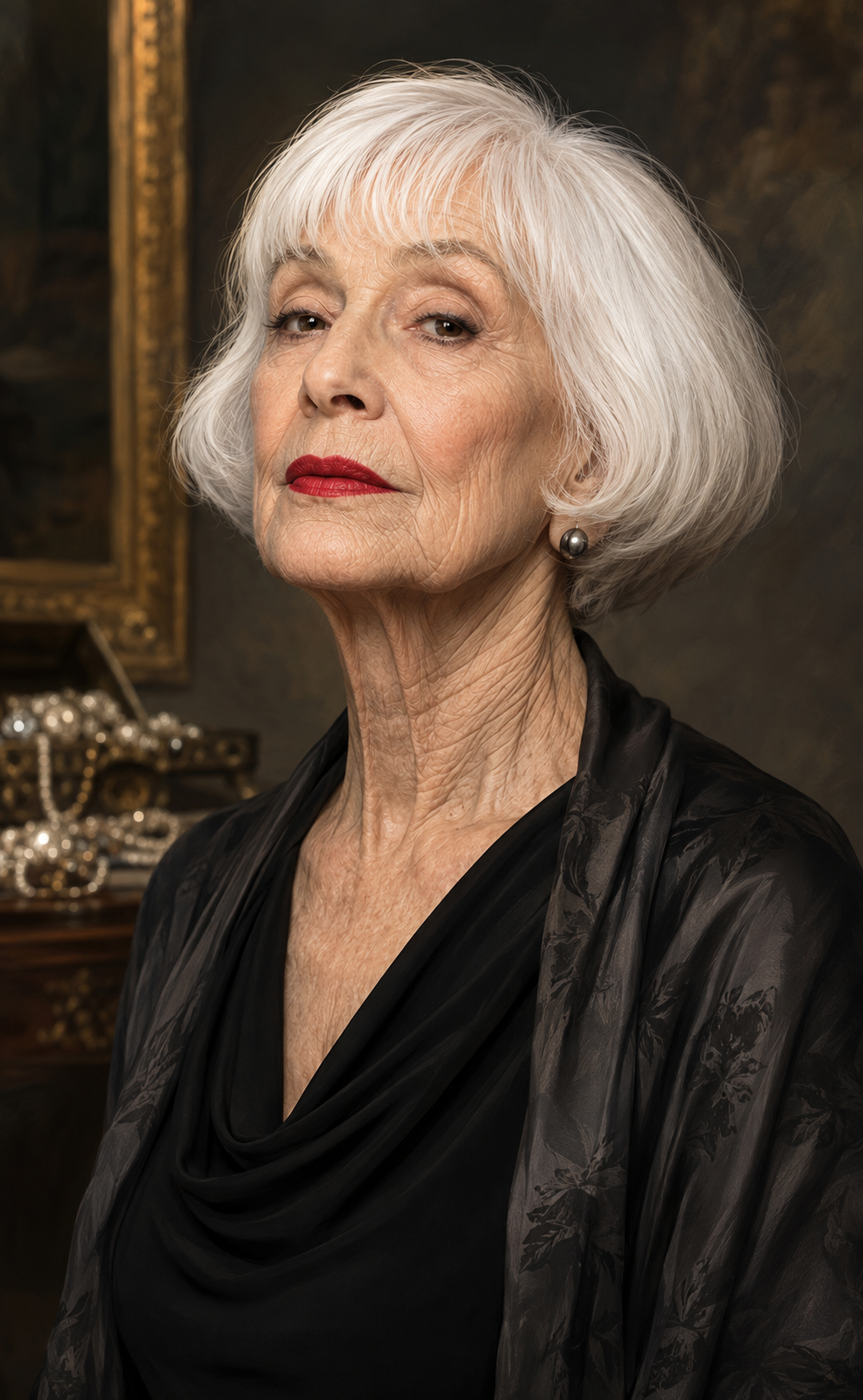
Reunites with Liliane and discovers Daniel Rosman was actually her teenage love, “Tristan,” whom she had been falsely told was dead. She marries Daniel in 2018 and leaves her half of the butterfly bracelet to Aviva.
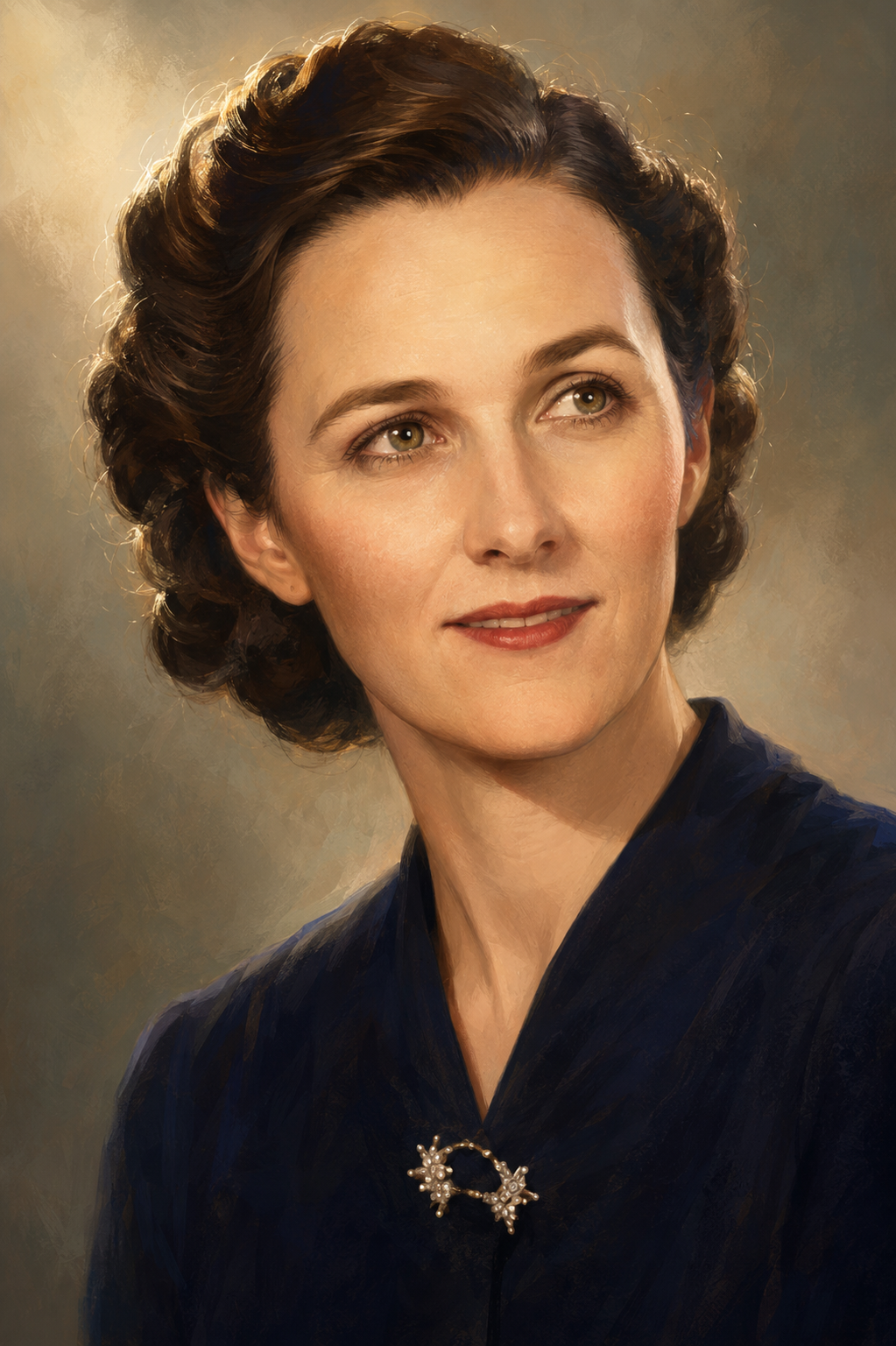
Arrested by the Gestapo after the theft and brutally beaten to death in 1942 after refusing to reveal where she hid the bracelets.
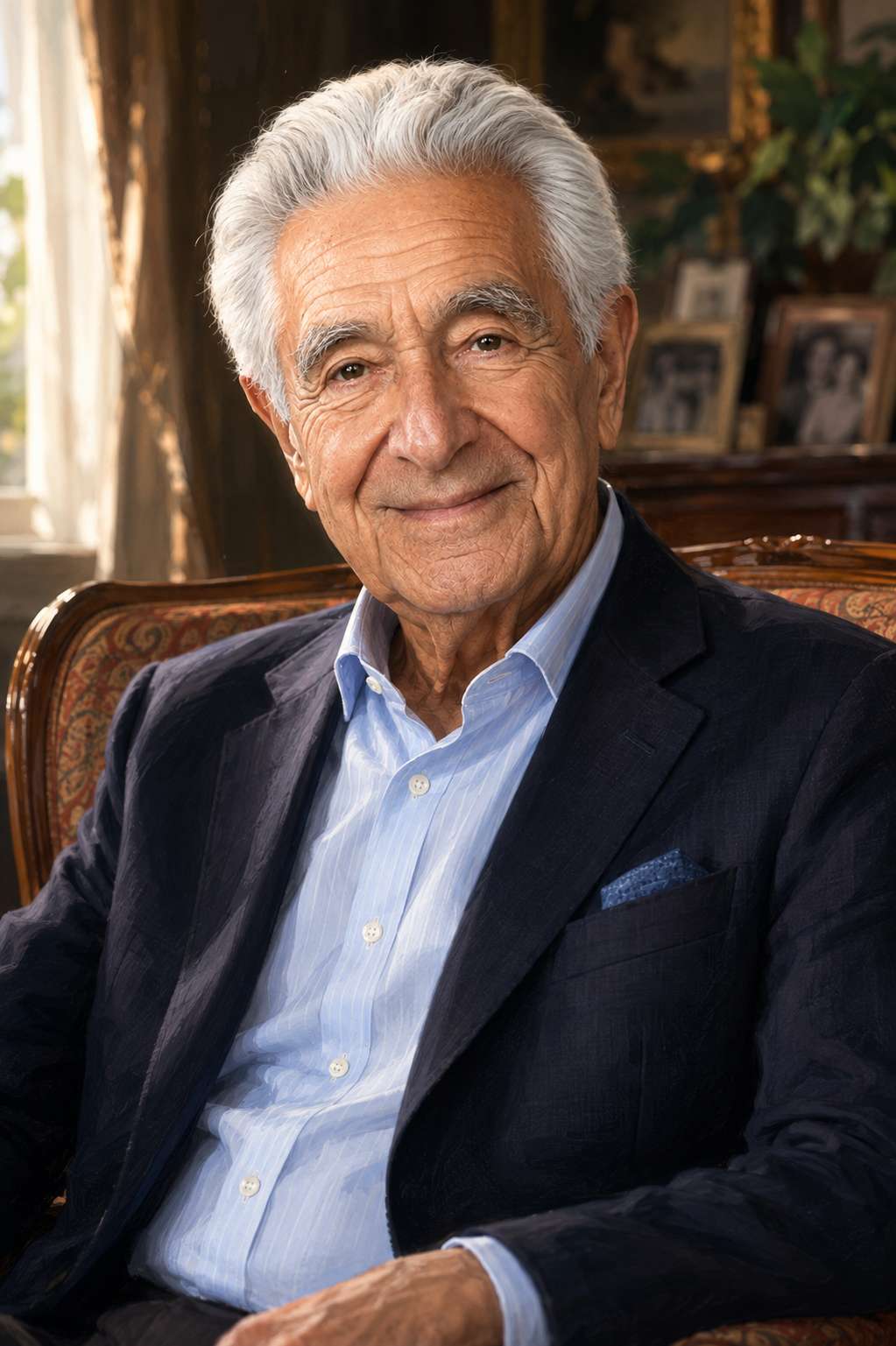
Survives Auschwitz and eventually reveals that he was “Tristan,” Colette’s teenage love. He returns the bracelets to Colette and Liliane and marries Colette in a backyard ceremony.

Falls in love with Lucas O’Mara and is chosen to eventually inherit Colette’s half of the butterfly bracelet.
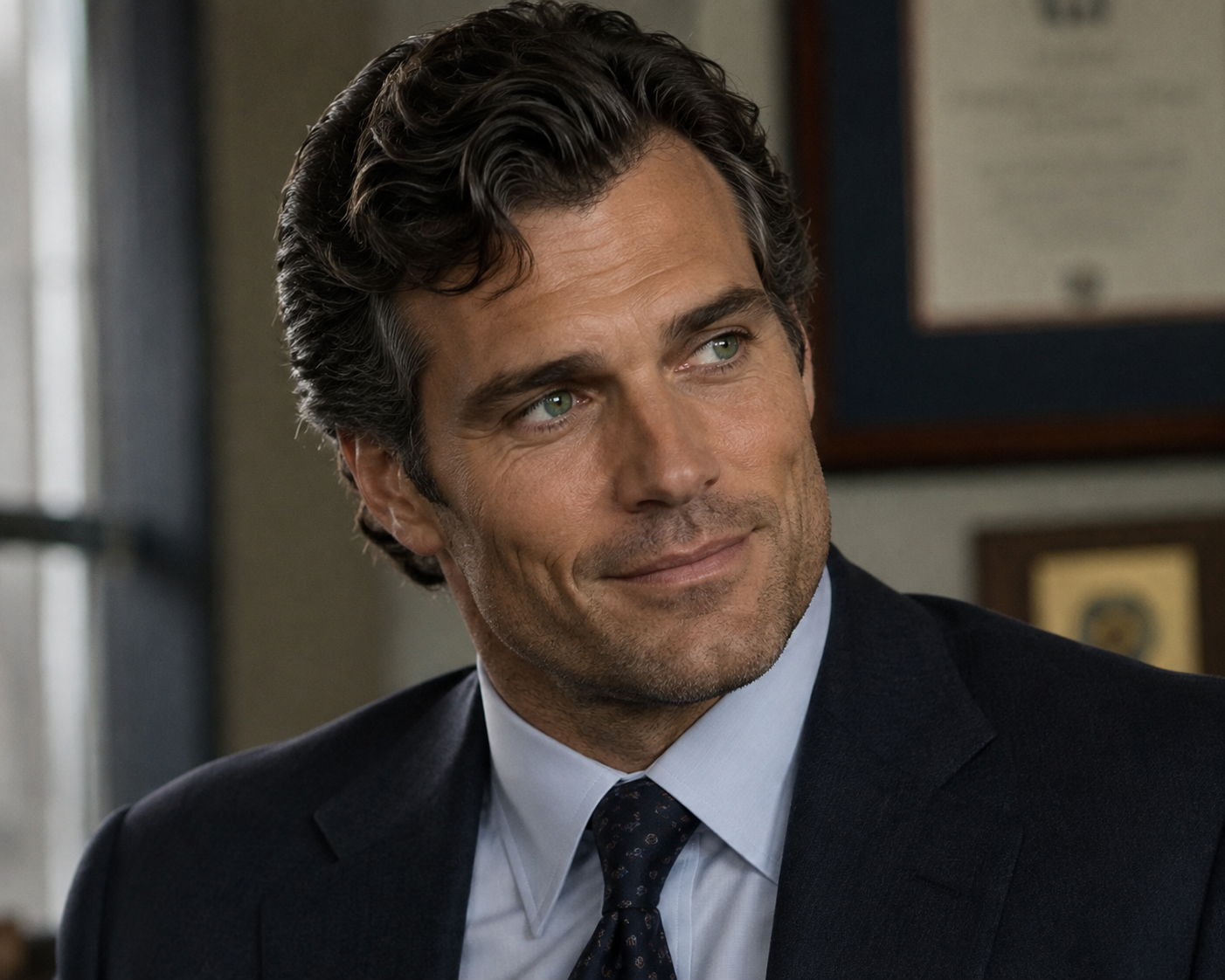
Learns that Guillaume, the man he knew as his grandfather, actually kidnapped his mother as a child. He begins a relationship with Aviva.

Guillaume Charpentier kidnapped her in 1942 and raised her as Anne Carpenter. At seventy-nine, she finally learns the truth and reunites with Colette in Vermont.
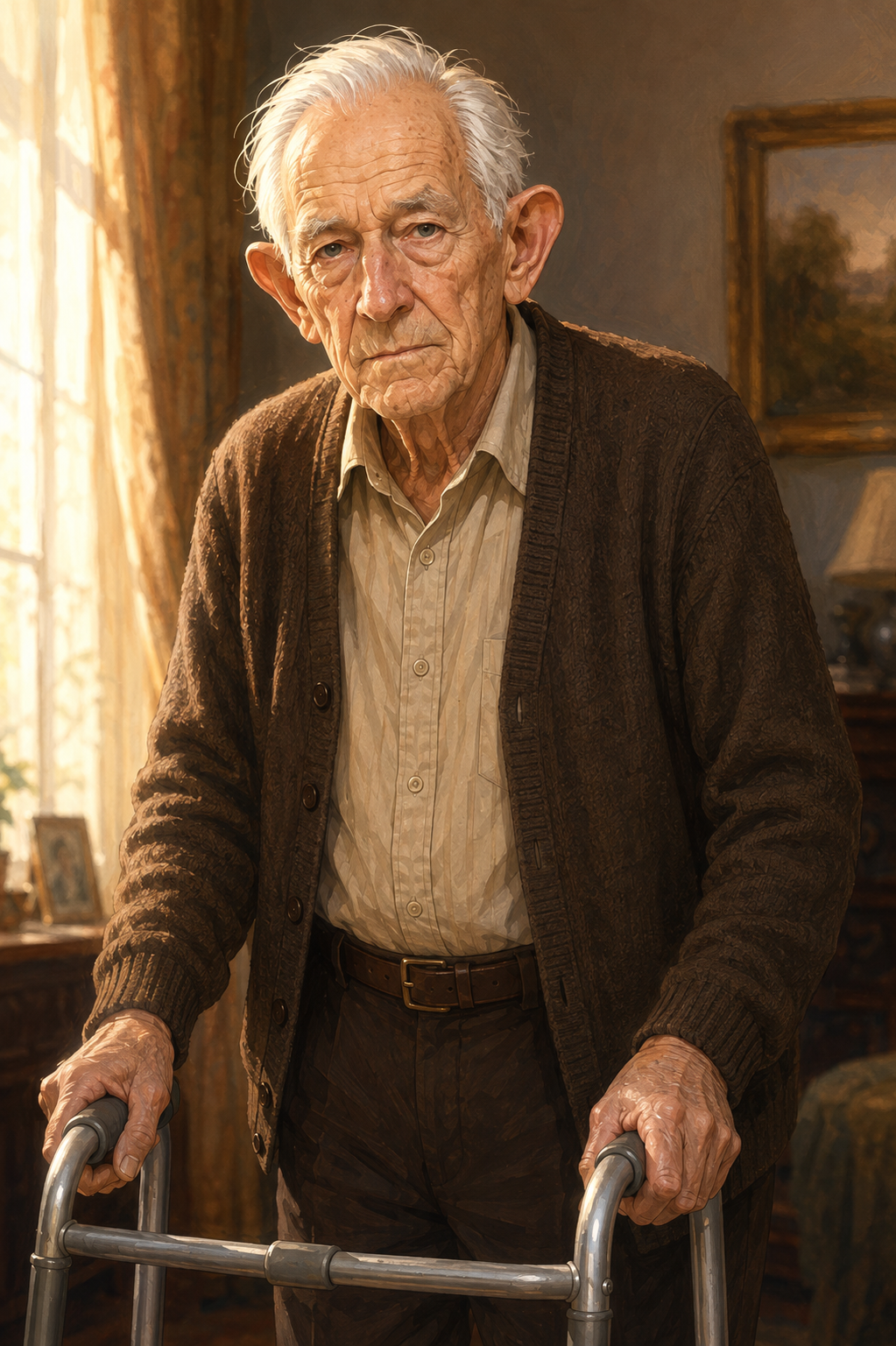
Confesses everything to Colette at Hubert Verdier’s funeral and turns himself in, but authorities decline to charge him. He dies two weeks later after suffering multiple strokes.
🔷 Supporting Characters

Never gets the romance with Colette he secretly wanted, but remains her close friend and serves as Daniel’s groomsman at their wedding.
Arrested during the Nazi occupation and executed by a German firing squad in 1942.
Deported by the Nazis and murdered at Auschwitz at age forty-two.
Survives the Holocaust but dies roughly twenty years before the events of 2018.
Moves to Brittany and dies without ever reconciling with Colette, never knowing that Liliane actually survived.
Deported during the Holocaust and murdered at Auschwitz.
His actions destroy both the Rosman and Marceau families, although his own ultimate fate is not revealed.
Colette steals her yellow diamond ring during a gala and uses its value to support Holocaust education, leaving Linda clueless about where it went.
Raises Colette after her father abandons her and dies years before the 2018 storyline.
Remain in Paris after Colette leaves for England and are presumed dead by the 2018 timeline.
Survives the war and returns to medicine, treating children traumatized by the Occupation.
Dies suddenly of a heart attack in 2018 just as Colette is confronting him about the bracelet.
Carries on a lifelong affair with Hubert Verdier and dies of colon cancer in 1998 without revealing the truth about Liliane.
Becomes a bridesmaid at Colette and Daniel’s wedding and is eventually set to inherit Liliane’s half of the butterfly bracelet.
Dies of ovarian cancer four years before the 2018 storyline, leaving Lucas to raise Millie.
Colette pretends to be a confused, senile old woman and successfully manipulates him into pursuing an innocent person instead.
Lives out her life in bitterness and eventually dies in obscurity, with Colette and Daniel only discovering decades later how profoundly her lies altered their lives.
🕳️ Potential Plot Holes
Frédéric claims he identified a child’s body in the Seine because she was wearing Liliane’s distinctive handmade nightgown, complete with an embroidered “L.” But Guillaume later reveals that he threw Liliane’s nightgown in the trash after kidnapping her. The book never explains how another dead child ended up wearing this supposedly unique nightgown. Since the nightgown is the primary reason everyone believes Liliane is dead, this creates a genuine gap in the explanation of her disappearance.
Colette concludes that her childhood love Tristan died in the Holocaust after finding records for a boy named Tristan Berousek who lived nearby. She later discovers that her “Tristan” was actually Daniel Rosman, who had simply used Tristan as a romantic pseudonym. That means there just happened to be a real boy with the same unusual name, living in the same small area, whose wartime fate perfectly convinced Colette that Daniel had died. It doesn’t technically contradict anything in the story, but the coincidence is so crucial to keeping Colette and Daniel apart for decades that it strains credibility.
📚 Book Club Q&A's
⭐ Final Rating & Thoughts
The Stolen Life of Colette Marceau was exactly the kind of historical fiction I love: emotional, suspenseful, fast-moving, and packed with enough mystery to keep me completely invested. I was genuinely enthralled by this one.
What impressed me most was how well both timelines worked. The WWII storyline brought the heartbreak, danger, and emotional weight, while the modern-day storyline added mystery, energy, and the wonderfully unexpected element of an elderly woman still pulling off jewel heists. Somehow, none of it felt like too much.
I also loved that Colette is such a complicated heroine. She’s a thief with her own moral code, and while her choices certainly aren’t legal, I found myself completely on her side. 😂 The mystery surrounding Liliane and the butterfly bracelet kept me hooked, while Colette’s relationship with Tristan gave the story a beautiful emotional core.
With wartime Paris, the Resistance, family secrets, murder, romance, stolen jewels, and a decades-old mystery, this book gave me basically everything I wanted. An easy 5 stars. ⭐⭐⭐⭐⭐
✨ Adaptation description
As of August 2026, there is no official screen adaptation for The Stolen Life of Colette Marceau.
✨ Books Like The Stolen Life of Colette Marceau (2025)
See an error on this page?