
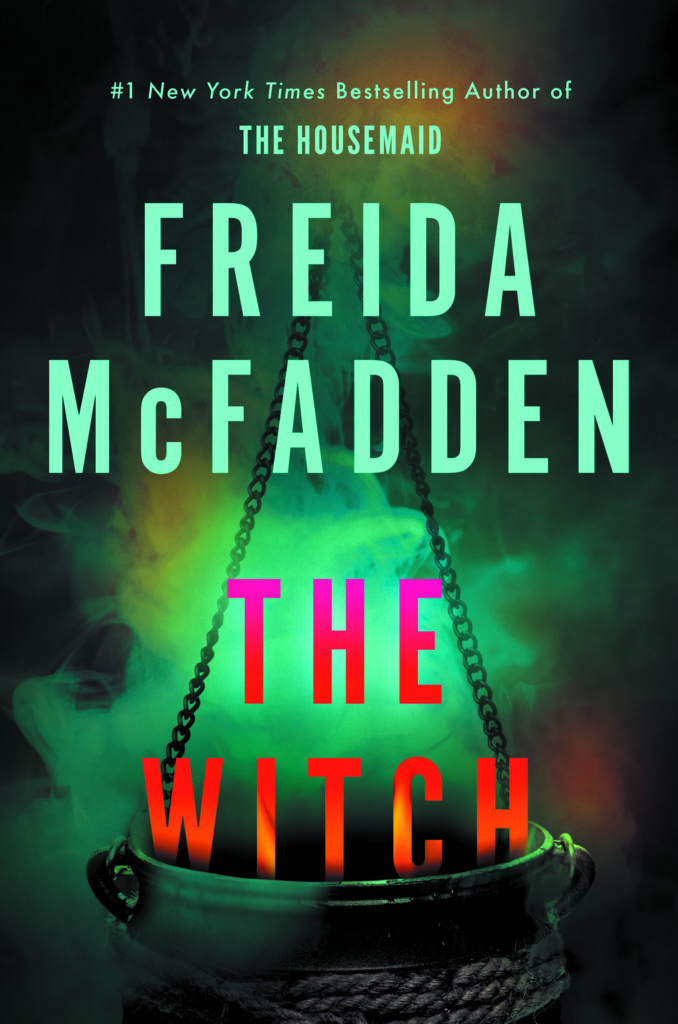
The Witch (2026)
Select Sections to Print
×Book Details
The Witch (2026)
Jump to Section
⚠️ Trigger Warnings
- Murder
- Strangulation
- Gun violence
- Physical assault
- Severe beating
- Arson
- Burning alive
- Public execution by hanging
- Witch trials and persecution
- False accusations
- Mob violence and harassment
- Misogyny
- Sexual harassment
- Non-consensual touching
- Forced nudity and body inspection
- Childbirth complications
- Maternal death
- Infant loss
- Infanticide / smothering
- Infertility
- Reproductive pressure
- Medical trauma
- Bloodletting
- Terminal illness
- Identity theft and impersonation
- Gaslighting and psychological abuse
- Staged paranormal harassment
- Dementia / cognitive decline
- Elder abuse and manipulation
- Human remains
- Exhumation of corpses
- Unmarked graves
⏱️ 2-Minute Spoiler Summary
The Witch unfolds across two timelines, both told in first person. In 1692, Caroline Eldridge lives at Pemberton, a colonial Massachusetts estate, with her older husband, Archibald “Archie” Eldridge. In the present day, twenty-seven-year-old Julia Barlow moves into the same house to care for her grandmother, Letitia “Gram”, whose memory is failing.
Caroline’s marriage is already troubled. Desperate to please Archie, she lies that she is pregnant, only for their eighteen-year-old servant, Molly Howe, to discover the truth and threaten to expose her. At the same time, Woodhaven is gripped by two terrors: witch hysteria and a serial killer called the Night Reaper, who has strangled several young women.
Caroline becomes vulnerable to accusations after seeking herbal medicine from Hitty Atkins to save her feverish neighbor Judith Hatch. Hitty is soon accused of witchcraft and hanged. After Caroline admits to Archie that she lied about being pregnant, he does nothing when Deputy Oliver Strickland arrests her for witchcraft. Molly testifies against Caroline at her trial, and Archie refuses to defend his wife, leaving her condemned to death.
In jail, Caroline meets Jonas Reeve, the supposed Night Reaper. Jonas eventually escapes by attacking Strickland and setting a fire, then frees Caroline. He reveals that he was actually the secret fiancé of the Night Reaper’s latest victim, Leonora Rowley, and was merely found grieving over her body.
They flee to Pemberton, where the real truth comes out: Archie is the Night Reaper. Caroline catches him strangling Molly, and Archie admits he also murdered his first wife, Temperance. When Archie attacks Caroline, Jonas shoots him in the face. Caroline and Jonas bury Archie and Molly together in the backyard, steal Archie’s money and papers, assume the identities of Archibald and Molly Eldridge, and flee. Everyone believes Caroline and Jonas died in the jail fire.
Three centuries later, Julia begins experiencing apparent supernatural activity at Pemberton. Every night at exactly 3:41 AM, the house turns freezing cold and she hears moaning and footsteps. Her grandmother insists Caroline’s ghost haunts the estate. Julia also begins dating Henry Ziegler, a curator at the Woodhaven Museum who hopes to purchase Pemberton.
Searching the attic, Julia discovers a 300-year-old peacock-blue dress and old letters revealing a family secret: her Great-Aunt Ethel secretly became pregnant by her fiancé Howard before he died in Vietnam, and the baby was actually Julia’s father. Gram later digs up a pelvic bone in the backyard while crying about Ethel.
Ghost hunter Alistair Dixon records a mysterious voice that initially sounds like “See… see…” but actually says “Celia.” Then DNA and carbon dating produce an even stranger revelation: the old pelvic bone is male and roughly 300 years old, while the woman Julia has always known as Great-Aunt Ethel has no biological relationship to her whatsoever.
The supposed Ethel is actually Celia Caine, a former Pemberton housekeeper. Fifty years earlier, Celia murdered the real Ethel by smothering her, persuaded the grieving Gram to secretly bury her body, stole Ethel’s identity, and spent decades pretending to be her. Celia and groundskeeper Mick Wheeler have staged most of Pemberton’s “hauntings” to frighten Julia away from discovering the truth.
But Mick developed a conscience and began secretly helping Julia. When Celia realizes he betrayed her, she shoots him dead and forces Julia to dig her own grave. Julia tries to escape, and just as Celia is about to shoot her, Gram attacks Celia with a shovel and saves her granddaughter.
Celia is arrested for murdering Ethel and Mick. The real Ethel’s remains are recovered and properly buried. Investigators also uncover two 300-year-old skeletons: Archie and Molly, proving that they never left Woodhaven as history claimed.
Julia finally understands that although Celia and Mick fabricated many of the hauntings, one supernatural presence was genuine. The voice saying “Celia” belonged to Ethel’s ghost, which had been trying to identify her murderer all along.
Pemberton is sold to the Woodhaven Museum, providing money for Gram’s full-time care, while Julia and Henry move in together and help manage the museum extension.
The final revelation comes in 1717. Twenty-five years after escaping Woodhaven, Caroline and Jonas are still alive and happily living as “Molly and Archie.” After raising four children, they return to Pemberton in old age. They hang a portrait of themselves over the mantel—the same painting Julia sees three centuries later—while the bodies of the real Archie and Molly remain buried outside.
📖 Full Spoiler Summary
Julia Comes Home to Pemberton
The Witch tells two interconnected stories through alternating first-person narrators. One takes place in 1692, when Caroline Eldridge is caught between the Woodhaven witch trials and a serial killer known as the Night Reaper. The other follows Julia Barlow in the present day as she returns to the same Massachusetts estate and discovers that her family’s history is nothing like what she has been told.
Twenty-seven-year-old Julia is broke and has lost her Manhattan apartment, so she moves into Pemberton, her family’s enormous colonial estate, to help care for her eighty-five-year-old grandmother, Letitia “Gram.” Gram’s cognitive decline has become severe, and she frequently mistakes Julia for other family members.
Julia is greeted by Mick Wheeler, Gram’s elderly groundskeeper and housekeeper, and her stern eighty-year-old Great-Aunt Ethel. Almost immediately, Pemberton feels unsettling. Julia spots a flash of peacock blue in the attic window, and Ethel tells her that Caroline Eldridge, the second wife of the estate’s original owner, was supposedly burned for witchcraft in 1692 and buried somewhere in the backyard.
The house also carries a terrifying memory from Julia’s childhood. When she was nine, she experienced a freezing draft and heard a disembodied voice whispering what sounded like “See… see…” The experience frightened her so badly that a patch of her hair at her left temple turned permanently white.
Now that she is back, it begins happening again.
Every night at exactly 3:41 AM, Pemberton becomes unnaturally cold. Julia hears moaning and footsteps approaching her locked bedroom. The grandfather clock and even Mick’s analog watch stop at the same time. Gram calmly claims Caroline’s ghost is responsible and says Julia angered her by moving the old vanity combs in her room.
Caroline Is Accused of Witchcraft
Three centuries earlier, Caroline Eldridge is living at Pemberton with her husband, Archibald “Archie” Eldridge, a wealthy merchant fifteen years older than she is. For Caroline’s birthday, Archie gives her beautiful coral-blue hair combs.
Their marriage is strained by Caroline’s inability to become pregnant. Desperate to make Archie happy, she lies and tells him she is expecting a child. Archie is thrilled but warns her to be careful because a killer called the Night Reaper has already strangled three young women in Woodhaven.
Caroline’s eighteen-year-old servant, Molly Howe, quickly discovers that Caroline is still menstruating and therefore cannot be pregnant. Molly threatens to expose her lie.
Caroline soon becomes involved in another dangerous situation when her neighbor Judith Hatch develops a severe fever. Judith’s husband, Hiram, wants medical help, but Caroline distrusts Dr. John Shaylor, whose relentless bloodletting contributed to her father’s death. Instead, she gets herbs from Hitty Atkins, an isolated widow known for herbal remedies.
Molly secretly summons Dr. Shaylor anyway. When Judith suffers a seizure during bloodletting, the terrified doctor declares her possessed and runs away. Caroline takes over, using cold-water rags to bring down Judith’s fever and ultimately saving her.
But in a community consumed by witch hysteria, Caroline’s association with Hitty becomes dangerous. Hitty is arrested for witchcraft and accused of consorting with the Night Reaper. Around the same time, authorities arrest Jonas Reeve, a wild-looking stranger found beside the body of sixteen-year-old Leonora Rowley, the Night Reaper’s fourth victim.
Hitty is convicted and publicly hanged. Before dying, she ominously warns Caroline that she cannot stop what is coming.
Shaken, Caroline finally confesses to Archie that she lied about being pregnant. He is furious. Then Deputy Oliver Strickland arrives to arrest Caroline for witchcraft—and Archie does nothing to stop him.
Caroline and Jonas Await Death
Caroline is imprisoned across from Jonas Reeve. Strickland humiliates her by forcing her to strip so he can search her body for a “witch’s teat,” deciding that an ordinary burn mark is evidence of the devil. When Strickland later touches Caroline inappropriately, Jonas throws a heavy bowl through the bars at him. Strickland retaliates by brutally beating Jonas unconscious.
Caroline’s trial is even worse. Magistrate Putman allows spectral evidence, while neighbors Joanna Radcliff and Elias Fenn provide false testimony. Molly appears in Caroline’s own peacock-blue dress and claims Caroline feeds a demonic creature.
Caroline’s last hope is Archie.
When Putman asks him to speak in his wife’s defense, Archie refuses.
Caroline is condemned.
Jonas, however, has no intention of waiting to die. He stages what appears to be a demonic seizure, tricking Strickland into opening his cell. Jonas attacks him with a sharpened rock, takes his keys, and sets fire to straw outside the cell, leaving Strickland trapped inside to burn.
After freeing Caroline, Jonas finally tells her why he was found with Leonora’s corpse. He wasn’t murdering her. Leonora was his secret fiancée, and he had been grieving over her body.
The supposed Night Reaper is innocent.
Archie Is the Real Night Reaper
Caroline and Jonas flee to Pemberton, intending to take Archie’s hidden money and escape Woodhaven.
Instead, Caroline walks into a nightmare.
She hears a scream and discovers Archie strangling Molly.
The truth finally emerges: Archibald Eldridge is the Night Reaper. He murdered the young women terrorizing Woodhaven, and he also killed his first wife, Temperance.
When Archie turns on Caroline and begins strangling her, Jonas intervenes and shoots Archie in the face with a musket.
Caroline and Jonas now have two bodies and no safe way to explain what happened. Jonas devises a solution that will allow them to disappear completely. They bury Archie and Molly together in an unmarked grave behind Pemberton, take Archie’s money and documents, and steal the dead pair’s identities.
From that point forward, Jonas will be “Archibald Eldridge,” while Caroline will become “Molly Eldridge.”
Because everyone assumes Caroline and Jonas died in the jail fire, no one comes looking for them. As far as Woodhaven knows, Archie and Molly simply left town.
Julia Discovers Her Family Isn’t Her Family
In the present, Julia grows closer to Henry Ziegler, a handsome young curator at the Woodhaven Museum. Henry wants the museum to purchase Pemberton, which would also provide enough money for Gram’s long-term memory care. He and Julia begin dating, although he remains skeptical of her belief that the house is haunted.
Julia eventually steals Gram’s attic keys and searches the locked third floor. There she finds fresh footprints in the dust, an ancient peacock-blue dress, and two letters written decades earlier by the real Ethel to her mother, Gertrude.
The letters reveal that Ethel secretly became pregnant by her fiancé, Howard, before he was killed in Vietnam. The timing makes the truth unmistakable: Ethel’s baby was Julia’s father.
That means the woman Julia knows as her great-aunt should actually be her biological grandmother.
Things become even stranger when Gram digs near the woods and emerges carrying a human pelvic bone while crying over “Ethel.”
Julia hires certified ghost hunter Alistair Dixon to investigate. His equipment goes haywire near the old portrait of Archie and Molly, and his EVP recorder captures the familiar whisper Julia has heard since childhood. When the recording is slowed down, however, everyone realizes the voice isn’t saying “See.”
It’s saying:
“Celia… Celia…”
“Ethel” Is Really Celia Caine
Henry has the backyard bone carbon-dated and arranges DNA testing. The results destroy everything Julia thought she knew.
The pelvic bone is roughly 300 years old—and male.
Even more shocking, Julia has no DNA relationship whatsoever to the woman calling herself Ethel.
Soon afterward, Julia finds her room ransacked and the old letters missing. Someone has scrawled a desperate warning on her wall: “JULA GET OT NOWW.”
At two in the morning, Ethel and Mick confront her outside.
The woman Julia has always called Ethel finally reveals the truth.
Her real name is Celia Caine.
Celia was a Pemberton housekeeper with a criminal record during the 1970s. When the real Ethel gave birth to her son—Julia’s father—Celia smothered Ethel with a pillow. She then manipulated the devastated Letitia into secretly burying her sister in the backyard to avoid scandal.
Celia stole Ethel’s identity and spent the next fifty years pretending to be her.
Most of Pemberton’s supernatural activity was also manufactured. Celia and Mick played recordings through the vents, created freezing drafts, and planted footprints to frighten Julia and keep her from uncovering the family’s secrets.
But Mick eventually felt guilty.
He secretly hid the letters for Julia to find and manipulated the EVP recording so that it would point her toward the name Celia. When Celia realizes Mick has betrayed her, she shoots him in the chest, killing him.
Celia then turns the gun on Julia and orders her to dig a grave.
Julia throws dirt into Celia’s eyes and runs toward Pemberton, only to discover the door is locked. Celia catches up and prepares to shoot her.
Then Gram appears behind Celia.
Despite her failing memory, Letitia swings a heavy shovel into Celia’s head, knocking her unconscious and saving Julia.
The Real Ghost—and Pemberton’s Buried Dead
Police arrest Celia for the murders of Ethel and Mick. Letitia finally tells authorities how Celia killed her sister decades earlier, and the real Ethel’s remains are exhumed and properly buried beside her parents.
But investigators find something else beneath Pemberton.
They uncover two additional skeletons dating back roughly 300 years, one male and one female.
They are Archibald Eldridge and Molly Howe.
The discovery proves that the historical story claiming Archie and Molly left Woodhaven was false.
Julia also realizes that Celia and Mick cannot explain everything that happened at Pemberton. Mick may have manipulated the later EVP recording, but Julia heard that same strange voice when she was only nine years old.
The voice really was saying “Celia.”
The genuine haunting was not Caroline Eldridge at all. It was the real Ethel, trying for decades to tell her family the name of the woman who murdered her.
Pemberton is eventually sold to the Woodhaven Museum, giving Gram the money she needs for full-time care. Julia and Henry move in together and help manage the museum extension, even taking ballroom dancing lessons together.
Caroline and Jonas Return Home
The final chapter jumps to 1717, twenty-five years after Caroline and Jonas escaped Woodhaven.
They are still together.
Living under the stolen identities of Molly and Archibald Eldridge, they have built an entire life and raised four children, including William and Susanna.
Now older, Caroline and Jonas return to Pemberton to spend their remaining years in the house where their old lives ended. The bodies of the real Archie and Molly remain buried outside, and their secret appears safe.
Inside the house, Caroline and Jonas hang a large oil portrait of themselves over the mantel.
Three hundred years later, Julia will look up at that same painting believing it depicts Archibald and Molly Eldridge.
But it never did.
The couple immortalized in the portrait are Caroline and Jonas, the condemned witch and falsely accused murderer who escaped Woodhaven, stole the identities of the dead, raised a family together, and eventually came home.
🔚 Ending Explained
Ending Explained
The ending of The Witch reveals that the mysteries surrounding Pemberton are really built on two separate crimes, committed nearly three centuries apart, both hidden beneath the same ground.
In the present day, Julia finally learns that the woman she has always known as Great-Aunt Ethel is actually Celia Caine, a former Pemberton housekeeper. Henry’s DNA results prove there is no familial connection between Julia and “Ethel,” forcing Celia’s fifty-year deception into the open.
The real Ethel gave birth to Julia’s father decades earlier. While Ethel was vulnerable after childbirth, Celia smothered her with a pillow. She then persuaded Letitia to help bury Ethel secretly in Pemberton’s backyard, supposedly to avoid the scandal surrounding Ethel’s pregnancy. Celia stole Ethel’s identification, assumed her identity, and spent the next fifty years extorting money from Letitia.
Even the supposed haunting of Pemberton was largely manufactured. Celia and Mick Wheeler created the crying sounds, hoofbeats, cold drafts, muddy footprints, noose, stopped clock, and other disturbances to frighten Julia away before she discovered Ethel’s remains. But Mick’s guilt eventually got the better of him. He planted Ethel’s hidden letters where Julia could discover them and altered the EVP recording to whisper “Celia.”
When Celia realizes Mick has betrayed her, she shoots and kills him. She then forces Julia to dig her own grave, intending to bury yet another victim on the Pemberton grounds. Julia manages to run, but Celia catches up with her. Just as Celia is about to kill her, Gram appears with a shovel and knocks Celia unconscious, saving Julia.
Celia is arrested for the murders of Ethel and Mick, while Ethel’s remains are finally recovered and properly buried. Pemberton is sold to the Woodhaven Museum, providing money for Gram’s long-term care, and Julia accepts Henry’s offer to help manage the museum extension.
But the 1692 storyline contains an equally important reversal.
Caroline discovers that her husband, Archibald Eldridge, is the Night Reaper. He has murdered multiple women, including his first wife, Temperance, and Caroline catches him strangling Molly Howe. When Archie attacks Caroline, Jonas Reeve shoots him in the face.
Knowing that the authorities will never believe them, Caroline and Jonas bury Archie and Molly together in an unmarked grave at Pemberton. Then comes the ending’s cleverest twist: Caroline and Jonas steal not only Archie’s money and papers but also Archie and Molly’s identities.
Twenty-five years later, Caroline and Jonas—now publicly known as “Molly and Archibald Eldridge”—return to Pemberton after raising four children together. The supposedly historic portrait hanging over Pemberton’s mantel is therefore not Archie and Molly at all. It is Caroline and Jonas hiding in plain sight.
That revelation completely overturns Woodhaven’s accepted history. The respected founding patriarch was actually a serial killer. The condemned “witch” was an innocent woman who escaped. And the dignified portrait everyone has treated as historical evidence for centuries is evidence of an enormous lie.
What the Ending Means
At its heart, the ending is about who gets to write history—and how easily a lie becomes “truth” when it survives long enough.
Caroline’s story demonstrates this most dramatically. Official history says that Caroline Eldridge was a witch who died in 1692. In reality, she survived, found love with Jonas, raised a family, and eventually returned to the very house associated with her supposed death. Meanwhile, Archie receives the respectable historical reputation that Caroline was denied, despite secretly being a murderer.
The portrait perfectly captures that theme. To everyone who looks at it centuries later, it represents ancestry, respectability, and historical fact. In reality, it depicts two fugitives using stolen identities. The image itself is genuine; the interpretation attached to it is false. That makes it a fitting symbol for the entire novel: seeing something does not necessarily mean understanding what you are seeing.
The backyard functions similarly. Both timelines literally bury inconvenient truths there. Caroline and Jonas bury Archie and Molly in 1692; centuries later, Celia and Letitia bury Ethel. Pemberton therefore becomes a physical repository for the secrets each generation wants forgotten. Yet neither secret stays buried forever. The house preserves evidence even when people rewrite the story surrounding it.
The grandfather clock stopping at 3:41 AM offers another variation on the same idea. Something that appears supernatural and meaningful turns out to have been deliberately manipulated. Celia and Mick manufacture a ghost story because fear is useful: if Julia believes Pemberton is haunted, she may leave before discovering what actually happened there.
And yet the ending does not completely eliminate the supernatural. The whispered “Celia” complicates the rational explanation of the haunting. Most of what frightened Julia was created by living people, but Ethel’s presence suggests that something genuine may still have been reaching through the deception. The fake haunting inadvertently provides cover for a real ghost trying to expose the truth.
Caroline and Julia consequently become mirrors of one another. Both women inherit stories about Pemberton that turn out to be false, and both survive because they refuse to accept the version of reality imposed upon them. Caroline escapes a society determined to label her a witch; Julia escapes Celia’s attempt to manipulate her into abandoning the truth.
Gram’s final act is especially meaningful because it gives her a chance to correct the defining failure of her past. Decades earlier, Letitia helped Celia hide Ethel’s death. In the climax, despite her dementia, she recognizes the danger to Julia and attacks Celia with the shovel. The same woman who once helped Celia bury a victim ultimately prevents Celia from creating another grave. It is both an act of protection and a form of redemption.
The ending also deliberately blurs conventional ideas of heroes and villains. Caroline and Jonas survive, but they do so by killing, concealing bodies, stealing identities, and allowing history to believe Caroline died. Their actions are morally compromised, yet they occur within a world in which the legal and religious authorities themselves are profoundly unjust. Their identity theft becomes an act of survival rather than simple greed.
Celia provides the dark mirror image. She also steals an identity and constructs a false history, but she does so for personal gain after murdering an innocent woman. Caroline steals the identity of a dead woman to escape persecution; Celia steals the identity of a woman she murdered. That parallel makes identity itself one of the ending’s most important themes.
The final transformation of Pemberton completes the novel’s arc. For centuries, the house has been a place where truth is concealed—behind portraits, beneath soil, inside walls, and within family stories. By becoming part of the Woodhaven Museum, it changes from a private home built around secrets into a place dedicated to preserving and explaining history.
Julia’s decision to remain there with Henry therefore matters. She is no longer simply trying to survive Pemberton. She becomes one of the people responsible for telling its true story.
And Caroline finally receives the recognition history denied her. Her gravestone may still record the dates associated with the woman Woodhaven believed died in 1692, but her real story has been recovered. The woman remembered as a witch was actually a survivor.
Ultimately, The Witch ends on a surprisingly triumphant note. Both timelines begin with women being erased, manipulated, or falsely defined by others. They end with those women reclaiming their stories. Bodies can be buried, identities can be stolen, portraits can lie, and history can be rewritten—but the truth has a way of resurfacing.
👤 Characters & Fates
🔶 Main Characters

Survives Celia holding her at gunpoint when Gram knocks Celia unconscious. Julia learns the real Ethel was her biological grandmother, moves in with Henry, co-manages the Pemberton Museum extension, and begins foxtrot lessons with him.
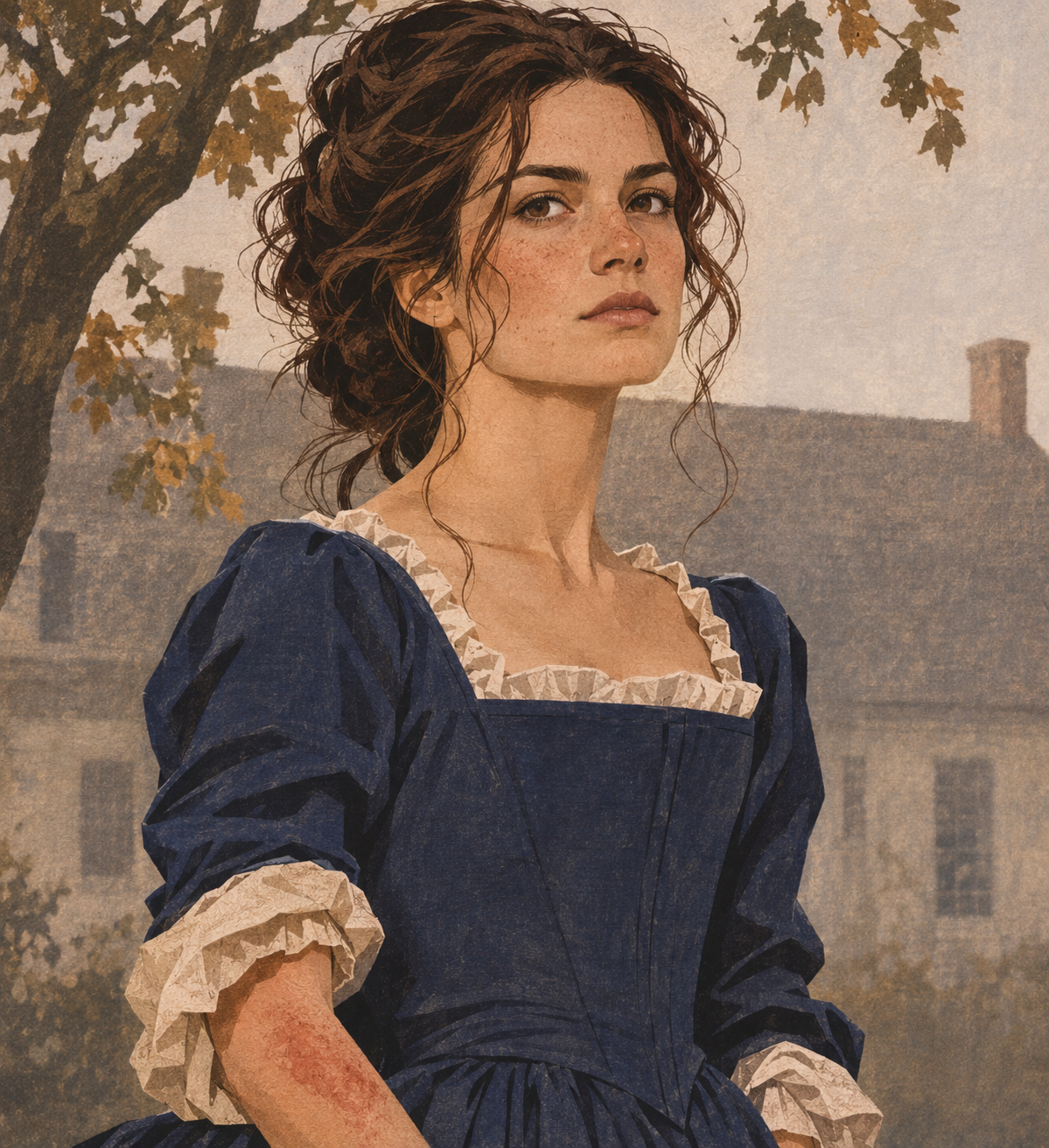
Escapes jail with Jonas, survives Archie’s attempt to strangle her, and helps bury Archie and Molly after Jonas kills Archie. She and Jonas assume Archie and Molly’s identities, raise four children, and eventually return to Pemberton, while history falsely records Caroline as executed.

Strangles his pregnant third wife Molly and then tries to kill Caroline, but Jonas shoots him in the face with a musket. Archie is buried with Molly in an unmarked grave, and their remains are discovered centuries later.

Kills Deputy Strickland during the jailbreak and shoots Archie dead while saving Caroline. He assumes Archie’s identity, marries Caroline, raises four children with her, and eventually returns to Pemberton to live out his life.

Shoots Mick dead after discovering his betrayal and forces Julia to dig a grave at gunpoint. Gram knocks Celia unconscious with a shovel, and Celia is arrested and charged with two counts of first-degree murder.
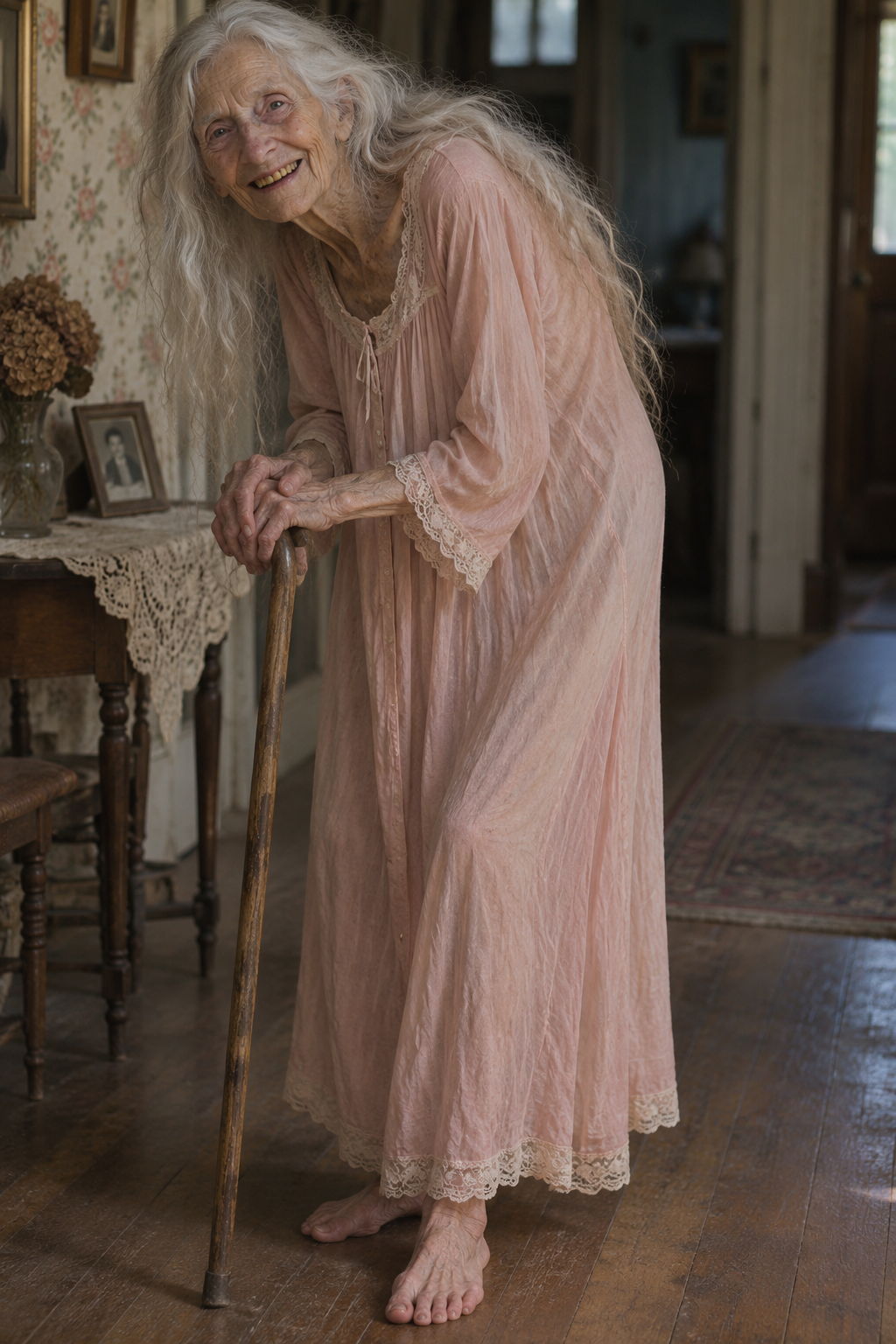
Knocks Celia unconscious with a shovel before Celia can kill Julia and finally tells police the truth. Pemberton is sold to pay for Gram’s full-time specialized memory care.

Calls 911 after realizing Julia is in danger. He and Julia move in together, co-manage the Pemberton Museum extension, and take foxtrot lessons together.
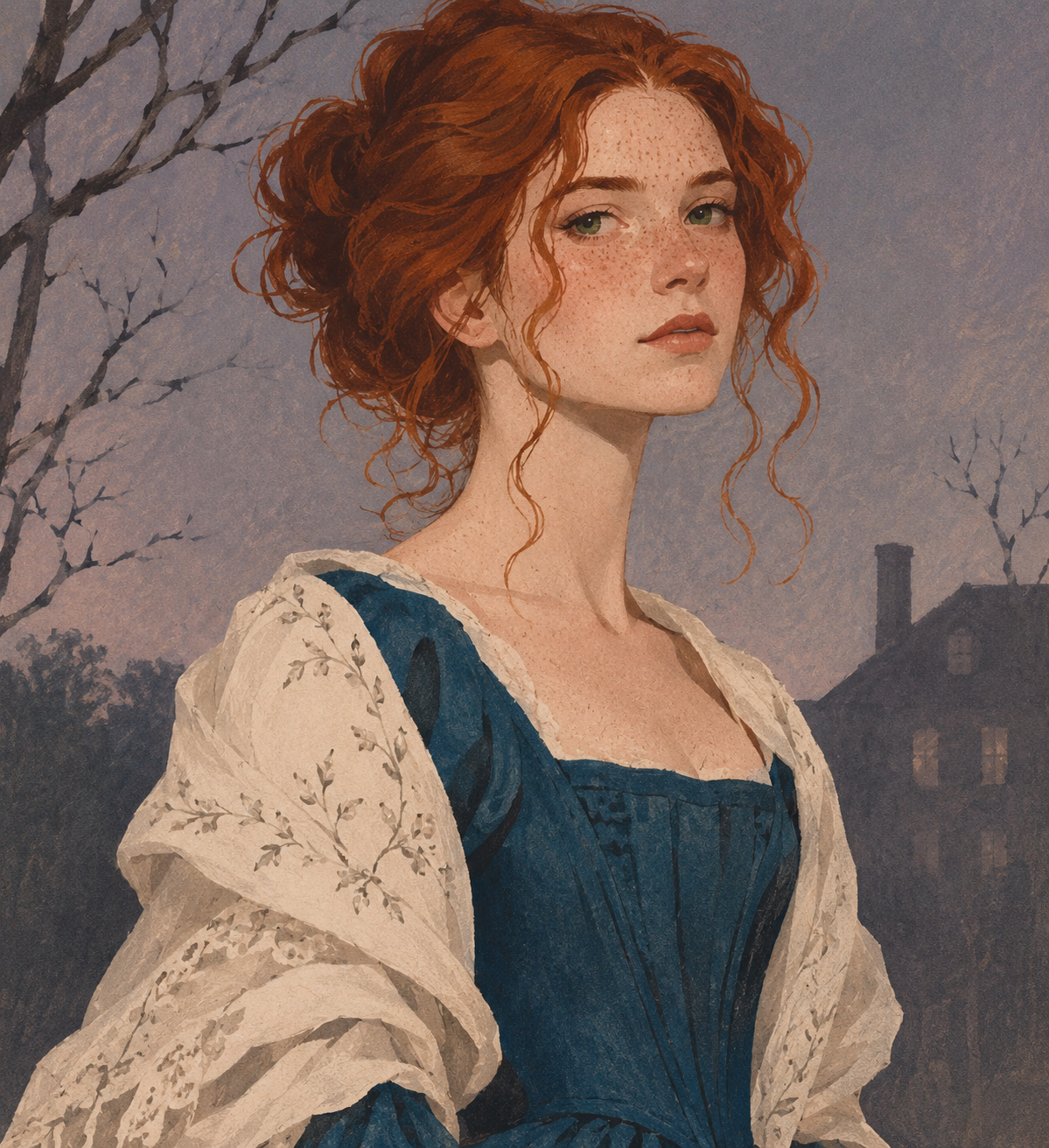
Marries Archie and becomes pregnant, only for Archie to strangle her to death. Jonas and Caroline bury her beside Archie, and her remains are discovered approximately 300 years later.
🔷 Supporting Characters

Celia smothers her with a pillow immediately after she gives birth and buries her with Letitia’s help. Her remains are discovered fifty years later and given a proper burial.
Celia discovers his betrayal and shoots him in the chest, killing him in Pemberton’s backyard.
Falsely accused of witchcraft, convicted, and publicly hanged in Town Square.
Jonas tricks him by faking a seizure, crushes his skull with a sharpened rock, steals his keys, and sets the jail straw ablaze, leaving Strickland to burn.
Flees Judith’s home during her seizure and later gives false testimony that helps convict Caroline.
Recovers after Caroline treats her fever with cold-water rags.
Survives the witch panic and remains grateful to Caroline for saving his wife.
Archie strangles her to death, making her one of the Night Reaper’s victims.
Continues overseeing Woodhaven’s arrests and legal proceedings during the hysteria.
Convicts Caroline of witchcraft and sentences her to death by hanging, though she escapes before the execution.
Delivers the processed recording to Julia, warns her to be careful, and leaves Pemberton after clashing with Celia.
His perjury helps secure Caroline’s witchcraft conviction.
Her testimony contributes to the hysteria that condemns Caroline.
Escapes with Caroline and Jonas after Archie’s death and becomes part of their new life.
Killed in action in Vietnam before ever meeting his son.
Both survive, and Julia’s father finally learns that Ethel—not Letitia—was his biological mother.
Dies decades before the present-day events.
Remains employed at the Woodhaven Museum.
Strangled to death by Archie before the main 1692 storyline.
Grow up safely and comfortably under their parents’ assumed identities.
🕳️ Potential Plot Holes
Celia and Mick are eventually revealed to be responsible for much of the apparent paranormal activity, but some incidents are difficult to reproduce with their stated methods. Hidden magnets might interfere with ghost-hunting equipment, but they do not convincingly explain a K2 meter physically cracking in half or the extreme reaction of the REM pod. Likewise, repeatedly stopping the grandfather clock and Mick's wristwatch at exactly 3:41 a.m. would require remarkably precise staging without Julia or anyone else catching them. The explanation works for some of the haunting phenomena, but not all of them.
Caroline is formally sentenced to hanging, which is historically consistent with Massachusetts witchcraft executions. She escapes after Jonas starts the jail fire, yet centuries later the local story says Caroline was burned at the stake. Legends can become distorted over generations, so this is not necessarily a true plot hole. However, it is strange that the legend invents a specific execution method that never occurred when official records should have documented her sentence as hanging and her apparent death in the jail fire.
📚 Book Club Q&A's
⭐ Final Rating & Thoughts
Freida McFadden continues to amaze me with how consistently entertaining her books are, and The Witch was no exception. This one felt a little more ambitious than her usual thrillers, with dual timelines, historical elements, a creepy old estate, and a possible haunting all layered into the mystery. While the modern-day storyline occasionally dragged compared with the historical one, I was still completely invested in figuring out how everything connected.
The historical timeline was easily my favorite. It was darker, more intense, and packed with the kind of twists that kept changing what I thought I knew. I also loved the moral grayness of the characters. There are people here who do objectively terrible things, yet somehow I still found myself rooting for them. McFadden does such a good job of making the line between hero and villain surprisingly complicated.
Most importantly, the ending delivered. The reveals were clever, the mysteries came together in a satisfying way, and I finished feeling thoroughly entertained. Twisty, creepy, fast-paced, and just complicated enough to feel different from McFadden's usual formula—this was another winner for me.
✨ Adaptation description
Adaptation
As of October 2026, there is no officially announced film or television adaptation of The Witch by Freida McFadden. The novel was published on October 6, 2026, by Poisoned Pen Press, and no studio, production company, director, cast, or screenwriter has been attached to the book.
McFadden’s work has become increasingly active in Hollywood, with several of her other thrillers receiving film or television deals, but no screen rights deal for The Witch has been publicly announced. Because the project has not entered development, there are currently no adaptation changes, casting details, production dates, or release information to compare with the novel.
✨ Books Like The Witch (2026)
See an error on this page?