
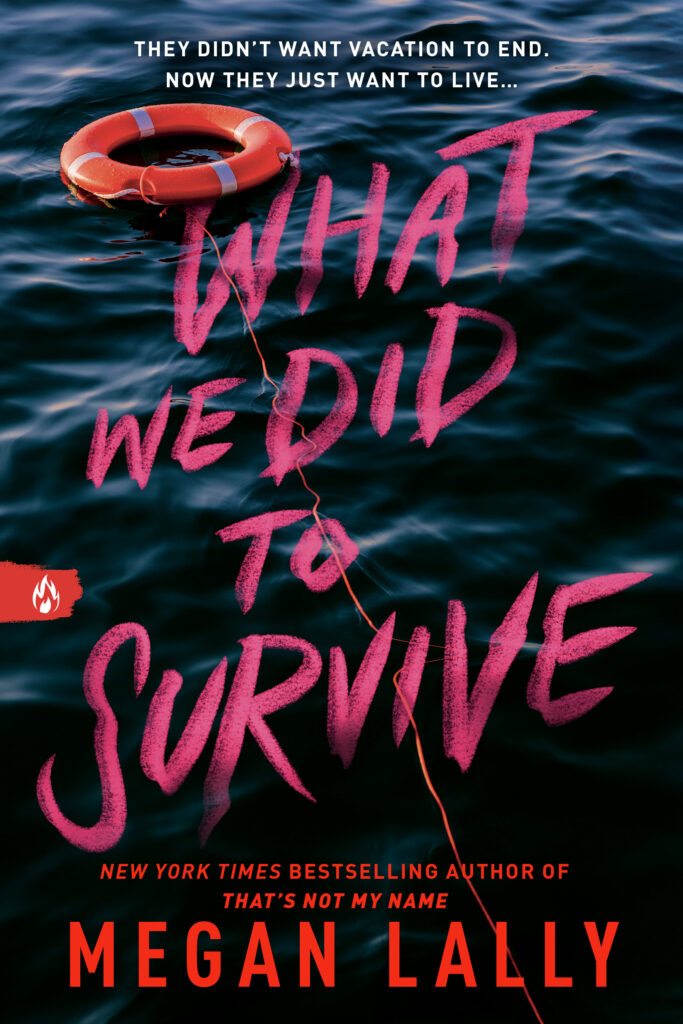
What We Did to Survive (2026)
Select Sections to Print
×Book Details
What We Did to Survive (2026)
Jump to Section
⚠️ Trigger Warnings
- Murder
- Graphic violence
- Stabbing
- Fatal fall
- Strangulation
- Physical assault
- Drowning
- Near-drowning
- Severe injury
- Graphic wound descriptions
- Severe infection
- Seizures
- Hallucinations
- Psychological breakdown
- Post-traumatic stress
- Grief and bereavement
- Arson
- Confinement
- Starvation
- Dehydration
- Extreme exposure
- Severe sunburn
- Jellyfish stings
⏱️ 2-Minute Spoiler Summary
High school graduate Hannah travels to Puerto Vallarta with her best friend, Emmy Cole, and Emmy’s family. Among them is Emmy’s older brother, Jackson—the boy Hannah has secretly loved for years. Hannah and Jackson recently kissed, but Jackson backed away afterward because he feared that a failed relationship could destroy their families’ friendship.
Emmy meets wealthy college student Ben Mulholland, who charters a private sailboat despite an approaching storm. Their captain, Keith, gets drunk, and after Keith threatens to press charges when Ben assaults him, Ben deliberately causes the ship’s boom to knock Keith overboard, killing him. Hannah, Jackson, and Emmy lock Ben in the bathroom, but he escapes, attacks Hannah, and continues threatening them as the storm worsens.
A huge wave eventually capsizes the boat. Hannah rescues a badly injured Emmy from the submerged cabin, then believes she finds Jackson alive in the water. Hannah and Jackson seemingly push Emmy three miles to shore, where Hannah struggles to treat Emmy’s severely infected arm.
Their supplies begin disappearing, and Hannah discovers that Ben also survived and has been sabotaging them so they will die, leaving him as the only witness to what happened. When Hannah threatens him with Jackson, Ben reveals the devastating truth: Jackson is already dead. Ben stabbed him on the boat before the final wave hit.
The Jackson Hannah has been seeing since the wreck is a trauma-induced hallucination. Hannah actually pushed Emmy to shore, carried her, gathered supplies, and kept them alive entirely by herself.
Ben attacks Hannah and tries to drag her over a cliff, but she fights back and pulls him off balance. He falls onto the rocks below and dies, and his body is swept out to sea. Soon afterward, rescuers spot Hannah’s signal fire and save Hannah and Emmy.
One year later, Hannah is studying nursing while still grieving Jackson. Emmy has recovered and resumed traveling. She asks Hannah to finally take their long-planned trip through Spain and Italy together. Hannah agrees—with one rule: no boats.
📖 Full Spoiler Summary
A Vacation Complicated by an Old Crush
What We Did to Survive is told in the first person by Hannah, a highly organized, anxious high school graduate who plans to become a trauma nurse. The story initially appears to follow Hannah and her friends through a straightforward fight for survival after a shipwreck, but a major revelation later forces both Hannah and the reader to reconsider much of what seemed to happen.
The story begins in Puerto Vallarta, Mexico, where Hannah is celebrating graduation with her lifelong best friend, Emelia “Emmy” Cole, and Emmy’s family. Hannah should be enjoying the vacation, but the presence of Emmy’s older brother, Jackson Cole, makes that difficult. She has secretly loved Jackson for ten years, and during winter break, they finally kissed in Hannah’s kitchen.
Jackson seemed to return her feelings, but afterward, his father warned him that hurting Hannah could damage the close relationship between their families. Frightened by the stakes, Jackson backed away and told Hannah their kiss had been a mistake. Hannah has been trying to act as though she is fine ever since.
At the beach, she meets Bennett “Ben” Mulholland, a handsome, wealthy college student who immediately turns his attention to Emmy. Ben charms her with expensive gifts and proposes chartering a private sailboat for their final day in Mexico.
There’s one major problem: a serious storm is approaching, and the professional tour companies have canceled their excursions. Ben refuses to give up and instead finds Captain Keith, an eccentric private sailor willing to take them out on his aging fifty-foot sailboat, The Be-Yacht-Ch, for $1,000 cash.
Emmy’s parents reluctantly agree, but only if Jackson accompanies them. That leaves Hannah trapped aboard a boat with the boy who broke her heart while Emmy happily makes out with Ben.
The Storm Reveals Who Ben Really Is
As they sail farther into Banderas Bay, the weather rapidly worsens. When the teenagers go looking for Captain Keith, they discover him passed out drunk in the bathroom after drinking Ben’s tequila.
Ben drags him onto the deck, and their confrontation becomes violent. He punches Keith in the stomach and eventually smashes a knee into his face, breaking his nose. Furious and bleeding, Keith announces that he intends to press assault charges as soon as they return to shore.
The threat changes Ben immediately. His charming, easygoing persona disappears, replaced by something much colder.
When a massive wave rocks the boat, Ben deliberately releases the wheel. The heavy boom swings across the deck and strikes Keith in the head, knocking him unconscious into the ocean.
Hannah, relying on her lifeguard training and medical instincts, ties a rope around herself and dives after him. She searches desperately through the dark water but cannot find him. Keith has sunk beyond her reach.
Once Jackson pulls her back aboard, Ben insists that they need to tell authorities Keith drunkenly fell overboard. Hannah refuses. She saw Ben release the wheel deliberately.
Ben responds by threatening all three of them. If they accuse him of murder, he claims his wealthy family has enough power to destroy their lives and make sure they share the blame.
Realizing Ben is now a threat to them as well, Hannah and Jackson overpower him and lock him in the bathroom, securing the door with a tightly knotted mesh potato bag.
The Boat Goes Down
By the following morning, their situation is even worse. The mast has snapped, the boat is taking on water, and they have no reliable way to sail back to shore.
Ben makes matters worse by setting toilet paper on fire with his lighter, apparently willing to destroy the boat rather than remain imprisoned. Smoke fills the cabin before Jackson manages to extinguish the flames.
After they drag Ben back onto the deck, he attacks Hannah, locking his arm around her neck and choking her until she can barely breathe. She manages to strike him in the groin, and Jackson punches him hard enough to send him overboard.
For a moment, they could simply leave him there. Instead, they lower the ladder and rescue him, then tie him to what remains of the mast.
Hannah’s practical skills become crucial as the boat continues filling with water. Using a spare hose, she improvises a siphon and drains hundreds of gallons from the flooded cabin, temporarily keeping the vessel afloat.
During a rare quiet moment, Hannah and Jackson finally confront what happened between them. Jackson admits that calling their kiss a mistake was cowardly – he pushed Hannah away because he was afraid that if they dated and eventually broke up, he would lose her friendship for good. In reality, he has been in love with her all along.
They kiss again, only for Emmy to discover them. She is hurt that her brother and best friend have been hiding their relationship from her, and the resulting argument adds another layer of tension to an already desperate situation.
They barely have time to deal with it before another violent storm arrives.
A gigantic wave bears down on The Be-Yacht-Ch. Hannah and Jackson manage to force Emmy through the cabin hatch just before the wave crashes over them. The boat capsizes, and Hannah is thrown into the water.
Hannah Fights to Keep Emmy Alive
Hannah eventually regains consciousness floating in her life vest, badly sunburned and disoriented. The capsized sailboat is mostly underwater and slowly sinking.
Then she hears tapping.
Looking through a partially submerged porthole, she realizes Emmy is trapped inside the overturned cabin with only a small pocket of air remaining. Hannah dives into the wreck, frees Emmy from her tangled life vest, and pulls her back into open water.
Emmy has survived, but she has suffered a deep wound to her arm that soon becomes badly infected.
Hannah then spots Jackson farther away, floating with the boat’s emergency life ring. Reunited, the three decide their only chance is to reach land. Emmy is too weak to swim, so they place her in an inflatable raft while Hannah and Jackson push it toward a distant beach.
The journey covers roughly three exhausting miles and takes them through a swarm of stinging jellyfish. Eventually, they reach an isolated stretch of coastline near the Sierra Madre mountains.
Emmy deteriorates quickly. Her arm begins oozing green pus, her fever climbs, and she becomes delirious before suffering a violent seizure. Hannah carries her to a freshwater stream to cool her down, cleans the wound as best she can, and improvises bandages from mango leaves and palm fronds.
Keeping Emmy alive becomes Hannah’s entire purpose. She gathers supplies, tends the fire, searches for food and water, and tries desperately to create a signal rescuers might see.
But something strange begins happening. Their canned food, bottled water, and first-aid supplies disappear from the raft. Then, during the night, someone emerges from the trees, slashes the inflatable raft and kicks sand over Hannah’s signal fire.
Someone else is on the island.
The Truth About Jackson
Hannah follows footprints into the jungle and discovers a hidden campsite containing the missing supplies, hoarded fruit, and clothing.
The person living there is Ben.
He survived the wreck and has deliberately been sabotaging Hannah and Emmy. His plan is horrifyingly simple: if they die on the beach, Ben can eventually emerge as the sole survivor and claim that the entire disaster was caused by Captain Keith getting drunk. With no surviving witnesses, no one can prove that Ben caused Keith’s death.
Hannah threatens him, warning that Jackson will kill him if he comes anywhere near Emmy.
Ben’s response makes no sense at first.
He tells Hannah that Jackson isn’t there.
Then he tells her why: Ben killed Jackson on the boat.
Hannah’s carefully constructed reality begins to collapse. Her memories rearrange themselves, and she finally learns what actually happened during the storm. Before the final wave struck, Ben stabbed Jackson in the neck with his folding knife.
Jackson died aboard The Be-Yacht-Ch.
Everything Hannah has experienced with him since then has been a trauma-induced hallucination created by her grieving mind. Jackson never floated beside her on the emergency life ring. He never helped push Emmy’s raft toward shore. He never gathered firewood, carried Emmy, ate their food, or walked beside Hannah on the beach.
The clues had been there all along. Jackson left no footprints. He never physically interacted with the supplies. Hannah had unconsciously done everything she believed they were doing together.
She pushed Emmy across three miles of ocean alone. She carried her injured friend to the stream alone. She built the fires and kept them alive alone.
Her mind created Jackson because accepting his death while simultaneously fighting to keep Emmy alive was more than she could bear.
Hannah’s Final Fight With Ben
With his secret exposed, Ben attacks Hannah. He grabs her by the hair and drags her toward the edge of a roughly twenty-foot cliff overlooking jagged rocks.
Hannah fights desperately. She tangles her legs with his to disrupt his balance and targets his already injured ribs. When she finally manages to grab his ankle and pull, Ben loses his footing.
He falls over the cliff and lands on the rocks below.
Ben is killed, and his body is eventually carried away by the ocean.
Hannah makes her way back to Emmy, where she finally hears the sound she has been waiting for: a helicopter.
Her enormous signal fire has worked. Search and rescue has spotted the smoke.
As the rescuers descend onto the beach, Hannah’s hallucination of Jackson appears one last time before finally disappearing. Hannah collapses beside Emmy, knowing that after everything they have endured, they are finally going home.
One Year Later
A year after the disaster, Hannah is studying nursing at Linfield University. She survived physically, but Jackson’s death continues to shape her life. Going home is especially difficult because the Cole family lives nearby, forcing her to confront reminders of him everywhere—from his empty bedroom to his car still sitting in the driveway.
Emmy survived as well. Her infected arm healed, although it left a prominent pink scar. Rather than retreating from the adventurous life she always wanted, she has embraced it, using publicity and brand deals connected to their survival story to help fund her travels around the world.
Ben’s body was never recovered, but the truth about what happened has become public, and he is remembered as the person responsible for the violence that turned the sailing trip into a deadly disaster.
Near the first anniversary of the wreck, Emmy unexpectedly visits Hannah at college. She wants Hannah to join her on the trip through Spain and Italy they once dreamed about taking together. For Hannah, agreeing means finally allowing herself to move forward without leaving Jackson—or everything they survived—behind.
She presses her matching friendship bracelet against Emmy’s and agrees to go.
She has only one condition:
No boats.
🔚 Ending Explained
How What We Did to Survive Ends
The final stretch of What We Did to Survive completely changes our understanding of Hannah’s time on the beach—and of just how much she has endured.
After Hannah discovers that their survival bag has disappeared, taking their remaining food, first-aid supplies, and her phone with it, she follows footprints into the jungle. There she finds a makeshift campsite, her stolen belongings, and a dirty white button-down shirt.
Then Bennett Mulholland steps out of the trees.
Ben survived the wreck by grabbing the boat’s only emergency flotation ring. Since reaching shore, he has been hiding nearby, stealing Hannah and Emmy’s supplies and extinguishing their fires. His plan is horrifyingly simple: if the girls die before rescuers arrive, Ben can return home as the sole survivor of Captain Keith’s supposedly tragic boating accident. With no witnesses left, no one can contradict his version of Keith’s death.
Hannah threatens him with Jackson, warning that Jackson will kill him if he hurts them.
Ben’s reaction is strange. Instead of looking frightened, he looks at Hannah with pity.
And then he tells her the truth:
Jackson isn’t on the island. He never was.
Ben killed him on the boat.
What Really Happened to Jackson
With Ben’s revelation, Hannah’s memories of the second storm finally rearrange themselves into what actually happened.
As the enormous wave approached the boat, Jackson concentrated on saving Hannah. He used a deck line to secure her to the railing so she wouldn’t be swept away. Ben wanted him to abandon her and get below deck, but Jackson refused.
Jackson understood that he probably wasn’t going to survive. Hannah still could.
Ben then grabbed his folding knife and stabbed Jackson in the neck. Jackson died on the deck before the boat capsized.
Hannah survived the wreck, but psychologically, she could not accept what she had witnessed.
So her mind kept Jackson alive.
The Jackson who has been beside Hannah throughout their ordeal—comforting her, encouraging her, kissing her, helping her think through problems—has been a hallucination created by Hannah’s traumatized mind.
Once Hannah understands this, dozens of small details suddenly make sense. Jackson never eats. He never leaves footprints. He never truly handles anything in a way that affects the physical world. He never actually carries Emmy or gathers the firewood.
Hannah did all of it herself.
She kicked the heavy life raft for miles. She got Emmy to fresh water. She treated Emmy’s worsening infection. She gathered supplies and built the enormous signal fires.
Jackson felt like the person keeping Hannah alive, but in reality, Hannah was using the memory of Jackson to access the strength she already had.
Hannah and Ben’s Final Fight
Ben cannot allow Hannah to survive now that she knows the truth.
He attacks her and drags her by the hair toward the edge of a roughly twenty-foot cliff overlooking jagged rocks. Hannah fights back with the same stubborn resourcefulness that has kept her and Emmy alive throughout the ordeal. She tangles her legs with Ben’s, attacks his already injured knee, and finally pulls at his ankle.
Ben loses his balance.
He falls over the cliff and lands on the rocks below, dying from the impact. His body is eventually carried away by the ocean.
Hannah makes her way back toward Emmy.
And then she hears something she has been desperately waiting for:
a helicopter.
The smoke from Hannah’s enormous bonfire has finally attracted search and rescue.
As the real rescuers arrive, Jackson disappears. Hannah no longer needs the version of him her mind created to keep functioning. She collapses beside Emmy and tells her:
“We’re going home.”
The Epilogue: One Year Later
A year later, Hannah is studying nursing at Linfield University.
She survived, but the novel makes a point of showing that rescue and recovery are not the same thing. Hannah is still struggling badly with survivor’s guilt and grief. Going home is particularly painful because Jackson’s absence is everywhere: his empty bedroom, his car in the driveway, and his grieving parents next door.
Emmy has physically recovered from the terrible infection in her arm, although a large pink scar remains. In characteristically Emmy fashion, she has also turned their survival story into something productive, building a travel blog and using brand partnerships to fund her trips.
Shortly before the first anniversary of the disaster, Emmy unexpectedly visits Hannah at college.
She has a proposal.
They should finally go to Italy.
Italy was supposed to be part of the adventure that brought them onto Ben’s boat in the first place. After everything that happened, Emmy had effectively surrendered that dream. Going now means refusing to let Ben permanently claim something they once loved.
Hannah agrees.
She has only one condition:
“No boats.”
It’s funny, but it’s also the perfect final note for a story about surviving something that cannot simply be forgotten.
What the Ending Really Means
The biggest twist in What We Did to Survive isn’t simply that Jackson has been dead all along. The deeper revelation is that Hannah has misunderstood her own survival.
For most of the beach sequence, Hannah believes she is functioning because Jackson is there. Whenever she feels incapable of continuing, he encourages her. Whenever she cannot see a solution, he pushes her toward one.
But hallucinated Jackson rarely provides the solution himself.
Hannah does.
That makes Jackson less of a supernatural presence than a psychological shield. Hannah’s mind gives her strength a familiar face—the face of the boy she loved and trusted. She cannot yet believe I can do this, so she imagines Jackson telling her that she can.
The reveal therefore transforms everything we have watched Hannah accomplish. She wasn’t merely surviving while someone helped her. She was caring for a critically ill Emmy, finding water, building fires, moving equipment, treating injuries, and keeping herself alive almost entirely alone.
Jackson’s imagined presence doesn’t diminish those accomplishments. It reveals their true scale.
Jackson’s Death Gives His Story a Tragic Resolution
Jackson’s real final act also matters.
For much of the novel, he has been hesitant about his feelings for Hannah. Their closeness is complicated by their families and by everything that could change if they admitted what they meant to each other.
When death becomes imminent, that hesitation disappears.
Jackson chooses Hannah.
He secures her to the boat even though doing so costs him precious time to save himself. When Ben tells him to abandon her, Jackson refuses. His love ultimately becomes an action rather than something he needs to articulate perfectly.
That makes Hannah’s hallucinated version of Jackson especially heartbreaking. Her mind gives them the intimacy they never had time to experience in reality.
Hannah Has to Stop Being “Miss Dependable”
Hannah begins the novel believing that being responsible means preventing disaster.
That belief becomes unbearable after the wreck because there are some things she simply cannot fix. Her medical knowledge cannot undo Jackson’s death. She cannot guarantee Emmy will survive. She cannot control the ocean, Ben, or the decisions other people make.
Her ordeal forces her to confront the difference between responsibility and control.
Hannah is responsible for an extraordinary amount on the island. But she is not responsible for everything that happened there.
The epilogue suggests that accepting this distinction may be the hardest part of her recovery.
The Friendship Bracelets
The matching friendship bracelets Hannah and Emmy bought before the disaster become one of the novel’s simplest but most effective symbols.
By the end, the bracelets are frayed.
So are they.
Neither girl emerges from the experience untouched. Their bodies carry scars, their relationship with travel has changed, and Hannah in particular is still living with profound grief.
But when they press those worn bracelets together, the important thing is that the bracelets never broke.
Their friendship didn’t either.
The symbolism avoids suggesting that trauma somehow made them better or stronger. They are damaged by what happened. What survives is the connection between them.
Why Italy Matters
Emmy’s decision to return to Italy is about much more than taking another vacation.
Ben contaminated the dream that originally belonged to the girls. For a while, avoiding Italy allows him to continue shaping Emmy’s life even after his death.
Going back is an act of reclamation.
And this time Hannah goes with her.
That reverses their roles in an important way. On the beach, Hannah kept Emmy alive physically. A year later, Emmy is helping Hannah return to life emotionally.
Their personalities have always been opposites: Hannah is cautious, analytical, and prepared; Emmy is impulsive, adventurous, and determined to experience everything she can.
The ending suggests that neither approach is enough by itself.
Hannah’s practicality gets them home.
Emmy’s appetite for life helps them figure out what to do once they’re there.
Why “No Boats” Is the Perfect Final Note
The final joke works because Hannah isn’t pretending the trauma has disappeared.
She agrees to travel again. She agrees to Italy. She agrees to take another risk on the world.
But she also gets to have boundaries.
No boats.
It’s funny because of everything they’ve survived, but it’s also surprisingly healthy. Moving forward doesn’t require Hannah to become fearless or return to exactly who she was before the wreck.
She can be changed by what happened and still choose a future.
That is ultimately where What We Did to Survive leaves Hannah and Emmy: not healed, exactly, and certainly not unchanged—but alive, together, and willing to make plans again.
The title takes on an additional meaning by the end. “What we did to survive” isn’t limited to the brutal physical things Hannah had to do on the beach. Hannah’s mind did something extraordinary to survive as well: it gave her Jackson until she was strong enough to lose him.
And once she finally can, she lets him go.
👤 Characters & Fates
🔶 Main Characters

Survives the shipwreck, starvation, jellyfish attack, and Ben’s attempt to murder her; she ultimately causes Ben to fall to his death. A year later, she is studying nursing at Linfield University while struggling with PTSD and survivor’s guilt, but begins reclaiming her life and travel dreams.

Survives being trapped overnight inside the capsized boat and later nearly dying from her infected arm. A year later, she has a prominent scar but is physically recovered and uses her newfound internet fame to help fund her travels around the world.
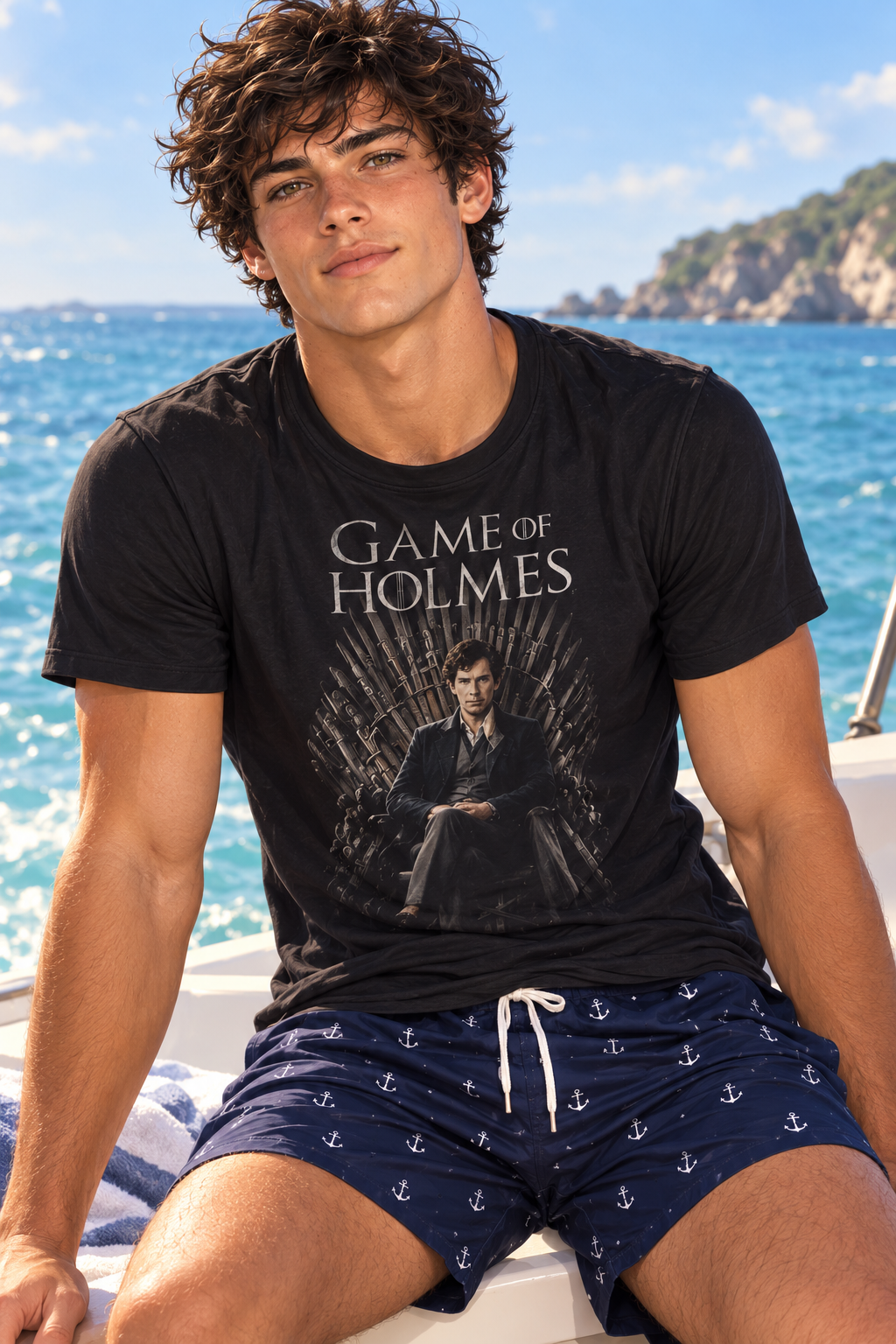
Ben actually murders Jackson aboard The Be-Yacht-Ch after Jackson saves Hannah by tying her to the railing rather than abandoning her. Ben stabs him in the neck, Jackson goes down with the boat, and his body is never recovered.
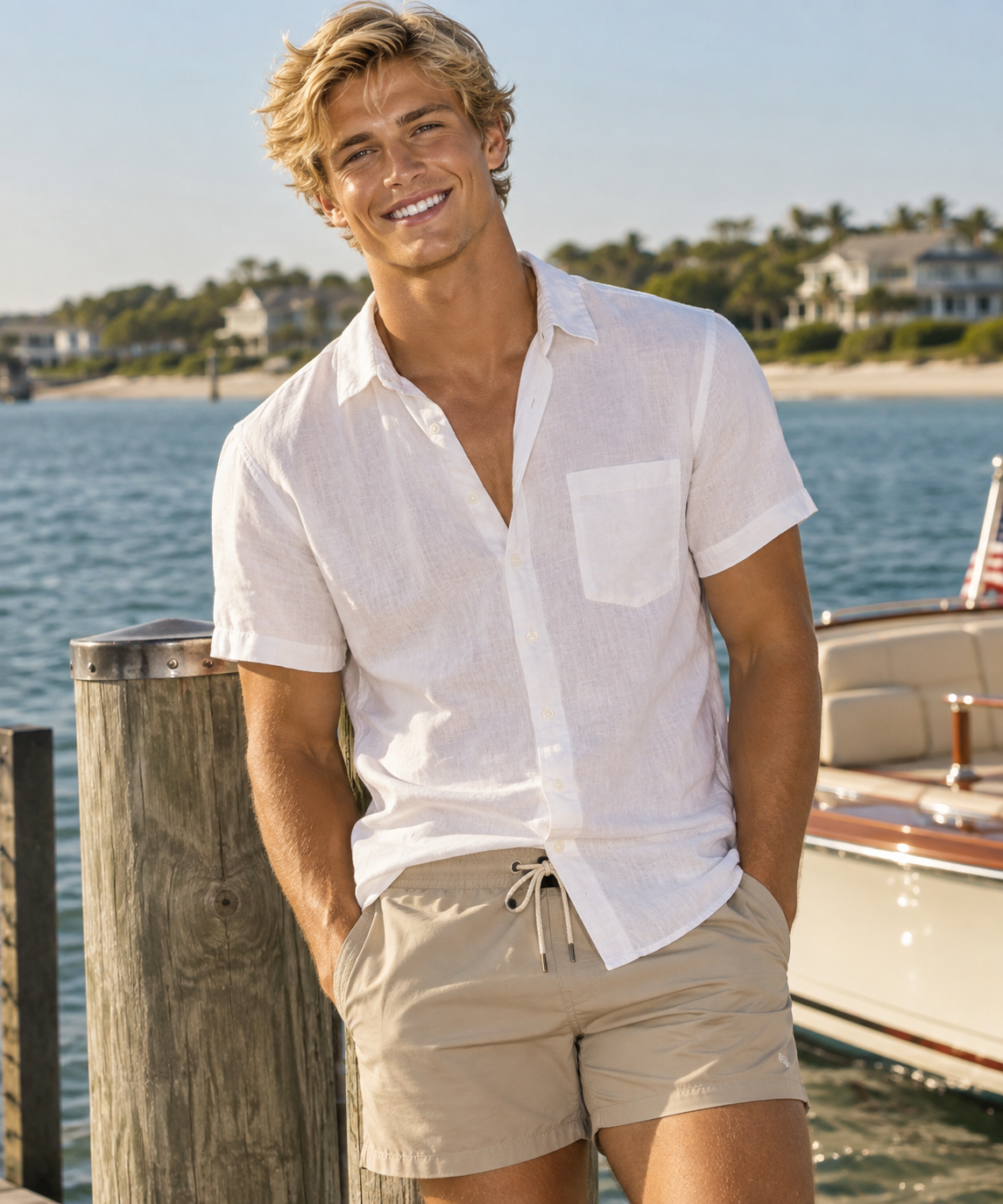
After confessing that he murdered Jackson, Ben attempts to throw Hannah from a cliff. She fights back and pulls his ankle, sending him twenty feet onto the rocks below; his body washes out to sea, and his wealthy parents later pursue a wrongful-death lawsuit despite the public largely believing Hannah’s account.
🔷 Supporting Characters
After Ben releases the wheel, the swinging boom strikes Keith unconscious and knocks him overboard. Hannah dives after him but cannot find him, and he drowns.
Jackson’s death devastates him; a year later, Hannah describes him as hollow-eyed and zombie-like as he continues grieving his only son.
She survives but is emotionally shattered by Jackson’s murder; a year later, she and her husband remain hollow-eyed and deeply traumatized by their son’s loss.
Hannah’s disappearance leaves him deeply traumatized and even more protective. By the epilogue, he is gradually accepting her independence at Linfield while frequently checking on her and conspiring with Emmy to surprise her during spring break.
After Hannah learns what he did, she storms his house and smashes his PlayStation on the curb, leaving Tanner crying in his driveway.
She leaves town when Hannah is a child and is never seen or heard from again.
🕳️ Potential Plot Holes
After realizing Jackson was never physically on the beach, Hannah remembers that there was only one set of footprints leading to and from the jungle: hers. But Ben was secretly visiting their camp to steal supplies, slash the raft, and extinguish their fire. Since the raft and campsite were on soft sand, Ben should have left obvious footprints of his own. The claim that Hannah’s were the only tracks conflicts with Ben’s repeated physical presence at the camp.
Hannah drains the flooded sailboat cabin using a hose as a siphon, but a siphon requires its discharge end to be lower than the surface of the water being drained. If the hose is routed from the flooded cabin up the companionway and over the boat’s deck or railing, its outlet would not have the necessary elevation difference to continuously drain the cabin. Without a sufficiently lower discharge point or a pump, the siphon described in the novel would not work as presented.
📚 Book Club Q&A's
⭐ Final Rating & Thoughts
What We Did to Survive was exactly the kind of thriller that makes me forgive a lot of flaws simply because I couldn’t stop reading it. The writing felt pretty juvenile at times, some of the dialogue was awkward, and the middle dragged with repetitive survival scenes that I definitely could’ve skimmed without missing much. A few of the twists were also fairly easy to see coming if you read a lot of thrillers.
And yet… I had a really good time with this book.
The first half moves fast, the danger keeps escalating, and I genuinely wanted to know how everyone was going to get out of this nightmare vacation alive. Most importantly, the book managed to pull off one major twist that I did not see coming at all, and that alone bumped my rating up.
It’s definitely not the most polished thriller I’ve ever read, but it was exciting, emotional, slightly ridiculous, and incredibly bingeable. Sometimes that’s exactly what I want.
⭐⭐⭐½ — Flawed? Absolutely. Entertaining? VERY.
✨ Adaptation description
As of August 2026, there is no official announcement of any screen adaptation of What We Did to Survive.
✨ Books Like What We Did to Survive (2026)
See an error on this page?